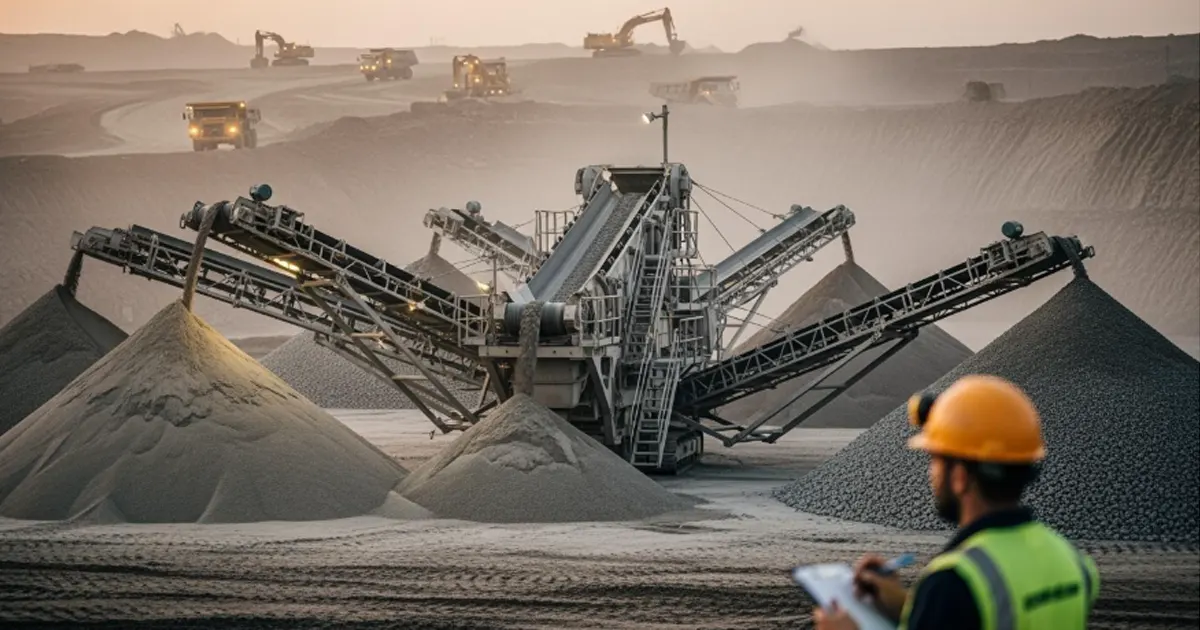
Screening in mining helps you sort materials by size and quality before they go on. You use screens to clean raw minerals and take out things you do not want. This step keeps your work going well and helps you follow tough quality rules. When you use new screening technology, you keep machines safe, make less waste, and use less energy.
Only the right materials get through, so you have better results and fewer issues.
Key Takeaways
- Screening in mining separates materials by size and quality. This makes sure only the right pieces go forward.
- Using new screening technology cuts down on waste. It also saves energy and makes work better.
- Taking care of screening equipment stops breakdowns. It also helps machines last longer.
- Good screening removes unwanted materials before processing. This makes the product better.
- There are different screens for different jobs. Some are vibrating screens and some clean themselves. These screens work best with certain materials and in certain places.
- Good screening lowers costs by making less waste. It also helps get more valuable minerals.
- Safety gets better with new screening technology. This technology finds dangers and stops accidents.
- Picking the right screen media is important. It depends on the material and the job. This gives better results and fewer problems.
Screening in Mining
What Is Screening?

In mining, you need to sort materials by size. Screening uses special machines to separate particles by how big or small they are. This step is important because it gets the right materials ready for the next job. Only the pieces you want move forward. If you skip screening, you might get poor products or waste resources.
Screening is more than just sorting rocks. It is a technical job that prepares materials for more work, moving, or selling. Screens help make sure everything is the right size before it goes to another machine or gets shipped.
Purpose in Mining
You may ask why screening is so important in mining. Here are some main reasons:
- Advanced technology helps sort ore faster and better.
- You improve ore quality by finding valuable minerals, like copper.
- You help your mine last longer by removing rocks that are not useful.
Screening saves time, money, and energy. You get better results with less work.
Material Separation
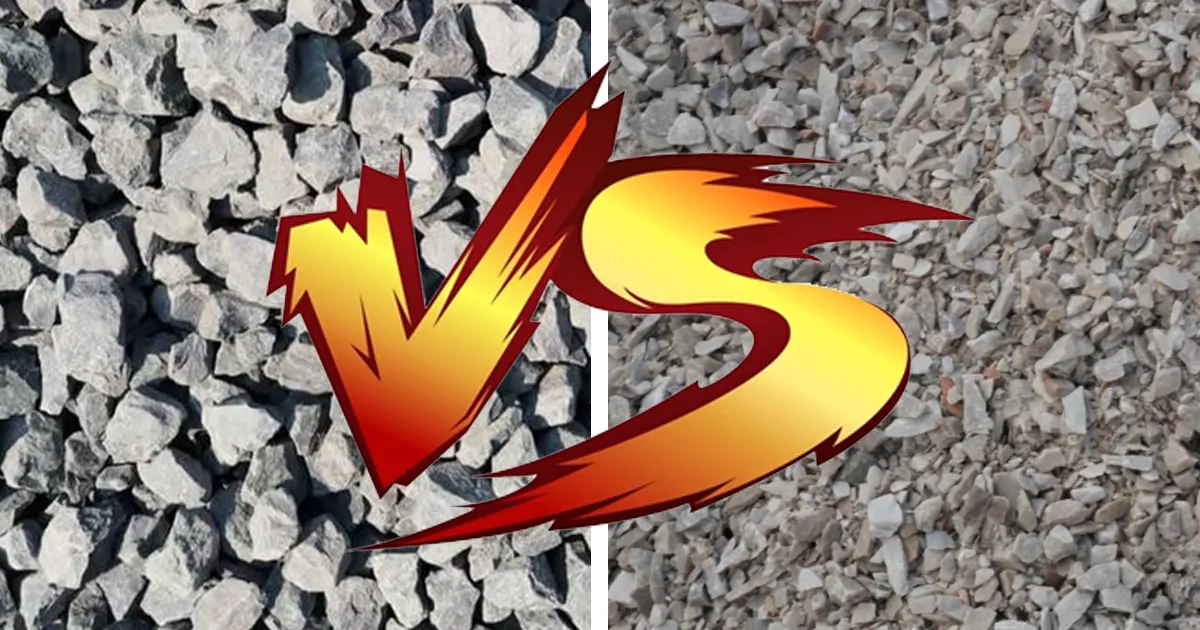
Screening helps you separate different types of materials. You can sort out big rocks, small sand, and everything in between. You can also make different grades of crushed ore for each need.
- You separate materials by size, weight, or texture.
- Common things you sort include:
- Big rocks
- Sand
- Different grades of crushed ore
You use machines like linear motion screens, grizzly screens, and vibrating conveyors. These machines help you handle large loads and keep things running well. When you separate materials well, you send the right products for more work or sale and cut down on waste.
Screening Process

Steps in Screening
First, you put rocks and minerals into special machines. These machines have screens with holes of different sizes. Small pieces fall through the holes. Big pieces stay on top of the screen. Look at the table below to see the main steps:
| Step | Description |
|---|---|
| Pre-screening | You check the material and take out things that do not belong. |
| Screening Operations | You put rocks on screens. Small pieces drop through. Big pieces stay on top. |
| Post-screening | You move and store the sorted materials. You check quality and may screen again if needed. |
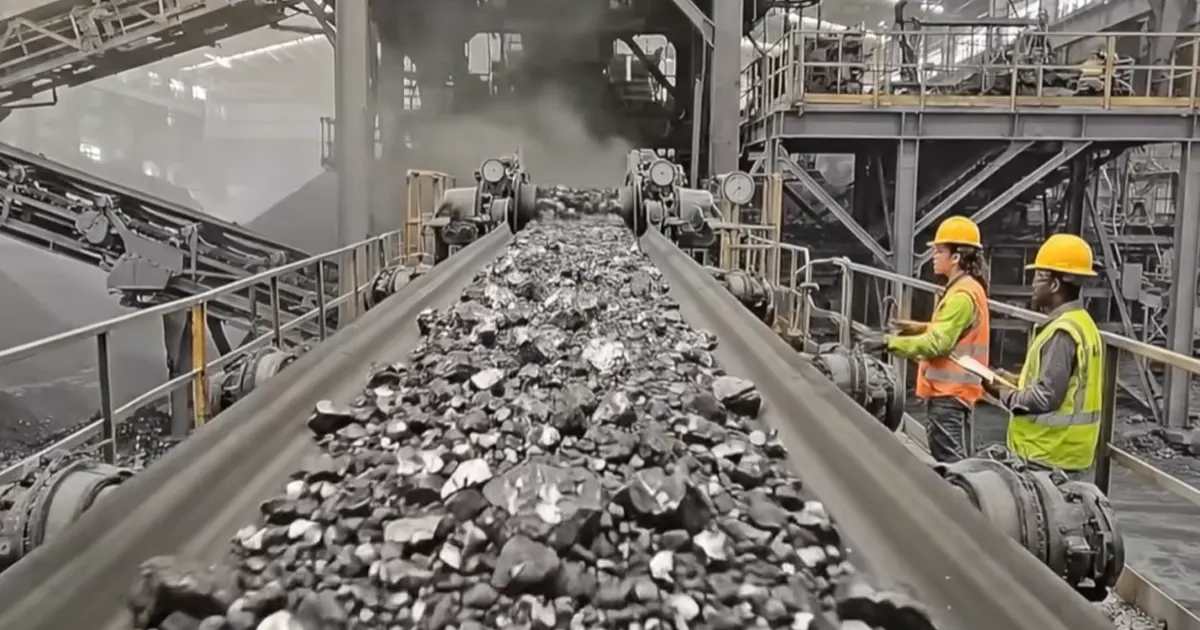
You use vibrating screens and spinning drums to help sort materials. These machines shake or spin to move particles through the holes. You can send big or small pieces for more work or recycling.
Tip: Clean and care for your screens often. You will get better results and less machine trouble.
Screening Stages
Screening happens in steps. Each step uses screens with different mesh sizes. Mesh number shows how many holes are in one inch. Bigger mesh numbers mean smaller holes. You sort materials by size. Sometimes, shape matters too. Odd-shaped pieces may not fit through the holes easily.
- Mechanical screening uses shaking and spinning.
- Different mesh sizes help you sort materials.
- Particle shape can change how well screening works.
If you make your screening process better, your machines sort materials well. You can change screen length and mesh size to get the best results.
Throughput and Yield
Good screening helps you move more material in mining. You throw away waste rock early. This saves energy and money later. You also get more valuable minerals. This means you get more product and spend less.
- Good screens make less waste.
- You get more useful material.
- You spend less time and energy on waste.
If you watch how your screens work, your mining runs smoothly. You get more material, better results, and less waste. This means more profit and less problems for you.
Screening Methods
When you work in mining, you use many types of screening equipment. Each method works best for certain jobs. Let’s see some main screens you find in mining.
Vibrating Screens
Vibrating screens are common in mining. You use them to sort materials quickly. These screens shake fast to separate particles by size. They can handle lots of material at once. But they do not work well with wet or very fine materials.
Here is a simple table to compare vibrating screens and swing screens:
| Feature | Swing Screens | Vibrating Screens |
|---|---|---|
| Frequency Range | 100–400 RPM | 600–3600 RPM |
| Particle Trajectory | Spiral rotation | Vertical bouncing |
| Material Retention | 2–3x longer | Short-duration contact |
| Energy Consumption | 30% lower | Higher intensity |
| Efficiency with Fine Particles | Better for particles < 100 microns | Less effective for tiny particles |
| Performance with Moist Materials | Maintains efficiency | Efficiency drops significantly |
Swing screens work better for fine and wet materials. You get more yield for small particles. You also get more throughput for particles under 1mm. Vibrating screens lose efficiency with odd shapes or wet materials. Their performance can drop by up to 15%. If you need to sort fine or sticky materials, try other screening methods.
Woven Wire Mesh
Woven wire mesh is a popular choice for screens. You use it because it is strong and flexible. It works well for sorting rocks and minerals by size. You can change mesh sizes to fit your needs. Woven wire mesh lasts long and gives sharp separation.
PU-Mesh Screens
PU-mesh screens use polyurethane to last longer. You pick these screens for less maintenance and longer life. They resist wear and help stop clogging. PU-mesh screens work well with sticky or rough materials. You save time since you clean or replace them less often.
Self-Cleaning Screens
Self-cleaning screens make your job easier. You do not need to stop work to clear clogged holes. These screens use special wires or panels that move and shake off stuck particles. Here is a table with pros and cons:
| Advantages | Disadvantages |
|---|---|
| Prevents clogging and reduces downtime | Higher upfront cost |
| Maximizes material throughput | Fewer customization options |
| Durable and long-lasting | May wear out faster in high-wear areas |
| Versatile for different applications | Small particles may escape |
| Less frequent maintenance needed | May not fit all equipment without changes |
Self-cleaning screens give you more efficiency and less downtime. You spend less on maintenance and keep your equipment working longer.
Urethane Panels
Urethane panels are very tough. You use them when you want screens that last a long time. They cost more at first, but you save money later. Urethane panels last much longer than steel screens. You avoid surprise repairs and cut downtime by 60%. Most companies get their money back in less than two years.
| Factor | Polyurethane Screen | Steel Screen |
|---|---|---|
| Wet Sticky Feeds | Non-adhesive surface | Material buildup |
| Fine Particulates | Elasticity prevents pegging | Rigid wires trap particles |
| Abrasion Resistance | Up to 8× longer life | Frequent replacement |
You process more tons for less money with urethane panels. They resist blinding and pegging, so you get steady performance. Data shows these panels last up to five times longer than steel.
Tip: Try different screens to match your material and job. The right equipment helps you get more yield and save money.
Importance of Screening
Efficiency
When you work in mining, you want things to go well. Screening helps you sort materials before they reach crushers or mills. This keeps your machines from working too hard. It also helps you avoid breakdowns. If you skip screening, big rocks can slow down your whole operation.
You can make things run better by improving screening. Good equipment sorts materials fast and keeps your plant moving. You spend less time fixing machines. You get more valuable minerals. Here’s how screening helps:
- You sort materials into the right sizes so crushers work better.
- You stop big rocks from causing problems.
- You protect your equipment from too much wear.
- You get more good material from each batch.
Tip: Check your screening equipment often. This helps you find problems early and keeps your plant running fast.
Product Quality
You want your final product to be very good. Screening makes sure only the best materials move forward. The right equipment gives you a cleaner and more even product. Screening is important for every bag or truck you sell.
Here’s what happens when you care about quality:
- You take out bad materials so your product looks and works better.
- You control the size of particles for smooth work later.
- You meet what your customers and the industry want.
Let’s look at it more closely:
- Good screening separates materials well, which keeps your product good.
- It makes sure particle sizes are just right for the next steps.
- By removing bad materials, you make your product better.
- Screening saves energy because you do not crush or grind the right-sized pieces again.
- It helps you keep your product the same size every time.
- Screening makes other steps like grinding and concentration work better.
- It is needed for making products that meet industry rules.
Note: Using advanced screening equipment gives you better results and happier customers.
Waste Reduction
No one wants to waste time or money. Screening helps you get rid of useless materials early. You use screening equipment to remove rocks, dirt, and other junk before they reach expensive machines. This saves you money and helps the environment.
Check out these numbers from new screening technology:
| Metric | Value |
|---|---|
| Reduction in Landfill Contribution (RLC) | 87% |
| E-Waste Processing Time (WPT) | 12 h |
| Increase in Recycling Rate | 20% |
| Decrease in Processing Costs | 15% |
When you focus on cutting waste, you:
- Pay less for landfill.
- Make processing faster.
- Recycle more.
- Spend less money on processing.
You see the difference with the right screening equipment. You get more good material and less waste. Making screening better saves money and helps the planet.
Callout: Smart screening in mining means less waste, more profit, and a cleaner operation.
Safety
You need to feel safe at work in mining. Screening helps keep you safe. Smart screens and new technology lower accident risks. Workers and machines stay out of danger. Safety is a key reason why screening matters.
Modern screening makes mines safer in many ways:
| Technology/Practice | Safety Benefit |
|---|---|
| AI and Sensor Networks | Find dangers and act fast to protect people. |
| Predictive Maintenance | Fix machines early to stop accidents. |
| Real-Time Monitoring | Watch workers and the mine for quick alerts. |
| Digital Twin Technology | Try safety plans in computer models first. |
| Data-Driven Decision Making | Make safety plans that match your mine’s needs. |
Sensors check gas, temperature, and machine health. They find problems before things get bad. If gas goes up, air sensors turn on fans. Rock sensors warn about loose ground. You get alerts quickly and can act fast.
Artificial intelligence helps you spot danger early. AI looks at data from worker health monitors. It finds signs of tiredness or stress. You can rest or switch jobs before accidents happen. This keeps everyone healthy and safe.
When you focus on safety in screening, you get:
- Fewer injuries and accidents
- Quicker hazard response
- Cleaner air for workers
- Less downtime from broken machines
- Peace of mind for everyone
Tip: Use smart screens and sensors to keep your mine safe. Safety means caring for people, not just following rules.
Screening in Mineral Processing
Role in Mineral Separation
You play a big part in separating valuable minerals from waste. Screening in mineral processing helps you sort raw material by size. This step is key for large mining operations. You want to make sure only the right pieces move forward. Here’s how screening in mineral processing helps you:
- You classify materials into different sizes. This tells you which ones are ready for the next step.
- You keep your product quality high. Only the best-sized materials go on for more work.
- You boost your output and save money. Good sorting means your machines do not work too hard.
- You cut down on waste. You use more of what you dig up and throw away less.
When you use screening in mineral processing, you get better results and spend less.
Preparing Materials for Sale
You want your materials to be ready for the market. Screening in mineral processing helps you do that. You use screens to make piles of different sizes. This lets you pick out metals, gems, or other valuable things. In the past, people did this by hand. Now, you use machines that do the job faster and better.
You also use screening to clean up your materials. You take out dirt and other things you do not want. This makes your product safer and helps you follow the rules. When you use strong and accurate screening equipment, you get the right size every time. Modern machines do most of the work for you. This means fewer mistakes and less hard work for your team.
- Your screens must be tough and exact.
- You use aggregate screens to sort by size.
- New machines do the sorting for you and help you avoid errors.
Screening in mineral processing helps you sell better products and keeps your business strong.
Repurposing Waste
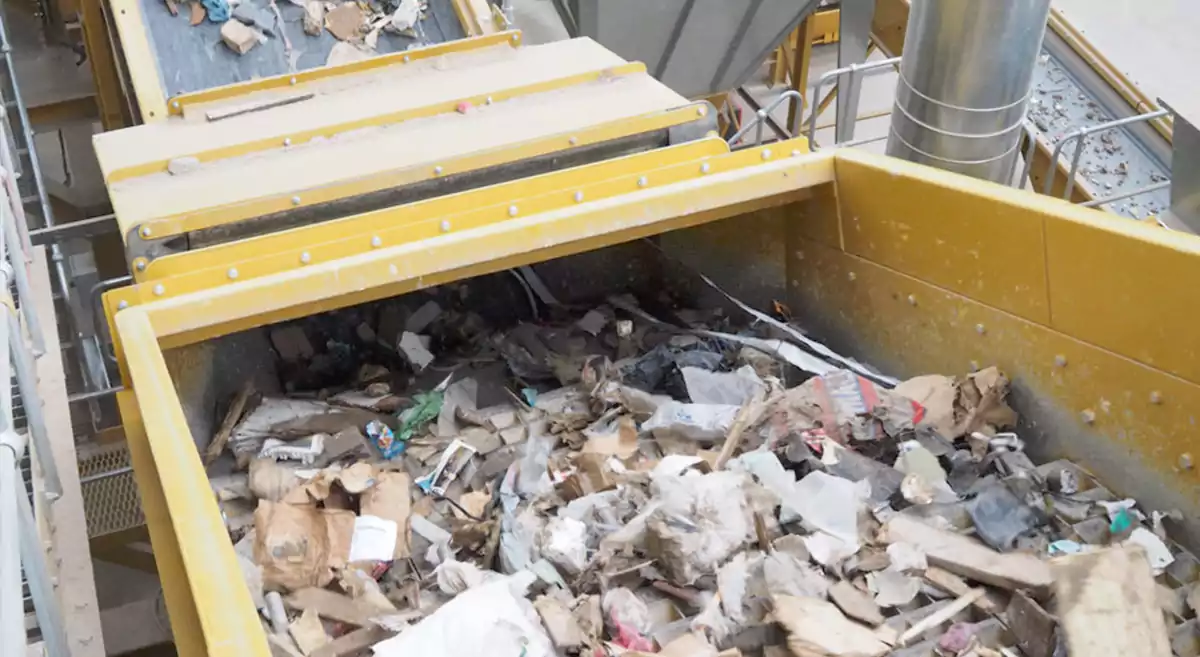
You do not want to waste anything in mining. Screening in mineral processing lets you recycle and reuse more. Your machines sort out what you can use again. This means less trash goes to the landfill.
- Your screening machines help you recycle by sorting and classifying materials.
- Mobile screeners pull out plastics and metals so you can recycle them.
- Waste screening sorts by size and density. Small pieces fall through, and you can process big pieces again.
You help the planet and your wallet when you repurpose waste. Screening in mineral processing makes your operation cleaner and more efficient.
Challenges and Solutions
Clogging Issues
Screens in mining can get clogged a lot. This slows down your work and gives you less good material. Why does clogging happen? Here are some reasons:
- Too much water makes particles stick together and block the mesh.
- Sticky or charged particles stick to the screen.
- Light or weird-shaped materials pile up and block the way.
- Lots of particles close to mesh size can jam the holes.
- Screens with thick wires have less open space, so clogging gets worse.
- If you do not have cleaning tools, vibration cannot clear stuck stuff.
- Loose screen sides let particles build up.
You can stop clogging with smart ideas:
- Dry your material before you screen it.
- Crush big pieces so they do not block the mesh.
- Use ground wires to stop static cling.
- Try cleaning tools like bouncing balls or ultrasonic cleaners.
- Use anti-blocking mesh and change airflow to spread out materials.
- Control how fast you feed material and change the screen angle.
- Add things like talcum powder to help particles move.
Tip: Self-cleaning screens and ultrasonic mesh can save you time and keep your work going.
Wear and Tear
Mining screens work hard every day. They get worn out from heavy loads and tough jobs. What causes this damage? Look at the table below:
| Cause of Wear and Tear | Explanation |
|---|---|
| Poor quality mining screens | Weak materials break fast when you screen heavy stones. |
| Insufficient tension of the screen surface | Loose screens bend and shake too much, so they get damaged at the edges. |
| Excessive or uneven feeding | Too much or uneven material puts extra stress on the screen and wears it out. |
You can make screens last longer by picking strong woven wire mesh or tough polyurethane panels. Keep the tension right and feed material evenly. If you find damage early, you can fix it before it gets bad.
Note: Buying better screen media means fewer breakdowns and less downtime.
Maintenance
You want your equipment to last and work well. Regular care helps you find problems before they stop your work. Mining screens face tough jobs, so you need a good plan. Here is what works best:
- Check your screens every day. Clean the decks, take off dust, and check mesh tension.
- Every week or month, look at drive belts, vibration, and seals.
- Once a year, check the structure, test springs, and change worn parts.
| Frequency | Maintenance Tasks |
|---|---|
| Daily | Clean screens, check tension, inspect bolts, oil bearings. |
| Weekly/Monthly | Check belts, look at vibration, check chute wear. |
| Annual | Check structure, test springs, change parts, check alignment. |
Predictive maintenance uses data to warn you about problems before they happen. Regular checks and repairs keep your screens working longer and help you avoid surprise failures.
Callout: A strong maintenance plan means more uptime, better work, and lower costs for your mine.
Best Practices
Choosing Screen Media
Picking the right screen media makes a big difference in your mining results. You want to match your screen to your job and material. Here are some things you should check before you decide:
- Figure out the cut size you need. Look at the feed and see if there are lots of pieces close to your target size.
- Check if your material is abrasive, sticky, or wet. These things change how your screen works.
- Decide if you care more about moving lots of material or making your screen last longer.
- Make sure your screen media fits with your fastening system.
You should also ask yourself:
- Is your process wet or dry?
- Will your screen clog or plug up?
- How rough is your material?
- What sizes do you need to sort?
- Do you need to wash your material?
- Is noise a problem at your site?
If you answer these questions, you can pick screen media that works best for your operation. You get better results and fewer problems.
Maintenance Tips
Taking care of your screening equipment keeps your mine running smoothly. You want to catch problems early and avoid breakdowns. Here’s a simple plan you can follow:
- Make a schedule for maintenance. Write down what needs to be done and when.
- Inspect your equipment often. Look for signs of wear or damage.
- Lubricate moving parts as the manufacturer suggests.
- Clean your screens and machines regularly.
- Replace worn parts before they break.
- Keep records of all maintenance work.
- Train your team so they know how to fix and care for equipment.
- Talk with manufacturers for advice and updates.
Tip: Regular cleaning and inspections help you spot trouble before it stops your work. Well-maintained screening equipment lasts longer and works better.
Upgrading Equipment
Upgrading your screening equipment can save you time and money. New screens and technology help you work faster and fix less. When you use stronger screens, you have fewer surprise repairs and less downtime. Advanced systems, like double eccentric screens and vibration analysis, give you higher quality results and boost productivity.
Here’s what you get when you upgrade:
- Less downtime and fewer costly repairs
- More material processed each day
- Easier maintenance and less cleaning
- Better results with tough or sticky materials
If you want your mine to run better, think about upgrading your screening equipment. You get more value from your investment and keep your operation strong.
Conclusion
Screening plays a huge role in mining. You get better results, higher product quality, and less waste when you use the right screening methods. Real-time monitoring and pre-screening help you spot problems fast and boost your yields by up to 5%. Want to keep your operation running smoothly? Try these best practices:
- Check screen alignment and tension often
- Keep screens clean and free from buildup
- Lubricate moving parts and inspect for wear
ANPENG offers top-quality woven wire mesh screens and more for your mining needs. Contact ANPENG for more details on choosing the right screening media for your mining operations.
FAQ
What is the main goal of screening in mining?
You want to separate materials by size and quality. Screening helps you get the right pieces for the next step. This keeps your process smooth and your products top-notch.
How often should you check your screening equipment?
You should check your screens every day. Look for damage, clean off dust, and make sure everything works right. Regular checks help you avoid big problems later.
Which screen type works best for sticky materials?
PU-mesh screens and self-cleaning screens handle sticky materials well. They resist clogging and last longer. You spend less time cleaning and more time working.
Can screening help you save money?
Yes! Screening removes waste early. You use less energy and protect your machines. This means lower costs and more profit for your mine.
What causes screens to wear out fast?
Heavy loads, poor tension, and uneven feeding wear out screens quickly. You can make screens last longer by using strong materials and keeping tension right.
How do you pick the right screen media?
Think about your material, size needs, and if your process is wet or dry. Ask yourself if you want more throughput or longer life. The right choice gives you better results.
Does screening improve safety?
Absolutely! Smart screens and sensors spot dangers early. You keep workers safe and avoid accidents. Safety always comes first in mining.
Why should you upgrade your screening equipment?
New screens work faster and last longer. You get less downtime, easier maintenance, and better results. Upgrading helps your mine stay strong and efficient.