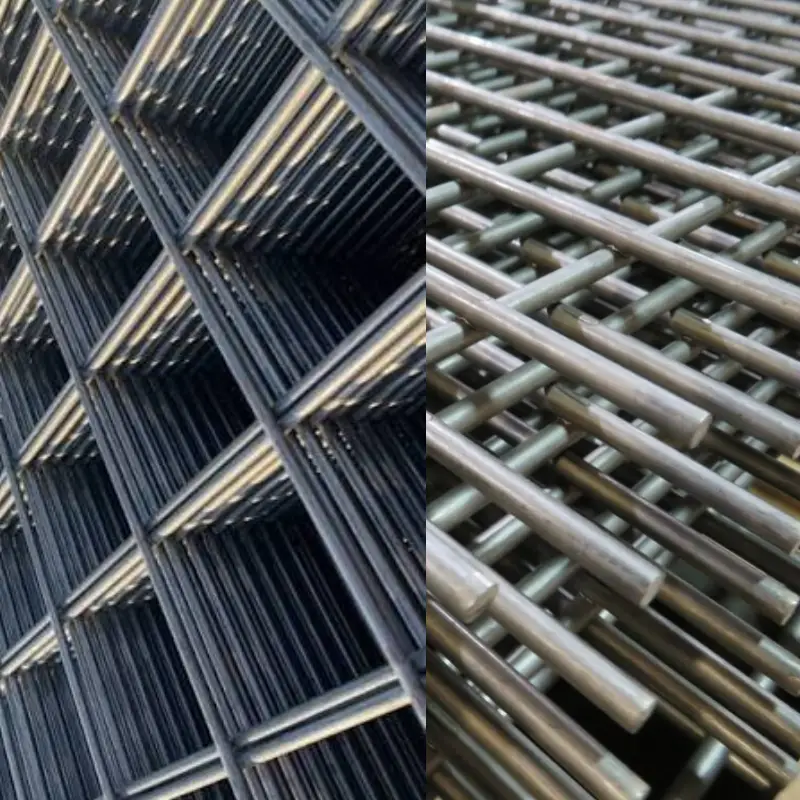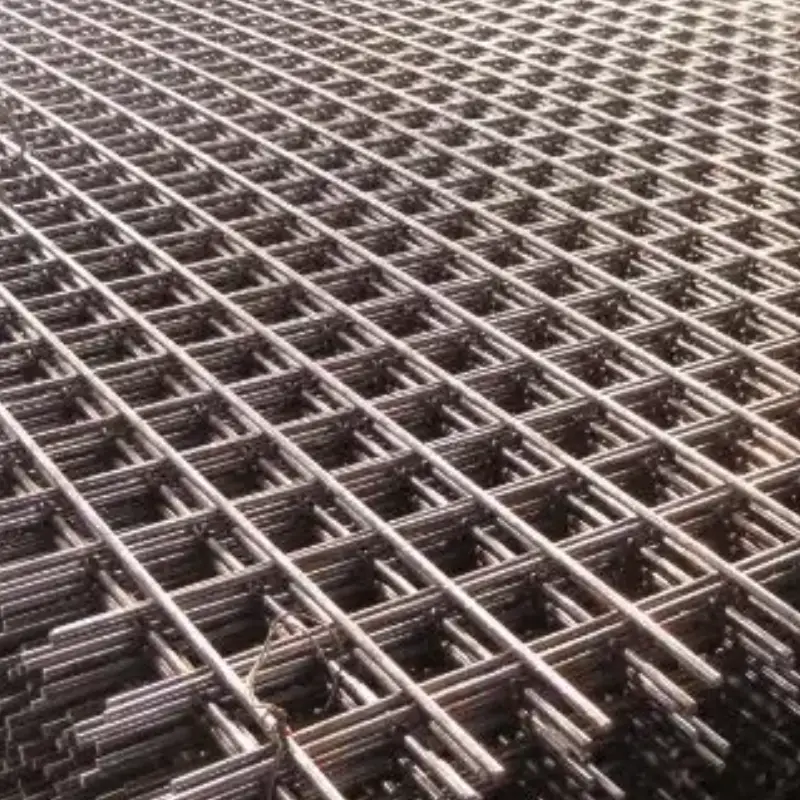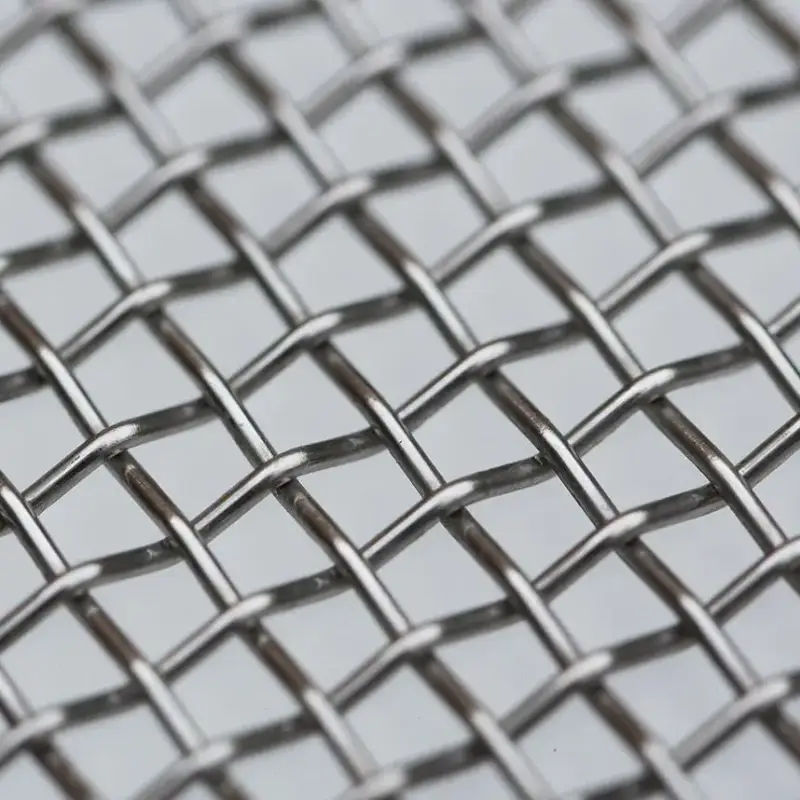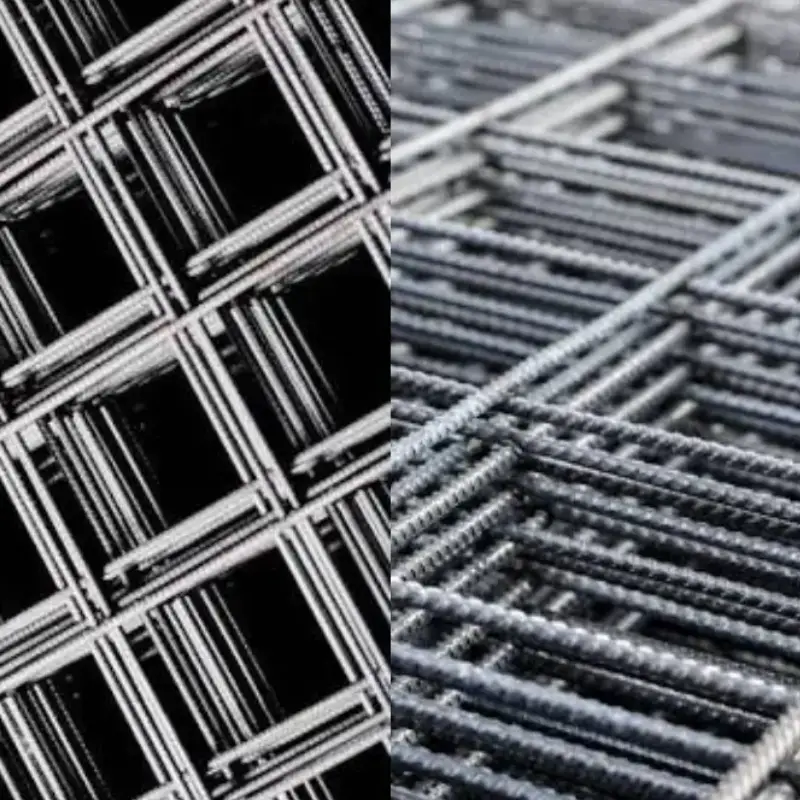
Wire mesh is made from different metals selected according to strength, corrosion resistance, flexibility, and application requirements. Common materials include stainless steel, carbon steel, galvanized steel, aluminum, and copper. Understanding these materials helps buyers compare performance, durability, appearance, and cost when choosing the right wire mesh for construction, filtration, fencing, industrial, or decorative applications.
The material of wire mesh directly affects how it performs in different environments. Some meshes are designed for harsh or corrosive conditions, while others focus on strength, lightweight handling, conductivity, or affordability. In this guide, we explain the most common wire mesh materials and their characteristics to help you make a more suitable choice.
What is Wire Mesh?

Wire mesh is a metal product made by connecting or weaving wires into a regular pattern of openings. Depending on the manufacturing method, it can be woven, welded, expanded, or perforated. Common materials include stainless steel, carbon steel, galvanized steel, aluminum, and copper, with different options available for strength, flexibility, and corrosion resistance.
Wire mesh is used across many industries because it combines durability with controlled openings. We commonly see it in filtration, screening, fencing, construction, agriculture, mining, ventilation, and decorative applications. Mesh size, wire diameter, material, and surface treatment can all be customized to match specific performance and environmental requirements.
What Is Wire Mesh Made Of?

Wire Mesh Material
Wire mesh material determines how well a product resists corrosion, carries loads, tolerates temperature, conducts electricity, and performs in its working environment. Stainless steel, galvanized steel, carbon steel, aluminum, brass, copper, bronze, and specialty alloys are common options.
Choose the material after defining exposure conditions, required strength, hygiene needs, budget, and expected service life.
Stainless Steel
Stainless steel stands out as one of the top choices for wire mesh. You get a material that contains at least 10.5% chromium. This gives it amazing corrosion resistance and lets it handle high heat—up to 1700°F. You’ll often see two main types: T-304 and T-316. T-304 stainless works well for general use and outdoor jobs. T-316 stainless is even tougher against rust and chemicals, so it’s perfect for marine or chemical settings.
Tip: If you need woven wire mesh for salty or wet places, T-316 stainless steel is your best bet.
Here’s a quick look at how T-304 and T-316 compare:
| Alloy | Tensile Strength (MPa) | Corrosion Resistance | Applications |
|---|---|---|---|
| T-304 | 621 | Good | General use, outdoor exposure |
| T-316 | 579 | Excellent | Marine, chemical processing |
Galvanized Steel
Galvanized steel is another popular answer to what is wire mesh made of. This type of mesh gets a special zinc coating. The zinc helps protect the steel from rust and weather. You’ll find galvanized wire mesh in fences, screens, and cages. It’s a solid choice if you want something strong that won’t break the bank.
Carbon Steel
Carbon steel wire mesh is tough and affordable. It’s made mostly from iron with a bit of carbon mixed in. This gives it strength and makes it magnetic. You’ll see carbon steel used in construction and heavy-duty jobs. Just remember, it can rust if you leave it outside without a coating.
Aluminum
Aluminum wire mesh is super light—about one-third the weight of stainless steel. It resists rust in most places and is easy to shape. You’ll find aluminum mesh in screens, filters, and even car parts. It melts at around 1218°F, so it handles heat pretty well, too.
Brass
Brass wire mesh looks great and works hard. It’s made from copper and zinc. Brass is soft, easy to bend, and stands up to wear and tear. You’ll see it in decorative screens, plumbing, and some filters.
Copper
Copper wire mesh is famous for its bright color and flexibility. It carries heat and electricity very well. You’ll find copper mesh in electronics, telecom gear, and special filters. It can corrode if it meets strong chemicals, so keep that in mind.
Bronze
Bronze wire mesh mixes copper with tin or zinc. This gives it good resistance to rust and makes it last a long time. Bronze mesh often shows up in marine gear and art projects. It’s strong and holds its shape well.
Note: Each metal wire mesh type brings something special to the table. Think about where you’ll use the mesh and what you need it to do.
Here’s a table to help you compare the main materials to make wire mesh:
| Material | Composition | Key Properties | Applications |
|---|---|---|---|
| Stainless Steel | Iron, chromium, nickel | High corrosion resistance, strength, durability | Food, medical, industrial |
| Carbon Steel | Iron, carbon | Strong, magnetic, low-cost, can rust | Construction, heavy-duty uses |
| Galvanized Steel | Steel, zinc coating | Rust protection, affordable, durable | Fencing, cages, outdoor screens |
| Aluminum | Aluminum alloy | Lightweight, corrosion-resistant, good strength | Construction, automotive, general use |
| Brass | Copper, zinc | Soft, malleable, abrasion-resistant, decorative | Plumbing, decorative, filtration |
| Copper | Copper | Flexible, conducts heat/electricity, antimicrobial | Electronics, telecom, filtration |
| Bronze | Copper, tin/zinc | Corrosion-resistant, durable, malleable | Marine, artistic, specialty uses |
So, what is wire mesh made of? You now know the answer covers many metals, each with its own set of features. Stainless steel, especially T-304 and T-316, leads the pack for strength and corrosion resistance.
Galvanized steel and carbon steel offer toughness and value. Aluminum, brass, copper, and bronze bring their own unique benefits for special jobs. When you pick a mesh, think about the environment, the job, and how long you want it to last.
Stainless Steel Wire Mesh
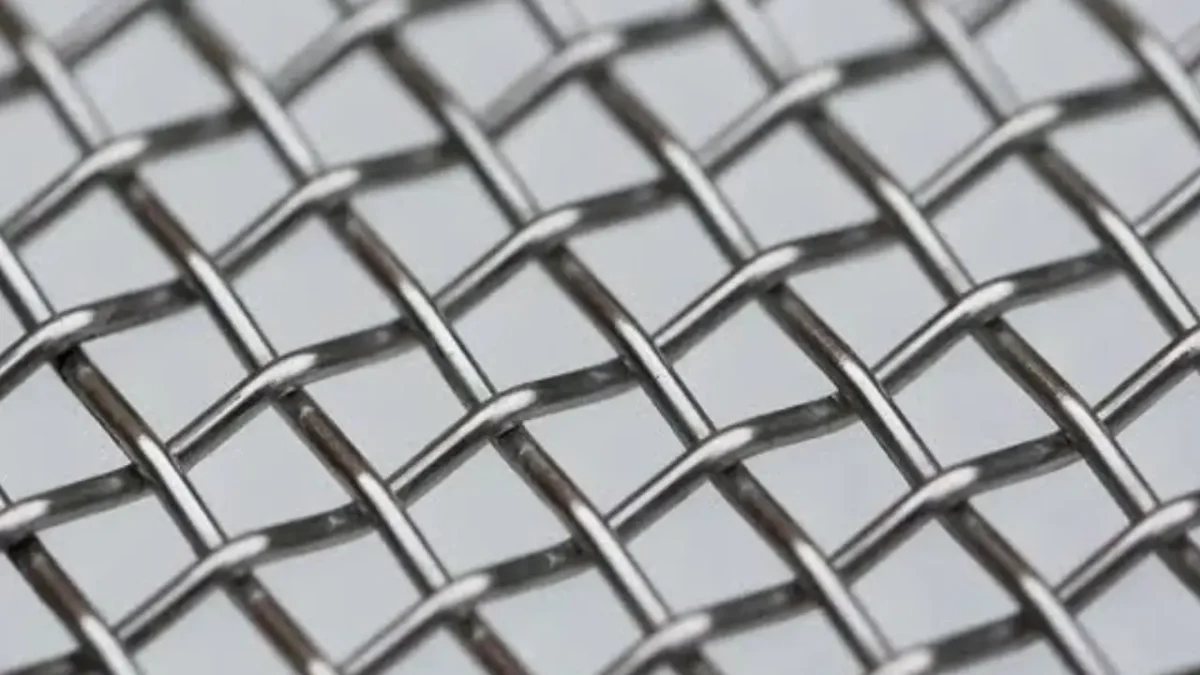
Have you ever wondered why stainless steel wire mesh is so popular? The reason is easy to understand. This mesh is strong and can be used for many things. Let’s look at what makes it special.
Stainless Steel Properties
Corrosion Resistance
If you need mesh that can handle water, chemicals, or salty air, stainless steel wire mesh is a great choice. You do not have to worry about rust or damage, even in hard places like food factories or near the sea. Here is a table that shows how different grades compare:
| Grade | Corrosion Resistance |
|---|---|
| 304 Stainless Steel | Standard, general-purpose mesh |
| 316 Stainless Steel | Marine-grade for high corrosion resistance |
| 316L Stainless Steel | Lower carbon, better weldability |
| 430 Stainless Steel | Basic corrosion resistance |
Stainless steel wire mesh works well in places like the ocean, chemical plants, and food factories. Its rust resistance helps keep things safe and clean.
Strength
You want mesh that does not break easily. Stainless steel gives you that strength. The wire is made from iron, chromium, and nickel. These metals work together to make a strong and bendy mesh. Stainless steel wire mesh is stronger than galvanized wire mesh. It is good for tough jobs and does not snap or bend easily.
- Stainless steel wire mesh is stronger than galvanized mesh.
- Galvanized mesh can lose its coating and rust, but stainless steel stays strong.
- Stainless steel mesh is used where strength is very important.
T-304 vs T-316 Stainless Steel
Let’s talk about the two most common types: T-304 and T-316. Both are strong, but they are a little different.
| Alloy Type | Chromium Content | Nickel Content | Molybdenum Content |
|---|---|---|---|
| T-304 | 18% | 8% | None |
| T-316 | 16-18% | 10-14% | 2-3% |
T-316 stainless steel has molybdenum. This extra metal helps it fight rust even better, especially in salty or chemical places. If you work near the ocean or in a chemical plant, T-316 is the best choice. T-304 is good for most jobs, but it might not last as long in harsh places.
| Stainless Steel Type | Marine Environments | Industrial Environments |
|---|---|---|
| T-304 | Moderate | Good for general use |
| T-316 | High | Excellent |
Tip: Pick T-316 mesh for salty or chemical places. Use T-304 mesh for everyday jobs.
Typical Uses
You can find stainless steel wire mesh almost everywhere. People use it in food factories, oil refineries, building sites, and farms. Here are some common uses:
- Filtering liquids and gases in food and medicine factories
- Screening and sorting in mining and farming
- Fences and barriers for safety
- Decorative panels in buildings
- Animal cages for strength and safety
| Industry | Common Uses |
|---|---|
| Food Processing | Storage baskets, deep-frying baskets, barbeque grills |
| Oil Refineries | Oil filtration, storage cabinets |
| Construction | Concrete reinforcement, safety enclosures, bridge maintenance |
| Agriculture | Chicken coops, compost bins, pest control, plant supports |
Stainless steel wire mesh can be used for many things. You can use it for filtering, screening, or holding things up. Its strength and rust resistance make it a smart pick for many jobs.
Galvanized Steel Wire Mesh
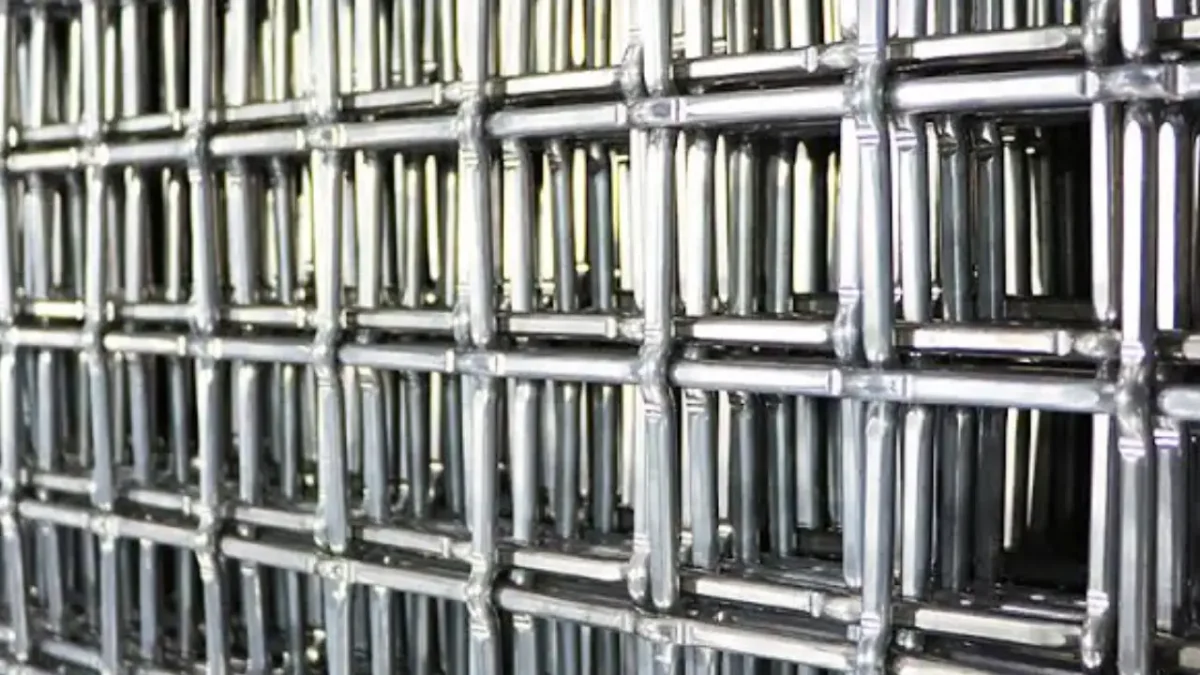
Galvanized steel wire mesh works well outside and in tough places. You can see it in fences, cages, and building sites. This mesh is strong and does not rust easily. Let’s look at why it is special.
Galvanized Steel Features
Galvanized steel is made with a special step. Makers cover the wire with zinc. The zinc layer helps the mesh last a long time and look nice.
Zinc Coating
The zinc coating is very important. When you see galvanized wire mesh, you see a metal shield. This shield stops water and air from touching the steel. It keeps rust away. The zinc layer covers the whole mesh, so every part is safe.
- The zinc layer stops rust very well.
- The wire is strong because of how it is made.
- You can use it for many outdoor jobs.
Rust Protection
You want your mesh to last outside. The zinc coating blocks water and air from the steel. This means rust and damage do not happen, even in rain or mud.
Zinc protects the mesh even if the coating gets scratched. The zinc keeps working to guard the steel underneath.
Galvanized wire mesh lasts a long time. The zinc layer fights rust and damage. If the coating breaks, the zinc still helps protect the mesh. This makes it good for places with some moisture.
Applications
Galvanized steel wire mesh is used in many ways. It is strong and does not rust, so it works well for jobs that need to last.
- Fences, cages, and barriers for animals or land.
- Used on farms for animal pens and gardens.
- Building sites use it to make concrete stronger.
- Used for security to make tough walls.
- Used in gardens to hold rocks or dirt.
- Used in greenhouses to help plants and keep them safe.
Galvanized mesh is also used for welded wire mesh panels. These panels help build strong fences and cages. The metal stays strong, even in bad weather or heavy use.
Here is a table that shows where you can use galvanized steel wire mesh:
| Application Area | Why Use Galvanized Mesh? |
|---|---|
| Construction | Makes concrete stronger, does not rust |
| Agriculture | Keeps animals safe, lasts outside |
| Security | Makes strong walls, protects for years |
| Landscaping | Holds dirt, helps plants grow |
| Greenhouses | Protects plants, does not get damaged |
If you need wire mesh for outside, galvanized steel is a good choice. The zinc layer keeps the metal safe. The mesh stays strong for a long time. You get a product that works hard and lasts.
Carbon Steel Wire Mesh
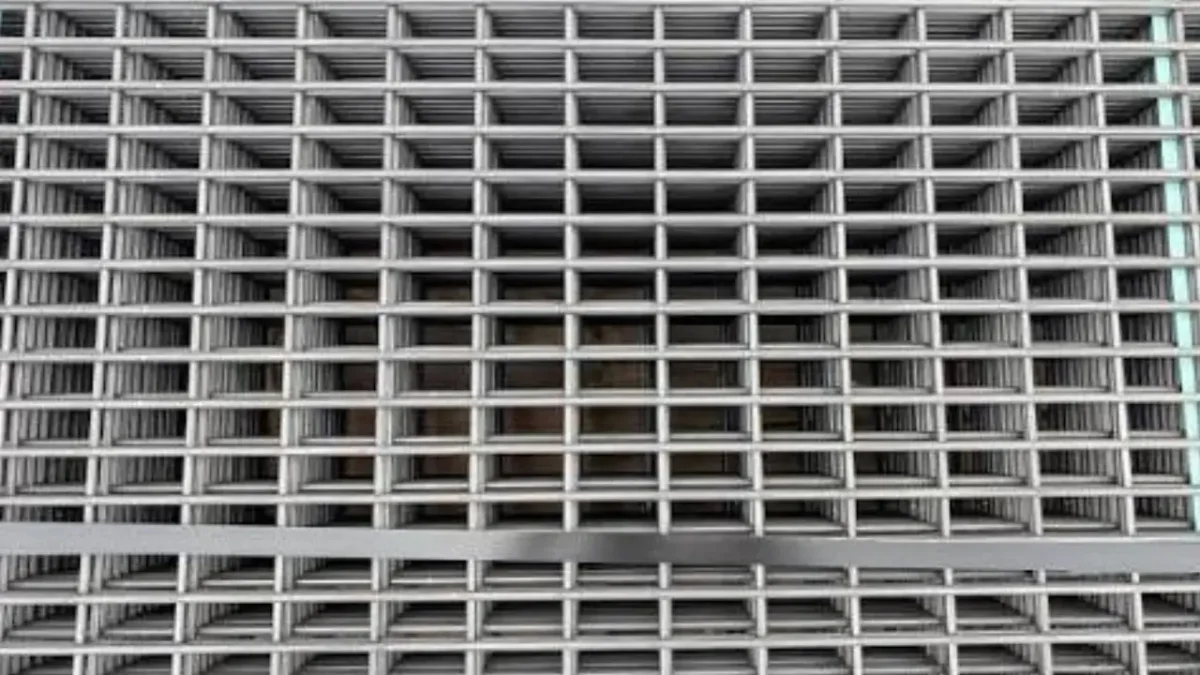
You might wonder why so many people choose carbon steel wire mesh for their projects. The answer is simple. This mesh gives you a strong and affordable option for many jobs. Let’s look at what makes carbon steel stand out.
Carbon Steel Properties
Cost
If you want to save money, carbon steel mesh is a smart pick. You get a product that costs less than stainless steel. Many industries use it because it’s budget-friendly and easy to find. You can see how the cost compares in this table:
| Key Decision Points | Carbon Steel | Stainless Steel |
|---|---|---|
| Cost | More economical | Higher |
You get more value for your money with carbon steel wire mesh. It’s perfect for big projects where you need a lot of material but don’t want to spend too much. You’ll often see it used in mining screens and fencing because it’s cost-effective.
Tip: If you need a lot of mesh for a large area, carbon steel helps you keep costs down without giving up strength.
Durability
Carbon steel mesh is tough. The wire holds up well under heavy loads and rough use. You can trust it to last in places like construction sites or factories. The metal is strong and can handle bumps and scrapes. However, carbon steel does not resist rust as well as stainless steel. If you use it outside or in wet places, you might need a coating to protect it.
Here’s a quick look at how carbon steel compares to stainless steel:
| Material | Cost | Corrosion Resistance |
|---|---|---|
| Carbon Steel | Lower | Lacks |
| Stainless Steel | Higher | High |
You get great strength and durability with carbon steel mesh, but you need to think about rust protection if you use it outdoors.
Uses
You’ll find carbon steel wire mesh in many places. It works well for both industrial and everyday jobs. Here are some common uses:
- Grill and radiator covers
- Fireplace screens
- Building and construction
- Scaffolding
- Conveyor belts
- Machine guards
Industries use carbon steel mesh for filtration, screening, and reinforcement. You might see it as a protective barrier or as welded wire mesh panels in buildings. The metal gives you the strength you need for safety and support.
| Application Type | Description |
|---|---|
| Filtration | Used to filter liquids and gases in various industries. |
| Screening | Employed for separating materials based on size. |
| Reinforcement | Provides structural support in construction. |
| Protective Barriers | Acts as a safety measure in various environments. |
You can use carbon steel mesh for many tasks. It’s strong, affordable, and easy to shape. If you need a reliable metal mesh for your project, carbon steel is a great choice.
Aluminum, Brass, Copper, Bronze Mesh
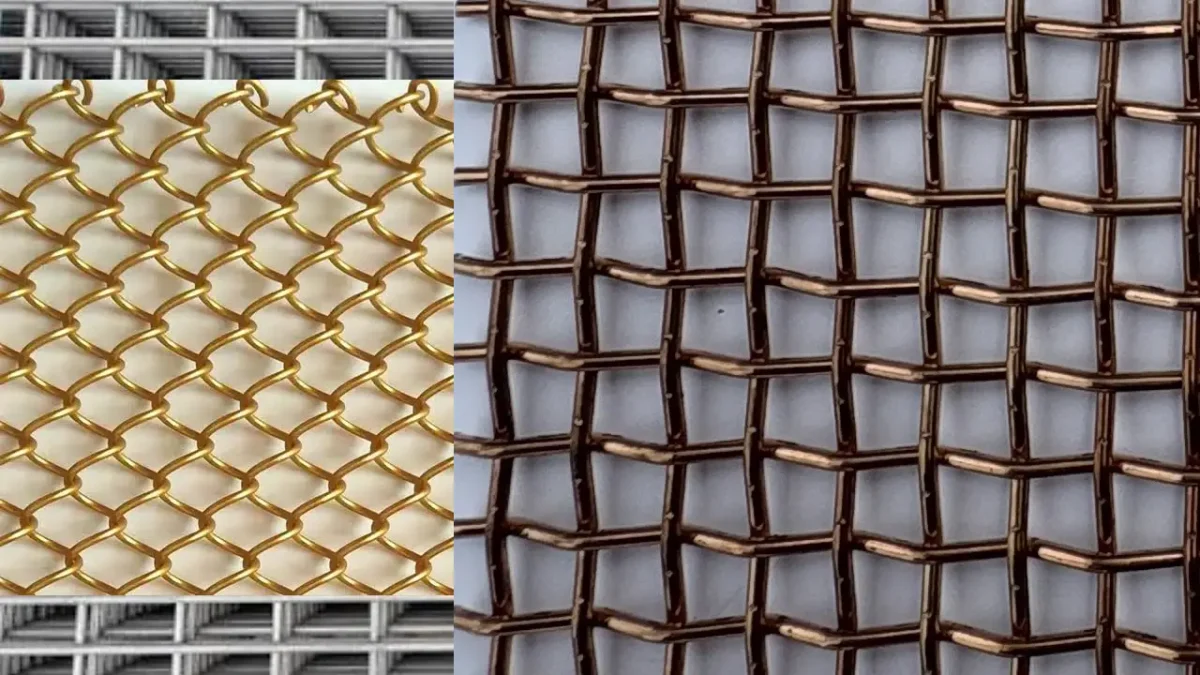
Aluminum Mesh
Sometimes you need mesh that is easy to use. Aluminum mesh is light and simple to move. It weighs much less than steel or iron. Some aluminum mesh is 65% lighter than stainless steel mesh. This helps a lot when you cover big spaces or work above your head.
Even though it is light, aluminum mesh is strong. You can use it outside because it does not rust easily. You do not need to fix it often. The mesh keeps its shape and looks nice for a long time. If you want your project to look modern, aluminum mesh is a good choice for inside or outside.
Here’s a table that shows why aluminum mesh is smart:
| Property | Description |
|---|---|
| Lightweight | Easy to install and move; weighs much less than steel or iron |
| Durability | Handles tough weather and daily use |
| Flexibility | Simple to shape for custom designs |
| Low Maintenance | Resists rust and corrosion; needs little upkeep |
| Aesthetic Appeal | Looks sleek and modern in any setting |
You can find aluminum mesh in screens and filters. It is also used in building panels, car parts, and air vents. If you want metal mesh that is not heavy, pick aluminum.
Brass Mesh
Brass mesh looks nice and is strong. It is made from copper and zinc. This makes it easy to bend but still tough. Brass mesh works well in factories and for decoration.
You will see brass mesh in filters because it can hold tiny weaves. It does not rust much and is not affected by magnets. This makes it good for labs and factories. Brass mesh also shines with a gold color. People use it for room dividers, ceiling panels, and lampshades.
Here are some ways people use brass mesh:
- Filtering liquids and gases in factories
- Fancy panels in buildings
- Room dividers and decorations
- Ceiling panels and lampshades
- Art and design projects
Brass mesh stays shiny longer than copper mesh. It does not rust fast, so it keeps looking good. If you want mesh that is pretty and useful, brass mesh is a smart pick.
| Material | Corrosion Resistance Characteristics |
|---|---|
| Brass | Good corrosion resistance, maintains appearance longer than copper |
| Copper | Can develop a green patina over time |
| Bronze | Superior resistance to atmospheric corrosion, suitable for marine environments |
Copper Mesh
Copper mesh is great for special jobs. It carries electricity and heat very well. Only silver is better at this. Copper mesh is used to block electronic signals and stop interference. You do not need much mesh to do this, so it saves weight and money.
Copper mesh does not rust fast, so it works in wet places. You can find copper mesh in batteries, heaters, and even space tools. It is also used for pest control, filters, and as decoration in buildings.
Here are some ways to use copper mesh:
- Electrical work and blocking signals
- Heat sinks and power parts
- Used in boats and tough places
- Pest control and fumigation
- Robots and machines
- RFI shielding and Faraday cages
- Air systems and roofs
- Filtering liquids and solids
- Decoration in buildings
If you need mesh for science or art, copper mesh is a good choice. It works well, does not rust fast, and has a special look.
Bronze Mesh
Bronze mesh is strong and lasts a long time. It is made by mixing copper with tin or zinc. This mix makes bronze mesh tough and helps it resist rust. If you need mesh for rough weather or salty air, bronze is a smart choice.
Bronze mesh is stronger than brass and copper mesh. It also resists rust better than the other two. You can trust bronze mesh to last longer in hard places.
Bronze mesh is used in many places. It works well where you need both strength and beauty. Boat builders use bronze mesh because it does not rust in water. Docks and piers use it for the same reason. Bronze mesh keeps its shape by the sea.
Bronze mesh is also used in buildings. It adds shade and style to building fronts. Designers use bronze mesh for walls inside buildings. It lets air move and looks nice. You might see bronze mesh in stair railings or elevator walls. It makes these places safe and adds art.
Here are some ways people use bronze mesh:
| Application Area | Functional Role |
|---|---|
| Boat Building | Stays strong and does not rust |
| Dock Construction | Works well in tough marine places |
| Filtration in Pharmaceuticals | Keeps products clean and safe |
| Insect Screens | Blocks bugs but lets air through |
| Façades & Cladding | Adds shade and style to buildings |
| Interior Walls & Partitions | Separates rooms and lets air flow |
| Stair Railings & Balustrades | Makes stairs safe and looks good |
You can use bronze mesh to add shade to buildings, make rooms look separate, improve ceilings and lights, make stair railings safe and pretty, and decorate elevator walls for a fancy look.
Bronze mesh is a great pick if you want something strong, stylish, and able to handle tough places. It gives you both beauty and power for your project.
Comparing Wire Mesh Materials
Strength & Durability
When you choose wire mesh, you want it to be strong and last long. Different materials give different results. Some mesh can hold heavy things. Others are better for light jobs.
- If you put layers of wire mesh in concrete, it gets much stronger. The concrete bends better and can take more hits.
- Chicken wire mesh makes concrete much stronger. It can increase the strength by over 280%. Welded wire mesh and expanded metal mesh also help, but not as much as chicken wire mesh.
- Wire mesh helps stop cracks. It slows down cracks, makes more small cracks, and keeps them thin. This keeps your project safe and helps it last longer.
If you need mesh for hard jobs, pick stainless steel or carbon steel. These are very strong. Aluminum mesh is lighter but still works well. Brass, copper, and bronze mesh are best for looks or special uses.
Tip: For tough jobs, use mesh made from strong metals like stainless steel or carbon steel.
Corrosion Resistance
You want your wire mesh to last in wet or rough places. Some materials fight rust better than others. Here’s a quick look at how each type stands up to rust:
| Material | Corrosion Resistance Description |
|---|---|
| Stainless Steel | Has chromium that forms a layer to stop rust. It fights rust better than carbon steel. |
| Galvanized Steel | Has a zinc coat that stops rust and helps it last longer. |
| Aluminum | Makes a layer that protects it from rust. |
| Brass | Fights rust okay. It is used in boats because it resists saltwater. |
| Copper | Fights rust well, especially where there is not much oxygen. |
| Bronze | Great at fighting rust, even in seawater. |
Stainless steel mesh is great at stopping rust. Galvanized steel mesh is also good because of its zinc coat. Aluminum mesh makes its own shield to stay safe. Bronze mesh is best for salty or wet places, like near the sea. Brass and copper mesh protect well, but work best inside or in gentle places.
Cost
Cost is important when you pick wire mesh. Some types cost more because of the metal or how they are made. Here’s a table to help you compare:
| Type of Mesh | Cost per Square Foot | Factors Influencing Cost |
|---|---|---|
| Architectural Mesh | $15 – $35 | Type, features, amount, size, and how it is made |
| Wire Mesh | $20 – $30 | How heavy it is and how open it is |
| Cable Mesh | $30 – $35 | Uses cables and needs more work to make |
| Fine Mesh | $15 | Harder to weave, so it costs more to make |
| Special Mesh | N/A | Needs lots of work and special tools |
Carbon steel mesh usually costs the least. Stainless steel mesh costs more, but it is stronger and fights rust better. Aluminum mesh is in the middle. Brass, copper, and bronze mesh cost more because they are special and look nice. If you need a lot of mesh for a big job, carbon steel or galvanized steel can help you save money.
Note: Always think about cost, how long you want your mesh to last, and where you will use it.
Best Uses
You might ask where each kind of wire mesh works best. Every material has its own good points. You should pick the right mesh for your project. Let’s see how wire mesh is used in different jobs.
1. Construction and Architecture
Wire mesh is used a lot in building work. Stainless steel mesh makes concrete stronger. It also helps walls and floors last longer. Welded wire mesh is good for fences and safety barriers. Decorative mesh makes buildings look nice. It can be used for sunshades and inside walls. You get both strength and style.
2. Agriculture and Farming
Farmers use wire mesh to keep animals and crops safe. Galvanized steel mesh protects livestock and stops pests. Aluminum mesh lets air move in greenhouses and barns. Brass and bronze mesh are good for insect screens. These meshes help farms run well and keep animals healthy.
3. Industrial Manufacturing
Factories need wire mesh for many things. Carbon steel mesh is tough and handles heavy work. Stainless steel mesh filters liquids and gases in food and chemical plants. Fine mesh separates tiny pieces in medicine factories. Mesh keeps machines safe and products clean.
Here’s a table to help you choose the right mesh:
| Wire Mesh Material | Best Use Cases | Industry Applications |
|---|---|---|
| Stainless Steel | Filtration, Resilience | Water treatment, food processing, chemicals |
| Welded Wire Mesh | Construction, Safety Barriers | Concrete reinforcement, machine guards, fencing |
| Coarse Mesh | Large debris filtration | Water treatment, agriculture |
| Fine Mesh | Precise separation | Pharmaceuticals, food and beverage |
| Decorative Mesh | Aesthetics, Design | Facades, partitions, sunshades |
Tip: For tough jobs or bad weather, use stainless steel or galvanized steel. For projects that need to look fancy, use brass, copper, or bronze mesh.
You can also find wire mesh in these places:
- Filtration: Mesh removes dirt in water plants and food factories.
- Safety Barriers: Factories use mesh for safety and to see through.
- Ventilation: Mesh lets air in but keeps bugs out.
- Art and Design: Bronze and copper mesh make buildings and art look cool.
Wire mesh is useful for many jobs. Pick the material that fits your needs. Think about how strong it is, how it looks, and where you will use it. The right mesh helps your project last longer and work better.
How to Choose Right Wire Mesh
When you pick wire mesh for your project, you want to make the best choice. You have many options, but not every mesh works for every job. Let’s look at what you should think about before you buy.
Factors to Consider
Environment
Think about where you will use the wire mesh. Will it be outside in the rain or inside a dry room? If you use mesh near the ocean, you need something that fights rust, like stainless steel or bronze. For dry places, carbon steel or galvanized mesh can work well. If you need mesh for a greenhouse or garden, aluminum mesh is a smart pick because it does not rust.
Tip: Always match the mesh to the weather and place. This helps your project last longer.
Budget
You want to get good value for your money. Some types of wire mesh cost more because they use special metal. Stainless steel mesh is strong but costs more. Carbon steel mesh is cheaper and still tough. If you need a lot of mesh, galvanized steel can save you money. Brass, copper, and bronze mesh look nice but cost more. Pick the mesh that fits your budget and your needs.
Application
Ask yourself, “What will this mesh do?” If you need to hold heavy things, choose a strong wire mesh like stainless steel or carbon steel. For decoration, brass or copper mesh adds style. If you need mesh for fences or cages, galvanized steel works well. Aluminum mesh is great for screens and vents because it is light and easy to shape.
Selection Tips
Here are some quick tips to help you choose the right wire mesh:
- Make a list of what you need the mesh to do.
- Check if the mesh will face water, chemicals, or heat.
- Pick a metal that matches your project’s needs.
- Think about how much you want to spend.
- Ask an expert if you are not sure.
| Project Type | Best Mesh Choice | Why? |
|---|---|---|
| Outdoor Fence | Galvanized or Stainless | Fights rust, lasts longer |
| Decoration | Brass or Copper | Looks good, easy to shape |
| Heavy Duty | Carbon or Stainless | Strong, holds weight |
| Screens/Vents | Aluminum | Light, resists corrosion |
Remember: The right wire mesh makes your project safer, stronger, and better looking. Take your time and pick the best one for your job.
Conclusion
Choosing the right wire mesh material starts with understanding your application and working environment. Stainless steel offers excellent corrosion resistance, while carbon steel provides strength and cost efficiency. Galvanized steel adds protection against rust, aluminum keeps weight low, and copper provides useful electrical and decorative properties. Matching material performance with your project requirements can improve durability and overall value.
When selecting wire mesh, you should also consider factors such as wire diameter, mesh opening, weaving method, surface treatment, operating temperature, and exposure conditions. These details can affect strength, service life, filtration performance, and installation. A suitable combination of material and specifications ensures that your wire mesh performs reliably throughout its intended application.
If you are looking for wire mesh for industrial, commercial, filtration, screening, or other applications, we can provide different materials and specifications to match your requirements. We focus on consistent quality and practical solutions for different projects. Get wholesale wire meshes from our Apscreens and contact us to discuss the mesh type and specifications you need.
What is the strongest wire mesh material?
Stainless steel is one of the strongest and most durable wire mesh materials, especially high-strength grades such as 304 and 316 stainless steel. It offers excellent tensile strength, corrosion resistance, and wear resistance. For heavy-duty applications, carbon steel can also provide high strength at a lower cost, while the best choice depends on load, environment, and mesh specifications.
Can wire mesh rust?
Yes, some wire mesh can rust, depending on its material and surface treatment. Carbon steel wire mesh is more prone to rust when exposed to moisture, while galvanized steel offers better protection through its zinc coating. Stainless steel, aluminum, and bronze provide stronger corrosion resistance. Choosing the right material helps extend wire mesh service life in demanding environments.
How do you choose the right wire mesh size?
Choose the right wire mesh size based on your application, required filtration or screening accuracy, and material size. Consider these factors:
Mesh opening: Choose an opening large enough for the material to pass through or small enough to provide the required separation.
Wire diameter: Thicker wires provide greater strength, while thinner wires can offer more open area.
Mesh count: Higher mesh counts provide finer screening and filtration.
Application: Consider whether the mesh is used for filtration, fencing, screening, protection, or decoration.
Operating conditions: Account for load, temperature, moisture, corrosion, and wear when selecting the size.
Is wire mesh safe for food contact?
Yes, wire mesh can be safe for food contact when it is made from a suitable food-grade material and manufactured to meet applicable food-contact requirements. Stainless steel, especially 304 and 316 grades, is commonly used because of its corrosion resistance, durability, and easy cleaning. Always verify the material grade, surface finish, and required food-contact certification for your application.
Where can you use decorative wire mesh?
Decorative wire mesh is widely used for architectural and interior design applications where both appearance and functionality matter. Common uses include:
Wall and ceiling decoration: Creates textured feature walls, partitions, and ceiling accents.
Room dividers: Separates spaces while maintaining light and visual openness.
Facade decoration: Adds a modern decorative layer to building exteriors.
Railings and balustrades: Provides an attractive alternative to traditional panels.
Cabinet and furniture panels: Adds a distinctive metal detail to doors, cabinets, and fixtures.
Retail and exhibition displays: Creates stylish backdrops, shelves, and display structures.
What is the difference between woven and welded wire mesh?
Woven wire mesh is made by weaving wires over and under each other, giving it flexibility and a wide range of precise mesh openings. Welded wire mesh is made by welding wires together at each intersection, creating a rigid and strong structure. Woven mesh is commonly used for filtration and screening, while welded mesh suits fencing, construction, and structural applications.