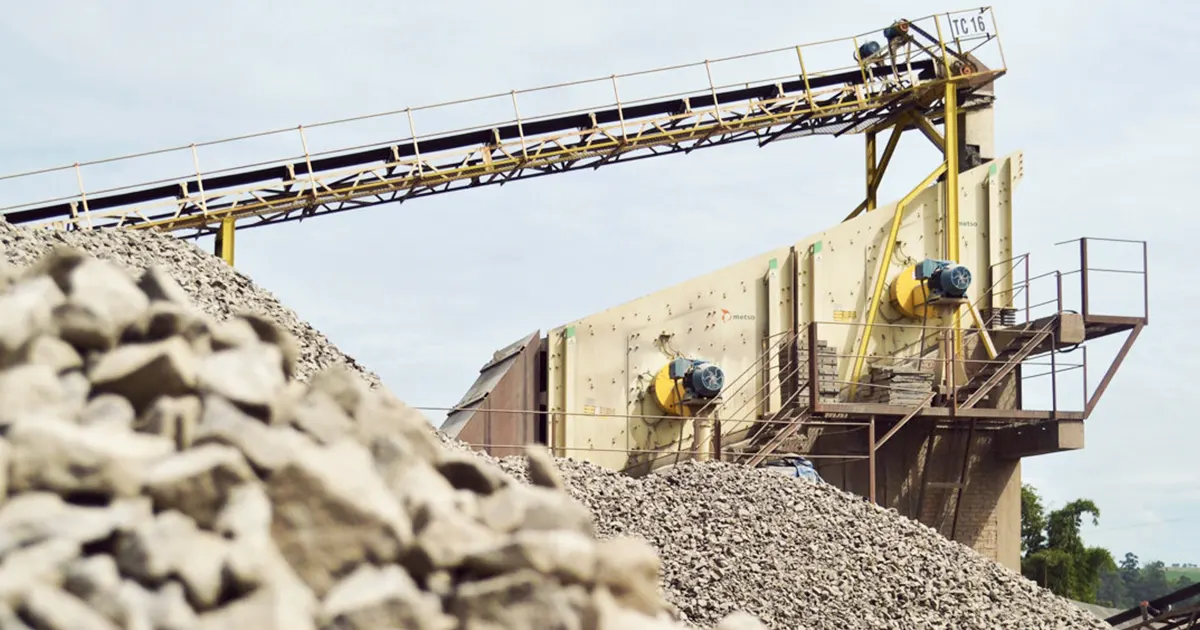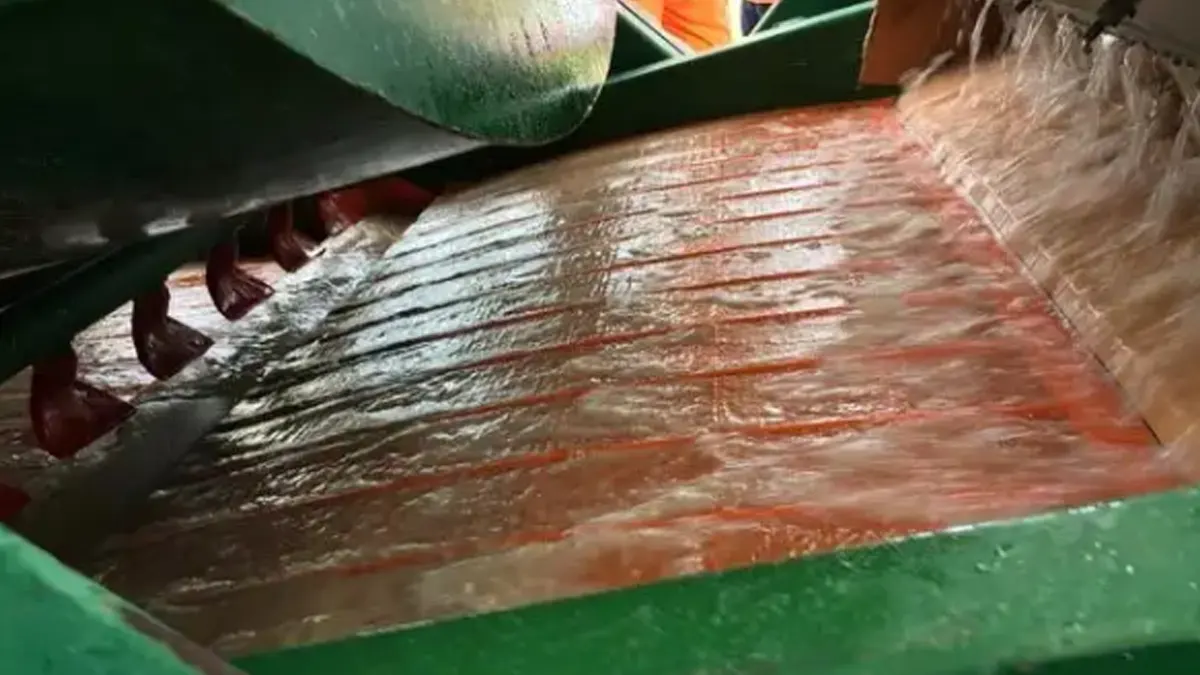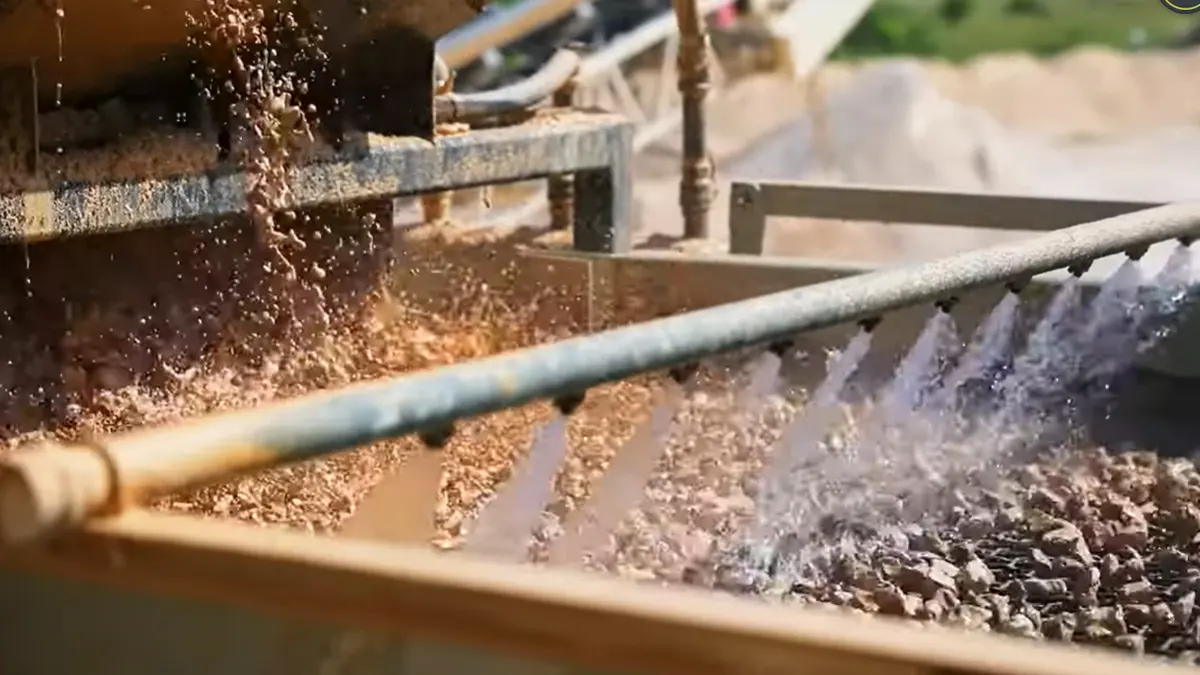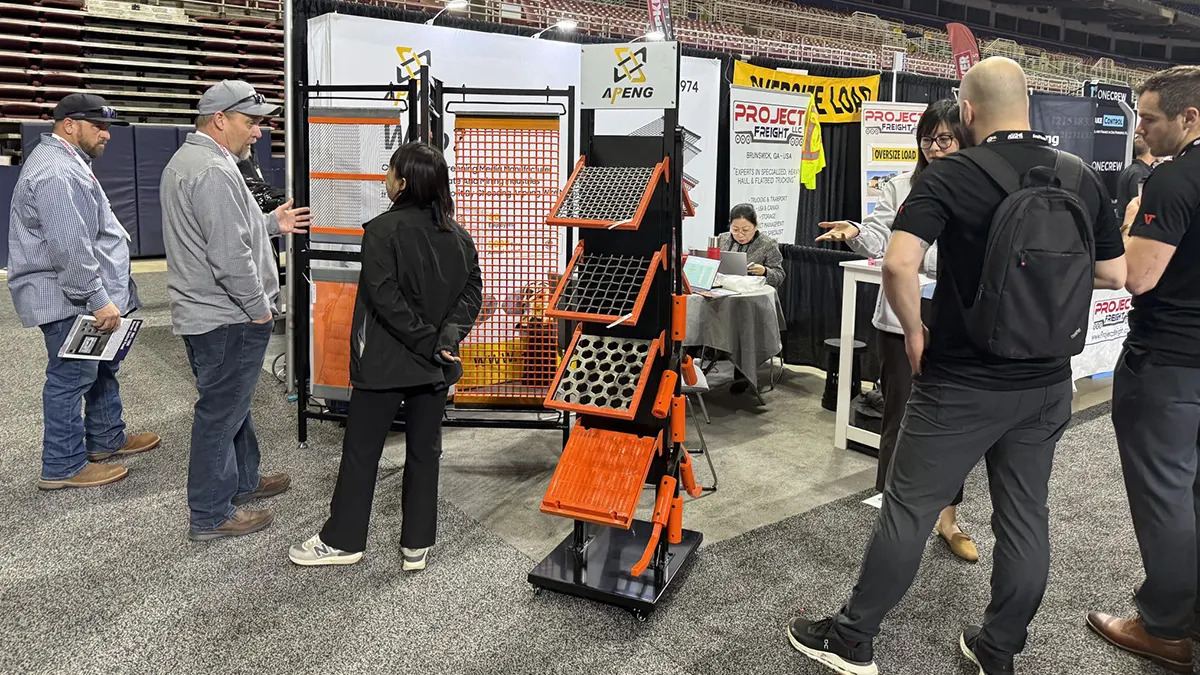
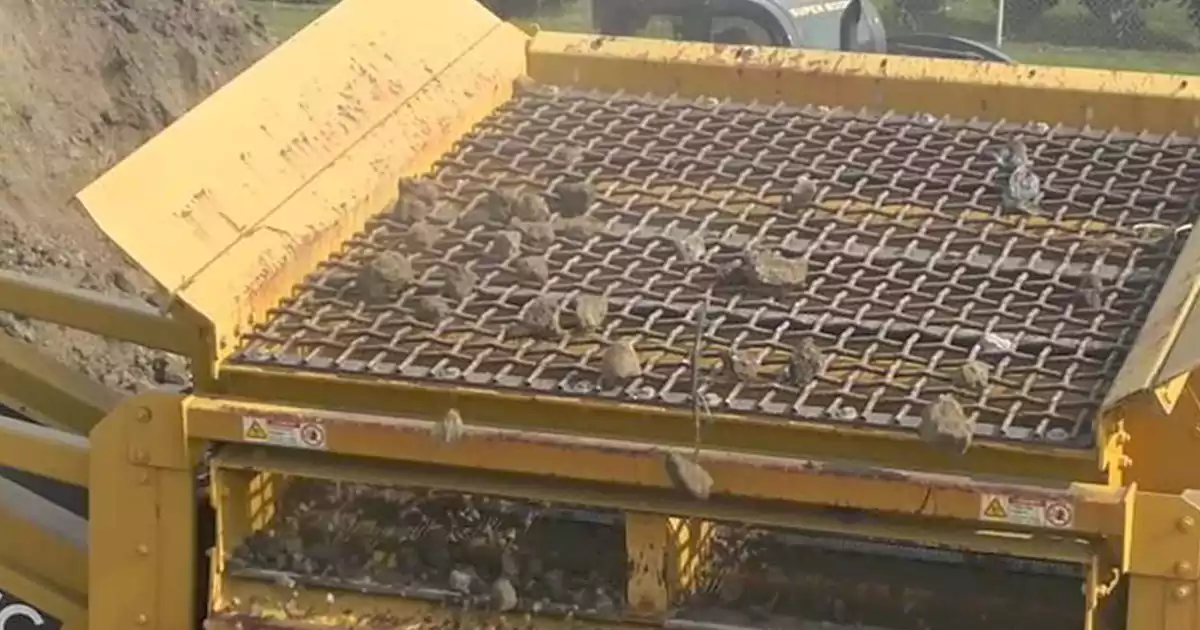
Aggregate screen sizes help you separate rocks, sand, and other materials by their size. You use screens with openings like 2mm, 10mm, 20mm, 40mm, 60mm, and 75mm for jobs such as making concrete, building roads, or mixing mortar. Picking the right screen size keeps your project running smoothly. It saves time and money, gives you better material quality, and helps you avoid mistakes. You can count on these screens to make sure your materials fit your needs every time.
Key Takeaways
- Pick the correct aggregate screen size for your job. This helps separate materials well. It saves you time and money on projects.
- Use screens with openings smaller than 2mm for fine sands. These are also good for small aggregates. This is important for making mortar. It helps you get a smooth finish.
- Choose 10mm or 20mm screens for concrete mixes. These sizes are also good for road construction. They give the right mix of strength and workability.
- For bigger jobs, use 40mm, 60mm, or 75mm screens. These sizes are needed for foundations and drainage layers. They help keep things stable and let water flow well.
- Check and take care of your screens often. This stops them from wearing out too fast. It keeps your equipment working well and lasting longer.
- Make sure your screen media matches your machine and material. This helps you get the best results when separating particle sizes.
- Use inclined screens for scalping jobs. Use horizontal screens for final screening. Each type has its own job in the screening process.
- Look at the quick reference chart for screen sizes. It shows what each size is used for. This tool helps you make good choices fast.
Common Aggregate Screen Sizes Overview
Standard Aggregate Screen Sizes
When you start with aggregate screening, you need to know the common aggregate screen sizes. These sizes help you control the particle size and get the right particle size distribution for your project. You will see screens with openings like under 2mm, 10mm, 20mm, 40mm, 60mm, and 75mm. Each size works best for certain jobs.
Fine Sands and Small Aggregates
If you want fine sands or small aggregates, you should use screens with openings under 2mm. These screens help you separate tiny particles from bigger ones. You often use these fine materials for mortar mixes, plaster, or as a base for paving. Fine aggregate screening gives you a smooth finish and helps you control the particle size distribution in your mix.
Medium and Large Aggregate Sizes
For bigger jobs, you need medium and large aggregate screen sizes. Screens with 10mm or 20mm openings work well for concrete mixes and road construction. You use 40mm, 60mm, or even 75mm screens for foundations, drainage layers, or road base. These larger sizes help you get the right particle size for strong and stable structures. Aggregate screening at these sizes makes sure you get the right mix for your project.
Physical Screen Dimensions
You might think all screens are the same, but there is more to it. The screen opening size tells you what particle size will pass through. The physical screen panel size is about the actual size of the screen media you use in your machine.
Typical Screen Panel Sizes
Most screen panels come in standard sizes like 1×2 meters or 4×8 feet. You pick the panel size based on your machine and how much material you want to process. The right screen media helps you get the best results from your aggregate screening.
Deck Configurations
You can use single, double, or even triple deck configurations. Each deck holds a different screen media with its own opening size. This setup lets you separate materials into several particle size groups at once. You get better control over your particle size distribution and save time during aggregate screening.
Tip: Always match your screen media to your machine and your target particle size. This step helps you get the most out of your aggregate screening process.
A quick look at the common aggregate screen sizes and their uses helps you choose the right screens for your job. You get better results, save money, and keep your project on track.
Aggregate Screens Types and Functions
Inclined vs. Horizontal Screens
There are two main types of aggregate screens: inclined and horizontal. Each type is important for aggregate screening equipment. They help you get the best results for your project.
- Inclined Screens are set at an angle, usually between 5 and 45 degrees. Gravity helps move material across the screen. These screens are used in construction, mining, and recycling. They are good for scalping, which means taking out big pieces before crushing. They also work for separating materials after crushing. Inclined screens can handle wet materials. They help smaller particles settle and pass through the openings.
- Horizontal Screens are flat and stay at zero degrees. These screens fit into spaces with low height. They are best for final screening. You use them when you need accurate separation, especially with wet materials. Horizontal screens are used in mining, recycling, and construction. They help you get the right particle size. They shake the material side to side to improve stratification.
Tip: To get better separation and stratification, choose the right type of aggregate vibrating screens for your job.
Both types of aggregate screens use screen media to separate materials by size. The job of aggregate screens is to make sure you get the right particle size for your project. You can pick from different screen media, like woven wire, polyurethane, or self-cleaning options, based on what you need.
Why Screen Size Matters
You might ask why screen size is important in aggregate screening. The answer is that screen size affects how well the process works, the quality of your product, and its value.
Aggregate screening equipment uses science to separate particles by size. When you use the right screen media, you get better stratification and separation. This gives you cleaner and more even materials. Good aggregate screening keeps your products free from unwanted materials. It also helps you meet quality standards.
Here are some important things to remember about screening:
- The right screen media can increase production by 2% in a 100-tonnes-per-hour plant. That means about 70 extra tonnes each week.
- You could get 14 more loads each month without spending more money.
- Good aggregate vibrating screens help control the quality and gradation of your products. This makes your products worth more after screening.
- If you use the wrong screen size, your products might not meet the needed standards. This can lead to doing the work again and losing money.
Note: Always match your aggregate screening equipment and screen media to your material and project goals. This helps you get the best separation and classification.
Aggregate screens are important parts of aggregate screens and help separate materials. When you know how screens work and pick the right types of aggregate screens, you get better stratification and results. You will see the benefits in your final product and your profits.
Applications of Common Aggregate Screen Sizes
10mm Aggregate Screen Uses
When you use 10mm aggregate screens, you get materials that work well for light RCC jobs. These screens help you control the size of the particles. This makes your mix smooth and easy to use. You often see 10mm aggregates in projects that need a nice finish or do not hold heavy weight.
Light RCC Work
You use 10mm aggregate screens for many jobs. Here are some ways you use them by screen size:
- Topsoil screening: Fine or scalping screens make topsoil around 10mm. This gives you clean, even soil for gardens or landscaping.
- Concrete recycling: Scalping screens help you sort old concrete by size for reuse.
- Sand plant operations: Fine screeners help you get the right sand grades. This is important for making good concrete mixes.
- Coal processing: Fine screening helps you take soot out of coal mixes. This gives you cleaner fuel.
Using the right screen media gives you better separation and even particle size. This makes your concrete better and helps you meet project rules. You also save time and cut down on waste during aggregate screening.
20mm Aggregate Screen Uses
If you need to build RCC slabs and beams, 20mm aggregate screens are a good choice. These screens help you get the right size for strong and long-lasting concrete. You see 20mm aggregates in most building jobs because they balance strength and workability.
Standard RCC Slabs and Beams
You use 20mm aggregate screens for many reasons:
- About 73% to 80% of concrete volume comes from aggregates. This shows why the right size is important for your mix.
- The quality and grading of aggregates affect how easy your concrete is to work with. They also affect its strength and how long it lasts. Well-graded materials make your concrete last longer and work better.
- Mixing different sizes the right way keeps your concrete even. This means fewer cracks and a smoother finish.
Using the right screen media for 20mm aggregates gives you better separation and control. This makes your concrete easier to pour and finish. You also meet building codes and keep your structures safe and strong.
40mm Aggregate Screen Uses
For bigger jobs like foundations and road base, you need 40mm aggregate screens. These screens help you sort larger particles. Large particles are important for stability and drainage. You use 40mm aggregates when you want your structure to last and hold heavy loads.
Foundations and Road Base
Here is a quick look at how you use 40mm aggregate screens in different jobs:
| Application Type | Description |
|---|---|
| Drainage Applications | Large aggregates like 40mm help water drain well in construction projects. |
| Sub-base Layers | They give a strong base for pavements and tracks. This stops the ground from changing shape and helps it last longer. |
| Structural Fills | Used to fill and support parts of construction. This keeps things stable and strong. |
| Road and Railway Foundations (Sub-bases) | They give a strong base, stop the ground from changing shape, help water drain, and make surfaces last longer. |
Using the right screen media for 40mm size gives you better separation and a stronger base. This helps roads, railways, and foundations stay strong, even with heavy traffic or bad weather. Good aggregate screening at this size also helps water flow. This keeps your projects safe from water damage.
Tip: Always match your screen media to your target particle size and what your project needs. This helps you get the best results from your aggregate screening.
When you know how to use each screen size, you can pick the right aggregate screens for your job. You get better quality, save money, and make sure your structures last a long time.
60mm and 75mm Aggregate Screen Uses
You see 60mm and 75mm aggregate screens when you need to handle the biggest jobs. These sizes work best for heavy-duty projects that need strong support and good drainage. You use these screens to separate large stones from smaller ones. This helps you build solid layers that last a long time.
Sub-base and Drainage Layers
You want your roads, highways, and railways to stay strong, even with lots of traffic. That’s where 60mm and 75mm aggregate screens come in. You use these sizes to create sub-base layers under roads and tracks. These layers spread out the weight and stop the ground from moving. They also help water drain away, so you don’t get puddles or damage.
Here’s how you use these aggregate screens in real projects:
- Road Sub-base: You lay down large stones first. This gives you a strong base for the road. The big particles let water flow through, which keeps the road dry and safe.
- Railway Ballast: You use 60mm or 75mm stones under train tracks. This keeps the tracks steady and helps rainwater drain away.
- Drainage Fields: You need good drainage for sports fields, parking lots, or building sites. Large aggregate screens help you sort out the right stones for these jobs.
You get the best results when you match your screen media to the size you want. Heavy-duty screen media handles big rocks without breaking. You also save time because you don’t have to sort the stones by hand. Good aggregate screening at these sizes means your project stays strong and dry for years.
Tip: Always check your screen media for wear and tear. Big stones can damage screens if you don’t use the right type.
Fine Aggregate Screens (Under 2mm)
You use fine aggregate screens when you want to separate sand and tiny particles from bigger pieces. These screens are important for making concrete, mortar, and plaster. You need clean, fine sand for a smooth finish and strong mix.
Mortar Mixes and Sand
You want your mortar to stick well and last a long time. That starts with the right sand. Fine aggregate screens help you get sand that is clean and free from clay or silt. If you use dirty sand, your mortar can crack or fall apart.
Choosing the correct sand when making a mortar is of extreme importance. Sands should be clean and uncontaminated by clay/silt. These occur in the range from #300 and below and the most effective method to establish their presence is the wet sieve analysis. Normal dry sieve analysis does not accurately reveal the presence of clay or silt as they do not examine particles passing #200 sieve. Furthermore when the sand is dried before sieving, clay or silt particles can coat some particles and these will not pass the #200 sieve.
You use fine aggregate screens for these jobs:
- Making mortar for brickwork or plaster.
- Producing sand for concrete mixes.
- Preparing sand for decorative finishes.
Fine sand makes your concrete smooth and easy to shape. You can use it for fancy designs or detailed work. You need more water with fine sand because it has a bigger surface area. If you use too much fine material, your mix can get weak or crack. You want to balance the amount of fine sand to get the best strength and workability.
- Fine sands require more water due to a higher surface area to be wetted.
- A high proportion of fines can negatively affect compressive and flexural strength.
- Excessive moisture can lead to shrinkage and de-bonding in mortars applied to low suction areas.
- Finer sands create smoother, more workable mixes that flow better and are easier to shape.
- Fine sand makes concrete highly workable, which is beneficial for handling and shaping, especially in elaborate designs or decorative finishes.
You get the best results when you use the right screen media for fine aggregate screening. Woven wire or self-cleaning screens work well for sand. They help you remove unwanted particles and keep your mix clean. You can trust your mortar and concrete to last longer when you start with the right sand.
Note: Always test your sand with wet sieve analysis to make sure it is clean and free from clay or silt.
Selecting the Right Screen Size
Choosing the best screen for your project can feel tricky. You want your aggregate screening to work smoothly, give you the right particle size, and help you make strong concrete. Let’s break down what you need to look for when selecting the right screen size.
Key Factors in Screen Selection
You need to think about three main things before you pick a screen: the material you’re working with, what you want your final product to look like, and what your machine can handle.
Material Characteristics
Every material acts differently during aggregate screening. Some rocks are tough and heavy. Others are soft or have lots of moisture. You need to match your screen to the material’s features. Here’s a quick table to help you see what matters:
| Parameter | Impact on Screening | Best Use Case |
|---|---|---|
| Wire Diameter | Strength, durability | Heavy loads, abrasive jobs |
| Aperture Size | Precision, throughput | Fine or coarse separation |
| Open Area | Efficiency, flow rate | High-volume screening |
If you have big, rough stones, you want a screen with thick wires and larger openings. For fine sand or small particles, you need a screen with smaller holes and more open area. This helps you get the best particle size for your concrete or other mixes.
Desired Product Specifications
You always start with your end goal. What do you want your final material to look like? Do you need fine sand for mortar, or bigger stones for road base? Your answer changes how you set up your aggregate screening.
- Material source characteristics
- Process design requirements
- Best arrangement to meet specifications
You also need to think about:
- The maximum tons per hour you want to process
- Gradation of the feed material
- Type and weight of material
- Desired size of separation
- Any surface moisture on the material
- Any special operation requirements
If you want concrete with a smooth finish, you need fine particles. For strong foundations, you want larger stones. Always match your screen to your target particle size and the job you’re doing.
Machine Capabilities
Your machine decides what you can do. You need to check if your equipment can handle the material and the screen you want to use. Here are some things to look at:
- Requirements for feed tonnage, screening area, and efficiency
- Type of screen: incline or horizontal
- Motion of the screen: linear, elliptical, or circular
If your machine is small, you might need to use smaller screens or process less material at once. Bigger machines can handle more, but you still need to pick the right screen for the job. Always check your machine’s specs before you start aggregate screening.
Step-by-Step Screen Selection Guide
You might wonder how to choose a screen for your project. Here’s a simple guide to help you pick the best size and get the most out of your aggregate screening.
- Identify Material Type
Figure out what kind of material you’re working with. Is it sand, gravel, or crushed stone? Check the size, weight, and how rough it is. This helps you pick a screen that won’t wear out too fast and gives you the right particle size for your concrete. - Conduct Vibration Analysis
Watch how your screen moves. If it shakes too much or not enough, you might not get good separation. Fix any problems so your aggregate screening works better. - Evaluate Screen Media
Look at your screen media. Is it wearing out? Does it last long enough for your job? Pick a screen that matches your material and how much you need to process. - Customize Screen Deck
Set up your screen deck with the right media for each step. You might need different screens for different layers. This helps you get the best particle size for each part of your mix. - Monitor Performance
Keep an eye on how your screen works. If you see problems, fix them fast. This keeps your aggregate screening running smoothly and helps you make better concrete.
Tip: Use the correct equipment and screen media to match the sizing specifications of the desired aggregate. Adjust vibration frequency and direction to help finer particles pass through. Apply the right screen inclination for your aggregate type. Clean and check your equipment often to keep everything working well.
When you follow these steps, you make sure your aggregate screening gives you the best results. You get the right particle size, save money, and make strong concrete every time.
Practical Tips for Aggregate Screen Selection
Maximizing Screening Efficiency
You want your aggregate screening to work well and give good results. Here are some simple steps to help you screen materials better:
- Check Your Screen Mesh Opening
Make sure the screen mesh opening is the right size for your material. The correct size helps you separate materials better and waste less. - Keep the Classifier Clean
Clean and check the classifier often. If it gets blocked, your work slows down and results can get worse. - Adjust the Motor Settings
Change the motor speed and frequency as needed. This helps your screen work better and saves power. - Reduce Downtime
Find things that slow you down. Use regular checks to spot problems before they stop your machine. - Inspect Regularly
Look at your screens and classifiers for damage or wear. Fixing small problems early keeps your work going.
Tip: Even small changes in your setup can help a lot. Try changing one thing at a time to see what works best for your material.
Maintenance and Longevity
Taking care of your aggregate screens helps them last longer and work better. Here are some easy ways to keep your equipment in good shape:
- Check your screens every day. Look for loose bolts, worn parts, or dirt before and after use.
- Oil moving parts and clean off dirt. This stops blockages and keeps things running well.
- Watch for screen wear. Change old screens quickly to stop bigger problems.
- Check hoses and power wires. Make sure there are no leaks or loose wires.
- Always follow the maker’s care rules. These rules help your equipment last longer.
- Change screen media when needed. This keeps the frame safe and your screen working well.
Note: Spending a little time on care now can stop big repairs later.
Common Mistakes to Avoid
You can stop many problems by watching out for these mistakes:
- Using the wrong screen media. This can make separation bad and cause more replacements.
- Setting up screen media the wrong way. If it is not set up right, you get uneven flow and other problems.
- Feeding material unevenly. This can hurt your equipment and lower how well it works.
- Running at the wrong speed or angle. This can make material fly out or not separate right.
- Skipping care. If you do not take care of your equipment, it can break and be unsafe.
Remember: Making good choices and caring for your equipment helps you get the best results and keeps your project on track.
Quick Reference Chart: Aggregate Screen Sizes and Uses
Easy Lookup Table
You want to pick the right aggregate screen size for your job, but sometimes you need answers fast. That’s where a lookup table comes in handy. You can scan the chart below and find the best screen size for your project in seconds. This table groups each size by its main use, so you don’t have to search through long lists. You see the results in a clear order, which helps you make decisions quickly.
| Screen Opening Size | Typical Application | Best Use Case Example |
|---|---|---|
| Under 2mm | Fine sands, mortar mixes, plaster | Brickwork, decorative finishes |
| 10mm | Light RCC work, topsoil, sand | Garden beds, recycled concrete |
| 20mm | Standard RCC slabs and beams | Building floors, columns |
| 40mm | Foundations, road base, drainage | Road sub-base, railway foundations |
| 60mm | Heavy sub-base, drainage layers | Highway base, sports field drainage |
| 75mm | Large sub-base, railway ballast | Train tracks, parking lot drainage |
Tip: Use this table when you need to choose a screen size on the spot. You can match your project type to the right aggregate size and avoid mistakes.
A lookup table like this helps you sort through choices fast. You don’t waste time guessing or checking every option. You see all the main sizes and their uses grouped together. This makes your decision process smoother and more efficient. You can focus on the job and get the right material every time.
If you work in the field, you know how important it is to make quick choices. This chart lets you do that. You can look up the screen size, see the best use case, and move forward with confidence. You get better results and keep your project on track.
Note: When you use a lookup table, you cut down on errors and speed up your workflow. You can sort results by your needs and see the most important options first.
You don’t have to memorize every screen size or application. Just keep this chart handy. Next time you need to pick an aggregate screen, you’ll know exactly where to start.
Conclusion
When you match aggregate screen sizes to your job, you get the right particle size every time. This helps you work faster, save money, and get better results. You can see big benefits like:
- On-site screening cuts down on hauling, so you finish quicker.
- You can handle different materials and meet any particle size need.
- Sorted materials are ready to use or sell, which boosts your profits.
- Recycling on-site means less waste and a greener project.
Keep the quick reference chart handy—it helps you quickly match the right mesh opening to your target particle size and job requirements.
At Anpeng Wire Mesh, we don’t just supply screens—we manufacture them. With 20+ years of production experience, we produce woven wire mesh, self-cleaning screens, and polyurethane screening solutions in-house. You get consistent quality, fast lead times, and excellent value, plus custom options to fit your specific screening application.
FAQ
What does “aggregate screen size” mean?
Aggregate screen size tells you the size of the openings in the screen. You use it to separate rocks, sand, or gravel by size. The right size helps you get the material you need for your project.
How do I pick the best screen size for my job?
Start by knowing what material you want. Check your project needs. Use the quick reference chart to match your job with the right screen size. If you’re unsure, ask your supplier for advice.
Can I use one screen for different materials?
You can use one screen for similar materials. If you switch between sand and large stones, you need different screens. Always check your screen media before changing materials to avoid damage.
How often should I check my aggregate screens?
You should inspect your screens every day. Look for holes, tears, or loose bolts. Regular checks help you catch problems early and keep your equipment working well.
What happens if I use the wrong screen size?
If you use the wrong size, your material won’t separate right. You might get poor quality, waste time, or fail to meet project standards. Always match your screen to your material and job.
Do I need special screens for wet materials?
Yes, wet materials can clog screens. Use self-cleaning or polyurethane screens for wet jobs. These screens help keep material moving and reduce blockages.
Can I clean aggregate screens myself?
You can clean screens with water and a brush. Remove dirt and debris after each use. For tough buildup, use a mild cleaner. Always follow the manufacturer’s care instructions.