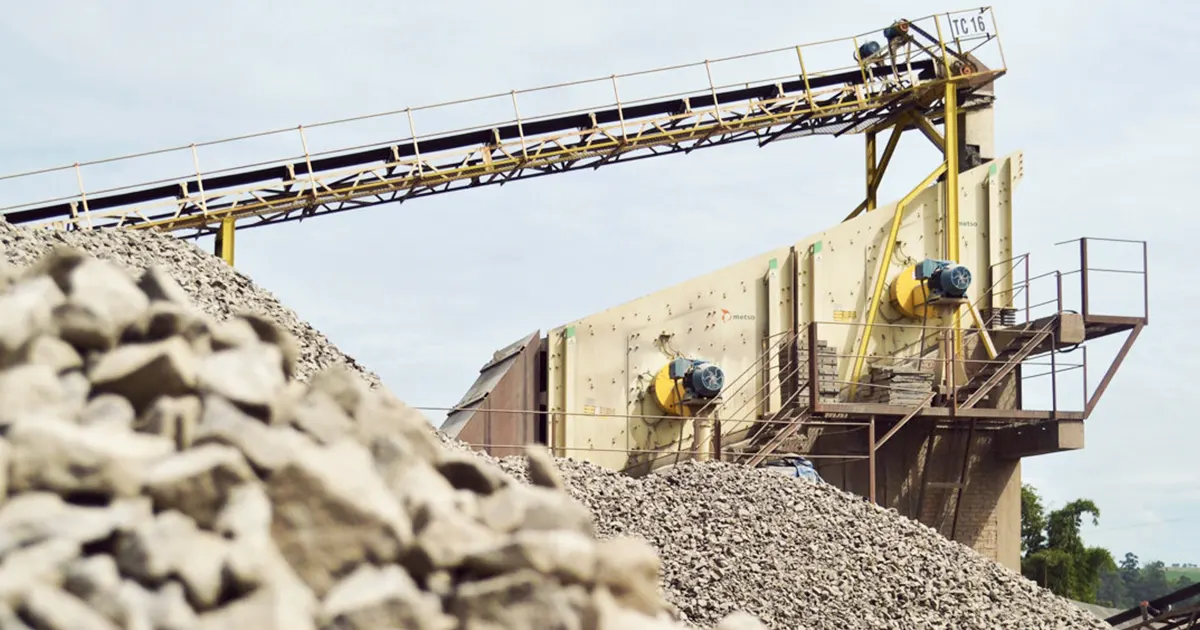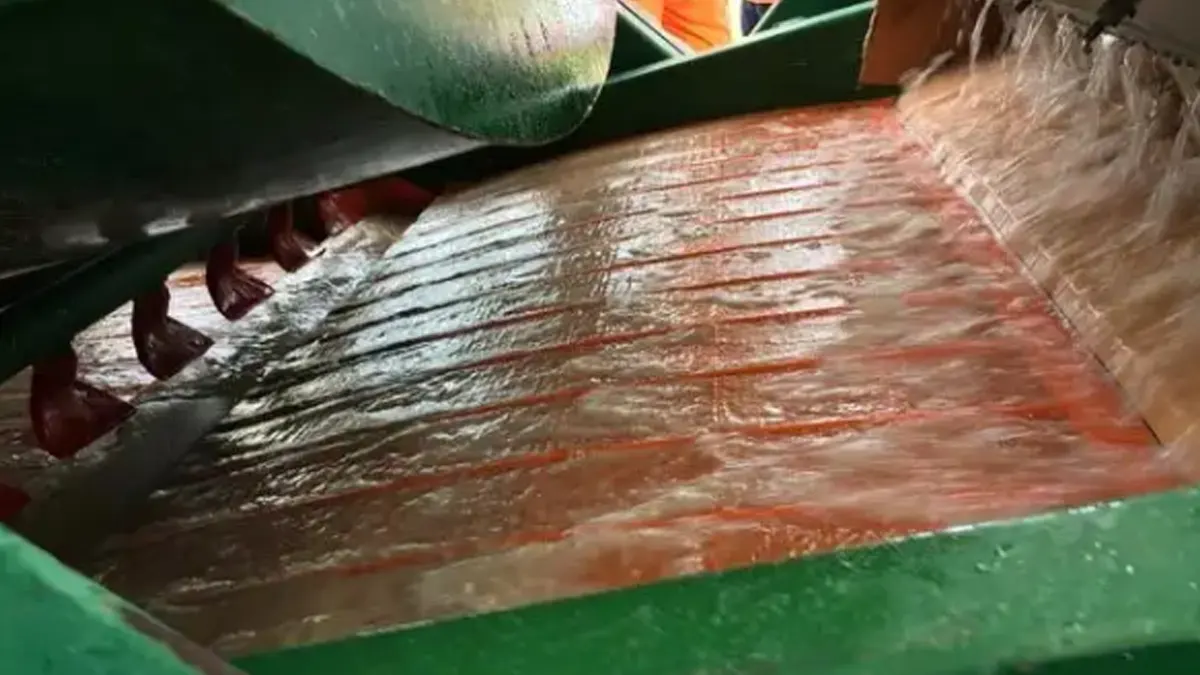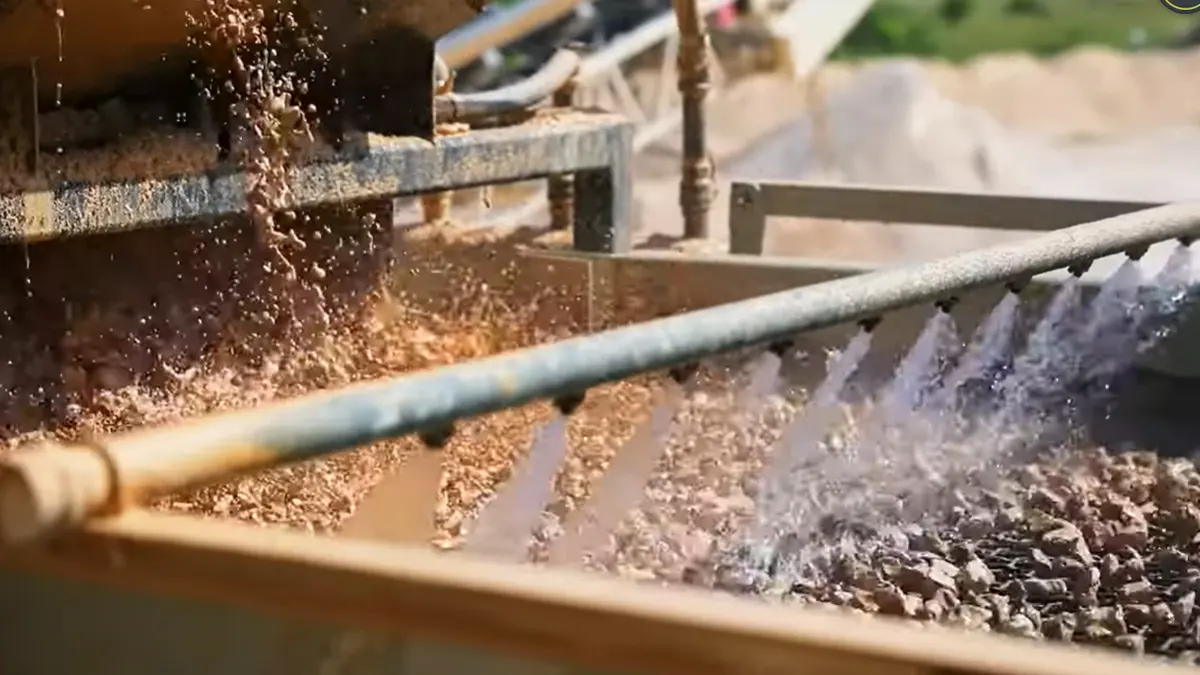
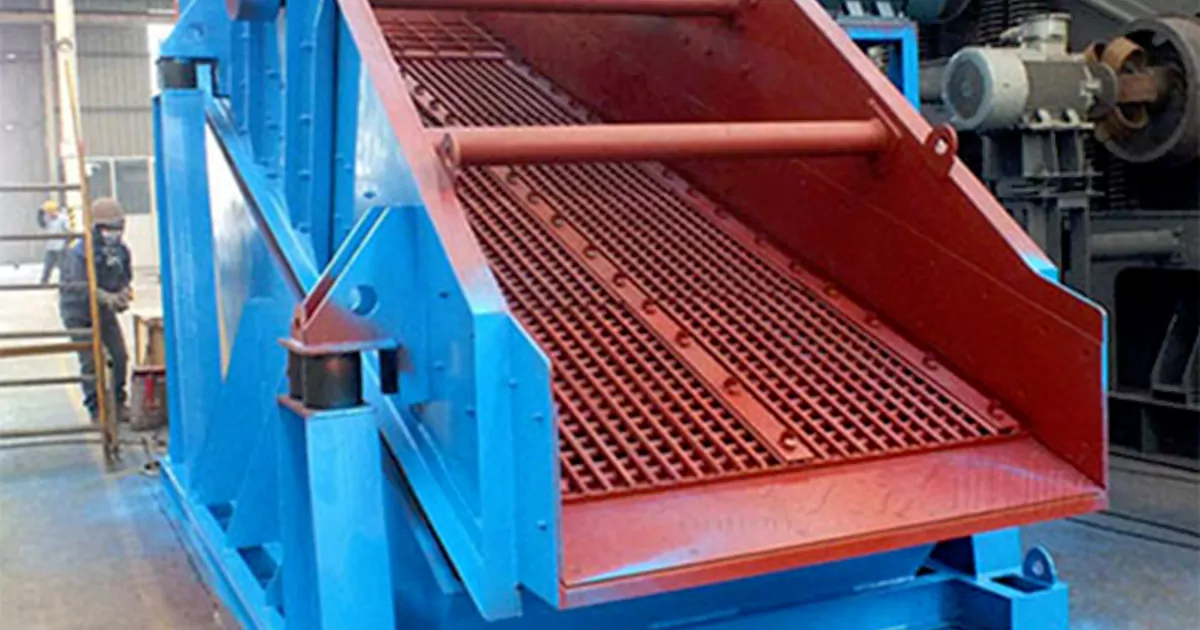
You want your aggregates to be as dry as you can get them, right? That is why the dewatering screen working principle helps a lot. When you use a dewatering screen, it shakes and tilts steeply to push water out fast. Here is what happens:
- The strong shaking and angle help move water away from the solids. This lets you process more material.
- If there are more solids in the feed, you get less moisture at the end. The material also moves better.
- Bigger groups of particles form, so water can find a clear way out.
With this smart method, dewatering works fast and leaves you with drier aggregates every time.
Key Takeaways
- Dewatering screens take out extra water from aggregates fast. This makes them easier to move and store.
- Using a dewatering screen can lower moisture in materials to about 9–10%. This helps make the product better.
- The strong shaking and steep angle of the screen help pull water away from solids well.
- Dewatering screens save time and energy because they dry things faster than old methods.
- These screens can be used in sand and gravel plants.
- They also work in mining jobs and recycling centers.
- A good screen deck helps remove more water and stops clogging. This makes sure the screen works its best.
- Cleaning the screen often keeps the dewatering process smooth and working well.
- Recycling water from the dewatering process is good for the environment. It can also help lower costs.
Dewatering Screen Overview
What Is a Dewatering Screen
You may ask what a dewatering screen does. It is a special machine that takes out extra water from sand and other small materials after washing. Here are some things to know:
- A dewatering screen pulls water out of sand, gravel, and other tiny pieces.
- It helps you get a final product with much less water—usually about 9–10%.
- You can find these screens in sand washing plants, places that process aggregates, and recycling centers.
When you use a dewatering screen, your material gets drier. This makes it simple to move, store, and use your aggregates. You also save time because you do not need to wait for water to leave by itself.
Tip: If you want your sand or gravel ready fast, a dewatering screen is a great tool.
Purpose in Aggregate Processing
Why do you need dewatering in aggregate processing? The answer is easy: you want your finished product to be as dry as you can. Wet aggregates can make storage, moving, and using them harder, like when making concrete.
Here are the main reasons to use dewatering screens in your plant:
- They take out extra water from sand and small materials.
- They help you reach a target moisture level of about 9–10%.
- They work well in sand washing, aggregate processing, and recycling.
- They can handle more than one product at once if you use dividers.
- They fit into most wash plants, so you do not need to change much.
Let’s see how dewatering screens compare to other machines:
| Aspect | Dewatering Screens | Other Equipment (e.g., Filter Presses) |
|---|---|---|
| Moisture Reduction | Very good at drying | Often not as good |
| Capital Cost | Lower than filter presses | Usually much higher |
| Operating Cost | Low after setup | Can be up to three times higher |
| Integration | Easy to add to current plants | May need big changes |
| Best For | Sand, gravel, crushed stone, coal | Not always good for all materials |
You get many good things with dewatering screens. They give you drier material, save money on running costs, and fit right into your plant. Just remember, they work best with sand and similar things. If you have sticky or clay-heavy feeds, you may need extra steps before using a dewatering screen.
Dewatering Screen Working Principle
Linear Motion and Vibration
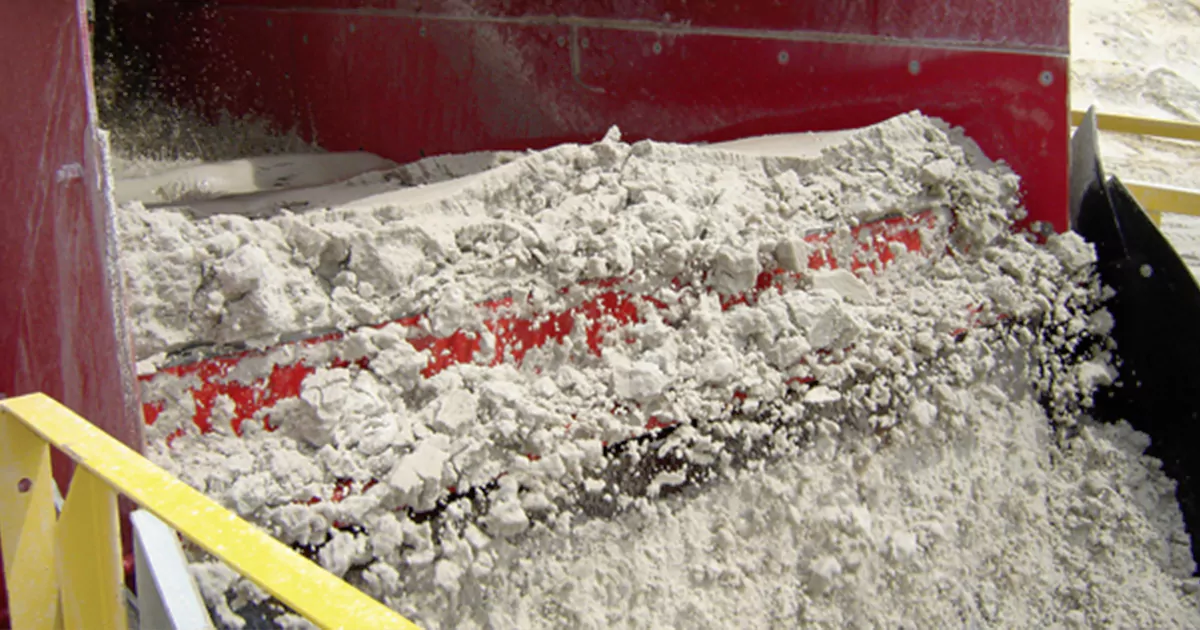
A dewatering screen uses smart movement and force. The dewatering screen working principle starts with two motors. These motors spin in opposite ways. They shake the screen in a straight line. This makes solid pieces move up and forward. Water drops fall through the holes in the screen. The shaking is strong, sometimes up to five Gs. Solids move fast, and water leaves even faster.
Vibration is very important for this process. The speed and size of the shaking must be just right. If the screen shakes too slowly, it can get clogged. If it shakes too fast, solids might not go through the holes. You need a balance to keep the screen clear. When vibration is set right, you get better dewatering and less stopping time.
Note: The best vibration settings stop the screen from getting blocked and help your dewatering screen work fast.
Steep Incline and Slurry Feed
The steep angle of the dewatering screen is very important. It is a big part of the dewatering screen working principle. When you pour slurry on the screen, the angle helps water drain away fast. Solids move up the slope, and water flows down and out. If the slope is not steep, solids pile up and block the screen. A steep slope keeps things moving and lets water escape quickly.
Here is how the steep angle helps:
- Water pushes the aggregates into the dewatering hopper.
- Solids do not pile up on the screen.
- Water drains through the screen well.
How you feed the slurry also matters. A wide spray gives an even mix on the screen. This helps water separate and uses the whole screen. A narrow jet can cause clumps and uneven drying.
| Mechanism | Description |
|---|---|
| Steep Incline | Lets water drain quickly from sand and gravel. |
| Linear Motion | Moves solids uphill and forward, speeding up water removal. |
| Deep Bed of Sand | Filters finer materials, making separation more effective. |
Solid-Liquid Separation
You want dry aggregates, so you need good solid-liquid separation. The dewatering screen working principle uses gravity, interception, and hydrodynamic diffusion. Gravity pulls water down. The screen catches the solids. As the slurry moves, particles hit the screen and get trapped. Water keeps moving and leaves the solids behind.
Sometimes, you add coagulants to help. These chemicals make small pieces stick together. Bigger clumps are easier to separate. This gives you drier material at the end.
- Gravity helps water fall away from the solids.
- The screen traps the particles.
- Hydrodynamic diffusion moves particles in the liquid to help them separate.
- Coagulants make bigger clumps for easy removal.
When you look at other methods, dewatering screens have big benefits. Sedimentation is slow for small pieces. Filtration needs lots of care. Centrifugation is fast but costs more. Dewatering screens give quick water removal, low costs, and easy setup.
Tip: If you want high recovery and less moisture, a dewatering screen is a great choice.
Key Components of Dewatering Screens
Screen Deck Design
When you look at a dewatering screen, the deck is the first thing you notice. The deck is where all the action happens. You want a deck that helps you get the driest material possible. The design of the deck makes a big difference in how much water you can remove.
Here’s a quick look at the main features and how they help you:
| Design Feature | Influence on Moisture Reduction |
|---|---|
| Inclination Angle | A high angle helps you reach very low moisture in your final product. |
| Screen Aperture Size | The size of the holes controls what stays and what goes through. |
| Drainage Rate | You need the right balance for fast drying without losing good material. |
| Overall Design | A well-designed deck boosts your dewatering performance. |
You also want to think about how the deck handles different materials. Smaller particles pass through more easily, but bigger ones need finer holes. If the holes are too big, you lose material with the water. If they are too small, water drains too slowly. The right spacing on the deck keeps everything moving and stops clogs. A steep angle helps water run off fast, but it can make things tricky if you go too steep.
Tip: Always check your deck for even spacing and the right hole size. This keeps your dewatering screen working at its best.
Vibratory Motors
The vibratory motors are the heart of your dewatering screen. These motors shake the deck in a straight line. This shaking is what moves the solids up and helps water fall through the holes. You get better dewatering when the motors work together just right.
Here’s how the motors help you:
- The motors spin in opposite directions. This makes the deck move in a straight line.
- The shaking helps separate water from your aggregates.
- You get faster drying and less water in your final product.
The motors use something called forced resonance. Two motors spin the opposite way, making a strong force that moves the deck at just the right angle. The deck itself needs to be tough and made from good materials. This way, it can handle all the shaking and last a long time.
Hydrocyclones
You might see hydrocyclones used with a dewatering screen. These tools use spinning force to separate particles by size and weight. When dirty water with fine material enters the hydrocyclone, the heavier stuff spins down and comes out the bottom. Lighter particles and extra water leave from the top.
The thick, heavy underflow from the hydrocyclone goes to the dewatering screen. Here, the high-speed shaking removes even more water. This step stops you from losing fine material and helps you get the driest product possible. Hydrocyclones alone can’t get fine solids dry enough to move, so you need the dewatering screen to finish the job.
Note: If you want to keep as much fine material as possible, always use a dewatering screen after your hydrocyclone.
Discharge Systems
When you look at a dewatering screen, the discharge system is where everything comes together. This part of the machine decides how well you get rid of water and solids. If you want dry aggregates, you need a discharge system that works fast and does not clog.
The discharge system starts working as soon as the slurry hits the screen. The screen shakes hard because of two strong motors. These motors do not use much power, but they create a high G-force. This force pushes water down through the screen panels and moves solids toward the end where they leave the machine. You see the solids pile up at the discharge end, ready for stacking or moving by conveyor.
Let’s break down what makes a good discharge system. Here’s a table to help you see the main features:
| Feature | Description |
|---|---|
| Slurry Flow Rate | Handles between 800 and 2,200 gallons per minute. |
| Vibration Motors | Two motors create strong shaking to move solids and water. |
| Water and Solids Separation | High G-force helps water leave the solids quickly. |
| Moisture Reduction | Can lower moisture from 20% down to 7–10% in the final product. |
| Discharge Mechanism | Motors push solids to the end while water drains through the screen. |
| Screen Orientation | Usually set up flat, so solids move off easily and conveyors can stack them. |
| Extra Features | Some systems have spray bars for extra washing or pumps to send water back for more cleaning. |
You want your discharge system to keep up with your plant. If the flow rate is too low, you waste time. If it is too high, you might not get the material as dry as you want. The best systems use counter-rotating motors. These motors move the solids to the discharge end while water drains away. You get a steady flow of dry aggregates, which makes your work easier.
Some discharge systems come with extra tools. Spray bars can wash the material one last time before it leaves. Pumps can send leftover water back to the screw washer for more cleaning. These features help you get the cleanest, driest product possible.
You also want to think about how the screen sits. Most dewatering screens sit flat. This setup helps solids move off the end and lets you stack them with a conveyor. If you need to change the angle, you can adjust the setup to fit your plant.
Tip: Check your discharge system often. Make sure the motors run smoothly and the screen stays clear. This keeps your dewatering process running fast and gives you the driest aggregates.
A good discharge system makes a big difference in your plant. You save time, get better results, and keep your operation running smoothly.
Dewatering Process Steps
Slurry Entry
When you start the dewatering process, you pour the slurry onto the dewatering screen. The way you feed the slurry matters a lot. If you use a thick slurry with more solids, you get better separation right from the start. You also use less chemical to help the process. Here’s what happens when you feed the slurry:
- You need less PEO (a chemical) if your slurry has more solids. This means you save money and get better results.
- Some chemicals, like Hercofloc 1027, work even better with thick slurries. You end up with cleaner water and drier solids.
- In one test, a slurry with 6.3% solids was dewatered well. The solids left on the screen were dry, and the water that drained off was clear.
You want to spread the slurry evenly across the screen. This helps the dewatering screen work at its best. If you pour it all in one spot, you might get clogs or uneven drying.
Water Removal Stages
After the slurry hits the screen, the real action begins. The dewatering screen shakes and tilts, which helps remove excess water from the mix. The water falls through the holes in the screen, while the solids move forward. You can see the water draining away almost right away.
Let’s look at how this compares to other ways to remove water from aggregates:
| Method | Description |
|---|---|
| Filter Press Dewatering | Slurry is pumped into chambers lined with filter cloths. Pressure forces water out, leaving a solid cake. |
| Centrifugal Dewatering | A spinning drum separates solids from liquids. This works fast but uses more energy. |
| Vacuum or Geotextile Dewatering | Slurry sits in bags or basins. Gravity and vacuum pull water out. This method is simple and eco-friendly. |
The dewatering screen stands out because it works quickly and uses less energy. You do not need to wait long for the water to drain. The shaking and steep angle help you get drier aggregates in less time.
Tip: If you want to speed up your plant, use a dewatering screen. You will see water leave the mix fast, and your aggregates will be ready sooner.
Final Discharge
At the end of the process, you see the final discharge. The solids move to the end of the screen and drop off, ready for stacking or loading. The water that drained through the screen collects below and can be reused or sent away.
You get a steady flow of dry material. The dewatering screen helps you keep your operation moving. You do not need to wait for piles to dry in the sun. You can load, store, or use your aggregates right away.
If you want to get the most out of your dewatering process, check the discharge often. Make sure the solids are dry and the water is clear. This way, you know your dewatering screen is doing its job.
Benefits of Dewatering Screens
Moisture Reduction
You want your aggregates as dry as possible. That is where a dewatering screen really shines. When you use this equipment, you see water leave your material fast. The shaking and angle work together to push out extra moisture. You do not have to wait for the sun or air to dry your piles. You get drier sand and gravel right away.
Lower moisture means you can move and store your aggregates more easily. Wet material sticks together and can clog up your conveyors. Dry material flows better and stacks neatly. You also save money because you do not need to pay for extra drying steps. With dewatering, you keep your operation running smoothly.
Tip: If you want to cut down on drying time and costs, a dewatering screen is your best friend.
Product Quality
When you control moisture, you get better products. You want your concrete or asphalt to be strong and last a long time. Too much water in your aggregates can cause problems. Here is what happens when you keep moisture in check:
- You get better workability. Your concrete does not turn too runny, so it is easier to handle.
- The water-to-cement ratio stays right. This helps your concrete stay strong.
- Your concrete lasts longer because it hydrates the right way.
- You avoid strength problems. Too much water can make your mix weak.
- You stop surface issues like cracks or scaling. These problems can ruin the look and strength of your finished product.
When you use a dewatering screen, you set yourself up for success. Your aggregates help you make better concrete, blocks, or other products. You see fewer defects and get more consistent results.
Efficiency Gains
You want your plant to run fast and without trouble. Dewatering helps you do just that. When you use a dewatering screen, you speed up the whole process. You do not have to wait for water to drain out slowly. The machine does the hard work for you.
Here are some ways you gain efficiency:
- You process more material in less time.
- You reduce the need for extra drying equipment.
- You cut down on energy use because you do not need to heat or air-dry your aggregates.
- You keep your conveyors and storage areas cleaner since dry material does not stick or clump.
A dewatering screen helps you get more done every day. You save time, lower your costs, and keep your operation simple. That means you can focus on making great products and meeting your deadlines.
Applications in Aggregate Industry
Dewatering screens help you handle many types of aggregates. You can use them in sand and gravel plants, mining sites, and recycling centers. Each place has its own needs, but the goal stays the same: get your material as dry and clean as possible.
Sand and Gravel
If you work with sand and gravel, you know how important it is to keep your product dry. Dewatering screens make this job easy. They pull out extra water so your sand and gravel are ready for use in construction. You do not want soggy material slowing down your project.
Here’s how dewatering screens help in sand and gravel processing:
- They give you clean, dry aggregates that meet building standards.
- You can move and store your material right away.
- They help with sand and water separation, so you do not lose valuable sand in the process.
- You save time because you do not need to wait for piles to dry in the sun.
Tip: If you want to boost your plant’s output, add a dewatering screen. You will see faster drying and better quality every day.
Mining
Mining operations need tough equipment. You deal with heavy loads and rough materials. Dewatering screens fit right in. They remove moisture from sand, coal, iron ore, and other aggregates. This keeps your product uniform and protects your machines from water damage.
You will see these benefits in mining:
- Dewatering screens separate solids from liquids using strong mesh panels.
- They help you manage water treatment and wastewater at your site.
- You get a drier, more consistent product that is easier to handle.
- High-frequency vibration and sturdy design mean your screen lasts longer, even in harsh mining conditions.
When you use a dewatering screen in mining, you keep your operation running smoothly. You also cut down on maintenance because less water means less wear on your equipment.
Recycling
Recycling centers use dewatering screens to clean up used materials. You want to get rid of extra water so your recycled products are pure and easy to process. This step makes a big difference in how much you can recover and reuse.
Here’s what you gain in recycling:
- Dewatering screens remove moisture from recyclables like glass and construction waste.
- You can improve recovery rates by up to 40% for some materials.
- Drier products mean less landfill waste and higher value for your recycled goods.
Note: If you want to make your recycling center more efficient, a dewatering screen is a smart choice. You will see cleaner products and less waste.
No matter where you use them, dewatering screens help you get the most out of your aggregates. You save time, improve quality, and keep your operation moving.
Conclusion
You can see how the dewatering screen working principle helps remove water quickly. It uses strong vibration and a smart screen to do this job fast. This method can lower moisture in your aggregates to about 10%. When you use a dewatering screen, your products get cleaner. You save energy and your plant works better. You also help the environment because you recycle water. If you want results you can trust, Anpeng Wire Mesh has lots of experience. They make high-quality products and help customers all over the world.
FAQ
How often should you clean a dewatering screen?
You should check and clean your dewatering screen every day. This keeps it running well and stops clogs. If you see buildup, use water or a brush to clear it.
Can you use a dewatering screen for clay-heavy materials?
You can try, but clay can clog the screen. You may need extra steps, like washing or using chemicals, before dewatering. This helps you get better results.
What is the typical moisture content after dewatering?
Most dewatering screens leave you with 7–10% moisture in your aggregates. This level works well for storage, transport, and most uses.
Do you need special training to run a dewatering screen?
You do not need special training. Most screens are easy to use. You should read the manual and follow safety tips. Ask your supplier for a quick demo if you feel unsure.
How long does a dewatering screen last?
A good dewatering screen can last many years. You help it last longer by cleaning it often and checking for worn parts. Replace screen panels when you see damage.
Can you recycle the water from a dewatering screen?
Yes! You can collect and reuse the water that drains off. This saves you money and helps the environment. Many plants use pumps to send water back for washing.