Screening media is the mesh surface used in screening machines to separate materials by size. If you’re wondering what is screening media, it’s a replaceable part on vibrating screens that allows smaller pieces to pass through while larger ones stay on top. Choosing the right screening media can improve your efficiency and productivity. It also extends the lifespan of equipment in industries like mining, aggregates, and recycling. Understanding what is screening media, the different types available, how they function, and how to select the right one will help you make the best choice for your application.
Key Takeaways
- Screening media is a mesh used in vibrating screens. It helps separate materials by their size.
- Choosing the right screening media makes work faster. It also helps equipment last longer.
- There are different types of screening media. These include woven wire, polyurethane, rubber, and perforated plates.
- Screening media sorts materials quickly. Small pieces fall through the mesh. Bigger pieces stay on top.
- Check and take care of your screening media often. This stops clogs and keeps sorting correct.
- Wet and dry jobs need different screening media. This helps them work their best.
- Think about mesh size, material type, and job needs when picking screening media.
- Buying strong screening media saves money over time. It lowers downtime and fixes.
What is Screening Media
Definition and Function
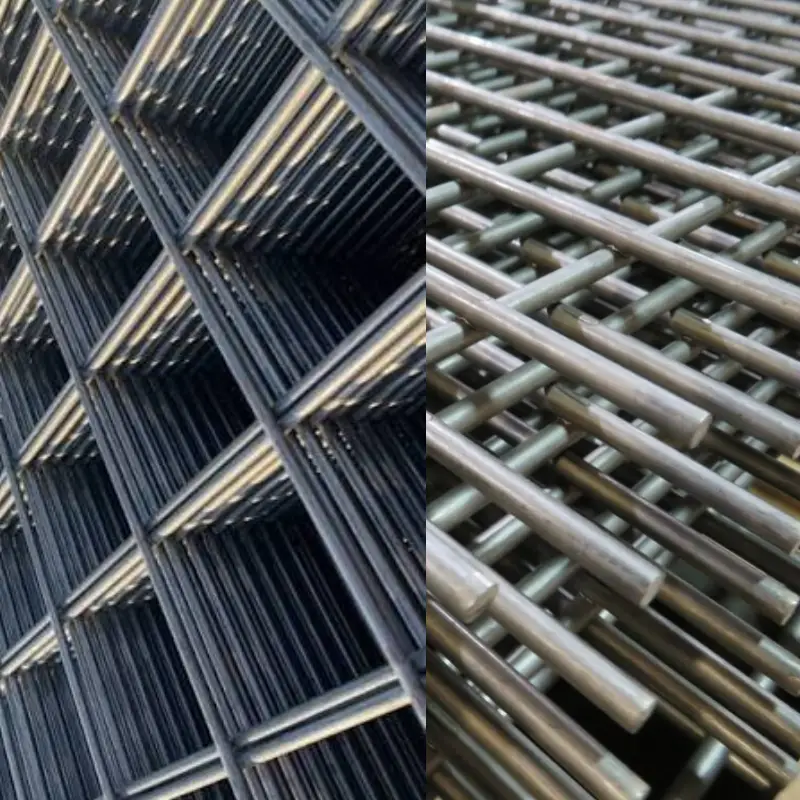
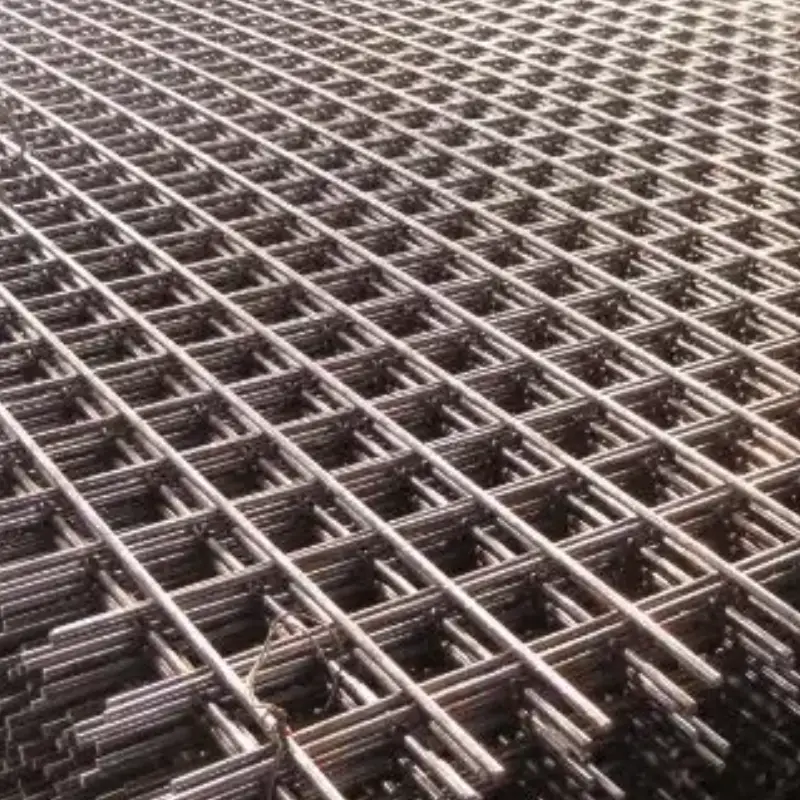
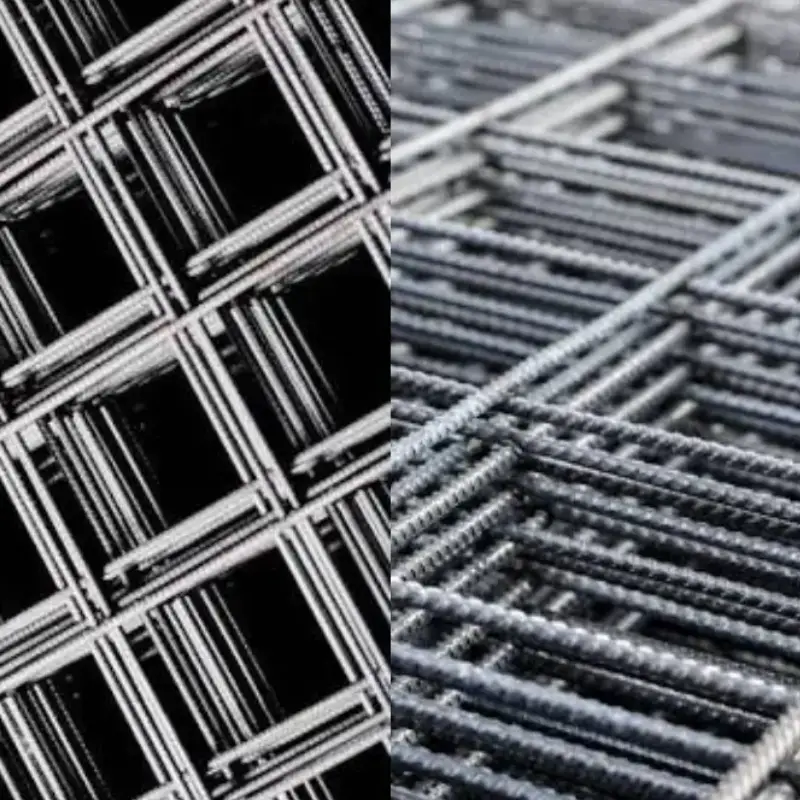
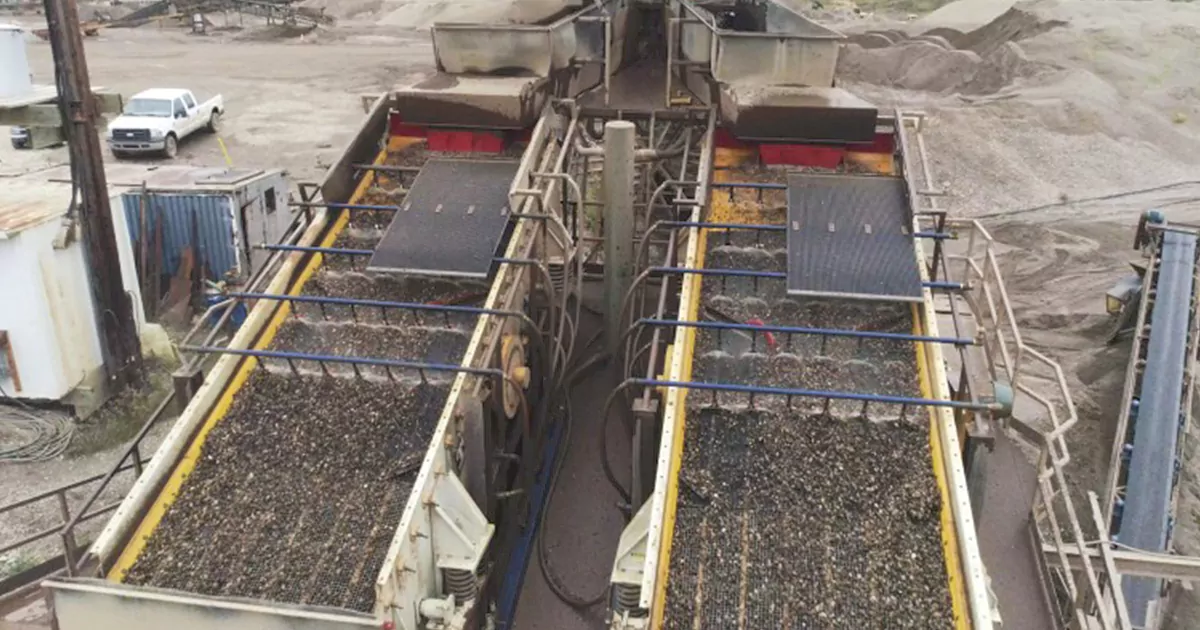
You see screening media when you use vibrating screens. Screening media is a mesh or surface that sorts materials by size. When you ask what is screening media, you learn it keeps different sizes apart. The mesh lets small pieces fall through. Bigger pieces stay on top. This helps you sort things quickly and correctly.
Vibrating screens shake to break up clumps between particles. This shaking lets small pieces, called fines, drop through the screen media. Bigger pieces move across the top. The screening process sorts materials by their size.
Screening media comes in types like woven wire, polyurethane, rubber, and perforated plates. Each type works best for certain jobs. The mesh size controls what gets through. Smaller mesh holes only let tiny pieces pass. This gives you more control over your final product.
Role in Screening Equipment
Screening media is very important for vibrating screens. You need it to work with the vibrating part of the machine. The shaking makes materials separate by size and weight. Small pieces move down to the mesh and fall through. Big pieces stay on top and move forward until they leave the screen.
- Vibrating screens shake using a balanced or shaft system.
- The screening surface helps separate materials and works with the vibration.
- The process lets small pieces fall through and keeps big ones on top.
- The shaking comes from an unbalanced weight powered by a motor.
- The way the screen and material touch is key for good sorting.
Choosing the right screening media makes your work faster and cuts down on stops. It also helps your machines last longer. Knowing what is screening media helps you get better results from your screening.
Importance in Industrial Applications
Screening media is used in many places, like mining, aggregates, and recycling. It is important because it sorts materials the same way every time. Using the right screening media means you can move more material and waste less. It also makes your product better and saves money.
Screening media must handle tough jobs, like being hit, scratched, or getting wet. You pick steel, polyurethane, or rubber depending on what you need. Steel lasts a long time. Polyurethane works well when things are wet. Rubber bends and takes hits for heavy jobs.
The screen mesh size is the main way to sort materials. Smaller mesh holes only let tiny pieces through. This gives you better control over the size.
You need to know what is screening media to pick the best one for your machines. The right choice makes your work faster, protects your machines, and helps you reach your goals.
Common Types of Screening Media
- Woven Wire Cloth: Good for many uses and not expensive, great for fine sorting.
- Polyurethane Screens: Tough and hard to wear out, best for rough or wet jobs.
- Rubber Screens: Bend easily and take hits, good for big, heavy materials.
- Perforated Plate Screens: Very strong, best for first sorting and big jobs.
- Hybrid Screens: Mix different types for tricky jobs.
You pick the type based on what you are sorting, where you work, and what you want to get done. This choice changes how well your screening works and how much you can do.
How Screening Media Works
Screening Process Overview
When you use screening media, you follow steps to sort materials by size. First, you put the material on the vibrating screen. The screening media is the surface where sorting happens. The vibration spreads the material out. Small pieces move down, and big pieces stay on top. As the screen shakes, small pieces fall through the holes. Big pieces move across the top and leave at the end. You collect the sorted materials in bins or on belts, based on their size.
Tip: Always look at your screening media before you start. Broken screens can make sorting wrong and slow down your work.
This process helps you see what is screening media by showing how it sorts and separates materials well.
Motion and Separation Principles
Screening media works because of a few science rules. These rules control how things move and separate on the screen. You can see the main rules in the table below:
| Principle | Description |
|---|---|
| Vibration | The screen shakes in patterns like sinusoidal or gyratory motion. This movement helps separate materials by size. |
| Gravity | Gravity pulls particles down, helping smaller ones fall through the screen openings. |
| Density | Materials with different densities separate as they move, allowing for better classification. |
| Electrostatic Force | Static electricity can make fine or wet particles stick to the screen, affecting separation. |
You can change how much the screen shakes and its angle to sort better. Using these rules together helps you sort things fast and right.
Impact on Efficiency and Accuracy
How your screening media is made changes how well you sort things. You want your sorting to be fast and correct. Some things affect this:
| Parameter | Description |
|---|---|
| Screening Efficiency | Measures how well the screen separates particles of different sizes. Higher efficiency means better separation. |
| Penetration Probability | Shows how likely particles of a certain size will pass through the screen. |
| Relative Separation Size | Usually set at 0.7 times the opening size for the best efficiency. |
If you pick the right mesh size and shape, you help only the right pieces go through. This means less waste and better products. Checking and fixing your screening media often keeps it working well.
Note: Good screening saves time and money. Sorting right means you get the size you want every time.
Knowing how screening media works helps you make smart choices for your work. When you know what is screening media and how it works, you can do more and keep your machines working longer.
Types of Screening Media
Woven Wire Screens
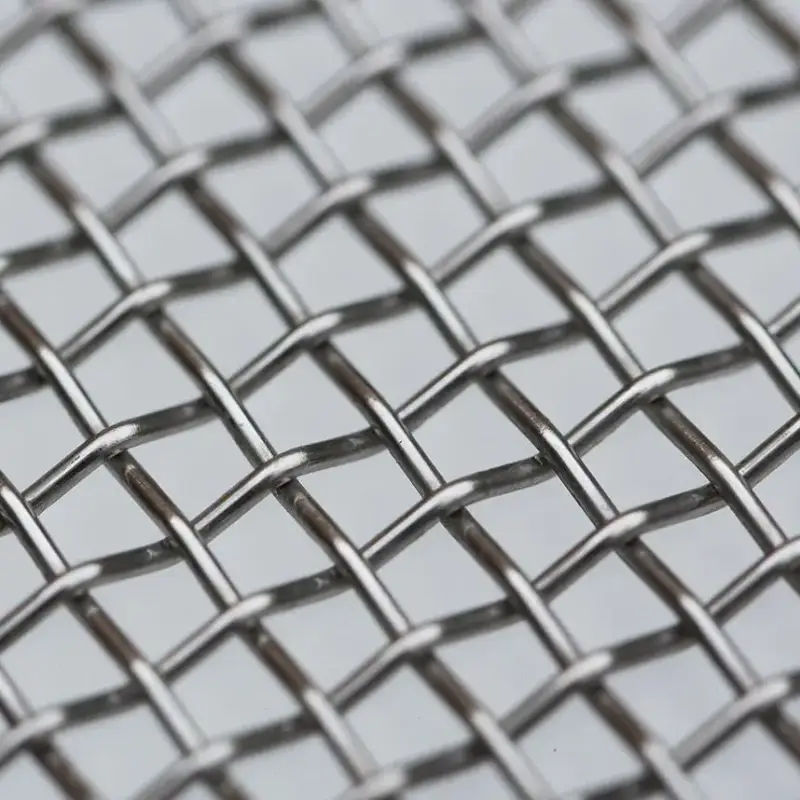
Woven wire screens have metal wires that cross each other. This makes a mesh surface. People pick this type because it is flexible and not expensive. Woven wire screens work in many places. They help separate materials by size very fast.
| Factor | Impact on Screening Efficiency |
|---|---|
| Material Composition | Changes how strong it is and if it rusts |
| Mesh Count | Changes how air moves and how well it filters |
| Wire Diameter | Changes how strong and tough it is |
| Opening Size | Changes how much you can see and filter |
You can change the mesh count and wire thickness for your job. Thicker wires make the screen stronger. More mesh count helps filter better. Woven wire screens let you control how you sort things.
Pros and Cons
Pros:
- You get good accuracy for many materials.
- You can fix or swap them easily.
- You can pick from lots of sizes and shapes.
Cons:
- You may see faster damage in hard jobs.
- You might need new ones more often in wet places.
- You can get rust if you do not use the right metal.
Polyurethane and Rubber Screens
Polyurethane and rubber screens use strong, bendy materials. People use them for tough jobs where metal screens break too soon. These screens take hard hits and do not clog easily.
| Application | Benefits |
|---|---|
| Dewatering | Makes washing better and controls how fast things move |
| Heavy media recovery | Gets heavy media back well |
| Fine sizing applications | Helps move material to the middle |
| Wet applications | Slows things down, washes more, breaks up lumps |
| Aggregate Processing | Strong panels, mesh does not clog much |
| Washing Applications | Filters solids, keeps things working well |
| Cement Manufacturing | Stays strong and works well |
You can use polyurethane and rubber screens for wet or sticky stuff. They last longer than woven wire in these jobs.
Benefits and Drawbacks
Benefits:
- You get longer use in rough places.
- You see less clogging and blocking.
- You hear less noise when working.
Drawbacks:
- You may pay more at first.
- You might not get great accuracy for tiny pieces.
- You need to check if they fit your machines.
Self-Cleaning Screens
Self-cleaning screens have a special shape to stop clogging. They use V-shaped wires and slots that are thin on top and wider inside. This helps pieces go through or get pushed away.
| Feature | Self-Cleaning Screens | Traditional Screens |
|---|---|---|
| Design | V-shaped wire profile | Round or flat wires |
| Slot Geometry | Narrowest at the surface, widens internally | Uniform width |
| Clogging Prevention | Minimizes particle lodging | Prone to clogging |
| Maintenance Frequency | Reduced cleaning frequency | Requires frequent maintenance |
| Solids Movement | Promotes continuous solids movement | Often leads to particle lodging |
- The V-shape gives a mechanical boost.
- Slot openings let pieces go through or get pushed out.
- Pieces do not get stuck as much, so you see less blocking.
Self-cleaning screens like wedge wire screens use special slots to stop bridging. The flow gets faster inside the slot, which pushes out small pieces. You spend less time cleaning and keep your sorting working well.
Features and Limitations
Features:
- You get steady work, even with lots of solids.
- You do not stop often to clean.
- You sort sticky or wet stuff better.
Limitations:
- You may pay more for fancy designs.
- You need to match the screen to your job.
- You might see less strength in very rough places.
Tip: Pick self-cleaning screens if you want less cleaning and smoother work.
Screening Media Systems
Modular vs. Tensioned
You can pick modular or tensioned screening media for your machines. Each one has its own good points and works best in different ways. Modular systems use small panels. If one panel breaks, you only change that piece. This saves you time and money. Tensioned systems use a mesh made from woven wire. The mesh is held by side rails. If it gets damaged, you must change the whole mesh.
Here is a table that shows the main differences:
| Feature | Modular Screening Media | Tensioned Screening Media |
|---|---|---|
| Construction | Smaller panels, replace individually | Woven wire mesh, attached to side rails |
| Installation | Flexible, many materials and apertures | Fixed, support bars for camber |
| Maintenance | Replace only damaged panels | Replace entire mesh if damaged |
| Noise Level | Quieter, rubber or polyurethane | Louder, steel materials |
Modular systems are good if you want quick fixes and more choices. Tensioned systems are better when you need strong support and a simple setup.
Installation and Maintenance
Putting in your screening media the right way helps it last longer. You need to make sure each part sits flat and straight on the support bars. This stops gaps and keeps wear even. Check the cross members often, especially if things are wet. Use liners to help them last longer.
Follow these best steps:
- Make sure screen media parts are flat and straight.
- Look at cross members for damage and use liners to protect them.
- Use enough spray nozzles. Keep water and pressure right. Spray at a 45-degree angle.
- Leave space around things that do not move. This makes fixing and checking easier.
Tip: Check your screens often and fix problems fast. This keeps your system working and saves money.
Compatibility with Equipment
You need to match your screening media to your machine for the best results. The angle of your screen changes with the material. Use a steeper angle for dry stuff. Use a flatter angle for wet stuff. Aperture size is important. Small pieces go through easier. Pieces close to the size of the holes may not pass as easily.
How fast your screen turns also matters. The best speed is about half of the fastest safe speed. If you go too fast or too slow, your machine does not work as well. How fast the material moves depends on the slope and speed of your trommel. A lower slope gives small pieces more time to fall through.
| Factor | Description |
|---|---|
| Screening Angle | Steeper for dry materials, shallower for wet materials |
| Aperture Size | Smaller particles pass through more easily |
| Rotational Speed | Best efficiency at 50-60% of critical speed |
| Material Velocity | Lower slope increases exposure time for undersized particles |
Note: Always look at your machine’s rules before picking screening media. The right choice helps your system work better and last longer.
Performance Factors
Material Properties
You should check the material before you start screening. The size, shape, and wetness of the material matter a lot. If the pieces are all the same size, the screen works faster. If the sizes are very different, the mesh can get clogged. Wet or sticky materials can clump together and make screening harder.
Here is a table that shows how material properties change performance:
| Material Property | Influence on Performance |
|---|---|
| Particle Size Distribution | Uniform materials screen faster; wide distributions can clog the mesh. |
| Moisture Content | High moisture may cause clumping, requiring adjustments. |
| Stickiness | Sticky materials can clump, necessitating anti-clog mesh. |
Polyurethane screens help stop pegging and blinding because they are smooth. Rubber screens also help because they bend and keep particles from sticking.
Open Area and Throughput
Open area means how much of the screen has holes. More open area lets more material go through at once. This makes your process faster and helps you get more done.
A higher open area means:
- More material goes through the screen.
- You get faster work and more output.
- You filter and sort better.
If you work with lots of material, you want a bigger open area. This helps you move things quicker. Always look at the open area when you pick your screening media.
Tip: More open area helps you work faster, but thin wires or big holes can wear out quickly.
Pegging and Blinding Issues
Pegging and blinding are problems that happen when screening. Pegging is when pieces get stuck in the holes. Blinding is when the holes fill up and block the flow. Both problems slow down your work and make the screen less useful.
Many things can cause pegging and blinding. Here is a table that shows some causes:
| Cause Category | Description |
|---|---|
| Material Factors | Moisture, clay, and particle shape affect screen performance. |
| Operating Factors | Feed rate, stratification, and vibration settings influence material movement. |
| Media Factors | Screen media choice, aperture shape, and wire diameter can lead to issues. |
You can use a ruler or gauge to check for pegging and blinding. Wireless sensors and special software can also help you find problems early.
Note: Pick the right screen and keep your equipment clean to stop pegging and blinding. Check your screens often so you can fix problems before they get worse.
Application (Wet vs. Dry)
You must pick screening media that fits your job. Wet and dry jobs need different things. The way you screen changes if the material is wet or dry. Wet and dry screening both have their own problems. You need the right media to get good results.
Wet screening uses water during the process. Water helps small pieces move through the screen. It also keeps dust down and makes cleaning easier. Wet screening is common for washing or rinsing. Polyurethane media is a good choice for wet jobs. It does not wear out fast from water. It keeps its shape and lasts longer. Polyurethane also makes the job more efficient. Sprays can help your screen work better. They wash off sticky bits and stop clogging.
Dry screening does not use water at all. You use shaking and gravity to sort the material. Dry jobs often have heavy or sharp pieces. Rubber media works best for these jobs. It takes hard hits and does not break easily. Rubber screens make less noise and last longer in dry jobs.
Tip: Always check if your material is wet or dry before picking your screen media. The right choice saves time and money.
Here is a simple guide to help you choose:
- Wet Applications:
- Polyurethane screens last longer and work well.
- Water sprays help the screen and stop blinding.
- Best for washing, rinsing, and sorting small pieces.
- Dry Applications:
- Rubber screens take hard hits and sharp pieces.
- Less noise and less damage in dry jobs.
- Good for first sorting and big pieces.
You can see the main differences in this table:
| Application Type | Best Media Choice | Key Benefits |
|---|---|---|
| Wet | Polyurethane | Lasts longer, works well, easy to clean |
| Dry | Rubber | Takes hard hits, less noise, strong |
Always match your screening media to your job. Wet and dry jobs need different media. Polyurethane is strong and works well for wet jobs. Rubber keeps screens safe and quiet in dry jobs. Picking the right media helps your work go smoothly and gives you the best results.
Choosing Screening Media
Assessing Application Needs
You need to know what your job needs. Every screening job is different. Look at the material type and size you want to sort. Think about how much you need to process. Check if the job is wet or dry. Ask how hard the job will be on your equipment.
Here is a table to help you focus on the main criteria:
| Criteria | Description |
|---|---|
| Identify Required Skills | List the hard and soft skills needed for your operation. |
| Establish Specific Competencies | Define what your screening process must achieve. |
| Determine Experience/Education | Consider the experience level needed for handling the equipment and materials. |
| List Nice-to-Haves | Note any extra features that could improve your process, like noise reduction or easy cleaning. |
Ask yourself these questions:
- What size and type of material will you screen?
- How much material do you need to process each hour?
- Will you use the screen in wet or dry conditions?
- Do you need special features, such as self-cleaning or noise reduction?
Tip: Write down your answers before you pick your screening media. This step helps you avoid mistakes and saves money.
Mesh Size and Pattern
Mesh size and pattern are very important. Mesh size means how big the holes are in your screen. Pattern means how the holes are set up. You need to match mesh size to the material size you want to sort.
Here is a table that shows how mesh count affects your results:
| Aspect | High Mesh Count (Small Holes) | Low Mesh Count (Large Holes) |
|---|---|---|
| Detail | Finer separation, more accuracy | Faster throughput, less accuracy |
| Throughput | Slower, handles less material at once | Faster, handles more material |
| Product Quality | Better for small, precise products | Better for large, rough sorting |
| Use Case | Fine screening, detailed sorting | Coarse screening, bulk sorting |
High mesh count gives you better sorting but slower work. Low mesh count lets you move more material but is less exact. Look at the pattern too. Square patterns work for most jobs. Slotted patterns help with sticky or wet materials.
Note: Always match mesh size and pattern to your material and goals. This choice changes both speed and quality.
Material Selection
Pick the right material for your screening media. The material changes how long your screen lasts and how well it works. Think about what you will screen, how much you will process, and the job setting.
Consider these factors when you select the material:
| Factor | Description |
|---|---|
| Material Characteristics | Look at particle size, shape, density, and how rough the material is. |
| Screening Capacity | Make sure your screen can handle the amount you need without breaking down. |
| Screen Size and Configuration | Check the length, width, and angle of your screen deck. |
| Screening Purpose | Pick a screen type that matches your goal, such as dewatering or grading. |
| Maintenance and Durability | Choose a material that is easy to maintain and lasts a long time. |
| Environmental Conditions | Think about temperature, moisture, and other factors that could affect your screen. |
Steel screens are good for heavy, dry jobs. Polyurethane screens last longer in wet or rough jobs. Rubber screens lower noise and take hits in tough places.
Tip: Always balance durability, cost, and performance. The right material helps you get good results and lowers your maintenance costs.
Durability and Cost
When you pick screening media, you need to think about durability and cost. These two things affect how well your work goes over time. You want a screen that lasts but does not cost too much. Many people only look at the price. You should look at more than just cost. The cheapest screen may wear out quickly and cause more stops.
Durability means how well your screening media handles tough jobs. If you work in mining or aggregate processing, you need screens that can take hits and heavy loads. Polyurethane and rubber screens last longer than woven wire in wet or rough jobs. Steel screens are good for dry, heavy materials but may need to be replaced more often. Durable screens cost more at first but save money later. You spend less on fixing and replacing them. You also avoid losing time when machines stop.
Cost is more than just the price you pay. You need to think about labor for putting in and cleaning screens. Every time you change a screen, you pay for work and lose time. Downtime can hurt your business. You should also think about how well the screen works. A screen that sorts more tons each hour gives you better value. If you pick a low-quality screen, you may get poor sorting and more waste. This means you pay more in the end.
Here is a table that shows important durability and cost points:
| Consideration | Details |
|---|---|
| Initial Costs | Important but not the only thing to think about. |
| Labor Costs | Includes costs for changing and cleaning screens. |
| Downtime Loss | Losing time when machines stop can cost a lot. |
| Media Performance | Check how much material the screen sorts and how well it works. |
| Durability vs. Cost | Strong screens cost more at first but save money later. |
| Quality of Materials | Cheap screens may not work well and wear out fast. |
| Overall Cost Analysis | Look at all costs, not just the price, to make a smart choice. |
Tip: Always check the total cost, not just the first price. Durable screening media can save you money and keep your work going.
Ask yourself these questions before you buy:
- How often will you need to change the screen?
- What are the costs for work and lost time when you change screens?
- Does the screen sort as much and as well as you need?
- Will a better screen help you avoid stops and repairs?
If you buy strong screening media, you protect your machines and make your work better. You spend less time fixing problems and more time making good products. Smart choices in durability and cost help you do well and stay ahead.
Conclusion
You should pick screening media that fits your material, process, and equipment. Think about these important things:
| Key Consideration | Details |
|---|---|
| Material Characteristics | Look at particle size, wetness, and how rough it is. |
| Process Parameter Matching | Make sure the screen can handle what you need. |
| Equipment Performance Optimization | Change screen settings to get better results. |
| Total Cost of Ownership | Plan for fixing and saving time when machines stop. |
Check what you need often. Talk to screening media manufacturers to help you choose the best screening media for your work.
FAQ
What is the main purpose of screening media?
Screening media lets you sort things by size. It helps you work faster and more accurately. People use it in mining, recycling, and making aggregates.
How often should you replace screening media?
Check your screening media often. Replace it if you see holes or tears. If it does not work well, change it. Checking often helps you avoid stopping your work.
Which screening media works best for wet applications?
Polyurethane screens are best for wet jobs. They do not get damaged by water. They last longer and work better. Polyurethane helps stop clogging.
Can you use the same screening media for all materials?
You need to pick the right screening media for your material. Hard or sticky things need special screens. Using the wrong one can break your screen or sort badly.
How do you prevent pegging and blinding?
Pick self-cleaning screens to stop pegging and blinding. Clean your screens often. Use the right mesh size to keep screens clear.
What is the difference between modular and tensioned screening media?
Modular media has small panels you can change one at a time. Tensioned media is one big mesh held by rails. Modular is easier and faster to fix.
Does mesh size affect screening efficiency?
Mesh size decides what goes through the screen. Small mesh sorts better but is slower. Big mesh is faster but less exact.
How do you choose the right screening media for your equipment?
Think about your material, job, and machine. Ask experts or manufacturers for help. The right choice makes your work better and saves money.