You want to install polyurethane declogging rods on your vibrating screens. You might not know where to start. The right way to install them makes the rods last longer. It also helps you work more efficiently. If you skip steps or rush, you could damage the rods. You might also cause more downtime. This guide shows you how to get the best results. It helps you reduce downtime so your operation runs smoothly.
Key Takeaways
- Pick the right tools for the job. You need a wrench, screwdriver, and rubber mallet. These tools help make the work easy.
- Safety comes first. Turn off the screening system before you start. Wear gloves and safety glasses to protect yourself.
- Look at your vibrating screen before you begin. Check for any damage. Change any parts that are worn out or broken. This helps the screen work well.
- Pick polyurethane rods that fit your screen size. Make sure they match the material you use. This makes the rods last longer and work better.
- Keep your workspace clean. This helps stop accidents and makes the job go smoothly.
- Put the rods in the right place and space them correctly. This helps the rods clean well and last longer.
- Check the rods often after you put them in. Make sure they are tight and working right.
- Write down when you check, clean, or change the rods. This helps you take care of your polyurethane rods.
Pre-Installation Guide for Polyurethane Declogging Rods
Tools and Safety Gear
Hand Tools
You need the right tools to get started. Most jobs require a basic set of hand tools. You will want a sturdy wrench, a flathead screwdriver, and a rubber mallet. These tools help you loosen bolts, adjust fittings, and tap rods into place without causing damage. Keep your tools close so you do not waste time searching for them.
Safety Equipment
Safety comes first. You should always turn off your screening system before you start. This step keeps you safe from moving parts. Wear gloves to protect your hands from sharp edges on the screen. Safety glasses shield your eyes from dust and debris. If you need to lift rods, use proper lifting techniques and avoid dropping them. A clean and organized workspace helps prevent accidents. Store rods away from heavy equipment to keep them in good shape. Never force rods into place. Use gentle pressure to avoid injury and damage.
Tip: A tidy workspace makes installation faster and safer. You will spend less time looking for tools and more time getting the job done.
Specialized Tools
Some screens need special tools. You might need a tensioning device or a torque wrench. These tools help you apply the right amount of force. If your rods use a bead connection or bolt-on method, check if you need extra hardware. Ask your supplier if you are not sure which tools to use.
Screen Inspection
Check for Wear or Damage
Before you install anything, look over your vibrating screen. Check for cracks, worn edges, or loose bolts. Damaged parts can cause problems later. If you see rust or broken wires, make a note. You want your screen in top shape before adding new rods.
Replace Faulty Parts
Do not skip this step. Replace any worn or broken parts right away. New rods will not work well on a damaged screen. You will save time and money by fixing problems now instead of later.
Rod Selection Tips
Size and Hardness Matching
Pick rods that match your screen size and the material you process. If you choose rods that are too soft or too hard, they will not last. The wrong size can cause poor fit and early wear. Check your screen’s manual for the right specs.
Material Compatibility
Make sure your rods work with the material you screen. Some materials need softer rods, while others need harder ones. If you process sharp or heavy material, choose rods that can handle the stress.
Supplier Advice
If you feel unsure, ask your supplier for help. They know which rods fit your screen and your material. Good advice now can prevent headaches later.
Workspace Setup
Clean Screen Area
You want your installation to go smoothly. Start by cleaning the screen area. Dust, dirt, and leftover material can get in the way. Use a brush or a vacuum to remove loose particles. If you see sticky buildup, wipe it down with a damp cloth. Make sure the screen surface feels smooth to the touch. You do not want anything to block the rods or cause uneven fitting.
Take a look at the corners and edges. These spots often collect the most debris. Pay extra attention here. If you leave dirt behind, it can cause rods to slip or wear out faster. You can use a small brush or even compressed air for hard-to-reach places.
Tip: Clean as you go. If you drop a bolt or tool, pick it up right away. This habit keeps your workspace tidy and safe.
You should also check under the screen deck. Sometimes, material builds up where you cannot see it. A quick sweep or vacuum under the deck can prevent problems later. If you work in a wet environment, dry the area before you start. Moisture can make rods harder to install and may cause rust on metal parts.
Safe Work Environment
Safety matters every step of the way. Before you begin, look around your workspace. Remove anything you might trip over. Keep tools and rods organized in one spot. If you work with others, talk about the plan. Make sure everyone knows their role.
Wear your safety gear. Gloves protect your hands from sharp edges. Safety glasses keep dust out of your eyes. If you need to lift heavy rods, ask for help. Do not try to lift more than you can handle. Use proper lifting techniques to avoid injury.
You should also check the lighting. Good light helps you see small parts and read instructions. If the area feels dark, set up a portable work light. Bright spaces help you avoid mistakes.
Here’s a quick checklist to help you set up your workspace:
- Clear the floor of clutter and spills.
- Organize tools and rods within easy reach.
- Wear gloves and safety glasses.
- Make sure the area has good lighting.
- Communicate with your team before starting.
Remember: A safe and clean workspace helps you work faster and better. You will make fewer mistakes and keep your rods in top shape.
A little preparation goes a long way. When you set up your workspace the right way, you make the whole installation process easier. You also protect your equipment and yourself.
Polyurethane Screen Installation Guide
Positioning PU Declogging Rods
Placement Strategy
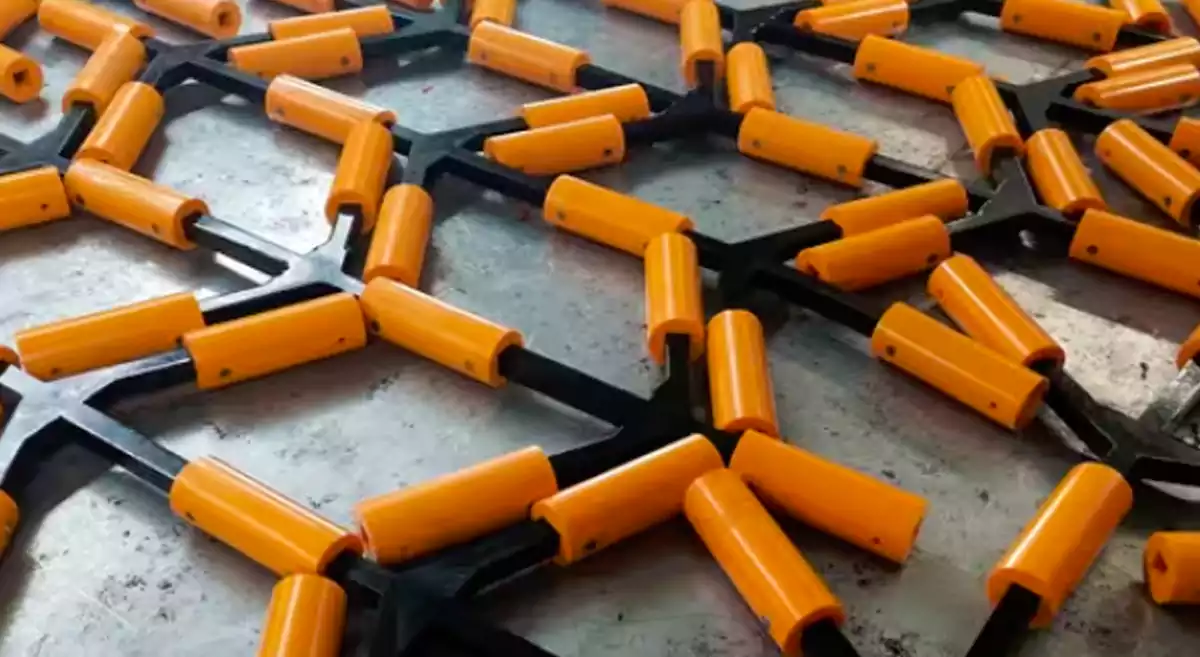
When you put in PU declogging rods, think about where they go first. Imagine your screen is a grid. Each rod acts like a guardrail. These rods stop clogging and help material move well. Put rods where buildup happens most. These spots are near feed points or in corners where debris gathers.
It is smart to line up the rods with the vibration direction. This way, rods shake off material without blocking the screen’s movement. You want to cover as much area as possible. Do not use too many rods. Too many can cause stress. Too few rods leave some spots open to clogging.
Spacing Rules
Spacing matters a lot for good declogging. Usually, rods should be 50 to 150 millimeters apart. The right space depends on your material size and screen type. Closer rods clean better but wear out faster. You need to find a good balance.
If you screen heavy or sticky stuff, use rods closer together. This stops buildup. For lighter or less sticky stuff, use wider spacing. This helps rods last longer. Always check your polyurethane screen installation guide for the best advice for your equipment.
Installation Methods
Tensioning
Tensioning is a strong way to install PU declogging rods. It works well for vibrating screens that move a lot. Tensioning keeps rods tight during use. This helps them last longer and work better.
To tension, pull the rods a little before fixing them. This stretch makes up for slack that happens over time. It keeps the rods touching the screen. Good tensioning can make rods last 40% longer.
Here is how tensioning helps: Right tension stops rods from moving too much. This cuts down on wear and stops early breaks. You need to get the tension just right. If it is too tight, rods can crack. If it is too loose, rods will not clean well.
| Parameter | Value |
|---|---|
| Hydraulic Pressure | 0.8–1.2 MPa |
| Initial Tension | 60% |
| Tension After 24 Hours | 80% |
| Final Tension | 100% |
| Life Extension | 40% or more |
Change the tension slowly. Watch the rods when you start the screen to make sure they work right.
Inlay
The inlay method means putting rods into slots or grooves on the screen. This way is simple and holds rods tight. It works best if your screen has special spots for rods.
First, get the slots ready for the rods. Next, push the rods into the slots so they are even with the surface. Use a mallet or press to make them fit well. Make sure there are no gaps. Gaps can make rods move or wear out.
This method is good if your screen is made for inlay and you can reach it easily. It also cuts down on wear from shaking because rods stay in place.
Bead Connection
Bead connection means putting beads or collars on each end of the rods. This way lets you put in and take out rods fast. It is great for screens that need lots of maintenance.
To use bead connection, slide the bead onto each rod end. Lock it with a clamp or screw. Make sure the beads are tight enough to hold the rods. Do not make them too tight or you could hurt the rods.
This way is flexible and easy to adjust. It spreads tension along the rod, which helps it last longer.
Bolt-On
The bolt-on way uses brackets and bolts to hold rods to the screen frame. This way is very strong and good for heavy jobs.
First, line up the rods with the brackets. Put bolts through the brackets and tighten them with a wrench. Tighten all bolts the same amount. This stops rods from bending or getting stressed.
Bolt-on is best when you need a tough setup for lots of shaking. It also makes changing rods easy. Just unbolt the old rods and put in new ones.
Securing and Tensioning
Fastening Techniques
Holding PU declogging rods tight is important for good work. Use strong bolts, clamps, or locks for your method. Always tighten them as the maker says. This stops them from coming loose.
When you tension rods, stretch them evenly. If tension is not even, rods can wear out or break. Use a torque wrench if you need to. This helps you use the same force, especially for bolt-on or bead connection.
Tension Adjustment
Getting the tension right can make rods last much longer. After you put in the rods, run the screen and watch them. If rods look loose or move too much, tighten them a bit at a time.
You want the rods to touch the screen firmly but not be too tight. Start with about 60% tension. After 24 hours, go up to 80%. Then, reach 100% for the best results.
Good tensioning helps rods clean better and last longer. Check tension often during maintenance to keep your polyurethane screen working well.
Final Checks
You have installed your polyurethane declogging rods. Now, you need to make sure everything is set up right before you start the machine. These last steps help you avoid problems and keep your screen running smoothly.
Alignment
Check the alignment of each rod. Stand at the side of the screen and look straight across. All rods should sit in a straight line. If you see a rod sticking out or sitting lower than the others, fix it now. Misaligned rods can cause uneven wear and let material slip through.
Here’s a simple way to check alignment:
- Look at the rods from both ends of the screen.
- Use a straight edge or a string to see if the rods line up.
- If you spot a gap or a crooked rod, adjust it by loosening the fastener and moving the rod into place.
Tip: Take your time with this step. Good alignment means better cleaning and longer rod life.
You can also use a measuring tape to check the distance between rods. The spacing should match what you planned earlier. If you find a rod too close or too far from its neighbor, move it until the spacing looks even.
Tightness
Now, check how tight each rod feels. Grab a rod and give it a gentle shake. It should feel firm but not too stiff. If a rod moves too much, tighten its fastener. If it feels too tight, loosen it just a bit. You want the rods to stay in place during vibration but still have enough give to do their job.
Follow this checklist for tightness:
- Touch each rod and try to wiggle it.
- Listen for any rattling or clicking sounds.
- Use a torque wrench if your rods need a specific tightness. Check your supplier’s guide for the right setting.
- After tightening, run the screen for a few minutes. Watch the rods as the machine vibrates. They should move with the screen but not bounce around or slip out of place.
Note: If you hear loud noises or see rods shifting during the test run, stop the machine and check again. Tighten or adjust as needed.
A good final check saves you from headaches later. When you finish these steps, you can feel confident that your polyurethane declogging rods are ready for action. Your screen will work better, and you will spend less time on repairs.
Post-Installation Checks for PU Declogging Rods
After you finish the installation, you need to check your work. These post-installation checks help you spot problems before they cause downtime. Let’s walk through each step so your pu declogging rods work their best.
Vibration Test
Rod Movement
Turn on your vibrating screens and watch the pu declogging rods. Each pu rod should move with the screen. You want to see a gentle, steady motion. If a pu rod bounces too much or stays still, something is wrong. Maybe the rod is too loose or too tight. Adjust the rod so it moves just right. This step helps you catch issues before they lead to clogging.
Noise Detection
Listen closely during the vibration test. Good pu declogging rods make a soft, even sound. If you hear rattling, clanking, or squeaking, stop the screen. These noises mean a rod is loose or out of place. Tighten any loose rods and run the test again. Quiet operation means your pu rods are ready for declogging.
Tip: Trust your ears. Unusual sounds often warn you about problems before you see them.
Seal and Fit
Gap Check
Look at the space between each pu declogging rod and the screen. You should not see big gaps. Gaps let material slip through and cause clogging. Use a flashlight to check hard-to-see spots. If you find a gap, adjust the rod or replace it. A tight fit keeps your screen working well.
Surface Contact
Check that each pu rod touches the screen surface. Good contact helps with declogging and keeps material moving. If a rod sits above the screen or hangs below, it cannot do its job. Press gently on each rod to feel if it sits flat. Fix any rod that does not touch the screen.
Initial Performance
Material Flow
Start running material through your screen. Watch how the pu declogging rods handle the flow. The material should move smoothly across the screen. If you see piles building up, check the rods again. Sometimes, a small adjustment fixes the problem. Good material flow means your pu rods are declogging as they should.
Early Clogging Signs
Keep an eye out for early signs of clogging. If you notice material sticking or blocking the screen, act fast. Check the placement and tension of your pu declogging rods. Sometimes, you need to move a rod or tighten it. Early action stops bigger problems later.
Note: Regular checks after installation help you catch issues early. You save time and keep your polyurethane declogging rods working longer.
A careful post-installation check makes a big difference. You get better declogging, longer rod life, and smoother operation. Take your time with these steps, and your pu declogging rods will keep your screen clear and efficient.
Troubleshooting Polyurethane Screen Installation
When you install pu declogging rods, you want everything to work right away. Sometimes, things do not go as planned. You might see problems like rods not fitting, too much noise, or rods wearing out too fast. This troubleshooting guide helps you fix these issues and keep your screen running smoothly.
Rod Fit Issues
Sizing Problems
You need the right size rods for your screen. If you use rods that are too big, they will not fit in the slots. If you use rods that are too small, they will move around and not help with declogging. Always check the size before you start installation. Use a tape measure to compare the rod and slot. If you see a gap, you need a bigger rod. If the rod does not go in, you need a smaller one.
Tip: Ask your supplier for help if you are not sure about the size. They can tell you which pu declogging rods work best for your screen.
Screen Deformation
Sometimes, the screen bends or warps after a lot of use. This makes it hard to fit the rods. You might see rods popping out or not sitting flat. Look for bent frames or twisted panels. If you find a problem, fix the screen before you try to install new rods. You can use a straight edge to check for flatness. If the screen is not flat, rods will not help with declogging and you will see more clogging.
Excessive Movement or Noise
Loose Fastening
If you hear rattling or see rods shaking, they are probably loose. Loose rods do not help with declogging. They can even damage the screen. Check all fasteners and tighten them. Use a wrench or screwdriver. Make sure every rod feels snug but not too tight.
Tension Errors
Tension matters for pu declogging rods. If rods are too loose, they will bounce and make noise. If rods are too tight, they might crack or break. Adjust the tension slowly. Watch the rods as the screen vibrates. You want steady movement, not wild bouncing. Good tension helps with declogging and keeps the rods working longer.
Premature Wear
Material Mismatch
If your rods wear out too fast, you might have the wrong type for your material. Hard, sharp rocks need tough rods. Softer material needs softer rods. Check with your supplier if you see fast wear. They can help you pick the right pu declogging rods for your job.
Installation Mistakes
Sometimes, rods wear out because of mistakes during installation. Maybe you forced a rod into place or skipped a step. Go back and check your work. Make sure every rod sits flat and fits tight. If you see a problem, fix it right away. Careful installation helps your rods last longer and keeps your screen clear of clogging.
Remember: Regular checks and quick fixes keep your screen and pu declogging rods in top shape. Good troubleshooting saves you time and money.
Persistent Clogging
You might finish your installation and still see material building up on your screen. That can feel frustrating. Persistent clogging means something needs to change. Let’s look at what you can do to fix it.
Rod Placement
Start by checking where you put your pu declogging rods. If you place them in the wrong spots, they cannot do their job. You want the rods to cover the areas where clogging happens most. These spots are usually near the feed end or in corners of the screen. Move the rods closer together if you see lots of buildup. Spread them out if you notice too much wear or not enough declogging.
Try different patterns for your rods. S-type, D-type, and Piano type rods all work in different ways. S-type rods twist and shake off sticky material. D-type rods give strong support and help with heavy loads. Piano type rods work well for fine material. You can ask your supplier which pattern fits your screen best.
Here’s a quick table to help you compare rod options:
| Feature | Description |
|---|---|
| Material | Polyurethane resists abrasion and bends to shake off stuck material. |
| Functionality | The rods help your screen clean itself and reduce clogging. |
| Additional Help | You can add more rods to boost the declogging process. |
| Available Types | S-type, D-type, and Piano type suit different screen jobs. |
Tip: Try moving just one or two rods at a time. Small changes can make a big difference in declogging.
Screen Adjustments
Sometimes, the problem is not just the rods. Your screen might need a few tweaks. Check the vibration stroke. If the screen does not shake enough, material will stick. You can adjust the stroke to make the screen move more. This helps the pu declogging rods knock off stubborn clogs.
Look at the holes in your screen. If they are the wrong shape, material can get stuck. You might need to change the hole shape or size. Some screens work better with round holes, while others need square or slotted holes. Ask your supplier for advice if you are not sure.
You can also try different screening media. Some materials need a softer or harder surface to stop clogging. Polyurethane works well because it is flexible and tough. It helps your screen stay clean and keeps the pu declogging rods working longer.
Note: Keep an eye on your screen after every change. Watch how the material moves and see if the declogging improves.
If you keep seeing clogging, do not give up. Try new rod placements, adjust your screen, or switch to a different rod type. With a few changes, you can get your screen running smoothly and keep your pu declogging rods working their best.
Maintenance Guide for Polyurethane Declogging Rods
Routine Inspection
Visual Checks
You should look at your pu rods often. Start by turning off the screen and making sure it is safe to touch. Walk around the machine and check each pu rod. Look for cracks, chips, or any spots that look worn out. If you see a rod that looks different from the others, mark it for a closer look later. Sometimes, you will spot a rod that sits out of place or has moved. Fix these right away. A quick visual check can save you from bigger problems down the road.
Tip: Use a flashlight to see under the screen deck. Dirt and shadows can hide damage on your pu rods.
Wear Measurement
After you finish your visual check, measure the wear on your pu rods. Use a simple ruler or caliper. Check the thickness of each rod at the middle and at both ends. Write down the numbers in a notebook. If you see a rod that is much thinner than the others, it may need to be replaced soon. Compare your numbers to the original size from your supplier. This step helps you spot rods that wear out faster than normal.
Cleaning Tips
Safe Cleaning
Keeping your pu rods clean helps them last longer. First, turn off the screen and lock it out. Use a soft brush or a cloth to wipe off dust and loose material. For sticky buildup, use warm water and a mild soap. Never use sharp tools to scrape pu rods. Sharp tools can cut or scratch the surface. If you clean your rods after every shift, you will see fewer problems and less downtime.
Avoiding Chemical Damage
Some cleaners can hurt polyurethane. Always check the label before you use any cleaning product. Stay away from strong acids, solvents, or bleach. These can make your pu rods crack or get soft. If you are not sure about a cleaner, ask your supplier for advice. Safe cleaning keeps your pu rods strong and flexible.
Note: Clean rods work better and help your screen run smoother.
Replacement Guide
When to Replace
You should replace a pu rod when it gets too thin, cracks, or loses its shape. If you see a rod that moves too much or does not touch the screen, it is time for a new one. Do not wait for a rod to break. Early replacement keeps your screen working and avoids sudden stops.
End-of-Life Signs
Look for these signs that a pu rod has reached the end of its life:
- Deep cracks or splits
- Rod feels soft or bends too easily
- Surface is rough or peeling
- Rod does not fit tight in the screen
If you see any of these, replace the rod right away. Good troubleshooting and maintenance will help you catch these signs early. You will keep your screen running and avoid bigger repairs.
Remember: Regular checks and cleaning are the best way to get the most out of your polyurethane rods.
Record Keeping
Keeping good records helps you get the most out of your pu declogging rods. You might think record keeping sounds boring, but it actually saves you time and money. When you track what happens with your pu rods, you spot problems early and avoid surprises. Let’s look at two simple ways to keep your pu screen system running smoothly.
Maintenance Logs
A maintenance log is like a diary for your pu rods and your screen. You write down what you check, clean, or replace. You can use a notebook, a spreadsheet, or even a whiteboard near your machine. The important thing is to keep it simple and easy to use.
Here’s what you should write in your maintenance log:
- The date you checked your pu rods
- Any cracks, wear, or damage you found
- Cleaning steps you took
- When you replaced a rod
- Any changes you made to rod placement or tension
You can use a table like this to make things clear:
| Date | PU Rod Condition | Action Taken | Notes |
|---|---|---|---|
| 2024-06-01 | Good | Cleaned rods | No issues found |
| 2024-06-10 | Worn | Replaced rod | Rod #3 worn at end |
Tip: Check your maintenance log before you start work each day. This habit helps you remember what needs attention and keeps your polyurethane screen in top shape.
Installation Records
Installation records help you track every time you add or change pu rods on your screen. These records show which rods you used, where you put them, and how they performed. If you ever have a problem, you can look back and see what worked and what didn’t.
Here’s what to include in your installation records:
- The type and size of each pu rod
- Where you placed each rod on the screen
- The method you used (tensioning, inlay, bead connection, or bolt-on)
- The date of installation
- Any special notes (like changes in material or vibration settings)
You can keep these records in a binder or on your computer. Some people even take photos of the screen after installing new pu rods. Pictures make it easy to see changes over time.
Note: Good installation records help you talk with your supplier if you need advice. You can show them exactly what you did, and they can help you pick the best polyurethane rods for your job.
When you keep up with your logs and records, you make maintenance easier. You also help your pu rods last longer and keep your screen running without trouble. Start simple, stay consistent, and you’ll see the benefits every day.
Conclusion
You now know how to install and care for polyurethane declogging rods. Here are some tips to keep your screen running well:
- Clean rods with warm water and mild soap after each use.
- Check rods often for cracks or wear. Replace damaged ones right away.
- Always turn off the screen and wear gloves before handling rods.
- Use rods that match your screen and material for the best results.
If you need help, we are a manufacturer of polyurethane declogging rods and screening media, ready to support you with the right product for your application.
FAQ
How often should I check my polyurethane declogging rods?
You should check your rods every week. Look for cracks, wear, or loose rods. Regular checks help you catch problems early.
Can I install polyurethane rods by myself?
Yes, you can. Just follow the steps in this guide. Wear gloves and safety glasses. Ask for help if a rod feels heavy.
What tools do I need for installation?
You need a wrench, screwdriver, and rubber mallet. Some screens need a torque wrench or tensioning device. Check your screen’s manual for special tools.
How do I know when to replace a rod?
If you see deep cracks, bends, or the rod feels soft, it’s time to replace it. Don’t wait for a rod to break.
Will polyurethane rods fit any vibrating screen?
Not always. You need to match the rod size and type to your screen. Ask your supplier for advice if you feel unsure.
What should I do if rods keep coming loose?
- Check all fasteners.
- Tighten bolts or clamps.
- Make sure you use the right tension.
- If rods still move, ask your supplier for help.
Can I clean polyurethane rods with chemicals?
No, you should not use strong chemicals. Use warm water and mild soap. Harsh cleaners can damage the rods.