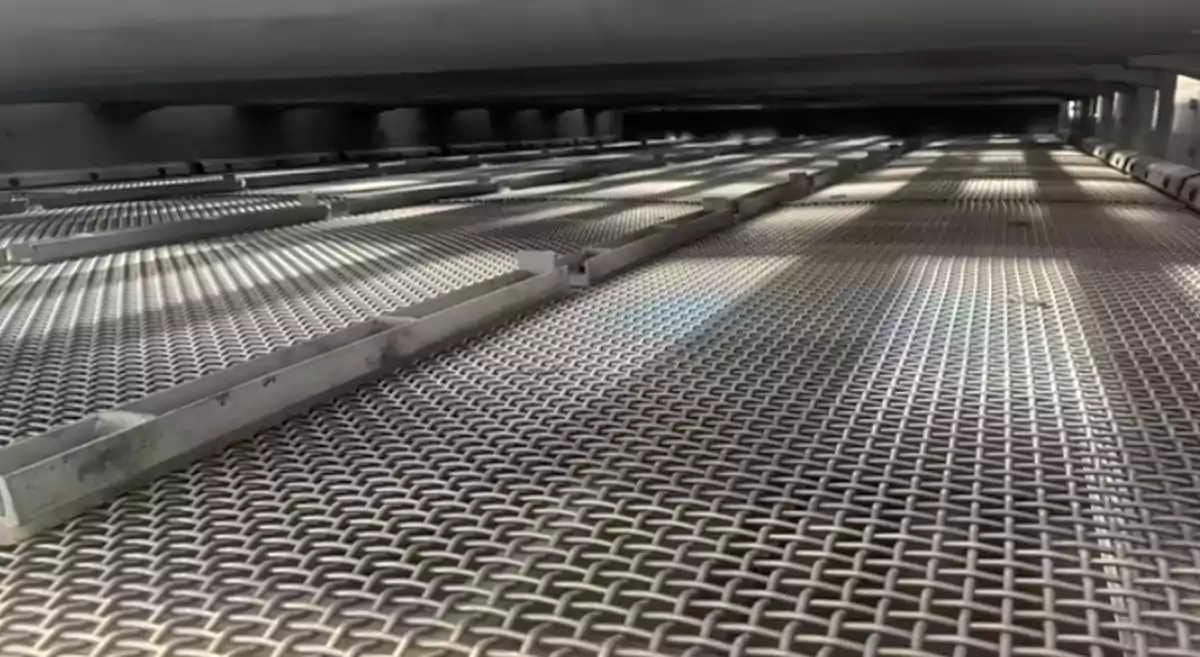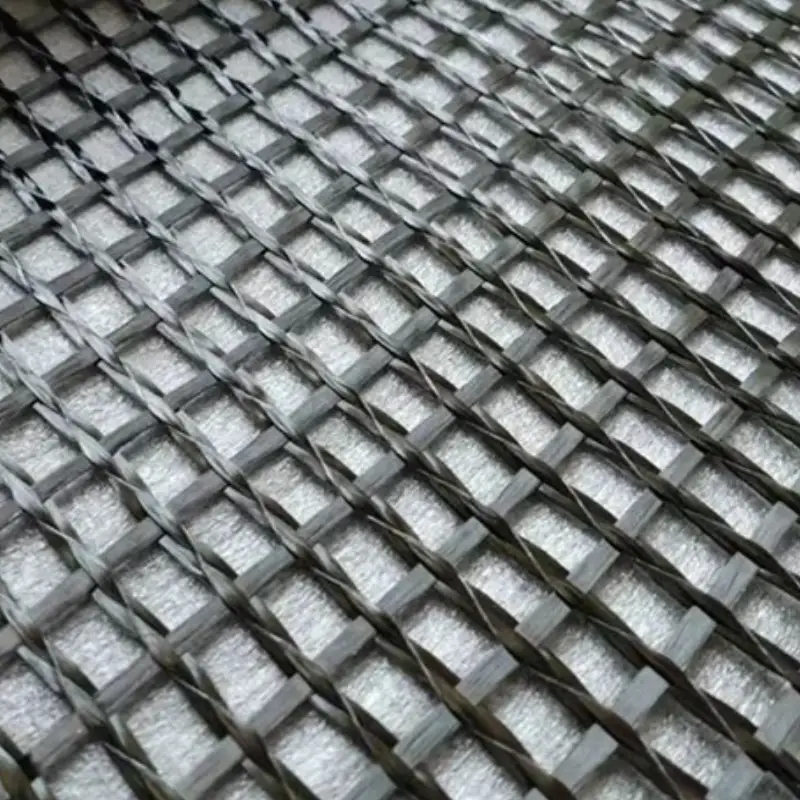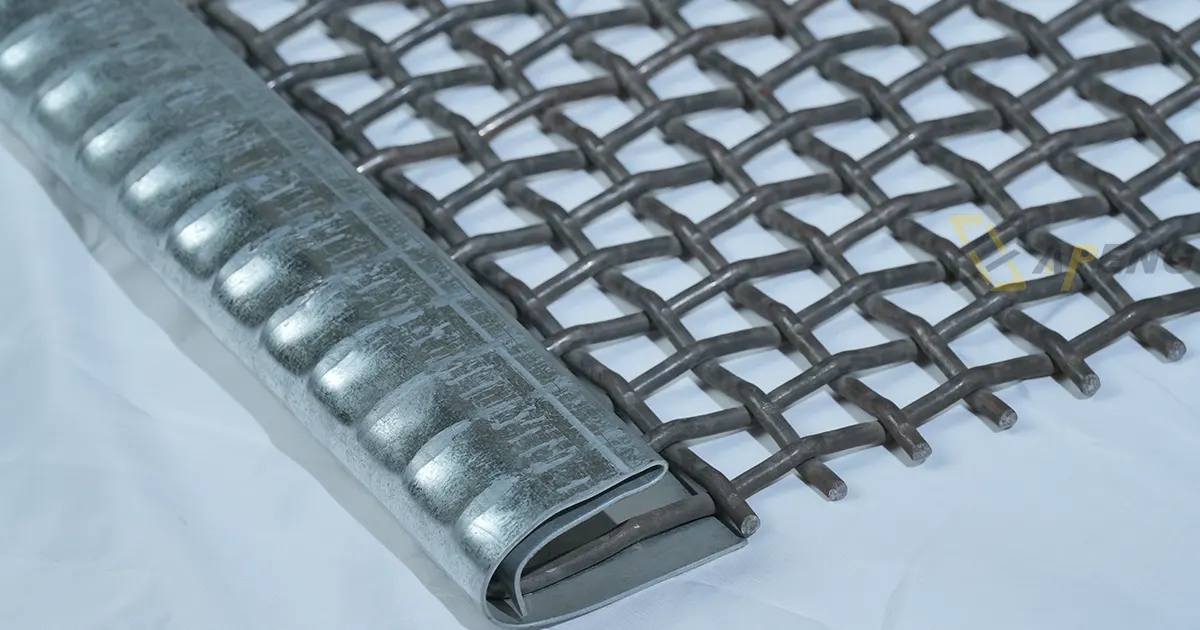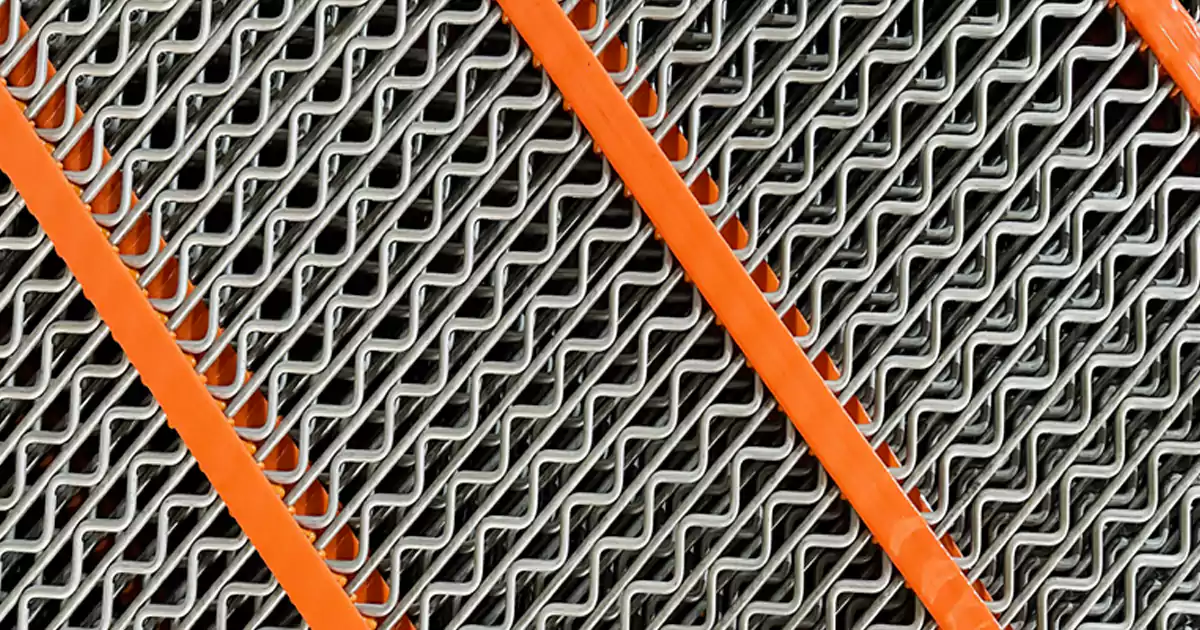
Mesh screens are widely used in industrial, commercial, and residential applications for screening, filtering, separating, and protecting materials. They come in different materials, sizes, and designs to meet various performance requirements. Understanding what mesh screens are and how they work helps you choose the right product for your specific application.
However, not all mesh screens offer the same performance. Factors such as material type, mesh size, opening dimensions, and wire diameter can affect their strength, durability, and functionality. In this guide, we explore the basics of mesh screens, their common types, applications, and key considerations when selecting the right product.
What is Mesh Screen?
A mesh screen is a material made from interconnected wires, fibers, or other strands arranged in a regular pattern to create uniform openings.
What is Mesh Screen Made of?
Mesh screens are made from different materials depending on their intended applications, required strength, and working environment. The material affects the screen’s durability, flexibility, corrosion resistance, and overall performance.
Common materials include stainless steel, galvanized steel, aluminum, and synthetic fibers, each offering specific advantages for different industrial and commercial uses.
Common mesh screen materials include:
1. Stainless Steel
Stainless steel is a popular material for mesh screens because of its excellent corrosion resistance, strength, and durability. It performs well in demanding environments where moisture, chemicals, or high temperatures are present. Stainless steel mesh screens are commonly used in filtration, food processing, chemical industries, and industrial screening applications.
2. Galvanized Steel
Galvanized steel mesh screens feature a protective zinc coating that helps prevent rust and corrosion. They offer good mechanical strength and are often more economical than stainless steel alternatives. These screens are widely used in construction, agriculture, fencing, and general industrial applications where moderate corrosion protection is required.
3. Aluminum
Aluminum mesh screens are lightweight, easy to handle, and naturally resistant to corrosion due to their protective oxide layer. They are suitable for applications where reducing weight is important without sacrificing basic durability. Common uses include window screens, ventilation systems, architectural projects, and lightweight filtration applications.
4. Carbon Steel
Carbon steel mesh screens provide excellent strength, rigidity, and wear resistance for demanding industrial environments. They are often selected for heavy-duty screening, mining, and aggregate processing applications. With suitable surface treatments or protective coatings, carbon steel screens can offer improved resistance to corrosion and longer service life.
5. Synthetic Fibers
Synthetic fiber mesh screens are commonly manufactured from materials such as nylon, polyester, and polypropylene. They offer flexibility, lightweight construction, and resistance to various chemicals. Depending on the material and mesh design, they are suitable for filtration, liquid separation, food processing, and applications requiring non-metallic screening solutions.
You can add the following comparison chart after the five material descriptions:
Common Mesh Screen Materials
| Material | Key Properties | Main Advantages | Common Applications |
|---|---|---|---|
| Stainless Steel | Strong, corrosion-resistant | Excellent durability and rust resistance | Filtration, food processing, chemical industries |
| Galvanized Steel | Zinc-coated, durable | Good corrosion protection and cost-effectiveness | Construction, fencing, agriculture |
| Aluminum | Lightweight, corrosion-resistant | Easy to handle and install | Window screens, ventilation, architecture |
| Carbon Steel | Strong, rigid, wear-resistant | High strength and load-bearing capacity | Mining, aggregate screening, heavy-duty applications |
| Synthetic Fibers | Flexible, lightweight | Chemical resistance and versatile designs | Liquid filtration, food processing, separation |
Types of Screen Mesh
Screen mesh comes in various types to meet different screening, filtering, and separation requirements. Each type has a specific structure, opening pattern, and material composition that affects its performance.
Understanding the differences helps you select suitable screen mesh for your application, whether you need heavy-duty industrial screening or fine material filtration.
Common types of screen mesh include:
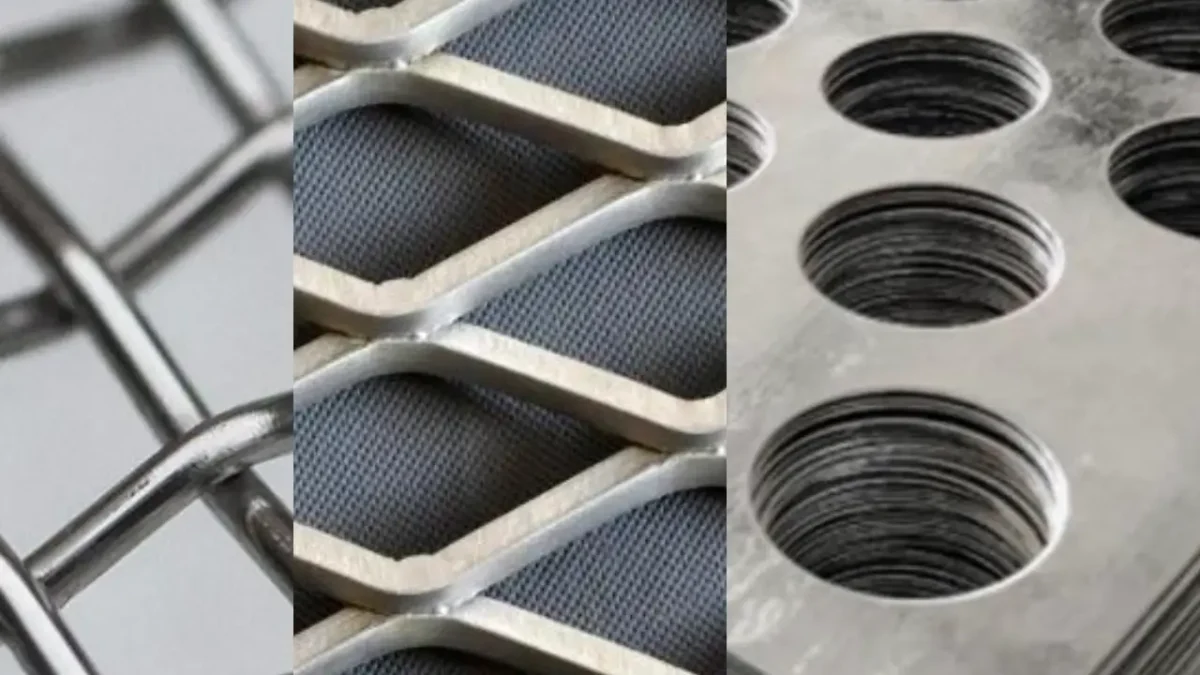
1. Woven Wire Screen Mesh
Woven wire screen mesh is made by weaving metal wires together in a regular over-and-under pattern. It offers uniform openings and reliable screening performance. It is widely used in mining, aggregate processing, filtration, and industrial separation applications.
2. Welded Wire Screen Mesh
Welded wire screen mesh is manufactured by joining intersecting metal wires through resistance welding. It provides a rigid structure, consistent openings, and good dimensional stability. Common applications include construction, fencing, reinforcement, and industrial screening.
3. Expanded Metal Screen Mesh
Expanded metal screen mesh is produced by cutting and stretching a metal sheet to create diamond-shaped openings. It has no welded joints and provides good strength. It is commonly used for ventilation, protective barriers, walkways, and architectural applications.
4. Perforated Metal Screen Mesh
Perforated metal screen mesh is made from metal sheets with regularly arranged holes in different shapes and sizes. It offers controlled openings and good structural strength. Typical applications include industrial screening, filtration, machinery protection, and ventilation systems.
5. Stainless Steel Screen Mesh
Stainless steel screen mesh is manufactured from corrosion-resistant stainless steel wires. It offers excellent durability, strength, and resistance to moisture and chemicals. It is widely used in food processing, chemical filtration, pharmaceutical production, and other demanding environments.
6. Nylon Screen Mesh
Nylon screen mesh is made from synthetic polyamide fibers woven into a uniform structure. It is lightweight, flexible, and resistant to many chemicals. It is commonly used in liquid filtration, laboratory screening, food processing, and fine particle separation.
Comparison of Different Screen Mesh Types
| Screen Mesh Type | Main Features | Common Applications |
|---|---|---|
| Woven Wire Mesh | Uniform openings, flexible designs | Mining, screening, filtration |
| Welded Wire Mesh | Rigid structure, stable openings | Construction, fencing, reinforcement |
| Expanded Metal Mesh | Diamond-shaped openings, strong structure | Walkways, barriers, ventilation |
| Perforated Metal Mesh | Consistent hole patterns, durable | Industrial screening, filtration |
| Stainless Steel Mesh | Corrosion-resistant, durable | Food processing, chemical filtration |
| Nylon Mesh | Lightweight, flexible, fine filtration | Liquid filtration, particle separation |
Note: Screen mesh types are classified by different characteristics. For example, woven wire mesh describes a manufacturing structure, while stainless steel and nylon describe material choices. Therefore, some categories can overlap. You can select a woven stainless steel screen mesh or a nylon woven screen mesh depending on your requirements.
Mesh Screen Applications
Mesh screens are used in a wide range of industries because they provide effective screening, filtration, separation, and protection. Different mesh materials, opening sizes, and structures make them suitable for handling various materials and working conditions. From heavy-duty industrial operations to everyday commercial uses, mesh screens offer practical solutions for different application requirements.
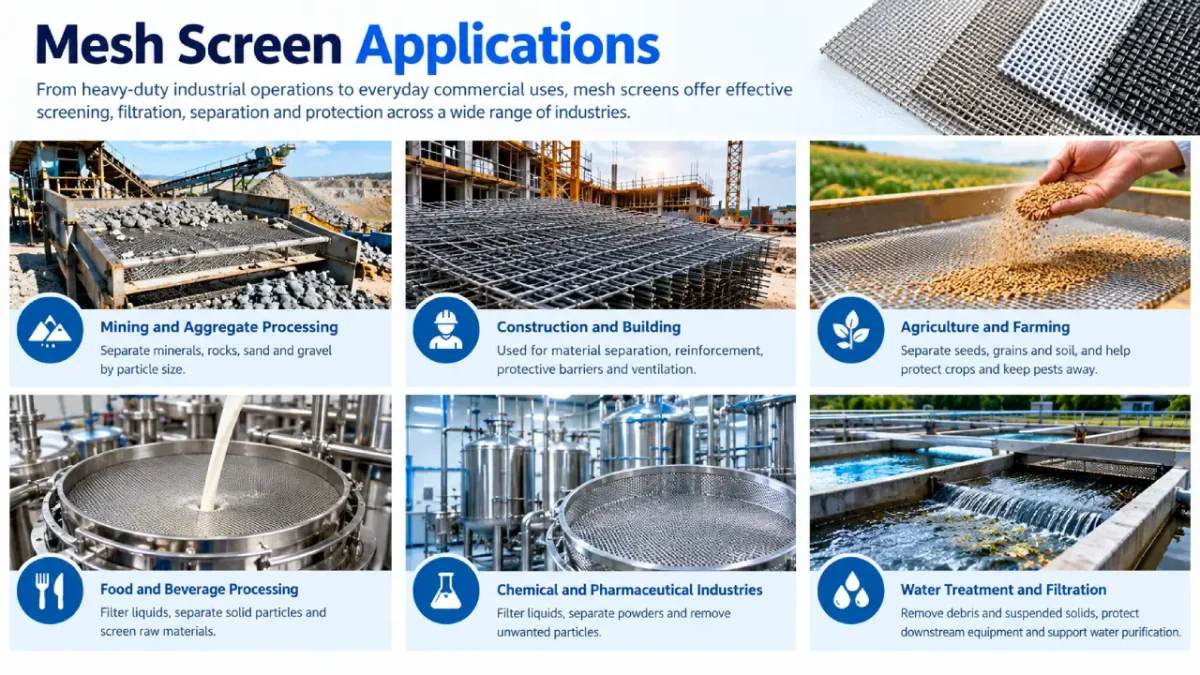
Common mesh screen applications include:
- Mining and Aggregate Processing: Mesh screens are widely used in mining and aggregate processing to separate minerals, rocks, sand, and gravel by particle size. They help improve material classification, support efficient production, and maintain consistent screening performance in demanding operating environments.
- Construction and Building: In construction, mesh screens are used for material separation, reinforcement, protective barriers, and ventilation systems. They help control material sizes, provide structural support in selected applications, and protect equipment or work areas from unwanted debris and external objects.
- Agriculture and Farming: Agricultural mesh screens are used to separate seeds, grains, soil, and other materials during processing. They also help protect crops, support ventilation, and keep unwanted pests away. Different mesh openings allow farmers to handle various agricultural products efficiently.
- Food and Beverage Processing: Mesh screens play an important role in food processing by filtering liquids, separating solid particles, and screening raw materials. Stainless steel mesh is commonly selected because of its corrosion resistance, durability, and suitability for applications requiring hygienic processing conditions.
- Chemical and Pharmaceutical Industries: In chemical and pharmaceutical production, mesh screens help filter liquids, separate powders, and remove unwanted particles. Fine mesh openings support precise filtration requirements, while corrosion-resistant materials provide reliable performance when handling different chemicals and processing substances.
- Water Treatment and Filtration: Mesh screens are used in water treatment systems to remove debris, suspended solids, and larger unwanted particles. They help protect downstream equipment, improve filtration efficiency, and support water purification processes in industrial, commercial, and municipal applications.
How to Choose the Suitable Mesh Screens?
Choosing the right mesh screen requires considering several factors related to your application, working environment, and performance requirements. Different mesh screens offer different opening sizes, materials, and structural properties. By evaluating these specifications before purchasing, you can find a suitable product that delivers reliable screening performance, durability, and cost-effectiveness.
Here are the key factors to consider when selecting mesh screens:
Mesh Size and Opening Dimensions
Mesh size determines the number of openings per linear inch, while opening dimensions indicate the actual space between wires. Choose suitable specifications based on the particle size you need to separate, filter, or screen to achieve the required accuracy.
Material Selection
The mesh screen material directly affects its strength, corrosion resistance, and service life. Stainless steel is suitable for corrosive environments, while galvanized steel offers economical protection. Consider operating conditions, material characteristics, and maintenance requirements when selecting the appropriate material.
Wire Diameter and Thickness
Wire diameter influences the strength, rigidity, and open area of mesh screens. Thicker wires generally provide greater mechanical strength and wear resistance but reduce the available screening area. Balance wire thickness with screening efficiency and the demands of your application.
Application Requirements
Different industries require mesh screens with specific structures and performance characteristics. Mining applications may need heavy-duty screens with excellent wear resistance, while food processing often requires corrosion-resistant materials and precise openings. Always match the screen design to its intended function.
Working Environment
Consider temperature, moisture, chemical exposure, pressure, and abrasive materials in your working environment. These conditions can affect mesh screen performance and durability. Select suitable materials and surface treatments to help prevent premature wear, corrosion, or structural damage.
Manufacturing Quality and Supplier Reliability
Manufacturing quality affects mesh screen accuracy, consistency, and service life. Look for suppliers that maintain consistent opening dimensions, wire diameters, and material specifications. Reliable manufacturers should also provide technical information, quality inspection details, and customization options to meet your project requirements.
Conclusion
Mesh screens play an important role in many industries, from construction and mining to agriculture and filtration. They are available in different materials, mesh sizes, and configurations to handle various screening and separation requirements. Understanding their basic features helps you identify the most suitable option for your application and achieve reliable performance.
Before purchasing a mesh screen, consider its material, opening size, wire diameter, strength, and operating environment. These specifications influence how effectively the screen performs and how long it lasts. Choosing the right combination can improve screening efficiency, reduce maintenance requirements, and help control long-term operating costs.
At Apscreens, we offer a wide selection of wire screens for different industrial and commercial applications. Whether you need standard specifications or customized solutions, we work with you to find suitable products for your project. Contact our team today to discuss your requirements and get wholesale wire screens from Apscreens at competitive factory-direct prices.