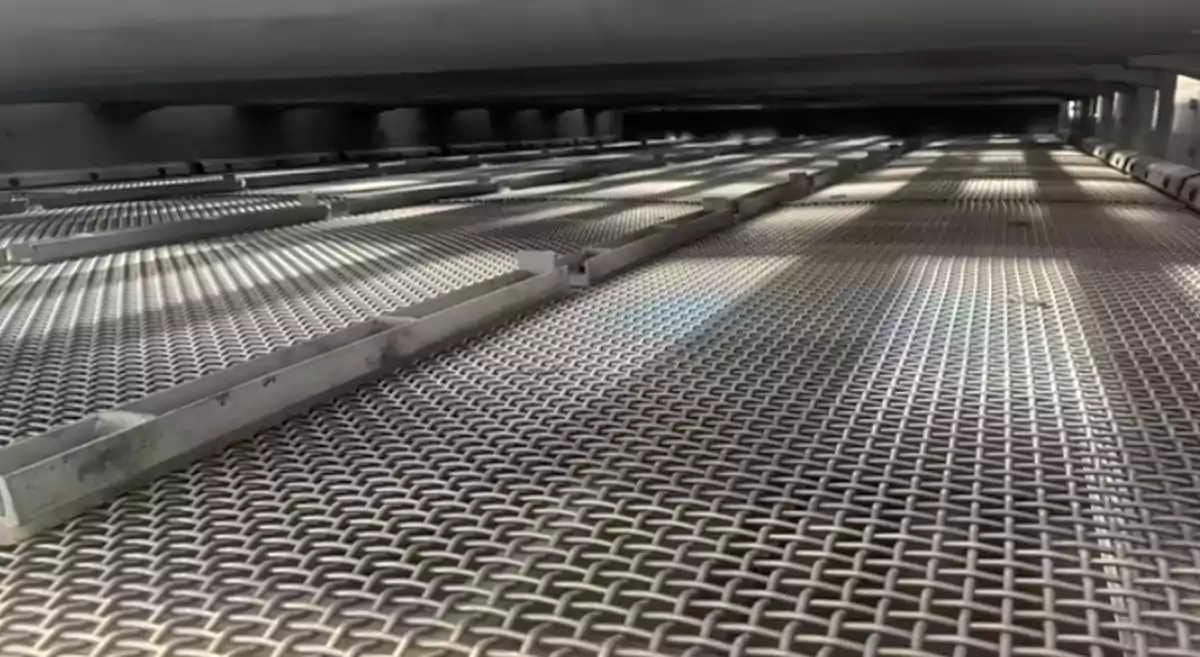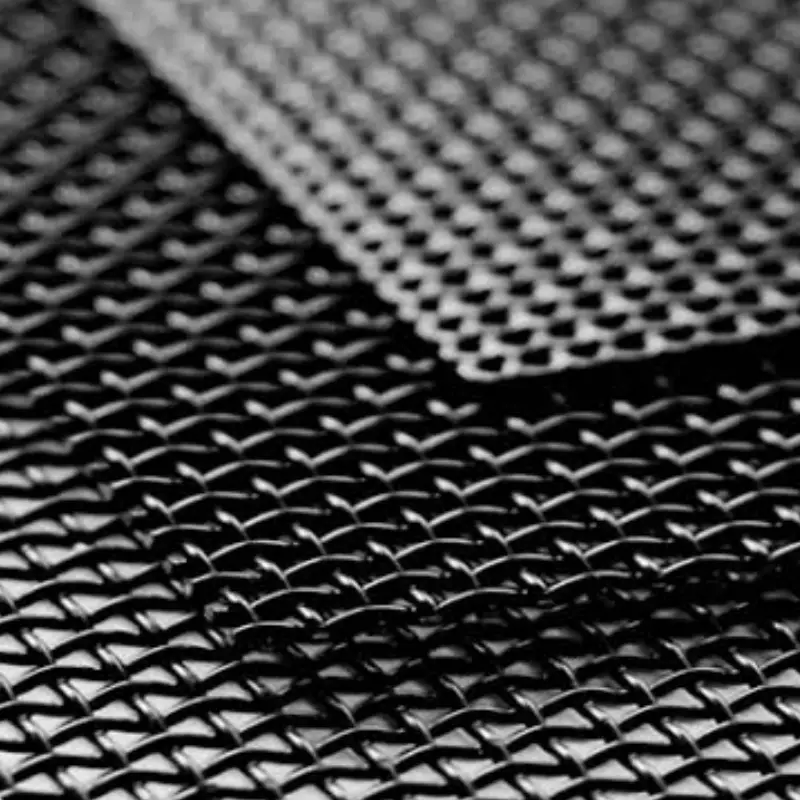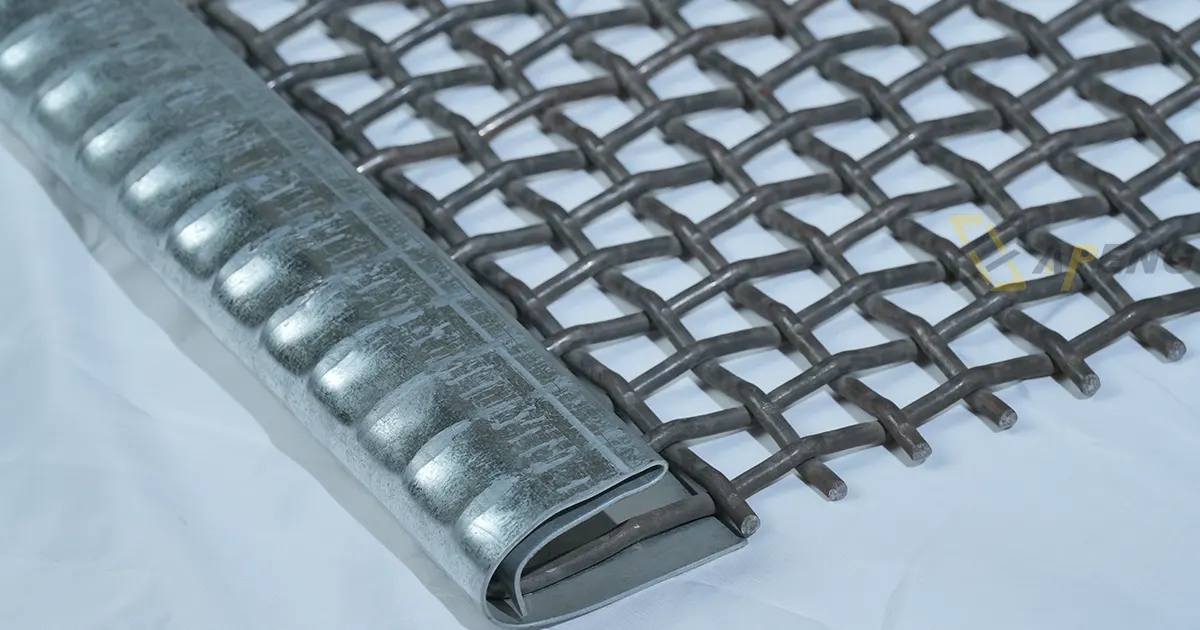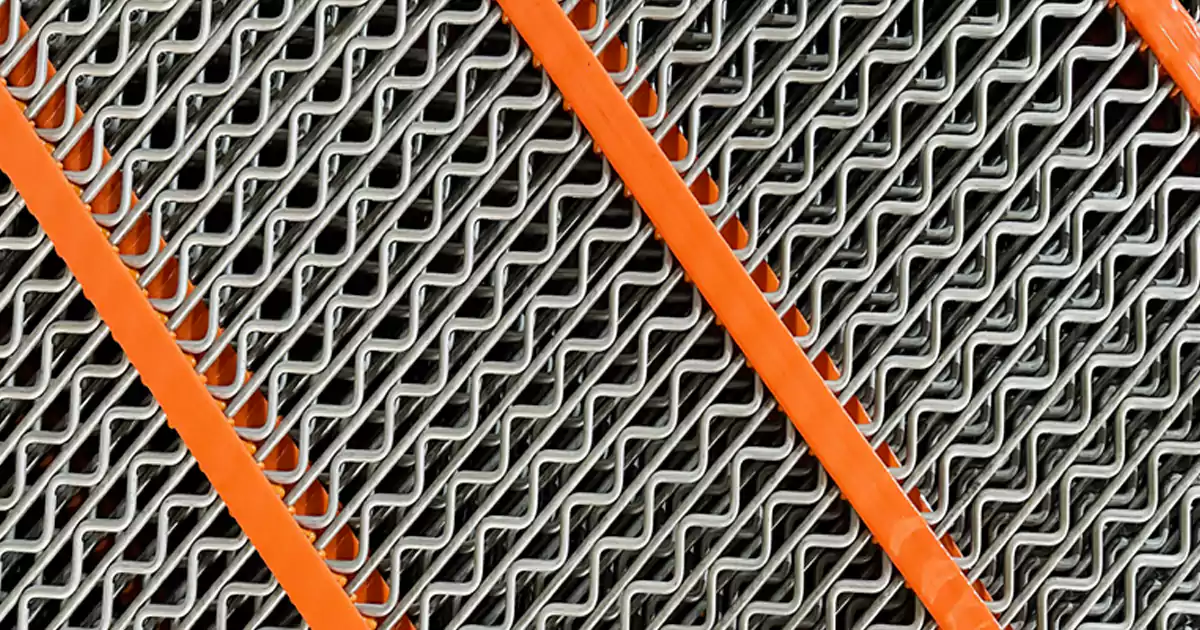
Installing a mesh screen correctly helps ensure reliable performance, a secure fit, and long-lasting use. Whether you are working with window screens, protective mesh, or industrial screen panels, understanding the installation process can help you avoid common mistakes. With the right tools and preparation, the job becomes easier and more efficient.
In this guide, we will walk you through the key steps involved in installing a mesh screen, from preparing the installation area to securing and checking the finished screen. We will also cover useful tools, practical tips, and common mistakes to help you achieve a neat and dependable result.
What is Mesh Screen?
A mesh screen is a material made from interconnected wires, fibers, or other strands arranged in a regular pattern to form a series of openings. It is designed to filter, separate, protect, or support materials. Mesh screens come in different materials, mesh sizes, and configurations to meet various industrial and commercial requirements.
Depending on its structure and material, a mesh screen can be used in many environments, from construction sites to manufacturing facilities. Its opening size determines what can pass through, while its material affects strength, durability, and resistance to corrosion or wear. Common applications include:
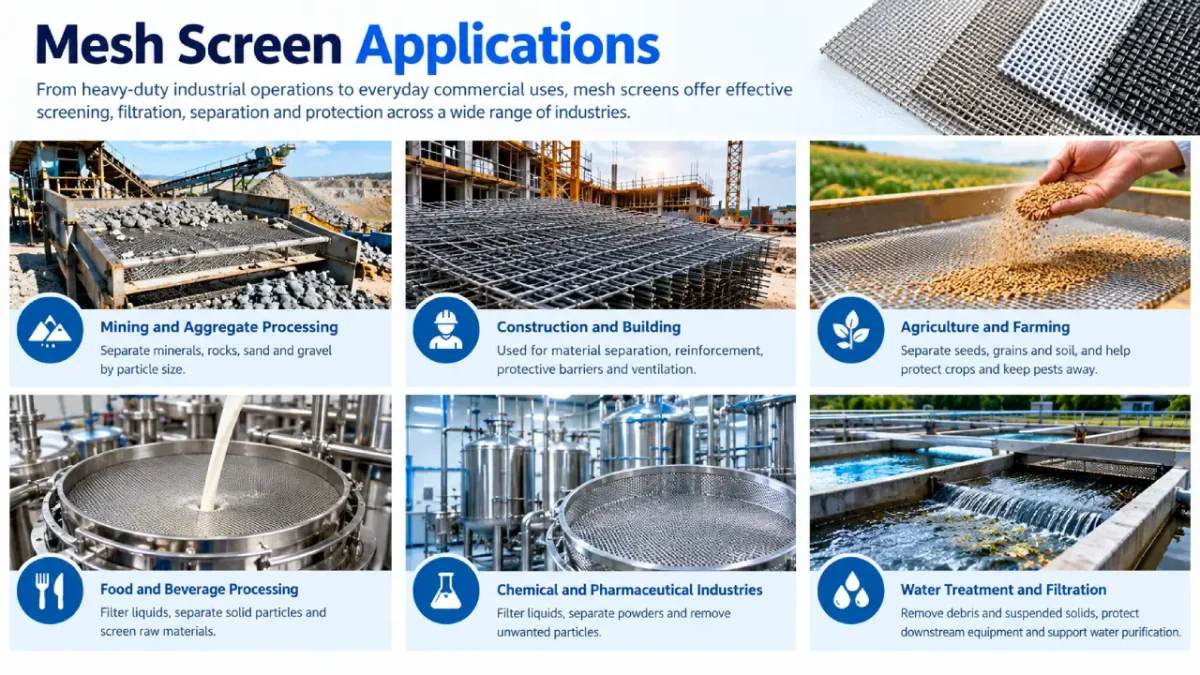
– Filtration and Separation
Mesh screens are widely used to separate solids from liquids or remove unwanted particles from materials. In water treatment, chemical processing, and manufacturing, they help control particle size and improve filtration efficiency. The appropriate mesh size depends on the materials being processed and the required filtration level.
– Mining and Aggregate Processing
In mining and quarrying, mesh screens separate minerals, stones, sand, and gravel into different sizes. They are commonly installed on vibrating screens and other screening equipment. Their opening dimensions and wear resistance affect screening accuracy, material flow, and overall equipment performance.
– Construction and Building
Mesh screens are used in construction for reinforcement, protection, ventilation, and material separation. Depending on the application, they can help support concrete structures, cover openings, or filter construction materials. Different mesh materials and designs provide suitable strength and durability for specific building requirements.
– Agriculture and Farming
Agricultural applications include grain screening, seed separation, crop protection, and ventilation. Mesh screens help remove unwanted materials from harvested crops and sort products by size. They can also be used in protective structures to keep pests out while allowing air and light to pass through.
– Food and Beverage Processing
Food processing facilities use mesh screens to sort, filter, and separate ingredients during production. They can help remove unwanted particles, grade products by size, and support liquid filtration. Food-contact applications require suitable materials and designs that meet relevant hygiene and cleaning requirements.
– Industrial Equipment and Manufacturing
Mesh screens are integrated into various machines and production systems to provide filtration, ventilation, screening, and protective barriers. They help keep equipment free from debris, control material flow, and separate components during processing. The right mesh design depends on operating conditions and performance requirements.
How to Install Mesh Screen?
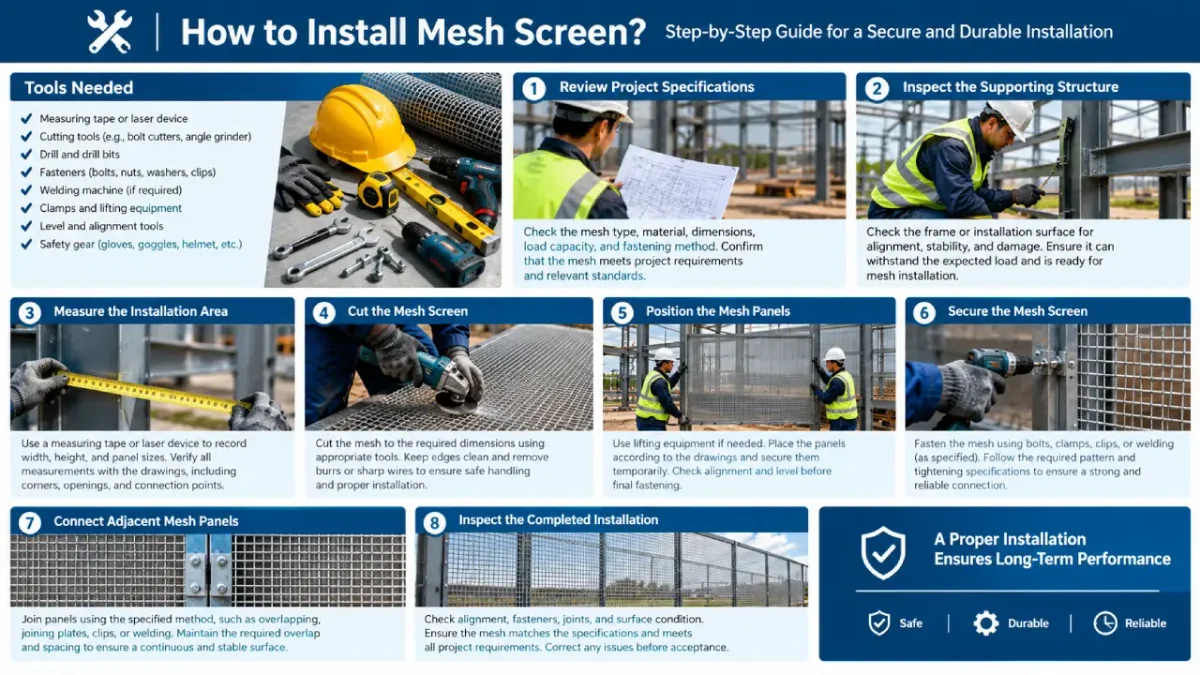
Installing mesh screen for construction and heavy-duty industrial projects requires careful planning, suitable equipment, and proper fastening methods. Whether the screen is used for structural reinforcement, material separation, protective barriers, or industrial screening, each installation stage affects its stability and performance.
Follow the project specifications and manufacturer’s instructions to ensure a secure, durable installation.
Tools Needed
Prepare the following tools and equipment before starting the installation:
- Measuring tape or laser measuring device
- Industrial cutting tools suitable for the mesh material
- Welding machine, if welding is specified
- Heavy-duty clamps and fastening tools
- Bolts, nuts, washers, or approved fixing components
- Power drill and suitable drill bits
- Lifting equipment for large or heavy mesh panels
- Safety gloves, protective eyewear, and other required PPE
- Level and alignment tools
- Inspection tools
Step 1: Review Project Specifications
Before installation, review the construction drawings, technical specifications, and installation requirements. Confirm the mesh type, material, wire diameter, opening size, panel dimensions, and required load capacity. Check whether the project specifies particular fastening methods, support spacing, or corrosion protection requirements for the installation.
Coordinate with the project engineer or installation supervisor to clarify any technical requirements. Confirm that the selected mesh meets the intended application and relevant construction standards. Reviewing these details early helps prevent material mismatches, installation delays, and unnecessary adjustments during the construction process.
Step 2: Inspect the Supporting Structure
Inspect the supporting frame, steel structure, or installation surface before positioning the mesh screen. Check its dimensions, alignment, stability, and condition. Make sure the support structure can accommodate the specified mesh panels and withstand the loads expected during normal operation.
Look for damaged sections, loose connections, corrosion, or other structural problems that could affect installation quality. Any defects should be reported and addressed before work continues. A stable and properly prepared support structure provides a reliable foundation for securing heavy-duty mesh screens.
Step 3: Measure the Installation Area
Measure the installation area according to the approved construction drawings. Record the required width, height, panel dimensions, and spacing between support points. Accurate measurements help determine the quantity of mesh required and ensure that each panel fits the designated installation position.
Check all measurements against the project specifications before proceeding. Pay particular attention to corners, openings, overlapping sections, and connection points. For large industrial installations, verify measurements across multiple locations to identify dimensional differences that could affect panel placement and final alignment.
Step 4: Cut the Mesh Screen
Cut the mesh panels according to the approved dimensions and specified cutting requirements. Select industrial cutting equipment suitable for the mesh material, wire diameter, and panel thickness. Use appropriate cutting methods to maintain clean edges and avoid unnecessary damage to surrounding wires or structural components.
After cutting, inspect the panel edges for sharp wires, deformation, or damaged sections. Remove burrs and treat exposed edges when required by the project specifications. Proper edge preparation helps reduce installation difficulties and supports safer handling during subsequent positioning and fastening operations.
Step 5: Position the Mesh Panels
Move the prepared mesh panels to their designated installation locations using suitable lifting equipment when necessary. Position each panel according to the construction drawings, ensuring that its orientation, overlap, and relationship to the supporting structure meet the specified requirements.
Use temporary clamps or approved supports to hold the panels in position. Check the panel alignment with suitable measuring and leveling tools before permanent fastening begins. For large or heavy-duty screens, follow the approved lifting plan and maintain clear communication among installation personnel throughout the positioning process.
Step 6: Secure the Mesh Screen
Fasten the mesh panels to the supporting structure using the specified connection method. Depending on the project design, this may involve bolts, clamps, clips, or approved welding procedures. Follow the required fastening pattern, connection spacing, and tightening specifications to ensure reliable attachment.
Use suitable tools and installation equipment to complete each connection correctly. Avoid excessive force that could deform the mesh or damage its protective coating. Where welding is required, only qualified personnel should perform the work according to approved welding procedures and applicable safety requirements.
Step 7: Connect Adjacent Mesh Panels
Connect adjacent mesh panels according to the specified joint design. Depending on the application, connections may use overlapping sections, joining plates, clips, bolts, or approved welding methods. Maintain the required overlap dimensions and connection spacing to ensure continuity across the installation area.
Check that adjoining panels fit together without excessive gaps or unwanted interference. Pay close attention to corners, edges, and transition areas where panel connections may require additional support. Consistent joint installation helps maintain the intended screening surface and reduces the risk of loose or separated sections.
Step 8: Inspect the Completed Installation
Conduct a final inspection after all mesh panels and connections have been installed. Check panel alignment, fastening points, joint conditions, surface damage, and compliance with the approved construction drawings. Confirm that the installed mesh matches the specified dimensions and installation requirements.
Record inspection results and report any defects or deviations to the project supervisor. Correct identified issues before the installation is accepted for use. For heavy-duty industrial or construction applications, final approval should follow the project’s inspection procedures and applicable engineering requirements.
Mesh Screen Maintenance Tips
Mesh Screen Maintenance Tips
Regular maintenance helps extend the service life of mesh screens and maintain their performance in construction and heavy-duty industrial applications. Exposure to heavy loads, abrasive materials, moisture, and harsh operating conditions can cause wear, corrosion, or damage. A consistent inspection and maintenance routine helps identify problems early and reduce unexpected equipment downtime.
Different mesh materials and applications require different maintenance methods. Follow the manufacturer’s recommendations and establish a suitable maintenance schedule based on operating conditions. The following tips can help keep industrial mesh screens in reliable working condition:
– Inspect Mesh Screens Regularly: Check mesh panels for broken wires, cracks, deformation, loose connections, and other visible damage. Regular inspections help identify early signs of wear and allow maintenance teams to address problems before they affect screening performance or structural stability.
– Remove Accumulated Debris: Remove trapped stones, dust, dirt, and other materials from mesh openings. Accumulated debris can reduce the effective screening area and restrict material flow. Use cleaning methods suitable for the mesh material and avoid damaging the wires.
– Check Fasteners and Connections: Examine bolts, clamps, clips, and welded joints to ensure they remain secure. Vibration and repeated loading can loosen mechanical connections over time. Tighten or repair fasteners according to the manufacturer’s specifications to maintain stable panel installation.
– Prevent Corrosion and Rust: Inspect metal mesh surfaces for rust, coating damage, and signs of corrosion, particularly in wet or chemically exposed environments. Clean affected areas and apply suitable protective treatments when required. Proper corrosion control helps maintain material strength and service life.
– Monitor Wear and Deformation: Pay attention to areas exposed to repeated impact, friction, or heavy material loads. Excessive wear, stretched openings, and bent wires can reduce screening accuracy. Replace damaged sections when they no longer meet the required performance specifications.
– Use Appropriate Cleaning Methods: Select cleaning equipment and solutions that are compatible with the mesh material. Avoid aggressive chemicals, excessive pressure, or abrasive tools that may damage protective coatings or weaken the wire structure. Follow the manufacturer’s cleaning recommendations for reliable results.
– Replace Damaged Mesh Sections Promptly: Repair or replace mesh panels when damage affects their strength, safety, or screening performance. Use replacement materials that match the original specifications, including material type, wire diameter, and opening size, to maintain consistent operating conditions.
– Keep Maintenance Records: Document inspection dates, identified defects, cleaning activities, repairs, and replacement work. Maintenance records help teams monitor wear patterns and plan future servicing. They also provide useful information for evaluating mesh performance and improving maintenance schedules.
Conclusion
Installing a mesh screen does not have to be complicated. By choosing the right mesh, preparing the frame or installation surface, and following the correct fitting steps, you can achieve a secure and professional result. Taking time to check the alignment and tension also helps prevent wrinkles, loose edges, and other common installation problems.
Different applications require different mesh materials, opening sizes, and installation methods. Before starting your project, consider the working environment, required durability, and intended function of the screen. Proper measurements and suitable fixing methods can improve performance and reduce the need for frequent repairs or replacement.
If you are looking for reliable mesh screens for industrial or commercial applications, choosing the right supplier is just as important as proper installation. Apscreens offers wire mesh solutions for various screening needs. Contact us today to discuss your requirements and get wholesale mesh screen from Apscreens.