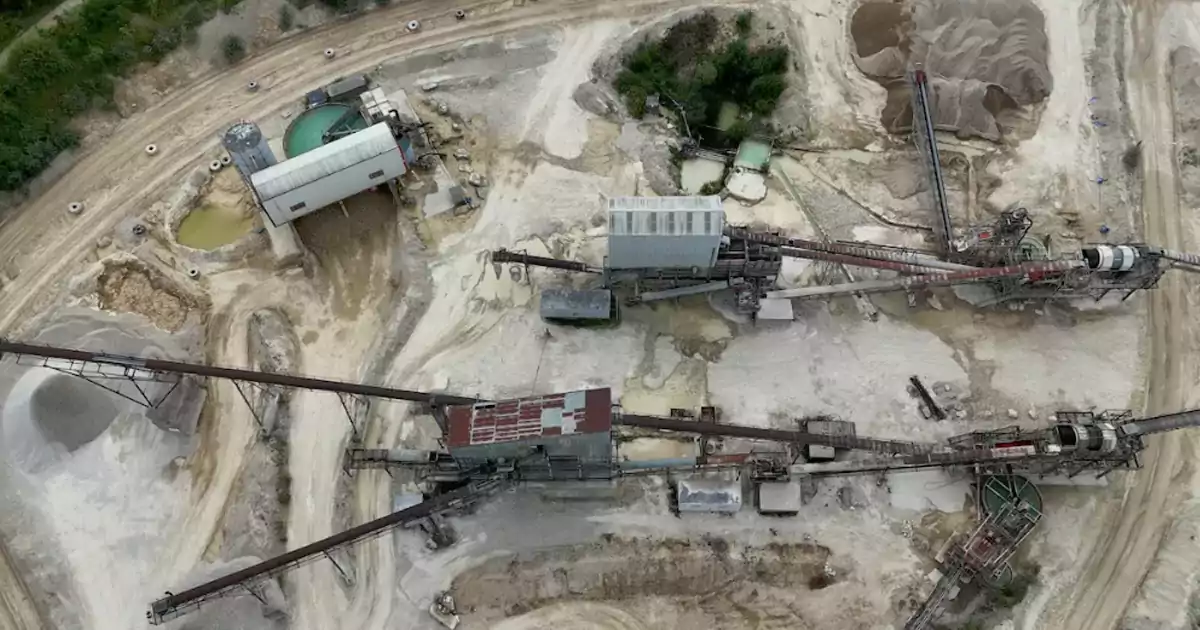
The aggregate screening process lets you sort materials by size for building. You use this process to follow rules for safety and good material quality. The aggregate screening process takes out things you do not want, so every batch helps make strong buildings. You can see how the aggregate screening process keeps materials the same and protects roads and bridges. When you know about the aggregate screening process, you can make better choices for building and managing projects.
Key Takeaways
- Aggregate screening separates materials by size.
- This helps make sure construction is safe and good quality.
- Using the correct screening equipment makes work faster.
- It also helps cut down on waste during building.
- Keeping screening machines in good shape stops them from breaking.
- This also helps them last longer.
- Good screening makes materials stronger.
- This means buildings are tougher and need fewer fixes.
- Knowing how screening works helps you follow rules.
- It also helps you avoid paying big fines.
- Picking the right screen media is very important.
- It helps you get the best results for each material.
- Aggregate screening helps with recycling.
- It makes recycled materials better.
- Watching things like moisture and material type is important.
- This can make screening work much better.
Aggregate Screening Process Overview
What Is Aggregate Screening
Aggregate screening helps you sort materials by size. This process is very important in aggregate processing. Mechanical screens split up the particles. This helps you decide if you can use them for building. You often see vibrating screens, roller screens, and rotary screens. These machines sort raw materials into different groups. Aggregate screening can separate sand or silt from useful materials. You need this step to get aggregate materials ready for building projects.
Tip: Aggregate screening lets you move lots of material fast and with good accuracy.
Why Screening Matters
Aggregate screening helps you meet strict quality rules in building. This process makes sure each batch of aggregate materials is the right size and clean. Using good aggregate screening makes your projects stronger and last longer. It also takes out things you do not want, so you avoid safety problems. You must follow rules to keep roads, bridges, and buildings safe. Aggregate screening helps you follow industry rules and give good results.
Main steps in aggregate screening:
- Crushing: You break raw materials into smaller pieces.
- Screening: You sort crushed material by size with vibrating screens.
- Washing: You wash the aggregates to take out dirt and make them better.
Aggregate screening helps you check bulk shipments, watch stockpiles, and report test results easily. You can also send stockpiles to asphalt plants and mix products with trust.
Key Terms in Screening
| Key Term | Definition |
|---|---|
| Screening | Separating aggregates into size ranges using vibrating or stationary screens. |
| Screen media | The surface (wire cloth, polyurethane, rubber) that separates material by size. |
| Separation | The process of classifying material into size fractions. |
| Scalping | Removal of coarse oversize before further crushing or screening. |
| Screen box | The structural frame that houses decks and drive systems. |
You should know these words to understand aggregate screening and aggregate processing. You use screen media to sort materials. You do separation to group sizes. You use scalping to take out big pieces before more work. You need the screen box to hold the screening machines.
How the Aggregate Screening Process Works
Step-by-Step Process
You need to follow steps to get good results from aggregate screening. Each step helps you keep your materials the same and high quality.
Loading Materials
First, you put raw materials on the screen deck. The kind and size of material are important. You can load large rocks, gravel, or sand into the system. You should check if the material is wet before loading. Wet materials can stick together and slow down aggregate processing. You want the material to spread out evenly on the screen deck. This helps the screening process work better.
Screening and Sorting
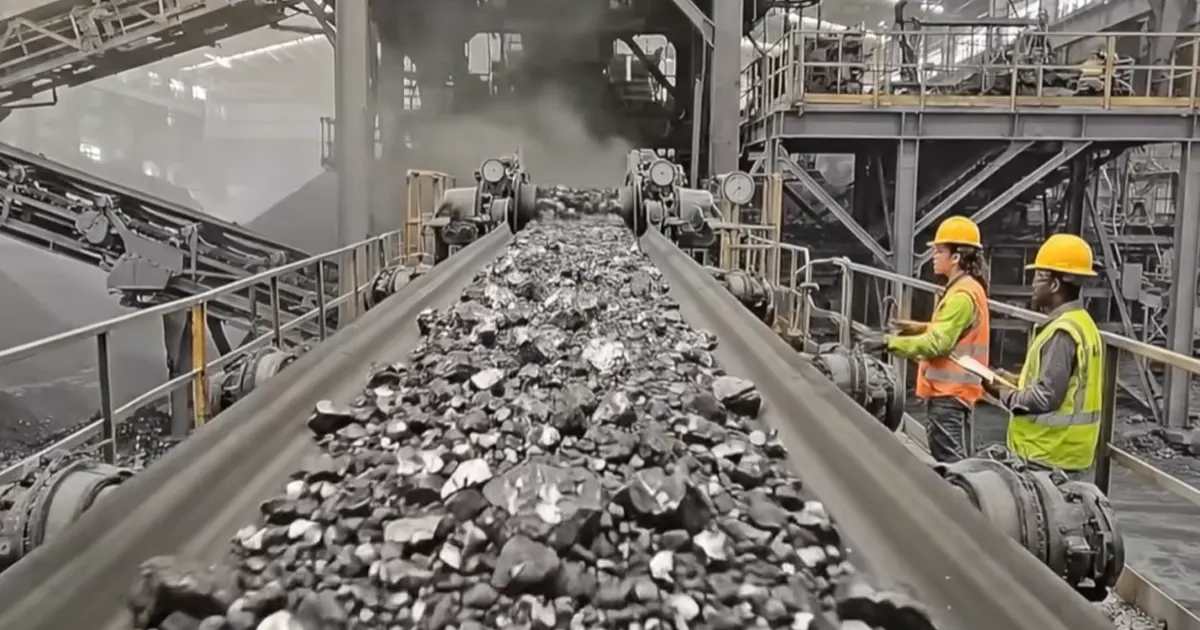
After loading, the screen deck starts to vibrate. The shaking makes the particles move and sort by size. You can see the screens working when the deck shakes and the material separates. Small pieces fall through the holes, and big pieces stay on top. The screen media, like wire cloth or polyurethane, helps sort the material. You can change how fast the deck shakes, how much it moves, and the angle of the deck. These settings help you get the best separation. If you set them right, you make aggregate screening work better and get the sizes you need for building.
Note: Screening efficiency is very important. If you do not separate materials well, you lose good product and lower the quality of your aggregates.
Output and Collection
After sorting, you collect the finished products. Each size goes into its own pile or bin. You must keep these piles clean and not let them mix with other things. Good output and collection help you meet engineering rules and keep your materials ready for roads, bridges, or concrete. You also need to report test results and watch stockpiles to keep quality control in aggregate processing.
Factors Affecting Efficiency
Many things can change how well aggregate screening works. You need to watch these things to stop problems and keep your work going well.
- Type and size of raw material
- Moisture content
- Screen deck size
- Type of screening media
- Depth of material on the screen deck
- Angle of the screen deck
- Speed and movement of the screen
- Wear and tear of the screening media
If you do not control these things, you can get contamination and may need to do the work again. This can waste time and money. You should set the best limits to make your aggregates better and stop losing good product.
Tip: Quality control zones help you check how well things work. You can change vibration and deck angles to get the best separation.
You need to pay attention to every part of aggregate screening. When you manage the process well, you make strong, reliable materials for building. You also follow industry rules and keep your projects safe.
Aggregate Screening Equipment Types
Vibrating Screens
You find vibrating screens in almost every aggregate processing plant. These screening machines shake quickly to move material over the screen. The job of aggregate screens is to sort particles by size and density. You can change how fast they shake and the angle to fit your material. This makes it easy to get the right results for each project.
Vibrating screens work best with dry, fine, and rough materials. They give you good accuracy when you want even particle sizes. These screening machines are also good for sorting small amounts. They work fast, but they may not do well with big or wet materials.
Tip: Check the main parts of aggregate screens often, like the screen deck and drive system, to keep your equipment working well.
Trommel Screens
Trommel screens have a spinning drum with holes in it. When the drum turns, small pieces fall through the holes. Bigger pieces move to the end of the drum. You use these screening machines for wet, sticky, or heavy materials. Trommel screens can handle more material because of their drum shape.
Here is a quick chart to help you pick between vibrating screens and trommel screens:
| Feature | Trommel Screen | Vibrating Screen |
|---|---|---|
| Throughput | Handles more coarse material | Screens faster but may not work well with big or wet materials |
| Accuracy | Not as good with fine material | Very accurate for even particle sizes |
| Material Type | Best for wet, sticky, or heavy materials | Best for dry, fine, and rough materials |
| Screening Capacity | Can handle more because of drum | Better for small, careful sorting |
Pick trommel screens if you need to move a lot of material or work with tough, sticky aggregates. These screening machines work well in hard conditions.
Woven Wire Screens
Woven wire screens are a common choice in aggregate screening equipment. You see them in many screening machines because they size products well. You can get woven wire screens in many sizes for your needs.
Some good things about woven wire screens are:
- Most used and trusted in the industry
- More holes in the screen for better sorting
- Cheapest choice for many jobs
- Easy to change when they wear out
- Give the most exact way to size products
But, woven wire screens do not last as long as other types. You need to check them often and change them when needed to keep your screening machines working well.
When you pick aggregate screening equipment, think about your material, how exact you need to be, and how often you want to change parts. The right equipment helps you follow industry rules and give good results.
Self-Cleaning Screens
Self-cleaning screens help fix problems in aggregate screening equipment. These screening machines have wires that move by themselves. When the machine runs, each wire shakes on its own. This shaking stops sand and sticky stuff from blocking the screen. You do not need to clean the screen as much. The screen stays open and works well.
Self-cleaning screens work well with wet or sticky materials. Many screening machines have trouble with these materials. Wet or sticky stuff can block the holes. Blocked holes slow you down and lower your output. Self-cleaning screens keep the holes clear. You get steady work and better results. You can screen more material faster and waste less product.
Tip: Use self-cleaning screens to cut downtime and keep your screening machines working well.
These screens also help you sort sizes better. They have a high open area. You can sort materials better than with regular screens. You get more product and less waste. If you want to make your screening process better, self-cleaning screens are a good choice for your aggregate screening equipment.
PU-Mesh Screens
PU-Mesh screens give strong performance and last a long time in screening machines. These screens use polyurethane. Polyurethane is tougher than steel or rubber. You can see they last longer and resist wear better.
Here is a table to show how PU-Mesh screens compare to regular materials:
| Characteristic | PU-Mesh Screens | Traditional Materials (Steel/Rubber) |
|---|---|---|
| Longevity | 4-6 times longer than steel | Shorter lifespan |
| Abrasion Resistance | 3 times better than steel | Lower resistance |
| Maintenance | 60-75% less downtime | Higher downtime |
| Corrosion Resistance | Non-corrosive, no wear after 6 months | 15-30% wear in same period |
| Sorting Performance | 20% better sorting efficiency | Standard performance |
PU-Mesh screens help you do less maintenance. You do not need to stop work as much to change screens. These screens help you sort better. You can trust PU-Mesh screens for tough jobs. They keep your aggregate screening equipment working longer.
Choosing Equipment
You need to pick the right aggregate screening equipment for your material. Not all screening machines work the same with every aggregate. You should look at a few things before you choose.
Here is a table to help you decide:
| Criteria | Description |
|---|---|
| Moisture | Surface moisture changes how well the screen works. |
| Particle Shape | The shape of the material changes how it moves on the screen. |
| Density | Heavy materials need stronger screening machines. |
| Feed Rate | A steady feed keeps the machine working right. |
| Bed Depth | The depth of material on the screen changes how well fines pass through. |
| Screen Openings | The size and shape of the holes affect sorting and product quality. |
Match your screening machines to your material needs. If you have wet or sticky aggregates, self-cleaning screens work best. For tough jobs, PU-Mesh screens last longer. Always check your material and job needs before you pick aggregate screening equipment. The right choice helps you follow industry rules and get the best results.
Benefits of Effective Aggregate Screening
Consistent Quality
You want every batch to be the same high quality. Aggregate screening helps you do this by taking out things you do not want and sorting pieces by size. This process gives you the same good product for each project. When you use aggregate screening, your building materials have the right shape and size. This makes your work better and helps you stop problems later.
- You take out things that can make your mix weak.
- You get the same size pieces, so building is easier.
- You make your finished buildings stronger and better.
- You do not need as many repairs, so you save time and money.
Aggregate screening helps people know you care about quality. You can trust your materials for roads, bridges, and buildings. When you focus on good quality, you build trust with clients and partners.
Compliance and Safety
You have to follow strict rules in building. Aggregate screening helps you meet these rules by making sure your materials are right for the job. When you use good aggregate processing, you lower the chance of unsafe buildings. You also avoid fines and delays from not following the rules.
Aggregate screening takes out big rocks, clay, and other bad things. This keeps your worksite safer for everyone. You protect workers, drivers, and the public by using clean, sorted materials. You also make your projects last longer and need fewer repairs. Safety and following rules go together with good aggregate processing.
Tip: Always check your screening results with your project rules. This helps you find problems early and keep your work going well.
Efficiency and Cost Savings
You want your work to go fast and cost less. Aggregate screening helps you do more work in less time. New screening equipment can handle more tons each hour, so you finish jobs faster. You also spend less money for each ton and deliver products on time.
- Better screening machines help you do more work.
- Good aggregate processing means you do not have to redo work or throw away material.
- You use less energy and pay less for power with good screens.
- Your equipment lasts longer because it does not wear out as fast.
- You can sell or reuse screened materials, so you do not have to buy as much new stuff.
When you waste less with good screening, you help the environment and save money. You spend less on moving and fixing equipment when you sort materials the right way. These benefits of aggregate screening make your business stronger and help you compete.
Strength and Durability
You want your construction materials to last a long time. They should also work well when under pressure. Good aggregate screening helps you do this. When you screen aggregates, you control their size and shape. This helps you make mixes that fit together tightly. Tightly packed aggregates leave fewer empty spaces. Fewer spaces mean your concrete or asphalt is stronger and lasts longer.
Screening helps you get the right gradation. Gradation is the mix of big and small particles. The right gradation makes your concrete stronger. It also lowers the chance of cracks and weak spots. Well-graded aggregates help roads, bridges, and buildings handle heavy loads and bad weather.
- Aggregate gradation is important for strength and porosity. Good gradation helps particles fit together and stops weak spots.
- Using the right grading for coarse aggregates can make concrete over 50% stronger.
- The area where aggregate meets cement is called the interfacial transition zone (ITZ). The ITZ depends on aggregate size and gradation. A better ITZ gives you stronger and longer-lasting concrete.
You can use recycled materials and still get strong results. For example, adding rice husk ash to recycled concrete aggregate makes it stronger. In one study, a mix with 15% rice husk ash and 80% recycled aggregate reached about 27 MPa after 28 days. This shows you can use green materials and still get strong concrete.
Tip: Always check your aggregate gradation before mixing. Small changes in particle size can change the strength and durability of your project.
Screening takes out things you do not want, like clay, silt, and big rocks. These things can make your mix weak and cause problems later. Clean, well-graded aggregates help you avoid repairs and make your structures last longer.
When you focus on strength and durability, you protect your money. You also build trust with people who use your work. Good aggregate screening is an easy step that gives you value for every project.
Optimizing the Screening Process
Maintenance Tips
You keep your aggregate screening equipment working well by doing regular maintenance. Start each day by checking your machine quickly. Look for bolts that are loose or parts that are worn out. Check for trash that could block moving parts. Clean around the machine to stop dirt from causing problems. Put oil or grease on all moving parts like the manufacturer says. This stops things from getting stuck and helps everything move easily.
- Look at screens for damage or wear. Change any broken parts right away.
- Take dirt and trash off belts, conveyors, and guards.
- Check engine oil, coolant, and hydraulic fluid levels. Low fluids can hurt your equipment.
- Put grease on bearings and joints. This lowers rubbing and makes your machine last longer.
Tip: A clean and oiled machine works longer and surprises you less.
You should keep a log for maintenance. Write down what you check and fix. This helps you see patterns and plan repairs before problems get big.
Selecting Screen Media
Picking the right screen media is important for good results. Each kind of screen media has good and bad points. You need to match the screen to your material and job.
| Screen Media Type | Benefits | Drawbacks |
|---|---|---|
| Engineered Screen Media | Lasts longer, works better, and is quieter | Costs more at first |
| Polyurethane and Rubber | Fights wear from rough materials, lasts longer | May need special sizes for some jobs |
| Woven Wire Cloth | Costs less, easy to change | Breaks easier, not as strong for heavy use |
If you work with rough or heavy materials, polyurethane or rubber screens last longer. For most jobs, woven wire cloth gives you a good mix of price and use. Engineered screen media is best if you want less noise and more strength.
Note: The right screen media helps you work better and sort materials well.
Adjusting for Material Types
You need to change your screening process for different materials. First, check if your screens fit the size and type of material. If they do not, switch them for screens that fit better. Check how much material you process and how much comes back. This helps you find slow spots.
| Adjustment Type | Description |
|---|---|
| Screen Media | Change screens if they are too small or not strong enough for your material. |
| Equipment Assessment | Compare all processed material to returned material to find slow spots. |
| Moisture Management | Use tough screens and anti-blinding rods for wet materials. |
| Maintenance Efficiency | Modular rubber screens help you fix things faster and cut downtime. |
| Supplier Collaboration | Work with suppliers to try new parts that make screening better. |
Wet or sticky materials need special screens and rods that stop blocking. Modular rubber screens help you fix things faster. Talk to your suppliers about new choices that can help your process.
Tip: Small changes in your setup can give you much better output and quality.
Troubleshooting Issues
You will face problems in aggregate screening, even with the best equipment. Knowing how to spot and fix these issues keeps your process running smoothly. You can solve most problems with quick checks and simple changes.
Here is a table of common issues you may see and how you can fix them:
| Issue | Description | Resolution |
|---|---|---|
| Ratholing | Irregularly shaped particles cause material to cling to the sides of a bin, leading to erratic flow. | Regular monitoring helps you spot and manage this problem. Sensors may not always catch it. |
| Erosion | Wear and tear on machinery due to particle movement affects feeding. | Lowering particle speed and changing pipeline angles can reduce erosion. |
| Collapse | A void in a hopper can collapse, posing a hazard to workers. | Set up safety rules to keep workers off unstable surfaces. |
| Clogs | Feed ports can become clogged, leading to inconsistent material flow. | Use proper screening to keep particle sizes even and reduce clogging. |
| Bridging | Material can form a bridge over a hole, causing variable flow rates. | Shake materials and adjust flow speeds to break up bridges. |
You may notice ratholing when material sticks to the sides of a bin. This can cause the flow to stop and start without warning. You should check bins often because sensors might not always show this problem. If you see uneven flow, clear the sides and keep the material moving.
Erosion happens when particles wear down your equipment. You can slow this by lowering how fast the material moves and by changing the angle of your pipes. This helps your machines last longer and saves you money on repairs.
A collapse in a hopper can be dangerous. If a void forms and then falls in, it can hurt workers. You must set safety rules. Never let anyone walk on top of loose or unstable material.
Clogs often block feed ports. This stops material from moving and slows down your work. You can prevent clogs by making sure your screening process gives you even particle sizes. Clean your screens and ports often to keep everything clear.
Bridging happens when material forms a bridge over an opening. This blocks the flow and can cause piles to build up. You can fix this by shaking the material or changing how fast it moves. Sometimes, you need to adjust the speed or use tools to break up the bridge.
Tip: Keep a checklist of these common problems. Check your equipment every day to catch issues early.
You can solve most screening problems with regular checks and small changes. If you see a drop in output or notice uneven piles, look for these issues first. Fast action keeps your process safe and efficient. When you know what to watch for, you keep your screening line running and your materials ready for any job.
Aggregate Screening in Industry Applications
Mining
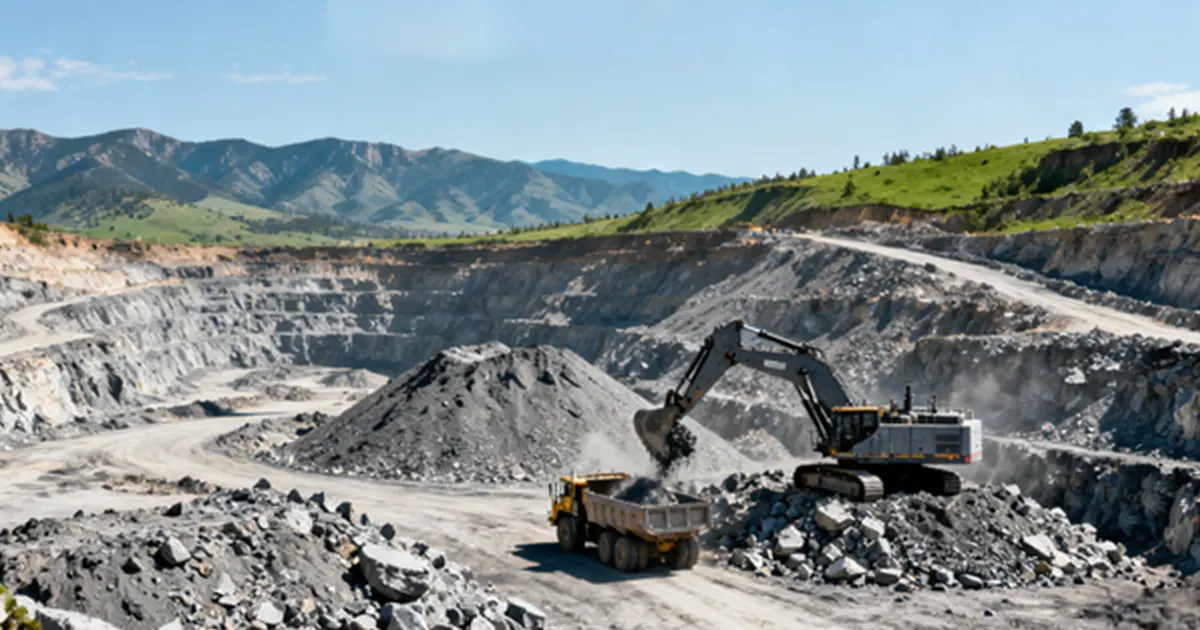
You use aggregate screening in mining to sort materials by size. This step is very important for aggregate processing. You must meet strict rules for each job. Screening machines help you sort large amounts of material fast. This saves time and helps you keep up with work.
Aggregate screening gives you the same quality every time. Each batch meets the size and quality you need for building. You stop delays and mistakes by removing pieces that are too big or too small early. You also make things safer by keeping only the right aggregate materials.
- You work faster by sorting materials into the right sizes.
- You make sure every batch meets tough quality rules.
- You waste less and make your mining operation worth more.
Concrete Production
You use aggregate screening to keep your concrete mixes strong and even. The process takes out bad stuff and sorts pieces by size. This helps you make a mix that lasts longer and works better.
When you screen aggregate materials, you get the same mix every time. This is important for the strength and life of your concrete. You also stop weak spots and cracks in finished buildings.
- You make sure your aggregates for concrete are good and even.
- You take out bad stuff and keep particle size the same.
- You help concrete buildings last longer and work better.
Tip: Always check your screened aggregates before mixing. Clean and even sizes give you better concrete results.
Recycling
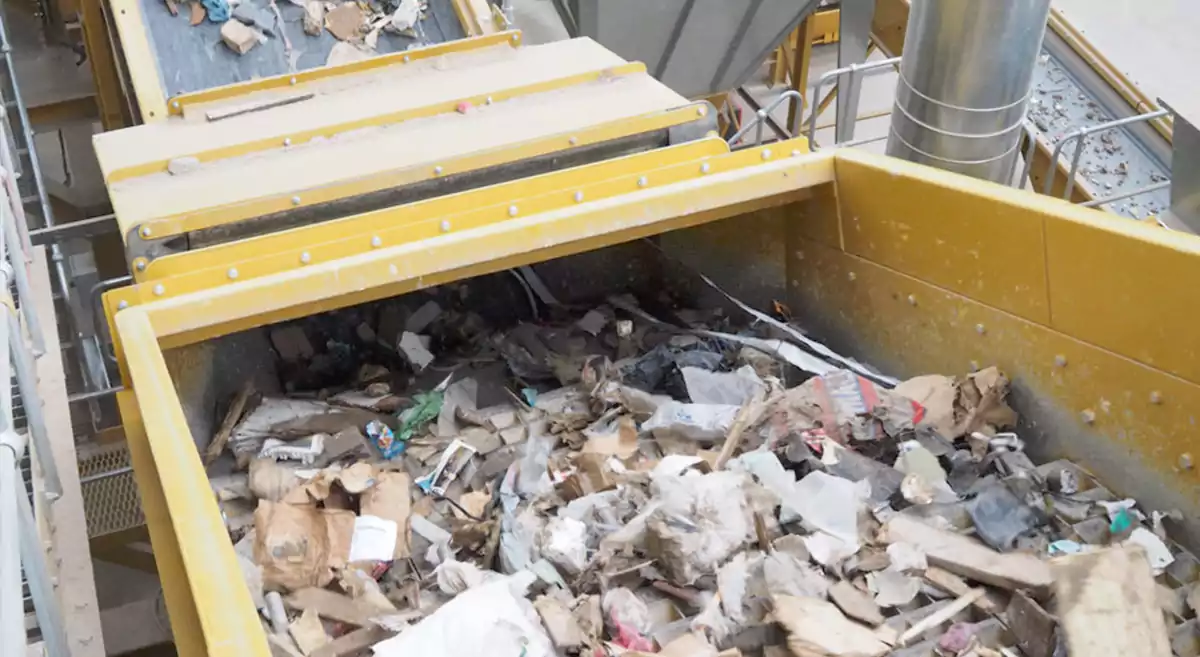
You use aggregate screening to help recycle building materials. Screening plants help you find and remove pieces that are too big or not right. This step is needed to keep recycled aggregate materials good.
You can use new ways, like density sorting with air-jitter devices, to separate pieces better. These ways help you make better recycled aggregates for new jobs.
- You take out bad pieces to keep recycled products the same.
- You use better screening to make recycled aggregates higher quality.
Aggregate screening helps you build in a way that is better for the planet. You can use old materials again and make less waste. This keeps your projects working well and helps the environment by using the right aggregate processing steps.
Other Uses
You see aggregate screening in many industries. It is not just for mining, concrete, or recycling. This process helps you get the right size and quality of material. You can use aggregate screening to make sure your materials fit your project. It works for many different jobs.
Many companies use aggregate screening for road building. Screened aggregates help make strong road bases. They also help make smooth surfaces. Screening takes out big rocks and trash. This step helps roads last longer and need fewer fixes. You also use screened aggregates for railways. The right size stones hold up the tracks. This keeps trains safe.
You see aggregate screening in landscaping too. If you want a garden path or stone bed, you need good-looking materials. Screening helps you pick the right size stones for your design. Fine gravel works for paths. Bigger stones are good for borders. This process helps your outdoor spaces look neat and even.
Aggregate screening is important for sports and play areas. You use screened sand and gravel for playgrounds and sports fields. The right size and shape keep surfaces safe and comfy. For example, screened sand in playgrounds helps stop injuries. It also keeps the area clean.
You also find aggregate screening in water filters. Screened gravel and sand help clean water in treatment plants and pools. The process takes out things you do not want. It keeps water clear. You need the right size and shape of aggregate for good filters.
Some industries use mobile crushing plants with screens. These machines let you separate materials at the job site. You save time and money. You do not need to move raw materials far for screening. This method works well for road jobs and remote sites.
Here are some lesser-known ways to use aggregate screening:
- Mobile crushing plants for on-site separation
- Landscaping and stone projects
- Sports field and playground surfaces
- Water filtration and drainage systems
- Railway ballast production
Tip: Always match your screening process to your project. The right screen size and type help you get the best results.
Aggregate screening gives you control over your materials. You can meet industry standards and deliver safe, high-quality results. When you know all the uses for aggregate screening, you can make your projects better and save resources.
Conclusion
You use aggregate screening to get safe, high-quality materials for each job. This process makes sure your materials are the same, lowers mistakes, and meets the rules you need to follow, as shown here:
| Key Takeaway | Explanation |
|---|---|
| Ensures uniform material | Keeps things strong and steady |
| Reduces defects | Takes out things you do not want |
| Meets specifications | Stops work from being late |
| Enhances durability | Makes repairs cost less |
| Saves time and costs | Cuts down on doing work again |
| Improves outcomes | Makes your results more reliable |
You get better results when you pick the right equipment and make your process work well. Check how you screen your materials to work faster and help the environment:
- When your materials are the same, you can plan and spend money better.
- Good screening means you do not have to fix mistakes as much.
- Better screening helps you waste less.
Anpeng Wire Mesh Filter Equipment Co., Ltd. gives you strong and affordable choices for aggregate, mining, concrete, and recycling. Their Woven Wire Screens, Self-Cleaning Screens, and PU-Mesh Screens are made to be exact and handle a lot of material.
FAQ
What is aggregate screening?
Aggregate screening lets you sort materials by size. This step helps you get clean and even aggregates for building. Screened materials are strong and safe to use.
Why should you care about screening efficiency?
Screening efficiency changes your product quality and costs. When screening works well, you waste less and get better results. You save time and money with an efficient process.
How often should you check your screening equipment?
Check your equipment every day. Look for broken parts, damage, or things blocking the way. Daily checks help you stop breakdowns and keep things running well.
Which screen type works best for wet materials?
Self-cleaning screens are best for wet or sticky materials. These screens stop clogging and keep your work moving. You get better results and less waiting.
Can you use recycled materials in aggregate screening?
You can use recycled materials in screening. Screening takes out bad pieces and makes the quality better. Using recycled aggregates helps the planet and meets project rules.
What problems can poor screening cause?
Poor screening can make concrete weak or roads uneven. It can also cause safety problems. You might have delays, spend more money, or fail inspections. Good screening stops these problems.
How do you choose the right screen media?
Pick screen media that fits your material and job. Think about how long it lasts, the hole size, and the price. The right screen helps you sort better and keeps equipment working longer.
Does aggregate screening help with compliance?
Aggregate screening helps you follow industry rules and project needs. You avoid fines and make sure your buildings are safe and strong by using screened materials.