You want the Best Punch Plates for your job, but picking them can be hard. Your job has special needs. Picking the right material, thickness, and design does more than just meet the rules. It helps your work go faster. You save time and supplies when the plates come ready to use. You do not need to do extra work. The quality stays the same, so every sheet fits your job well. You do not waste things and you can put them in faster. Picking the right plates keeps your job running well.
Key Takeaways
- Picking the right punch plate material is very important. Mild steel, stainless steel, and aluminum are all different. Each one works best for certain jobs.
- Plate thickness changes how long it lasts. Thicker plates are tougher but need more force to punch. Make sure the thickness fits your machine’s power.
- The shape and size of holes are important. Pick the right holes for your job. This helps stop clogs and makes sorting or filtering better.
- Die clearance helps make clean cuts. Set the right space between the punch and die. This stops tool damage and gives better results.
- Taking care of punch plates makes them last longer. Clean them and look for damage often. This helps you avoid expensive fixes and stops work delays.
- Talk to experts when picking materials. They know a lot and can help you choose what is best for your needs.
- Ask for samples before you buy a lot. Testing samples makes sure they work well. This can save you time and money.
- Tell suppliers exactly what you want. Sharing your plans and needs helps you get the right punch plates for your job.
Punch Plate Basics
What Are Punch Plates?
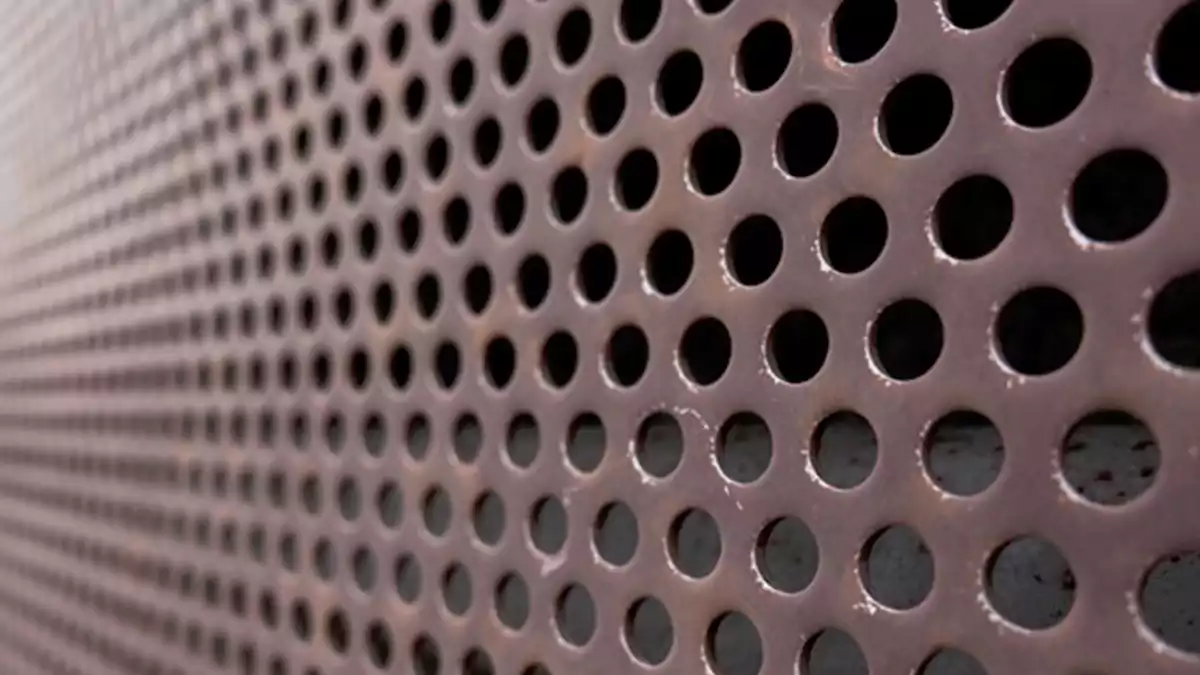
You might see punch plates in many factories or workshops. These are flat sheets with holes punched through them. The holes can be round, square, or even custom shapes. You use punch plates to control what passes through and what stays behind. They look simple, but they play a big role in many jobs.
Punch plates come in different materials. Here are some of the most common ones you will find:
- Mild Steel: Strong and easy to work with. You see it in many manufacturing jobs.
- Stainless Steel: Resists rust. You find it in food, medical, and marine work.
- Aluminum: Light and does not rust. Used in cars and airplanes.
- Brass: Easy to punch and conducts electricity. Used for decoration and plumbing.
- Copper: Soft and needs special tools. Used in electrical parts and heat sinks.
- Galvanized Steel: Has a coating to stop rust. Used in building and cars.
- Precoated Materials: Like pre-painted steel. Good for CNC punching and keeps the coating safe.
You pick the material based on what your job needs. Each one has its own strengths.
Common Uses
You use punch plates for many tasks. They help you sort, filter, and control the flow of materials. Here are some ways you might use them:
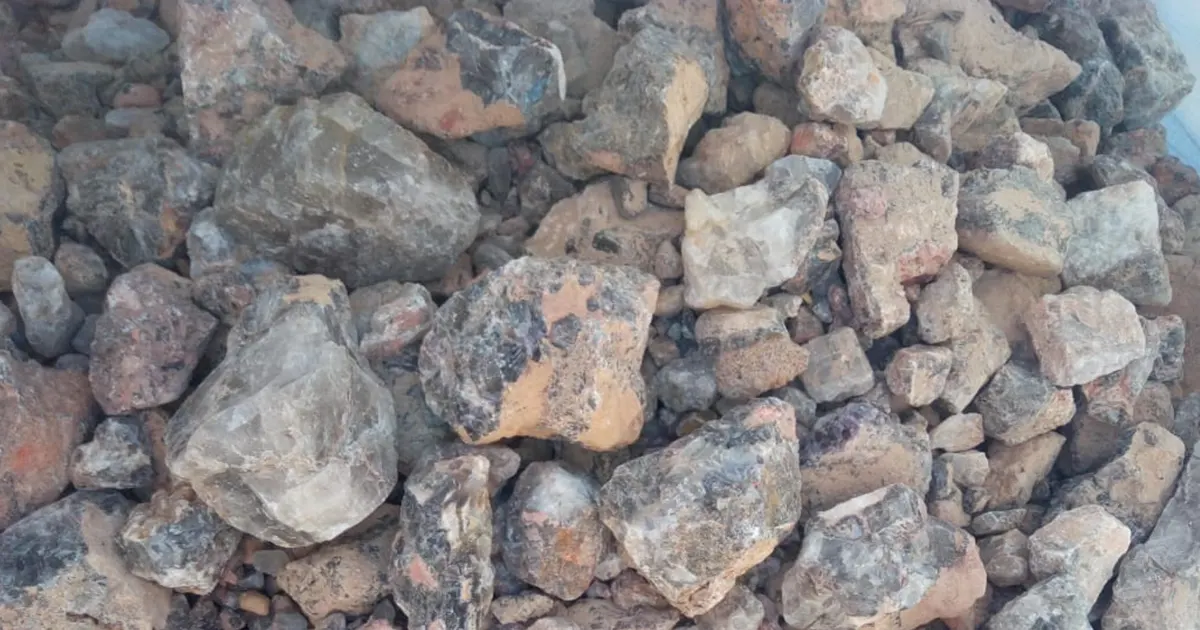
- Letting small pieces fall through while keeping big ones on top. This helps you screen materials.
- Sorting and grading. You control the size of what passes through the holes.
- Filtering and flow control. Punch plates let fluids pass but block bigger particles.
Tip: Punch plates save you time when you need to separate or filter things quickly.
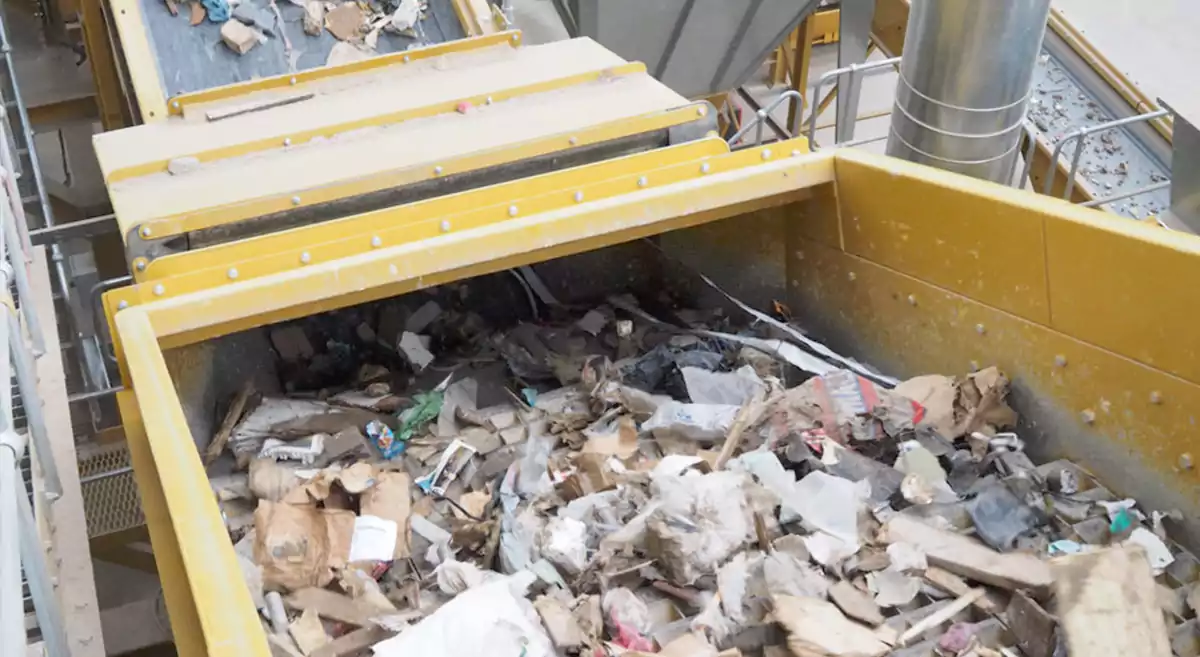
You see punch plates in mining, food processing, recycling, and even in water treatment plants. They help you get the job done faster and with less effort.
Why Selection Matters
Choosing the right punch plate makes a big difference. If you pick the wrong material, your plate might wear out too fast or break. The right choice gives you better hardness, toughness, and wear resistance. For tough jobs, you might want ultra-hard materials with special coatings. These last longer and work better under stress.
When you use the right punch plate, your work runs smoother. You get less downtime and fewer repairs. You also keep your products consistent. That means less waste and more savings for you.
Remember: The punch plate you choose affects how long your tools last and how well your process works. Take time to match the plate to your job.
Key Factors for Best Punch Plates
Material Type and Thickness
You want the best punch plates for your job, so you need to start with the right material type and thickness. These two features decide how your punch plate will perform and how long it will last. If you pick the wrong combination, you might see cracks, fast wear, or even tool failure.
Here’s a quick look at what matters most when you choose material type and thickness:
| Factor | Description |
|---|---|
| Tensile Strength | Shows how much force the material can take before it pulls apart. |
| Ductility | Tells you how much the material can bend before it breaks. |
| Abrasiveness | Measures how much the material will wear down your tools. |
| Material Thickness | Thicker plates need more force to punch and bend. |
| Bend Radius | Affects how much stress builds up at the punch tip. |
You should always match the material type and thickness to your job. If you work with mild steel, you get a good mix of strength and easy punching. Stainless steel resists rust but needs more force. Aluminum is light and easy to handle, but it bends more easily. When you look for the best punch plates, think about what you need most—do you want more strength, less weight, or better resistance to wear?
Tip: Thicker materials need more power and tougher tools. Make sure your machine can handle the load.
Punch and Die Material Selection
Choosing the right punch and die set is one of the key factors when selecting punch and die sets for your application. The material you pick for your punch and die will change how long your tools last and how well they cut. If you use high-carbon steel, you get good durability for most jobs. For high-volume work, high-speed steel gives you more hardness and longer life. If you work with tough metals, carbide-tipped sets offer the best wear resistance.
Here’s a table to help you compare:
| Material Type | Hardness (Rockwell) | Key Features |
|---|---|---|
| High-Speed Steel | HRC62 | Tough and hard, lasts longer in heavy use |
| Hardened Tool Steel | HRC59 | Good balance of wear resistance and toughness |
You want the best punch plates, so you need to match your punch and die material to your job. If you pick the wrong set, you might see fast wear or even breakage. Always check with your supplier or engineer to make sure you get the right match.
- High-carbon steel sets work well for general use.
- High-speed steel sets are better for lots of punching.
- Carbide-tipped sets are best for tough metals.
When you focus on the key factors when selecting punch and die sets, you get better results and longer tool life.
Plate Thickness and Strength
Plate thickness and strength go hand in hand. If you need the best punch plates for heavy-duty jobs, you should pick thicker plates. Thicker plates give you more strength and last longer, especially in tough jobs like mining or quarrying. They can handle heavy loads and resist bending or breaking.
- Thicker plates mean more strength and durability.
- Thinner plates are lighter and easier to move, but they might not last as long under heavy loads.
- Heavy punch plates use thicker metal, so they work better for tough jobs.
You want your punch plate to last. If you pick a plate that is too thin, it might bend or wear out fast. If you pick one that is too thick, you might need a stronger machine to punch it. Always balance the strength you need with what your equipment can handle.
Note: The best punch plates give you the right mix of strength, durability, and ease of use. Think about your job and pick the plate that fits best.
Hole Shape and Size
When you pick punch plates, you need to think about the holes. The shape and size of each hole can change how your plate works. You might need round holes for simple sorting. Square or slotted holes can help with special jobs, like letting flat pieces pass through. Some jobs even need custom shapes.
You should always match the required hole shape and size to your job. If you want to sort small rocks, you need small round holes. If you want to filter liquids, you might pick long slots. The size of the hole controls what passes through and what stays behind. If you pick the wrong size, you might get clogs or let the wrong stuff through.
Here’s a quick guide to help you choose:
| Hole Shape | Best For | Example Use |
|---|---|---|
| Round | General sorting and screening | Gravel, seeds |
| Square | Even flow, less clogging | Food processing |
| Slotted | Fast drainage, special shapes | Water treatment, recycling |
Tip: Always check the required hole shape and size before you order your punch plates. This helps you avoid mistakes and keeps your process running smooth.
Die Clearance and Tolerances
Die clearance means the space between the punch and the die. You need the right clearance to get clean cuts and keep your tools safe. If the gap is too small, your punch might stick or break. If the gap is too big, you get rough edges and more wear.
You should set the die clearance based on the thickness and type of your plate. Thicker plates need a bigger gap. Softer metals can use a smaller gap. Always check the specs for your machine and material.
Tolerances tell you how close the finished holes are to the size you want. Tight tolerances mean the holes are almost perfect. Loose tolerances are okay for rough jobs. If you need exact holes, talk to your supplier about what you need.
- Small clearance = cleaner holes, more tool wear
- Large clearance = rougher holes, less tool wear
Note: The right die clearance and tolerances help you get the best punch plates for your job. You save time and money by avoiding rework.
Surface Treatments
Surface treatments make your punch plates last longer. You can pick from coatings, hardening, or special finishes. These treatments help your plates resist rust, wear, and sticking.
Some common surface treatments include:
- Galvanizing: Adds a zinc layer to stop rust.
- Powder coating: Gives color and extra protection.
- Heat treatment: Makes the plate harder and tougher.
- Teflon coating: Stops sticky stuff from building up.
You should pick a surface treatment that matches your work. If you work in wet places, choose a rust-proof finish. If you punch sticky materials, try a non-stick coating.
Remember: The right surface treatment can double the life of your punch plate. Ask your supplier for advice if you are not sure which one to pick.
How to Choose the Right Punch and Die
Define Application Needs
You need to start with your job’s requirements. Every project is different. You might want to punch thick metal sheets, or you could need to make tiny holes in soft materials. Ask yourself these questions:
- What material will you punch?
- How thick is the sheet?
- What shape and size do you need for the holes?
- How many parts do you want to produce?
When you know your needs, you can begin the step-by-step process to match punch and die features to your job. If you need high-volume production, you should look for tools that last longer. If you work with special materials, you must check for compatibility. You can avoid mistakes by writing down your goals and sharing them with your team.
Tip: Clear goals help you choose the right punch and die faster. You save time and money when you know exactly what you need.
Confirm Design Specs
You want your punch plates to work perfectly. To do this, you must confirm your design specs. This means checking every detail before you start production. You should talk to your supplier and make sure they control quality from start to finish. Good suppliers check raw materials and finished products. They use strict quality control to make sure everything meets your standards.
You can also work with suppliers who act as engineering partners. They help you review drawings and offer advice. They might even make samples for you. These samples set the standard for your project. You can test them and see if they fit your needs.
Note: Confirming specs with your supplier helps you avoid problems later. You get punch plates that match your job and last longer.
Select Material and Hardness
You need to select punch material and hardness based on your job. This step is key for punch and die material selection. If you pick the wrong material, your tools might break or wear out too fast. You want to choose materials that fit your needs for strength, durability, and cost.
Here’s a table to help you compare the main criteria:
| Criteria | Description |
|---|---|
| Hardness | Resists scratches and keeps tools strong during punching. |
| Strength | Stops breakage and bending when you stamp parts. |
| Ductility | Lets the material bend and shape without cracking. |
| Processability | Makes cutting and stamping easier, saving time. |
| Modulus of elasticity | Helps the material return to shape after stress. |
| Conductivity | Needed for jobs where electricity flows through the part. |
| Corrosion resistance | Keeps parts safe in harsh environments. |
| Cost | Balances performance and price. |
| Weight | Important for lightweight jobs. |
| High temperature | Needed for jobs with heat, so the material stays stable. |
| Appearance requirements | Needed for jobs where looks matter, sometimes needing surface treatments. |
You should use the step-by-step process to match punch and die features to your job. If you need high hardness, you can pick tool steel or carbide. For jobs with lots of bending, you might want materials with high ductility. Always check the specs and talk to your supplier. You can select punch material and hardness that fits your needs and keeps your tools working longer.
Tip: Punch and die material selection is not just about strength. Think about how easy it is to process, how much it costs, and how it looks.
Determine Die Opening
You need to figure out the best size for your die opening. This step helps you get clean cuts and keeps your tools working longer. When you choose the right punch and die, you must look at the material, thickness, and the shape of the holes you want. If you get the die opening wrong, you might see rough edges, broken punches, or wasted materials.
Let’s break down how you can determine optimal die opening:
- Check Material Thickness
Start with the thickness of your sheet. Thicker materials need a bigger die opening. If you use a small opening with thick metal, you risk damaging your tools. - Look at Hole Shape and Size
The shape and size of the hole change the die opening you need. Round holes usually need less clearance than square or slotted holes. - Calculate Clearance
You can use a simple formula to find the right clearance. Most experts say the die opening should be about 10% to 20% larger than the punch size for mild steel. If you work with harder materials, you might need more clearance. - Consider Tonnage
Tonnage means the force your press uses to punch the hole. If you pick a die opening that is too small, you need more tonnage. This can wear out your tools faster and lower tool longevity. If you pick a die opening that is too big, you might get rough edges and loose tolerances.
Here’s a quick table to help you:
| Material Type | Recommended Clearance | Effect on Tool Longevity |
|---|---|---|
| Mild Steel | 10-20% punch size | Good |
| Stainless Steel | 15-25% punch size | Better |
| Aluminum | 8-15% punch size | Best |
Tip: Always check your machine specs. Press tonnage and tooling strength matter when you determine optimal die opening. If you use too much force, you risk breaking your tools.
You want the right punch and die for your job. If you get the die opening right, you save money and keep your tools running longer. You also get cleaner cuts and less waste.
Test and Validate
You can’t just guess and hope for the best. You need to test and validate your punch and die setup. This step helps you make sure everything works before you start full production.
Here’s how you can do it:
- Request Samples
Ask your supplier for sample punch plates. Try them out on your machine. Check if the holes look clean and fit your specs. - Run Small Batches
Punch a few sheets and see how your tools hold up. Watch for signs of wear or damage. If you see problems, adjust your die opening or punch size. - Measure Tonnage
Use a tonnage monitor to check how much force your press uses. If the tonnage is too high, you might need to change your die opening. This helps you protect tool longevity and avoid costly repairs. - Review Tool Longevity
Keep track of how long your punches and dies last. If you notice fast wear, you may need to change your setup. The right punch and die can double or triple tool longevity. - Get Feedback
Talk to your team and your supplier. Ask if the punch plates meet your needs. If not, work together to fix the problems.
Note: Testing and validating your setup helps you avoid mistakes. You get the right punch and die for your job, and you keep your tools working longer.
You want to make sure your punch plates fit your job. When you test and validate, you catch problems early. You save time, money, and keep your process running smooth. Press tonnage and tooling strength play a big role in this step. If you get it right, you boost tool longevity and get better results.
Customization and Advanced Options
Custom Thickness and Material
You might need punch plates that do not fit the usual mold. That is where custom options come in. You can pick from many materials and thicknesses to match your job. Some jobs need stainless steel for rust resistance. Others work better with aluminum because it is light. You can even choose hybrid materials for special needs.
You do not have to stick with standard thickness. You can get plates as thin as 0.2mm or as thick as 20mm. Some suppliers even offer custom thickness up to one inch. This means you can find the right strength and weight for your project. You also get to pick the hole size. You can go as small as 0.5mm or as large as 100mm.
Here’s a quick look at your options:
| Customization Aspect | Details |
|---|---|
| Material Choices | Stainless steel, aluminum alloys, hybrid materials |
| Thickness Range | 0.2mm to 20mm (up to 1 inch possible) |
| Hole Diameter Options | 0.5mm to 100mm |
| Pattern Flexibility | Round, square, oval, hexagonal, custom shapes |
Tip: Custom thickness and material help you get the best fit for your job. You do not have to settle for “almost right.”
Staggered and Tapered Openings
You can boost your punch plate’s performance with special designs. Staggered openings spread the holes in a zigzag pattern. This helps you get better flow and less clogging. Tapered openings start wide at the top and get smaller at the bottom. This design lets materials move through faster and reduces blockages.
You might see these features in mining or food processing. Staggered holes help when you need even sorting. Tapered holes work well for sticky or wet materials. You can also ask for custom patterns, like hexagons or ovals, if your job needs something unique.
- Staggered patterns = smoother flow, less clogging
- Tapered holes = faster sorting, fewer jams
- Custom shapes = better fit for special tasks
Note: You can mix and match these features. Talk to your supplier about what works best for your process.
Industry-Specific Solutions
Every industry has its own needs. You can get punch plates made just for your field. In construction and mining, you use them to sieve rocks and sand. In agriculture, you sort grains or grade coffee beans. Food processing uses punch plates to filter and separate products.
You also see custom punch plates in oil and gas, manufacturing, and even architecture. Some industries need special brackets, housings, or covers. Aerospace and defense need parts that meet strict rules. You can pick the size, shape, and finish that fits your job.
Here are some industries that use custom punch plates:
- Aerospace
- Automotive
- Construction
- Maritime
- Transportation
- Manufacturing/OEM
You can also choose from different stock and custom options. For example, you might need a plate that is 60 inches wide or has a special open area. You can pick the pattern, side, and end details to match your specs.
Remember: Custom punch plates help you solve tough problems. You get better results when your tools fit your industry.
Avoiding Common Mistakes
Overlooking Material Compatibility
Not every punch plate works for every job. If you do not check if the plate matches your material, you can have problems. The wrong plate can crack, chip, or even break. Hard materials can snap instead of bend. Softer materials might chip more easily. These issues make your punch plate wear out faster and make your work harder.
You should always check if your punch plate fits the metal you want to punch. Look at the type of metal, how thick it is, and how it reacts when you punch it. If you use the wrong plate, you might see cracks near the holes or your tools might wear out quickly. You also need to think about the gap between the punch and die. If the gap is wrong, you get rough edges or broken punches. The die clearance calculation guide helps you pick the right gap for your job.
One big mistake is not cleaning during installation. If dirt or dust is on the mounting surfaces, the punch plate can be put on wrong. When you install segmented dies, starting from one end can make the parts line up badly. This can cause big problems with alignment.
Ignoring Machine Limits
Every machine has a limit. If you do not pay attention, you can break your machine or stop your work. Each press or punch machine can only use so much force. If you try to punch thick or tough plates without checking your machine’s specs, you might break something. Always check how much force your machine can use before you start.
You also need to set the right gap for your punch and die. If the gap is too small for a thick plate, your machine has to work too hard. This can wear out the moving parts or break your punch or die. The die clearance calculation guide shows you how to set the right gap for each job. Do not forget to check the hole size and shape. If the shape is too tricky, your machine might not punch it well.
- Bad setup
- Worn out machine parts
- Not enough maintenance
When you run your machine for a long time, heat can make the parts move out of place. This happens because different parts get bigger at different rates when they get hot.
Underestimating Production Needs
You need to know how many parts you want to make. If you guess too low, you might pick the wrong punch plate or machine. For big jobs, you need a plate that can handle lots of punches without wearing out. If you use a slow machine for a big job, you waste time and money.
Here is a table to show why planning is important:
| Production Scenario | Decision Signal | Underlying Logic |
|---|---|---|
| Large-volume, standardized punching tasks | Red Light (Strongly Discouraged) | Using a press brake for high-volume punching is inefficient due to its slow cycle rate, leading to increased labor costs and reduced competitiveness. |
You also need to set the right gap for every run. If you do not, your punch plate will wear out faster. You might see rough holes or your tools might break. Always check your hole size, plate thickness, and machine specs before you start. If you plan ahead, you avoid mistakes and keep your work running well.
Tip: Clean your dies and check your gap before every shift. This keeps your holes neat and your punch plates working longer.
Neglecting Maintenance
You might think your punch plates will keep working without much care. That’s a common mistake. If you skip regular maintenance, you set yourself up for trouble. Dirty, worn, or damaged punch plates can slow down your work, cause bad cuts, and even break your tools. You don’t want that kind of headache.
When you use punch plates every day, small problems can build up fast. Dirt, dust, and leftover material can stick to the surface or clog the holes. If you don’t clean them, your punch plates won’t work as well. You might see rough edges, jams, or uneven holes. Over time, these issues can damage your machine, too.
Let’s look at what happens when you neglect maintenance:
- Faster Wear and Tear: Dirt and debris grind against the plate. This makes the holes bigger and the edges rougher.
- More Downtime: If your punch plate fails, you have to stop everything to fix or replace it.
- Higher Costs: Repairs and new parts cost money. You also lose time and waste materials.
- Lower Quality: Bad punch plates make bad parts. You might see more rejects or failed inspections.
Tip: A little cleaning and checking can save you a lot of money and stress.
You can keep your punch plates in top shape with a simple routine. Here’s an easy checklist you can follow:
- Clean After Each Shift
Wipe down the punch plate with a soft brush or cloth. Remove any stuck material from the holes. - Check for Damage
Look for cracks, chips, or worn edges. If you see a problem, fix it right away. - Lubricate Moving Parts
Use the right oil or grease to keep everything moving smoothly. - Tighten Bolts and Fasteners
Loose parts can cause misalignment and extra wear. - Record Maintenance
Keep a log of what you do. This helps you spot patterns and plan for replacements.
You don’t need fancy tools or special training. Just pay attention and act fast when you see something wrong. If you keep your punch plates clean and in good shape, you get better results and fewer surprises.
Remember: Maintenance isn’t just a chore—it’s your best tool for long-lasting punch plates and smooth production. Take care of your equipment, and it will take care of you.
Practical Tips for the Right Punch and Die
Work with Experts
You do not need to pick punch plates by yourself. Experts can help you make good choices. They know how metals act when punched. They help you choose the best material for your job. This means you get better results and fewer problems.
Here’s how experts can help you:
| Benefit | Description |
|---|---|
| Material Selection | Experts help you pick the right material. Different metals act in their own way when punched. |
| Tool Maintenance | You need to keep your tools clean and replace them sometimes. Experts show you how to do this. |
| Safety Considerations | Pros teach you how to stay safe, even with tricky designs and pilot holes. |
You want your punch plates to last a long time. Experts can show you how to care for your tools. They teach you about cleaning and checking your punch and die sets. This helps your tools last longer. You also stay safe, even if your designs are hard. If you want to avoid mistakes, ask someone who knows a lot.
Tip: Talking to an expert can help you avoid mistakes and make your punch plates last longer.
Request Samples
You should always ask for samples before buying a lot. Samples let you see if the punch plate works with your machine. You can check if it fits and if the holes look good. If something is wrong, you can fix it before you spend more money.
Testing samples helps you find problems early. You can try different materials or hole shapes. This step helps you feel sure about your choice. You know you will get the right punch plate for your job. Samples also show you how long the plate will last. If a sample wears out fast, you can try a new material or design.
Note: Samples are a smart way to check for quality and how long your punch plate will last before you buy a lot.
Review Case Studies
You can learn a lot from other people’s projects. Case studies show what works and what does not. They give you real examples of how punch plates help in real jobs.
- You see how companies work faster in metalworking.
- You learn how good punch and die sets make better parts.
- You find ideas to solve problems and feel more sure.
Some case studies show how different reinforcement types change results. For example, circular spiral designs can make punch plates work up to 30% better. That is a big jump compared to regular designs.
| Reinforcement Type | Enhancement (%) | Reference Specimen Comparison |
|---|---|---|
| Circular Spiral | 23% – 30% | Highest enhancement |
| Rectangular Spiral | 15% – 23% | Moderate enhancement |
| Advanced Rectangular Spiral | 16% – 25% | Moderate enhancement |
| Ordinary Closed Rectangular Stirrups | 9% – 13% | Lowest enhancement |
When you read case studies, you get ideas for your own projects. You can see which designs last longer and which ones need more care. This helps you make smart choices and get more use from your punch plates.
Remember: Learning from others can save you time and help you get better results.
Communicate with Suppliers
You want the best punch plates for your job. You can get there faster when you talk clearly with your suppliers. Good communication helps you avoid mistakes, save money, and get exactly what you need. Don’t just send an order and hope for the best. Start a real conversation.
Here’s how you can make your talks with suppliers work for you:
- Share Your Goals
Tell your supplier what you want to achieve. Do you need plates that last longer? Are you looking for special shapes or sizes? The more details you give, the better they can help. - Ask Questions
Never feel shy about asking questions. You can ask things like:- What material do you recommend for my job?
- Can you make custom hole patterns?
- How long will it take to get my order?
- What is the best way to care for these punch plates?
- Send Drawings or Samples
If you have a sketch or a sample, share it. Pictures and samples help your supplier see exactly what you want. This step cuts down on confusion. - Talk About Deadlines
Let your supplier know when you need the punch plates. If you have a tight schedule, tell them early. They can plan ahead and help you meet your goals. - Discuss Budget
Be open about your budget. Suppliers can suggest options that fit your price range. You might find a better material or design that saves you money.
Tip: Write down your main needs before you call or email your supplier. This helps you stay on track and not forget anything important.
Here’s a quick table of what to share with your supplier:
| What to Share | Why It Matters |
|---|---|
| Material type | Ensures the right strength and finish |
| Plate thickness | Matches your machine’s power |
| Hole shape and size | Fits your sorting or filtering needs |
| Quantity needed | Helps with pricing and lead time |
| Special features | Adds value, like coatings or patterns |
You can also ask for updates during production. If you have questions, reach out. Most suppliers like to keep you in the loop. When you talk often, you catch problems early and get better results.
Remember, your supplier is your partner. You both want the project to succeed. Clear, friendly talks make the whole process smoother. You get punch plates that fit your needs, and you avoid surprises. So, pick up the phone, send an email, or set up a meeting. Good communication is your best tool for a great outcome.
Conclusion
You want the best punch plate for your work, so make smart choices. First, look at the material. Check how strong it is and how much it can bend. Then, pick the right tools for your job. Make sure your machine is strong enough by doing a tonnage check. Here’s a simple table to help you choose:
| Step | Description |
|---|---|
| Material Analysis | See how strong and bendy the material is for picking the right force. |
| Tooling Selection | Pick tools that match your job and the material you use. |
| Tonnage Calculation | Figure out how much force you need for your tools and material. |
Choosing the right punch plate is important. Think about how thick the plate is, the space between the punch and die, and if you need something special. If you are not sure what to pick, ask an expert for help. Our company can give you custom punch plates and good advice. Make sure you pick the right punch plate for every job.
FAQ
What is the most important factor when choosing punch plates?
You want precision for every job. Precision helps you get clean holes and smooth edges. When you focus on precision, you get better results and less waste. You also lower your total cost of ownership because you do not need to fix mistakes.
How do I improve precision in my punching process?
You can improve precision by picking the right material and checking your machine settings. Use the correct die clearance and surface treatments. Precision also depends on your tooling system compatibility. If you want more precision, ask your supplier for advice.
Why does precision matter for my application?
Precision gives you parts that fit together well. You avoid gaps and rough edges. When you get high precision, you save time and money. You also lower your total cost of ownership because you do not need to redo work or replace tools often.
How do surface treatments affect punch plate performance?
Surface treatments help your punch plates last longer. They protect against rust and wear. When you use the right surface treatments, you keep your precision high. You also lower your total cost of ownership because your plates stay in good shape.
What is the best way to keep precision high over time?
You should clean your punch plates and check for damage often. Use the right surface treatments and store your tools in a dry place. When you care for your tools, you keep your precision and lower your total cost of ownership.
How does the bending method impact precision?
The bending method you use can change the final shape of your parts. If you want high precision, pick a bending method that matches your material and plate thickness. This helps you get the right angles and smooth bends.
How do I know if my punch plates fit my tooling system compatibility?
You should check your machine’s manual or ask your supplier. If your punch plates match your tooling system compatibility, you get better precision and fewer problems. This also helps you control your total cost of ownership.
Can I reduce my total cost of ownership by focusing on precision?
Yes! When you focus on precision, you make fewer mistakes. You use less material and your tools last longer. This lowers your total cost of ownership and helps your business run better.