Polyurethane Screens Price Breakdown: What Influences Cost

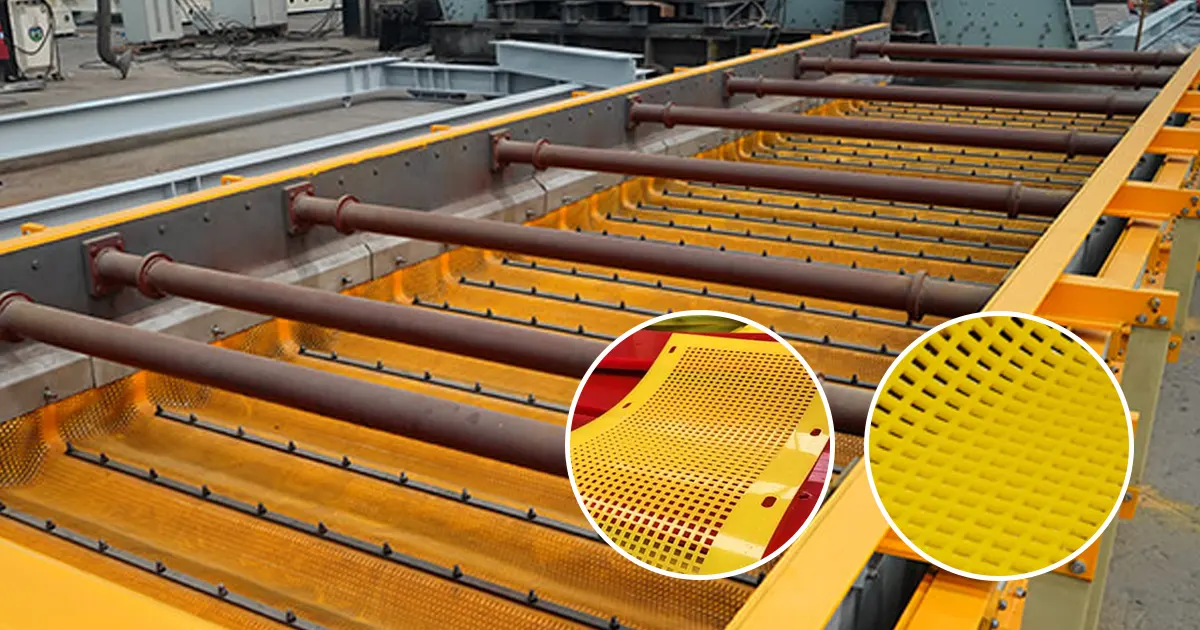
When you check polyurethane screens price, many things affect cost. Material cost, design, how it is made, and brand matter. How many you buy and extra fees also change the price. If the price of polyurethane raw materials goes up or down, your total cost can change fast. You should watch market trends to know […]
Why Perforated Plate Design Matters in Screening and Filtration

You might not realize how much perforated plate design can change the way your screening and filtration systems work. If you pick the right plate, you boost efficiency and keep maintenance costs lower. Take a look at these points: Think about these factors when you want your system to perform at its best. Key Takeaways […]
Understanding Manganese Steel Properties for Modern Industry

Manganese steel is special in modern industry. It is strong and tough. This alloy has lots of manganese and carbon. It lasts longer than most steels. Many industries use manganese steel for hard work. It is good for mining and construction. It keeps working even with heavy hits. People look at manganese steel properties before […]
Manganese Steel vs Stainless Steel: Find Out Which Lasts Longer

Choosing between manganese steel vs stainless steel can feel tricky. You want something that lasts, right? In dry places with low humidity, both types stand up well. When humidity rises, especially above 80%, you see steel lose strength faster. Stainless steel handles wet, chemical-heavy spots better, while manganese steel shines in tough, high-impact jobs. Think […]
What is Screening Media and How Does It Work

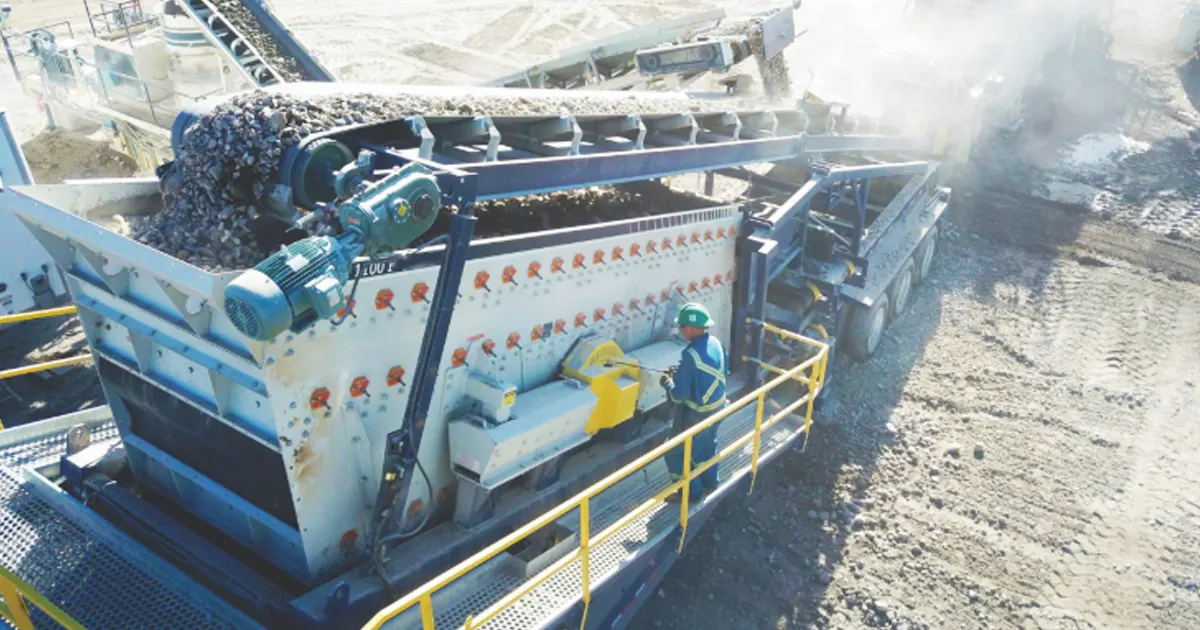
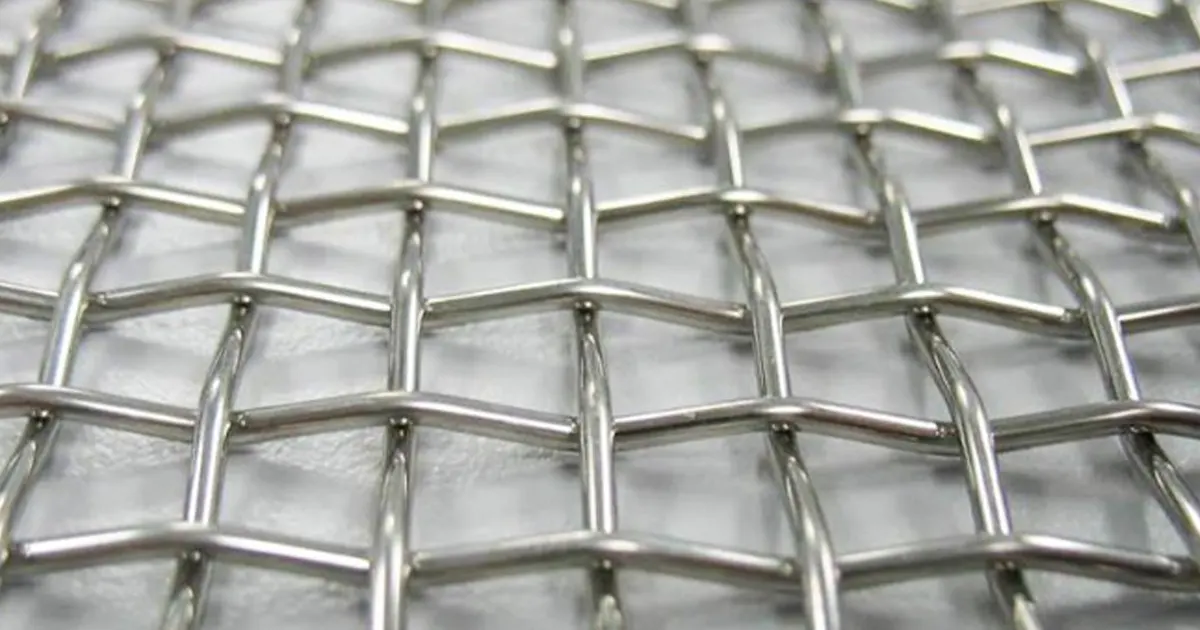
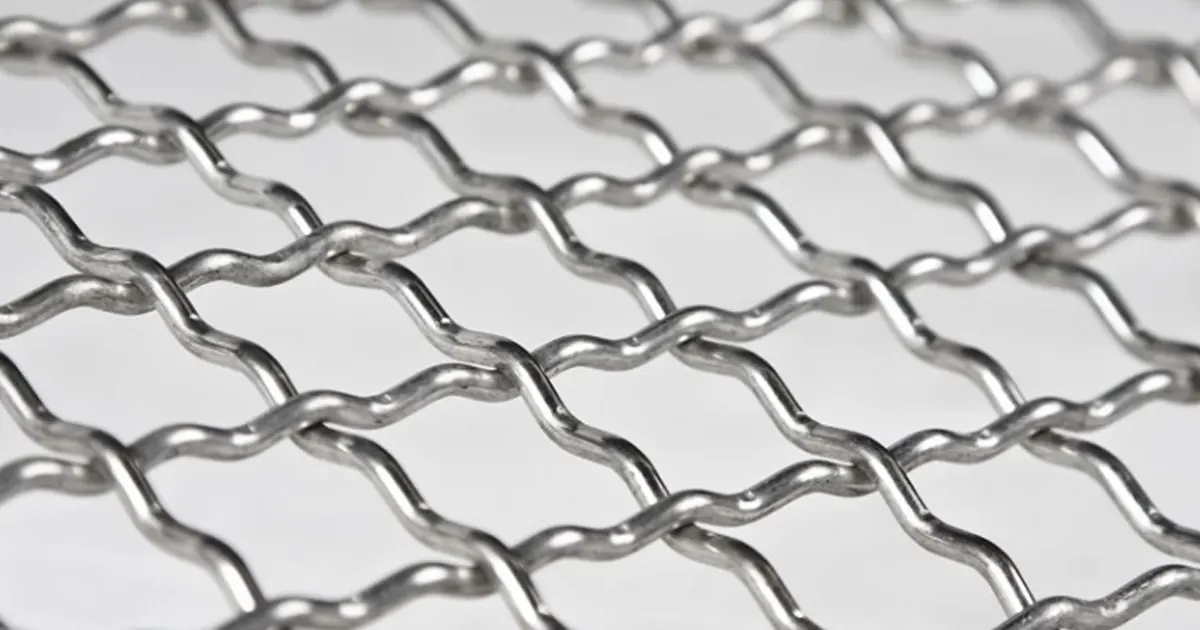
Screening media is the mesh surface used in screening machines to separate materials by size. If you’re wondering what is screening media, it’s a replaceable part on vibrating screens that allows smaller pieces to pass through while larger ones stay on top. Choosing the right screening media can improve your efficiency and productivity. It also […]
Dry Screening vs Wet Screening Which Method Is Right for Your Material

Ever think about why your screening results are not what you want? If you use sand, gravel, or sticky minerals, choosing between dry screening vs wet screening matters a lot. Look at how the type of material helps you decide: Material Type Screening Method Characteristics Dry, Free-Flowing Dry Screening Uses regular vibrating screens for quick […]
Dewatering Screen Mesh Size Guide: Choose the Right Opening

Dewatering screen mesh size is very important for separating solids and liquids. The usual mesh sizes for dewatering screens go from 4 mesh to 325 mesh. The smallest common opening is 50 mesh or 0.3 mm. Standard mesh sizes help workers pick the right screen. Mesh size changes how well the screen removes water and […]
How Dewatering Screen Working Principle Reduces Moisture in Aggregates

You want your aggregates to be as dry as you can get them, right? That is why the dewatering screen working principle helps a lot. When you use a dewatering screen, it shakes and tilts steeply to push water out fast. Here is what happens: With this smart method, dewatering works fast and leaves you […]
Standard Aggregate Screen Sizes and Where to Use Them

Aggregate screen sizes help you separate rocks, sand, and other materials by their size. You use screens with openings like 2mm, 10mm, 20mm, 40mm, 60mm, and 75mm for jobs such as making concrete, building roads, or mixing mortar. Picking the right screen size keeps your project running smoothly. It saves time and money, gives you […]