
Copper Wire Mesh
We supply copper wire mesh for filtration, electromagnetic shielding, insect screening, decorative panels, and industrial applications. Our copper mesh combines excellent electrical conductivity, thermal performance, corrosion resistance, and a distinctive warm finish. Available in multiple mesh counts, wire diameters, widths, and roll lengths, we help customers select specifications that fit their requirements.
Find the ReliableCopper Wire Mesh Manufacturer
We help you find the best copper wire mesh for filtration, shielding, screening, crafts, architecture, and industrial applications. Our mesh combines excellent conductivity, corrosion resistance, and a distinctive finish. We offer multiple mesh counts, wire diameters, widths, and roll lengths, helping you select the right specification for dependable performance.
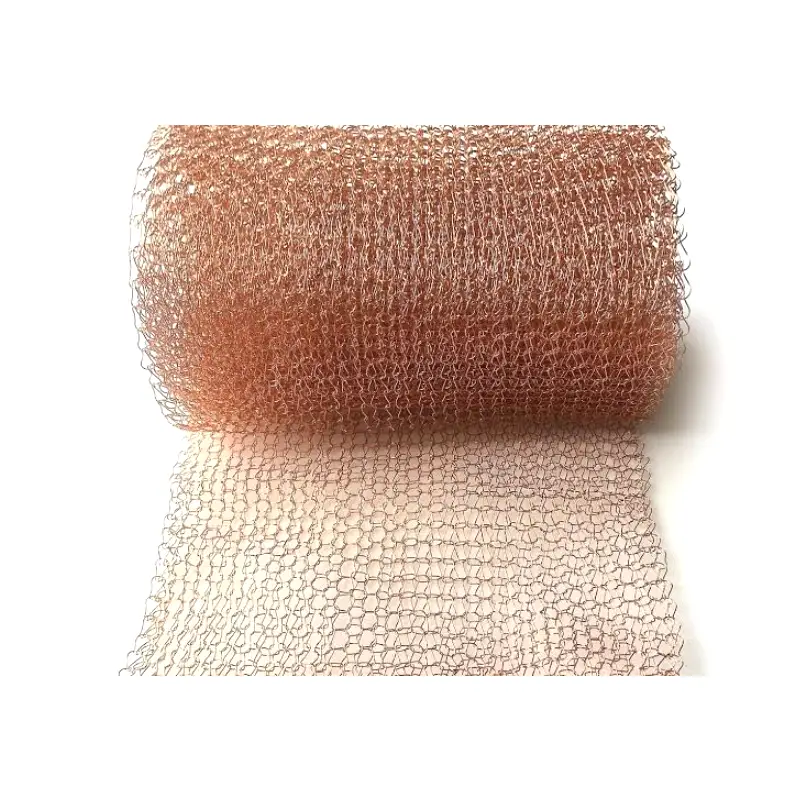
copper knitted wire mesh
We supply copper knitted wire mesh for electromagnetic shielding, grounding, filtration, vibration damping, sealing, and thermal applications. Its interlocking loop structure provides exceptional flexibility, compressibility, conductivity, and surface contact. We offer different wire diameters, mesh densities, widths, and roll lengths to meet custom industrial, electronic, architectural, and specialized project requirements.
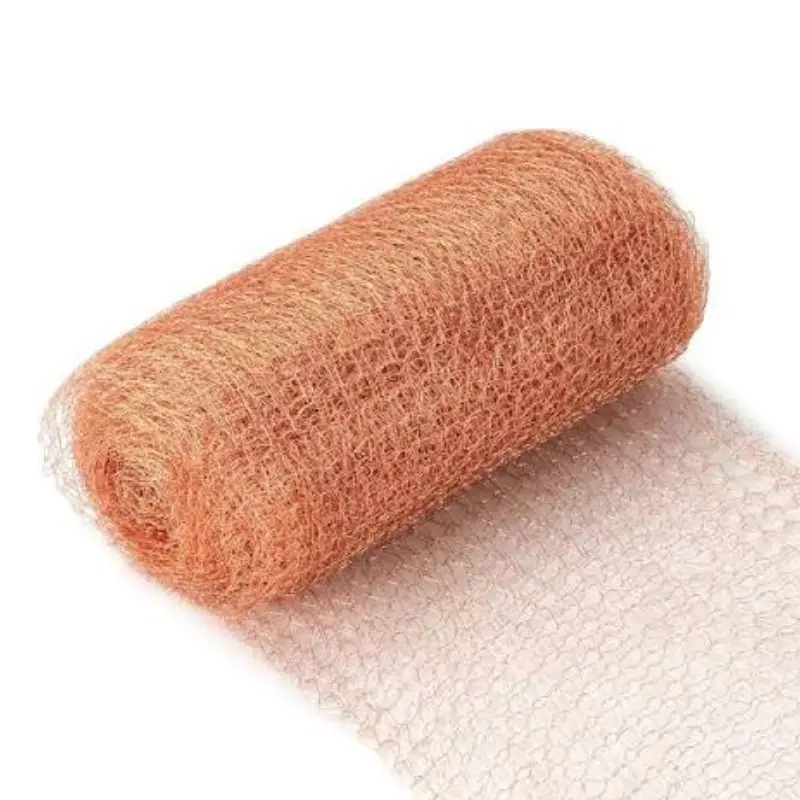
pure copper wire mesh
Pure copper wire mesh is a woven screen made from high-purity copper wire, commonly C11000-grade copper containing at least 99.90% copper. It provides excellent electrical and thermal conductivity, flexibility, formability, and atmospheric-corrosion resistance, while developing a natural reddish-brown patina over time. Common uses include EMI/RFI shielding, Faraday cages, filtration, insect screens, decorative panels, grounding, and architectural applications.
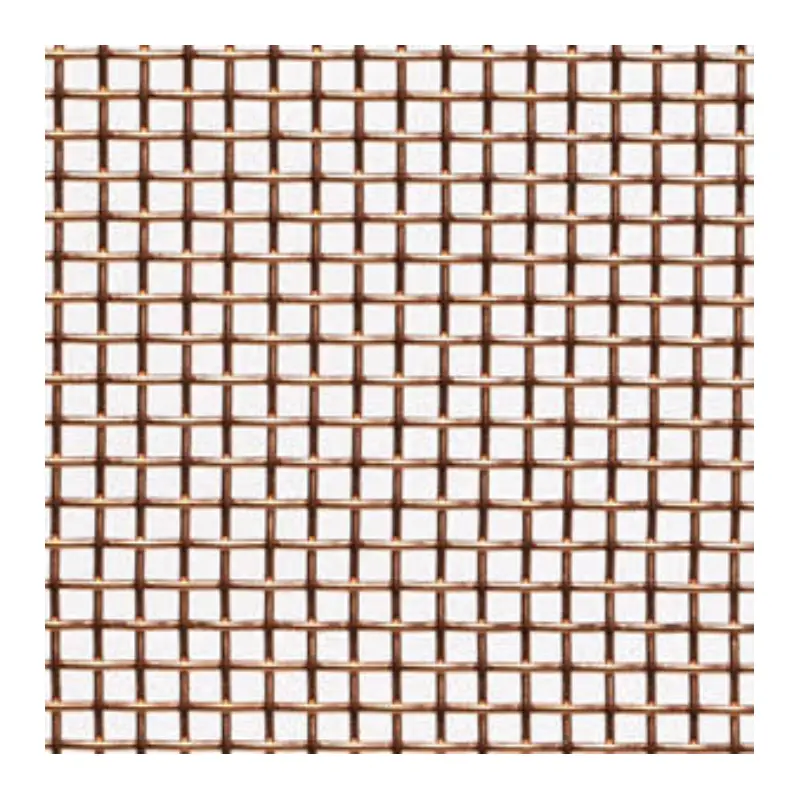
woven copper wire mesh
We supply woven copper wire mesh for electromagnetic shielding, filtration, grounding, insect screening, architectural panels, and decorative projects. Our precisely woven copper mesh provides excellent electrical and thermal conductivity, flexibility, corrosion resistance, and visual appeal. We offer multiple mesh counts, wire diameters, widths, and roll lengths to meet specialized performance and fabrication requirements.
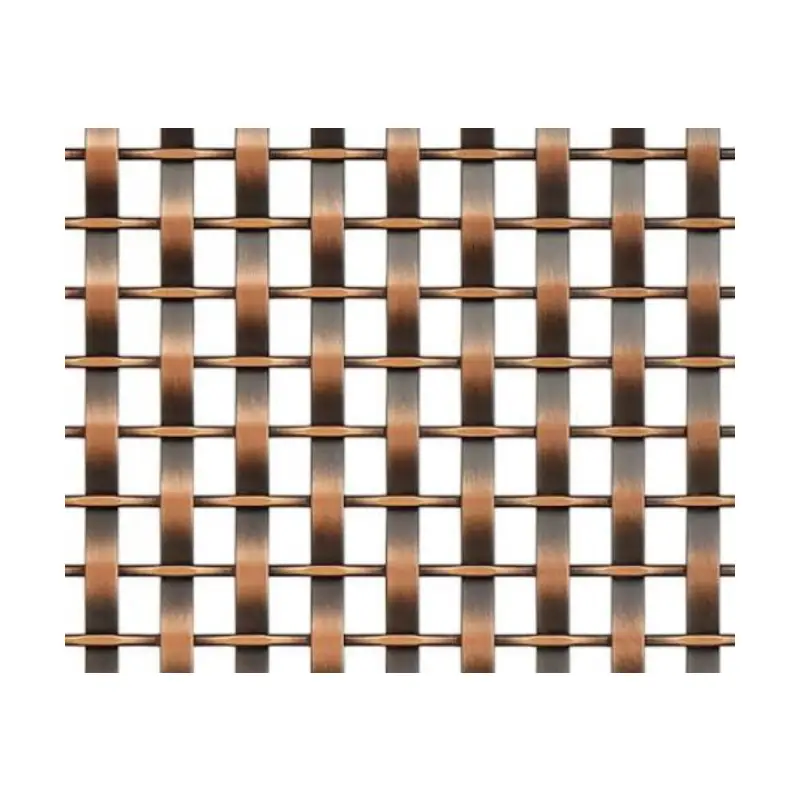
customized copper wire mesh
We provide customized copper wire mesh for shielding, filtration, screening, grounding, architectural, and decorative applications. We tailor mesh count, opening size, wire diameter, weave pattern, roll width, cut-sheet dimensions, and packaging to your requirements. Our team helps you select a practical copper-mesh solution that supports reliable performance, efficient fabrication, and consistent quality.
copper wire mesh cloth
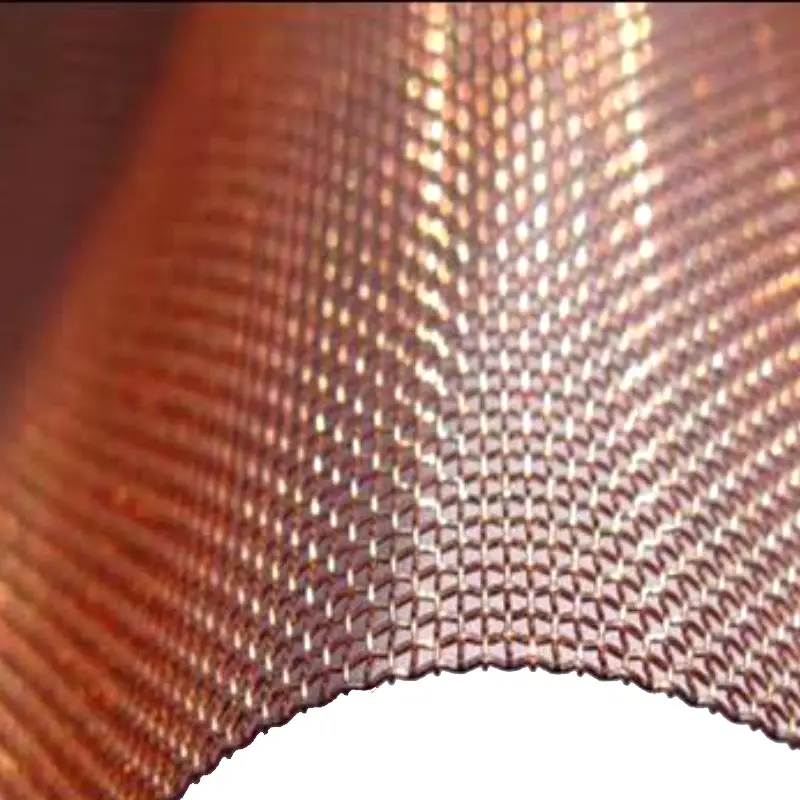
We supply copper wire mesh cloth for electromagnetic shielding, filtration, screening, grounding, insect barriers, and decorative applications. Our woven copper cloth offers excellent electrical and thermal conductivity, flexibility, and corrosion resistance. We provide different mesh counts, wire diameters, widths, and roll lengths to meet precise industrial, architectural, electronic, and fabrication requirements.
Why Choose Our Copper Wire Mesh
Mesh count and opening size
We provide copper wire mesh with customized mesh counts and clear opening sizes for your project. Fine openings support filtration, insect screening, and electromagnetic shielding, while larger apertures improve airflow, light transmission, drainage, visibility, and material passage in architectural or protective applications.
Wire diameter and strength
We tailor copper wire diameter to balance flexibility, open area, durability, and handling requirements. Thicker wires create stronger, more rigid mesh for guards and fabricated panels, while thinner wires suit fine filtration, detailed screening, shielding, and applications requiring a lighter, more flexible copper material.
Roll width and length
We supply copper wire mesh in customized widths and roll lengths to suit production equipment, installation areas, and cutting plans. Selecting suitable dimensions can reduce offcuts, simplify handling, improve fabrication efficiency, and ensure the mesh fits frames, panels, filters, or screening assemblies accurately.
Cut pieces and finish
We can provide copper mesh as cut sheets, shaped pieces, or fabricated panels based on your required dimensions. We also help specify surface conditions for natural copper appearance, aging effects, or downstream fabrication, ensuring the mesh supports your desired visual style and practical performance.
FAQs
What is copper Wire Mesh?
Copper wire mesh is an open-grid screen made by weaving pure copper wires into uniform openings. It offers excellent electrical and thermal conductivity, flexibility, atmospheric-corrosion resistance, and a distinctive reddish-gold appearance that gradually develops a natural patina.
What is copper Wire Mesh made of?
Copper wire mesh is primarily made from pure copper wire, which is woven into evenly spaced openings. Its composition gives the mesh excellent electrical and thermal conductivity, flexibility, and a warm metallic appearance.
Some products use copper alloys instead, so buyers should confirm the exact material grade when conductivity, corrosion resistance, color, or fabrication performance matters.
What Copper Mesh Contains
- Pure copper wire: Most copper wire mesh is made from high-purity copper wire, commonly identified as C11000 or electrolytic tough-pitch copper. This material provides excellent conductivity and formability, making it suitable for electromagnetic shielding, grounding, filtration, insect screening, decorative work, and carefully fabricated industrial components.
- Woven copper strands: Manufacturers form copper mesh by interlacing individual wires in patterns such as plain weave or twill weave. The wire crossing pattern creates uniform openings while retaining flexibility. Mesh count, wire diameter, and weave style determine the final opening size, strength, open area, and finished texture.
- Natural copper oxide layer: Copper develops a surface oxide layer after exposure to air. Over time, the surface may darken from bright reddish-orange to brown and eventually form a green patina under suitable environmental conditions. This natural aging changes appearance but does not necessarily prevent practical mesh use.
- Optional copper alloys: Some mesh products are made from copper-based alloys, including brass, bronze, or phosphor bronze, rather than pure copper. These materials contain additional metals such as zinc or tin to adjust strength, spring properties, corrosion resistance, color, and fabrication behavior for specialized applications.
- Material specifications: We recommend confirming the alloy designation, wire diameter, mesh count, weave type, width, and finish before ordering. These details determine whether a product is truly pure copper mesh or a copper-alloy alternative, and they directly affect conductivity, screening accuracy, durability, appearance, and long-term project performance.[bankerwire][mdwiremesh]
where to use copper Wire Mesh?
Copper wire mesh is used where electrical conductivity, thermal performance, flexibility, corrosion resistance, and a distinctive appearance are valuable. Its woven structure provides controlled openings for screening and filtration, while pure copper supports specialized technical functions.
Select mesh count, wire diameter, and roll size according to the required airflow, shielding level, strength, and finished appearance.
- Electromagnetic shielding: Copper wire mesh is widely used to reduce electromagnetic interference and radio-frequency interference around sensitive equipment. Its high electrical conductivity helps create conductive enclosures, shielding rooms, Faraday cages, cable barriers, and electronics components where controlling unwanted electrical signals is important.
- Grounding applications: Copper mesh can support grounding and electrical bonding systems because copper conducts electricity efficiently. It is used in selected electrical installations, lightning-protection arrangements, and specialized equipment assemblies, where proper design, connections, sizing, and compliance with electrical codes remain essential for safety and performance.
- Filtration and separation: Fine copper mesh can filter particles from liquids, powders, air, and process materials. Its opening size controls what passes through, making it useful for screens, strainers, laboratory work, industrial separation, and applications requiring a conductive metal mesh with carefully specified apertures.
- Insect and pest screening: Copper mesh can block insects, rodents, and small pests from entering vents, openings, gardens, and building gaps. Its flexible woven construction allows installers to cut and shape it around irregular spaces while maintaining airflow, though opening size must match the targeted pest.
- Architectural and decorative panels: Copper mesh adds a warm metallic color and evolving patina to interior and exterior design projects. It is used for cabinet inserts, partitions, ceiling features, façades, lighting elements, displays, and art installations that benefit from transparency, texture, airflow, and visual distinction.
- Thermal applications: Copper’s high thermal conductivity makes mesh useful in specialized heat-transfer, heat-spreading, and thermal-management assemblies. Designers may use it where an open conductive structure helps dissipate heat or supports fluid movement, although the final design must account for temperature, oxidation, and mechanical requirements.
- Craft and restoration work: Artists, makers, and restoration specialists use copper mesh for sculpture, jewelry support, models, historical repairs, and decorative fabrication. The material is easy to cut, bend, emboss, and shape, while its natural color and eventual patina create distinctive visual effects over time.
why choose our copper wire mesh?
Our copper wire mesh combines reliable material quality, precise weaving, and flexible customization for industrial, electronic, architectural, and decorative applications.
We help customers specify the right mesh count, wire diameter, opening size, and roll dimensions for dependable results. From shielding and filtration to screening and design projects, our team supports practical, performance-focused copper mesh selection.
- High-purity copper material: We use quality copper wire selected for excellent electrical and thermal conductivity, flexibility, and visual appeal. This material supports demanding shielding, grounding, filtration, and fabrication applications while delivering the distinctive warm color that makes copper mesh valuable for architectural, decorative, and creative projects.
- Precise woven construction: We manufacture woven copper wire mesh with consistent mesh counts, controlled opening sizes, and dependable wire spacing. Accurate weaving helps maintain predictable airflow, filtration performance, visibility, and shielding capability. It also improves compatibility with frames, filters, panels, enclosures, and other fabricated components.
- Flexible customization options: We customize wire diameter, mesh count, opening size, weave pattern, width, roll length, cut-sheet dimensions, and packaging according to project requirements. Our flexible options help reduce cutting waste, simplify installation, and ensure the copper mesh fits your production process, equipment, or finished product.
- Wide application support: We supply copper wire mesh for electromagnetic shielding, Faraday cages, grounding, filtration, insect screening, ventilation, architectural panels, decorative inserts, and craft projects. Our team can help match product specifications to the operating environment, required open area, material flow, conductivity, appearance, and fabrication needs.
- Reliable quality control: We inspect key product characteristics, including mesh uniformity, wire diameter, opening consistency, roll dimensions, and surface condition. Consistent quality helps customers process, cut, shape, and install copper mesh efficiently while maintaining predictable performance across repeated production runs and larger project quantities.
- Practical technical guidance: We help customers compare mesh specifications before ordering, including aperture, wire thickness, weave style, open area, and dimensions. Our guidance makes it easier to select copper mesh that balances conductivity, strength, flexibility, filtration accuracy, and cost without ordering unsuitable material for the application.