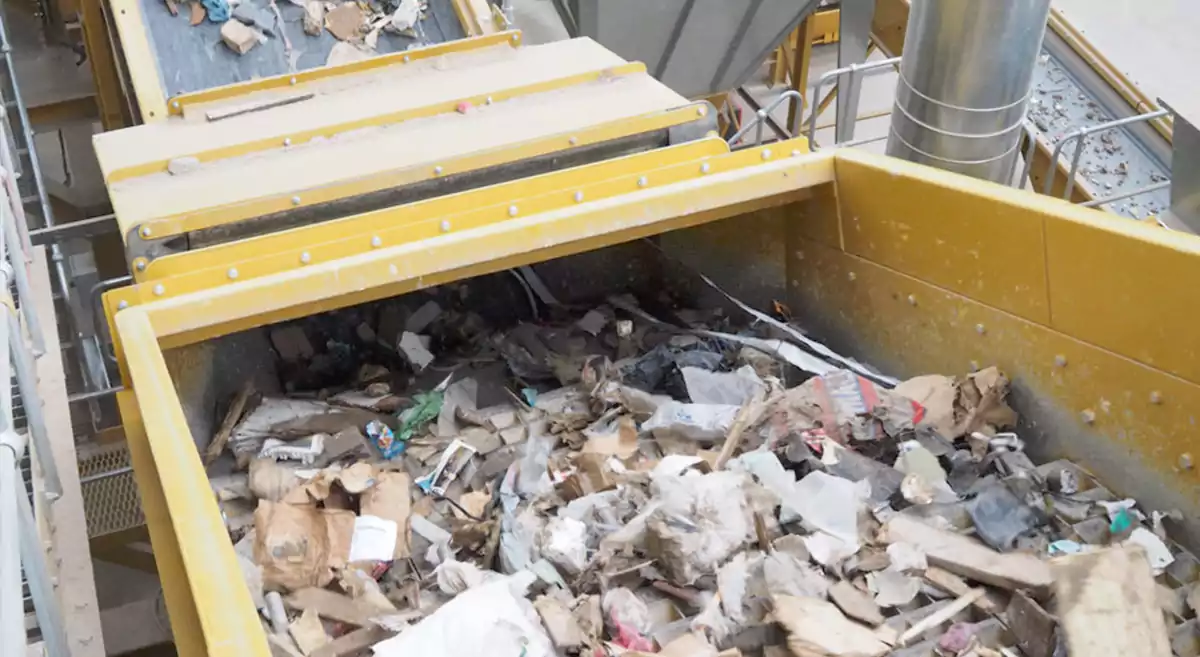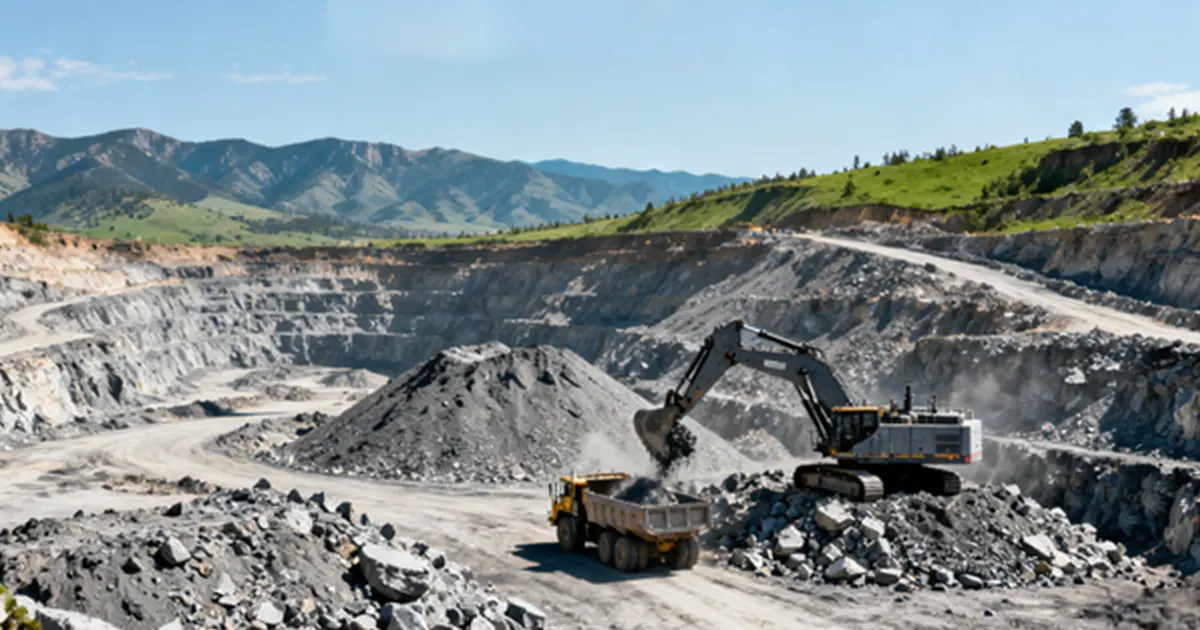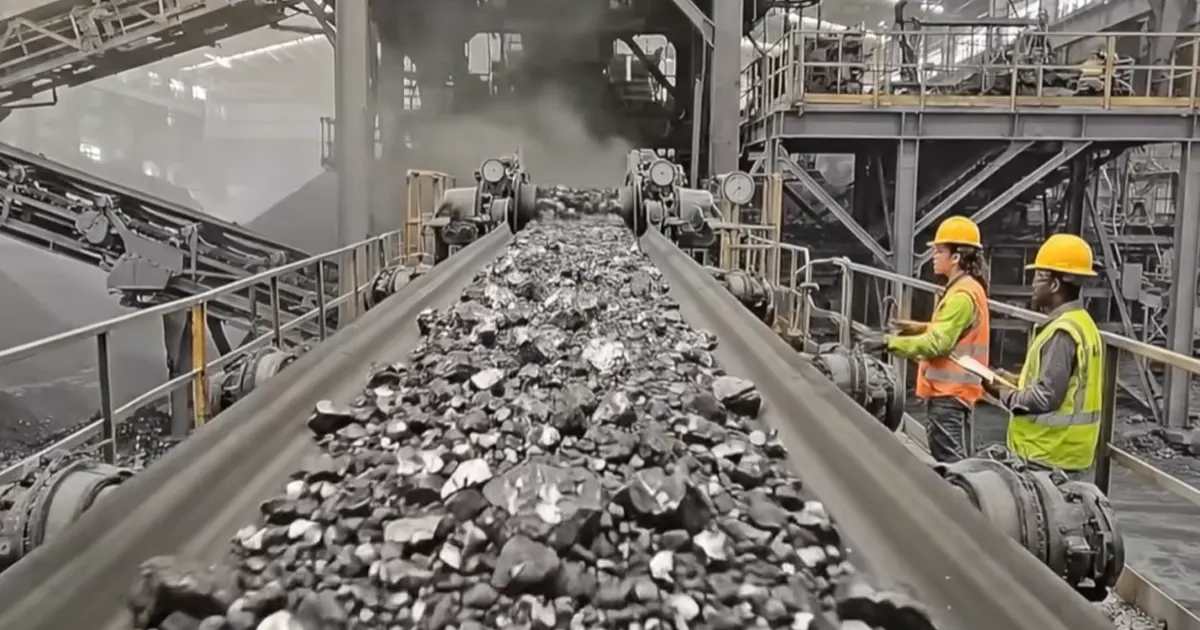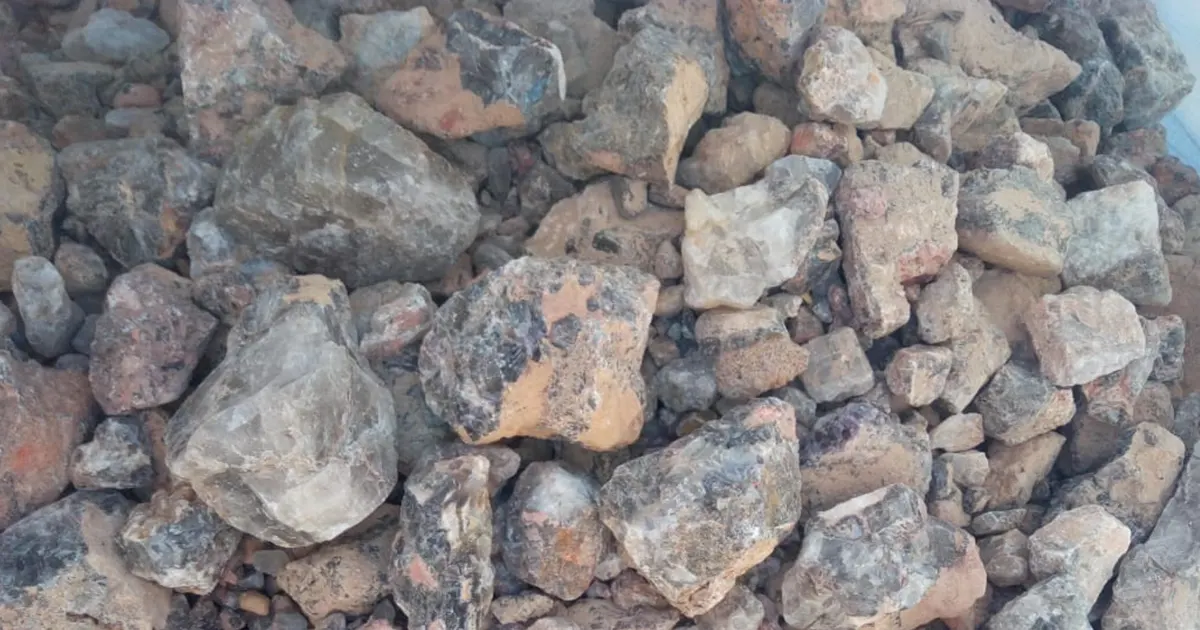
Dewatering in Mineral Processing means taking water out of mineral slurries. This step lowers moisture so you can move materials easier and keep production going. It also helps you recover water, so your plant can recycle more and use less new water. High-efficiency systems, like hydrocyclones and thickeners, help you get back more water and spend less on equipment.
| Aspect | Details |
|---|---|
| Water Loss in Tailings | 40–60% of all water lost stays in slurries in tailings. |
| Optimization Method | Math models help improve dewatering systems with hydrocyclones and thickeners. |
| Recovery Rate | Models found the best water recovery rates and system setups for different equipment sizes. |
| Cost Efficiency | Models tried to lower equipment costs while getting the water recovery rates needed. |
| Case Studies | Many case studies checked model results against real dewatering systems in copper plants. |
- You can recycle and reuse water in your plant.
- Dewatering helps you deal with water shortages.
- This process helps you use resources in the best way.
Key Takeaways
- Dewatering takes water out of mineral slurries. This makes materials easier to move and store.
- Good dewatering systems, like thickeners and hydrocyclones, help get water back for reuse. This saves money and resources.
- Lower moisture in products makes mineral processing safer and more efficient.
- Checking moisture levels and throughput often keeps dewatering systems working well.
- Picking the right dewatering equipment depends on particle size, moisture goals, and space.
- Using flocculants helps water recovery. They make small particles stick together so they are easier to separate.
- Cleaning and maintaining equipment often stops problems like screen blinding. This keeps things running smoothly.
- Recycling water can cut down on fresh water use a lot. It also helps protect the environment.
Dewatering in Mineral Processing: Fundamentals
Main Goals
When you do dewatering in mineral processing, you have three main goals.
Lower moisture
You want to get rid of extra water in your mineral concentrate. This helps lower the cost to move your product. You move less water and more valuable minerals. Less water also keeps your product safe. If there is too much water, the concentrate can turn into a liquid when moved. This is dangerous.
Water recovery
You try to get back as much water as you can from your process. This lets you use the same water again in your plant. You do not need to use as much new water. Good water recovery helps you save resources. It also helps you deal with times when water is hard to find.
Improved handling
Dewatering makes your material easier to work with. Drier products move better and are safer to store. You do not have sticky messes. Your plant can keep working without problems.
Tip: If you lower moisture and recover more water, your plant can make more money and be safer.
Process Steps
There are three main steps to take water out:
- Concentration
You use gravity to pull solids away from water. This step takes out about 60% of the water. Thickening is a common way to do this. You get a thick pulp with 55-65% solids. - Filtration
You use pressure or a vacuum to squeeze out more water. Filtration makes a solid cake with about 10-15% water left. This step is important if you want your product dry for storage or shipping. - Thermal drying
You use heat to dry out the last bit of water. This step costs the most money. You only use it when you need your product very dry.
| Step | Description |
|---|---|
| Thickening | Takes out most water, leaves a thick pulp with 55-65% solids. |
| Filtration | Makes a filter cake with about 10% water left. |
| Thermal Drying | Uses heat to get rid of the last water, mostly for special products. |
Key Outputs
You check how well dewatering works by looking at a few things.
Target moisture
You set a goal for how much water should stay in your product. This goal depends on how you will use or ship the material. For example, you might want 10% water in a filter cake.
Throughput
You measure how much material you can process in a certain time. Throughput can change if you have more tiny particles or clay in your mix. More clay means you need bigger filters and more time to filter.
Water reuse
You want to see how much water you can get back and use again. Thickening can get back 70-80% of the water as clear liquid. The more water you reuse, the less you need to buy or clean.
- Dewatering can change if you have very fine particles or lots of clay.
- You might need to use bigger filters or filter for longer to reach your goals for moisture and throughput.
Note: Watching these results helps you find problems early and keep your dewatering system working well.
Dewatering in Mineral Processing Methods
When you need to take water out of mineral slurries, there are different ways to do it. Each way works better for certain materials and goals. Let’s look at the main choices so you can see what fits your plant.
Gravity Sedimentation
Gravity sedimentation uses gravity to make solids sink out of water. You use this when you have a lot of slurry and want to remove most water before other steps.
Thickening
Thickening is the most common gravity sedimentation process. You put your slurry into a big tank called a thickener. The solids slowly sink to the bottom. You collect the clear water from the top. Thickeners work for many types of slurries and can handle different particle sizes.
Here are some good and bad things about gravity sedimentation:
| Advantages of Gravity Sedimentation | Disadvantages of Gravity Sedimentation |
|---|---|
| Can run all the time | Needs a lot of space |
| Handles different solids and sizes | Needs big watertight basins |
| Costs less to run and fix | Big units can be hurt by strong winds |
| Rake helps mix solids | Can cost more if you use flocculants |
You use thickeners to get a thick pulp with 55-65% solids. How much water is left depends on your feed and thickener size. This step helps save water and makes less waste.
Tip: If you want to get back a lot of water and keep costs down, thickening is a good first step.
Wet Classification
Wet classification helps you split fine and coarse particles using water flow. Hydrocyclones are the most used tool for this.
Hydrocyclones
Hydrocyclones spin your slurry very fast. Heavy solids move to the outside and drop down. Lighter water and fine particles go up and out. You use hydrocyclones to quickly remove water from sand, coal, or other granular materials.
Here is how wet classification works in different cases:
| Scenario | Effectiveness | Limitations |
|---|---|---|
| Circular Sump (Wet Pit) | Good for deep jobs and small lift stations | Vortexing can happen without baffles |
| Grinder pump stations | Works for small flows | Pumps are close together, rag balls can form |
| Deep tunnel dewatering | Very strong structure | Sludge can build up in the middle |
Hydrocyclones work fast and do not need much space. They are best for coarse particles. If you have lots of fine material, you may need another way to get the moisture down.
Mechanical Dewatering
Mechanical dewatering uses machines to squeeze, spin, or filter water out of solids. There are a few main types: screens, filters, and centrifuges.
Screens
Dewatering screens shake water out of sand, coal, or other granular materials. You get a product that is dry enough to move without water dripping. Screens are best for coarse materials.
Filters
Filters come in many types, like disc vacuum filters and plate-and-frame presses. You push or pull water through a filter cloth. This leaves a solid cake behind. Disc vacuum filters handle a lot of slurry and leave little water. Plate-and-frame presses make the cake even drier, but they need more space and wash water.
Centrifuges
Centrifuges spin your slurry very fast. The spinning pushes solids to the outside and lets water escape. Centrifuges are good for fine materials and can get low moisture. They use more power and can be loud, but they do not need wash water and take up less space.
Here is a table to help you compare these mechanical ways:
| Method | Feed Moisture Needed | Output Moisture | Key Features |
|---|---|---|---|
| Dewatering Screens | Wet, granular | Transportable | Simple, fast, best for sand and coal |
| Belt Filter Press | Below 97.5% | Below 82% | Low noise, big size, uses a lot of wash water |
| Plate-and-Frame Filter Press | Below 97% | 65-75% | Very dry cake, big size, uses a lot of wash water |
| Disc Vacuum Filter | Slurry | Low | Saves energy, good for fine particles |
| Centrifuge | 95-99.5% | 75-80% | Small size, no wash water, uses more power/loud |
Note: If you need to dewater fine particles, centrifuges and vacuum filters often work best. For coarse materials, screens are quick and easy.
Each method in dewatering in mineral processing has its own strengths. You can pick the best one by looking at your material, how dry you need your product, and how much space and power you have.
Thermal Drying
Direct fired rotary dryers
You might reach a point where you need your minerals almost bone dry. That’s where thermal drying comes in. Direct fired rotary dryers use heat to drive out the last bits of moisture. You feed your material into a big rotating drum. Hot air flows through, and the drum spins, tossing the minerals around so every piece gets heated.
Here’s what you can expect with moisture levels:
- Before thermal drying, your minerals usually have 5-15% moisture. Sometimes, if you store them in wet conditions, moisture can go up to 50%.
- After thermal drying, you aim for 0-5% moisture. This is perfect for materials that need to be shipped, stored, or processed further.
Thermal drying works best when you need a super dry product. You often use it for specialty minerals, like those going into chemicals or ceramics. It costs more than other methods because you need lots of energy. You also have to watch for dust and heat loss.
Tip: If you want to cut down on energy costs, make sure your feed is already as dry as possible before you use a rotary dryer.
You can run rotary dryers with different fuels. Some plants use natural gas, others use coal or oil. You pick what fits your budget and local rules. Rotary dryers handle big loads and work well with coarse materials. If you have fine particles, you might need extra dust control.
Dewatering Aids
Flocculants
You can boost your dewatering process with special chemicals called flocculants. These help tiny particles stick together and form bigger clumps, or “flocs.” When you add flocculants, the solids settle faster, and you get clearer water on top.
Flocculants play a big role in Dewatering in Mineral Processing. They help you:
- Neutralize surface charges on fine particles.
- Form larger, dense flocs that settle rapidly.
- Improve underflow density, so less water leaves with your tailings.
- Enhance overflow clarity for cleaner recycled water.
- Optimize filter performance, making your filter cake more permeable.
When you use flocculants, you see a denser underflow and less water in your waste. This means you recover more water and spend less on disposal. You also get better clarity in your recycled water, which helps your plant run smoother.
Flocculants work best in thickeners and clarifiers. You can adjust the dose to match your feed. If you use too much, you might get slimy cakes or clog your filters. If you use too little, your solids won’t settle fast enough.
Note: Always test your flocculant dose. Small changes can make a big difference in how well your dewatering system works.
Dewatering Equipment Overview
Thickeners
Thickeners are big tanks that help take water out of mineral slurries. Solids sink to the bottom, and you can get clear water from the top. Thickeners are good for plants that need to handle a lot of slurry and want to use water again. There are different kinds of thickeners, and each one works best for certain jobs.
| Type of Thickener | Application and Performance Metrics |
|---|---|
| Conventional Thickeners | Simple gravity-based tanks, lower underflow solids concentrations, widely used for general applications. |
| High-Rate Thickeners (HRTs) | Optimized for faster settling rates and higher throughput, suitable for large-scale operations. |
| High-Density Thickeners (HDTs) | Designed for denser underflows, ideal for operations needing aggressive water content reduction. |
| Paste Thickeners | Produce high solids content, essential for paste backfill or dry stacking, critical for water conservation. |
You get the best results when you pick the right thickener for your plant. Paste thickeners are great if you want to save water and make less waste. High-rate thickeners work fast and can handle more material at once.
Hydrocyclones
Hydrocyclones spin the slurry to separate solids from water. You put the slurry in, and heavy solids move to the outside and fall down. Lighter water and small particles go out the top. Hydrocyclones are fast and work well for sand, coal, and algae.
Hydrocyclones are good for dewatering things like algae because they do not use much energy and do not cost a lot. They work best when there are lots of solids in the slurry. But, they do not work for every kind of material, so you need to check first.
Hydrocyclones save money because they are cheap to buy and run. If your slurry has many solids, you get better results. They are not the best choice for every job, so always check if they fit your needs.
Dewatering Screens
Dewatering screens shake water out of coarse stuff like sand or coal. You use them right after sorting to get water out fast. This helps you get water back early and makes thickeners and filters work less. Dewatering screens make it easier to move and store your product.
| Use Case | Description |
|---|---|
| Mining | Dewatering screens help reuse water by taking it out right after sorting, so thickeners and filters do not have to work as hard. |
| Agriculture | They help control moisture in waste streams, making products easier to move and sending more water back to the process. |
| Dairy Production | Dewatering screens let you recycle sand with less water, so you can use it again faster and need less space. |
- Dewatering screens help other machines by getting water out early.
- They help you keep your product just right and get more water back.
- Using dewatering screens can mean you need smaller machines or can use your old ones longer.
You get more water to use again and your plant works better. Dewatering screens are important in Dewatering in Mineral Processing because they help you reach your moisture goals and recover more water.
Vacuum Filters
Vacuum filters use suction to pull water out of mineral slurries. You put your slurry on a filter cloth or ceramic plate. The vacuum pulls water through and leaves a solid cake. Vacuum filters work well for fine materials like copper concentrate or coal.
There are two main types: ceramic and cloth vacuum filters. Ceramic filters use less energy because they keep more vacuum. Cloth filters need bigger pumps and use more power. If you want to save energy, ceramic filters are a good pick.
| Equipment Type | Typical Installed Power | Estimated Operating Power | Energy Efficiency Notes |
|---|---|---|---|
| Ceramic Vacuum Filters | 10–50 kW | 8–40 kW | Lower vacuum loss; less wasted energy |
| Cloth Vacuum Filters | 100–200 kW | 80–150 kW | Higher vacuum losses, larger pumps needed |
| Pressure Filters | 20–60 kW | 15–50 kW | High pressurization costs |
You should watch how much energy you use. If you try to make your cake very dry, energy costs go up fast. Sometimes, leaving your cake a little wetter can save money.
Tip: Vacuum filters help you recycle water and keep your plant working well.
Pressure Filters
Pressure filters use high pressure to squeeze water out of slurry. You fill a chamber with slurry and press it tight. Water goes through the filter cloth and leaves a dry cake. Pressure filters are good for things that need very low moisture, like gold concentrate or special chemicals.
Pressure filters cost more to run because they need strong pumps. You get drier cakes, but you pay more for energy. If you need a very dry product, pressure filters are the best choice.
- You can get lower moisture than with vacuum filters.
- You spend more on pumps and fixing the machine.
- You get clear water to use again, which saves resources.
Pressure filters are great when you must meet strict moisture rules for shipping or storage.
Belt Filters
Belt filters use a moving belt to carry slurry through rollers. Water drains out as the belt moves, leaving a solid cake. Belt filters can run all the time, so your plant works faster.
| Benefit | Description |
|---|---|
| Continuous operation | The belt filter press operates continuously, enhancing efficiency. |
| Low energy consumption | It requires relatively low energy, making it cost-effective. |
| Simple operation and maintenance | The design allows for easy operation and maintenance, reducing downtime. |
| Good throughput/cost ratio | It offers an effective balance between throughput and operational costs. |
| Effective solids capture | The system is designed to capture solids efficiently during the dewatering process. |
Belt filters are tough and last over 16 years. They use strong materials, so you do not fix them often. You can process up to 410 tons per hour. Belt filters are safe and easy to use, with quick maintenance features.
If you want a reliable and low-cost way to dewater fine materials, belt filters are a smart choice.
Centrifuges
Centrifuges spin your slurry at high speed. This spinning action pushes solids to the outside and lets water move away. You get a drier product and cleaner water. Centrifuges work best when you deal with fine particles or need to save space.
When should you use a centrifuge?
- You have fine or ultra-fine particles.
- You want to lower moisture more than a screen can.
- You need a compact machine for a small plant.
- You want to avoid using lots of wash water.
Pros and Cons Table:
| Pros | Cons |
|---|---|
| Handles fine particles well | Uses more power |
| Small footprint | Can be noisy |
| Fast operation | Higher cost to buy and fix |
| No need for wash water | Not ideal for coarse solids |
You often see centrifuges in coal, potash, and mineral sands plants. They help you get drier cake and recover more water for reuse. You can also use them for tailings or when you want to cut down on waste.
Tip: If you want to save energy, run your centrifuge at the lowest speed that still gets the dryness you need.
Centrifuges help you recycle water and shrink your waste pile. You can fit them into tight spaces, so they work well in plants with limited room.
Rotary Dryers
Rotary dryers use heat to dry your minerals. You feed wet material into a big, spinning drum. Hot air flows through the drum and dries the material as it tumbles. You get a very dry product at the end.
When should you use a rotary dryer?
- You need your product almost bone dry.
- You process minerals for chemicals, ceramics, or special uses.
- You want to lower moisture below what filters or screens can do.
Pros and Cons Table:
| Pros | Cons |
|---|---|
| Gets product very dry | High energy use |
| Handles large volumes | Needs dust control |
| Works with coarse materials | Higher running costs |
| Can use different fuels | Not ideal for fine slurries |
You often use rotary dryers for specialty minerals or when you must meet strict shipping rules. They work best after you remove as much water as possible with other methods.
Note: Always try to pre-dry your feed before using a rotary dryer. This step saves you money on fuel.
Rotary dryers help you cut down on storage problems and make your product safer to ship. You can also recover some heat or use the exhaust for other plant needs. This helps you save energy and reduce waste.
Equipment Selection Guide
Choosing the right dewatering equipment can feel tricky, but you can make it easier by looking at a few key things. Let’s break down what you need to check before you decide.
Feed Characteristics
The first thing you want to look at is your feed. This means the material you want to dewater. Every feed is different, so you need to match your equipment to what you have.
Particle size
Start by checking the size of the particles in your slurry. Are they big like sand, or tiny like clay? If you have coarse particles, dewatering screens or hydrocyclones work well. For fine or ultra-fine particles, you might need filters or centrifuges. The size affects how fast water drains and how dry your product gets.
Tip: If your feed has a mix of sizes, you may need more than one type of equipment to get the best results.
Solids percentage
Next, look at how much solid material is in your slurry. If you have a high solids percentage, you can use thickeners or belt filters. If your slurry is very watery, you might need to concentrate it first. The more solids you have, the easier it is to get water out.
- High solids: Thickeners, belt filters, pressure filters
- Low solids: You may need to thicken first
Clay/fines content
Clay and fine particles can make dewatering harder. They hold onto water and slow down the process. If you have lots of clay, you might need to use flocculants to help the particles stick together. This makes them settle faster and helps your equipment work better.
Note: Always check for clay and fines before you pick your equipment. They can change how well your system works.
When you look at your feed, don’t forget to check other properties like hardness, density, and moisture content. These things can change how your equipment performs. If your feed changes a lot, you may need to adjust your setup to keep getting a dry product.
Moisture Targets
You need to know how dry you want your product to be. This is your moisture target. Some plants need a very dry product for shipping or storage. Others just want to get rid of enough water to move the material safely.
- If you need a very dry product (like less than 10% moisture), you might use pressure filters or rotary dryers.
- If you only need to lower the moisture a little, thickeners or screens might be enough.
Moisture targets matter for more than just shipping. They help you meet environmental rules and save money. New dewatering technologies, like automated controls and special polymers, can help you hit your targets more easily. When you manage moisture well, you save on costs and recover more resources.
Remember: Set your moisture target before you choose your equipment. This helps you pick the right tools and avoid surprises later.
Throughput & Constraints
Throughput means how much material you want to process in a certain time. You need to pick equipment that can keep up with your plant’s needs. If your equipment is too small, you’ll get bottlenecks. If it’s too big, you might waste money.
You also need to think about other limits, like space, power, and maintenance. Some equipment uses more energy or needs more room. Others need frequent checks or special care.
Here’s a quick look at common constraints and how you can handle them:
| Constraint Type | Description | Solution |
|---|---|---|
| Pressure Limits | Too much pressure can stop the process. | Use alarms to warn you and stop the system if needed. |
| Polymer Adjustments | You need the right amount of polymer for good dewatering. | Prime the polymer and set the right dose before you start. |
| Monitoring Frequency | You need to check the system often to keep it running smoothly. | Check every 30–60 minutes to catch problems early. |
| Polymer Line Plugging | If the polymer line plugs, dewatering slows down or stops. | Clear the line and reset the system as soon as you notice a problem. |
Tip: Regular checks and quick fixes help you avoid downtime and keep your dewatering system running strong.
When you look at all these factors—feed, moisture targets, and throughput—you can pick the best equipment for your plant. Dewatering in Mineral Processing works best when you match your tools to your needs and keep an eye on your system every day.
Water Recovery Priorities
When you pick dewatering equipment, you need to think about how much water you want to recover. Water is valuable in mineral processing. If you can reuse more water, you save money and help the environment. Your water recovery goals will shape your whole setup.
First, you should make a plan for how water moves through your plant. This is called a mass balance. It helps you track where water goes and how much you can get back. You can use this plan to spot places where you lose water and find ways to fix it.
Here’s a simple table to show how you can set up your water recovery strategy:
| Strategy Component | Description |
|---|---|
| Mass Balance Development | Track all water and materials in your process. |
| Process Flowsheet Optimization | Change your process steps to use less water and make less waste. |
| Equipment Selection | Pick the best equipment for your water recovery goals and budget. |
You have many choices for dewatering. Each one recovers water in a different way:
- Filtration: Uses a filter to separate water from solids.
- Thickening: Lets solids settle so you can collect clear water.
- Centrifugation: Spins the slurry to push water out.
- Vacuum Dewatering: Pulls water out with suction.
- Paste Technology: Makes a thick paste that holds less water.
If you want to recycle as much water as possible, you need to look at water quality too. Sometimes, you need to treat the water before you can use it again. Good planning helps you meet rules and keep your plant running smoothly.
Tip: Always check your water recovery numbers. Small changes in your process can help you save a lot of water and money.
Cost Considerations
Cost is a big part of picking dewatering equipment. You want to get the best value for your money. You need to look at more than just the price tag. Think about how much it costs to run, fix, and keep the equipment working for years.
Here’s a table to help you see the main cost factors:
| Cost Factor | Description |
|---|---|
| Initial Equipment Costs | The price you pay to buy and install the equipment. |
| Long-term Operational Expenses | The money you spend to run the equipment every day. |
| Total Cost of Ownership | All costs added up over the life of the equipment. |
| Maintenance Costs | The cost to keep the equipment in good shape and fix it when it breaks. |
| Efficiency of Technologies | How well the equipment works compared to how much it costs. |
You also need to think about these things:
- How much space the equipment needs and how hard it is to install.
- How much material it can handle each day.
- How tough and long-lasting the parts are.
- How much you spend on power, wash water, and chemicals like flocculants.
- How easy it is to get help or spare parts if something breaks.
Some methods cost more than others. For example, using a mechanical evaporator to get rid of water might cost about $0.20 for each cubic meter. Treating water in a special plant can cost more than $2.00 for each cubic meter. That means evaporation is often cheaper than treatment.
Note: Always look at the total cost, not just the starting price. The cheapest option at first may cost you more in the long run.
When you balance water recovery with cost, you can pick the right equipment for your plant. This helps you save money, recover more water, and keep your operation running strong.
Dewatering Screens & Media
When to Use Dewatering Screens
You might wonder when you should use dewatering screens in your plant. Dewatering screens work best when you need to remove water from coarse or mid-sized particles, like sand or coal. They help you get a drier product fast, so you can move or store it without trouble. You also get cleaner water to recycle back into your process.
Before you pick a dewatering screen, you should look at a few key things. Here’s a table to help you see what matters most:
| Factor | Description |
|---|---|
| Hourly Processing Capacity | You need to know how much material you want to process each hour. This helps you pick the right size screen and keeps up with your plant’s needs. |
| Target Product Moisture | Think about how dry you want your product. If you need very low moisture, you might need a special high-frequency screen. |
| Recovery Rate Requirements | If you want to keep as many fine particles as possible, you’ll need a fine-mesh screen to stop them from washing away. |
| Structure and Performance | The size of the screen, the angle it sits at, how it vibrates, and the type of screen all change how well it works. |
| Process Layout and Installation | Check your space. Make sure the screen fits and works with your other equipment. Look at how you feed material in and take it out. |
| Energy Consumption and Costs | Dewatering screens use power. You want a screen that saves energy and doesn’t cost too much to run or fix. |
| Reliability and After-Sales | Pick a brand with good service and strong parts. This keeps your plant running and helps you fix problems fast. |
| Special Working Conditions | Sometimes you need screens that resist rust or can handle smart controls. Think about future upgrades, too. |
Tip: If you want to keep your plant running smoothly, always match your screen to your process and space.
Screen Media Options
You have a few choices when it comes to the screen media—the part that actually separates water from solids. Each type has its own strengths. Here are the most common options:
- Woven Wire Mesh: You can swap these out quickly. They come in high carbon, oil tempered, and stainless steel. Each type lasts differently and works best in certain jobs.
- Perforated and flame cut plate: These plates stand up to heavy hits and lots of wear. You’ll often see them used for a second round of screening.
- Polyurethane: This is a top pick for wet jobs. Polyurethane panels are modular, so you can install or replace them easily. They last a long time and handle tough conditions.
- Rubber: Rubber works well when you have dry, high-impact jobs. It also helps stop blinding when you screen wet materials.
- Hybrid screens: Sometimes you need the best of both worlds. Hybrid screens mix materials to give you better performance and longer life.
You can boost your screen’s life and performance by picking the right media for your material and moisture needs.
Polyurethane panels
Polyurethane panels shine in wet dewatering. They resist wear and last longer than metal. You can snap them in and out, which saves you time during maintenance. They also help stop blinding, so your screen keeps working.
Wedge wire
Wedge wire screens give you sharp, precise openings. They work well for fine screening and let water drain fast. You get a strong screen that stands up to heavy use.
Woven wire
Woven wire screens are flexible and easy to change. You can pick from different wire types, like stainless steel, to match your job. They work best when you need to swap screens often or handle different materials.
Preventing Blinding
Blinding happens when your screen holes get clogged. Water can’t drain, and your screen stops working right. You can fight blinding with a few smart moves.
Aperture and open area
Pick the right size holes (apertures) for your material. Bigger holes let water out faster but might lose fine particles. Smaller holes keep more solids but can clog. You want a balance—enough open area for drainage, but not so much that you lose product.
Vibration and spray control
Vibration helps shake loose any stuck material. You can adjust the vibration settings to match your feed. Some screens use water sprays to wash away clogs. Just don’t use too much water, or you’ll undo your dewatering work.
Note: Regular checks and cleaning keep your screens clear. If you spot blinding early, you can fix it before it slows down your plant.
You can keep your dewatering screens running strong by choosing the right media, setting the right vibration, and watching for blinding. This way, you get drier products, cleaner water, and a smoother operation every day.
Performance Parameters
Solids Concentration
Solids concentration is one of the first things you should check when you want to see how well your dewatering system works. This number tells you how much solid stuff is in your slurry or filter cake. If you get the solids concentration right, you can make your minerals easier to handle and move. Dewatering screens help you lower the moisture content, so your product is less sticky and easier to ship.
When you have more solids in your mix, you get a drier product. This means you can stack, store, or transport your minerals without making a mess. If your solids concentration is too low, your product stays wet and hard to manage. You want to find the sweet spot for your plant.
Here are some things that affect solids concentration:
- The speed of your rollers or screens. If you run them too fast, you get less time for water to drain, and your cake stays wetter.
- The use of flocculants. These chemicals help tiny particles stick together, so more solids stay in the cake and less go out with the water.
- The type of equipment you use. Vacuum filtration, centrifugation, and pressure filtration all work a bit differently, but each one helps you get water out of your minerals.
If you control solids concentration, you get better moisture control and a higher-quality product.
Residence Time
Residence time means how long your material stays in the dewatering equipment. This is a big deal because it changes how much water you can remove. If you let your slurry sit longer, more water drains out, and your cake gets drier. If you rush things, you might end up with a wet product.
You can change residence time by adjusting the speed of your screens, rollers, or centrifuges. For example, if you slow down a belt filter, the cake has more time to form and dry. But if you go too slow, you might not process enough material to keep up with your plant’s needs.
Here’s a quick tip:
- Try to balance residence time and throughput. You want your equipment to run fast enough to handle your feed, but not so fast that you lose dryness.
Bed Depth
Bed depth is how thick the layer of solids is on your screen or filter. This might sound simple, but it makes a big difference. If your bed is too thin, water drains quickly, but you might lose fine particles. If your bed is too thick, water can get trapped, and your cake stays wet.
You can control bed depth by changing how much material you feed onto the screen or filter. Some plants use sensors to watch bed depth and keep it just right. The goal is to get a layer that lets water drain but still holds onto the valuable solids.
| Performance Parameter | Description |
|---|---|
| Solids Concentration | How much solid is in your cake or slurry. |
| Residence Time | How long your material stays in the equipment. |
| Bed Depth | How thick the layer of solids is on your screen or filter. |
Keep an eye on these three things. When you get them right, your dewatering system runs smoother, and you get a better product every time.
Vibration Settings
Vibration settings play a big role in how well your dewatering screens work. You might not think about it much, but the way your screen shakes can change everything. If you get the vibration right, you pull more water out and keep your product dry. If you miss the mark, you end up with wet material and wasted energy.
You control vibration with three main things:
- Frequency: How fast the screen shakes each second.
- Amplitude: How far the screen moves with each shake.
- Angle: The tilt of the screen as it vibrates.
Let’s break down what each setting does:
| Setting | What It Changes | Best For |
|---|---|---|
| Frequency | Speed of water removal | Fine particles, fast drainage |
| Amplitude | Strength of shake | Coarse material, tough clumps |
| Angle | Flow direction and speed | Adjusting throughput and dryness |
If you use a high frequency, you shake out water from fine particles. Low frequency works better for big chunks. Amplitude helps you break up sticky material. Angle lets you control how fast solids move across the screen.
Tip: Try changing one setting at a time. Watch how your product changes. Small tweaks can make a big difference.
You might see these problems if your vibration settings are off:
- Wet cake that sticks to the screen
- Fine particles lost in the water
- Screen blinding or clogging
- Too much noise or wear
You can fix these issues by:
- Checking your screen’s manual for recommended settings.
- Running a test batch and measuring moisture.
- Adjusting frequency or amplitude slowly.
- Watching for blinding and cleaning the screen if needed.
Here’s a quick checklist for tuning vibration:
- Start with the manufacturer’s settings.
- Increase frequency for finer material.
- Boost amplitude for sticky or coarse feed.
- Adjust angle to balance dryness and throughput.
- Monitor noise and wear—too much vibration can damage your screen.
If you want to save energy, use the lowest vibration that still gets your product dry.
You can use smart controls to automate vibration. Some screens have sensors that change settings based on feed. This helps you keep your product just right without guessing.
Vibration settings help you get drier material, recover more water, and keep your plant running smoothly. If you pay attention to these controls, you get better results every day.
Troubleshooting Dewatering Issues
High Moisture
You might notice your dewatered product feels wetter than it should. High moisture can cause big problems. Wet minerals are hard to move, cost more to ship, and can even make your plant less safe. So, why does this happen?
Fine particles, like sand or iron ore fines, hold onto water because of their small size. Water sticks to these tiny grains through capillary action. If you work with sand, you know it can stay wet for a long time, especially in humid weather. Traditional drying methods, like using heat, often cost a lot and may not work well when the air is already damp.
You can try a few things to fix high moisture:
- Check your feed size: If your material has lots of fines, you may need to add a pre-screen or use a different dewatering method.
- Use dewatering aids: Chemicals like surfactants or flocculants help tiny particles stick together. This makes it easier for water to drain out.
- Adjust your equipment: Slow down your screens or filters to give water more time to escape.
- Watch your stockpiles: Pile your sand or minerals in a way that lets water drain. Avoid making tall, tight piles that trap moisture.
Tip: Try using dewatering aids if you struggle with fine particles. They can help you get a drier product without spending more on energy.
Low Water Recovery
Sometimes, you see that your plant is not getting back as much water as you hoped. Low water recovery means you need to buy or treat more fresh water, which costs money and hurts your water-saving goals.
Here’s what you can do:
- Check for leaks: Walk around your plant and look for dripping pipes or puddles. Even small leaks add up.
- Inspect your thickeners and filters: Make sure they are not overloaded. If you push too much material through, water does not have time to separate.
- Clean your equipment: Clogged screens or filter cloths slow down water flow. Clean them often to keep things moving.
- Optimize your process: Use a mass balance to track where water goes. You might find places where you can recycle more water.
Note: Every drop you recover helps your plant run better and saves you money.
Screen Blinding
Screen blinding happens when your dewatering screen gets clogged. Water can’t drain, and your product stays wet. You might see this if you process sticky or fine materials.
To prevent blinding:
- Pick the right screen media: Polyurethane panels or wedge wire screens resist clogging better than woven wire.
- Adjust vibration: Change the frequency or amplitude to shake off stuck particles.
- Use spray bars: A gentle water spray can help clear the screen, but don’t overdo it or you’ll add too much water back.
- Clean regularly: Set a schedule to check and clean your screens before problems start.
| Problem | Quick Fixes |
|---|---|
| High Moisture | Use dewatering aids, adjust screens |
| Low Water Recovery | Check leaks, clean equipment |
| Screen Blinding | Change media, adjust vibration |
If you keep your screens clear, you get drier products and recover more water for reuse. That means less waste and a smoother operation.
Filter Cloth Blinding
Filter cloth blinding can slow down your whole dewatering process. When your filter cloth gets clogged, water cannot pass through. You end up with wetter cakes and longer cycle times. If you see your filter press working slower or notice the cakes look slimy, you might have a blinding problem.
Why does filter cloth blinding happen?
- Fine particles, like clay or ultra-fines, can fill up the tiny holes in your cloth.
- Using too much flocculant or the wrong type can leave sticky residue.
- Oil, grease, or scale from your process water can build up over time.
- Not cleaning your cloths often enough lets solids harden and block the pores.
How can you fix filter cloth blinding?
- Wash your cloths regularly.
Use high-pressure water or air to clean the cloth after each cycle. If you skip this, solids will keep building up. - Pick the right cloth material.
Some cloths work better for certain minerals. Polypropylene and polyester are common, but you might need a special weave for sticky or fine materials. - Try chemical cleaning.
If water alone does not work, use a mild acid or detergent to break down oils or scale. Always rinse well before starting the next batch. - Check your flocculant dose.
Too much flocculant can make a slimy layer that blocks the cloth. Test different doses to find the sweet spot. - Rotate your cloths.
If you have spare cloths, swap them out and clean the dirty ones off-line. This keeps your press running and gives you time for deep cleaning.
Tip: If you see uneven cakes or water leaking around the edges, check for wrinkles or damage in your cloth. A smooth, tight fit helps prevent blinding.
Here’s a quick table to help you troubleshoot:
| Problem Sign | Possible Cause | What You Can Do |
|---|---|---|
| Slow filtration | Blinded cloth | Wash or replace cloth |
| Slimy filter cakes | Too much flocculant | Adjust dose, clean cloth |
| Uneven cake release | Wrinkled or old cloth | Re-tension or replace cloth |
| Water bypass/leaks | Poor cloth fit | Check installation, fix edges |
You can keep your dewatering system running strong by staying on top of filter cloth care. Clean cloths mean drier cakes, faster cycles, and more water you can reuse in your plant. If you make filter cloth maintenance a habit, you will see fewer problems and save money on repairs.
Best Practices Checklist
Sampling & Monitoring
You want your dewatering system to work its best every day. Regular sampling and monitoring help you spot problems before they get big. Take samples from your feed, underflow, and overflow. Check moisture, solids content, and particle size. Write down your results in a logbook or digital sheet.
Here’s a simple checklist for sampling and monitoring:
- Take samples at the same time each shift.
- Use clean tools for every sample.
- Test for moisture and solids right away.
- Record your numbers so you can see trends.
- Compare your results to your target values.
Tip: If you see a sudden change in moisture or solids, check your equipment right away. Quick action can save you from bigger issues.
Cleaning Routines
Clean equipment works better and lasts longer. Dirt, scale, and leftover solids can clog screens, filters, and pipes. Set up a cleaning routine for your team. Make it part of your daily or weekly schedule.
You can use this cleaning routine as a guide:
- Turn off and lock out equipment before cleaning.
- Remove solids from screens and filters with brushes or water sprays.
- Wash filter cloths with high-pressure water or air.
- Check for stuck material in pipes and tanks.
- Wipe down control panels and handles.
A clean plant runs smoother and safer. You also lower the risk of breakdowns and costly repairs.
Note: If you clean a little every day, you avoid big messes later.
Spare Parts
You never know when a part will break or wear out. Keeping spare parts on hand helps you fix problems fast. Make a list of the most important parts for your dewatering equipment. Store them in a dry, easy-to-find place.
Here’s a table of common spare parts you might need:
| Equipment Type | Common Spare Parts |
|---|---|
| Dewatering Screens | Screen panels, bolts, seals |
| Filters | Filter cloths, gaskets |
| Pumps | Seals, bearings, impellers |
| Centrifuges | Wear liners, bearings |
Check your spare parts stock every month. Replace anything you use right away. If you keep the right parts ready, you can fix breakdowns quickly and keep your plant running.
Alert: Don’t wait until something breaks to order a new part. Plan ahead and stay prepared.
Inspection Frequency
You want your dewatering system to run smoothly every day. Regular inspections help you catch problems before they turn into big headaches. Set a schedule for checking your equipment. Most plants do daily visual checks and deeper inspections every week or month.
Here’s a simple way to plan your inspections:
| Inspection Type | How Often | What to Check |
|---|---|---|
| Visual Walk-Through | Every shift | Leaks, noise, vibration, obvious wear |
| Weekly Inspection | Once a week | Screen panels, filter cloths, pumps |
| Monthly Inspection | Once a month | Bearings, seals, structural supports |
Tip: Use a checklist for each inspection. This helps you remember every step and keeps your records organized.
If you spot something odd, like a strange sound or a wet spot, write it down and tell your team. Quick action can save you time and money.
Water Recycling
Water is valuable in mineral processing. You can save money and help the environment by recycling as much water as possible. Start by collecting water from your thickeners, filters, and screens. Send this water back into your process instead of letting it go to waste.
Try these steps to boost your water recycling:
- Use clear overflow from thickeners for washing and mixing.
- Treat recycled water if it looks dirty or has chemicals.
- Fix leaks right away to stop water loss.
- Track how much water you recycle each week.
Note: Every gallon you recycle means less fresh water you need to buy or treat.
If you make water recycling a habit, you help your plant run better and meet environmental rules.
Screen Media Care
Your screen media works hard every day. If you take care of it, you get better dewatering and longer screen life. Start by cleaning your screens after each shift. Remove stuck solids with a brush or gentle spray.
Follow these tips for top screen media care:
- Inspect panels for cracks or wear during every cleaning.
- Tighten loose bolts or fasteners right away.
- Rotate or replace worn panels before they fail.
- Use the right cleaning tools—avoid sharp objects that can damage the screen.
Alert: Damaged screen media can lead to blinding, poor dewatering, and lost product.
Keep spare panels on hand so you can swap them out fast. If you care for your screen media, you keep your plant running and your product dry.
Flocculant Dosing
Getting your flocculant dosing right can make or break your dewatering process. If you add too much, you waste chemicals and might get slimy filter cakes. If you add too little, your solids will not settle, and your water stays cloudy. You want to find the sweet spot.
Here’s how you can dial in your flocculant dosing:
- Start with a jar test. Mix a small sample of your slurry with different amounts of flocculant. Watch how fast the solids settle and how clear the water gets.
- Adjust the dose slowly. Make small changes and check the results. Big jumps can throw off your whole system.
- Watch your underflow and overflow. If your underflow is too thin or your overflow looks dirty, tweak your dose.
- Check your mixing. Flocculants need good mixing to work. Use a slow mixer so you do not break up the flocs.
Tip: Keep a log of your flocculant use and results. This helps you spot trends and fix problems faster.
| Problem | What to Check | Possible Fix |
|---|---|---|
| Slimy filter cake | Too much flocculant | Lower the dose |
| Cloudy overflow | Too little flocculant | Increase the dose |
| Slow settling | Poor mixing | Improve mixing speed |
Vibration Adjustment
Vibration settings on your dewatering screens can change everything. If you get them right, you pull out more water and keep your product dry. If you miss the mark, you end up with wet material or even damage your screen.
Here’s what you can do:
- Start with the manufacturer’s settings. These are a good baseline.
- Tweak frequency and amplitude. Higher frequency works for fine particles. More amplitude helps with sticky or coarse feed.
- Adjust the angle. A steeper angle moves solids faster but may leave them wetter. A flatter angle gives more drying time.
- Listen and watch. If your screen sounds odd or shakes too much, stop and check for problems.
Note: Change one setting at a time. This way, you know what works and what does not.
Data Logging
You can’t improve what you don’t measure. Data logging helps you track how your dewatering system performs every day. When you keep good records, you spot problems early and make better decisions.
Here’s how to get started:
- Pick what to track. Log moisture content, solids concentration, flow rates, and flocculant use.
- Use simple tools. A notebook, spreadsheet, or even a phone app works fine.
- Record data at the same time each shift. This keeps your numbers consistent.
- Review your data weekly. Look for trends or sudden changes.
Pro Tip: Share your data with your team. When everyone knows what’s happening, you solve problems faster and keep your plant running strong.
Training & SOPs
You want your team to know exactly what to do. Good training makes your plant safer and more efficient. Standard Operating Procedures (SOPs) help everyone follow the same steps every time. When you train your staff, you lower the risk of mistakes and accidents.
Here’s how you can build strong training and SOPs:
- Start with basics. Teach new workers about the equipment and safety rules.
- Use clear SOPs. Write instructions in simple language. Add pictures or diagrams if you can.
- Practice together. Walk through each step as a group. Let everyone ask questions.
- Update often. Change your SOPs when you get new equipment or find a better way to do something.
- Test knowledge. Give short quizzes or hands-on tests to check understanding.
Tip: Keep your SOPs in a place where everyone can see them. If someone forgets a step, they can check the guide right away.
Troubleshooting Steps
Problems can pop up at any time. You need a plan to fix them fast. Troubleshooting steps help you find and solve issues before they slow down your plant.
Try this simple troubleshooting checklist:
- Spot the problem. Look for leaks, strange noises, or wet product.
- Check the basics. Make sure power is on and settings are correct.
- Inspect equipment. Look for clogged screens, worn parts, or loose bolts.
- Review recent changes. Did you switch materials or change a setting?
- Ask your team. Sometimes, someone else has seen the problem before.
- Use your data. Check logs for patterns or sudden changes.
| Problem Type | What to Check First | Quick Fix |
|---|---|---|
| High moisture | Screen speed, flocculant dose | Adjust settings, clean |
| Low throughput | Feed rate, blockages | Clear clogs, slow feed |
| Equipment noise | Bearings, loose parts | Tighten, lubricate |
Stay calm when things go wrong. Follow your checklist and you’ll solve most problems quickly.
Manufacturer Support
Sometimes, you need extra help. Manufacturer support can save you time and money. Good suppliers offer more than just equipment. They give you advice, spare parts, and training.
Here’s what you should expect from your manufacturer:
- Technical support. Call or email for help with setup or repairs.
- Spare parts supply. Order parts quickly to avoid long downtimes.
- On-site visits. Some companies send experts to your plant for training or troubleshooting.
- Upgrades and tips. Get advice on new products or ways to improve your process.
Note: Build a good relationship with your supplier. When you trust each other, you get better service and faster solutions.
If you use these best practices, your dewatering system will run smoother and last longer. Your team will feel confident, and your plant will stay productive.
Conclusion
When you choose the best way and tools for Dewatering in Mineral Processing, you get more water back and make less waste. Look at this table to see how your choices help:
| Equipment Type | Water Recovery | Waste Reduction |
|---|---|---|
| Dewatering Equipment | More water to reuse | Less water left in slurries |
| Tailings Management Systems | Easier handling | Lower transport and impact |
You can do even better if you use new technology and smart systems. If you need strong screen media, Anpeng has polyurethane panels, wedge wire, and anti-blinding choices. Pick a screen that matches your material, particle size, and how dry you want your product for the best results.
FAQ
What is the main goal of dewatering in mineral processing?
You want to remove water from mineral slurries. This helps you get a drier product, recover more water for reuse, and make your plant safer and more efficient.
How do I choose the right dewatering equipment?
Start by looking at your material’s particle size and moisture target. Think about how much you need to process each hour. Check your budget and space. If you need help, ask your equipment supplier for advice.
Can I reuse water from dewatering processes?
Yes! You can collect water from thickeners, filters, and screens. Reusing this water saves money and helps the environment. Just make sure the water is clean enough for your process.
Why does my dewatering screen keep blinding?
Blinding happens when fine particles clog the screen holes. Try using anti-blinding screen media, adjust vibration settings, or add a spray bar. Clean your screens often to keep them working well.
What are flocculants, and why should I use them?
Flocculants are chemicals that help tiny particles stick together. When you add them, solids settle faster, and you get clearer water. They make your dewatering process quicker and more efficient.
How can I lower the moisture in my final product?
You can slow down your screens, use stronger vibration, or add a filter press. Sometimes, adding flocculants or using thermal drying helps. Test different settings to see what works best for your plant.
What should I do if my filter cloth blinds too quickly?
Try washing your cloths more often. Use the right type of cloth for your material. Adjust your flocculant dose if cakes look slimy. If problems continue, ask your supplier for a better cloth option.