
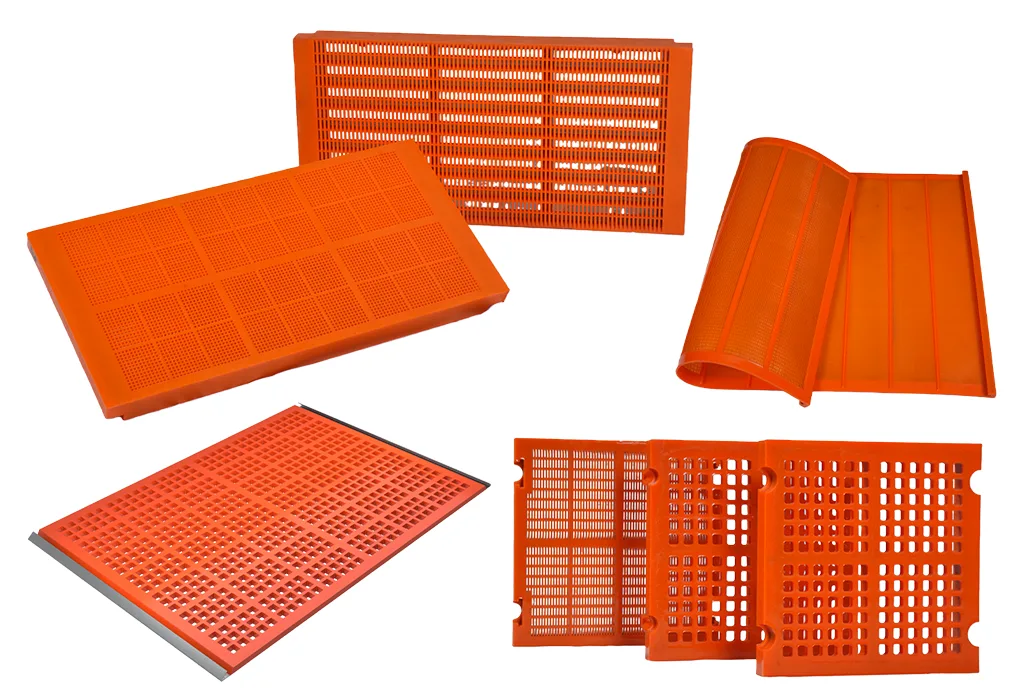
Dewatering Screen Panels
Wear-Resistant Dewatering Screen Media — Factory Direct Manufacturer
Dewatering screen panels are the screening surface installed on dewatering screens to help remove water from wet material while retaining valuable solids. As a direct manufacturer, Anpeng produces dewatering screen panels customized to your screen deck, including aperture design, thickness, open area, and fixing system. Send your cut size and deck drawing—our team will recommend a practical panel layout for stable performance and long wear life.
What Are Dewatering Screen Panels?
Dewatering screen panels (also called dewatering screen media or dewatering screen deck panels) are used on dewatering screens to separate water from sand, aggregate, ore, coal, and other wet materials. In sand washing plants and wet screening lines, the right panel design can help reduce moisture content, improve stockpiling and transport, and minimize loss of fine material (application dependent).
Key Benefits in Dewatering Applications
Well-matched panel apertures and open area support efficient drainage so your product comes out drier and easier to handle.
With the correct aperture design and deck layout, you can reduce fine loss and improve overall yield in wet processing lines.
When wet sand or clay-heavy feed causes plugging, an optimized aperture pattern helps keep the deck working effectively.
Wear-resistant panel designs and reinforcement options help extend service life in high-abrasion, high-impact zones.
Modular and deck-matched options simplify installation and replacement, reducing downtime during changeouts.
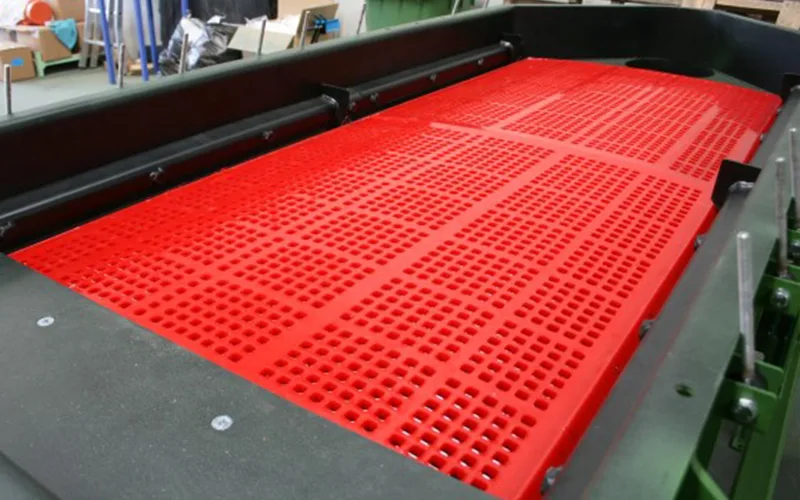
Applications
Our dewatering screen panels are commonly used in:
Sand Washing Plants: manufactured sand, river sand, silica sand (wet screening and dewatering)
Aggregate Wet Screening: washing lines, wet sizing, rinse stages
Mining & Mineral Processing: slurry screening and dewatering applications (site-specific)
Coal Preparation: coal fines dewatering (application dependent)
Recycling Wet Lines: wet processed recycled aggregate and solids recovery
How to Choose the Right Dewatering Screen Panels
Dewatering is different from normal sizing—your goal is to remove water while holding solids. Use the steps below to avoid mismatched panels and frequent shutdowns.
1. Confirm Feed Moisture and Material Behavior
Start with how the feed behaves on the deck:
free-draining sand vs slurry-like feed
abrasive crushed sand vs rounded natural sand
clay contamination that increases blinding risk
2. Define Your Target Cut Size and Retention Needs
Aperture design must balance drainage and material retention:
target cut size (mm)
retention requirement for fine particles (yield vs dryness balance)
grading stability expectations
3. Choose Aperture Shape for Wet Screening
Aperture shape affects drainage and plugging behavior:
slot apertures are common for dewatering and drainage-focused decks
square/round apertures may suit certain materials and grading goals
(Selection depends on your feed condition and required cut.)
4. Balance Open Area vs Strength
Higher open area can improve drainage, but the panel must remain strong enough for impact and wear. Panel thickness and reinforcement should match:
drop height and impact load
abrasion severity
deck position and duty
5. Design by Deck Zones (Practical Layout)
A good deck often uses different designs by zone:
feed zone: stronger, more impact-resistant designs
drainage zone: optimized open area for faster water removal
discharge zone: stable retention with consistent performance
6. Match the Fixing System to Your Screen Deck
Correct mounting is essential for life and performance:
modular pin/lock, bolt-down, rail, or tensioned systems
panel dimensions and interfaces must match your deck
Tip: Send your deck drawing + feed condition + target cut size. We’ll recommend a panel layout and aperture design that fits your dewatering goals and screen system.
FAQs
What are dewatering screen panels used for?
They are used on dewatering screens to remove water from wet material while retaining solids, commonly in sand washing and wet screening lines.
Are polyurethane dewatering screen panels good for sand?
PU panels are widely used for sand dewatering due to abrasion resistance and stable apertures. Final selection depends on feed condition and screen deck requirements.
How do I choose aperture size for dewatering panels?
Aperture size is typically based on your target cut size and retention needs. For wet screening, aperture shape and open area are also important to reduce plugging.
Slot vs square apertures—what’s better for dewatering?
Slot apertures are commonly used for dewatering and drainage-focused applications, while square apertures may suit certain grading requirements. The best choice depends on your material behavior and cut size.
Can you customize panels to my screen deck?
Yes. We manufacture panels to match deck dimensions and fixing systems, including modular, bolt-down, rail, and tensioned designs.
What information do you need for a quote?
Material, wet/dry condition, target cut size, deck drawing (or photos), fixing system, quantity, and destination.
What is the typical lead time?
Lead time depends on panel type and customization. Send your specs and quantity for confirmation.