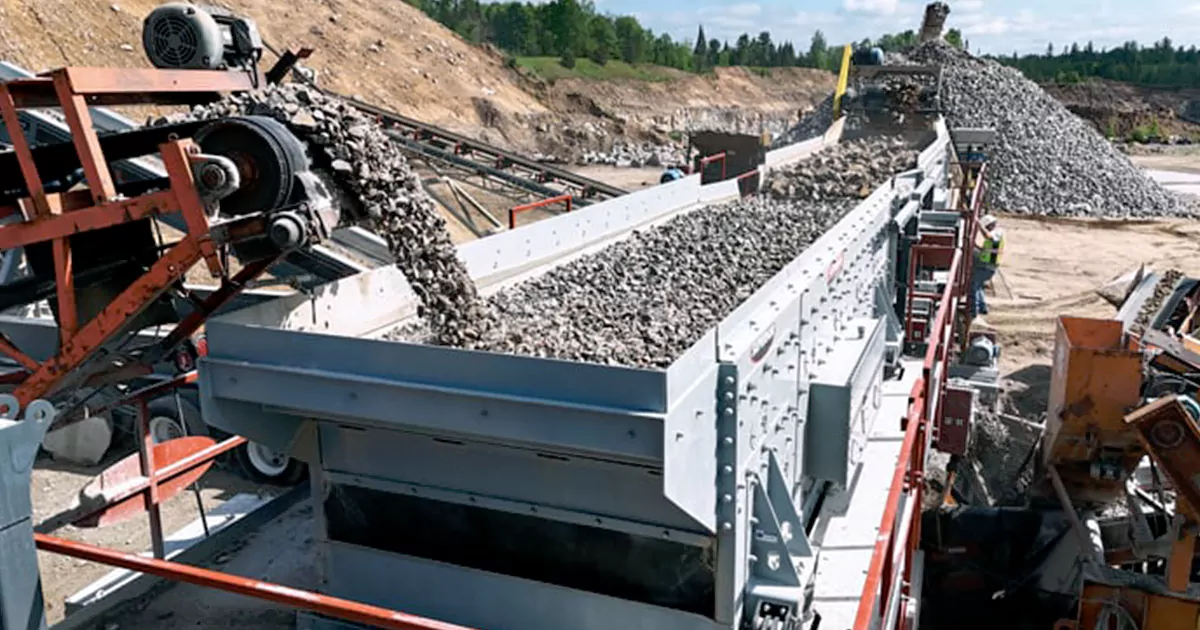
Ever think about why your screening results are not what you want? If you use sand, gravel, or sticky minerals, choosing between dry screening vs wet screening matters a lot. Look at how the type of material helps you decide:
| Material Type | Screening Method | Characteristics |
|---|---|---|
| Dry, Free-Flowing | Dry Screening | Uses regular vibrating screens for quick results. |
| Wet, Sticky | Wet Screening | Needs special tools to stop plugging. |
You should consider moisture, particle size, and dust control. Wet screening is best for sticky or tiny materials, while dry screening works fast with large amounts. Anpeng Wire Mesh Filter Equipment Co., Ltd. has strong aggregate screening equipment for every need.
Key Takeaways
- Pick dry screening for materials like sand and gravel. It works fast and costs less money.
- Use wet screening for sticky or very small materials. Water breaks up clumps and keeps dust down.
- Think about how wet your material is before choosing. Dry screening is best for dry stuff. Wet screening is needed for wet stuff.
- Pick the right screen media for your material. Woven wire screens are good for dry materials. Urethane and rubber screens work better when things are wet.
- Watch dust levels when using dry screening. Use dust control to keep your area clean and safe.
- Look at your work area before picking a method. Dry screening is good in dry places. Wet screening works better where it is wet.
- Take care of your screening equipment often. Check for damage to keep things working well.
- Talk to experts to pick the best method and equipment. This helps you get the best results for your material.
Dry Screening Overview
Dry Screening Process
You probably want to know how dry screening works. The process is simple, but each step matters if you want good results. Here’s how you usually handle aggregates with dry screening:
- Pre-screening: You start by removing soil and fine particles from the raw material. This step helps you avoid over-crushing and boosts the crusher’s processing capacity.
- Check screening: After crushing, you screen out larger pieces. This step makes sure your final product meets the right particle size.
- Product screening: You finish by grading the crushed aggregates or sand. This step gives you products with different sizes for different uses.
Efficiency Factors
You want your screening to run smoothly. Several things affect efficiency. Moisture content plays a big role. If your material is dry, you get better separation. Smaller particles can cause trouble because they have more surface area and hold moisture. You need to watch for dust, too. Dry screening vs wet screening comes down to how much dust you can handle and how sticky your material is.
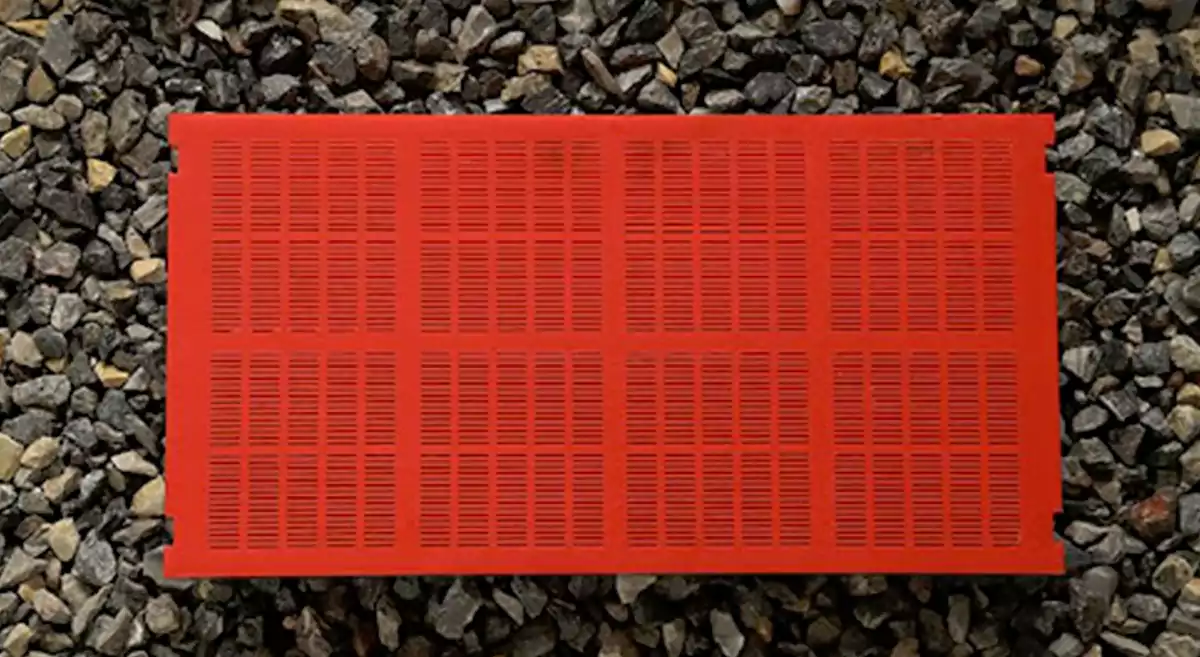
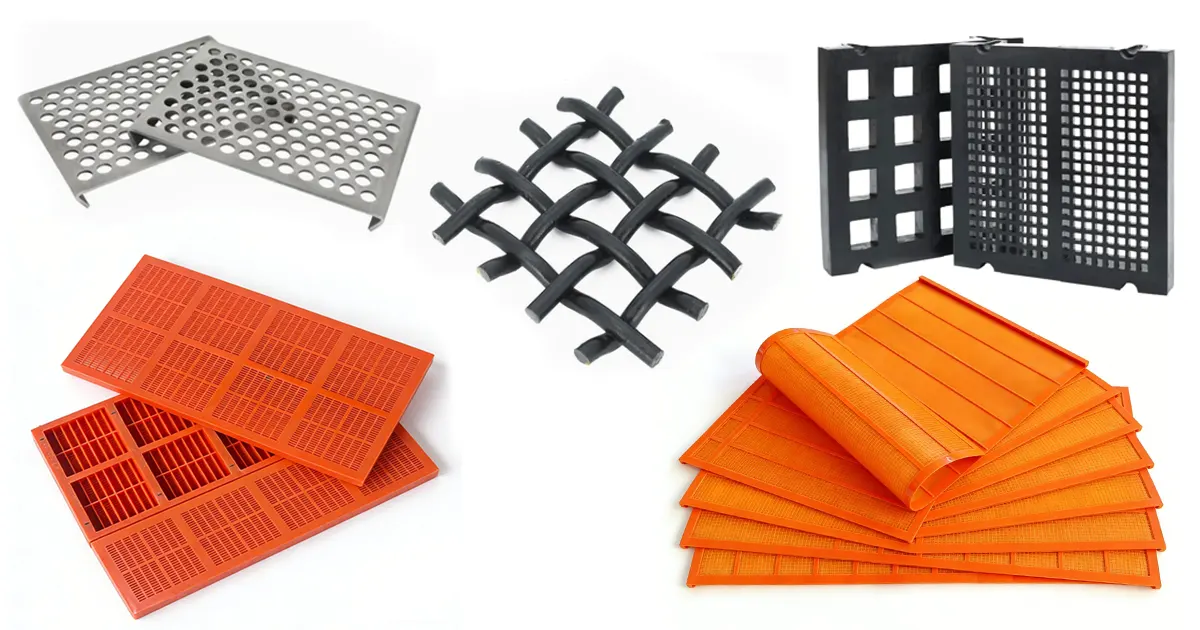
The type of screen media you use also matters. You can pick from woven wire cloth, urethane, rubber, or even a mix. Each type helps with different moisture levels and screening needs. If you want more efficiency, try combining urethane with wire cloth or rubber. This mix can boost your capacity and keep your screen working longer.
Equipment Types
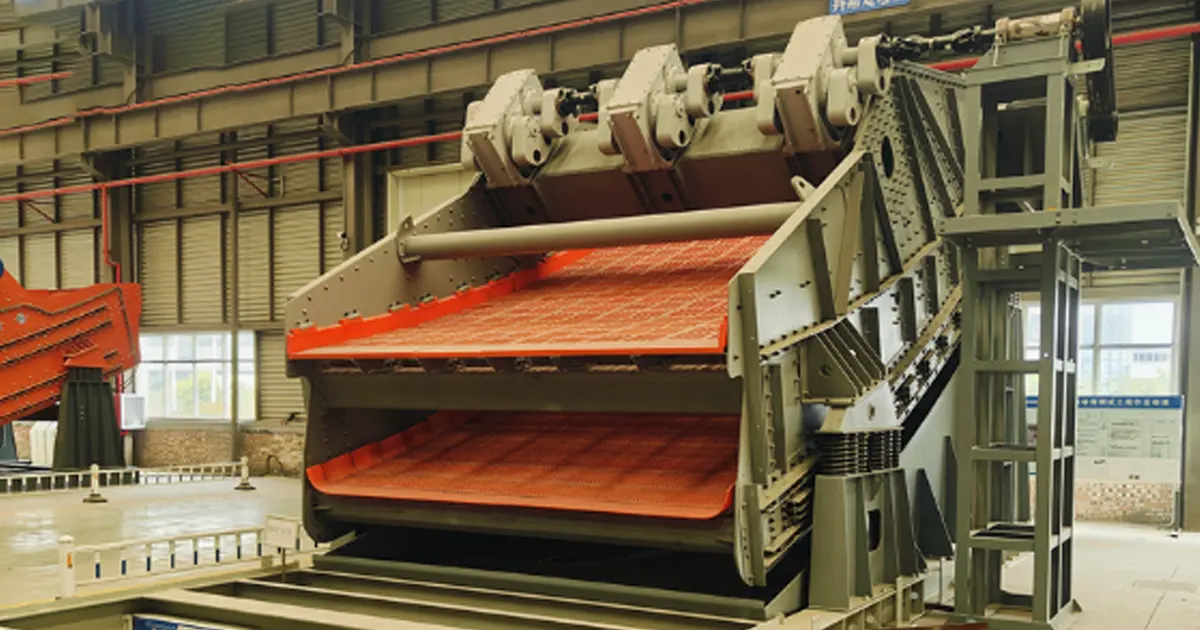
You have choices when it comes to equipment. Most dry screening setups use vibrating screens. These machines shake the material so it moves across the screen and separates by size. You can use woven wire screens for most jobs. If you deal with tough materials, urethane or rubber screens give you extra durability. Some setups use combination media to get the best of both worlds.
Suitable Materials
Sand and Gravel
Dry screening is ideal for sand, gravel, and quarry materials where dust isn’t a major concern, while wet screening is used for washing materials and separating fine particles.
If you work with sand and gravel, dry screening is usually your best bet. These materials flow easily and don’t stick together. You get fast results and good separation. Dust can be a problem, but you can manage it with the right equipment.
Quarry Products
Quarry products like crushed stone also work well with dry screening. You can sort them by size and get clean, graded aggregates. If your material is dry and free-flowing, you won’t have much trouble with plugging or blinding. Dry screening helps you keep up with high production rates and gives you reliable results.
You want to match your screen media to your material. Woven wire screens work for most aggregates. Urethane and rubber screens help when you need more durability or deal with tricky moisture levels. The right choice keeps your screening efficient and your products consistent.
Wet Screening Overview
Wet Screening Process
Wet screening gives you a way to handle materials that just won’t cooperate with dry methods. You add water to the process. This helps you break up clumps and wash away fine particles. You get better results when your material is sticky or has a lot of dust. Wet screening works well when you need clean, precise separation.
Water Use in Separation
Water plays a big role in wet screening. You spray water over the material as it moves across the screen. The water helps loosen sticky particles and keeps the screen from plugging. You see fewer problems with blinding because the water washes away fines. This makes separation easier and keeps your operation running smoothly.
Tip: If you deal with clay, silt, or other sticky materials, wet screening can save you time and trouble. Water helps you get a cleaner product and reduces dust in your work area.
Equipment Considerations
You need the right equipment for wet screening. Most setups use vibrating screens with special spray bars. These bars deliver water right where you need it. You also want to choose screen media that can handle moisture and abrasion. Urethane and rubber screen media work well because they resist wear and don’t clog easily. Make sure your equipment can handle the extra water and has good drainage.
Here’s a quick checklist for wet screening equipment:
- Vibrating screen with water spray bars
- Durable screen media (like urethane or rubber)
- Strong frame and supports
- Good drainage system
Ideal Materials
Wet screening shines when you work with tough materials. You get better results with sticky, fine, or hard-to-handle products.
Cohesive Powders
Cohesive powders like clay or silt often stick together. Dry screening struggles with these materials. Wet screening breaks up the clumps and helps you get a clean separation. You see less plugging and more consistent results.
Recycling and Mining
You also use wet screening in recycling and mining. These industries deal with mixed materials and lots of fines. Wet screening helps you sort out valuable products and remove unwanted debris. You get better recovery rates and cleaner products.
Note: Wet screening is a smart choice if you need to control dust, handle sticky materials, or get precise results. The right screen and equipment make all the difference.
Dry Screening vs Wet Screening Comparison
Pros and Cons
Speed and Cost
When you compare dry screening and wet screening, speed and cost are important. Dry screening is fast. You do not need water, so you save money and time. You also do not pay for pumps or drainage systems. Dry screening is good if water is hard to get or costs a lot.
Here is a table that shows the differences:
| Advantage | Dry Screening | Wet Screening |
|---|---|---|
| Water Usage | No water needed, great for dry regions | Needs water, which can be costly |
| Cost | Lower operating costs, less maintenance | Higher costs for water and equipment upkeep |
| Environmental Impact | Eco-friendly, less sludge | Creates wastewater and sludge |
| Equipment Longevity | Lasts longer, less corrosion | May corrode faster due to water |
| Dust Production | More dust during screening | Less dust, but water management needed |
Dry screening is simple to use. Wet screening takes longer because you set up water systems. You also need to clean up after. Wet screening costs more because of water and repairs. If you want to save money and work fast, dry screening is best.
Dust and Plugging
Dust and plugging can slow your work. Dry screening makes more dust. You need dust control, but it does not catch everything. Dust can make the air dirty and your site messy. Wet screening uses water to keep dust down. The air is cleaner, but you must handle wastewater.
Plugging happens when material blocks the screen. Dry screening has trouble with sticky or fine materials. Wet screening uses water to break up clumps and wash away fines. You get less plugging and better results.
Here is a table to compare dust and plugging:
| Impact Type | Dry Screening | Wet Screening |
|---|---|---|
| Dust Generation | High | Lower due to water use |
| Effectiveness of Dust Suppression | Limited | More effective, but not perfect |
| Plugging | More common with sticky materials | Less common, water helps prevent |
Tip: If you work with sticky materials or need less dust, wet screening works better. Dry screening is good for free-flowing materials and places with good airflow.
Best Uses
Aggregate Screening Equipment Applications
You should match your method to your material and tools. Dry screening is good for sand, gravel, and quarry products. You get quick sorting and steady grading. Dry screening also works for recycling, compost, and building jobs. You can sort plastics, metals, wood, and soil easily. Aggregate screening equipment like vibrating screens and woven wire screens do these jobs well.
Here is a table of common dry screening uses:
| Application Type | Description |
|---|---|
| Recycling | Separating plastics and metals |
| Compost and Soil Management | Sorting waste and soil |
| Construction Materials | Screening wood and gravel |
| Municipal Solid Waste Processing | Handling various waste types |
| Pulp and Paper Industry | Removing contaminants from paper |
Wet screening is best for mining and recycling with wet materials. PU-mesh screens and self-cleaning screens last longer and do not clog. You get less downtime and better results. Wet screening is great for sticky things like clay, silt, and fine aggregates.
Precision Separation
If you need very clean separation, wet screening is better. Water breaks up clumps and washes away small pieces. You get better control over size and less plugging. Wet screening is best for mining, recycling, and sticky or fine materials.
Dry screening and wet screening depend on your material, goals, and equipment. Dry screening is fast, cheap, and easy. Wet screening helps with dust, plugging, and clean results. You need the right screen for your job. Woven wire screens work for most aggregates. PU-mesh and self-cleaning screens are good for wet screening and sticky materials.
Note: Always check your material and moisture before you choose a method. The right equipment and screen make your work easier and better.
Screening Efficiency and Separation
Factors Affecting Screening
You want your screening to work well and give good results. Many things can change how well your screen works. Here are the main things to watch:
- Material characteristics like particle size, shape, and moisture can change how your screen separates things.
- Screening capacity and throughput decide how big your screen should be and how fast you can work.
- Screen size and deck setup, like length, width, and angle, affect how much you can process.
- Screening purpose matters. If you want to grade, wash, or separate, you need the right screen.
- Screen media choice is important. The type you pick affects how long your screen lasts and how well it works.
- Maintenance and durability help you avoid problems and keep your equipment running.
- Environmental and working conditions, like temperature and moisture, can change which screen you need.
You also need to think about material density and how rough it is. Dense materials move differently and can separate better. Rough materials wear down your screen faster, so you need strong screen media.
Moisture Content
Moisture can really change your screening results. If your material is dry, you get better separation. Wet or sticky materials can slow things down and cause plugging. Look at this table:
| Moisture Content | Separation Efficiency |
|---|---|
| Lower | Higher |
| Higher | Hindered |
You can see that less moisture helps your screen work better. If you use a finer mesh, moisture goes up, which can make screening harder. For example:
| Screen Mesh Size | Moisture Content |
|---|---|
| 100 | 4.09% |
| 200 | 8.52% |
If you use a finer mesh, you need to watch moisture closely.
Particle Size
Particle size changes how your screen separates things. Small particles can stick together, especially if they are wet. Big particles move faster and separate more easily. You need to match your screen size to your material. Finer mesh gives you better control, but it can slow things down if your material is sticky or wet.
Improving Separation
You can get better screening results by using smart methods and the right materials.
Stratification Techniques
Stratification helps you separate by size and density. When you shake your screen, heavy and big particles move to the bottom. Light and small ones stay on top. You can improve stratification by:
- Using higher vibrating frequency to help particles touch the mesh more.
- Changing the angle and speed of your screen to help materials spread out.
- Watching raw material features like density, shape, and moisture to get better results.
Tip: Good stratification means cleaner products and less waste.
Screen Panel Materials
The material you pick for your screen panel changes how long your equipment lasts and how well it works. Carbon steel is strong and cheap, but it can rust. Stainless steel does not rust and works well in wet places, but it costs more. Here’s a quick comparison:
| Property | Carbon Steel | Stainless Steel |
|---|---|---|
| Corrosion Resistance | Can rust and corrode | Better because of chromium |
| Strength | Usually stronger | Not as strong as carbon steel |
| Cost | Cheaper | Usually costs more |
| Maintenance | More because of rust | Less because it resists rust |
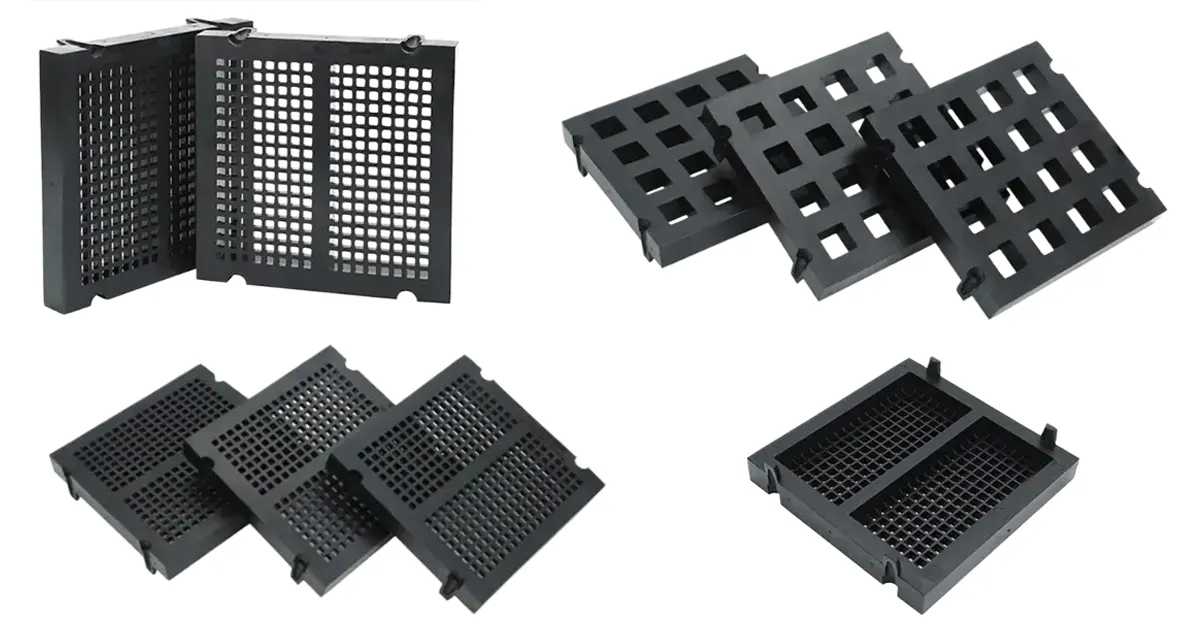
Synthetic modular media like polyurethane or rubber last longer and make less noise. They do not have as much open area as wire screens, so you might process less. You need to balance strength and performance when you pick your screen media.
Note: The right screen panel material helps you avoid problems and keeps your screening working well.
Choosing the Right Screening Method
You want the best results for your operation. Picking between dry screening vs wet screening can feel tricky, but you can break it down step by step. Let’s walk through how you can make the right choice for your material and your goals.
Selection Guide
Material Assessment
Start by looking at your material. Ask yourself these questions:
- What is the moisture level? Dry materials work better with dry screening. Sticky or wet materials often need wet screening.
- What is the particle size? Fine particles can clog a dry screen. Wet screening helps with smaller or sticky particles.
- Is your material abrasive or rough? Some screens wear out faster with tough materials.
- Do you need to control dust? Dry screening creates more dust. Wet screening keeps dust down.
- What is your end goal? Do you want clean, basic sand or a premium, engineered product?
You can use this checklist to help decide:
| Factor | Wet Screening Works Best If… | Dry Screening Works Best If… |
|---|---|---|
| Water | You have plenty of water | Water is hard to get or expensive |
| Climate | Warm all year | Freezing temperatures |
| Raw Material | High clay or sticky feed | Clean, low-clay feed |
| Product Goal | Basic, clean sand | Premium, engineered sand |
| Fines (0-75μm) | Fines are waste | Fines are valuable |
| Land Area | Large area for settling ponds | Small site footprint |
| Environmental Focus | Dust control is key | Water conservation is key |
| Investment Profile | Low initial cost | High long-term ROI |
Tip: If you want to sell fine powder as a co-product, dry screening is usually better. If you need to wash away clay or dust, wet screening is the way to go.
Operational Environment
Think about where you work. Your environment changes what equipment you need. Here are some things to consider:
- If your site is in a dry region, water may be limited. Dry screening saves water and money.
- If you work in a cold climate, water can freeze and cause problems. Dry screening keeps things simple.
- If you have lots of sticky or wet feed, wet screening helps prevent plugging and keeps your operation running.
- If your site needs to control dust, wet screening helps keep the air clean.
You should also look at your production needs. If you want high throughput and steady results, pick the method that matches your material and climate. The right choice gives you better separation and less downtime.
Equipment Matching
You need the right screen for your job. Not all screens work the same way. Here’s how you can match your equipment to your needs:
Woven Wire Screens
Woven wire screens work best for dry materials. You get high accuracy and good separation. These screens are easy to install and replace. If you process aggregates like sand, gravel, or crushed stone, woven wire screens give you reliable results. They do need more maintenance if you use them with sticky or wet materials.
Self-Cleaning Screens
Self-cleaning screens are your friend when you deal with wet or sticky materials. These screens flex and move, so they shake off clumps and prevent plugging. You get steady throughput and less downtime. If you work with clay, silt, or recycled materials, self-cleaning screens keep your operation smooth.
PU-Mesh Screens
PU-mesh screens are tough and last a long time. They handle fine, rough, or rusty materials well. You get steady results and less noise. PU-mesh screens work for both dry and wet screening, but they shine when you need durability and less maintenance. If you want to process abrasive materials or need a screen that resists rust, PU-mesh is a smart choice.
Here’s a quick comparison to help you decide:
| Feature | Woven Wire Screens | Self-Cleaning Screens | PU-Mesh Screens |
|---|---|---|---|
| Handles Wet/Sticky Feed | No | Yes | Yes |
| Clogging Risk | High | Low | Moderate |
| Throughput Consistency | Variable | Steady | Steady |
| Maintenance Needs | Frequent | Reduced | Moderate |
Note: If you want help picking the right aggregate screening equipment, you can reach out to Anpeng Wire Mesh Filter Equipment Co., Ltd. They offer strong, reliable solutions for all types of aggregates and screening needs.
You can make the right choice by following these steps:
- Define what you need from your screening process.
- Analyze your material and environment.
- Compare your options for screen media and equipment.
- Pick the best solution for your goals.
- Test your setup and adjust if needed.
When you match your screen to your material and your site, you get better results, less downtime, and higher quality products.
Common Screening Mistakes
You want your screening to work well, but mistakes can happen. Let’s see what errors are common and how you can stop them.
Selection Errors
Ignoring Material Properties
Not all materials act the same way. If you forget this, you might get bad results and waste time. Sticky or fine materials need special care. If you use the wrong screen media, you will need to replace it more often. Your screening will not work as well. Sometimes, bad products get through because the test does not fit the material. This can cost more money and cause problems for everyone. If you do not have good testing tools or trained workers, your results may be wrong. You must follow rules, or you could get fined or sued.
- The wrong screen media gives you bad separation and more replacements.
- If you set up your screen media wrong, the flow is uneven and things go wrong.
- If you feed material unevenly, your screen can break and work slower.
- If you run at the wrong speed or angle, material can escape or get stuck.
- If you skip maintenance, your equipment can break and become unsafe.
Overlooking Equipment Needs
Sometimes you think only about the material and forget the equipment. That is a mistake. Each screen works best with certain materials and jobs. If you pick the wrong equipment, the flow is uneven and you get less done. You need to match your screen media to your material and make sure your setup fits your needs. If you skip this, your equipment can break and you lose time and money.
Implementation Issues
Maintenance Practices
You must keep your equipment in good shape. If you skip regular checks, you will have more downtime and your screen will not last as long. You could also have safety problems. Maintenance can be easy or hard, depending on your equipment. If you do not do it right, your screen could stop working for a long time. This hurts your work and costs you money.
Water Management
If you use wet screening, water is important. Too much water can flood your site and wash away good material. Too little water makes your screen clog and slow down. You need to use the right amount of water to keep things working. Watch for screen blinding and clogging, especially with sticky powders. Worn or loose screens also make things less efficient. If your equipment breaks a lot, you need a good plan to stop problems before they start.
Tip: Always check your material, equipment, and water before you begin. Small mistakes can turn into big problems, but you can stop them with good planning.
Conclusion
Dry screening works well for materials that move easily. Wet screening is better for sticky or tiny materials. Use the checklist to help you choose the right method. This can stop you from wasting time or money. It also helps you finish your project on time. When you talk to experts at Anpeng Wire Mesh Filter Equipment Co., Ltd., ask about screen media. Tell them about your material and what it is like. Picking the right method gives you better results. It also keeps your work going without problems.
FAQ
What is the main difference between dry screening and wet screening?
Dry screening uses no water. Wet screening adds water to help separate sticky or fine materials. You choose based on your material’s moisture and how clean you want your product.
Can I use dry screening for clay or silt?
You should avoid dry screening for clay or silt. These materials stick together and clog screens. Wet screening works better because water breaks up clumps and washes away fines.
How do I control dust during dry screening?
You can use dust covers, water sprays, or local exhaust systems. Dust control keeps your site cleaner and safer. Always check your equipment for leaks or gaps.
Which screen media lasts longest for wet screening?
PU-mesh screens and rubber screens last longer in wet conditions. They resist corrosion and wear. You get less downtime and fewer replacements.
Do I need special equipment for wet screening?
Yes, you need vibrating screens with water spray bars and good drainage. Make sure your frame and supports can handle extra moisture.
How often should I check my screens for wear?
You should inspect screens weekly. Look for holes, tears, or loose panels. Regular checks help you avoid breakdowns and keep your operation running smoothly.