You want to pick the right flip flow screen aperture size to boost your screening efficiency and keep your product quality high. Aperture size affects how well your screen handles tough challenges like blinding, clogging, and wear from abrasive materials. You need to look at your material, product specs, and machine setup. Both standard and custom sizes give you options for different jobs. This guide walks you through each step so you can make a smart choice.
Key Takeaways
- Aperture size means how wide the holes are in a flip flow screen. It changes how well things get separated.
- Picking the right aperture size stops clogging. It also makes screening work better. Sizes usually go from 3mm to 30mm.
- Think about things like particle size, moisture, and how rough the material is when you pick the aperture size.
- You can get custom aperture options for special jobs. These can be made for certain materials and industry rules.
- Regular maintenance is very important. Check screens every day for damage or blockages to keep things working well.
- Trying out different aperture sizes with real material helps you find the best one for your needs.
- Talking to experts can give you good advice. It also helps you not make expensive mistakes in your setup.
- You need to balance efficiency and accuracy. Change settings and aperture shapes to make your screening process better.
Understanding Flip Flow Screen Aperture Size
What Is Aperture Size?
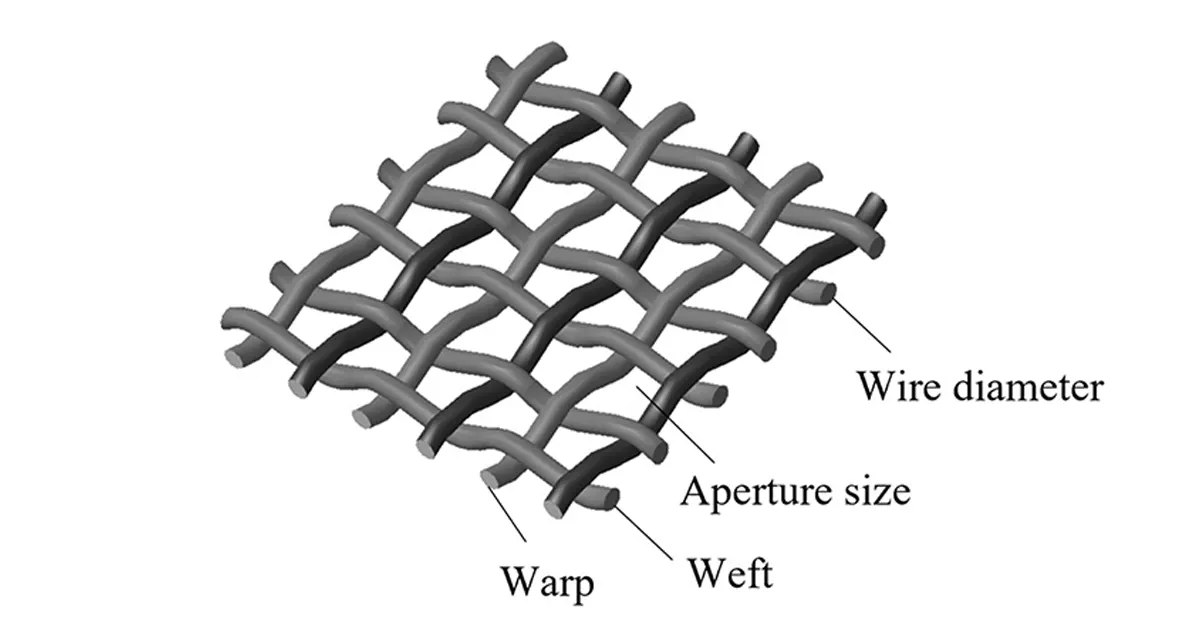
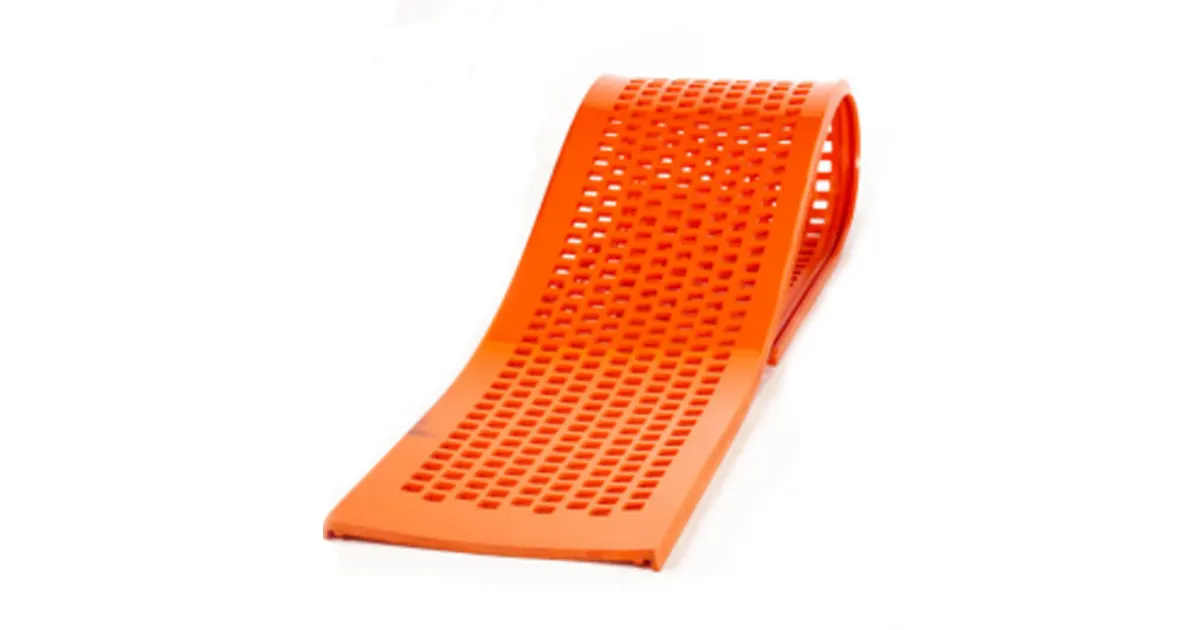
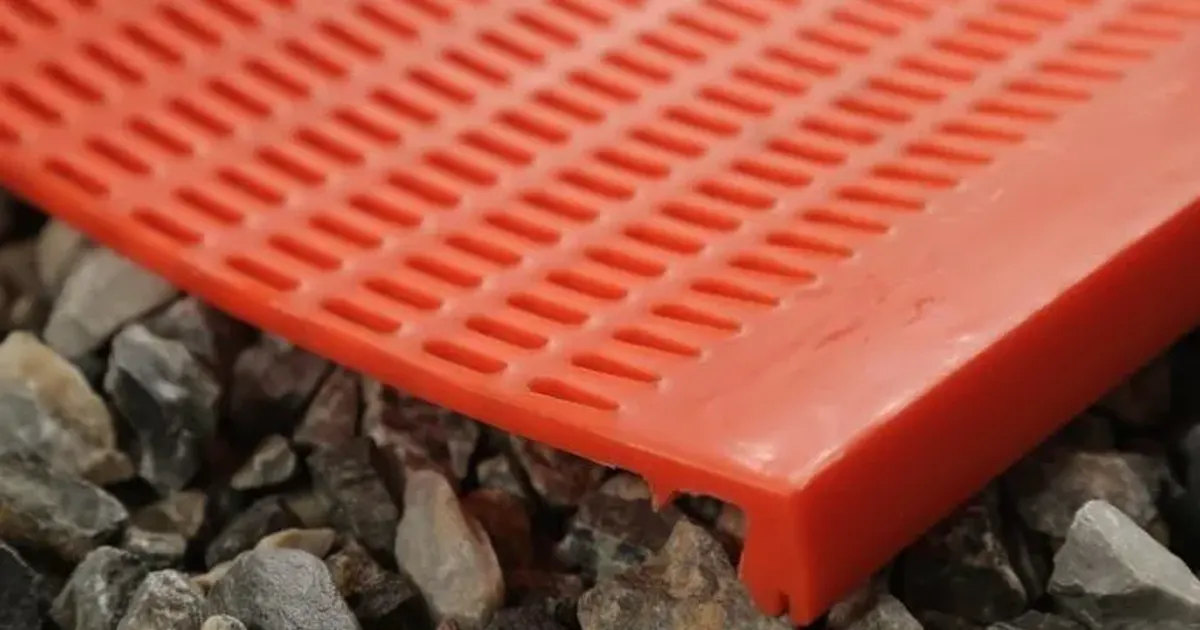
You might wonder what aperture size means when you look at a flip flow screen. Aperture size is just the width of each opening or hole in the screen panel. These holes let smaller particles pass through while larger ones stay on top. The right size helps you separate materials quickly and cleanly.
Here’s a simple table to show you some common aperture sizes and what they do:
| Aperture Size | Description |
|---|---|
| 3mm | Mixing with 2mm |
| 8mm | Standard aperture size |
| 6mm/8mm | Upper; 3mm/4mm (lower) |
You can see that different jobs need different sieve hole sizes. The size you pick will change how your flip flow screen works.
Why Aperture Size Matters
Choosing the right flip flow screen aperture size makes a big difference in your results. If you pick a size that is too large, coarse pieces can slip through. This can make later steps in your process harder and lower your product quality. If you go too small, the screen might clog up or slow down, which means you spend more time and money.
Here’s why the right sieve hole size is so important:
- The best sieve hole size for flip flow screens usually falls between 3mm and 30mm. This range helps stop clogging and keeps your screening efficient.
- Large holes let big pieces through, which can mess up your next steps in industrial screening.
- Small holes can block up, slow down your work, and cost you more.
So, you want to find the sweet spot that matches your material and your goals.
Key Terms Explained
Let’s break down a few words you’ll see when you work with flip flow screens:
- Aperture Size: The width of each hole in the screen panel.
- Sieve Hole Size: Another way to say aperture size. It tells you how big the openings are.
- Screen Panel: The part of the machine that holds all the holes.
- Screening Efficiency: How well your screen separates the material you want from the stuff you don’t.
- Industrial Screening: The process of sorting materials in factories or plants using machines like flip flow screens.
Knowing these terms helps you talk with suppliers and pick the right setup for your job. When you understand how aperture size works, you can make better choices and get better results.
Flip Flow Screen Aperture Size Specifications
Standard Size Ranges
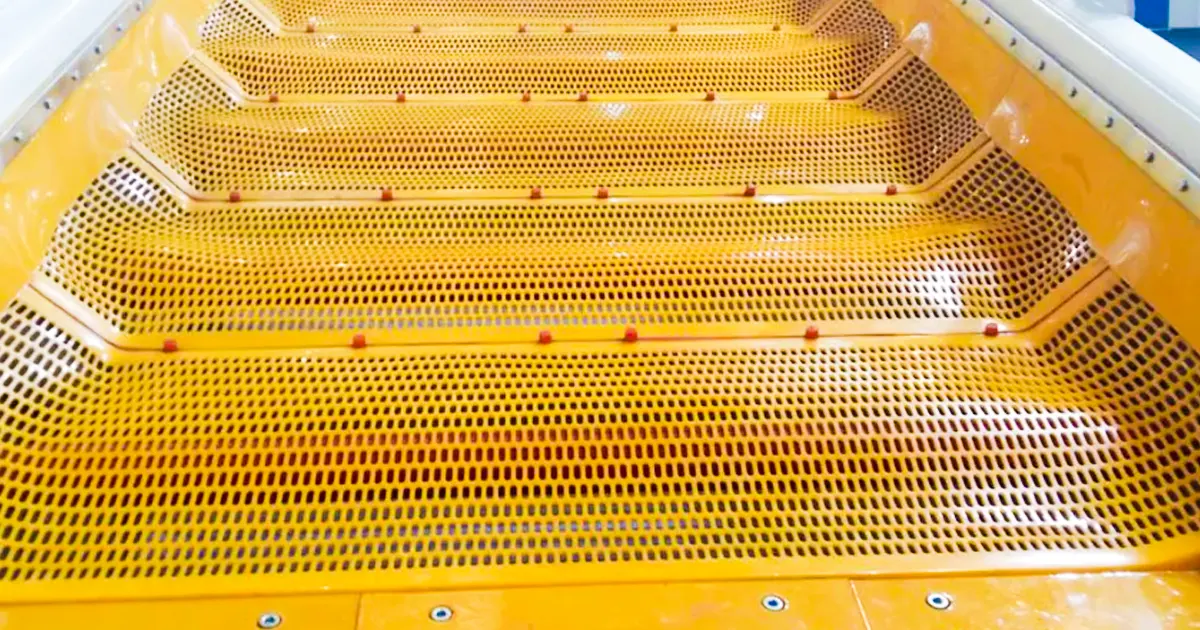
When you look at flip flow screens, you will see a wide range of standard aperture sizes. These sizes help you match your screen to your job. Most flip flow screen aperture size options fall between 3×13mm and 50×50mm. You can use these sizes for many types of work, like quarrying, coal, and mining. Here’s a quick table to help you see the range:
| Aperture Size Range | Typical Applications |
|---|---|
| 3×13mm – 50×50mm | Quarrying, Coal, Mining |
You can pick a screen size from this range to fit your needs. These standard sizes work well for most industrial screening jobs. They help you sort materials quickly and keep your process running smoothly.
Custom Aperture Options
Sometimes, your job needs something special. That’s when custom aperture options come in. Manufacturers can make flip flow screens with custom sieve hole sizes. You might need a very small opening, like 0.1mm, or a much larger one, up to 170mm. You can also choose the shape of the holes—square, round, or rectangular. This helps you handle tricky materials or meet strict product rules.
Custom options work well in many industries. You might see them in the coal industry for dry screening of raw coal or coal slurry. They also help in mining and metallurgy when you need to grade fine ores like iron or copper. Chemical plants and building material companies use custom screens to sort raw materials. Even environmental jobs, like sorting construction waste, use these special screens.
Tip: If you have a tough job or unique material, ask about custom sieve hole size options. You can get a screen that fits your process perfectly.
Open Area and Efficiency
Open area means the part of the screen panel that has holes. This number matters because it affects how fast and how well your screen works. Most flip flow screens have an open area between 42% and 60%. A higher open area lets more material pass through, which boosts your efficiency. But if you go too high, you might lose strength or wear out the panel faster.
You want to balance open area and strength. The right choice depends on your material and your goals. If you need high throughput, pick a screen with a bigger open area. If you need more durability, choose a lower open area.
When you pick sieve hole sizes and open area, you control how well your flip flow screen handles your material. This helps you get the best results in industrial screening.
Panel Dimensions and Materials
When picking a flip flow screen, think about the panel size and what it is made of. The panel size decides how much material you can handle at once. Most panels are made in custom sizes. This means you can match the screen to your machine and job. Panels often have aperture sizes from 3 to 32mm. This range fits many industrial screening needs.
Here’s a table that shows how panel size, aperture size, and shape work together:
| Panel Size | Aperture Size | Aperture Shape |
|---|---|---|
| Custom designed | 3~32mm | Square, Rectangle, Slot, Circular |
You also need to choose the right material for your screen panels. Most flip flow screens use polyurethane, polyester, or polyether. These materials last long and can handle tough jobs. Polyurethane is good for most uses because it does not wear out fast. Polyester and polyether are better if you need chemical resistance or more flexibility.
Tip: Always check what material the panel is made of before buying. The right material helps your screen last longer and saves money on repairs.
Aperture Shapes
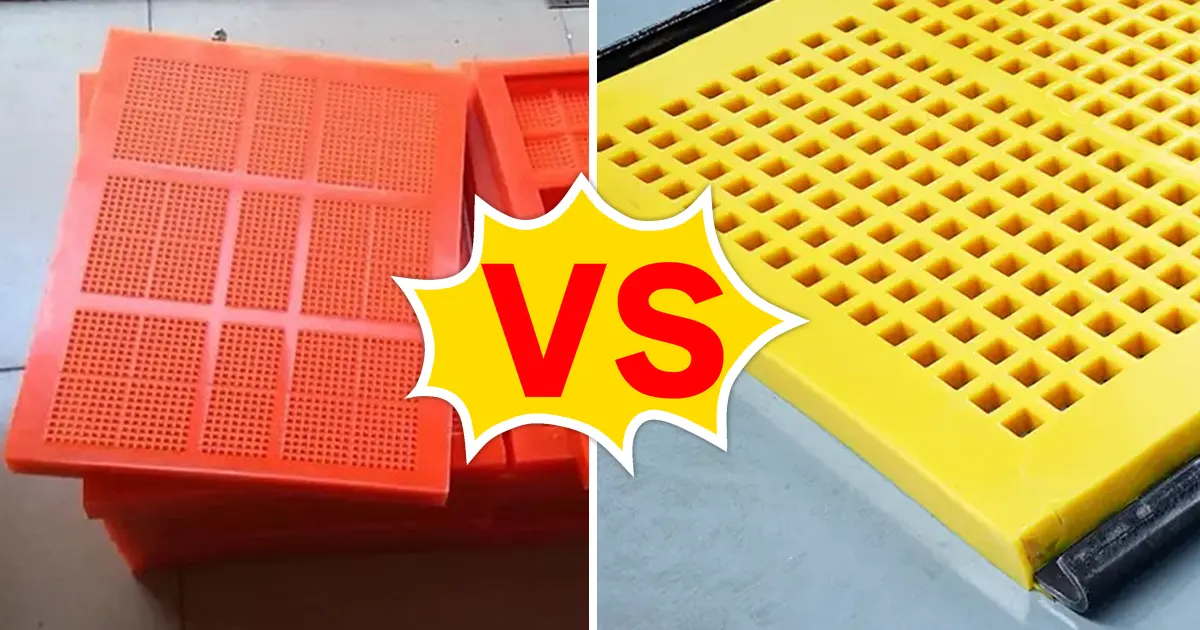
The shape of the sieve hole size changes how your flip flow screen works. You can pick square, rectangular, slot, or circular shapes. Each shape has good and bad points. The best one depends on what you want to screen and how clean you want your product.
Here’s a table that shows the main differences:
| Aperture Shape | Advantages | Disadvantages |
|---|---|---|
| Square | Simple design | Less open area and not as efficient as others |
| Rectangular | More open area, faster work, less pegging | May not give the most accurate cut |
| Slot | High efficiency and fast work | Can clog with some materials |
| Circular | Most accurate cut | More likely to peg than other shapes |
If you want the most accurate cut, choose circular holes. If you need to move more material, rectangular or slot shapes may be better. Square holes are simple but may not move as much material. Match the aperture shape to your product and process for the best results.
Remember, picking the right sieve hole sizes and shapes helps you get the most from your flip flow screen aperture size. This makes your industrial screening faster and more reliable.
Factors Affecting Aperture Size Selection
Material Properties
Particle Size
You need to check the size of the pieces you want to separate. If your material has lots of tiny pieces, pick a smaller sieve hole size. This helps you catch the small bits and get a cleaner product. If your material has bigger chunks, use larger holes. Always match the aperture size to the main particle size in your feed. This step makes your material separation more exact and works better.
Moisture and Stickiness
Moisture can change how your screen works. Wet or sticky materials can block your screen and slow things down. When moisture is over 7%, you will see more blinding and less screening power. Flip flow screens made from polyurethane help with this problem. They can bend and squeeze particles near the holes, which stops blockages. If you work with sticky or wet materials, pick an aperture size that lets the screen clean itself. This keeps your industrial screening running well.
Tip: For sticky materials, use a little bigger aperture size and check if your screen panel is made from polyurethane. This mix helps stop clogging.
Abrasiveness
Some materials are rough and can wear out your screen fast. Hard or abrasive materials need a strong screen panel. The hardness of your screen changes how much it shakes and how well it works. If you use a soft panel with hard material, you will see more wear and less good results. Always check the hardness of both your material and your screen before you pick an aperture size.
Product Requirements
Output Size
Think about the size you want your final product to be. If you need a fine output, pick a smaller flip flow screen aperture size. For bigger products, a larger opening works better. The right choice gives you the product size you want without extra steps.
Purity Standards
You may need your product to meet strict purity rules. If you want fewer bad pieces, use a smaller aperture. This helps you catch unwanted bits and keeps your product clean. Sometimes, you need to balance purity with speed. Make sure you know your goal before you choose.
- Product requirements to think about:
- Particle size spread
- Moisture and stickiness
- Separation accuracy (like cut points and deck setup)
Machine and Process
Deck Configuration
Your machine’s deck setup changes how you pick your aperture size. Single or double-layer decks do different jobs. Double decks can separate materials into more sizes at once. Match your aperture size to your deck for the best results.
Vibration Settings
Vibration helps move material across the screen. The frequency and strength of vibration affect how well your screen works. If you change these settings, you can make your screen work better and stop clogging. Sometimes, you need to change the aperture size to fit your vibration setup.
Throughput Needs
How much material do you want to process? If you need to move a lot, you might pick a larger aperture. This lets more material go through fast. For slower, more careful screening, use a smaller opening. Always balance speed with accuracy.
Note: Machine settings like vibration frequency, strength, and deck angle all matter for how your flip flow screen works. Change these along with your aperture size for the best results.
Environmental Factors
Temperature and Humidity
You might not think about temperature and humidity when you choose a flip flow screen, but these factors can change how your screen works. High temperatures can make some screen materials softer or weaker. If your plant gets hot, you need to pick a screen panel that can handle the heat. Polyurethane panels usually work well in most conditions, but always check the specs from your supplier.
Humidity also plays a big role in industrial screening. When the air is damp, your material can stick together or to the screen. This can block the sieve hole size and slow down your process. If you work in a humid place, you should look for screens that resist moisture. Some screens have special coatings or use materials that do not soak up water. These features help keep your screen clear and your process running.
Here are a few things to remember about temperature and humidity:
- Hot weather can make some screens wear out faster.
- High humidity can cause more blinding and clogging.
- Polyurethane and coated panels help fight these problems.
Tip: Always ask your supplier about the best screen material for your local climate. This small step can save you time and money later.
Maintenance
You need to think about maintenance when you pick your screen. Some screens need more cleaning or repairs than others. If you choose a screen with a small sieve hole size, you might have to clean it more often. Fine holes can clog up, especially if your material is sticky or damp.
Regular maintenance keeps your flip flow screen working well. You should check for wear, cracks, or blocked holes. If you spot a problem early, you can fix it before it stops your process. Some screens let you swap out panels quickly, which makes repairs easy.
Here’s a simple checklist for screen maintenance:
- Inspect the screen panels every day.
- Clean out any blocked holes.
- Look for signs of wear or damage.
- Replace worn panels right away.
If you keep up with maintenance, your industrial screening process will run smoother. You will also get better results and save money on big repairs.
Note: Good maintenance does not just protect your screen. It also helps you get the most out of your equipment and keeps your product quality high.
How to Choose Flip Flow Screen Aperture Size
Assess Material and Application
Start by looking at what you want to screen. You need to know your material. Is it dry or wet? Does it have sticky bits or sharp edges? Check the size of the particles. If you have fine powder, you need a smaller sieve hole size. If you have big chunks, you need larger holes. Think about how much material you want to process each hour. This helps you pick the right flip flow screen for your job.
Ask yourself these questions:
- What is the main size of the particles?
- Is the material sticky, wet, or dry?
- Does the material wear out screens quickly?
- How much do you need to screen each day?
When you answer these questions, you get a clear idea of what your screening job needs. This step helps you avoid problems like clogging or slow work.
Tip: Write down your material details before you start looking at screens. This makes the next steps much easier.
Define Product Specs
Now, think about what you want your final product to look like. Do you need a very clean product with no extra bits? Or do you want to move a lot of material fast? Write down the size you want for your finished product. Decide how pure it needs to be. Some jobs need very clean results, while others just need speed.
Here’s a simple checklist to help you define your specs:
- What size do you want your final product to be?
- How clean does it need to be?
- Are there rules or standards you must follow?
- Do you need to separate your material into more than one size?
When you know your product specs, you can match them to the right screen. This makes your industrial screening process smoother and gives you better results.
Check Machine Compatibility
You need to make sure your new screen fits your machine. Not all screens work with every setup. Look at your machine’s deck layout, the way panels fit, and how you attach the screen. You also need to check the size of the panels and how easy they are to install or change.
Here’s a table to help you check the main factors:
| Factor | Details |
|---|---|
| Screen Mat Material | Polyurethane elastic mats (can be customized for heavy or light duty) |
| Deck Fitment | Must match your screen model, deck layout, and panel spacing |
| Support & Fixing | Should work with rails, clamps, or bolting systems |
| Panel Dimensions | Length: 1000–3000 mm; Width: 500–1000 mm; modular design for retrofits |
| Installation | Tool-free or minimal-tool attachment; quick changeover under 30 minutes |
If you check these points, you can avoid problems during setup. You also save time and money on repairs or changes. A good fit means your flip flow screen works better and lasts longer.
Note: Always ask your supplier if the screen will fit your machine. This small step can prevent big headaches later.
Select and Test Aperture Size
You have your material details and specs ready. Your machine setup is also done. Now, you need to pick the right aperture size. First, look at the main particle size in your feed. If there are lots of fine particles, choose a smaller sieve hole size. If you see bigger chunks, pick larger holes. This step helps you match your screen to your material.
Testing is very important. You might not get it right the first time. Run a small batch through your flip flow screens. Watch how the material moves across the screen. Check for blinding, clogging, or slow work. If you see problems, change the aperture size and try again. Keep notes on each test. This way, you can compare results and find the best fit.
Here’s an easy process to follow:
- Pick an aperture size based on your material’s main particle size.
- Run a test batch and watch how the screen works.
- Look for issues like clogging or poor separation.
- Change the aperture size if needed and test again.
- Write down your results for later.
Tip: Always test with real material from your process. Lab samples can act differently than full-scale production.
Testing helps you avoid costly mistakes. You get a screen that works well for your job and keeps your process running smoothly.
Consult Experts
Sometimes, you need help from people who know flip flow screens well. Expert advice can save you time and money. When you talk to a specialist, bring your material details, product specs, and machine info. Ask about the best aperture size for your job.
Experts use several things to guide their advice. Here’s a table that shows what they look at:
| Criteria | Details |
|---|---|
| Material Characteristics | Particle size (5-300mm), moisture content, viscosity |
| Application Scenarios | Heavy-duty models for coal/mining, mixed materials for construction waste |
| Production Capacity Requirements | Choose equipment with slightly higher capacity for continuous operation |
You can ask about custom solutions if your job is special. Experts may suggest different panel materials or shapes for tough conditions. They can also help you set up your machine for the best results.
Note: Don’t hesitate to reach out to screen makers or technical consultants. Their experience can help you solve problems faster and get the most from your flip flow screen.
When you combine your own testing with expert advice, you get a screening setup that fits your needs. You can handle tricky materials, meet product standards, and keep your process efficient.
Best Practices and Tips
Avoid Common Mistakes
You want your flip flow screen to work well every day. Many people make simple mistakes that can slow down their process or damage their equipment. You can avoid these problems if you know what to watch for.
- Don’t pick an aperture size without checking your material. If you choose holes that are too big or too small, you might get poor separation or clogging.
- Always match the screen panel to your machine. If the panel doesn’t fit, you’ll waste time and money.
- Don’t skip testing. Running a quick batch helps you spot issues before they become big problems.
- Avoid using old or damaged screen panels. These can break and cause downtime.
- Don’t forget to check the shape of the holes. The wrong shape can slow down your industrial screening process.
Tip: Write down your material details and product goals before you buy a new screen. This helps you make smarter choices.
Balance Efficiency and Accuracy
You want your screening process to be fast and accurate. Sometimes, you need to make trade-offs. If you focus only on speed, you might lose product quality. If you aim for perfect accuracy, your process could slow down.
Let’s look at some factors that help you balance efficiency and accuracy:
| Factor | Description |
|---|---|
| Aperture Shapes | Different shapes of apertures can change how much material passes through and how well you separate it. |
| Material Properties | The type of screen media affects how quickly and cleanly you can sort your material. |
You can also adjust your machine settings to improve results:
| Parameter | Effect on Screening Efficiency |
|---|---|
| Screen Surface Tension | Higher tension makes the screen work better, but only up to a certain point. |
| Working Frequency | Faster vibration helps separate materials more accurately. |
Try changing one thing at a time. Watch how your flip flow screen responds. You’ll find the best balance for your job.
Maintenance Tips
Keeping your screen in good shape helps you avoid downtime and keeps your process running smoothly. Here are some easy maintenance tips:
- Install your screen panels carefully. Make sure everything fits tight.
- Check the surface tension. Tighten the nuts so nothing comes loose.
- Attach the polyurethane tape firmly. Don’t reuse old tape because it can wear out fast.
- Use the right screen size for each layer. The lower layer should have smaller holes than the upper layer.
- Tighten screws with a wooden hammer or vise. This keeps the frame strong and prevents cracks.
Note: Regular maintenance helps your flip flow screen last longer and keeps your industrial screening process efficient.
If you follow these tips, you’ll get better results and save money on repairs.
When to Customize
Sometimes, you just can’t get the results you want with standard screens. That’s when it makes sense to think about customizing your flip flow screen. Customization gives you more control over your process and helps you solve problems that off-the-shelf options can’t fix.
You should consider a custom screen if you notice any of these signs:
- Your material has a unique particle size that doesn’t fit standard mesh openings.
- You need to handle a special flow rate that standard screens can’t support.
- Your plant faces tough environmental conditions, like extreme heat, cold, or humidity.
- You want to improve product purity or meet strict industry standards.
- You keep running into issues like blinding, clogging, or uneven wear.
Let’s say you work with a material that has both very fine and very coarse particles. Standard screens might let too much through or block up too fast. A custom aperture size can help you separate these particles more effectively. Maybe your process needs to run faster, but the usual screens slow you down. Customizing the screen lets you boost your throughput without losing accuracy.
Tip: Customization isn’t just about size. You can also change the shape of the holes, the panel material, or even the way the screen fits your machine. These tweaks can make a big difference in how your industrial screening process performs.
Before you order a custom screen, always test a sample in real-world conditions. Lab tests are helpful, but nothing beats seeing how the screen works with your actual material and equipment. Testing helps you spot problems early and make adjustments before you commit to a full order.
Here’s a quick checklist to help you decide if customization is right for you:
| Question | Yes/No |
|---|---|
| Do you have unusual particle sizes? | |
| Are you dealing with high or low flow rates? | |
| Does your environment cause extra wear? | |
| Do you need to meet special product standards? | |
| Have standard screens failed in your process? |
If you answer “yes” to any of these, it’s time to talk to a screen specialist. They can help you design a flip flow screen that matches your needs and keeps your operation running smoothly.
Remember, customization can save you time and money in the long run. You get better results, less downtime, and a screening process that fits your business—not the other way around.
Quick Reference Checklist
When you need to choose the right flip flow screen aperture size, a quick checklist can save you time and help you avoid mistakes. Use this section as your go-to guide before you make any decisions.
Material
You want to start by looking closely at your material. Every screening job is different, so you need to know what you’re working with. Here’s what you should check:
- Type of material: Is it sand, gravel, coal, or something else? Each type acts differently on a screen.
- Moisture content: Wet or sticky material can clog screens fast. Dry material usually moves easier.
- Size distribution: Are the particles mostly the same size, or do you have a mix of big and small pieces?
- Abrasiveness: Some materials wear out screens quickly. If your material is rough or sharp, you’ll need a tougher screen.
Tip: Write down these details before you talk to a supplier. You’ll get better advice and avoid costly mistakes.
Machine
Your machine setup matters just as much as your material. If your screen doesn’t fit your machine, you’ll run into problems. Here’s what to check:
- Deck configuration: Single or double deck? Each setup handles material differently.
- Panel size and fit: Make sure the screen panel matches your machine’s size and attachment system.
- Vibration settings: Check if your machine can adjust vibration frequency and amplitude. This affects how well your screen works.
- Installation and maintenance: Can you change panels quickly? Easy maintenance saves you time and keeps your process running.
You want your screen to fit perfectly and work smoothly with your equipment. Don’t skip this step!
Product
Think about what you want your final product to look like. Your goals will guide your choices:
- Desired output size: What size do you want your screened material to be?
- Purity or quality standards: Do you need a very clean product, or is some mixing okay?
- Throughput needs: How much material do you need to process each hour or day?
- Industry requirements: Are there rules or standards you must follow for your product?
| Product Goal | What to Check |
|---|---|
| Fine output | Use smaller aperture size |
| High purity | Choose tighter screen openings |
| Fast processing | Pick larger apertures, if possible |
| Special standards | Confirm with your industry guidelines |
Note: When you match your material, machine, and product needs, you set yourself up for success. Keep this checklist handy every time you review your flip flow screen setup.
Conclusion
You’ve seen that choosing the right flip flow screen aperture size depends on your material, target product size, and operating conditions. A well-matched aperture helps handle sticky or flaky material more effectively, improves particle control, and supports better screening efficiency. As a screen media manufacturer, we produce flip flow screen panels designed for demanding applications, with features such as high wear resistance, self-cleaning performance, and easier maintenance. With the right panel design and aperture size, you can improve screening results and keep your operation running more reliably.
FAQ
What is the best aperture size for sticky materials?
Pick a bigger aperture size for sticky materials. Polyurethane panels help stop clogging. Self-cleaning screens let sticky materials move easier.
Can I use custom aperture shapes for special jobs?
Yes, you can choose square, rectangular, slot, or circular holes. Custom shapes help screen tough materials or meet strict standards.
How often should I check my flip flow screen for wear?
Check your screen every day for damage. Look for cracks, blocked holes, or worn panels. Quick checks help your process run well.
Will a smaller aperture size improve product purity?
Smaller aperture size catches more unwanted particles. You get a cleaner product. Smaller holes can slow down your screening.
What materials work best for flip flow screen panels?
Polyurethane works for most jobs. Polyester and polyether are good for chemical resistance or flexibility. Ask your supplier for help.
How do I know if my screen fits my machine?
Check panel size, deck layout, and attachment system. Ask your supplier for a compatibility chart. A good fit means easy setup and better results.
Can I change aperture size after installation?
You can swap panels for different aperture sizes. Modular designs make changes simple. Always test new panels with your material first.
What should I do if my screen keeps clogging?
Try a bigger aperture size or use self-cleaning panels. Adjust vibration settings if you can. Clean your screen often to stop blockages.