Cutting mesh screen may seem like a simple task, but getting clean, straight edges requires the right tools and techniques. Whether you are working with stainless steel mesh, aluminum mesh, or other metal screens, proper cutting helps prevent fraying, deformation, and uneven edges while ensuring a professional finish.
In this guide, we will show you how to cut mesh screen step by step, from choosing suitable cutting tools to measuring, marking, and trimming the material. You will also learn practical tips to avoid common mistakes and achieve accurate results for your installation or project.
What is a Mesh Screen?
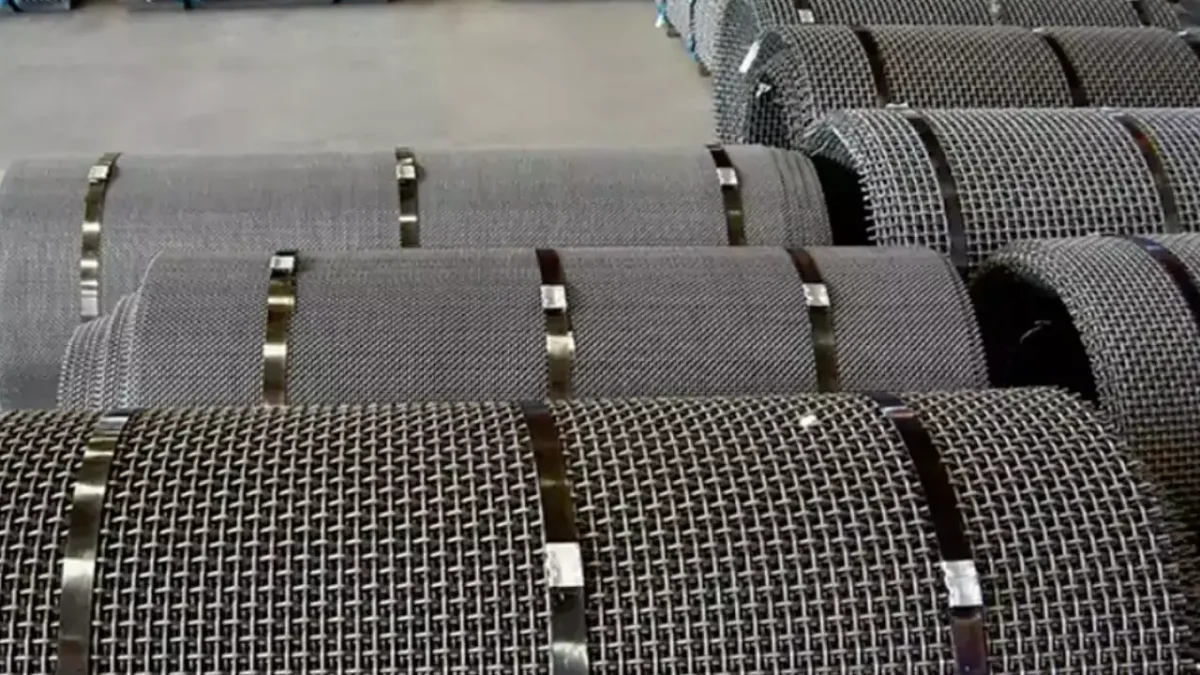
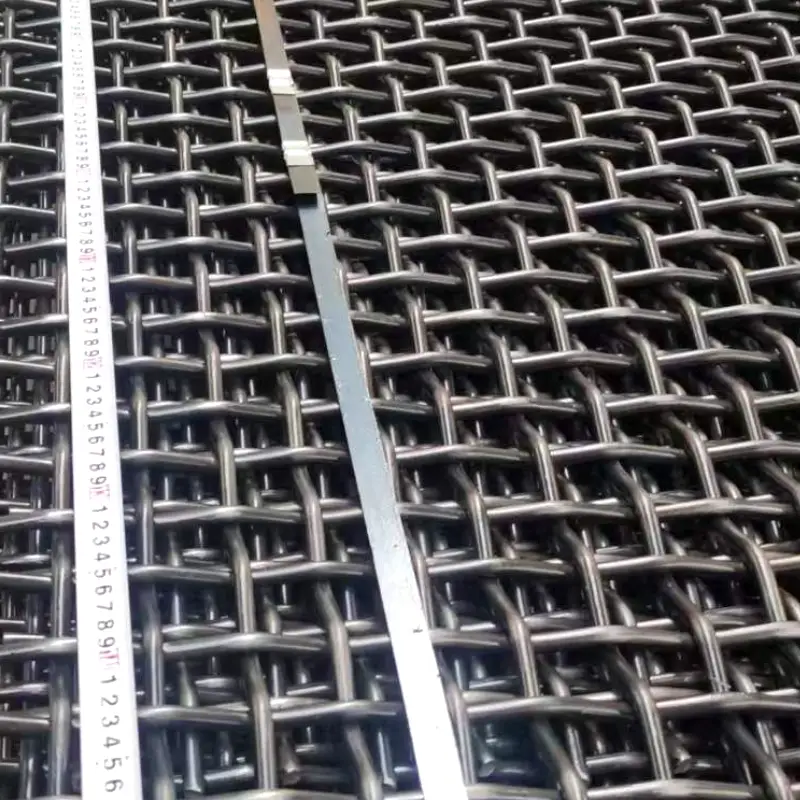
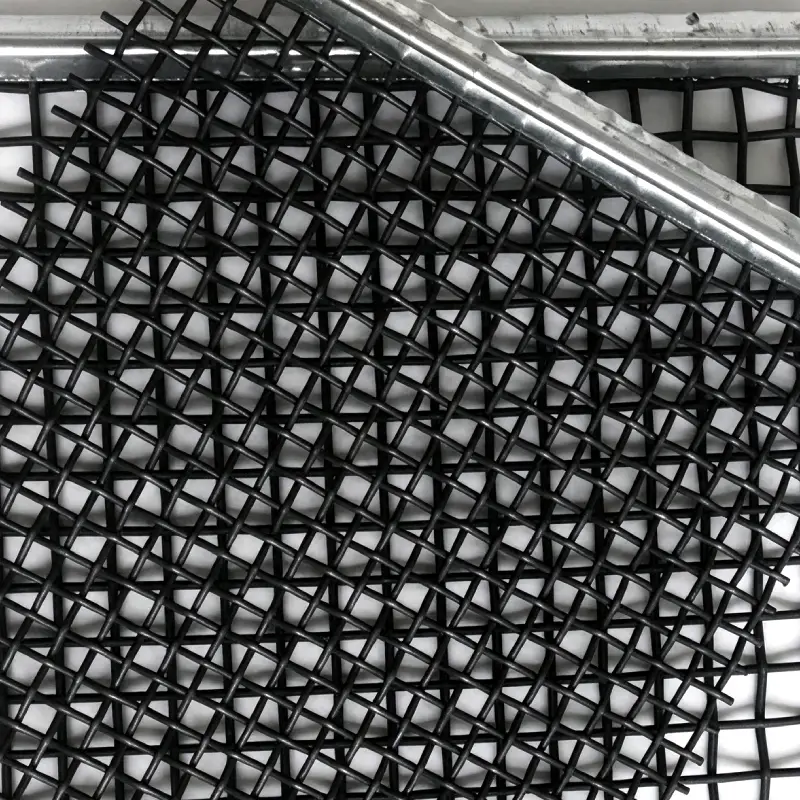
A mesh screen is a material made by weaving, welding, or interlocking metal wires to create a regular pattern of openings. It is commonly manufactured from stainless steel, aluminum, galvanized steel, and other metals. Mesh screens come in different wire diameters, mesh sizes, and opening shapes to meet various industrial, commercial, and residential requirements.
Mesh screens are valued for their strength, durability, ventilation, and filtration capabilities. Depending on the material and specifications, they can separate particles, protect equipment, improve airflow, and provide physical barriers. Their versatility makes them useful in many industries, from construction and agriculture to mining and manufacturing.
Common uses of mesh screens
- Filtration and Separation: Mesh screens are widely used to filter liquids, gases, and solid materials. Their uniform openings allow specific particles to pass through while retaining larger materials, making them suitable for industrial filtration and separation processes.
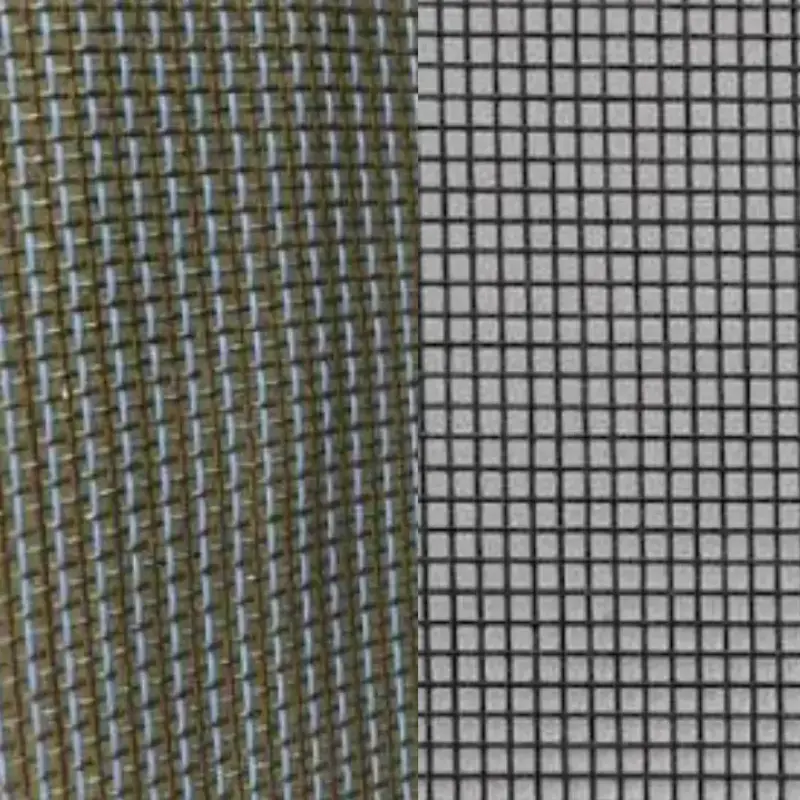
- Window and Door Protection: Metal mesh screens are installed in windows and doors to keep insects and unwanted debris outside. They also allow fresh air to circulate while providing a durable protective barrier for residential and commercial buildings.
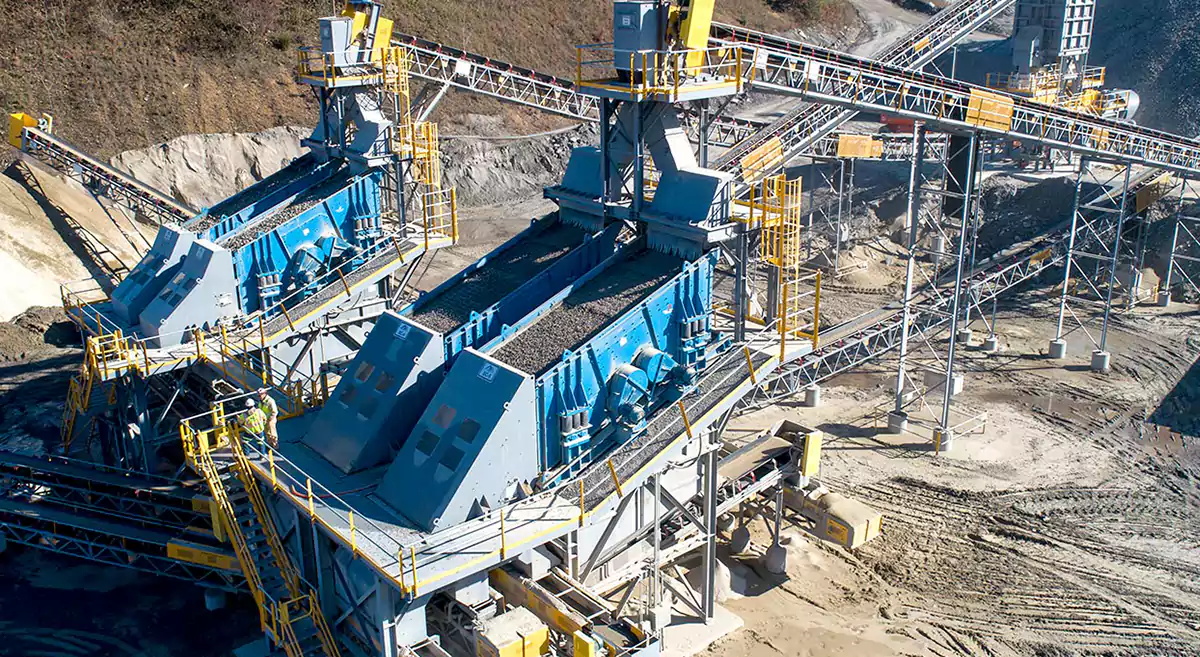
- Industrial Screening: In mining, construction, and manufacturing, mesh screens help separate materials according to particle size. They are commonly installed in vibrating screens, screening machines, and processing equipment to improve material classification and production efficiency.
- Fencing and Security: Heavy-duty metal mesh screens provide reliable barriers for industrial facilities, warehouses, gardens, and construction sites. Their strong wire structures help protect restricted areas while maintaining visibility and allowing airflow through the enclosed spaces.
- Ventilation and Airflow: Mesh screens are used in ventilation systems, air conditioning units, and equipment enclosures. Their open structure allows air to pass through while helping prevent insects, leaves, and larger debris from entering sensitive equipment.
How to Cut Mesh Screen?
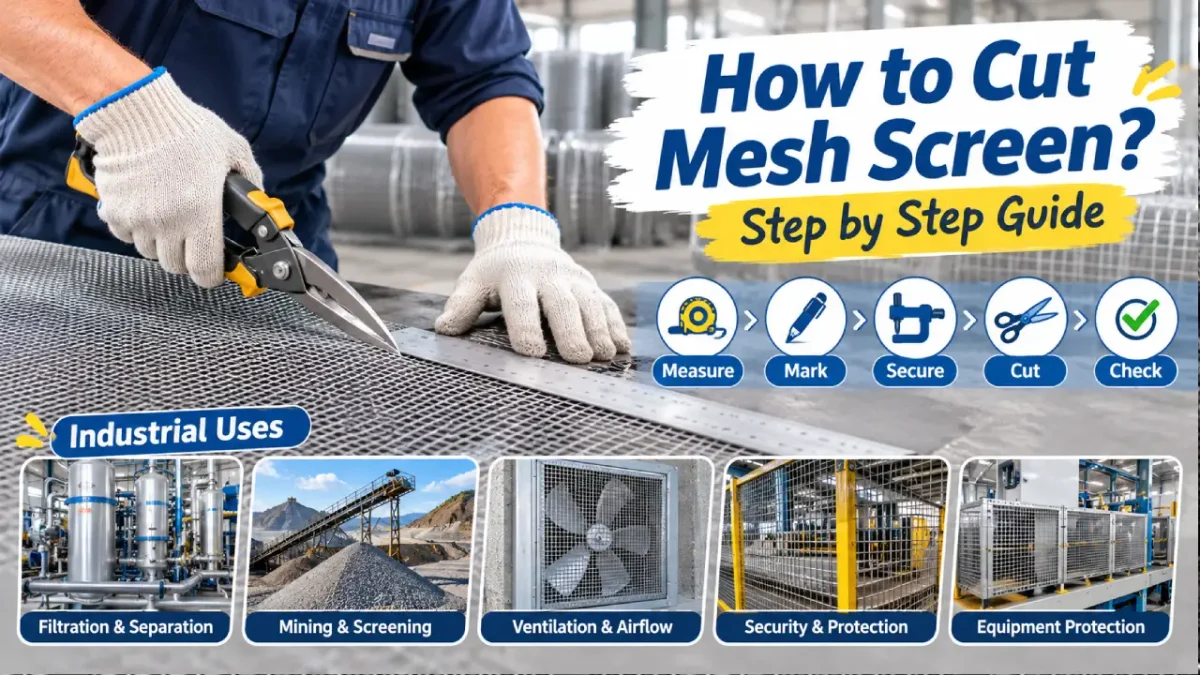
Cutting mesh screen requires careful preparation and the right tools to achieve clean, accurate edges. Whether you are trimming stainless steel mesh, aluminum mesh, or galvanized wire mesh, following the correct process helps prevent uneven cuts, bent wires, and material damage. Below, we explain each step to make cutting mesh screen easier and safer.
Tools Needed
Before you start, prepare the following tools:
- Measuring tape or ruler
- Permanent marker or chalk
- Metal straightedge or measuring square
- Tin snips or aviation snips
- Wire cutters
- Angle grinder or metal cutting shears (for thicker mesh)
- Clamps
- Work gloves
- Safety glasses
- Protective work surface
Step 1: Measure the Mesh Screen
Start by measuring the area where you plan to install the mesh screen. Use a measuring tape to determine the required length and width. Check the measurements carefully to ensure the mesh fits your intended application without leaving unnecessary gaps or excess material.
Record the measurements before cutting. If the mesh needs to fit inside a frame, consider the available installation space and any required overlap. Accurate measurements help reduce material waste and prevent sizing problems during installation.
Step 2: Mark the Cutting Lines
Place the mesh screen on a flat, stable work surface. Use a permanent marker or chalk to mark the cutting lines according to your measurements. A straightedge or measuring square can help you create clear, straight guidelines across the mesh surface.
Make sure the cutting lines are easy to see before proceeding. For larger mesh sheets, check the markings at several points to maintain alignment. Clear guidelines help you follow the intended cutting direction and achieve more consistent results.
Step 3: Secure the Mesh Screen
Position the mesh screen on your workbench and align it with the marked cutting lines. Make sure the material lies flat without folds, twists, or raised sections. Proper positioning helps you maintain control while cutting and reduces the risk of uneven edges.
Use clamps to hold the mesh securely in place. Place them away from the cutting path to avoid damaging your tools or interfering with the cutting process. Check that the mesh cannot slide or move before starting the next step.
Step 4: Choose the Right Cutting Tool
Select a cutting tool based on the mesh material, wire diameter, and thickness. Tin snips or aviation snips work well for thinner metal mesh, while heavy-duty wire cutters are suitable for individual thicker wires and small cutting jobs.
For thicker or stronger metal mesh, consider using an angle grinder with an appropriate metal-cutting disc. Make sure the selected tool is compatible with the material. Choosing the right equipment helps produce cleaner cuts while reducing unnecessary deformation and damage.
Step 5: Cut Along the Marked Lines
Put on your protective gloves and safety glasses before cutting. Position your cutting tool at the starting point of the marked line. Apply steady pressure and follow the guideline carefully, keeping the tool aligned with the intended cutting direction.
Avoid forcing the cutting tool through the material, as excessive pressure may bend wires or create rough edges. For larger mesh sheets, work gradually along the cutting line. Maintain a controlled cutting speed to achieve consistent results and minimize material distortion.
Step 6: Trim the Rough Edges
After separating the mesh screen, inspect the cut edges for protruding wires, sharp points, or uneven sections. Use wire cutters or metal snips to remove excess wire ends individually. Pay particular attention to corners and areas where the wires may have separated unevenly.
Trim carefully without removing too much material from the mesh structure. Keeping the edges neat helps improve the overall appearance and makes the screen easier to handle. Smooth, properly trimmed edges also reduce the risk of cuts during installation.
Step 7: Inspect the Finished Mesh Screen
Examine the entire cut section to check whether the dimensions match your original measurements. Look for bent wires, damaged openings, uneven edges, or areas that may affect the mesh screen’s strength and performance.
If you notice minor imperfections, correct them using suitable cutting tools. Make sure the finished mesh maintains its original structure and can fit the intended installation area. A final inspection helps ensure the material is ready for use and reduces potential installation problems.
When to Cut Mesh Screen?
Knowing when to cut mesh screen is just as important as knowing how to cut it. Cutting at the right time helps prevent material waste, ensures accurate dimensions, and makes installation easier. Whether you are working on a new project or replacing an existing screen, consider the following situations before cutting your mesh.
Common situations when you need to cut mesh screen
– When Installing a New Screen
When installing a new mesh screen, you may need to cut the material to match the dimensions of your window, door, frame, or equipment. Measuring and cutting before installation ensures a proper fit and reduces unnecessary adjustments.
– When Replacing Damaged Mesh
If your existing mesh screen has holes, tears, corrosion, or damaged sections, cutting a replacement piece may be necessary. Remove the damaged material and prepare a new section with suitable dimensions to restore the screen’s original function.
– When Customizing Mesh Dimensions
Different applications require different mesh sizes and shapes. If standard mesh sheets do not match your project requirements, cutting allows you to customize the length and width to fit specific frames, machines, or installation spaces.
– When Repairing Industrial Equipment
Industrial equipment sometimes requires replacement mesh components due to wear, damage, or changes in operating requirements. Cutting new mesh to the correct dimensions helps ensure compatibility with existing equipment and supports reliable screening or filtration performance.
– When Removing Excess Material
Sometimes, a mesh screen is slightly larger than the installation area. Trimming the excess material helps achieve clean edges, improve alignment, and prevent loose sections from interfering with the installation or operation of the finished product.
Best Way to Cut Aluminum Screen Mesh
Aluminum screen mesh is lightweight, flexible, and relatively easy to cut compared with many other metal mesh materials. However, using the wrong tools or applying excessive pressure can bend wires, damage openings, and create uneven edges. Choosing a suitable cutting method helps you achieve accurate dimensions while maintaining the mesh’s original structure.
The best cutting method depends on the mesh thickness, wire diameter, and project requirements. For most thin aluminum screen mesh, hand tools are sufficient. Below are several practical methods you can use to cut aluminum mesh cleanly and efficiently.
1. Use Tin Snips
Tin snips are one of the best tools for cutting thin aluminum screen mesh. Their sharp blades can cut through lightweight metal wires while providing good control. They are particularly useful for straight cuts and small customization projects.
2. Use Aviation Snips
Aviation snips offer better handling and cutting control for different cutting directions. Straight-cut, left-cut, and right-cut versions allow you to trim aluminum mesh into various shapes. They are suitable for detailed work and smaller mesh sections.
3. Use Wire Cutters
Wire cutters work well when you need to cut individual aluminum wires or remove small protruding sections. They are especially useful for trimming rough edges after the main cutting process and making minor adjustments around corners.
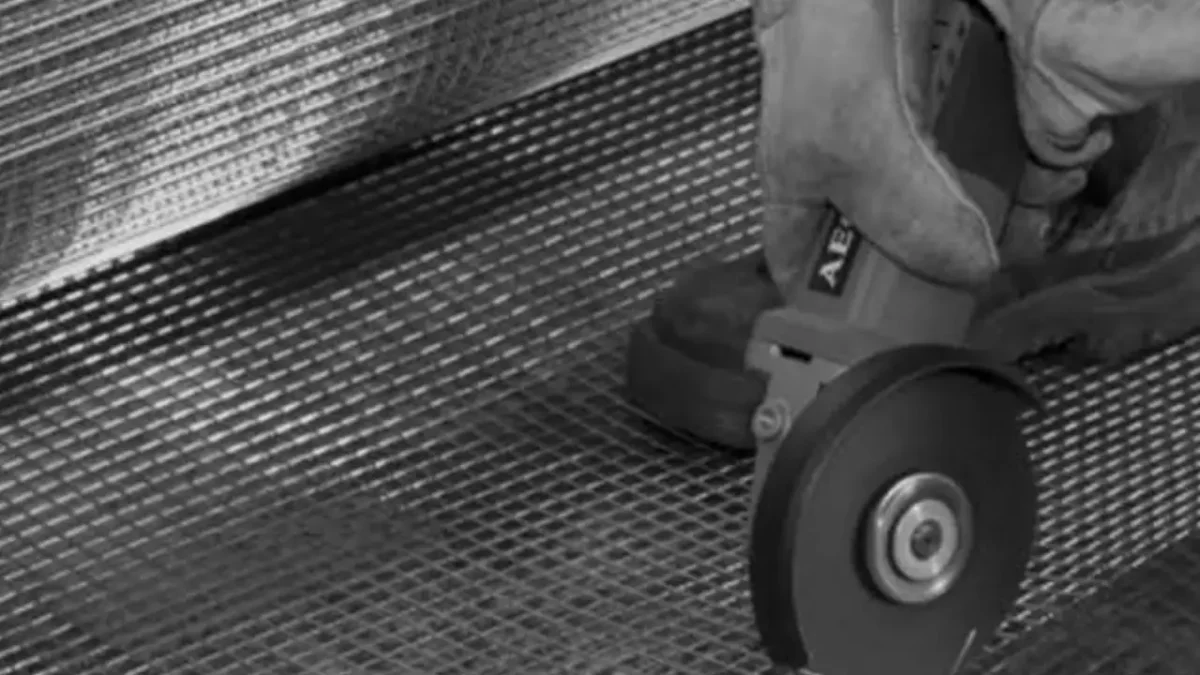
4. Use an Angle Grinder
An angle grinder with a suitable metal-cutting disc can handle thicker aluminum mesh and larger cutting jobs. Secure the mesh firmly before cutting, wear appropriate protective equipment, and use controlled movements to prevent excessive heat and material deformation.
5. Use Metal Cutting Shears
Metal cutting shears provide a convenient option for cutting larger aluminum mesh sheets. Depending on their design and cutting capacity, they can produce relatively straight edges with less manual effort. Always check the tool’s specifications against your mesh thickness before use.
6. Use a Utility Knife for Certain Screen Materials
Some lightweight aluminum window screen products have very fine, flexible wires and can be trimmed with a sharp utility knife along a suitable straightedge. This method is not appropriate for thicker woven or welded metal mesh, so check the material before cutting.
Practical tip: For most standard aluminum window screen mesh, tin snips or aviation snips are good starting choices. For thicker industrial aluminum mesh, select a cutting tool based on the wire diameter and material thickness.
Conclusion
Cutting mesh screen correctly is essential for achieving clean edges and ensuring a proper fit. By choosing the right cutting tools, measuring carefully, and following each step, you can avoid unnecessary material waste and prevent damage to the mesh. A little preparation can make the entire cutting process easier and more efficient.
Different metal mesh materials may require different cutting methods. For example, stainless steel mesh is harder and may need heavy-duty cutters, while aluminum mesh is generally easier to trim. Always consider the wire diameter, mesh opening, and material thickness before starting. Wearing protective gloves and safety glasses also helps prevent injuries from sharp wire edges.
Choosing the right mesh screen is just as important as cutting it properly. At Apscreen, we provide a wide range of metal mesh screens for industrial, commercial, and other applications. Whether you need customized mesh sizes, materials, or specifications, we can help you find a suitable solution. Contact Apscreen today to get wholesale metal mesh screens directly from our team.