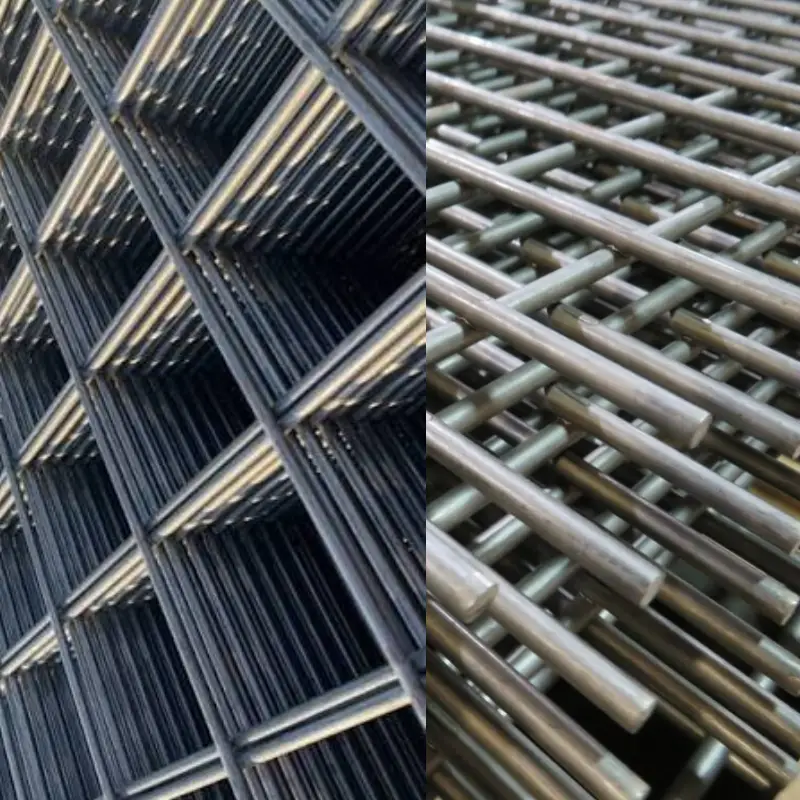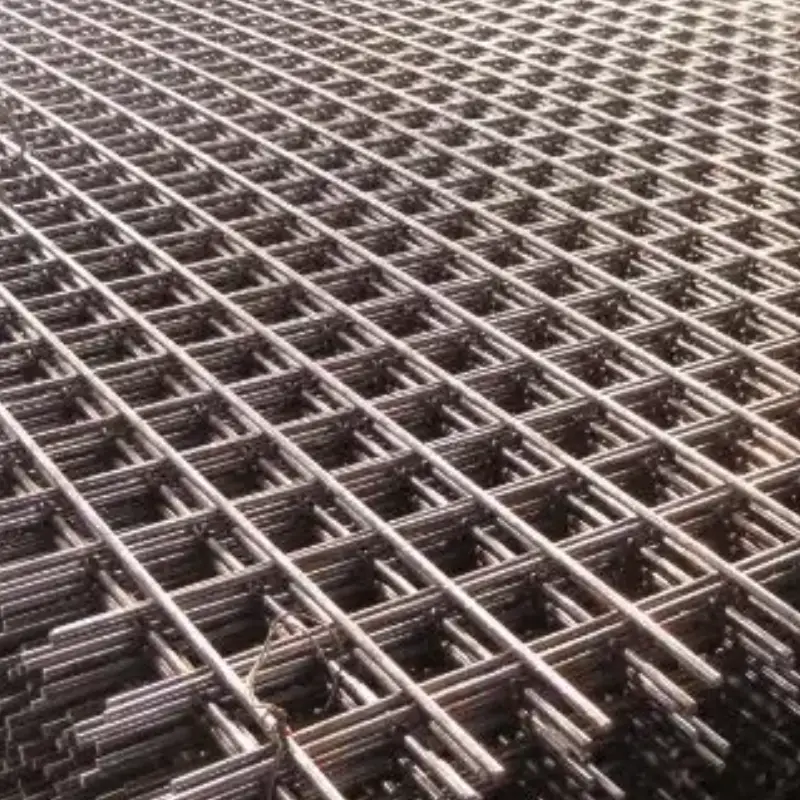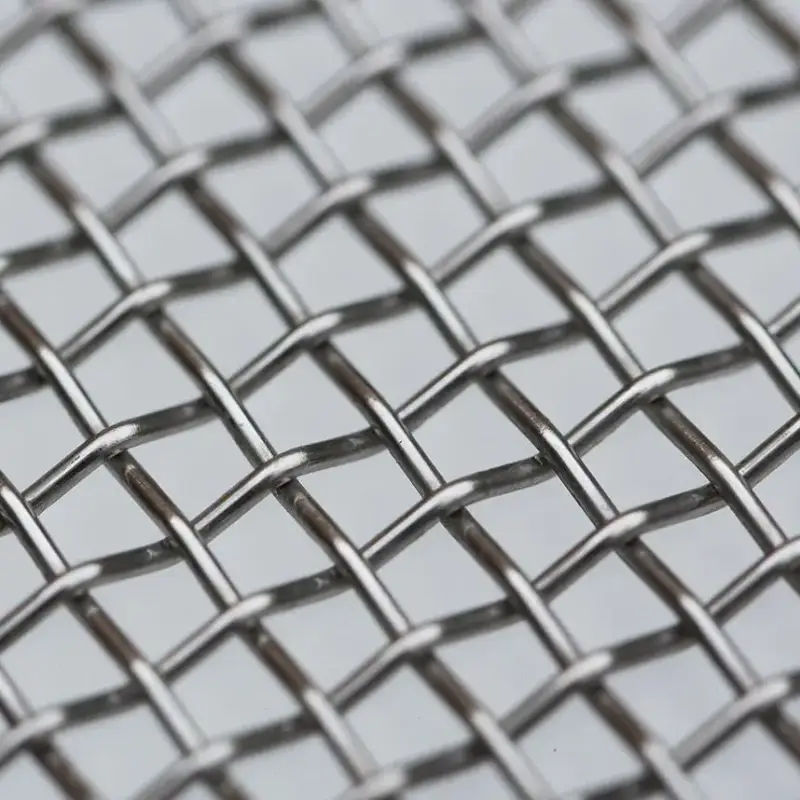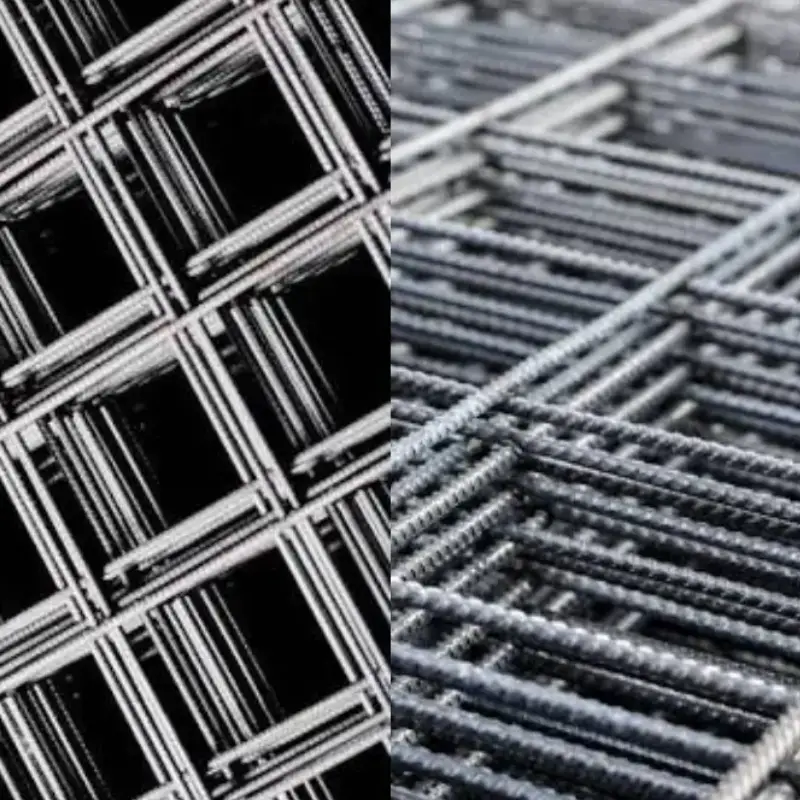
Flattening wire mesh is an important preparation step for construction, mining, fencing, filtration, and industrial projects. Rolls and panels can develop bends, waves, curling, or uneven edges during storage, transport, and handling. Correct flattening improves alignment, simplifies fastening, and helps the mesh fit securely within frames, supports, or specified installation areas.
The best flattening method depends on mesh material, wire diameter, opening pattern, coating, and project requirements. Light mesh may respond to manual pressure, while heavier welded mesh may require weighted boards, rollers, clamps, or mechanical straightening equipment. Careful handling protects coatings, prevents broken welds, and reduces the chance of sharp-edge injuries.
Why Flatten Wire Mesh
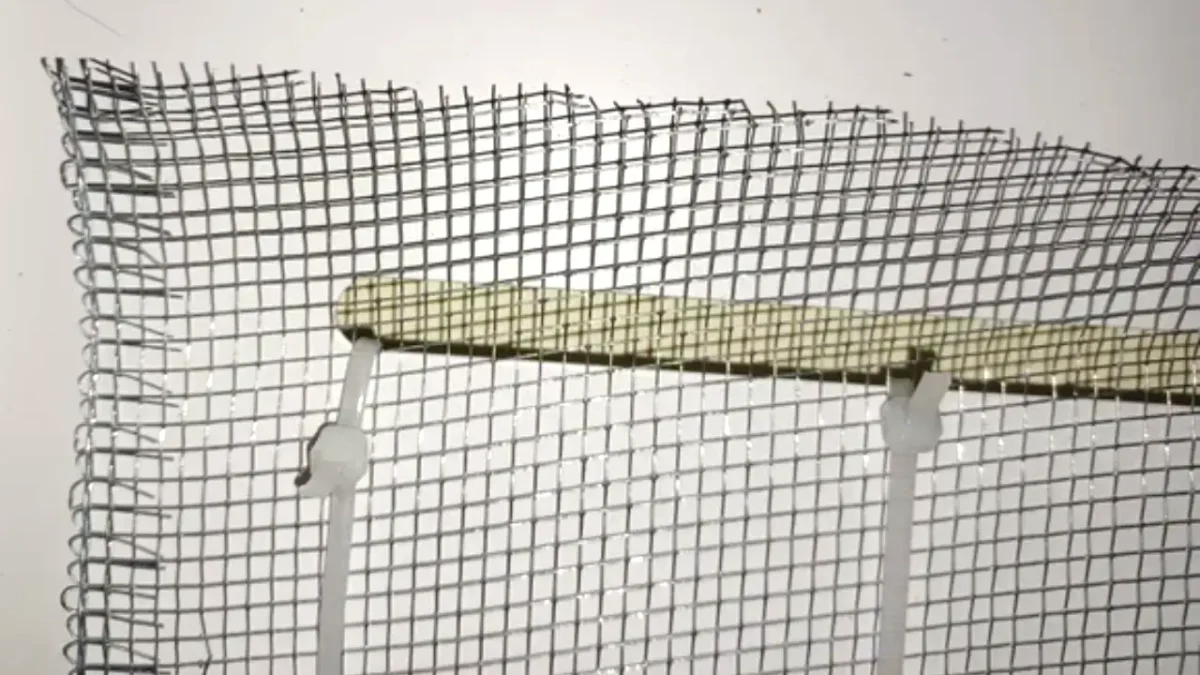
Flattening wire mesh removes roll memory, bends, waves, and curled edges so the material sits evenly during installation. A flat panel is easier to measure, cut, connect, support, and fasten across construction, mining, fencing, filtration, and industrial projects. It also helps prevent unsafe spring-back while improving accuracy and the finished appearance.
Reasons Why Flatten Wire Mesh?
- Improve Installation Accuracy: Flat mesh follows layout lines, frames, supports, and anchors more closely. This improves alignment during fencing, concrete reinforcement, equipment guarding, and filtration work while reducing adjustments caused by curved edges or uneven panel surfaces.
- Reduce Roll Memory: Wire mesh stored in rolls can retain a curved shape after unrolling. Flattening counteracts this coil memory, helping material remain level rather than springing back toward its stored form during handling, cutting, joining, or final installation.
- Make Cutting Easier: A stable, flat mesh panel is safer and more accurate to measure and cut. Workers can follow marked lines more easily, control tools better, and reduce the chance of irregular edges, wasted material, or unexpected movement.
- Support Secure Connections: Flattened edges allow adjoining mesh panels to overlap evenly and sit flush together. This makes ties, clips, rings, and lacing wire easier to install. Proper contact across joints helps reduce gaps, bulges, loose fasteners, and uneven loading.
- Improve Concrete Placement: Flat reinforcing mesh can be positioned more consistently on chairs or spacers before concrete placement. This helps preserve the specified reinforcement location and continuous grid pattern, supporting predictable crack-control performance when installation follows approved project details.
- Protect Workers During Handling: Curled mesh can spring outward suddenly and create sharp, difficult-to-control edges. Flattening reduces unexpected movement during transport and installation. Workers should still use gloves, eye protection, and appropriate handling methods around all cut or exposed wires.
- Create Better Surface Contact: Flat mesh provides more uniform contact with frames, substrates, forming tools, and mounting surfaces. This is especially valuable for screening, architectural panels, machine guards, filters, and fabrication work requiring close, stable, and precise fitment.
- Improve Finished Appearance: Removing bends and waves creates straighter lines, consistent openings, and cleaner panel edges. Flat mesh looks more professional in visible fencing, architectural screens, guard panels, and commercial projects while making defects, damaged wires, or incorrect connections easier to identify.
How to Flatten Wire Mesh?
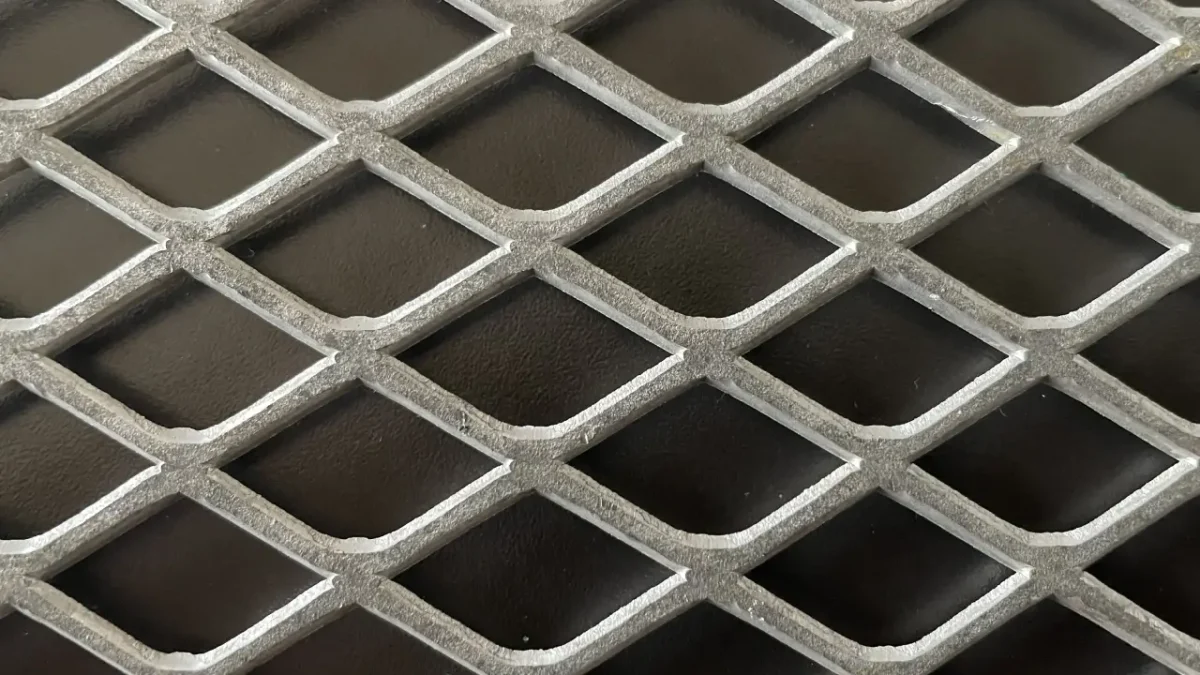
Flattening wire mesh removes the curl, waves, and spring-back created by storage in a roll. A smooth panel is safer to handle and easier to measure, cut, join, and install. Work slowly on a clean, level surface, use personal protective equipment, and avoid forcing heavily damaged mesh that may have broken wires or welds.
Tools Needed
- Work gloves
- Safety glasses
- Steel-toe boots
- Tape measure
- Wire cutters
- Pliers
- Heavy boards or plywood
- Concrete blocks, bricks, or sandbags
- Clamps
- Straightedge
- Marking chalk
- Assistant for heavy rolls
Step 1: Select a Flat Work Area
Choose a clean, firm, level work area large enough for the full mesh section. Concrete, compacted ground, or a stable workshop floor provides reliable support. Remove loose debris, sharp objects, and trip hazards before starting. A clear workspace allows the mesh to lie evenly and reduces the risk of damaging its coating or wire intersections.
Ensure the work area has enough clearance around the mesh roll for safe movement during unrolling. Keep unnecessary tools, vehicles, and bystanders outside the handling zone. Good lighting helps identify sharp ends, damaged welds, and uneven sections. For large construction or mining mesh, follow the site lifting plan and designated exclusion-zone requirements throughout handling.
Step 2: Put On Safety Equipment
Put on heavy work gloves before touching the wire mesh roll. Gloves protect hands from sharp wire ends, cut edges, damaged coatings, and pinch points. Wear safety glasses to guard against sudden spring-back when restraints are removed. Use steel-toe boots when handling heavy rolls, panels, weights, or equipment in industrial work areas.
Check that your clothing fits closely enough to avoid catching on protruding wires. Remove loose jewelry, scarves, and unsecured items before working near the mesh. Select long sleeves when conditions allow, especially with galvanized or cut wire. Proper protective equipment helps control common handling hazards, but workers should still remain alert to stored tension.
Step 3: Inspect the Wire Mesh
Inspect the rolled wire mesh before removing any packaging or retaining ties. Look for crushed edges, broken welds, corrosion, damaged galvanizing, distorted openings, or loose wire ends. Identify the rolled direction and locate the free end. Do not flatten mesh with serious structural damage when it will serve a load-bearing or safety-critical purpose.
Mark areas showing bends, waves, or localized curling so they can receive careful attention later. Determine whether the mesh is light woven material, welded fencing, reinforcing mesh, or engineered high-tensile mesh. Different products tolerate different handling forces. Confirm the project specification before attempting to straighten heavy mesh used in mining, slope support, or construction reinforcement.
Step 4: Remove the Roll Restraints
Cut or release the packaging, tie wire, steel rings, or other restraints holding the mesh roll closed. Keep a firm grip on the free end while releasing each restraint. Stand to one side rather than directly in front of the roll. Stored tension can cause the mesh to expand suddenly after restraints are removed.
Remove restraints one at a time and pause after each release to confirm the roll remains controlled. Ask an assistant to steady heavy mesh rolls when necessary. Never place hands between tightening coils or beneath a shifting roll. Controlled restraint removal protects workers and prevents sudden unwinding that can bend wires, damage coatings, or complicate the flattening process.
Step 5: Secure the Loose End
Secure the loose end of the mesh against the flat work surface before unrolling the remaining material. Use clamps, temporary stakes, heavy boards, or approved weights that will not damage the wires. Keep the first section straight and level. Anchoring the end limits spring-back and provides a stable starting point for controlled mesh handling.
Check that the weight or clamp holds the mesh securely without crushing wires, flattening openings, or scraping protective coatings. Position weights along solid wire intersections when possible. Keep the secured end visible throughout the work. A properly restrained starting edge allows the roll to be unwrapped gradually, reducing unwanted curling and preventing sudden movement across the work area.
Step 6: Unroll the Mesh Slowly
Unroll the wire mesh gradually across the prepared work surface. Maintain control of the roll and keep the material aligned with the intended layout direction. Allow the mesh to settle naturally as each section is released. Do not throw, kick, or rapidly spin the roll, because uncontrolled movement can create additional bends or injuries.
Pause whenever the mesh begins to recoil, twist, or lift away from the surface. Reposition the roll and restore alignment before continuing. Keep your hands clear of rolling edges and avoid stepping on unsupported curled sections. For heavy rolls, one worker can control the roll while another guides the mesh, following site procedures and safe-lifting requirements.
Step 7: Reverse the End Curl
Locate the section with the strongest upward curl after the mesh has been unrolled. Apply gradual pressure in the opposite direction of the curl to counter the roll memory. Start at the loose end and work inward carefully. A small reverse bend is usually more effective than aggressive forcing, which can deform mesh openings.
Use a broad board or gloved hands to spread pressure across multiple wires rather than bending one wire sharply. Check the mesh after each adjustment and stop once the panel lies closer to flat. Avoid reverse-bending welded intersections repeatedly. Excessive manipulation can fatigue the wire, crack protective coatings, or damage the mesh structure in critical applications.
Step 8: Apply Even Weight
Place flat boards across the curled or wavy mesh areas after reverse-bending the loose end. Add concrete blocks, sandbags, or other stable weights on top of the boards. Spread the load evenly to avoid crushing individual wires. Weighted pressure helps the mesh settle gradually while maintaining a more consistent panel surface.
Leave the weights in position until the mesh holds its flatter shape. The required time depends on wire thickness, mesh type, and the severity of its roll memory. Check progress periodically without removing all weights at once. For structural mesh, avoid unapproved loading methods that could damage the product or conflict with manufacturer recommendations.
Step 9: Check the Mesh Flatness
Check the mesh surface using a straightedge, level, or visual inspection from several angles. Look for remaining waves, lifted corners, uneven openings, broken wires, and distorted welded points. A small amount of natural variation may be acceptable, but the mesh should sit stable enough for its planned installation, cutting, connecting, or reinforcement function.
Mark any remaining high spots or curled edges with chalk before making further corrections. Do not continue flattening areas that are already properly aligned. Repeated unnecessary bending can weaken wires and damage coatings. If the mesh cannot lie flat without excessive force, consult the supplier or project engineer instead of using compromised material in safety-sensitive construction or mining work.
Step 10: Store the Flattened Mesh
Store the flattened mesh on a dry, level surface until installation begins. Keep panels supported across their length to prevent new bends, sagging, or edge damage. Cover the material when needed to protect it from moisture, dirt, chemicals, and construction traffic. Do not stack heavy items directly on unsupported mesh sections.
Move flattened panels carefully to the installation area using enough workers or approved lifting equipment. Support broad sections instead of carrying mesh from one corner, which can reintroduce twisting. Inspect the material again before installation. Proper storage and transport preserve the flatter shape, protect protective coatings, and help ensure clean alignment during final project assembly.
Rolled Wire Mesh Flatting Tips
Flattening rolled wire mesh helps remove coil memory, edge curling, waves, and spring-back before installation. A properly prepared panel is easier to cut, join, align, and fasten in construction, mining, fencing, screening, and industrial projects. Use controlled pressure rather than force, and protect workers from sharp edges and sudden movement during every handling stage.
- Use a clean, level work surface: Unroll mesh on concrete, compacted ground, or another stable flat surface free of stones and debris. An even base supports the full panel, avoids new bends, protects coatings, and makes curled sections easier to identify and correct safely.
- Wear suitable personal protective equipment: Wear heavy gloves, safety glasses, long sleeves, and steel-toe footwear while handling rolled mesh. Cut wires and sudden spring-back can cause injuries. Keep loose clothing away from openings, and use site-required protective equipment when working in construction or mining areas.
- Release roll restraints carefully: Cut packaging ties or retaining wires one at a time while standing to the side of the roll. Hold the loose end securely, because stored tension can make mesh expand suddenly. Never put hands between coils or directly in the path of unwinding mesh.
- Unroll slowly in manageable lengths: Pull the loose mesh end straight across the work surface and release only a short section at a time. Smooth each section before continuing. Gradual unrolling limits twisting, reduces recoil, and makes it easier to control large rolls without damaging wires or welded connections.
- Anchor the first mesh edge: Secure the first straightened edge with clamps, boards, stakes, bricks, or sandbags. Use broad contact points that hold mesh without crushing wires or deforming openings. Anchoring prevents the roll from pulling material back and creates a stable reference line during flattening work.
- Counteract the curl gradually: Bend the loose end slightly opposite to its original roll direction to reduce coil memory. Use steady, broad pressure across several wires instead of sharply bending individual strands. Check progress frequently, since excessive reverse bending can distort openings, crack coatings, or weaken welded intersections.
- Use boards under heavy weights: Lay plywood or straight boards over wavy mesh areas, then place blocks, bricks, or sandbags evenly on top. Boards spread pressure across the panel and reduce localized damage. Leave the load in place until the mesh begins holding its flatter shape.
- Straighten edges with controlled force: Use gloved hands or pliers to correct small kinks and curled edges carefully. Work slowly along the edge instead of pulling one point aggressively. Bend sharp cut ends inward after adjustments, minimizing snagging hazards during handling, storage, transport, and final installation.
- Check flatness before installation: Inspect mesh from several angles after flattening. Use a straightedge to find raised areas, uneven openings, damaged welds, or lingering curls. Reapply gradual correction only where necessary. Replace severely damaged sections rather than forcing them flat for critical structural or safety applications.
- Store flattened panels correctly: Keep finished panels on a dry, supported surface away from traffic, standing water, chemicals, and stacked materials. Support the entire panel rather than one corner to prevent new twists. Careful storage preserves flatness, protects protective coatings, and makes later installation more efficient.
Conclusion
Flattening wire mesh before installation helps create a safer, cleaner, and more dependable finished system. Smooth panels are easier to measure, cut, overlap, tension, and fasten, reducing delays during construction or industrial work. Taking time to remove bends and waves can also help prevent uneven connections, gaps, sagging, and unnecessary stress on supports.
Always choose a flattening method that suits the mesh type and the project environment. Avoid excessive force, concentrated impacts, or uncontrolled bending, as these actions may damage welded intersections, protective finishes, or wire strength. Inspect the material after flattening and replace sections with broken wires, severe deformation, or corrosion that could affect long-term performance.
For reliable materials and cost-effective sourcing, choose wholesale wire mesh from Apscreens. Available mesh specifications can support demanding construction, mining, fencing, filtration, and industrial applications. By selecting suitable material, flattening it carefully, and following approved installation practices, you can achieve secure connections, accurate alignment, and durable project results over time.