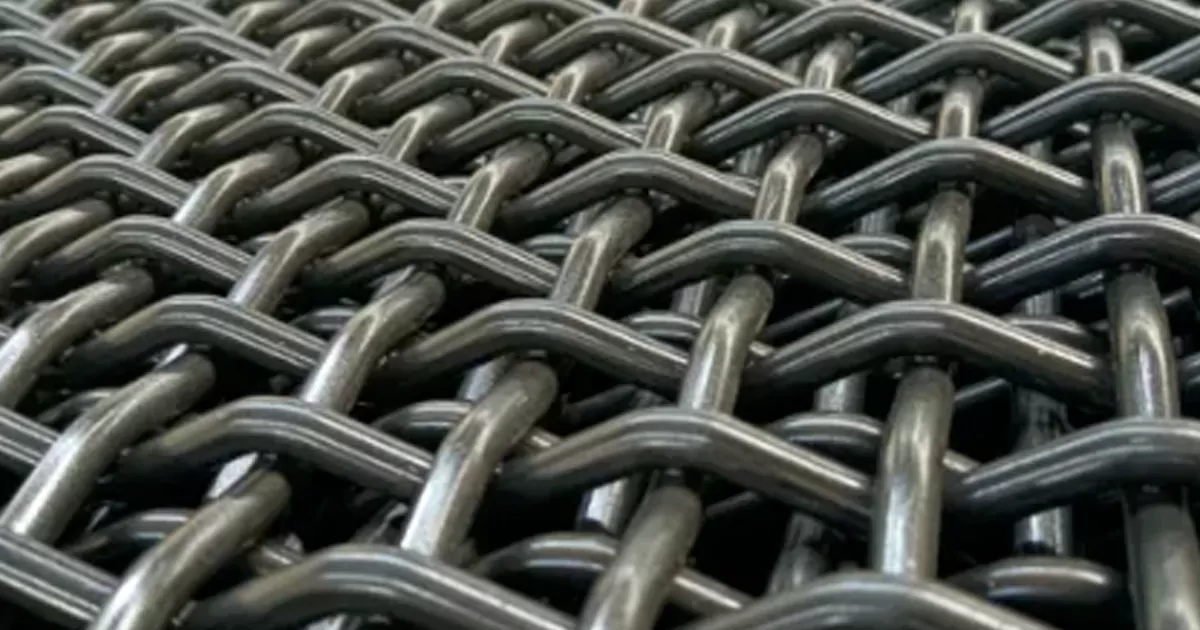
Manganese steel is special in modern industry. It is strong and tough. This alloy has lots of manganese and carbon. It lasts longer than most steels. Many industries use manganese steel for hard work. It is good for mining and construction. It keeps working even with heavy hits. People look at manganese steel properties before choosing it. They want the right steel for each job. The table below shows CO₂ emissions from making steel. This helps companies pick greener choices.
| Steelmaking Process | CO₂ Emissions (t CO₂e/tonne) |
|---|---|
| BF–BOF | 2.66 |
| DRI–EAF | 1.66 |
| Scrap–EAF | 0.71 |
Manganese makes steel stronger. It helps with low-carbon steelmaking. It is important for green steel production.
Key Takeaways
- Manganese steel is very strong and tough. It works well for hard jobs in mining and building.
- This steel gets even harder when you use it. This helps it last longer and not wear out fast.
- Manganese steel does not attract magnets. This makes it safe for machines near magnets.
- Picking the right amount of manganese and carbon is important. It helps get the strength and toughness you want.
- Many industries use manganese steel because it lasts a long time. Railways, the military, and recycling all use it.
- You need special ways to weld manganese steel. This stops cracks and keeps it strong.
- Using manganese steel can help companies save money. They do not need to fix or replace things as often.
- Knowing about manganese steel helps engineers choose the right material. This is important for different jobs.
Manganese Steel Overview
Definition and History
Manganese steel is a very tough alloy. People call it high manganese steel because it has lots of manganese. This steel can take hard hits and does not wear out fast. Sir Robert Hadfield made high manganese steel in 1882. He learned that adding more manganese made steel stronger and bendable. Over the years, experts changed the mix. They changed how much carbon and manganese is in it. This made the steel better for different uses. Today, high manganese steel is still important in many jobs.
High manganese steel helps protect machines. It works when other steels break.
Here are some big moments in manganese steel history:
| Year | Milestone Description |
|---|---|
| 1882 | Sir Robert Hadfield made austenitic manganese steel. It was tough, bendy, and did not wear out fast. |
| 20th Century | People changed the mix. They added or took away carbon and manganese. This made the steel better for special jobs. |
| Modern Era | Hadfield’s steel is still used today. It is found in mining, trains, and the military. It is strong and lasts a long time. |
Common Names and Standards
People use many names for manganese steel. The most popular name is Hadfield steel. It is named after the person who invented it. Different countries have their own rules for high manganese steel. These rules help people know what kind of steel they are buying. Here are some main names and standards:
| Standard Organization | Designation/Grade | Country/Region of Origin | Notes/Remarks |
|---|---|---|---|
| UNS | A128 | USA | Most like AISI Hadfield steel |
| AISI/SAE | Hadfield | USA | Old name, many people know it |
| ASTM | A128 | USA | Official rule for high manganese steel |
| EN | 1.3401 | Europe | Some small changes in the mix |
| JIS | G 4404 | Japan | Same kind of steel, mix may change |
| GB | ZGMn13 | China | Same type, used for similar things |
| ISO | 1.3401 | International | World rule for Hadfield steel |
Industrial Importance
High manganese steel is used in many industries. It is about 80-90% of all manganese used in steel making. Most steel has only a little manganese. High manganese steel has much more. This makes it very strong and tough.
Industries that use manganese steel are:
- Builders use it for bridges, rebar, beams, and frames.
- Train companies use it for rails and switches.
- Car makers use it for strong car parts.
- Mining and building projects use it because it does not wear out fast.
High manganese steel makes machines harder and stronger. It helps machines last longer, even when used a lot. That is why many industries pick it for hard jobs.
Manganese Steel Composition
Alloying Elements
Manganese and Carbon Content
Manganese steel is different because it has a lot of manganese and carbon. Most plain carbon steels have less manganese, from 0.05% to 1.65%. Alloy steels can have up to 2.1% manganese. Hadfield steel has much more, between 10% and 15% manganese. Carbon manganese steel usually has 0.3% to 0.6% carbon and 0.6% to 1.65% manganese. This mix makes the steel strong and tough. More manganese makes the steel harder and helps it last longer. High manganese also keeps the steel tough after lots of use.
High manganese makes the steel tough and stops cracks. Carbon gives the steel strength and helps it keep its shape.
Effects of Other Elements
Steel makers sometimes add other elements to manganese steel. These extras change how the steel works. Chromium and nickel are common choices. Each one helps the steel in a different way.
| Alloying Element | Effect on Properties | Additional Notes |
|---|---|---|
| Chromium | Makes the steel stronger and harder to bend; can make it less tough | Needs more heat to treat; not always needed |
| Nickel | Makes the steel tougher; can lower strength a little | Keeps austenite stable; good for thick steel; stops carbide forming |
Chromium makes the steel stronger but can make it less tough. Nickel helps the steel stay tough and bendy, especially in big pieces. Steel makers pick these extras based on what the steel needs to do.
Microstructure
The microstructure of manganese steel is very important. After heat treatment, high manganese steel gets a uniform austenite structure. This structure makes the steel hard and bendy. Special heating and cooling steps can make the steel even stronger. These steps help tiny bits form inside the steel, making it harder and tougher.
How the steel’s microstructure changes affects how it bends and stretches. A uniform austenite structure helps the steel take hard hits without breaking.
Medium manganese steel starts with a mix of different structures. When it is pressed or stretched, the microstructure changes. This helps the steel get stronger and handle stress better. δ ferrite and other tiny parts inside the steel can make it harder and stronger. Steel makers use these tricks to get the best steel for each job.
- Uniform austenite structure means better toughness and ductility
- Microstructure changes help work hardening and yield strength
- Special heat treatments give higher hardness and longer life
Manganese steel’s special mix and microstructure make it great for tough jobs. The right mix and careful steps help it last in hard places.
Manganese Steel Properties
Mechanical Properties
Strength and Ductility
Manganese steel is strong and bendy. It does not break easily. People use it for jobs with lots of hits. It can stretch and bend without snapping. This helps it last in hard places. The table below shows how hard and strong it is. It also shows how much it can stretch.
| Property | Condition | Temperature | Value (MPa) | Value (ksi) | Standard |
|---|---|---|---|---|---|
| Tensile Strength | Annealed | Room Temp | 700 – 900 | 101.5 – 130.5 | ASTM E8 |
| Yield Strength | Annealed | Room Temp | 400 – 600 | 58 – 87 | ASTM E8 |
| Elongation | Annealed | Room Temp | 20 – 30% | 20 – 30% | ASTM E8 |
| Hardness (Brinell) | Work Hardened | Room Temp | 450 – 600 HB | 45 – 60 HB | ASTM E10 |
These numbers show why people like manganese steel. It is hard and can stretch. This makes it good for tough jobs.
Work-Hardening
Manganese steel gets harder when used. This is called work hardening. When it takes hits, the outside gets tough. This helps it last longer. The hard surface stops it from wearing out fast.
- High-manganese steels get much harder when used.
- The steel gets tough fast when hit or pressed.
- Work hardening helps the steel take hits and scrapes.
| Key Findings | Description |
|---|---|
| Hardening Mechanism | The outside gets tough from ε-martensite and twins. |
| Wear Resistance | Manganese steel does not wear out fast. |
| Engineering SFE | More stacking fault energy means more twins and more hardness. |
Work hardening makes manganese steel great for mining and building. The more it works, the stronger it gets.
Physical Properties
Non-Magnetic Behavior
Austenitic manganese steel is not magnetic. It does not mess with magnets. This is good for machines that use magnets. For example, lifting magnets need non-magnetic parts. Using manganese steel keeps machines safe from magnet problems.
Damping Capacity
Manganese steel can soak up shakes and bumps. This is called damping. Mn-Cu alloys are even better at this. The steel’s damping does not change with magnets. This is better than some other metals. Adding more manganese helps, but too much can make it break. Special treatments help keep it strong and bendy.
| Property | Value |
|---|---|
| Thermal Conductivity | 12.6 W/m. °C |
| Specific Gravity | 7880 kg/m³ |
| Electrical Resistivity | 70 to 80 µΩ.cm |
These facts help manganese steel work well in machines that shake or get hot.
Wear and Corrosion Resistance
Manganese steel is great at stopping wear. It is a top pick for parts that rub a lot. When used, the outside gets even harder. This keeps it safe from scrapes. Engineers add vanadium and titanium to make it even tougher.
| Steel Type | Wear Resistance Characteristics | Notes |
|---|---|---|
| High-Manganese Steel | Gets better at stopping wear with tiny V2C bits. | Adding V and Ti and heat helps it last longer. |
| Other High-Strength Steels | Wear resistance changes with different mixes and treatments. | Some steels get tough by adding small amounts of other metals. |
Manganese steel also fights rust. The mix of manganese and carbon helps stop rust. Adding chromium and molybdenum makes it even better. These extras make a layer that blocks water and chemicals.
- Manganese steel has 11–14% manganese and 1.0–1.2% carbon. This helps it bend and stop wear.
- Chromium makes it stronger and better at fighting rust.
- The right amount of chromium keeps it tough and strong.
Manganese steel protects against rust, especially with extra metals. In acid places, it may need more help to stop damage.
Manganese steel is a top choice for hard jobs. It is strong, gets tougher with use, and lasts a long time. People trust it for tough work and rough places.
Advantages and Limitations
Advantages in Heavy-Duty Use
Manganese steel is great for hard jobs. People use it in mining and building. It is strong and lasts a long time. This alloy can take big hits and heavy weight. It does not break easily. Workers do not stop work often because the steel does not wear out fast. Machines made with manganese steel keep working after hard hits or rough use.
Here are some reasons why industries pick manganese steel for tough jobs:
- High impact strength helps machines survive big hits.
- Great wear resistance keeps tools working longer.
- Good machinability makes it easier to make parts.
- Toughness lets machines handle lots of stress.
- The steel takes hits without breaking, so repairs are fewer.
- Strong and durable steel lets machines do heavy work.
- It resists rust and corrosion, so maintenance is less.
- It saves money because it is strong and not too costly.
Manganese steel helps companies save money and time. It keeps machines running and lowers repair needs.
Limitations and Challenges
Manganese steel has some problems too. Makers must think about these before using it. Sometimes, the steel gets brittle and is hard to shape or cut. Finding good manganese is not easy, and mining costs go up. Mining can hurt the environment and forests. Workers can get sick if they touch too much manganese.
Here are some common problems with manganese steel:
- Manganese can make steel brittle and hard to work with.
- Good manganese is rare, so mining costs more.
- Mining can cause pollution and hurt forests.
- Too much manganese can be bad for workers’ health.
Companies must weigh the good and bad sides. They should plan for safe use and careful sourcing.
Manganese steel gives industries strong materials for hard jobs. But they must also handle the risks and costs that come with it.
Machinability and Weldability
Machining Challenges
Manganese steel gives machinists a tough job. This steel hardens fast when tools touch it. The harder it gets, the more difficult it becomes to cut or shape. Many shops see tools wear out quickly and surfaces turn rough. Workers must check their work often to keep parts the right size.
Here is a table that shows the main machining challenges:
| Challenge | Description |
|---|---|
| Rapid Work-hardening | The steel hardens quickly when cut, making it harder to machine. |
| Increased Tool Wear | Tools dull fast, which means more stops and higher costs. |
| Difficulties in Accuracy | Hardening causes size errors, so workers must check measurements often. |
| Poor Surface Finish | The hard layer leaves marks and makes smooth finishes hard to get. |
| High Heat Generation | Cutting creates a lot of heat, which can bend tools and parts. |
| Difficult Chip Control | Long chips can tangle and cause safety problems or damage. |
| Increased Time and Costs | Machining takes longer and costs more because of tool wear and slow speeds. |
Manganese steel’s work-hardening effect means it gets tougher with every cut. This makes the process even more challenging as the job goes on.
To help with these problems, machinists use several tricks:
- They preheat the steel before cutting.
- They pick cutting tools that resist wear, like solid carbide.
- They use advanced cutting methods to keep things cool and efficient.
Welding Practices
Welding manganese steel needs special care. The high carbon and manganese content can cause cracks if not handled right. Welders often preheat the steel before starting. This step helps stop cracks from forming. After welding, they use heat treatment to keep the steel strong and tough.
Some best practices for welding manganese steel include:
- Preheating the steel before welding to prevent cracks.
- Using post-weld heat treatment to keep the steel’s good properties.
- Picking the right filler metal for a strong, lasting weld.
Welders who follow these steps get better results and safer parts.
Fabrication Tips
Fabricating manganese steel parts takes skill and planning. Machinists often use a 1-inch solid carbide serrated endmill and run it slow with a hard feed. This method helps fight work hardening. Solid carbide tools work better than inserts, especially for small jobs. Shops save money by changing tools before they break.
Here are some top tips for working with manganese steel:
- Use solid carbide tools and replace them before they fail.
- Set clear rules for how long tools should cut.
- Try EDM (Electrical Discharge Machining) for cutting, since regular milling and drilling do not work well.
- Keep feeds high and speeds low to reduce work hardening.
Tip: Planning ahead and using the right tools can save time and money when working with manganese steel.
With the right approach, machinists and fabricators can shape manganese steel into strong, long-lasting parts for tough jobs.
Typical Applications of Manganese Steel
Mining and Aggregate Screening
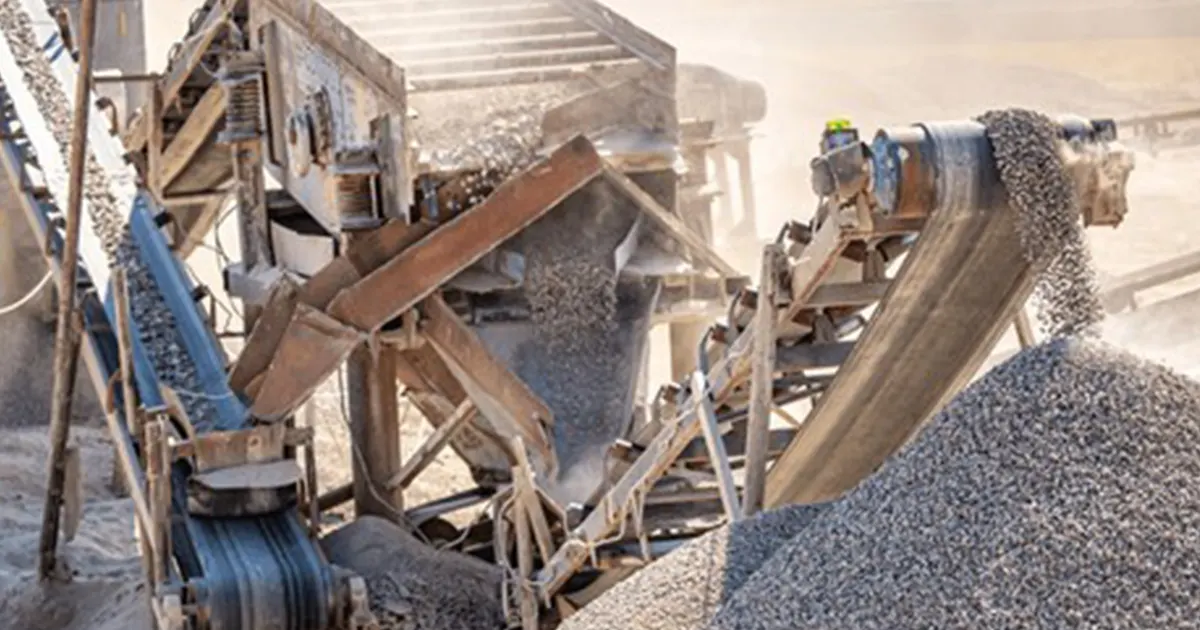
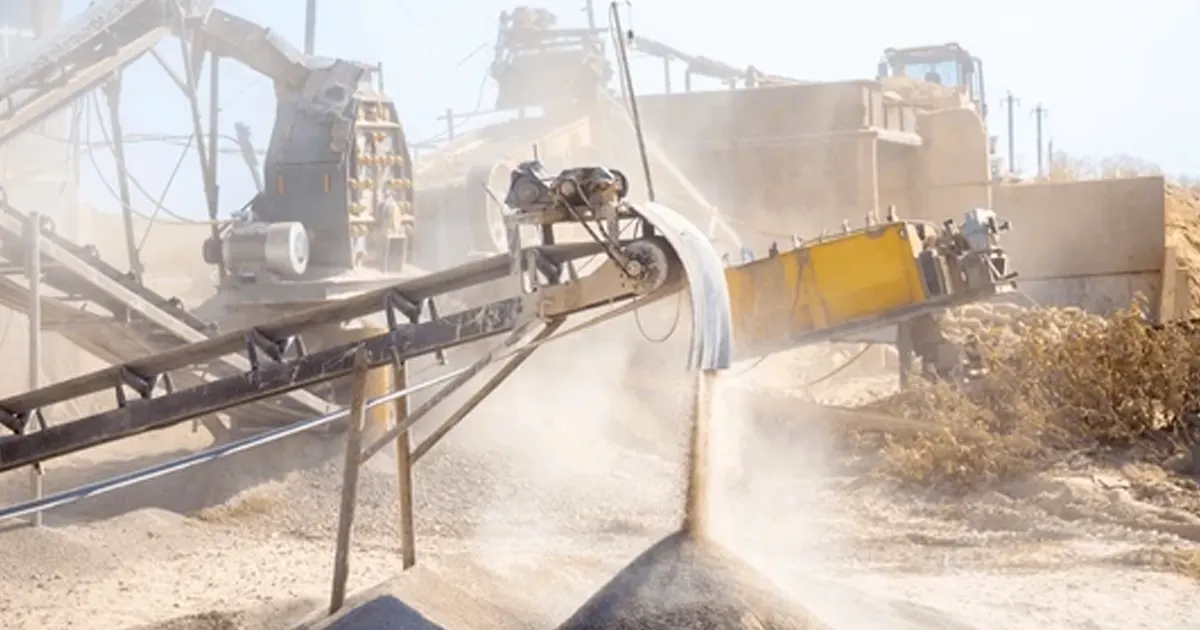
Mining and aggregate operations create extremely harsh screening conditions. The material is heavy, abrasive, and often impacts the screen surface continuously. Manganese steel is an excellent choice for these demanding environments because it resists wear and becomes harder during service through work hardening.
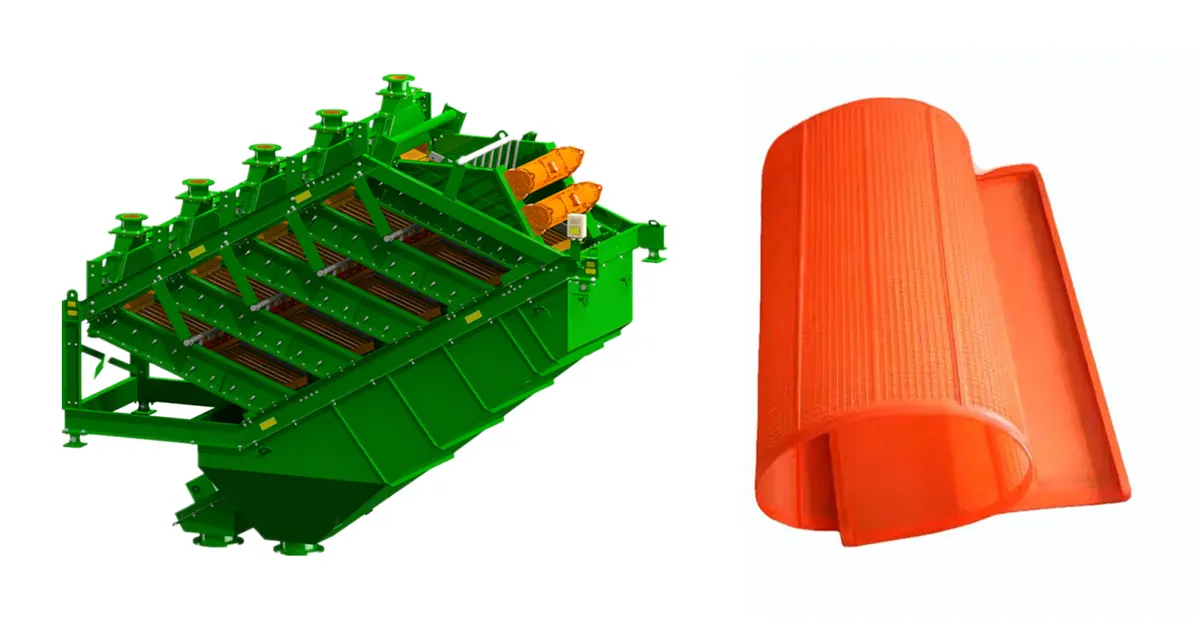
That’s why manganese steel woven wire screens are widely used in quarrying and mining plants for scalping, sizing, and classifying stone and ore. With strong impact resistance and long wear life, these screens reduce premature breakage, extend replacement intervals, and help operators maintain stable production with less downtime and lower maintenance costs.
Concrete and Recycling
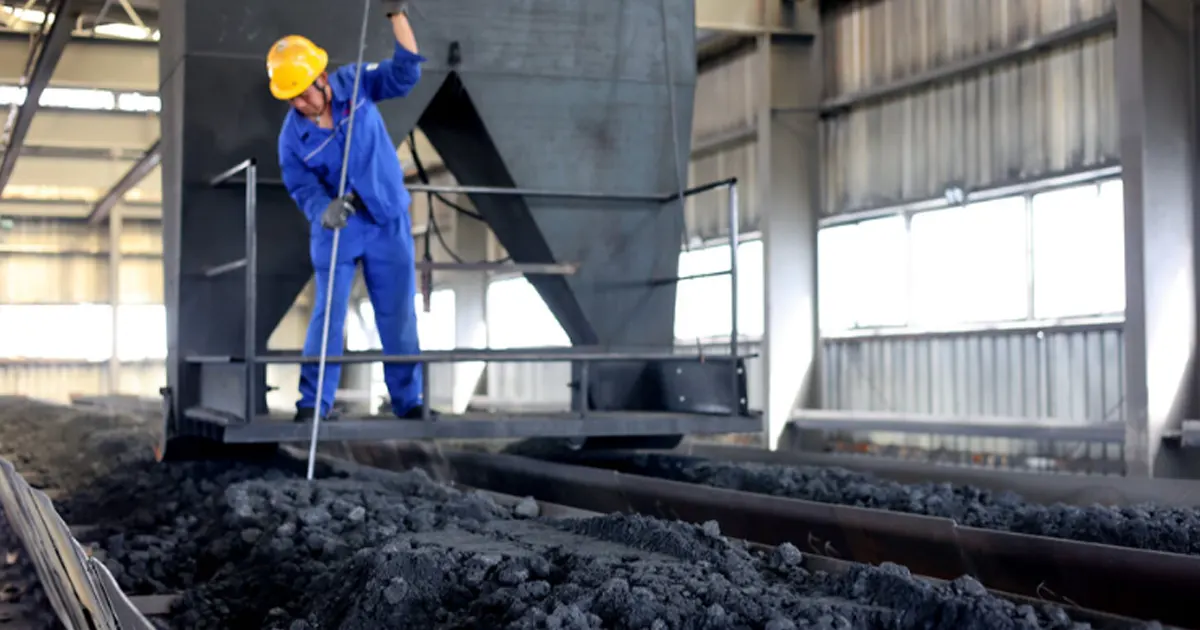
Recycling centers and concrete plants work with hard materials. Machines must break up concrete, metal, and other tough things. Manganese steel is perfect for these jobs. It does not wear out quickly and can take strong hits. The steel gets tougher each time it is used, so it can handle many hits.
Here’s why manganese steel is good for recycling and concrete machines:
| Property | Benefit |
|---|---|
| Wear Resistance | High manganese steel works well where there is a lot of wear, so it is great for recycling machines. |
| Impact Strength | Parts made from this steel can take strong hits, so they work well. |
| Work-Hardening Properties | The steel gets harder with use, so it lasts longer. |
| Application | Used in shredders, crushers, and conveyor belts to help machines work better and last longer. |
- Shredder blades made from manganese steel stay sharp and do not wear out, even when cutting metal and concrete.
- Crushers with manganese steel parts break up tough things fast and keep working longer.
- Conveyor belts and rollers lined with this steel do not wear out quickly, so they last longer and help the plant run well.
Workers in recycling and concrete plants pick manganese steel because it keeps machines working and means fewer repairs.
Construction Machinery
Construction sites need strong and tough machines. Bulldozers, excavators, and loaders work with rocks, dirt, and heavy loads every day. Manganese steel helps these machines last longer. It does not wear out fast and can take hard hits. The steel gets harder when used, so it can handle tough jobs.
See how manganese steel helps construction machines:
| Property | Description |
|---|---|
| High Hardness | Does not wear out fast and takes strong hits, so parts last longer. |
| Toughness | Takes energy without breaking, so machines work well. |
| Work-Hardening | Gets harder and stronger when used, so it lasts longer. |
| Excellent Abrasion Resistance | Keeps its surface strong when scraped, so parts need fewer changes. |
| Impact Resistance | Can take hard hits, so machines do not break down as much. |
| Extended Service Life | Needs less fixing and helps machines work better. |
Makers use manganese steel for bucket teeth, cutting edges, and wear plates. These parts get scraped and hit all the time. The steel’s toughness means fewer breakdowns and longer use. Construction workers trust it for jobs where strong parts matter most.
Manganese steel is important in mining, recycling, and construction. It helps machines work hard and saves time and money for companies.
Other Uses
Manganese steel is not just for big machines. Many industries use this tough metal for special jobs. It is chosen when strength and long life are needed.
Railway Industry
Train tracks and switches get hit every day. Heavy trains roll over them all the time. Manganese steel helps these parts last longer. Rail companies use it for crossing points and switches. These parts must take strong hits and lots of wear. Manganese steel keeps them safe and working longer. Workers do not need to change them as often.
Military and Defense
The military needs materials that can take hard hits. Manganese steel is used for armor plates and safe rooms. It can stop bullets and blasts better than many steels. Soldiers and vehicles are safer because this steel absorbs energy. Some countries use manganese steel in tank tracks and shields.
Cement and Brick Plants
Cement and brick factories use machines to crush hard things. Manganese steel lines the inside of these machines. It protects them from wearing out fast. Workers do not stop the machines as much for repairs. This saves time and money for the factory.
Foundries and Metal Recycling
Foundries melt and shape metal every day. They use manganese steel for hammers and anvils. These parts face high heat and strong hits. Manganese steel stands up to these tough jobs. Metal recycling plants use it for shredders and sorting machines. The steel’s toughness means fewer breakdowns.
Agriculture and Earthmoving
Farmers and earthmoving crews use manganese steel for plow blades and bucket edges. These tools dig into soil and rocks. Manganese steel helps them last through many seasons. Farmers spend less on new parts and keep working longer.
Manganese steel’s mix of strength and toughness makes it a smart pick for many jobs. When parts need to take hard hits or heavy loads, this steel is a top choice.
Here’s a quick look at where else manganese steel is used:
| Industry | Common Parts Made from Manganese Steel | Why It’s Used |
|---|---|---|
| Railways | Switches, crossings, frogs | Handles impact and wear |
| Military | Armor plates, tank tracks, shields | Absorbs energy, resists damage |
| Cement/Brick Plants | Liners, hammers, crushers | Lasts longer, resists abrasion |
| Foundries | Anvils, hammers, liners | Withstands heat and heavy blows |
| Agriculture | Plow blades, tiller tines, bucket edges | Survives digging and scraping |
Manganese steel keeps working when other metals break. That is why so many industries trust it for their hardest jobs.
Choosing Manganese Steel
Selection Factors
Picking manganese steel for a job needs careful thinking. Each job is different and has its own needs. Engineers check a few things before they decide:
- The steel’s mix must fit the job. Some jobs need more manganese or carbon. Others need a special mix for heat or chemicals.
- Mechanical properties are important. Strength, hardness, and ductility all matter. More carbon can make steel stronger, but too much can make it break.
- How the steel is made changes how it works. Heat treatment and other steps change the inside. This can make the steel tougher or more bendy.
- The place where the steel is used matters. Will it get hit a lot or rub against other parts? Will it get wet or touch chemicals? These questions help pick the best steel.
Tip: Always choose steel that matches the real stresses and conditions it will face.
Comparison with Other Alloys
People want to know how manganese steel compares to other strong alloys. The table below shows some main differences:
| Feature | Manganese Steel | Alloy Steel |
|---|---|---|
| Cost | Lower starting cost | Higher starting cost |
| Lifespan | Medium to long (depends on work-hardening) | Long (if used right) |
| Impact Resistance | High (great for big hits) | Lower (may crack with big hits) |
| Wear Resistance | Gets better over time | Always high |
Manganese steel is best for places with lots of hits. Its surface gets harder as it is used, so it lasts longer. Alloy steel costs more at first, but it can save money later because it needs fewer fixes. Some companies use alloy steel for steady wear, but others pick manganese steel for big shocks and hits.
Case Studies
Real stories show how manganese steel helps with tough jobs. Here are some examples:
- In mining, machines wore out fast from rocks and dirt. Companies switched to high-manganese steel for crusher jaws and liners. Parts lasted up to 50% longer, and machines needed fewer repairs.
- Heavy machines like rock crushers, coal breakers, and ball mills use manganese steel for parts that take hard hits. Concrete mixers also use it for their liners and blades.
- Workers in recycling plants use manganese steel for shredder blades. These blades keep working even after cutting metal and concrete.
These stories show that picking the right steel saves money, cuts repairs, and keeps machines working longer. Manganese steel is great for jobs with lots of hits and wear.
Conclusion
Understanding manganese steel helps engineers choose a material that performs better under impact and abrasion. Its work-hardening ability makes it tougher during operation, extending service life and reducing replacement costs.
At Anpeng Wire Mesh Filter Equipment Co., Ltd., we manufacture Manganese Steel Woven Wire Screens for heavy-duty screening in mining, aggregate, and recycling applications—built for durability, efficiency, and long wear life.
FAQ
What makes manganese steel different from regular steel?
Manganese steel has much more manganese than regular steel. This extra manganese makes it stronger and tougher. It also gets harder when used, which helps it last longer in tough jobs.
Can you cut or machine manganese steel easily?
No, machinists find manganese steel hard to cut. The steel gets harder as they work on it. They use special tools and slow speeds to shape it.
Is manganese steel safe from rust?
Manganese steel resists rust better than many other steels. It still needs care in very wet or chemical-heavy places. Adding chromium can help it fight rust even more.
Where do people use manganese steel the most?
People use manganese steel in mining, construction, and recycling. It works well in crusher jaws, bucket teeth, and train tracks. These parts face lots of hits and wear.
Does manganese steel attract magnets?
No, manganese steel does not attract magnets. Its non-magnetic nature makes it great for machines that work near magnets or need to avoid magnetic fields.
How does manganese steel get harder with use?
When something hits or rubs manganese steel, its surface changes. The steel forms new structures that make it harder. This process is called work-hardening.
Can you weld manganese steel?
Yes, welders can join manganese steel, but they must use special steps. Preheating and the right filler metal help prevent cracks and keep the steel strong.
Is manganese steel expensive?
Manganese steel costs more than regular steel at first. It lasts longer and needs fewer repairs, so companies often save money over time.