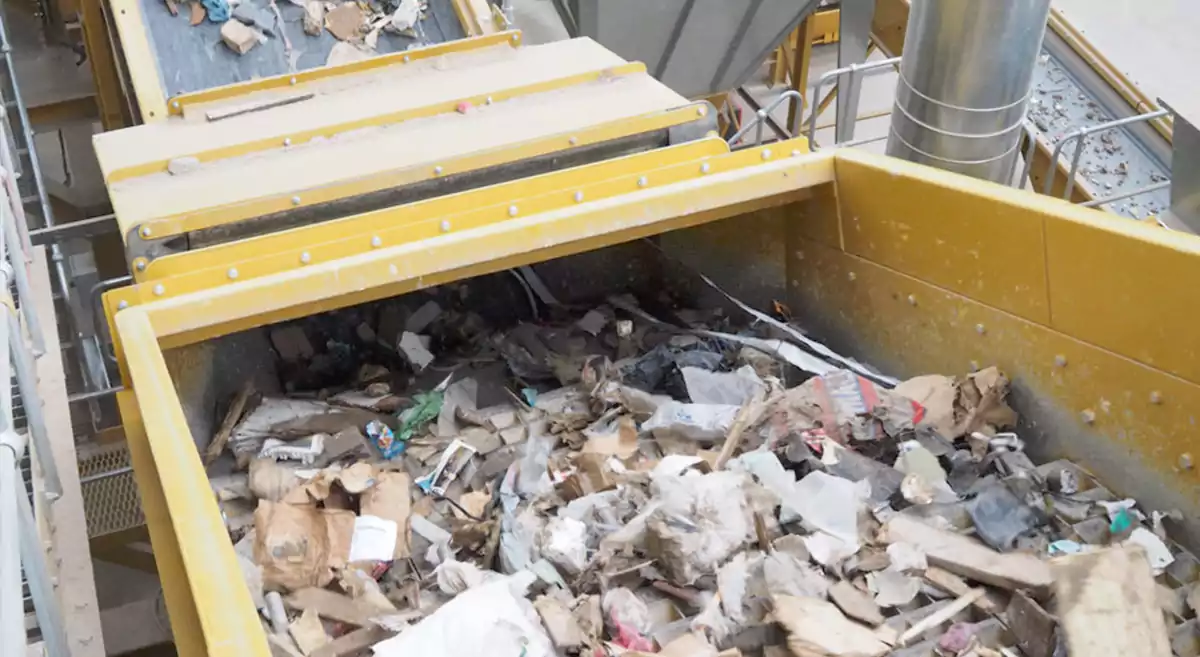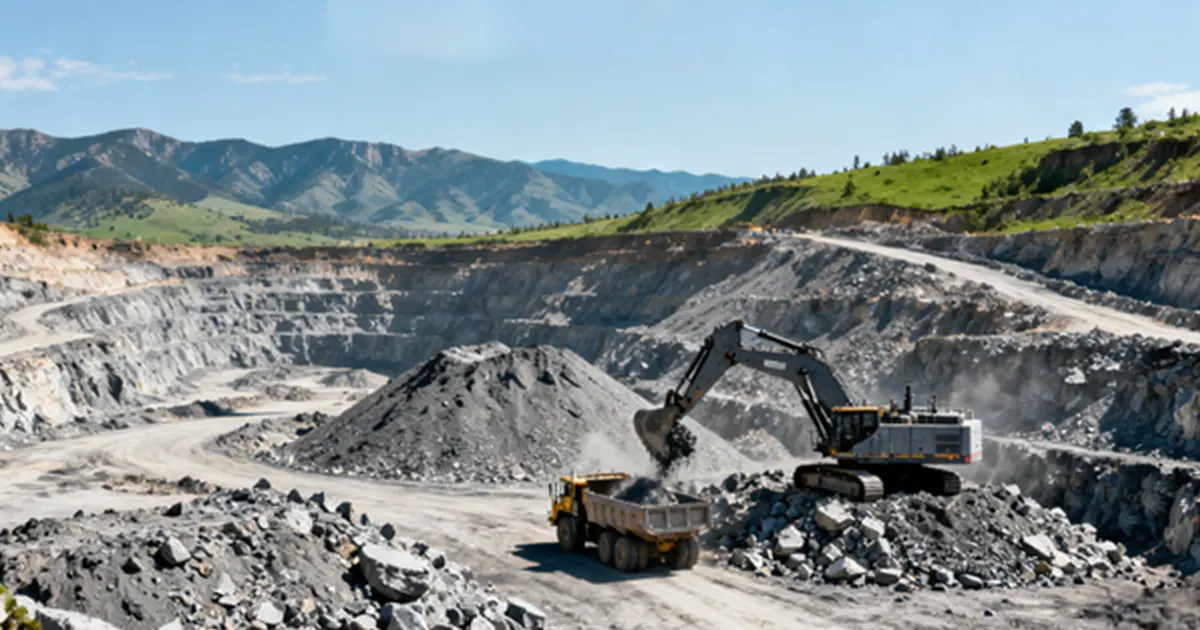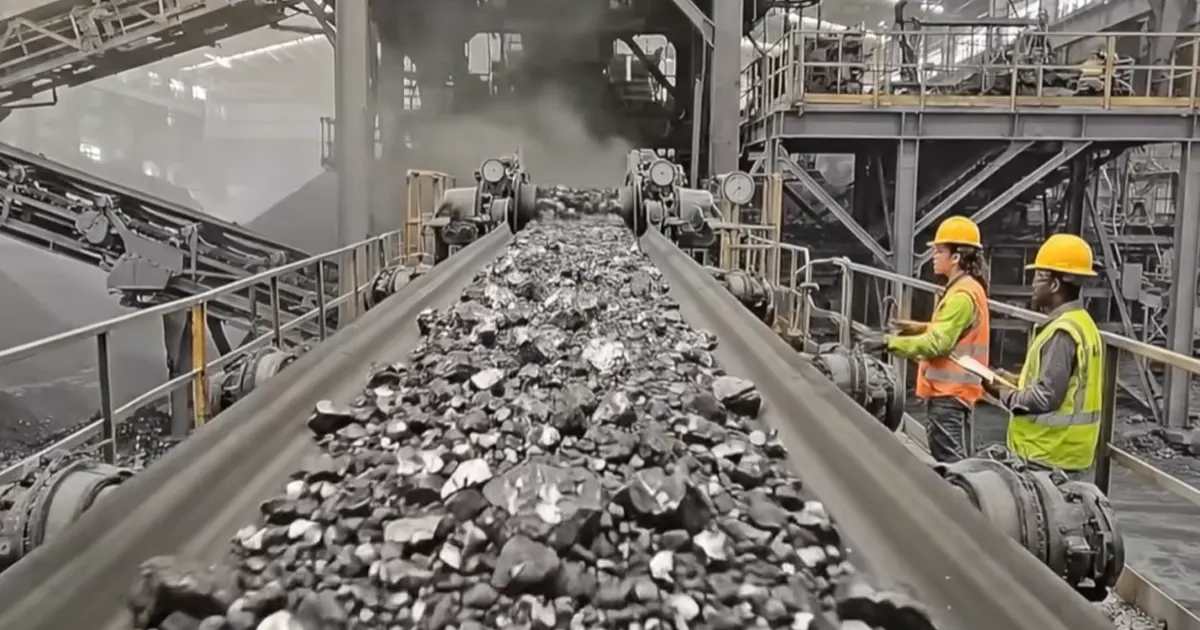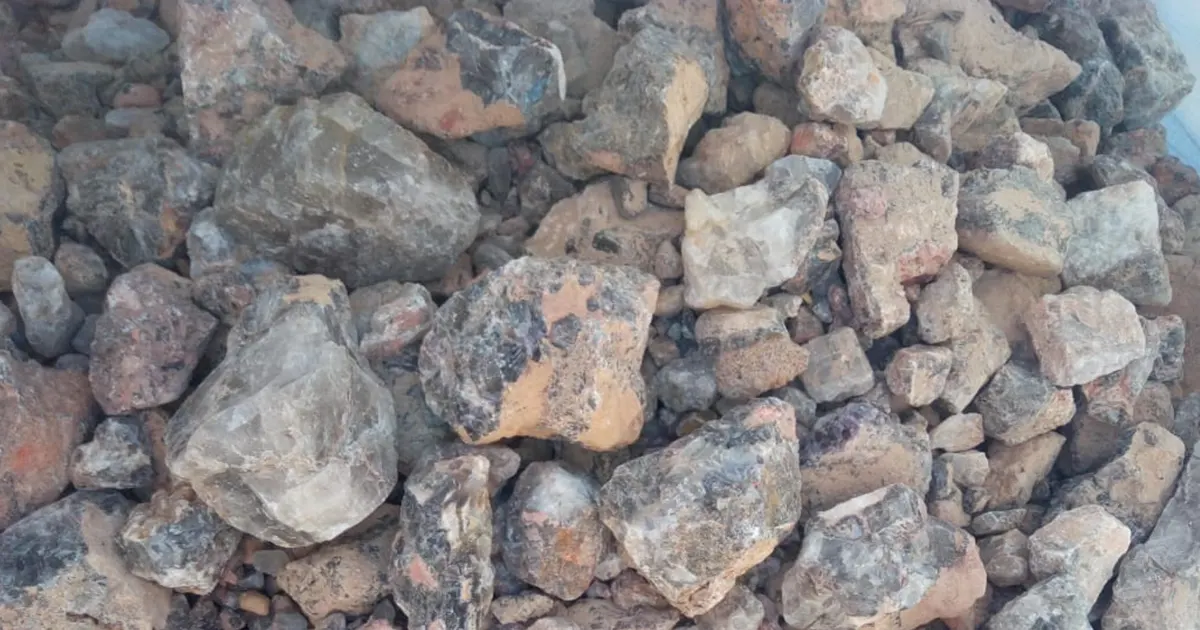
You need the right mesh screening material for your work to go well. Mesh screening material helps separate, sort, and protect things in vibrating screens. In mining, you want mesh screening material that can handle hard jobs and keeps the product good. Construction workers use mesh screening material for even sizing and less time fixing things. Aggregate processing needs mesh screening material that bends and lasts long, so you fix it less. Recycling needs mesh screening material that gets valuable stuff back quickly. ANPENG has many types of mesh screening material to fit what you need.
| Application Segment | Impact on Operational Efficiency and Product Quality |
|---|---|
| Mining | Needs strong screening for lasting use and good sorting, so you get the best product. |
| Construction | Uses good meshes for even sizing and quality, so there is less downtime and better work. |
| Aggregate Processing | Needs screen meshes that are strong and bendy to handle different sizes, making screening better and fixing less. |
| Recycling | Needs special materials to get valuable things from waste fast, so special screen mesh is important. |
Key Takeaways
- Pick the right mesh screening material to help your work go better and make your products higher quality.
- Woven wire mesh screens are strong and can be used in many ways. They work well for mining, building, and food jobs.
- Self-cleaning wire mesh screens stop clogging, so you spend less time fixing them. This is helpful when working with wet or sticky stuff.
- Polyurethane mesh screens last much longer than woven wire ones. This helps you save money because you do not need to replace or fix them as often.
- Rubber mesh screens take in hits well, so they are good for tough jobs and make less noise.
- Perforated plate mesh is strong and easy to clean. It is great for sorting heavy or sharp things.
- Think about things like sunlight and water when picking mesh. This helps your mesh last longer and work better.
- Always try out your mesh before using it for big jobs. This helps you stop clogs and makes sure it works for what you need.
Types of Mesh Screening Material
Woven Wire Mesh Screens
Features
Woven wire mesh screens are the most common kind in factories. They are made from stainless steel or high-carbon steel. The wires are woven together to make different shapes. You can get square, rectangular, or custom openings. There are patterns like square mesh, ton cap, and ty rod. Each pattern helps you separate things in a special way. Square mesh has even holes for sorting things right. Ton cap is stronger for tough jobs. Ty rod stops clogging when things are sticky.
| Mesh Type | Characteristics |
|---|---|
| Square Mesh | Has even holes for sorting, used a lot in mining and aggregates, and is very accurate. |
| Ton Cap | Made to be strong and stable, good for heavy or rough materials. |
| Ty Rod | Stops clogging, has bigger holes, works well with sticky stuff. |
Benefits
Woven wire mesh screens are strong and last a long time. They can handle hard jobs in mining and other places. You can trust them to give you good results. Twill weave meshes are even stronger for big jobs. Dutch weave meshes are good for filtering tiny things. You can pick crimped or lock-crimp weaves for special needs. Woven wire mesh screens are popular because they work in many ways.
You can use woven wire mesh screens for:
- Sorting things very accurately
- Doing tough jobs
- Working well in hard places
Applications
You see woven wire mesh screens in mining, building, and food factories. They help sort rocks, minerals, and other things. People also use them in chemical and medicine factories for fine filtering. Woven wire mesh screens fit many machines. You can put them in vibrating screens for fast sorting.
Self-Cleaning Wire Mesh Screens
Features
Self-cleaning wire mesh screens have special wire patterns that move. This helps shake off sticky stuff and keeps holes open. You get a steady flow and do not need to clean as much. These screens work better with wet and sticky things than regular woven wire mesh screens. You can pick different types for your job.
Self-cleaning woven wire mesh has special wire patterns that move, shaking off sticky stuff and keeping holes open, so you get steady flow and less cleaning.
| Feature | Traditional Woven Wire Mesh | Self-Cleaning Screens |
|---|---|---|
| Handles Wet/Sticky Feed | No | Yes |
| Clogging Risk | High | Low |
| Throughput Consistency | Changes | Stays the same |
| Maintenance Needs | A lot | Less |
Benefits
You spend less time fixing self-cleaning wire mesh screens. These screens keep working even with hard materials. You do not have to worry about clogging. They are better with wet and sticky things. Your work goes smoother, and you save money on repairs.
- Less fixing needed
- Works the same all the time
- Less clogging
- Better with sticky stuff
Applications
You use self-cleaning wire mesh screens in mining, recycling, and sorting rocks. These screens are best for wet, sticky, or hard things. You can put them in vibrating screens to keep working. Self-cleaning wire mesh screens help your machines work better.
Polyurethane Mesh Screens
Features
Polyurethane screens are special because they do not wear out fast. They can stretch and bend without breaking. Polyurethane mesh screens last much longer than woven wire mesh screens. You can use them for big jobs where you need strong screens. These screens do not get hurt by chemicals or water, so they are good for tough places.
| Screen Type | Lifespan Comparison |
|---|---|
| Polyurethane Screens | Last up to 10 times longer than woven wire |
| Rubber Screens | Last almost 4 times longer than rubber |
| Woven Wire Screens | Used to compare others |
Benefits
Polyurethane screens last up to ten times longer than woven wire mesh screens. These screens help you fix things less and save money. You can trust them to work well in hard places. Polyurethane mesh screens take hits and do not wear out fast, so you do not change them often. They can hold more weight than rubber screens.
- Last a long time
- Do not wear out fast
- Take hits well
- Do not get hurt by chemicals or water
Applications
You use polyurethane mesh screens in mining, sorting rocks, and recycling. These screens work well in vibrating screens for big jobs. You can trust polyurethane screens when you need strong and easy-to-care-for screens. They fit many machines and help your work go well.
Rubber Mesh Screens
Features
Rubber mesh screens are good at taking hits and do not wear out fast. They bend instead of breaking. These screens can hold heavy things and rough stuff without cracking. You can use them where metal screens break too soon. Rubber mesh screens also make less noise, so your work area is quieter.
- Takes shocks from rocks and debris
- Stays strong with lots of use
- Bends to stop damage
- Makes less noise when working
Benefits
You will see fewer clogs and less stopping with rubber mesh screens. They last longer than many other screens, so you do not change them a lot. These screens keep working even with tough or sticky stuff. You save money because you do not fix or replace them often.
Here is how rubber mesh screens help in different jobs:
| Industry | Performance Benefits |
|---|---|
| Mining | Takes hits, bends, moves materials well, stops clogs |
| Construction and Demolition | Takes hits, does not wear out, lasts longer with heavy stuff |
| Recycling and Waste Management | Sorts well, stops clogs, helps handle waste better |
| Food and Agricultural | Clean, quiet, easy to wash and take care of |
Tip: If you want a screen that lasts and keeps things quiet, rubber mesh screens are a good pick.
Applications
You can use rubber mesh screens in mining, building, recycling, and food jobs. They work well in vibrating screens for sorting rocks, metals, and trash. You also see them where things must be clean, like food factories. These screens help with hard jobs and keep machines working well.
Perforated Plate Mesh
Features
Perforated plate mesh uses strong metal plates with holes in them. You get a tough screen that can hold heavy stuff. The holes come in many shapes and sizes, so you can pick what you need. These screens do not bend or break, even with sharp or rough things.
- Made from steel or stainless steel
- Custom holes for different jobs
- Handles big hits
- Stays flat and steady when used
Benefits
You get steady work with perforated plate mesh. These screens last a long time, even in hard places. You can sort big or sharp things without worry. Cleaning is easy because the plates do not clog like woven mesh. You also get the same results every time.
- Lasts long and is strong
- Handles rough stuff
- Easy to clean and care for
- Gives steady sorting
Applications
You find perforated plate mesh in mining, rock pits, and recycling. These screens work in vibrating screens for sorting rocks, gravel, and scrap metal. You can use them in building to sort heavy trash. Perforated plate mesh is good when you need a screen that can take a lot.
Polyester, Aluminum, and Fiberglass Mesh
Features
Polyester, aluminum, and fiberglass mesh each have special uses. Polyester mesh is light and has a coating to stop weather damage. Aluminum mesh is strong, does not rust, and lasts longer than fiberglass. Fiberglass mesh does not rust and can handle sunlight, but it is not as strong as metal.
Here is a quick look at these materials:
| Material | Chemical Resistance | Durability |
|---|---|---|
| Fiberglass | Does not rust, handles sun | Not as strong as metal |
| Aluminum | Very strong, does not rust | Stronger and lasts longer than fiberglass |
| Polyester | Coated to stop weather damage | Good for light jobs |
- Polyester mesh is easy to use and put in place
- Aluminum mesh is strong and lasts a long time
- Fiberglass mesh works outside and does not rust
Benefits
You get different good things based on the mesh you pick. Polyester mesh is good for light jobs and does not get hurt by weather. Aluminum mesh lasts a long time and does not rust, so you do not worry about it. Fiberglass mesh is great for outside and keeps its shape in the sun.
- Light and simple to use
- Does not rust or break down
- Works in wet or sunny places
- Fits many kinds of screens
Applications
You can use these mesh types in food jobs, farming, and recycling. Polyester mesh is good for sorting small things and keeping dust out. Aluminum mesh is strong enough for big jobs in building and mining. Fiberglass mesh is good for outside screens and wet places. You get a screen that fits your job and where you work.
Hybrid Mesh Types
Features
Hybrid mesh types use more than one material. This makes the screen work better. You might see metal mixed with plastic or rubber. Some screens use steel for strength and polyurethane for bending. Some hybrid meshes block electromagnetic waves with special materials.
- You can choose a hybrid mesh for your job.
- These screens can handle very hot places.
- The surface helps sorting and filtering.
- Hybrid meshes protect equipment from electromagnetic waves.
- You save money because hybrids often cost less.
Benefits
Hybrid mesh types help your work a lot. These screens last longer and work faster. You can filter more material in less time. Hybrid meshes help you spend less money, sometimes half as much. You do not need to change screens often because they stay strong and bendy.
Tip: Hybrid mesh types are smart if you want more for less.
Applications
Hybrid mesh types work where regular screens cannot. Mining uses them to sort rocks and minerals. Recycling plants use hybrids to separate metals and plastics. Food factories use these screens for clean and quick sorting. Hybrid mesh types fit vibrating screens for hard jobs.
| Industry | How Hybrid Mesh Types Help |
|---|---|
| Mining | Sorts heavy and rough materials, lasts longer |
| Recycling | Separates mixed materials, saves money |
| Food Processing | Keeps sorting clean and quick |
| Electronics | Shields from electromagnetic waves |
Key Properties of Mesh Screening Material
Durability & Wear Resistance
When you pick mesh screening material, you want it to last. Durability means your screens can handle tough jobs without breaking or wearing out. Wear resistance helps your mesh stand up to rocks, debris, and heavy loads. If you use steel mesh, you get strong screens that work well in mining and construction. Stainless steel wire mesh gives you even more durability and functionality, so you spend less time fixing things.
You can see how different mesh materials perform in lab tests. Here’s a table showing how some mesh screens hold up over time:
| Test Type | Olyset Plus (New) | Olyset Plus (36 months) | Interceptor G2 (New) | Interceptor G2 (36 months) |
|---|---|---|---|---|
| Fabric Weight (g/m2) | 38.7 | 49.4 | N/A | N/A |
| Bursting Strength (kPa) | Within specifications | Within specifications | N/A | N/A |
| Tensile Strength (N) | 19 (length) | 25 (length) | N/A | N/A |
| Mesh Size (holes/cm2) | 16 | 22 | N/A | N/A |
You want mesh that keeps its strength and shape, even after months of use. Stainless steel wire mesh is highly durable and resistant to corrosion, so it works well in places with lots of wear and tear. If you need screens for mining or recycling, steel mesh gives you the protection you need.
Tip: Choose mesh with high wear resistance if you work with rough materials or heavy loads. You will save money and time on repairs.
Corrosion & Chemical Resistance
Corrosion and chemical resistance are important properties for mesh screening material. If you work in wet places or with chemicals, you need mesh that does not rust or break down. Stainless steel wire mesh is a top choice because it stays strong in moist or harsh environments. You can use stainless steel mesh in chemical plants, food processing, or outside where rain and chemicals are common.
Here are some factors to think about when picking mesh for corrosion and chemical resistance:
- Temperature: Check if your screens will face high heat or cold.
- Abrasion Resistance: If your material has sharp or rough particles, pick mesh that can handle wear.
- Chemical Compatibility: Make sure your mesh does not react with chemicals in your work area.
- Strength and Durability: Choose mesh that can take the stress and loads of your job.
Duplex stainless steel mesh works well in places where other materials fail. It gives you extra strength and lasts longer in tough conditions. If you need mesh for outdoor screens or chemical plants, stainless steel wire mesh and duplex grades are smart picks.
Note: Stainless steel mesh is your best friend when you need screens that last in wet, hot, or chemical-heavy places.
Flexibility & Impact Absorption
Flexibility and impact absorption help your mesh screens last longer, especially in high-vibration settings. If your screens bend and move instead of cracking, you get more use out of them. Steel mesh with elastomeric coatings or polymer-based substrates can absorb shocks and vibrations. This keeps your screens from breaking and helps them work better.
- Polymer-based substrates and elastomeric compounds help your mesh absorb energy from vibrations. Your screens stay strong and last longer.
- Protective encapsulation, like elastomeric coatings, shields your mesh from stress and dampens vibrations. You get less damage and more durability.
If you use flexible mesh, you can handle heavy impacts and keep your screens working. Stainless steel wire mesh with special coatings gives you both strength and flexibility. You get screens that last and keep your machines running smoothly.
Tip: Flexible mesh screens are great for places with lots of movement or heavy impacts. You will see fewer breaks and longer life for your screens.
UV & Weather Resistance
You want your mesh screens to last, even when the weather gets tough. If you use screens outdoors, you need them to stand up to sunlight, rain, wind, and big changes in temperature. Some mesh materials have UV inhibitors. These special additives stop the sun from making your screens brittle or faded. You also get protection from rain and wind, so your screens do not break down or grow mold.
Here’s a quick look at how UV and weather-resistant mesh performs:
| Feature | Description |
|---|---|
| UV Resistance | Stops damage from sunlight, keeps mesh strong and looking new. |
| Weather Resistance | Handles rain, wind, mold, mildew, and hot or cold weather. |
| Installation Types | Works for both permanent and seasonal setups, even retractable roller systems. |
You can use UV-blocking mesh in places with lots of sun. If you live near the coast, rust and corrosion-resistant mesh is a smart choice. These screens work well in both cold and hot climates, from -20° C to +70° C. You can even use them for outdoor patios or pergolas.
Tip: Pick UV and weather-resistant mesh if you want your screens to last longer outside.
Antimicrobial & Fire Retardant
You might need mesh that fights germs and stops fire. Some mesh screens have antimicrobial coatings. These coatings help stop bacteria, mold, and mildew from growing. This is important in food factories, hospitals, or wet places. Fire retardant mesh is also key for safety. It slows down flames and gives you more time to react.
There are rules and tests for these properties. Here are some common certifications:
| Certification | Description |
|---|---|
| CSFM Title 19 | Tests mesh at a special lab to meet California fire safety rules. |
| NFPA-701 | Checks if mesh slows down flames for different uses. |
| ASTM E-84 | Measures how fast fire and smoke spread on mesh, with Class A being the best. |
If you see these certifications, you know your mesh screens are safer. You can use antimicrobial and fire retardant mesh in schools, kitchens, and public buildings.
Note: Always check for safety labels when you need special mesh for health or fire protection.
Moisture Management
Moisture can cause big problems for mesh screens, especially in wet jobs. When materials are wet, they can stick to the mesh and block the holes. This makes it harder for your screens to work well. You might see clumps or slowdowns in your process. To keep things moving, you need to pick the right mesh and sometimes add cleaning tools.
Good moisture management means your screens stay clear and your work goes faster. You get better results and less downtime. If you work with wet materials, always think about how your mesh handles water.
Tip: Choose mesh that manages moisture well if you want to avoid clogging and keep your process smooth.
Various Uses and Benefits of Mesh
Throughput & Productivity
You want your operation to run fast and smooth. The right mesh can make a big difference in how much material you process each hour. When you use wire mesh in aggregate or mining, you get better material handling and screening. This means you sort and separate materials quickly, so you waste less and keep your product quality high. Wire mesh belts also help move materials faster and cut down on maintenance, which boosts your overall productivity.
- Wire mesh helps you handle and sort materials efficiently.
- You get proper classification and separation, so you waste less.
- Mesh belts move materials quickly and reduce the need for repairs.
If you choose the right mesh, you see your throughput go up. Your machines work better, and you get more done in less time.
Maintenance & Cost Savings
You probably want to save money and avoid downtime. Mesh selection plays a big role in how often you need to fix or replace your screens. Polyurethane mesh lasts much longer than steel mesh. You spend less time and money on repairs, and your operation keeps running.
Here’s a quick look at how maintenance and costs compare:
| Metric | Polyurethane Mesh | Steel Mesh |
|---|---|---|
| Annual Downtime Hours | 18-22 | 80-120 |
| Replacement Frequency | 24-36 months | 4-8 months |
| Labor Cost/Replacement | $2,800 | $4,500 |
- Polyurethane screens last almost four times longer than stainless steel.
- You replace them much less often.
- Over five years, the cost per ton for polyurethane is $0.03, while steel costs $0.11.
Even though polyurethane costs more at first, you save 40-60% over five years. You get fewer breakdowns, lower labor costs, and more uptime. This means you keep your operation moving and your budget in check.
Tip: If you want to cut costs and keep your machines running, look for mesh that lasts longer and needs less maintenance.
Product Quality & Consistency
You care about the quality of your final product. Mesh selection helps you get the results you want. The right mesh lets you separate, filter, and classify materials accurately. When you pick the right material, size, and configuration, you keep your process steady and your product consistent.
- Mesh choice affects how well you separate and filter materials.
- The size and type of mesh control your product quality.
- Good mesh keeps your process running smoothly and reduces downtime.
If you use the right mesh, you see fewer mistakes and less waste. Your customers get a reliable product every time. The various uses and benefits of mesh show up in every part of your operation, from sorting to final packaging. When you choose the best screens, you protect your process and your reputation.
Adaptability to Environments
You want your mesh to work well, no matter where you use it. Different jobs and places need mesh that can handle special challenges. Maybe you work in a hot desert, a rainy forest, or a busy city. Each place brings its own problems. You need mesh that stands up to heat, cold, moisture, and even chemicals.
Mesh screens come in many types. Some work better in wet places. Others handle dust, wind, or strong sunlight. You can pick mesh that fits your job and your location. If you work outside, you need mesh that does not rust or break down. If you work inside, you might want mesh that keeps things clean and safe.
Let’s look at how mesh screens adapt to different environments:
| Environment | Mesh Feature Needed | Why It Matters |
|---|---|---|
| Wet & Humid | Rust resistance | Stops damage from water |
| Hot & Sunny | UV protection | Keeps mesh strong and bright |
| Cold & Icy | Flexibility | Prevents cracks and breaks |
| Chemical Exposure | Chemical resistance | Keeps mesh working longer |
| Dusty & Windy | Tight weave | Blocks dust and debris |
You can see that each environment needs something special. Mesh screens with UV inhibitors last longer in the sun. Stainless steel mesh does not rust in wet places. Polyurethane mesh bends in the cold and does not crack. You get better results when you match your mesh to your environment.
Here are some tips to help you choose:
- Check your work area. Is it wet, hot, cold, or dusty?
- Pick mesh that matches your needs. Look for special coatings or materials.
- Ask for advice if you are not sure. Experts can help you find the best mesh.
Note: The right mesh saves you time and money. You spend less fixing things and get better results.
Mesh screens help you work in many places. You can trust them to keep working, even when things get tough. When you choose the right mesh, you make your job easier and safer.
Choosing the Right Mesh Screening Material
Material Compatibility
You want your mesh to fit your job. If you pick the wrong mesh, you might get clogs or damage. You may also not get good results. First, think about what you need to filter or separate. Are you working with dust, rocks, or chemicals? Each job needs a special mesh.
Here’s a table to help you check if the mesh fits your needs:
| Criteria | Description |
|---|---|
| Identify the contaminants | Find out what kind and size of particles you want to remove. |
| Choose the filter material | Pick a mesh that is strong, resists chemicals or heat, and is easy to clean. |
| Consider system requirements | Think about how fast things move, how much pressure there is, and how big your filter is. |
| Work with a reputable supplier | Ask an expert for help if you need a custom mesh. |
| Test and validate | Try the mesh in your system before using it everywhere. |
You should also think about the size of the mesh holes. If the holes are too big, small things can get through. If the holes are too small, it might block the flow. Picking the right mesh is important for outdoor design and building projects. You want your mesh to be strong but also let enough through.
Tip: Always test your mesh before you use it for the whole job. This helps you avoid surprises.
Environmental Factors
Where you work changes how your mesh works. Sun, rain, chemicals, and bugs all matter. If you use mesh outside, sunlight can make some mesh weak or faded. Wet air can cause mold or mildew. If there are lots of bugs, you need mesh that blocks them but lets air in.
Here are things to watch out for:
- Sunlight can fade and weaken mesh.
- Wet air can cause mold.
- Chemicals can hurt some mesh types.
- Bugs need to be kept out.
If you work in wet places, pick mesh that does not rust. For sunny places, choose mesh that does not fade in the sun. Outdoor design often needs mesh that can handle weather and keep its shape. Building projects may need mesh that looks nice and lasts a long time.
Note: The right mesh helps your screens last longer and look better.
Cost & Longevity
You want to save money and have mesh that lasts. Sometimes, cheap mesh costs more later. For example, fiberglass mesh is cheaper at first. But you might have to replace it a lot. Aluminum mesh costs more at the start, but it lasts much longer. You spend less time and money fixing or changing it.
Here’s a table to compare:
| Factor | Higher-Priced Materials (e.g., Aluminium) | Lower-Cost Alternatives (e.g., Fibreglass) |
|---|---|---|
| Durability | Lasts longer, needs fewer replacements | Does not last as long, needs more replacements |
| Initial Cost | Costs more at first | Costs less at first |
| Maintenance Needs | Needs less fixing | Needs more fixing |
| Overall Value | Saves money over time | May cost more in the end |
Think about how long your mesh will last when you choose. Good materials like aluminum are worth more because they last longer. Cheaper mesh may need to be replaced more, which adds up. How long your mesh lasts is important for buildings and factories. If you want mesh that works well for a long time, pick one that is strong and lasts.
Tip: Buying strong mesh saves you money and trouble in the future.
Installation & Replacement
You want your screens to work well and last as long as possible. When it comes time to install or replace mesh, you need a plan that keeps your operation running smoothly. If you wait until a screen fails, you might face lower quality sorting and costly downtime. Planning ahead helps you avoid these problems and keeps your process steady.
Here’s how you can make installation and replacement easier:
- Reach out to a team of experts who know about mesh screens.
- Give them the details about your screen frame diameter and mesh size.
- Send in your current screen frame for rescreening.
- The experts will rescreen your frame and return it to you, usually within 1 to 3 days.
This quick turnaround means you spend less time waiting and more time working. If you plan your replacements before a screen wears out, you keep your operation moving and avoid sudden stops. You also get better results because your screens stay in top shape.
Tip: Always keep a spare screen on hand. This way, you can swap out a worn screen fast and keep your process running.
Different mesh materials may need special tools or skills for installation. Polyurethane and rubber screens are heavier and may take more effort to fit. Woven wire mesh screens are lighter and easier to handle. No matter what type you use, following a clear process helps you save time and money.
Safety & Regulations
You want your screens to be safe and meet all the rules. Safety standards and regulations help you pick the right mesh for your job. These rules make sure your screens work well and protect your team.
Here’s a table showing some important standards for mesh screening materials:
| Standard | Description |
|---|---|
| ISO 9044 | Covers technical requirements and tests for woven wire mesh, ensuring global consistency in quality. |
| ASTM E2016 | Specifies requirements for industrial woven wire cloth, including dimensional tolerances and performance criteria. |
| ASTM E11 | Outlines principles regarding wire mesh uniformity and quality, applicable to plain steel mesh. |
| ISO 9001 | Ensures continuous improvement and customer satisfaction in the production process. |
You should always check if your mesh meets these standards. This helps you avoid problems and keeps your operation safe. If you work in food, mining, or construction, following these rules is even more important. Certified screens give you peace of mind and help you pass inspections.
Note: Ask your supplier for proof of certification before you buy new screens. This helps you stay safe and follow the law.
Comparing Different Kinds of Window Screen Mesh & Wire Mesh Screens
Performance in Industrial Settings
When you look at different kinds of window screen mesh and wire mesh screens, you want to know how they work in tough jobs. You might use window screen material in places like food processing or farming, but wire mesh screens are built for heavy-duty work in mining or recycling. Wire mesh screens handle rocks, metals, and debris without breaking. Window screen material works well for lighter tasks, like keeping dust or bugs out.
If you need optimal performance in a factory or quarry, wire mesh screens give you strength and durability. You get steady results, even when the job gets rough.
Wire mesh screens also resist wear and tear. You spend less time fixing them. Window screen material is easier to install but does not last as long in harsh conditions.
Suitability for Fine & Coarse Screening
You need the right screen for the job. Fine screens catch tiny particles, while coarse screens grab bigger debris. If you use fine screens, you protect your machines from small stuff like plastics or hair. Coarse screens stop large rocks or trash from clogging your system.
Here’s a table to help you see the differences:
| Screen Type | Advantages | Applications |
|---|---|---|
| Fine Screens | Capture smaller particles, boost efficiency | Used after coarse screens to keep water clean |
| Coarse Screens | Block large debris, prevent major clogs | First step in filtration, protect fine screens |
- Fine screens are key for removing things that coarse screens miss.
- Using both types together makes your system work better.
- Fine screens help keep everything running smoothly.
You get better performance when you match the screen type to your needs. If you want clean water or pure materials, use fine screens. For rough sorting, start with coarse screens.
Balancing Cost, Efficiency, Lifespan
You want to save money and get the most out of your screens. Some window screen material costs less at first, but you might need to replace it often. Wire mesh screens, especially wedge wire screens, cost more upfront. They last much longer—sometimes five to ten years—and need less fixing.
- Wedge wire screens have a higher price but offer a longer lifespan and lower maintenance costs.
- Conventional wire mesh filters are cheaper but need frequent replacements.
- Wedge wire screens clean themselves, so you spend less time on repairs.
If you want optimal performance and value, think about how long your screens will last. Spending more now can save you money later. You get fewer breakdowns and more time working.
Tip: Always check how often you need to replace your screens. A screen that lasts longer helps your business run better.
Conclusion
You’ve seen how different mesh screening materials work for many jobs. Picking the right screens means you get better results and save money. Here’s a quick look at what matters most:
| Factor | Why It Matters |
|---|---|
| Screen Size | Matches your product needs |
| Mesh Number | Controls what passes through |
| Tension | Keeps screens working well |
| Material Type | Handles tough or sticky stuff |
If you want help choosing screens, ANPENG’s team can give you advice, suggest samples, or answer questions fast. You can reach out and get support for your next project.
- Think about your job and what you need.
- Ask ANPENG for expert tips or technical help.
FAQ
What mesh material lasts the longest?
Polyurethane mesh screens last the longest. You get up to ten times more life compared to woven wire. If you want fewer replacements, pick polyurethane.
Can I use mesh screens outdoors?
Yes, you can use mesh screens outside. Look for UV-resistant and weatherproof options like stainless steel or coated polyester. These screens handle sun, rain, and wind.
How do I stop mesh screens from clogging?
Try self-cleaning wire mesh screens. These screens shake off sticky stuff and keep holes open. You spend less time cleaning and get steady flow.
Tip: Regular checks help you spot clogs early.
Which mesh is best for wet environments?
Stainless steel and rubber mesh work well in wet places. They resist rust and keep working even when things get damp. Polyurethane also handles moisture.
How do I choose the right mesh size?
Check what you need to filter or sort. Use a table to match mesh size to your job:
| Material Type | Suggested Mesh Size |
|---|---|
| Fine sand | 30-60 |
| Gravel | 4-10 |
| Dust | 80-120 |
Are mesh screens safe for food processing?
Yes, stainless steel mesh screens are safe for food jobs. They meet safety standards and resist bacteria. Always ask your supplier for certification.
Can I replace mesh screens myself?
You can replace some mesh screens yourself. Woven wire is easy to handle. Heavy screens like rubber or polyurethane may need help from experts.
Note: Keep a spare screen ready for quick swaps.