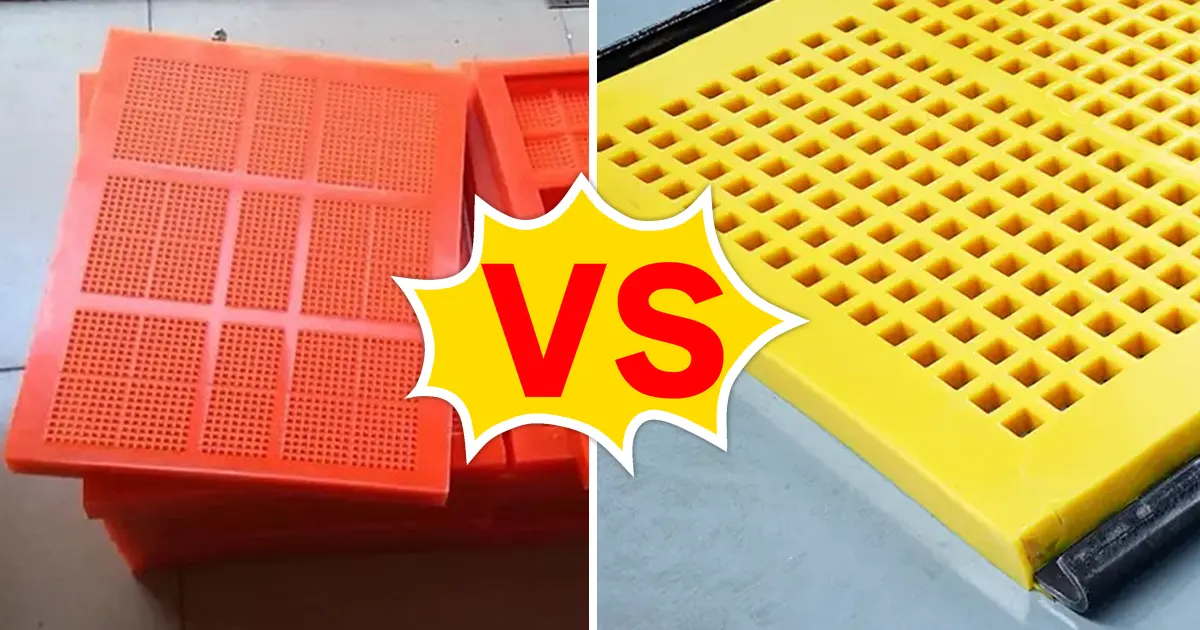
When considering aggregate screening, you might wonder about the differences between modular panel vs tensioned screen options. The choice between modular panel vs tensioned screen depends on your specific needs. Modular panels are known for their easy replacement and longer lifespan, which means less downtime for your operation. On the other hand, tensioned screens typically have a lower upfront cost and can provide more open area, resulting in higher throughput. The decision between modular panel vs tensioned screen will impact your entire process, from the amount of material you can handle to the frequency of maintenance and overall operating costs.
- Choosing the right screen media, whether modular panel vs tensioned screen, boosts plant efficiency and reduces slowdowns.
- Fewer clogs and less blinding mean increased productivity.
- Quick change-outs with either modular panel vs tensioned screen options save both time and money.
Ultimately, your choice between modular panel vs tensioned screen will play a key role in your plant’s performance.
Key Takeaways
- Modular panels are easy to replace. This helps save time and money.
- Tensioned screens cost less at first. They also let more material pass through.
- Pick modular panels if you need fast changes and less waste.
- Tensioned screens need checks often. This keeps them working well and stops problems.
- Both types can help your plant work better. But you should pick what fits your material and needs.
- Modular panels are safer and simple to use. They are good for small teams.
- Checking your screens often can stop big repairs. It also helps your screens last longer.
- Think about your plant’s needs before you choose modular panels or tensioned screens.
Modular Panel vs Tensioned Screen: What Are They?
Modular Panels Overview
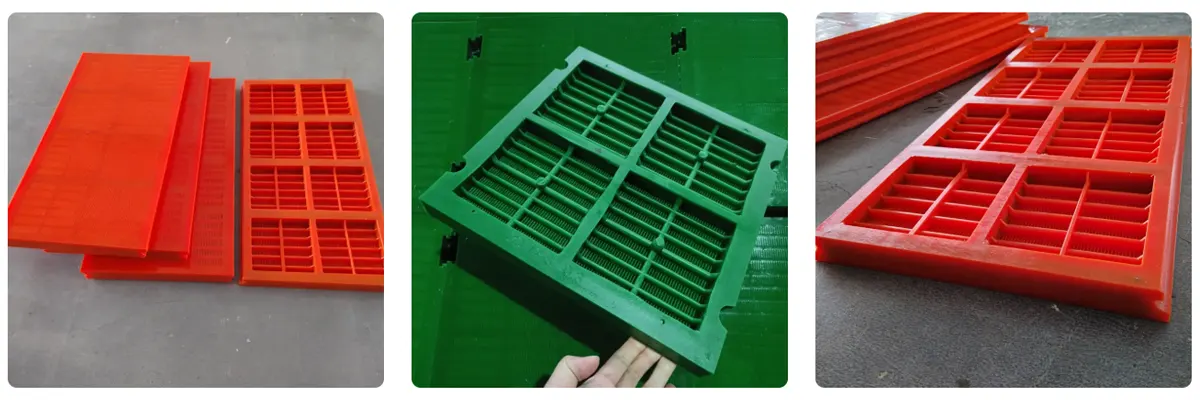
Construction and Materials
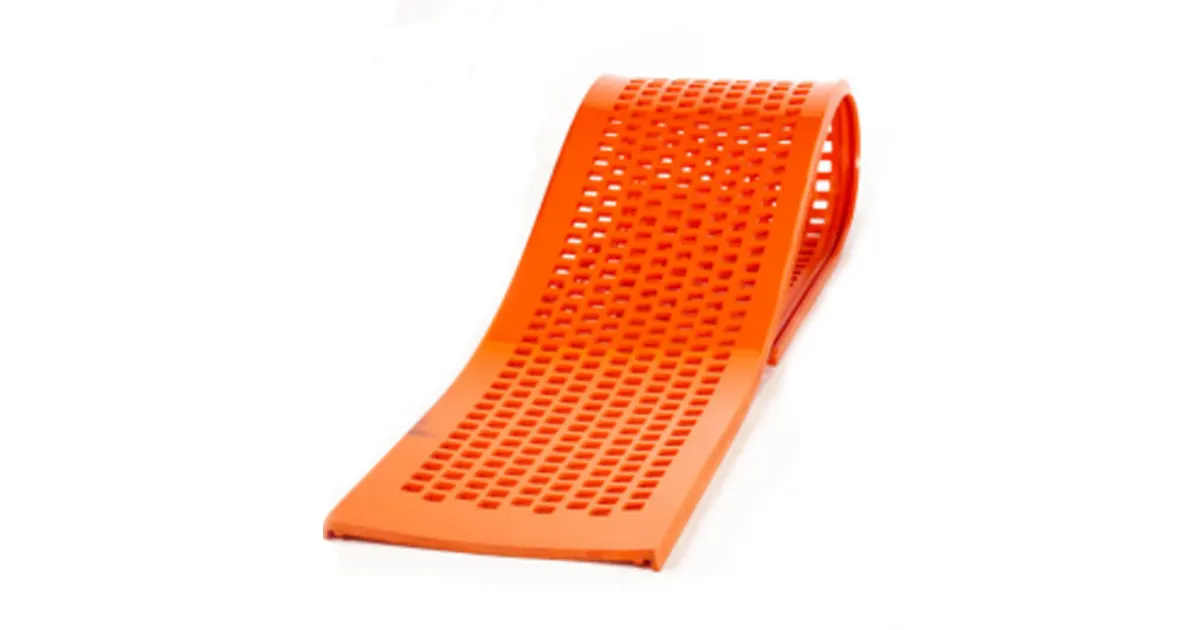
Modular panels look different from regular screens. They have a smart design that helps you work faster. Most modular panels use polyurethane or rubber. These materials are tough and last a long time. Each panel covers a small space, about one square foot. You will see a clip rail, a subframe, and holding pins. The clip rail keeps your frame safe from harm. The panels are light, so you can move them easily. You only change the part that wears out. This means you waste less and spend less money.
How They Work
Modular panels snap or lock onto your screen deck. You can switch out one panel when it gets old. This system keeps your plant working with less stopping. If you find a problem, you only fix that spot. You do not have to take off the whole deck. Modular panels are great for busy places that want to save time and money.
Tensioned Screens Overview
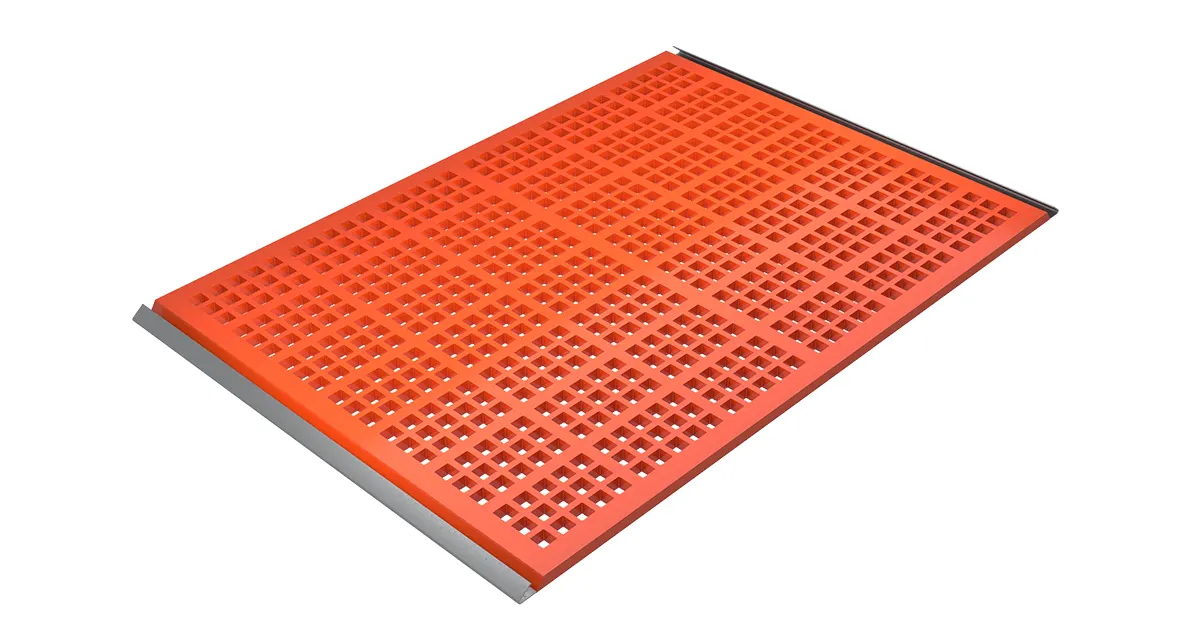
Construction and Materials
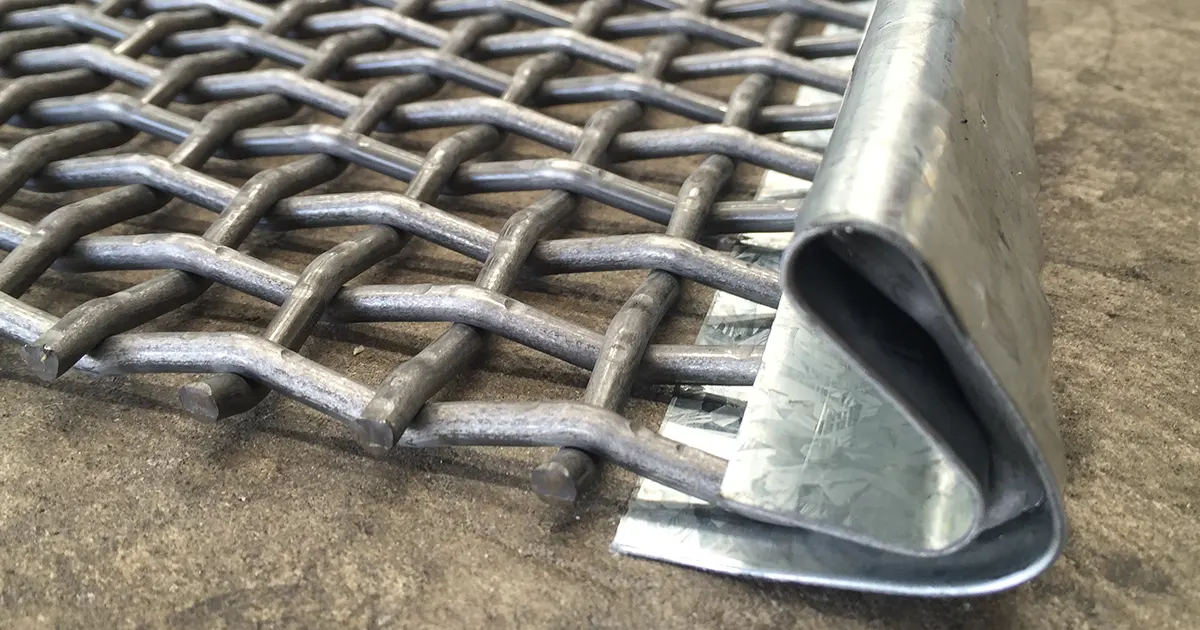
Tensioned screens use a different setup. There is a strong base, often made of polyurethane, with a steel rope for support. The screen stretches over hooks at the sides or ends of the deck. This makes the screen tight and strong. Side tensioned screens are lighter and easier to move than end tensioned screens. You can put them in place quickly, even by yourself. The overlap and sealing stop big pieces from slipping through.
How They Work
You pull the screen tight over the frame and hook it in place. This keeps the screen flat and ready to use. When the surface wears out, you can change it without touching the base. Tensioned screens work well for many materials and can handle lots of stuff.
Screens in Aggregate and Mining
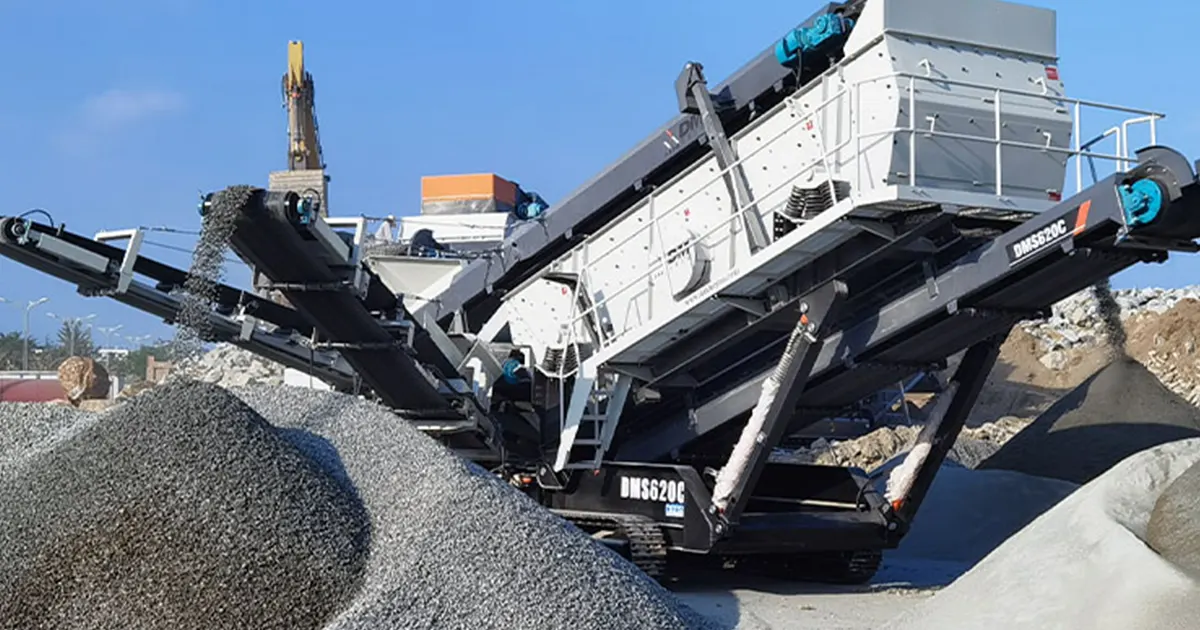
You will see modular panels and tensioned screens in many aggregate and mining jobs. Here is a quick look at where you might use each type:
| Application | Description | Key Benefits |
|---|---|---|
| Crushed Stone Production | Sorts raw materials into even sizes for building projects. | Same particle size, less equipment damage, saves money, follows rules. |
| Sand Quarrying | Separates fine sand from gravel and bigger debris for construction sand. | Pure sand, handles rough conditions, less stopping, better results. |
You can pick modular panels for quick changes and less waste. Tensioned screens give you a strong surface for tough jobs. Your choice depends on what your plant needs and the material you use.
Modular Panel vs Tensioned Screen: Key Differences
Installation and Handling
Modular Panel Installation
You want your plant to keep working. The choice between modular panel vs tensioned screen is important. Modular panels are easy to put in. You can bolt them down quickly. Most modular panels are already tight, so you do not need to tighten them. You just snap or lock each panel onto the deck. You do not need special tools for this job. Even if you are new, you can change a worn panel fast. It only takes a few minutes. Changing panels is up to 70% faster than with fixed decks. This means your plant stops less and makes more.
Tensioned Screen Installation
Tensioned screens need a different way to install. You must pull the screen tight over the frame. Then you hook it at the sides or ends. This takes more time to do. You have to get the tension just right. If you do not, the screen will not work well. Sometimes you need to tighten the screen again to keep it flat. This can slow you down, especially if you have many vibrating screen machines. Tensioned screens are lighter, but putting them in takes more skill and care.
Safety and Labor
You want your team to be safe. The choice between modular panel vs tensioned screen matters for safety. Modular panels are light and small. One person can move them alone. You do not need heavy lifting or special tools. This helps stop injuries. Tensioned screens are bigger and harder to move. You may need more people to put them in. The tensioning step can put hands near pinch points. Modular panels help keep your crew safe and lower labor costs.
Performance and Efficiency
Throughput and Open Area
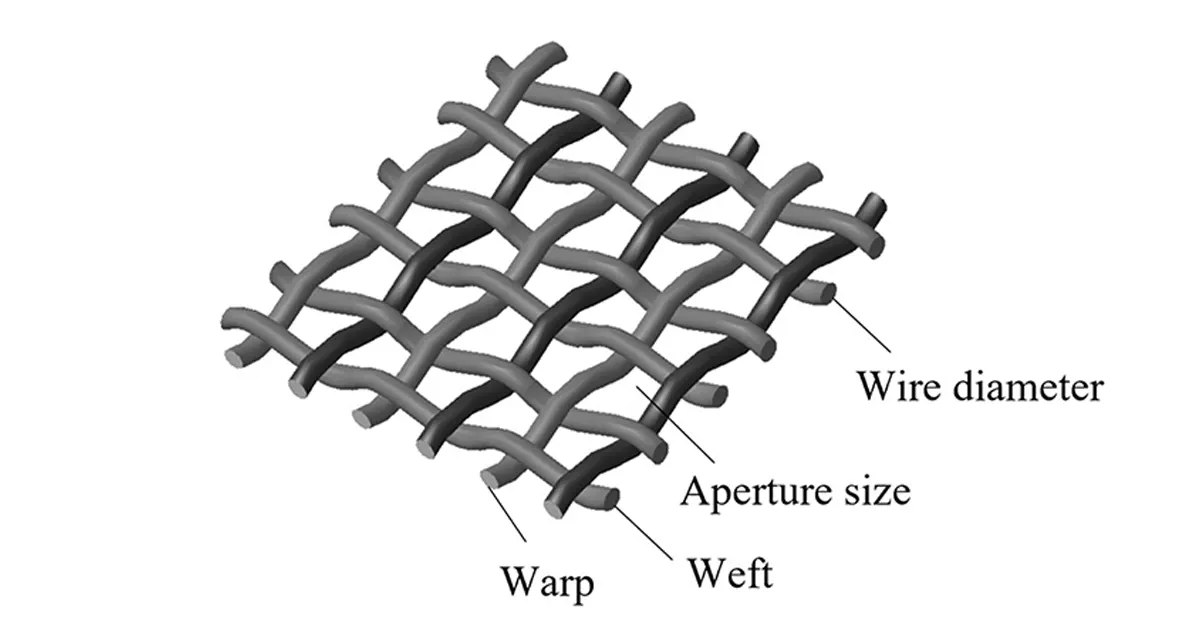
You care about how much material your screens can handle. In the modular panel vs tensioned screen debate, open area is important. Modular panels cover more space, but have less open area than wire cloth. Tensioned screens use woven wire cloth with lots of open area. This lets more material go through. You can use a smaller screen for the same job. Tensioned screens often move more material. If you need to move lots of material fast, tensioned screens might be better.
Pegging and Blinding
Pegging and blinding slow down your plant. You want to stop these problems. Modular panel vs tensioned screen designs handle this in different ways. Flexible materials like polyurethane or rubber help stop particles from getting stuck. Modular panels sometimes have more structure. This can cause more pegging and blinding. Tensioned screens have a lot of open area, so they resist these problems. If you work with wet or sticky material, use flexible screening media. This helps your vibrating screen machines run better.
Screening Accuracy
You want your screen media to sort material right the first time. Modular panel vs tensioned screen options both give good accuracy, but in different ways. Modular panels fit tight and keep the deck flat. This helps with even sizing. Tensioned screens stay tight if you keep them pulled right. They can give sharp cuts and clean separation. If you want top accuracy, check your tension often. Both types work well if you take care of them.
Durability and Wear Life
Wear Resistance
You want your screening media to last long. Modular panel vs tensioned screen choices change wear life. Modular panels use strong materials like polyurethane and vulcanized rubber. These materials fight wear from sharp rocks and heavy loads. Tensioned screens use wire cloth, which can wear out faster in tough jobs. Modular panels take hits and handle rough feed better. If you want less downtime, modular panels may last longer.
Impact of Material and Feed Size
Your material and feed size change how long your screens last. Modular panel vs tensioned screen options react in different ways. Modular panels handle heavy, uneven feed well. Their design soaks up energy and stops cracks. Tensioned screens work best with lighter, even feed. If you use a flex-mat vibrating wire screen, you get good results with many materials. Always match your screening media to your feed. This keeps your vibrating screen machines working longer and saves money.
Tip: Check your screens often. Change worn media before it breaks. This keeps your plant safe and working well.
| Factor | Modular Panels | Tensioned Screens |
|---|---|---|
| Wear Resistance | High (polyurethane/rubber) | Moderate (wire cloth) |
| Impact Handling | Excellent for heavy, irregular feed | Best for lighter, even feed |
| Installation Speed | Fast, tool-free, less training needed | Slower, needs skill and careful tensioning |
| Safety | Lightweight, easy to handle | Heavier, more labor required |
| Throughput | Good, but less open area | Higher, more open area |
| Pegging/Blinding | Can occur, but flexible media helps | Less likely due to high open area |
| Screening Accuracy | Consistent with proper fit | High with correct tensioning |
Now you know the main differences in modular panel vs tensioned screen options. This helps you pick the best screening media for your plant.
Maintenance and Downtime
Maintenance Needs
You want your plant to work well every day. Maintenance helps your vibrating screen machines stay in good shape. With modular panels, you can change one panel when it wears out. You do not need to stop the whole machine. This saves time and money because you only fix what is broken.
Tensioned screens need more care. You have to check the tension a lot. If the screen gets loose, it will not work right. You should look for damage or wear every day. Checking your screens often helps you find problems early. When you keep your screens in good shape, you get better results and less downtime.
- Modular panels let you swap single panels, so you do not waste time or labor.
- Tensioned screens need regular checks and the right tension to last longer.
- Daily checks for wear or damage keep your vibrating screens working well.
Tip: Doing maintenance before things break helps you avoid big repairs and keeps your plant running.
Change-Out Frequency
How often do you need to change your screen media? Modular panels last a long time because they use strong materials like polyurethane or rubber. You only change the panels that wear out. This means you stop for maintenance less often. Your vibrating screen machines can keep working.
Tensioned screens can wear out faster, especially with heavy or sharp materials. You might need to change the whole screen more often. If you keep the tension right and check them every day, you can make them last longer. Still, you may have more downtime than with modular panels.
Studies show that both modular panels and tensioned screens can lower maintenance needs if you use good quality media. Less maintenance means less downtime and more work done at your plant.
Cost Comparison
Initial Cost
You want to know how much you will spend at first. Tensioned screens usually cost less when you buy them. They are simple and easy to get. Modular panels cost more at the start because you need a special frame and more parts. If you do not have much money, tensioned screens might seem better.
Lifecycle Cost
The money you spend over time is important. Modular panels can save you money in the long run. You only replace the worn panels, not the whole deck. This means you spend less on labor and downtime. Tensioned screens may need to be changed more often, which costs more.
If you put in your screen media the right way and do regular maintenance, you will have fewer problems. Big repairs can cost a lot. Picking the right screens can help your plant work better and last longer. Some vibrating screens, like Flex-Mat, can even help you move up to 40% more material. You get more work done and less downtime, which saves you money.
- Good installation and regular maintenance keep costs low.
- The right screen media makes your plant work better and last longer.
- Less downtime means you can make more money.
Productivity Impact
Your plant’s output depends on your screen media. Good screens help you sort materials better. You can finish more work in less time. If you do not spend much time on maintenance, you have more time for production. Modular panels and tensioned screens both let you handle different jobs. This makes your plant more cost-effective.
| Key Aspect | Impact on Productivity and Output |
|---|---|
| Improved Material Stratification | Better separation means higher efficiency and throughput. |
| Reduced Maintenance Time | Less downtime leads to more operational hours. |
| Adaptability | You can handle many types of materials and jobs. |
Comparison Table: Modular Panel vs Tensioned Screen
Here is a quick look at how modular panels and tensioned screens compare. Use this table to help you pick the best one for your vibrating screen machines.
| Metric | Modular Panels | Tensioned Screens |
|---|---|---|
| Installation | Fast, easy, tool-free | Needs skill, careful tensioning |
| Open Area | Less than wire cloth | High, more throughput |
| Wear Life | Long, replace only worn panels | Moderate, replace whole screen |
| Maintenance | Low, quick panel swaps | Needs regular tension checks |
| Downtime | Minimal, fast change-outs | More frequent, longer change-outs |
| Screening Accuracy | Consistent with proper fit | High with correct tension |
| Cost Over Time | Lower due to less downtime | Can be higher with frequent changes |
| Best Applications | Heavy, abrasive, high-impact materials | High-volume, fine, or sticky materials |
Note: Polyurethane and rubber screens fight wear. Tensioned cloths work best when you keep them tight.
You can see that both modular panels and tensioned screens have good points. Think about what your plant needs, your material, and how much downtime you can handle. The right choice will keep your vibrating screen machines working well.
Choosing the Right Screens for Your Plant
Material and Feed Size
You want your screens to match your material and feed size. This step matters a lot. If you use the wrong screen, you might get clogs, fast wear, or poor sorting. Think about what you put on your screen deck. Is it big, sharp rock? Is it fine sand? Each material needs a different approach.
When you pick a screen, you need to balance open area and strength. A screen with more open area lets more material through. This means higher throughput. But, if you go for maximum open area, you might lose durability. Wire cloth gives you the most open area, but it wears out faster. Polymer screens last longer, but they have less open space. Hybrid screens, like urethane-encapsulated wire, give you a mix of both.
Here’s a quick look at your options:
| Material Type | Benefits | Limitations |
|---|---|---|
| Wire Cloth | Maximum open area | Sacrifice to wear life |
| Polymer | Longer wear life | Lower open area |
| Hybrid | Balance of benefits | N/A |
You should also match your screen media to your feed size. If you run large, heavy material, you need a tough screen. For small, fine material, you want more open area. Always think about what you feed into your plant.
Tip: Ask yourself, “Do I need more throughput or longer wear life?” Your answer will help you choose the right screen.
Wet vs Dry Screening
Your plant might handle wet or dry material. This changes what screen works best. Wet screening often leads to pegging and blinding. Sticky material can block your screens. You want flexible media, like polyurethane or rubber, for wet jobs. These materials shake off sticky bits and keep your deck clear.
Dry screening is easier on your screens. You can use wire cloth for more open area and higher speed. Dry material moves fast and does not stick as much. If you mostly screen dry material, tensioned screens with wire cloth might be your best bet.
- Wet screening: Use flexible, non-stick media.
- Dry screening: Go for open area and speed.
Wear and Plant Conditions
Your plant’s conditions play a big role in your choice. Some jobs are rough. You might deal with sharp rocks, heavy loads, or lots of impact. Modular panels made from polyurethane or rubber handle harsh work well. They resist both abrasion and impact.
Tensioned screens with woven-wire cloth work better for lighter jobs. They offer moderate resistance to wear and impact. If your plant faces tough conditions every day, modular panels will last longer and keep your team safe.
Here’s a table to help you decide:
| Type of Screen | Material | Abrasion Resistance | Impact Resistance | Suitable Conditions |
|---|---|---|---|---|
| Modular Panels | Polyurethane/Rubber | High | High | Harsh screening duties |
| Tensioned Screens | Woven-wire cloth | Moderate | Moderate | Lighter screening duties |
Note: Always check your plant’s conditions before you choose. The right screen will save you time, money, and headaches.
Maintenance Preferences
When you think about your plant’s daily routine, maintenance often comes to mind. The type of screen you choose can make a big difference in how much time and effort you spend on upkeep. Some plants have a full maintenance crew, while others run with just a few people. Your maintenance preferences and available labor will guide you toward the right screen for your operation.
If you want to keep things simple and quick, modular panels might be your best bet. You can swap out a single screen panel in just a few minutes. You do not need special tools or a big team. This makes modular panels a smart choice for plants with limited labor or when you want to keep downtime to a minimum. You can even change one screen panel at a time, so you do not have to stop the whole machine.
Tensioned screens work differently. You need to stretch the screen tight and hook it in place. This job takes more skill and sometimes more people. If your plant has experienced workers and you do not mind spending extra time on maintenance, tensioned screens could work for you. However, if you have a small team or want to avoid complicated jobs, modular panels will save you time and effort.
Here’s a quick look at how your maintenance preferences and labor resources can influence your screen choice:
- Modular panels are easy to install and replace. You can handle them with a small crew.
- Tensioned screens need specialized labor for both installation and maintenance.
- Modular panels give you flexibility. You can adapt your screen setup as your needs change.
- If you want less downtime and fewer headaches, modular panels make maintenance easier.
You should also think about how often you want to check your screens. Modular panels let you inspect and replace only the worn parts. Tensioned screens require you to check the tension regularly. If you miss a check, the screen might not work right, and you could face bigger problems later.
Tip: Choose a screen system that matches your team’s skills and your plant’s workflow. The right choice will keep your operation running smoothly and help you avoid costly surprises.
Conclusion
You can pick from two good choices for your plant: modular panels or tensioned screens. Here is a simple chart to help you compare:
| Feature | Modular Panels | Tensioned Screens |
|---|---|---|
| Flexibility | Easy to change and adjust | Made to last a long time |
| Installation | Fast and simple to switch | Quick, but needs skill |
| Best Use | Works for many materials | Great for big, tough jobs |
Think about what you need for your plant. Look at your material, how big your plant is, and how much money you have. If you want less stopping and fast changes, modular panels are a good pick. If you need to move a lot of material and want something strong, choose tensioned screens. If you are not sure, talk to a screen expert. They can help you find the best choice for your plant.
FAQ
What is the main advantage of modular panels?
You can swap out only the worn panels. This saves you time and money. You do not need special tools. Your team can handle quick changes with less downtime.
When should you choose tensioned screens?
Pick tensioned screens if you want high throughput and lower upfront costs. These screens work well for lighter, dry materials. You get more open area, which means faster screening.
Do modular panels fit all screen decks?
No, modular panels need a compatible deck system. You may need to upgrade your frame. Always check with your screen supplier before you buy new panels.
How often should you check screen tension?
You should check tensioned screens daily. Loose screens can cause poor screening and damage. Make it part of your regular maintenance routine.
Can you use both types in one plant?
Yes, you can mix modular panels and tensioned screens. Some plants use modular panels in high-wear zones and tensioned screens elsewhere. This gives you the best of both worlds.
Which screen type lasts longer?
Modular panels usually last longer. They use tough materials like polyurethane or rubber. Tensioned screens wear out faster, especially with sharp or heavy material.
What causes pegging and blinding?
Wet or sticky material often causes pegging and blinding. Small particles get stuck in the screen holes. Flexible screens and regular cleaning help reduce this problem.
How do you know when to replace your screen media?
Look for holes, tears, or worn spots. If you see poor material separation or more downtime, it is time to replace your screens. Regular checks help you catch problems early.