Polyurethane Declogging Rods
Polyurethane declogging rods are flexible anti-blinding accessories installed under vibrating screen decks to help reduce blinding and pegging. If your apertures keep plugging—especially with wet, sticky fines or near-size material—declogging rods can help keep the screen surface open longer and reduce manual cleaning stops.
ANPENG manufactures industrial screening media and supplies custom polyurethane declogging rods matched to your deck layout and screening conditions.
What Are Polyurethane Declogging Rods?
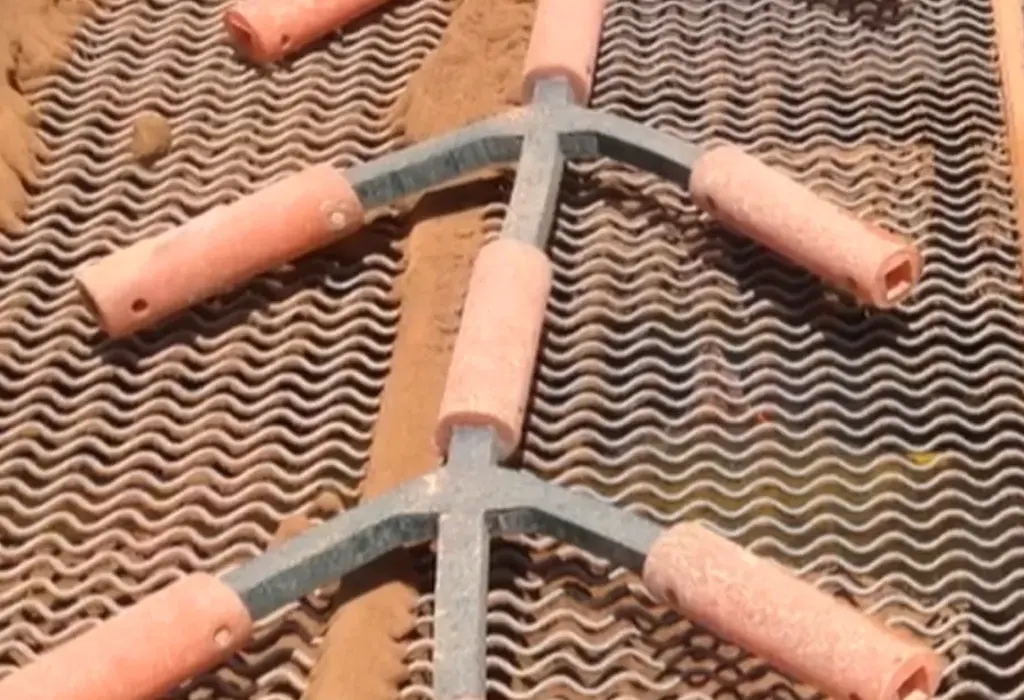
Polyurethane declogging rods are elastic PU rods placed beneath the screening surface. During vibration, the rods move and create light, repeated contact from underneath the screen. That action helps break material bridging, knock loose plugged particles, and reduce buildup that blocks apertures.
How Declogging Rods Work
Here’s the simple idea:
Rods sit under the screen deck, positioned where plugging happens.
As the machine vibrates, rods “bounce” and apply gentle impact from below.
This movement helps release near-size particles and break sticky coating.
The deck stays more open, so screening runs more consistently over the shift.
Declogging rods don’t replace good screen selection and correct tensioning—but they can be a practical improvement when plugging is the bottleneck.
Key Benefits
Helps reduce blinding and pegging
Supports more stable screening performance across a shift
Reduces downtime for manual cleaning and scraping
Easy to retrofit in many deck setups (depending on clearance and supports)
Works as a targeted solution—install rods where plugging is worst
Technical Specifications
| Specification | Details |
|---|---|
| Product Name | Polyurethane Declogging Rods (Anti-Blinding / De-Clogging Rods) |
| Material | Polyurethane (PU) (formulation customizable by application) |
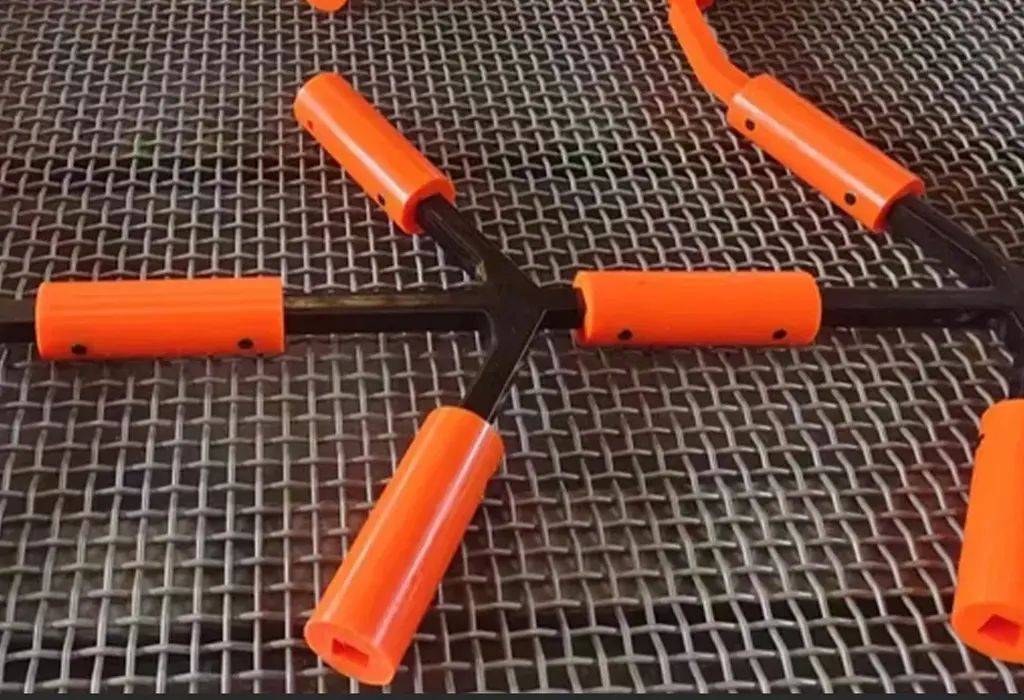
| Rod Profile | Round (standard) / Custom profiles available |
| Rod Diameter | 10–50 mm (custom available) |
| Rod Length | Custom per deck width and installation zone |
| Hardness | Typically 70–95 Shore A (custom available) |
| Color | Standard colors available; custom colors upon request |
| Operating Temperature | -30°C to +80°C (higher temperature options available upon request) |
| Mounting / Support | Rail holders / Clamps / Hooks (matched to your screen deck design) |
| Recommended Screen Media | Woven Wire Screens, Self-Cleaning (Harp/Piano Wire) Screens, and other clog-prone decks |
| Recommended Applications | Anti-blinding and anti-pegging for wet, sticky, clay-rich, or near-size screening conditions |
| Customization | Diameter, length, hardness, mounting method, and rod spacing/layout available upon request |
FAQs
Do declogging rods help with blinding or pegging?
They can help with both. Blinding is usually fines + moisture coating the surface; pegging is near-size particles wedging into openings. Rod action from below helps release material in both cases.
Can I use declogging rods with woven wire screens?
Yes—this is a common use case, especially when plugging is limiting efficiency.
How do I choose rod diameter and spacing?
It depends on aperture size, wire type, deck supports, and where plugging occurs. Sharing your deck layout and current screen specs helps us recommend the right setup.
Will rods damage my screen?
When correctly sized and installed with proper clearance, rods are designed to reduce plugging without causing premature damage. Incorrect selection or insufficient clearance can increase wear, so fitment matters.
Should I use spray bars instead?
If coating and clay are extreme, spray bars may be needed. Rods are often used when pegging is the main issue, or as a supplement when spray alone isn’t enough.
What information do you need for a quote?
Material type, moisture, target cut size, tph, screen model, deck layout (or photos), current screen media type, and where plugging happens on the deck.