
Self-Cleaning Screens
Self-Cleaning Screens generate their own vibration and are constructed from independent wires bonded together with PU strips or wire clusters, maximizing screening efficiency.
Reduce blinding and pegging with custom self-cleaning screens
Self-cleaning screens are designed to keep apertures open when screening wet, sticky, or difficult material. Compared with standard woven wire mesh, they vibrate more freely, reduce material buildup, and help maintain more consistent screening efficiency.
At ANPENG, we manufacture self-cleaning screens for mining, aggregate, quarrying, and recycling applications. We offer multiple opening styles, wire configurations, hook types, and custom sizes to match different screen machines, materials, and operating conditions.
Whether you are dealing with clay-rich stone, damp sand, near-size material, or frequent mesh blinding, our team can help you choose the right self-cleaning screen for your process.
Types of Self-Cleaning Screens
At ANPENG, we manufacture several self-cleaning screen designs to match different materials, capacities, and sizing goals.
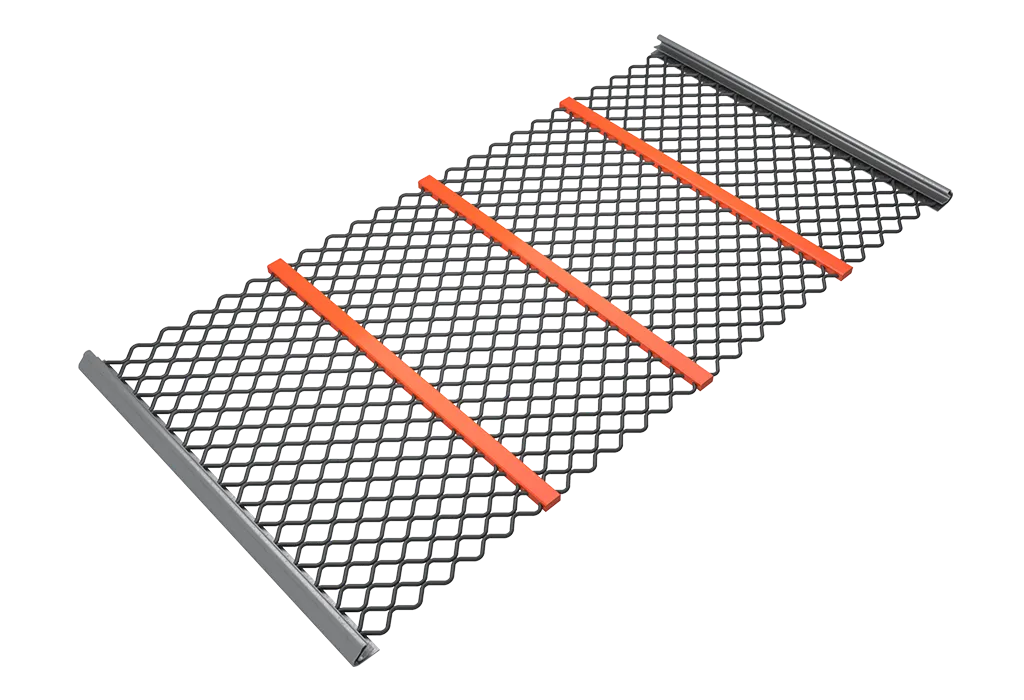
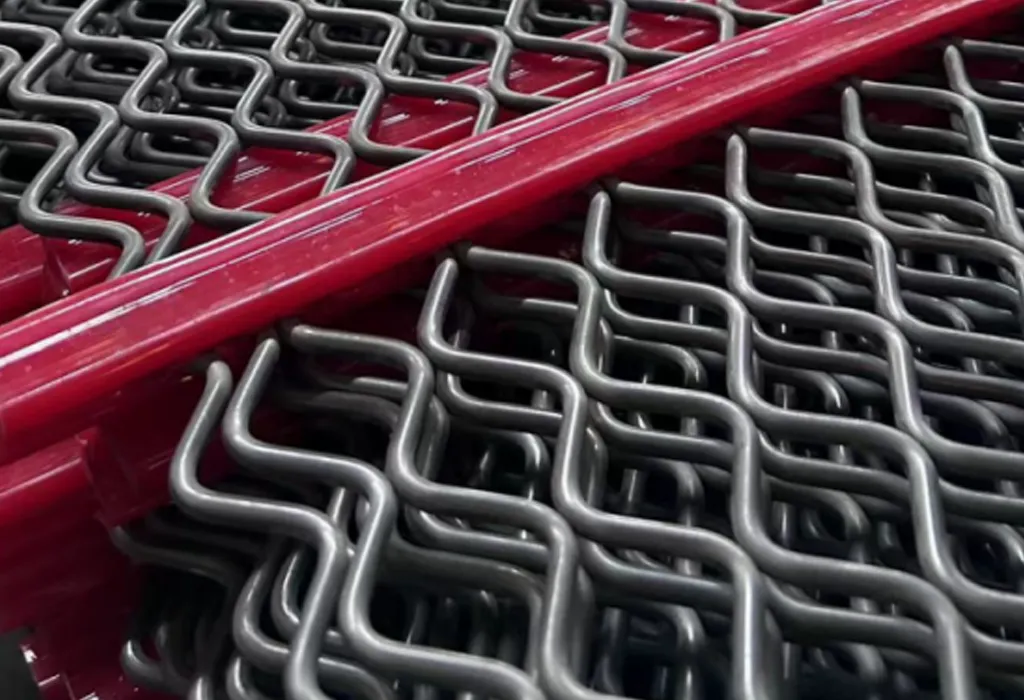
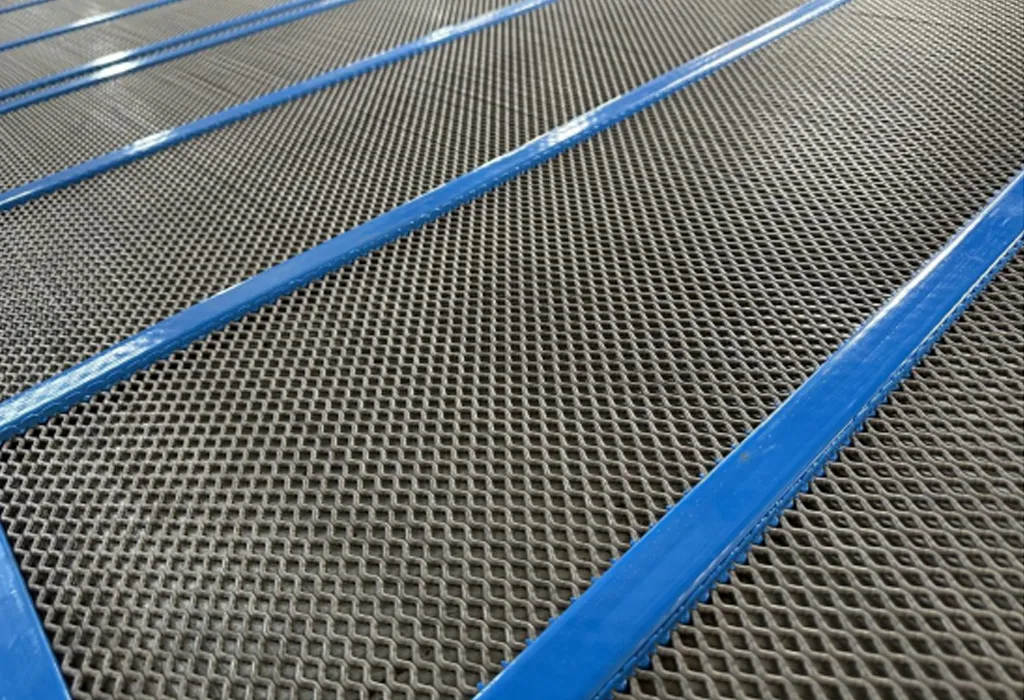
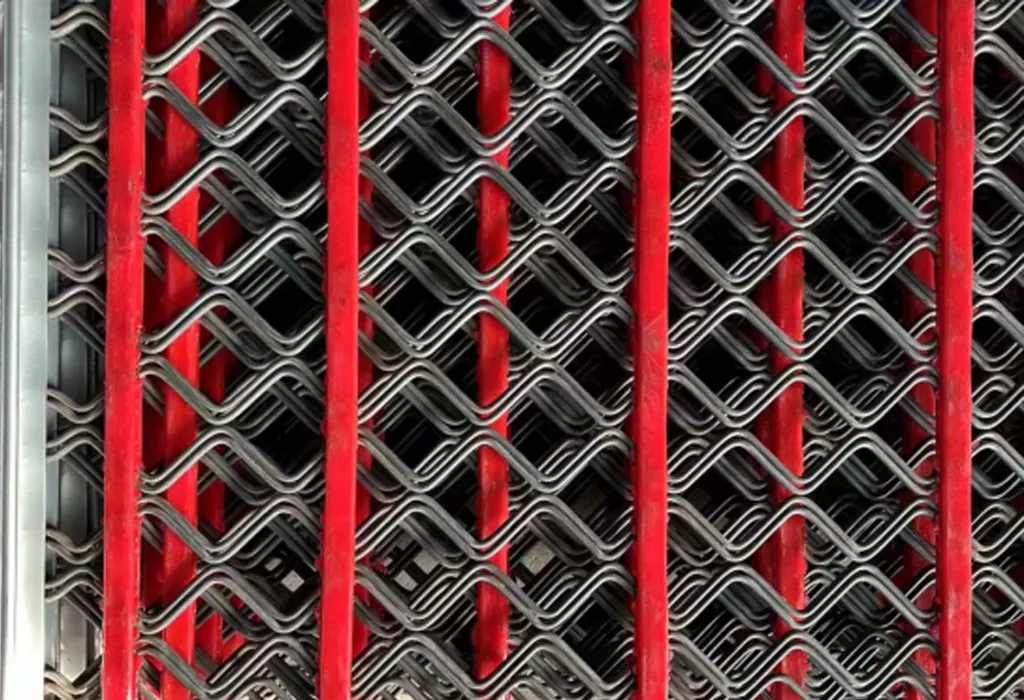
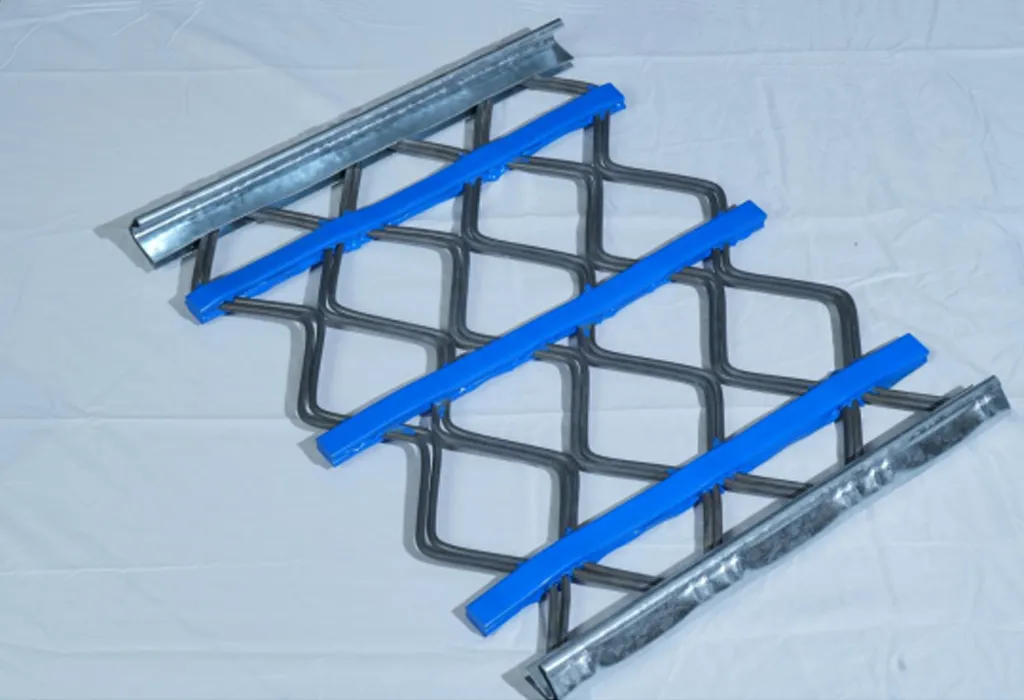
DIAMOND OPENING
- Standard opening
- Similar to square mesh
- Precise sizing control
Opening Sizes:
- 0.059” – 4”
- 1.5mm – 101.6mm
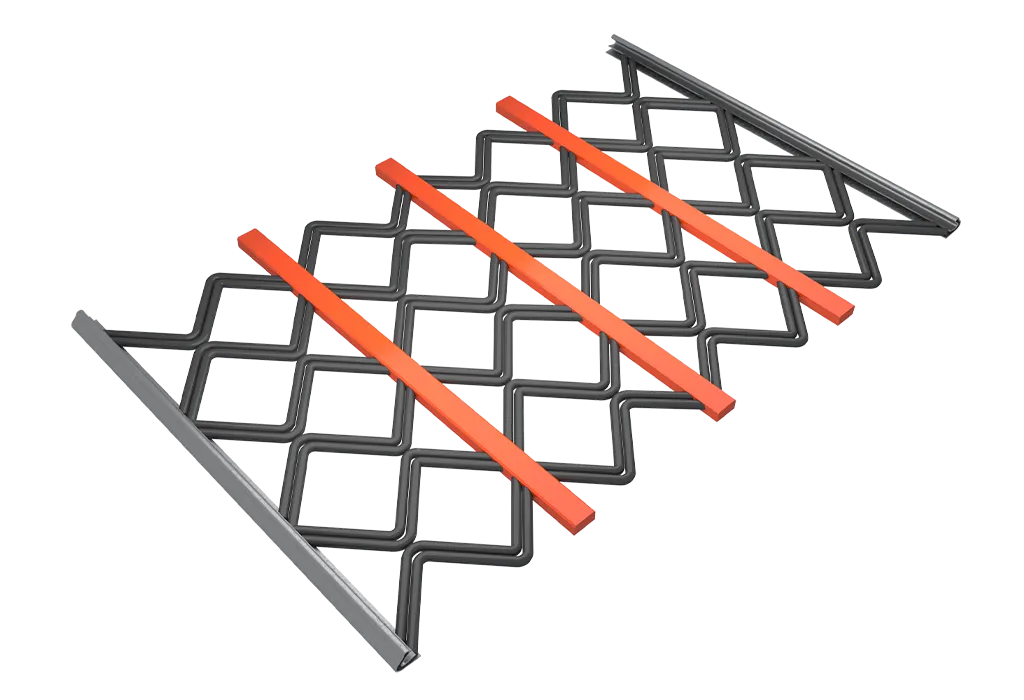
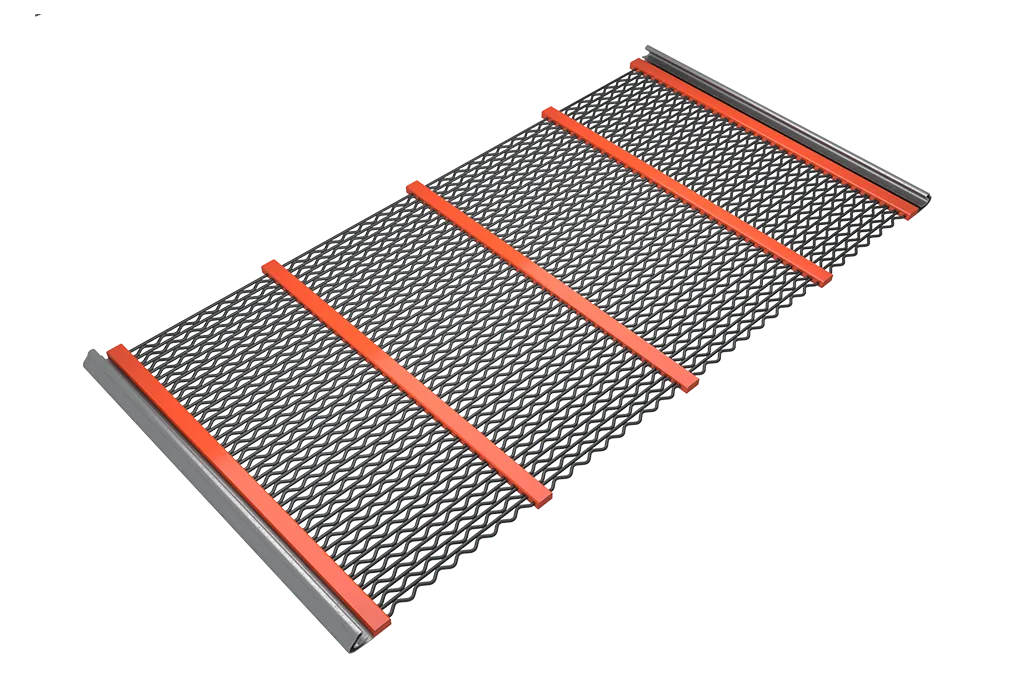
DOUBLE WIRE DIAMOND OPENING
For high-impact and heavy-material applications
Eliminates the “popcorn effect” caused by larger, single wires
Opening Sizes:
- 1.123″ – 4″
- 28.6 mm – 101.6 mm
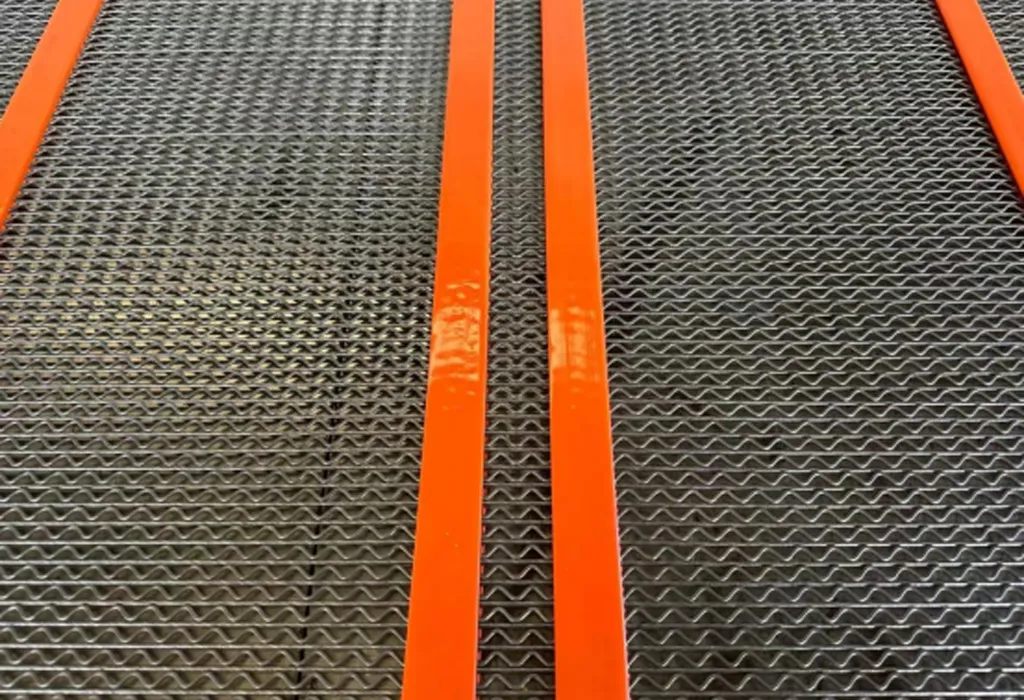
TRIANGLE OPENING
Great for finer materials
Replace fine mesh to better reduce blinding
Opening Sizes:
- 0.020” – 2”
- 0.5mm – 50.8mm
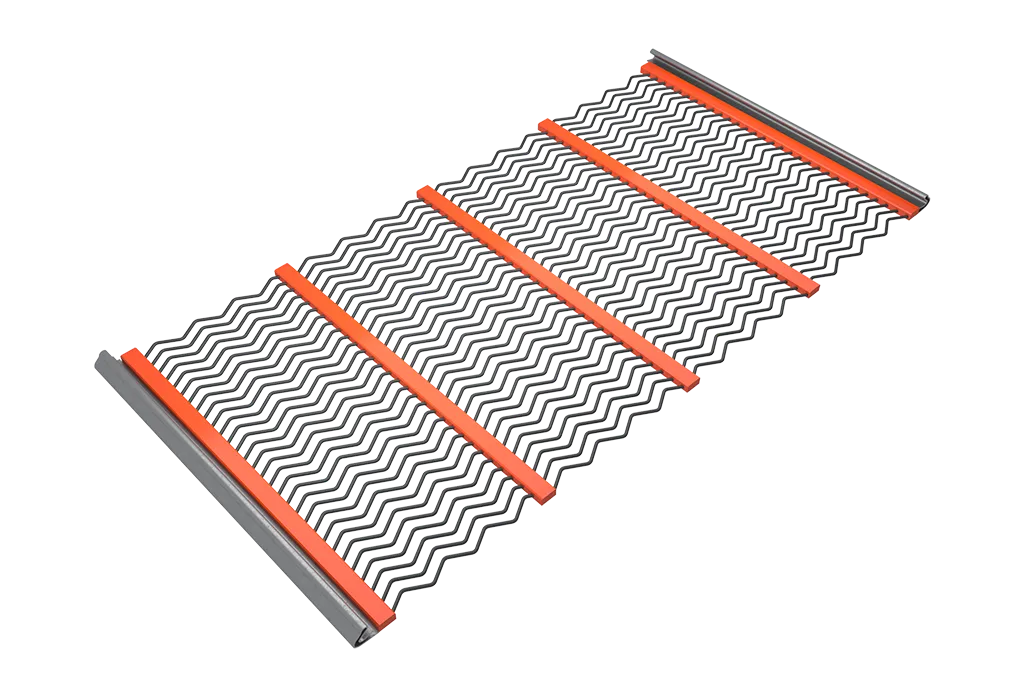
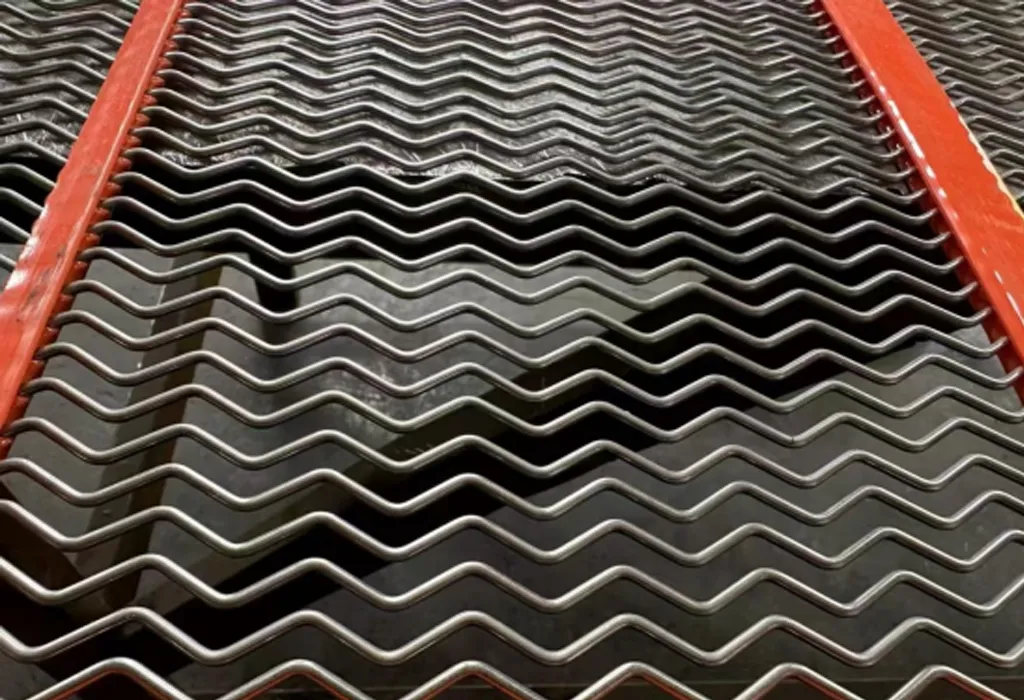
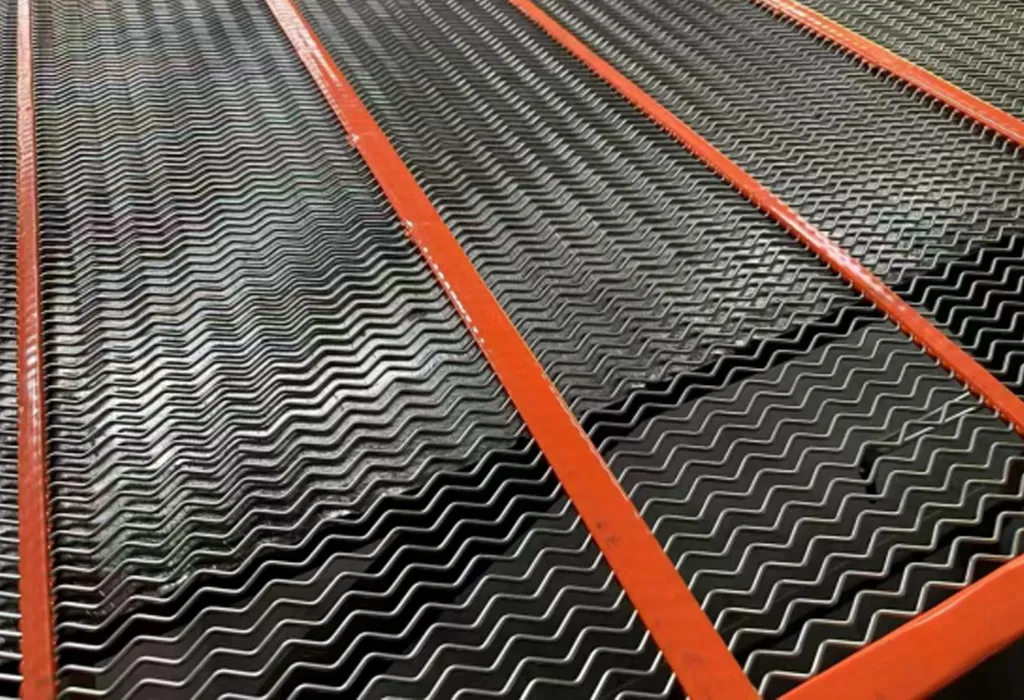
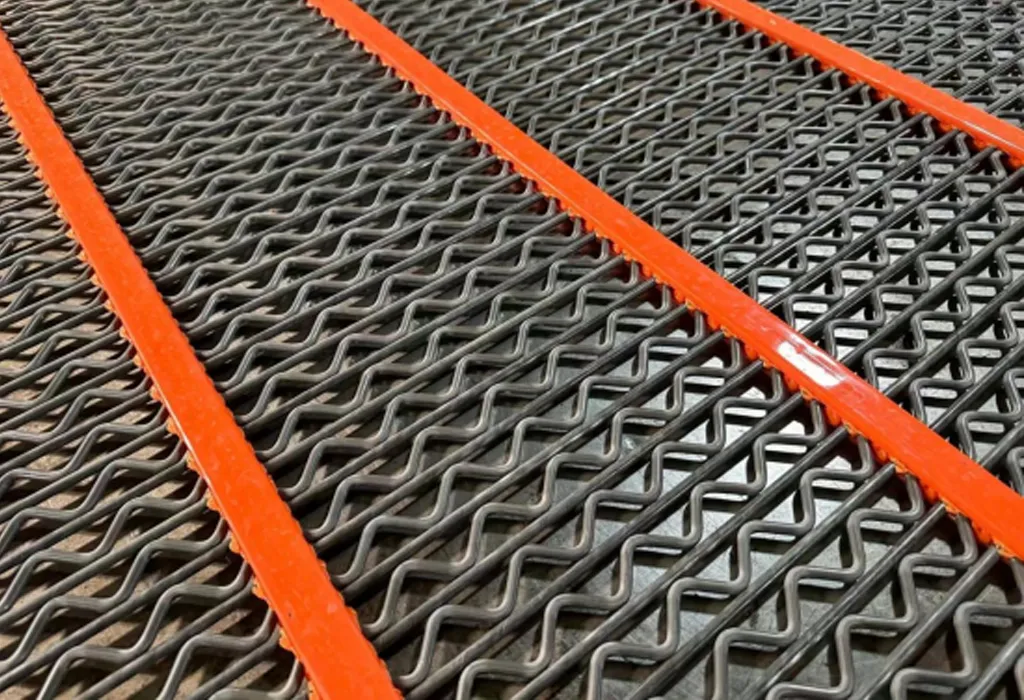
WAVE OPENING
Maximum open area
Ideal for round or cubical-shaped material
Or when precise passing is not required
Reduces fines
Opening Sizes:
- 0.059” – 2”
- 1.5mm – 50.8mm
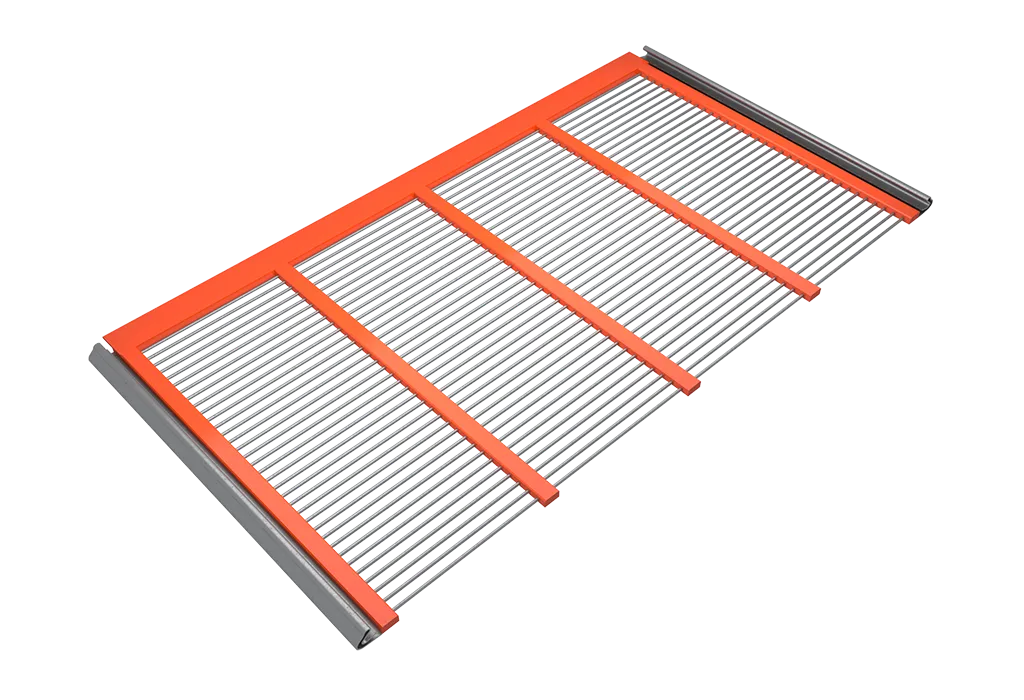
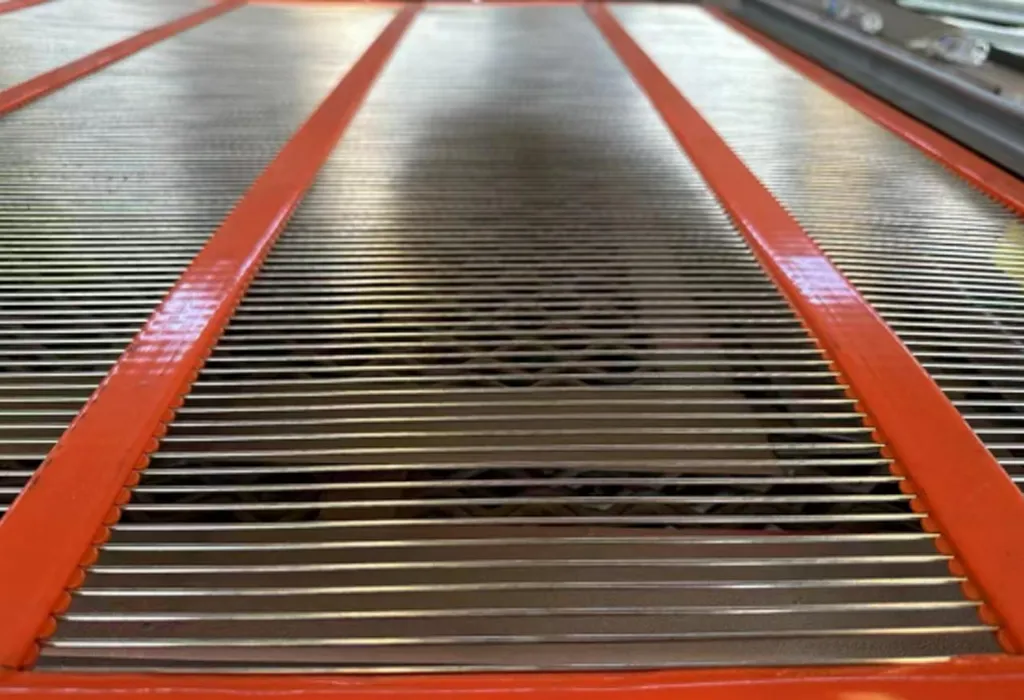
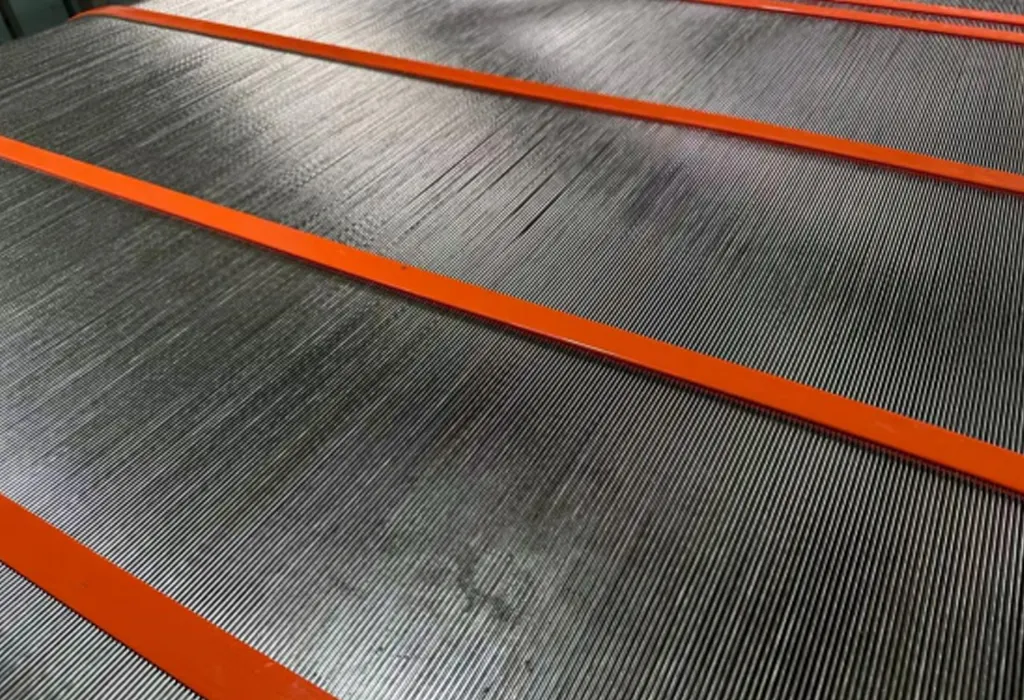
HARP SCREEN
Maximum open area
Increase efficiency in desanding and removing fines
Longer service life than traditional harp/piano wire
Customized to specific applications
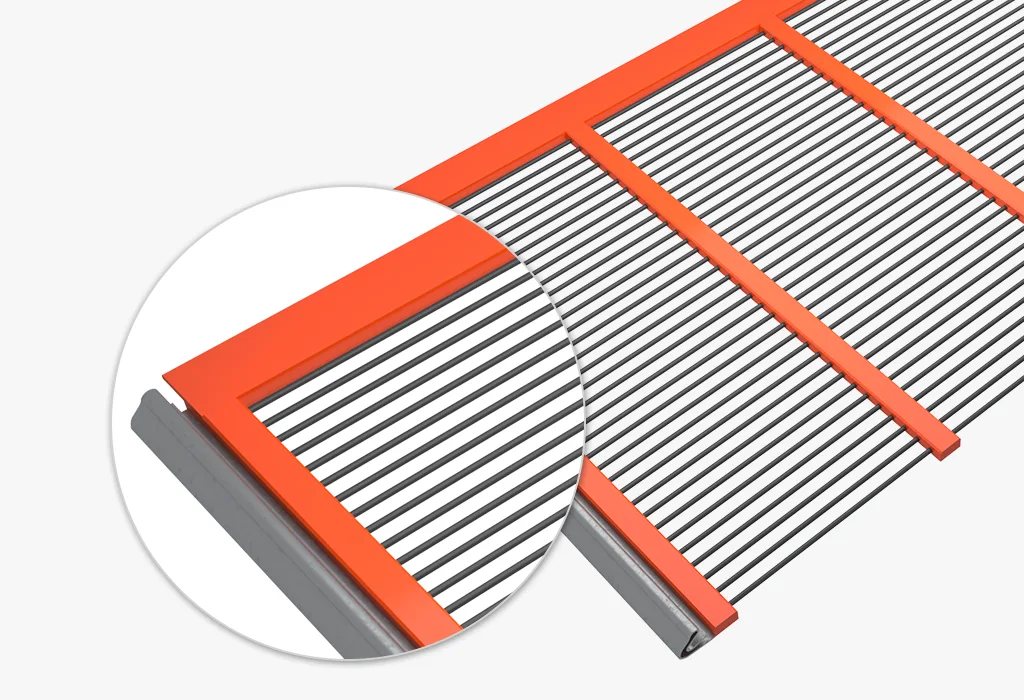
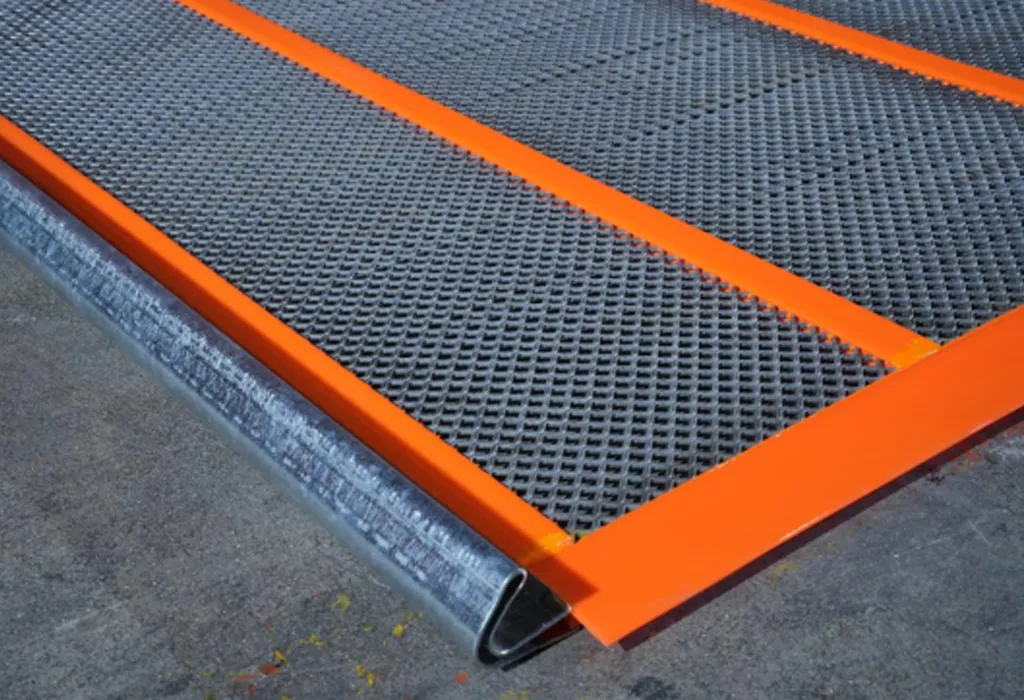
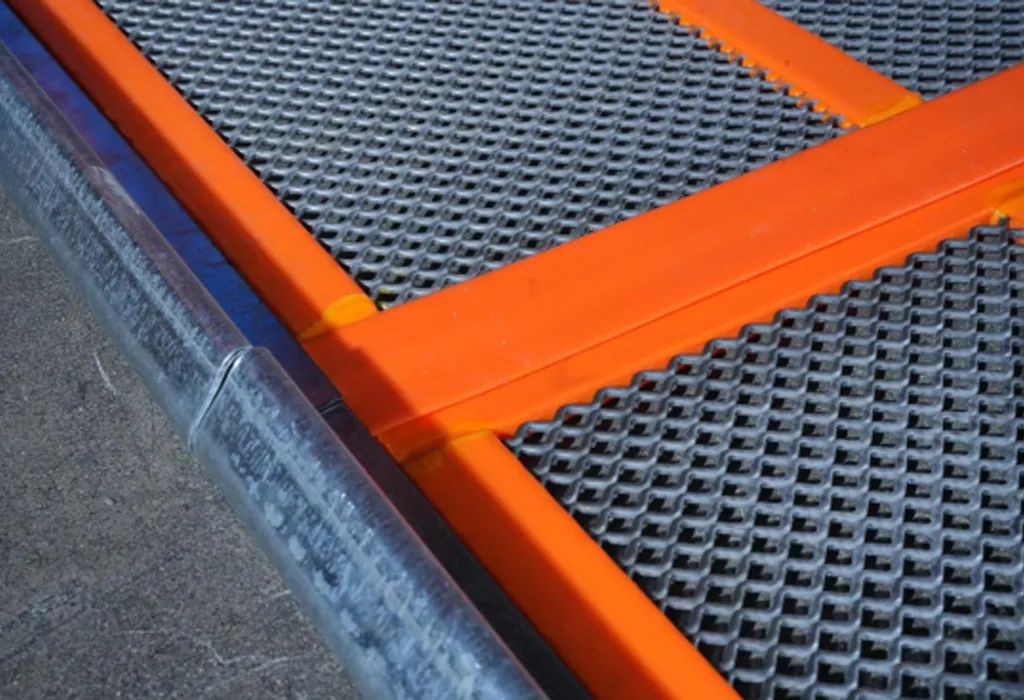
POLYURETHANE OVERLAP
Optional and recommended on self-cleaning series with openings of 3/8” or 9.5 mm or Less.
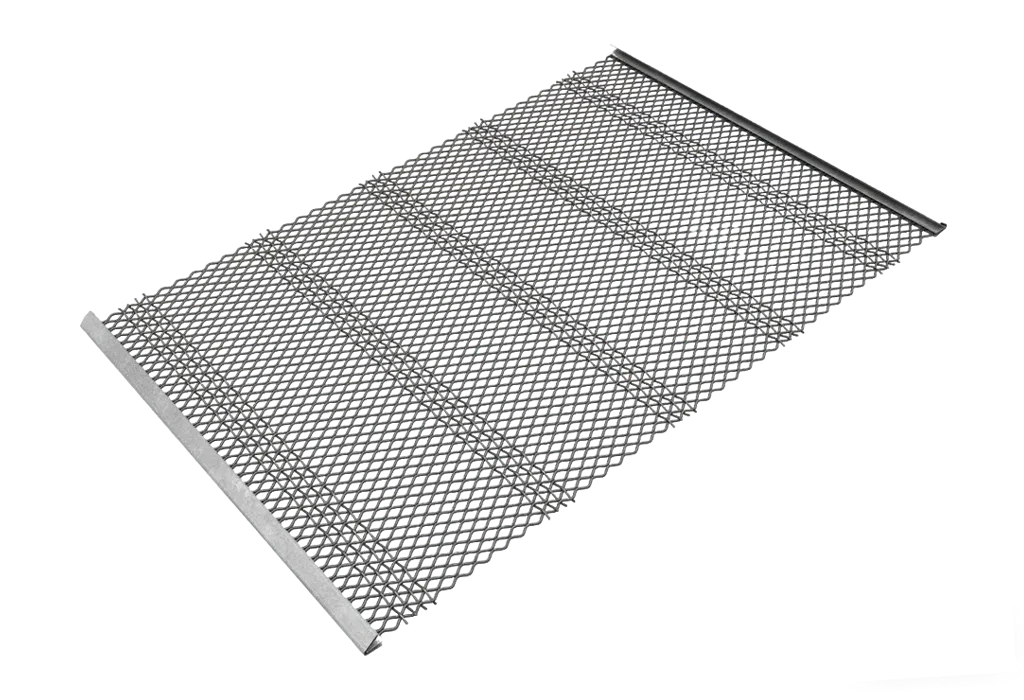
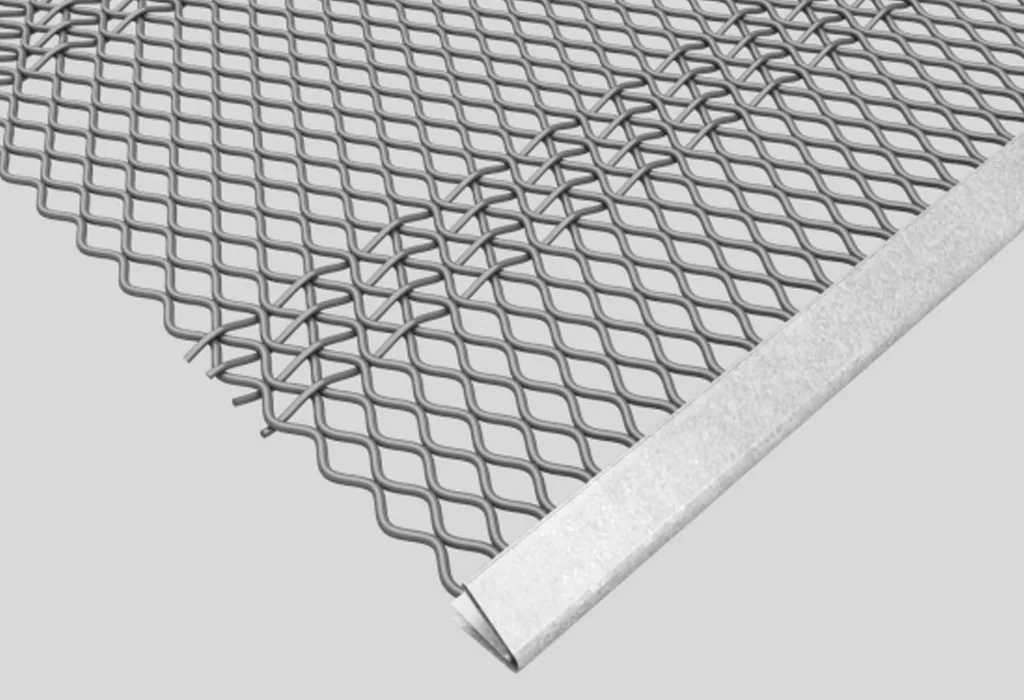
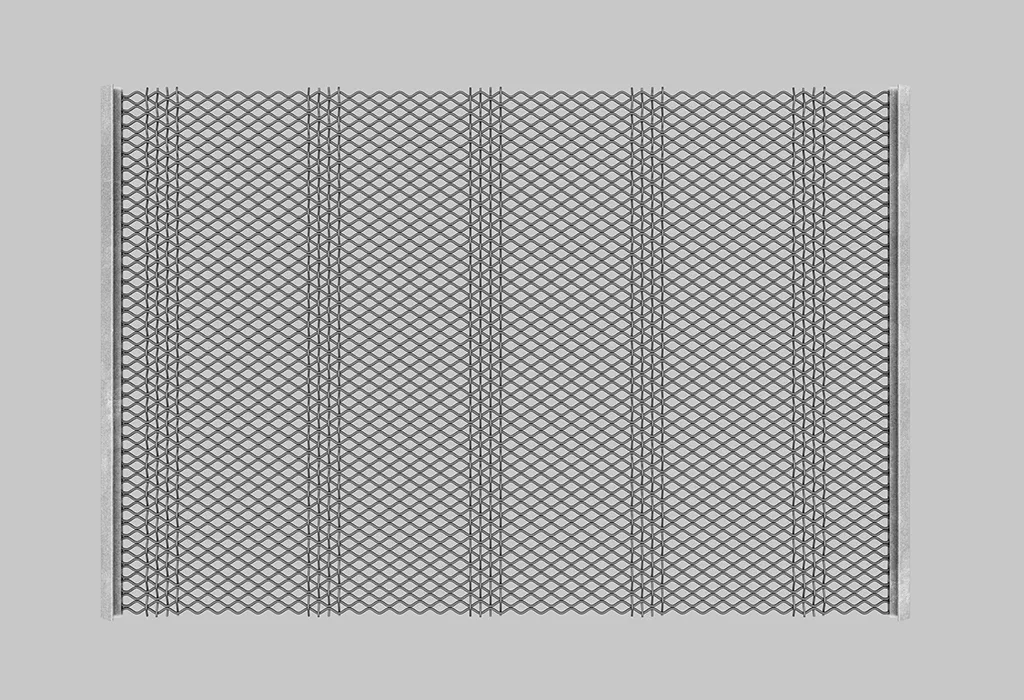
DIAMOND OPENING WITH WIRE CLUSTER
- Standard aperture
- Square-aperture design
- Tight tolerance control
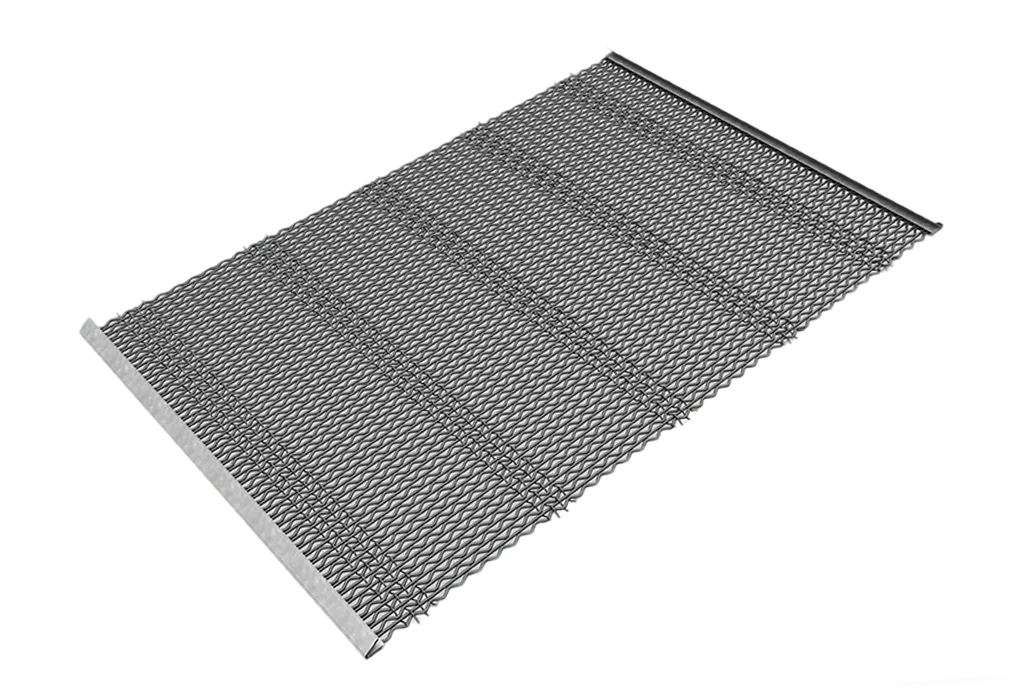
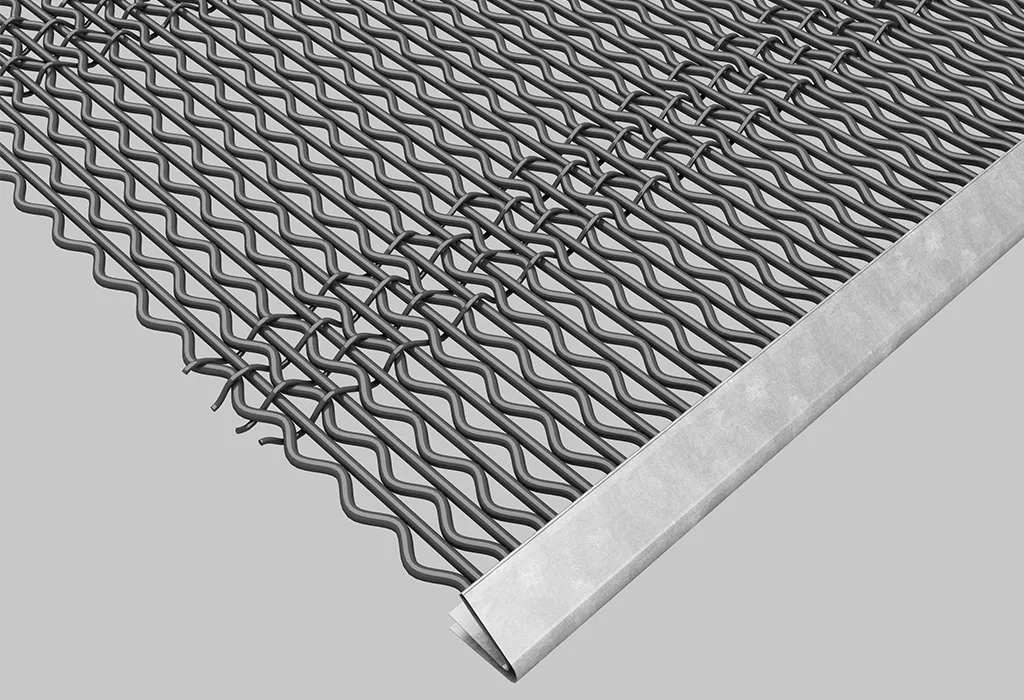
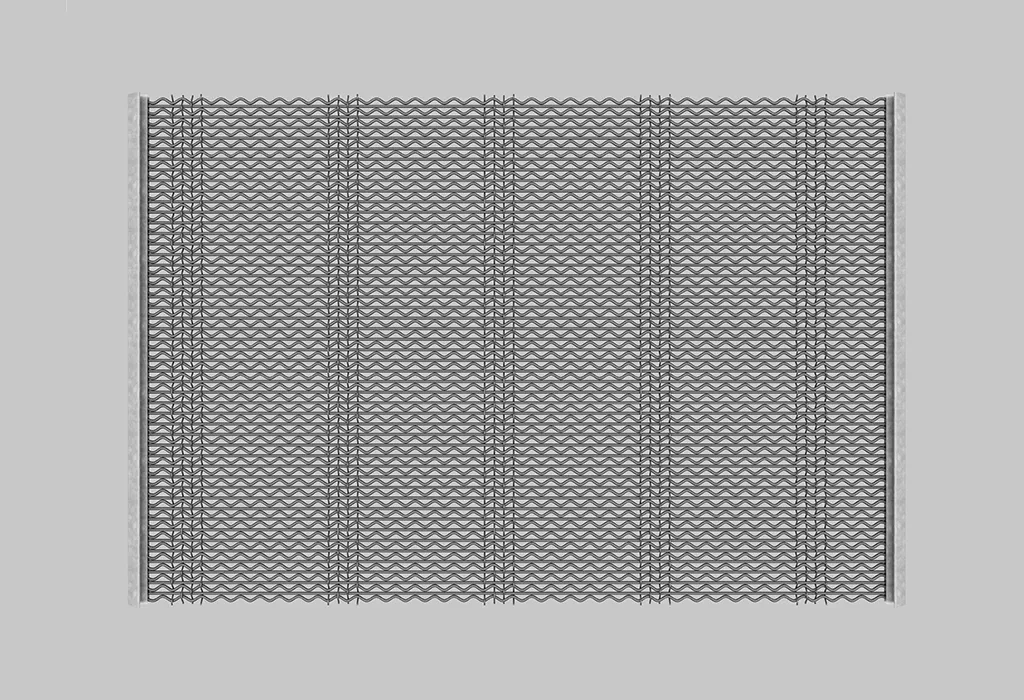
TRIANGLE OPENING WITH WIRE CLUSTER
- Ideal for fine-particle screening
- Replace fine mesh to minimize blinding risk
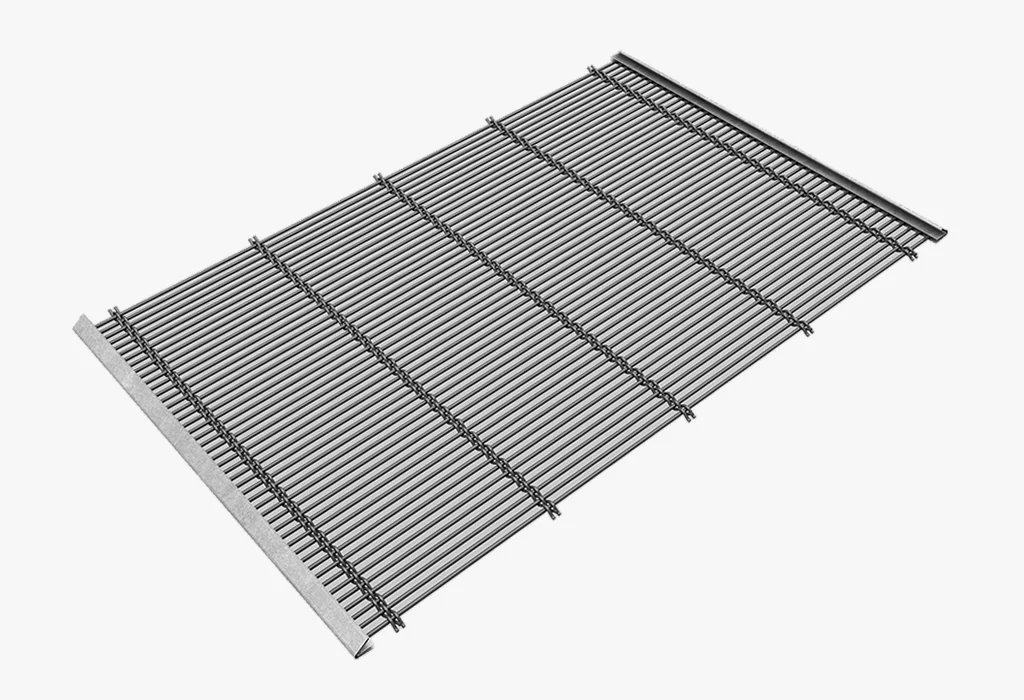
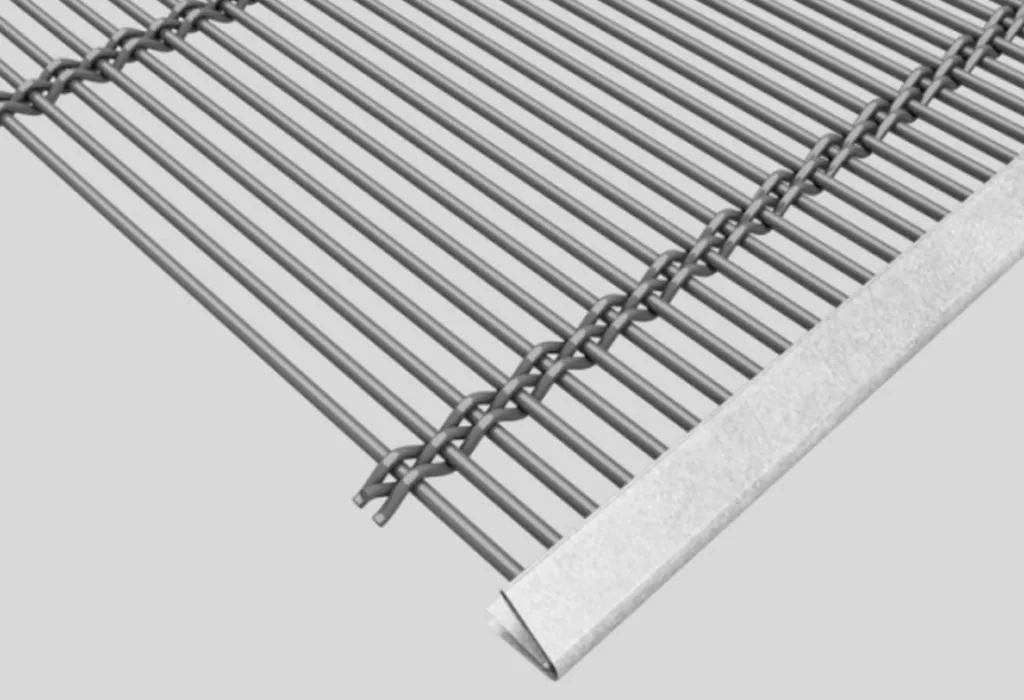
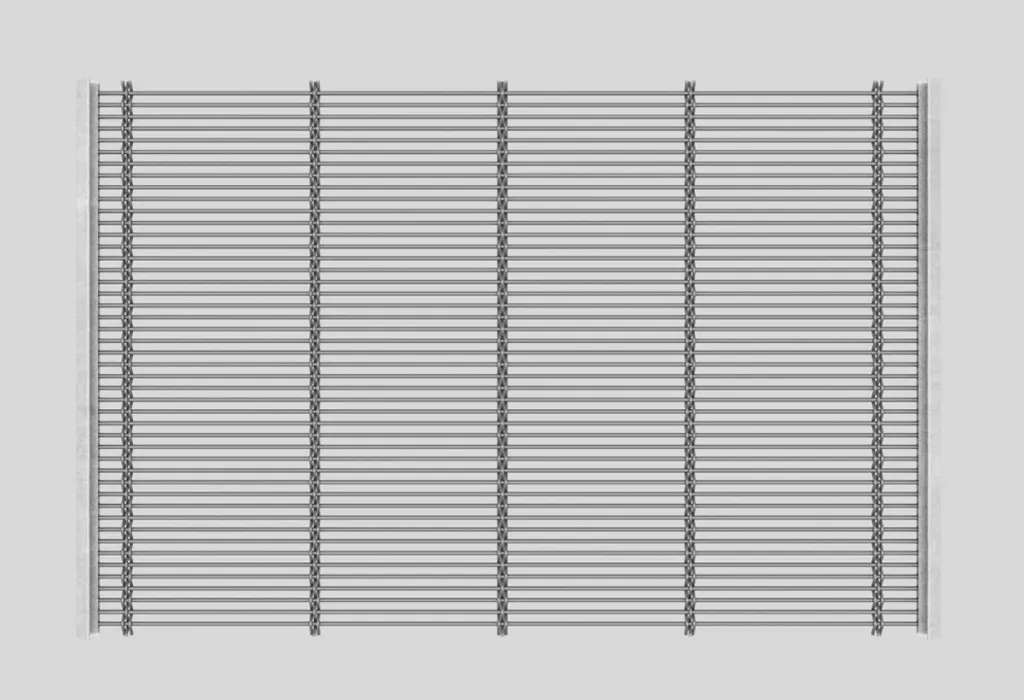
HARP OPENING WITH WIRE CLUSTER
- Maximum open screening area
- Strong soil-removal action
- Designed for highest screening capacity
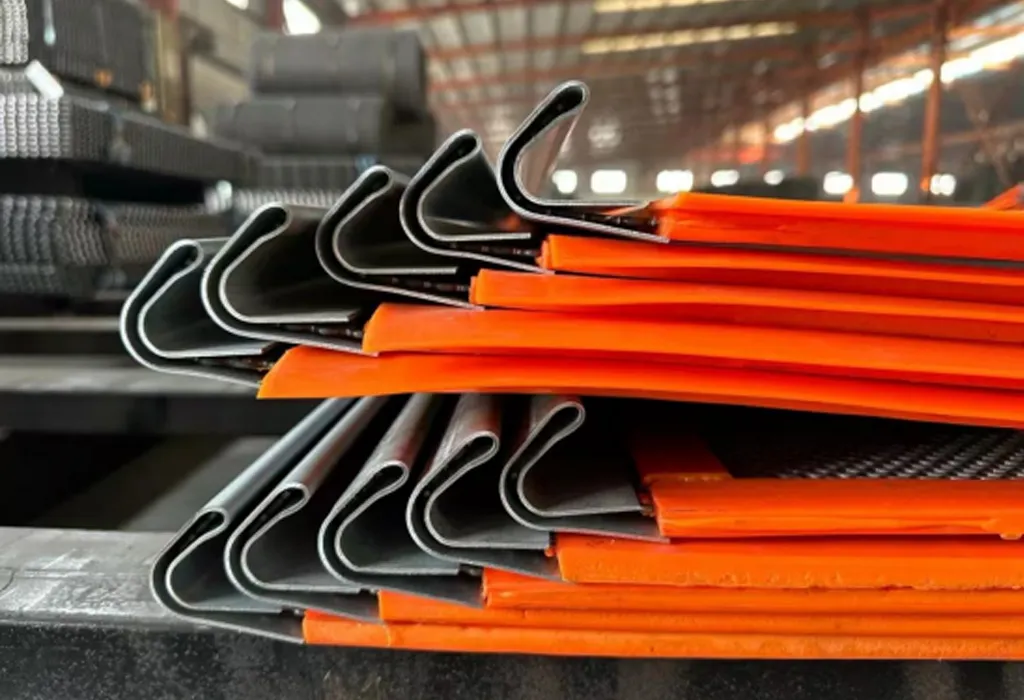
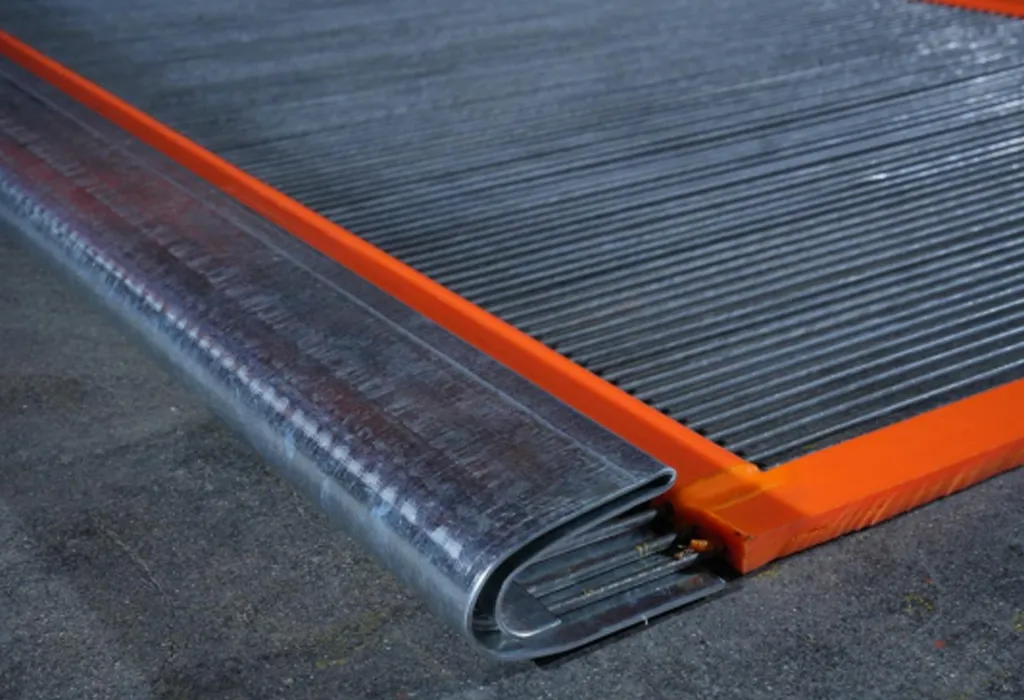
HOOKS
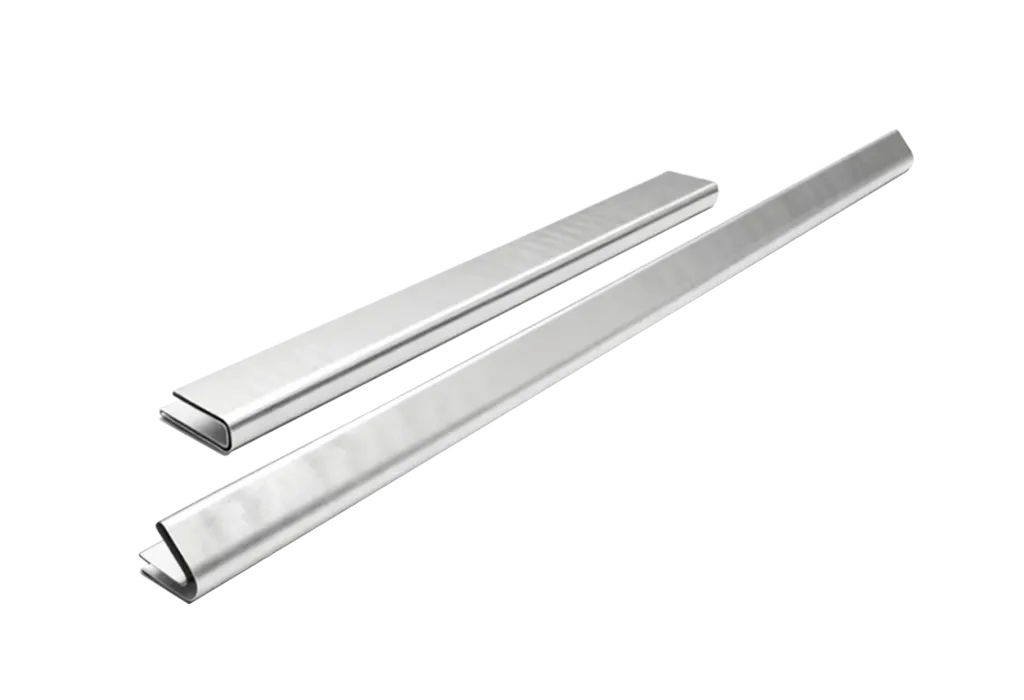
Anpeng provides tailored hooks for end and side-tensioned screens, ensuring a perfect fit for diverse manufacturer specifications.
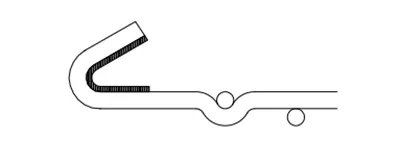
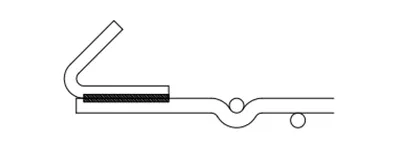
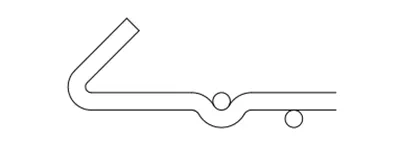
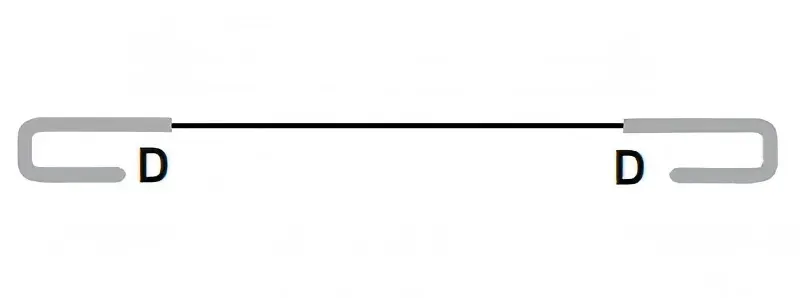
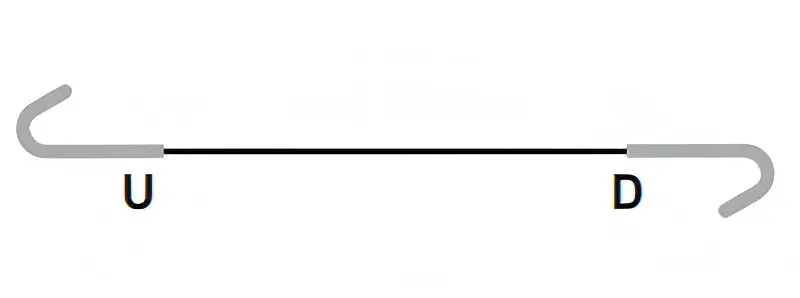
Screen Tensioning Hook Style
The hook style of a self-cleaning screen affects how the screen is installed, tensioned, and secured on the machine. Choosing the right hook style helps ensure proper fit, stable tension, and longer service life during operation.
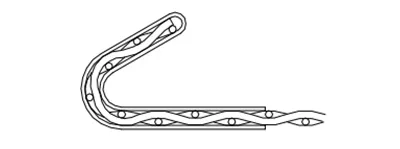
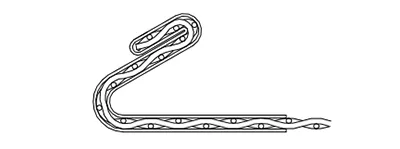
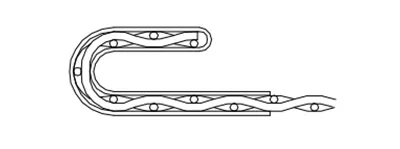
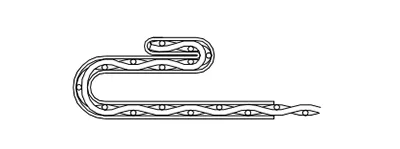
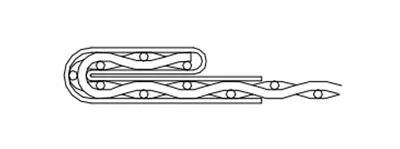
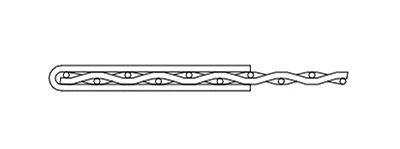
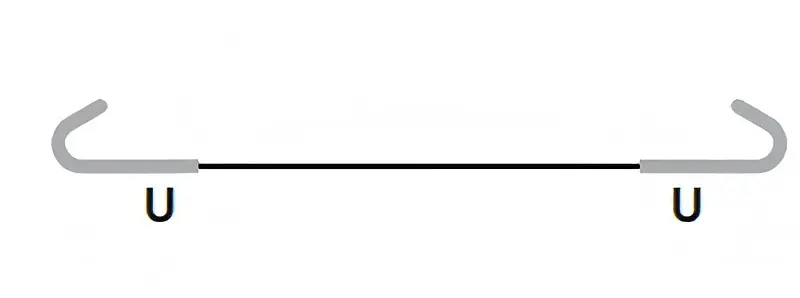
Screen Tensioning Hook Direction
Hook direction refers to the orientation of the hooks in relation to the screen panel and the machine tensioning system. The correct hook direction is important for smooth installation and proper tension across the screen surface.
Best Applications for Self-Cleaning Screens
Self-cleaning screens are not always the best choice for every job, but they perform very well in difficult screening conditions where traditional wire mesh struggles.
Wet and Sticky Material
When moisture causes material to pack on the deck or stick between wires, self-cleaning screens help keep the openings clearer.
Near-Size Material
If particles are close to the aperture size, they are more likely to peg. A self-cleaning design helps release them more effectively.
Fine Screening
For fine sizing applications where blinding is common, triangle and harp-style self-cleaning designs can improve separation performance.
Topsoil, Compost, and Organic Material
These materials often contain damp fines and irregular particles that clog traditional mesh quickly.
Sand, Gravel, Crushed Stone, and Quarry Feed
In aggregate plants, self-cleaning screens are often used to improve efficiency when standard woven wire is affected by buildup or uneven flow.
Mining and Mineral Processing
They can be used in ore screening circuits where sticky fines, clay contamination, or difficult particle shapes reduce screening efficiency.
Self-Cleaning Screens vs Woven Wire Mesh
Many customers ask whether they should choose self-cleaning screens or standard woven wire mesh. The answer depends on the material and the screening goal.
| Feature | Self-Cleaning Screens | Woven Wire Mesh |
|---|---|---|
| Anti-blinding performance | Excellent | Limited in sticky material |
| Anti-pegging performance | Excellent | Moderate |
| Open area | Usually high | Often high |
| Screening stability in wet material | Better | Lower |
| Best for sticky or near-size material | Yes | Not ideal |
| Best for clean, dry, free-flowing material | Sometimes | Yes |
| Precision sizing | Good | Often very good |
| Maintenance frequency in difficult material | Lower | Higher |
If your material is dry, clean, and easy to screen, woven wire mesh may still be a cost-effective option. But if you often deal with plugging, buildup, or unstable output, self-cleaning screens are usually the better solution.
Why Choose Us
We don't keep our customers waiting. Our usual callback time is within 30 minutes of your message. At the very least we'll be in touch within one working day.
Quality is our cornerstone. Every product is engineered for long-term durability, and your complete satisfaction is guaranteed—if anything falls short, we’ll resolve it immediately.
We've been manufacturing our products and accessories for 25 years. We have the experience to ensure our products are built to exacting specifications and built to last.
FAQs
What Are Self-Cleaning Screens?
Self-cleaning screens are non-interwoven wire screening media designed to reduce blinding, pegging, and material buildup. Unlike standard woven wire mesh, the wires in a self-cleaning screen are arranged so they can vibrate more independently. This extra movement helps keep near-size particles from getting stuck in the openings.
These screens are especially useful when material is damp, sticky, irregular in shape, or difficult to separate with traditional mesh. In many plants, they are used to improve screening performance where conventional woven wire loses open area too quickly due to clogging.
The advantages of Anpeng's Self-Cleaning Screens
We make the polyurethane strips ourselves by melting polyurethane raw materials, rather than buying ready-made ones, because the quality of ready-made strips is unstable. That makes our polyurethane strips more wear-resistant and durable.
How do self-cleaning screens prevent blinding and pegging?
Because the wires are not woven in the same way as standard mesh, they can move more independently during operation. This extra movement helps dislodge damp fines and near-size particles before they block the openings.
When should I choose self-cleaning screens instead of woven wire mesh?
Self-cleaning screens are a better choice when material is wet, sticky, clay-rich, or close to the aperture size. If your woven wire mesh is clogging too quickly or losing effective open area, a self-cleaning design may improve throughput and stability.
What materials are self-cleaning screens best for?
They are commonly used for wet aggregate, topsoil, compost, sand and gravel, recycled material, coal, and some mining applications where blinding and pegging are frequent.
Why is Self-Cleaning Screens worth buying?
No Clogging
The non-interwoven, independent wire construction allows differentiated vibration transmission, which minimizes inter-wire material adhesion and effectively prevents clogging.
High Productivity
By eliminating plugging and maximizing the active screening area, these screens prevent material buildup, enabling consistently higher throughput and increased output.
High Durability
With no interwoven crosspoints, the screen surface remains flat and encounters less resistance, resulting in a structurally more wear-resistant and longer-lasting profile.
What differences between PU strips and wire cluster?
Self-cleaning screens with PU strips offer higher wear resistance than wire cluster designs, extending service life and reducing downtime for replacement.
Can Self-Cleaning Screens be customized?
Yes. We can customize opening size, wire diameter, opening style, hook type, screen dimensions, and construction details to match different screen machines and working conditions.
What details do I need to provide for selection?
Please send your material type, feed size, moisture condition, required aperture size, screen dimensions, hook style, and the main problem you want to solve. Photos of the current screen and material are also helpful.
What are typical lead times?
Lead times vary by product type and order size. We will give an accurate lead time with your quotation. Our Self-Cleaning Screens are produced with high efficiency and short lead times.
Need Help Choosing the Right Self-Cleaning Screen?
If your current screen media is causing blinding, pegging, or unstable throughput, we can help you compare options and choose a more suitable design.