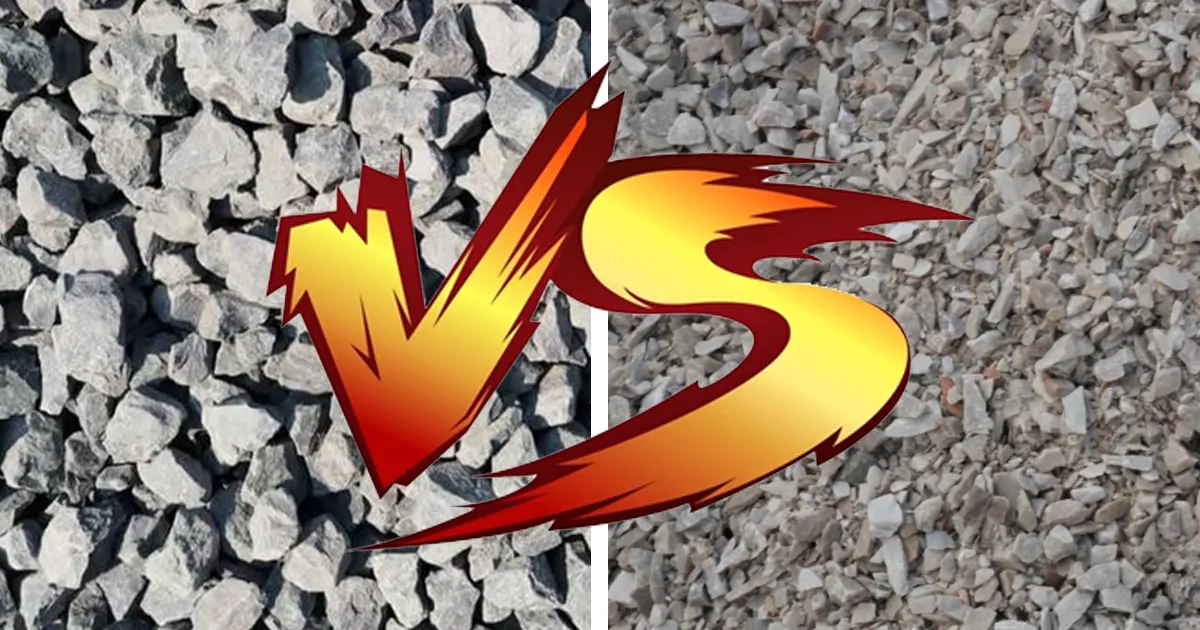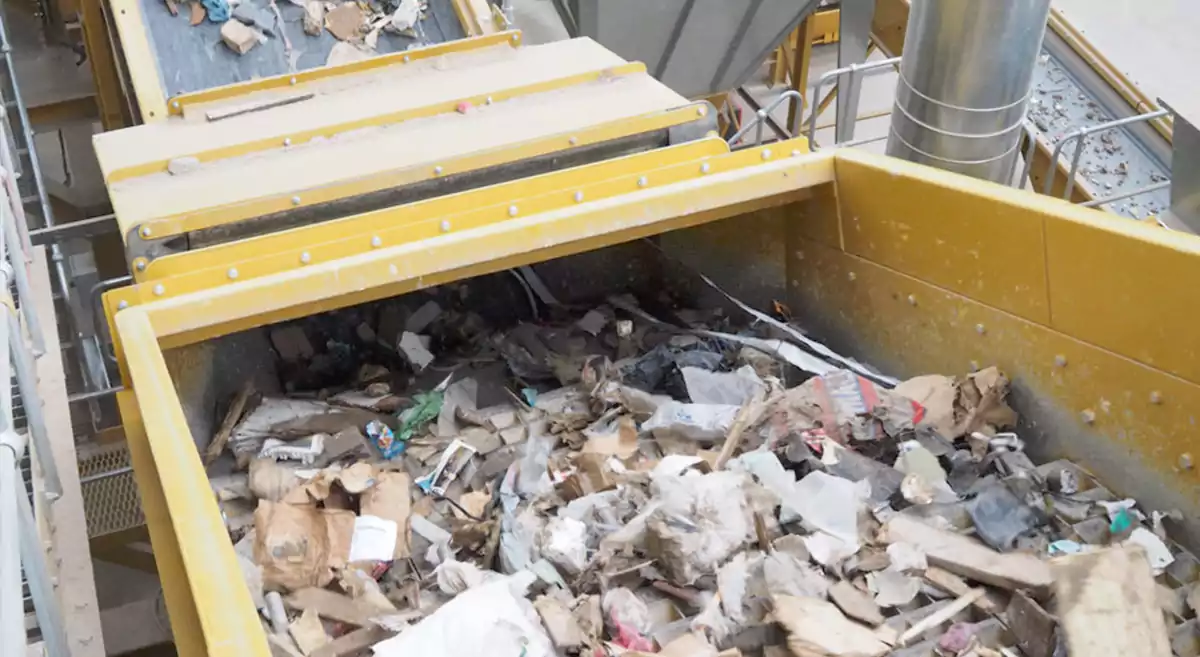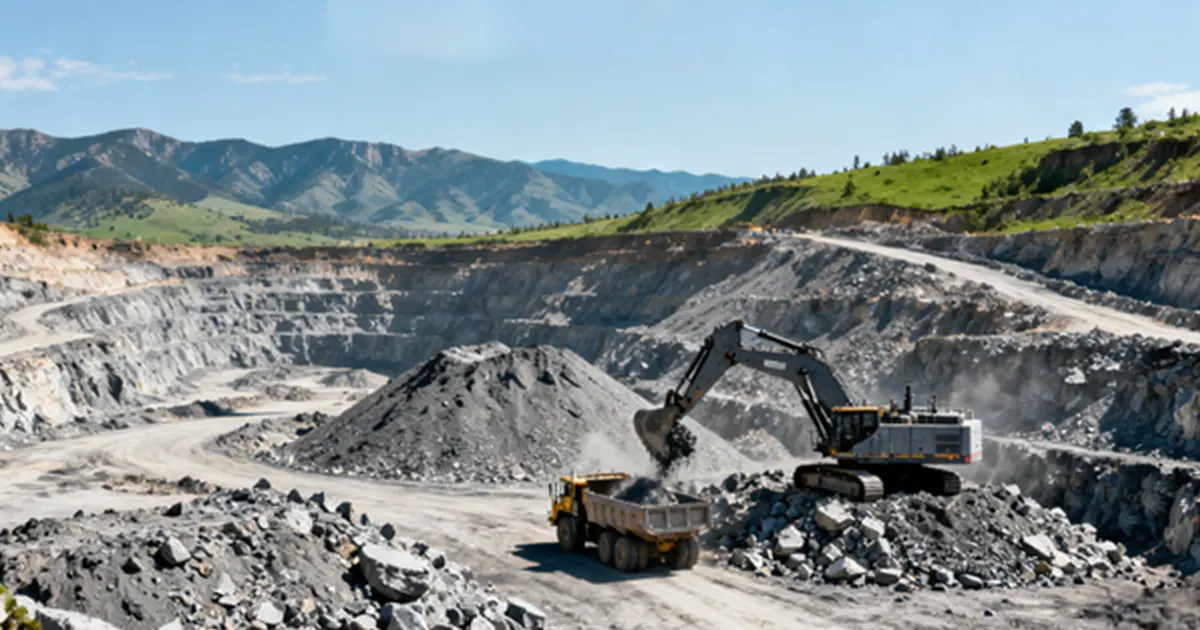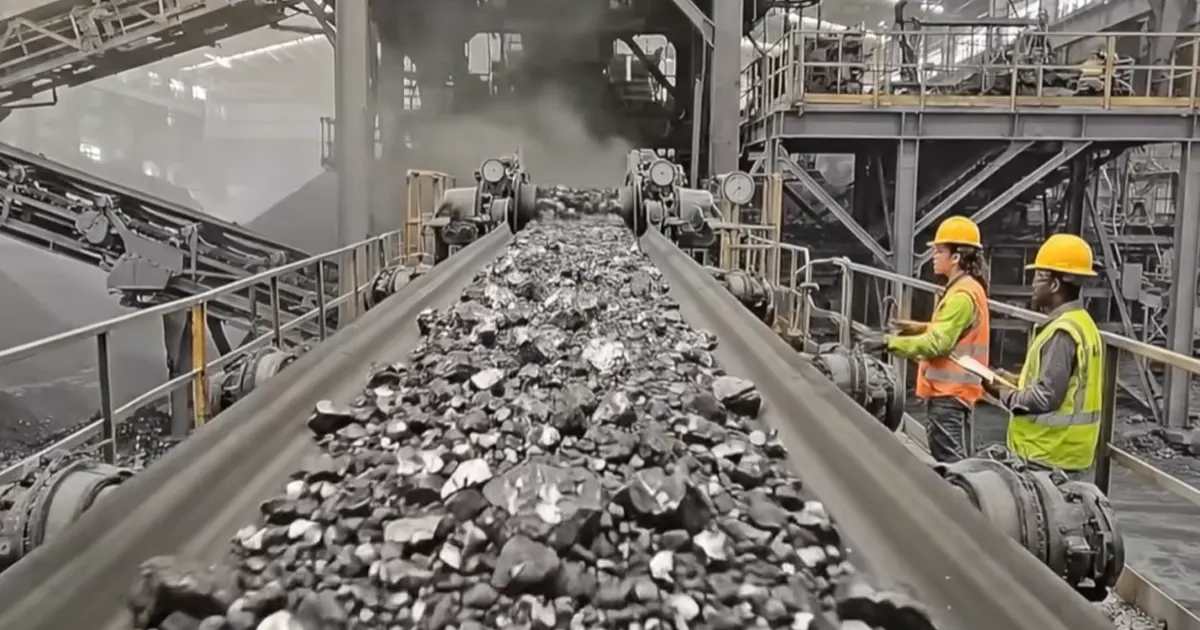
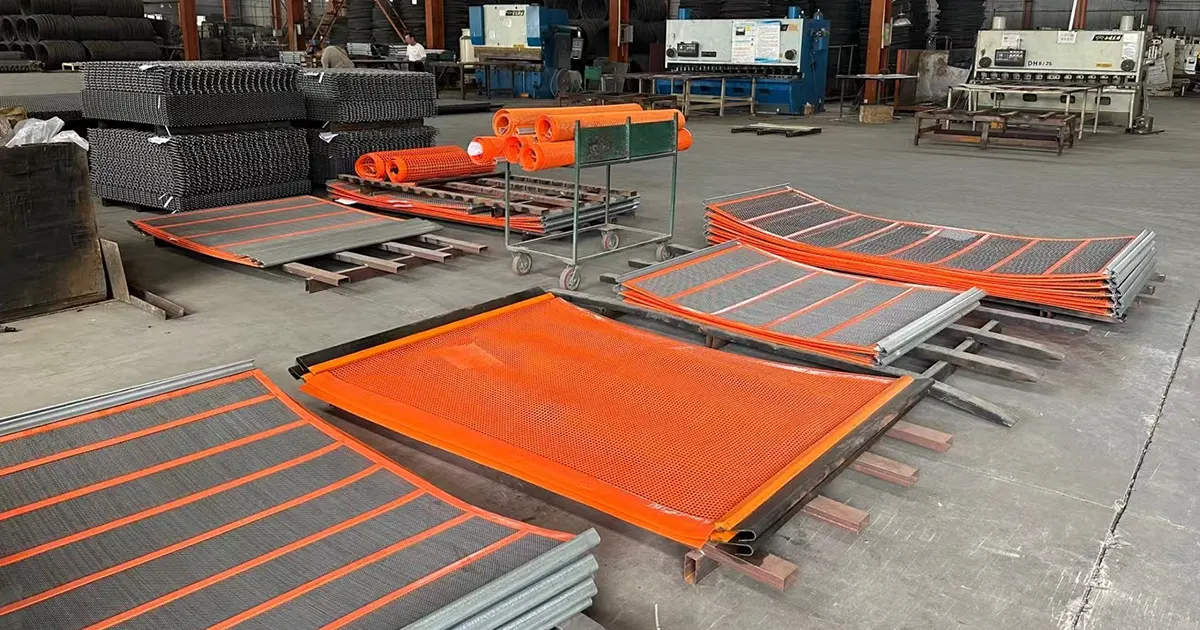
You want your screening process to work well, right? Self-cleaning screens help make that happen. These screens use bendy wires or special shapes. They shake off stuff that blocks regular screens. There are many types of self-cleaning screens types, including diamond, slotted, hybrid, and rotary drum screens. These screens are great for hard jobs. Look at how they compare to regular screens:
| Feature | Self-Cleaning Screens | Traditional Screens |
|---|---|---|
| Blinding Resistance | High | Lower |
| Pegging Resistance | High | Lower |
| Screening Efficiency | Enhanced | Standard |
| Wear Life | Longer | Shorter |
| Cost Justification | Higher initial cost, better value | Lower initial cost |
You will see these screens in mining and quarrying. They are also used in recycling and wastewater. Food processing uses them too. They work well anywhere you need things to keep running.
Key Takeaways
- Self-cleaning screens help stop sticky stuff from building up. They shake off materials so work does not stop. This keeps things running well.
- There are different self-cleaning screens. Diamond and slotted screens work for certain materials. Each type fits special needs and conditions.
- Picking the right screen for your material stops clogging. It also helps things work better.
- Self-cleaning screens save time and money on repairs. They are a good choice for hard jobs.
- Putting screens in the right way is important. Tight screens last longer and work best.
- Checking screens often helps find problems early. This makes sure screens do their job well.
- Picking screens by how wet or big the material is helps. It makes screening work better.
- Do not use self-cleaning screens for dry, clean stuff. This saves money and helps things move faster.
Self-Cleaning Mechanism
Flexible Wire Action
When you use self-cleaning screens, you get a big advantage. The wires in these screens move and flex every time the screen vibrates. This movement shakes off sticky material and keeps the openings clear. You do not have to stop and clean the screen as often. The flexible wire action breaks up clumps and stops material from bridging over the holes.
Preventing Blinding and Pegging
Blinding happens when fine particles block the screen holes. Pegging is when larger pieces get stuck in the openings. You know how annoying it is when you have to pause work to fix these problems. With self-cleaned screens, the wires bounce and twist. This action knocks out stuck pieces and keeps the flow steady. You spend less time on maintenance and more time getting the job done.
Tip: If you handle wet or sticky materials, flexible wire screens can save you hours of downtime.
Let’s look at how self-cleaning screens compare to standard woven wire screens:
| Feature | Self-Cleaning Screens | Woven Wire Screens |
|---|---|---|
| Clogging Resistance | Designed to be self-cleaned, reduces clogging | Prone to clogging, needs frequent cleaning |
| Throughput | Keeps flow rates steady | Flow drops as clogging builds up |
| Cleaning Efficiency | Less manual cleaning, fewer backwashes | Needs more cleaning by hand |
You can see that self-cleaned screens keep your operation running smoother.
Self-Cleaned Screen Features
Wire Arrangement
The way the wires are set up makes a huge difference. Self-cleaning screens use independent wires made from tough manganese steel. These wires are held together with elastic polyurethane strips. Each wire can move on its own. This design lets the wires vibrate and flex, which helps clear out stuck material. You get better screening and less clogging.
Aperture Shape
Aperture means the shape of the holes in the screen. Self-cleaning screens offer diamond, triangular, and corrugated shapes. These shapes help move material through faster and stop pieces from getting stuck. Conventional screens usually have square holes, which can trap more material. When you pick the right aperture shape, you boost your screening efficiency and reduce problems.
Note: Choosing the right wire arrangement and aperture shape helps you match your screen to your material and job needs.
Self-cleaned screens work best when you need strict control over the size of material and want to handle flaky or sticky feed. You get more uptime, less cleaning, and better results.
Self-Cleaning Screens Types
Diamond Opening Screens
Diamond opening screens stand out among the self-cleaning screens types. You will notice these screens have diamond-shaped holes. This shape helps break up sticky or wet material. When you use diamond openings, you get less blinding and pegging. The wires flex and move, so material does not get stuck as easily. You can run your screen longer without stopping for cleaning.
Anti-Blinding for Wet/Sticky Material
If you work with wet or sticky feed, diamond opening screens make your job easier. The diamond shape lets the wires move more, which knocks off clumps and keeps the holes open. You will see better performance with clay, mud, or damp sand. These screens also work well with materials that tend to stick together. Many operators choose this type when they want to avoid downtime from clogged screens.
Tip: Diamond opening screens are a top pick for self-cleaning screens types in tough, sticky conditions.
Best Deck Position
You get the best results from diamond opening screens when you use them on the top or middle deck. The top deck takes the first hit from heavy, wet material. The diamond shape helps break up the load and keeps the flow moving. On the middle deck, you can catch any sticky fines before they reach the bottom. This setup gives you a cleaner product and less screen maintenance.
Slotted Opening Screens
Slotted opening screens are another popular choice in self-cleaning screens types. These screens have long, narrow slots instead of square or diamond holes. The slots help you separate long or flat pieces from your material. You will find these screens useful when you need to handle near-size particles that are hard to separate with regular mesh.
Near-Size Material Handling
You know how tricky it is to screen material that is almost the same size as your opening. Slotted opening screens solve this problem. The elongated slots let near-size and odd-shaped pieces pass through more easily. You get better separation and less pegging. These screens also boost your screening capacity because they have more open area than square mesh.
- Slotted screens work well with:
- Elongated or flat particles
- High-volume material flow
- Applications where pegging is a problem
Flow Direction
When you install slotted opening screens, you need to think about the flow direction. If you line up the slots with the flow, you get faster movement and less clogging. If you set the slots across the flow, you get better sizing accuracy. You can choose the setup that matches your needs. Many operators use slotted screens on the middle or bottom deck for the best results.
Note: Slotted opening screens are a smart choice in self-cleaning screens types when you want to boost capacity and handle tricky near-size material.
Hybrid and Sandwich Screens
Hybrid and sandwich screens bring together the best features of different self-cleaning screens types. You get a mix of wire shapes and support bands. These screens handle a wide range of materials and conditions. If you need flexibility, hybrid and sandwich screens give you more options.
Combination Apertures
Hybrid screens use a mix of diamond, slotted, and triangle holes. This combination lets you screen many types of material at once. You can handle both fine and coarse particles. The different shapes work together to keep the screen clean and improve efficiency. You will see fewer blockages and better throughput.
Polyurethane Cross Bands
Sandwich screens use polyurethane cross bands to hold the wires in place. These bands let each wire move on its own. The movement helps shake off stuck material and keeps the screen open. Polyurethane also adds strength and wear life. You get a screen that lasts longer and needs less maintenance.
Here’s a quick look at some common self-cleaning screens types and their features:
| Type | Aperture Shape | Best For | Deck Position |
|---|---|---|---|
| Diamond | Diamond | Wet, sticky, blinding material | Top/Middle |
| Slotted | Long, narrow slots | Near-size, elongated particles | Middle/Bottom |
| Hybrid | Mixed apertures | Mixed feed, flexibility | Any |
| Sandwich | Mixed, with PU | High wear, tough conditions | Any |
You can see that each of these self-cleaning screens types has its own strengths. When you match the right type to your material, you get better results and less downtime.
Rotary Drum and Positive Barrier Screens
Rotating Self-Cleaned Mechanism
Some screens do not use wires or mesh to clean themselves. Rotary drum screen technology uses a spinning tube with holes or slots. When the drum spins, material goes inside and tumbles around. The spinning knocks off sticky pieces and keeps the holes open. This means you get a steady flow and less time stopped for cleaning.
Here are some things that make rotary drum screens special:
- The drum turns at a certain speed.
- Material goes in one end and moves through the drum.
- Brushes or water sprays can help clean the drum.
- The spinning stops the screen from getting blocked.
Tip: If you have wet or messy material, a rotary drum screen can do hard jobs with less hand cleaning.
Rotary drum screens are used in wastewater plants, recycling, and food factories. They work well with wet, sticky, or stringy materials. You get better sorting and do not need to clean as much.
Debris Removal
Positive barrier screens work in a different way. You see these screens where you need to stop big trash, like sticks or garbage, before it gets to important machines. The screen has moving bars or panels that pick up and take away the trash.
Here is how positive barrier screens help you:
- Moving bars catch and lift trash.
- The system moves trash to a spot where it is collected.
- Water or air sprays can help clean the bars.
- You have less chance of clogging and machine damage.
| Screen Type | Best For | Pros | Deck Position |
|---|---|---|---|
| Rotary Drum Screen | Wet, sticky, fibrous | Low maintenance, steady flow | Inline/Intake |
| Positive Barrier Screens | Large debris, trash | Protects equipment, easy cleaning | Intake/Surface |
Note: You should use positive barrier screens when you want to keep pumps or filters safe from big objects. They work best at the start of the system or where water comes in.
Both rotary drum screens and positive barrier screens help your system keep working. You spend less time cleaning and more time getting things done.
Applications by Industry
Mining and Quarry
Clay, Fines, Wet Feed
Mining and quarry work can be very hard. Wet or sticky materials make it even tougher. Clay and fines often stick together. They block screens and slow things down. Self-cleaning screens help solve this problem. These screens shake off sticky stuff. You do not need to stop as much to clean them. This means your machines run longer. You get less stress and more work done. Using self-cleaning screens keeps production moving. You avoid delays that cost money.
Tip: If you work with wet material, self-cleaning screens help a lot. They stop blinding and clogging. Your team can focus on work, not cleaning screens.
When Not to Use Self-Cleaning Screens
Sometimes, self-cleaning screens are not needed. If your material is dry and not sticky, regular screens work fine. You can save money by using standard screens. They are good for clean rock or gravel. Always check your material first. If you do not see clogging, you may not need self-cleaning screens.
Recycling and Aggregate
C&D, Asphalt, Sticky Mix
Recycling plants and aggregate yards get many types of material. C&D debris, asphalt, and sticky mixes can block regular screens fast. You want your machines to keep running. Self-cleaning screens are a good choice. Circular motion screens and flip-flow screens work well here. They handle sticky, wet, or odd-shaped material easily.
Here’s a quick look at how these screens compare:
| Type of Screen | Pros | Cons |
|---|---|---|
| Circular Motion Screens | They clean themselves and stop blinding. They work well with sticky material. | They use more energy. Their parts need more care. |
| Flip-Flow Screens | They are great for wet, sticky, or near-size material. They do not clog easily. | They cost more at first. You need special spare parts. |
Note: Flip-flow screens are best for tough, sticky material. They help your recycling plant work better.
High-Temperature Applications
Some recycling jobs use hot materials like asphalt. Not all self-cleaning screens can take the heat. Pick screens made for high temperatures. These screens do not bend or break easily. They last longer when things get hot.
Food Processing and Mineral Processing
Wet and Sticky Material
Food and mineral plants need good screening. You want clean products and working machines. Self-cleaning screens remove big pieces and keep things moving. They work well with wet or sticky foods, minerals, or slurries. You get better results and less downtime.
- Filters water up to 25 microns.
- You do not need to clean the mesh basket often.
- You get better filtration than regular strainers.
Screening Efficiency
You want your plant to work smoothly. Self-cleaning screens help with that. They keep things running and lower maintenance. You get high capacity and low pressure drops. Cleaning is easy, so you save time.
| Feature | Description |
|---|---|
| Continuous Operation | Self-cleaning strainers keep things running. They remove big pieces and stop blockages. |
| High Capacity | They can handle up to 250 m3/h. Pressure stays low. |
| Maintenance | The design is simple and strong. You do not need much maintenance. This helps your plant work better. |
You can use wastewater screening equipment in food and mineral plants too. This equipment filters water well and keeps things safe. Many plants use it to meet strict rules. If you want better results, think about upgrading your wastewater screening equipment.
Types of Wastewater Screens
Intake, Surface Water, Irrigation
You want your water system to stay clean and run smoothly. That’s where the right types of wastewater screens come in. These screens help you remove trash, leaves, and other debris before water enters your pumps or treatment plant. You can use them for rivers, lakes, irrigation channels, or even stormwater systems.
Let’s look at the main types of wastewater screens you might see:
| Type of Screen | Opening Size | Description |
|---|---|---|
| Coarse Screens | 75 mm to 150 mm | Bar screens with large openings, positioned ahead of pumps to remove large debris. |
| Medium Screens | 20 mm to 50 mm | Screens with moderate openings, designed to filter out smaller particles while allowing flow. |
| Fine Screens | Less than 20 mm | Closely spaced bars that may require mechanical cleaning; less suitable for sewage due to clogging. |
| Mechanically Cleaned | Varies | Screens that use automatic cleaning mechanisms to enhance efficiency and reduce maintenance. |
You usually find coarse screens at the very start of a water intake. They catch big things like sticks, bottles, or even fish. Medium screens come next. They grab smaller stuff, like gravel or leaves, but let water move through. Fine screens catch tiny bits, but they can clog up fast if you have a lot of dirt or grease.
Mechanically cleaned screens make your life easier. These screens use moving parts to brush or scrape off debris. You don’t have to clean them by hand as often. This means less downtime and safer work for your team.
Tip: If you work with surface water or irrigation, start with a coarse screen. Add medium or fine screens if you need cleaner water for your process.
Water-Efficient Cleaning
You want to save water and keep your system running. The right types of wastewater screens help you do both. Mechanically cleaned screens use less water for cleaning because they rely on brushes or scrapers instead of big water sprays. This saves you money and helps the environment.
Fine screens can block up quickly, so you need to pick the right size for your water. If you use too fine a screen, you might waste water trying to clean it. Mechanically cleaned screens solve this problem by removing debris before it builds up.
Here’s what you get with water-efficient cleaning:
- Less water wasted on backwashing or rinsing
- Fewer shutdowns for manual cleaning
- Lower energy costs
- Cleaner water for your pumps and equipment
You can match the types of wastewater screens to your water source and cleaning needs. If you want to protect your pumps and save water, choose a screen that fits your flow and debris level. You’ll see better results and less hassle every day.
Selection Checklist
Material and Moisture
When you pick a self-cleaning screen, you need to think about your material and how much moisture it holds. Wet, sticky material acts very differently from dry, loose particles. If you get this wrong, you might end up with constant maintenance or even downtime. Here’s a simple checklist to help you make the right choice:
- Define your filtration needs. What are you trying to remove? Is it sand, clay, or something else?
- Figure out the filtration rating you need. How small do the particles have to be?
- Check the flow rate. Will your screen handle the amount of material you want to process, or will it clog up?
- Look at different self-cleaning technologies. Some work better for wet material, while others suit dry feed.
- Think about maintenance frequency. How often will you need to clean or check the screen?
- Make sure the screen material matches your feed. If you use a vertical fixed plate screen with corrosive fluids, you could face problems.
- Consider energy use. Some cleaning systems need more power, which can raise costs.
- Pick a reliable screen. You want something that lasts and doesn’t need constant maintenance.
- Balance your budget. Sometimes a better screen costs more up front but saves money later.
- Ask an expert. If you’re not sure, get advice from someone who knows filtration.
If you deal with high moisture, you might want a vertical traveling screen or a rotary drum screen. These handle sticky material better and reduce maintenance needs.
Cut Size and Near-Size %
Cut size means the smallest particle you want to separate. Near-size percentage tells you how much of your material is close to that size. If you have a lot of near-size particles, you need a screen that can handle them without constant maintenance.
According to Roger Murrow of Extec, a double screen box creates over 20 different screening angles. “Screening efficiency is maximized as material flow is directed by the angle of the screen box,” he says. “This results in a steep angle for the primary screen box, which ensures that the majority of the material is processed in the initial impact area, and the majority of the undersize material is removed during that initial impact. Only near-size material passes to the secondary screen box, which is set flat enough to ensure any remaining material is screened efficiently.”
If you use a vertical fixed plate screen, you get good results with coarse material. For fine or near-size particles, you might need a hybrid or sandwich screen. These screens keep maintenance low and help you get the right cut size.
Throughput and Deck Position
Throughput means how much material you want to process every hour. Deck position tells you where you place each screen in your setup. If you want high throughput, you need a screen with a large open area and strong wires. If you put the wrong screen on the top deck, you could face more maintenance and slower flow.
- Top deck screens handle the biggest load. Use diamond or slotted screens here for tough, sticky material.
- Middle deck screens catch fines and near-size particles. Hybrid screens work well in this spot.
- Bottom deck screens finish the job. Fine mesh or sandwich screens help you get a clean product.
If you use a vertical fixed plate screen on the top deck, you get strong support for heavy material. For sticky or wet feed, a vertical traveling screen or rotary drum screen on the intake can keep maintenance low and throughput high.
Tip: Always match your screen type to your deck position and throughput needs. This helps you avoid extra maintenance and keeps your operation running smoothly.
Wear and Open Area
You want your self-cleaning screens to last a long time and work well, right? Two things matter most here: how fast the screen wears out and how much open space it has for material to pass through. If you pick the wrong screen, you might end up replacing it too soon or dealing with slow material flow.
Some screens, like the Veno Screen, are built to last longer than standard screens. They have a special design that cuts down on blinding and plugging. This means you get more open area for your material to move through. When your screen stays clear, you don’t have to stop as often to clean it. That saves you time and money.
Self-cleaning wire screens also do a great job fighting blinding and pegging. The way the wires are woven—like diamond, triangle, or wave shapes—changes how well the screen works. Some shapes give you better separation and last longer. You might pay more at first, but you get more life out of your screen.
The size and shape of the holes in your screen matter, too. Bigger or special-shaped holes can help material move faster and reduce wear. When the wires can vibrate freely, they shake off sticky stuff and keep the screen open. This means your screen wears out slower and your material flows better.
Here’s a quick tip: Always check the open area percentage when you choose a screen. More open area means higher capacity and less chance of clogging. If you want a screen that lasts, look for one that resists blinding and lets material move easily.
Installation and Tensioning
You want your self-cleaning screen to work its best from day one. Good installation and tensioning make a big difference. If you skip steps or rush, you might see problems like uneven wear or poor screening.
Here’s a simple table to guide you through the best installation steps:
| Step | What to Do |
|---|---|
| 1.1 | Check alignment with a laser rangefinder (keep it within ±1.5mm). Make sure the surface is flat (no dips deeper than 0.3mm per square meter). |
| 1.2 | Use the ‘center-and-spoke’ method to spread tension evenly across the screen. |
| 1.3 | Set hydraulic tension to 0.8–1.2 MPa and follow the right tightening order. |
| 1.4 | Run a vibration test with no material. The amplitude should not change more than 15% from the design value. |
| 1.5 | Plan for regular checks: inspect tension every shift, measure wear each week, and use heat-resistant agents if needed. |
You should also remember these tips:
- Make sure every support bar touches the screen and matches the tension the maker suggests.
- Always follow safety rules. Have more than one person help with installation.
- Lock out the equipment so it can’t start while you’re working.
If you follow these steps, your screen will last longer and work better. You’ll spend less time fixing problems and more time getting the job done.
Application Table
Material Condition vs. Symptom
When you screen different materials, you face many problems. Some materials are wet and sticky. Others have sharp edges or lots of tiny pieces. Each type of material can cause its own trouble. You might see blinding, pegging, or fast wear. Here is a simple table that shows common material conditions and what can happen:
| Material Condition | Common Symptom | Example Industries |
|---|---|---|
| Wet, sticky, or clay-rich | Blinding, clogging | Mining, Quarry, Food |
| High fines or near-size | Pegging, slow flow | Recycling, Aggregates |
| Abrasive, sharp particles | Fast wear, noise | Mining, C&D Recycling |
| Large debris, trash | Equipment damage, jams | Wastewater, Intake |
| Oily or viscous liquids | Soft blockages, leaks | Wastewater, Food |
Tip: If your screens clog or wear out quickly, look at your material first. Picking the right screen can fix these problems.
Best Self-Cleaning Type
You want to choose the best self-cleaning screen for your job. This table helps you match the right screen to your material:
| Material/Symptom | Best Self-Cleaning Screen Type | Why It Works |
|---|---|---|
| Wet, sticky, clay-rich | Diamond opening, Rotary drum | Flexes and shakes off sticky stuff |
| High fines, near-size | Slotted, Hybrid/Sandwich | Lets near-size particles pass |
| Abrasive, sharp particles | Metal mining, Polyurethane | Resists wear, lasts longer |
| Large debris, trash | Positive barrier, Coarse screens | Removes big objects, protects gear |
| Oily, viscous liquids | Horizontal rotary scraping | Filters soft, suspended impurities |
You can also pick from these popular screen types for tough jobs:
- Metal mining screens are strong for heavy work.
- Wedge wire screens help with grading and dewatering.
- Polyurethane screens last longer and make less noise.
- Rubber screens are flexible and quiet.
- Perforated vibrating screens separate things fast.
Reason and Notes
You should know why each screen works best. Here are some reasons and tips to help you use your screen well:
- Always check what you need to filter. Pick a screen that fits your material and what you want to remove.
- Follow the maker’s steps for putting in the screen. This helps your screen last longer and work better.
- Change the cleaning settings if you see clogging or slow flow. Even small changes can help a lot.
- Watch how your screen works. If you see a problem, fix it early.
- Plan to check and clean your screen often. This keeps your system working and saves money.
- Think about the total cost, not just the price. A better screen can save you time and repairs.
- Use sealed filtration for dangerous or valuable materials. This keeps your site safe and lets you recycle waste liquid.
- Good screens with automatic cleaning help you work without stopping. You get more done with less effort.
Note: The right self-cleaning screen helps you work more, lowers maintenance, and keeps your site safe. If you do not know which type to pick, ask an expert for help.
Common Mistakes
Wrong Aperture Shape
You might think any screen shape will do the job, but that’s not true. Picking the wrong aperture shape can cause big problems. If you choose the wrong screen media, you’ll see blinding and pegging. That means your screen gets blocked, and material stops moving. You lose time and money.
Wire diameter matters, too. If you ignore it, you get uneven material flow. Your screen wears out faster. Bed depth is another thing you can’t overlook. If the material layer is too thick, fines get trapped. You end up with poor separation and dirty product. Vibration settings also play a role. If you don’t adjust them, your material won’t move right, and your screen won’t work well.
Here’s a quick table to show you what can go wrong:
| Common Mistakes | Impact on Screening Efficiency |
|---|---|
| Wrong screen media | Leads to blinding and pegging |
| Ignoring wire diameter | Causes uneven material flow and fast wear |
| Overlooking bed depth | Traps fines and gives poor separation |
| Not adjusting vibration | Makes material flow poorly and less efficient |
Tip: Always match your aperture shape to your material. Check wire size, bed depth, and vibration settings before you start.
Ignoring Deck Role
You might not think about where you put each screen in your setup, but deck position matters a lot. The top deck takes the heaviest load. If you use the wrong screen here, it will wear out fast. The middle deck handles fines and near-size particles. If you skip the right screen, you’ll see more blinding and less clean product. The bottom deck finishes the job. If you ignore its role, you might miss small pieces or overload the screen.
Each deck has a job. If you mix them up, your whole system slows down. You’ll spend more time fixing problems and less time running your plant. Always plan your deck layout. Put the toughest screens on top and the most precise ones on the bottom.
Note: Think of your screen decks like a team. Each one has a role. If you get it right, your screening works better and lasts longer.
Poor Tensioning
You want your screens to last and work well. Poor tensioning can ruin that. If you don’t tighten your screen enough, it will clog and blind. You’ll see more downtime and less material flow. Too much tension is bad, too. It causes extra wear and tear. Your screen might break or fail early.
Here’s what can happen if you get tensioning wrong:
- Proper tensioning keeps your screen clear and working longer.
- Bad tensioning leads to more wear, less efficiency, and even equipment failure.
- Uneven loading from poor tensioning causes bad material flow and too much vibration. This can damage your screen and cost you money.
Tip: Check your screen tension often. Follow the maker’s guide. Good tensioning means better results and fewer repairs.
Overloading
You might think that pushing more material through your screen will help you finish faster. In reality, overloading your self-cleaning screen can cause a lot of trouble. When you feed too much material at once, the screen cannot do its job well. The wires cannot move freely, and the self-cleaning action stops working. You end up with more blinding, pegging, and even damage to your equipment.
Let’s break down what happens when you overload your screen:
- The material piles up and forms a thick bed.
- The wires cannot flex or vibrate as they should.
- Sticky or wet material gets trapped and blocks the openings.
- The screen frame and supports take on extra stress.
- You see more downtime because you need to clean or repair the screen.
Tip: If you notice material building up on the deck or see the flow slow down, you might be overloading your screen.
Here’s a quick table to show you the signs of overloading and what you should look for:
| Symptom | What You See | What It Means |
|---|---|---|
| Thick material layer | Material sits on top, not moving | Too much feed, poor flow |
| Frequent blinding | Openings clog up fast | Wires can’t flex or clean |
| Lower screening output | Less material passes through | Screen can’t keep up |
| More wear and tear | Parts break or wear out quickly | Extra stress on equipment |
You can avoid overloading by following a few simple steps:
- Check the manufacturer’s recommended capacity for your screen.
- Adjust your feed rate so the material spreads evenly across the deck.
- Watch for signs of buildup or slow flow during operation.
- Train your team to spot and fix overloading before it causes damage.
Remember, self-cleaning screens work best when you keep the load within the right limits. If you try to push too much through, you lose the benefits of self-cleaning action. You also risk damaging your screen and slowing down your whole operation.
Note: It’s better to run your screen at the right speed and capacity. You get more uptime, better results, and less stress for you and your team.
If you’re not sure about the right load for your screen, ask your supplier or check the manual. A little attention now can save you a lot of headaches later.
Using Self-Cleaning Screens Unnecessarily
You might think self-cleaning screens are always the best choice. They sound great, right? Less cleaning, less downtime, and more uptime. But sometimes, you don’t need them at all. Using self-cleaning screens when you don’t have to can actually waste money and cause new problems.
Let’s look at why you should avoid using self-cleaning screens unnecessarily:
- Higher Cost: Self-cleaning screens cost more than regular screens. If your material is dry and not sticky, you pay extra for features you don’t need.
- Lower Open Area: These screens often have less open space than standard mesh. That means less material can pass through at once. You might see lower throughput for no good reason.
- Extra Maintenance: Some self-cleaning screens have moving parts or special wires. If you don’t need the self-cleaning action, you just add more things that can break.
- Wrong Fit for Material: If your feed is clean and free-flowing, a regular screen works better. Self-cleaning screens can actually reduce efficiency in these cases.
Tip: Always check your material first. If you don’t see blinding, pegging, or clogging, stick with a standard screen.
Here’s a quick table to help you decide:
| Situation | Best Screen Type | Why? |
|---|---|---|
| Dry, clean, free-flowing material | Standard woven wire | High capacity, low cost |
| Wet, sticky, hard-to-screen feed | Self-cleaning screen | Stops blinding, less downtime |
| High-abrasion, sharp particles | Heavy-duty or PU screen | Longer wear life |
You can ask yourself these questions before you choose:
- Does my material stick to the screen?
- Do I see blinding or pegging during operation?
- Is my current screen easy to clean?
- Am I losing time because of frequent cleaning stops?
If you answer “no” to most of these, you probably don’t need a self-cleaning screen.
Note: More technology isn’t always better. The right screen for the job saves you money and keeps your plant running smoothly.
Sometimes, you just need a simple solution. Don’t overcomplicate things. If you’re not sure, talk to your screen supplier or an expert. They can help you pick the best option for your material and your budget.
Remember, self-cleaning screens are awesome when you need them. But if you use them for the wrong job, you might just be throwing money away. Choose smart, and your screening process will thank you!
Conclusion
You want your screening system to do a good job. Picking the right self-cleaning screens helps a lot. You will see fewer blockages and less material getting stuck. Your machines run longer without stopping. Cleaning is much easier, and everything works better. Before you choose, think about your material and how wet it is. Look at the size you want to separate and how much you need to process. Plan where each screen goes in your setup. Cleaning is important in every wastewater treatment job, so use screens that match your needs. ANPENG gives expert help and great cleaning solutions for wastewater treatment. Want better cleaning results? Contact us today!
FAQ
What is a self-cleaning screen?
A self-cleaning screen uses special wires or shapes that move and flex. This action knocks off stuck material. You do not need to stop and clean the screen as often.
How do I know if I need a self-cleaning screen?
If you see your screen clogging with wet, sticky, or fine material, you probably need a self-cleaning screen. Dry, free-flowing material usually works fine with a regular screen.
Can I use self-cleaning screens for all materials?
You can use them for many materials, but not all. They work best with sticky, wet, or hard-to-screen feed. For dry and clean material, a standard screen often works better.
How often should I check or maintain my self-cleaning screen?
You should check your screen every shift for tension and wear. Regular checks help you catch problems early and keep your screen working longer.
What is the difference between diamond and slotted opening screens?
| Type | Best For | Shape |
|---|---|---|
| Diamond | Wet, sticky material | Diamond |
| Slotted | Near-size, flat pieces | Long slots |
Diamond shapes fight blinding. Slotted shapes handle tricky, near-size particles.
Do self-cleaning screens cost more than regular screens?
Yes, they usually cost more at first. You save money over time because you spend less on cleaning, repairs, and downtime.
Can I install a self-cleaning screen myself?
You can install one if you follow the maker’s guide. Use the right tools and check tension. If you are not sure, ask an expert for help.