
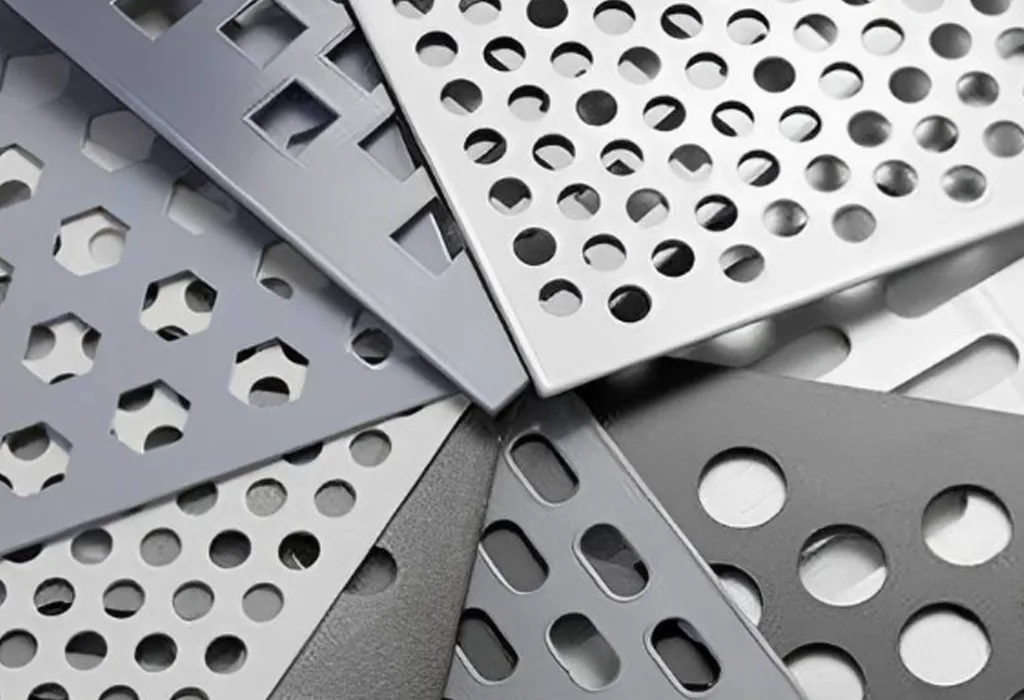
Stainless Steel Perforated Plate
Stainless steel perforated plate is a durable, corrosion-resistant metal sheet punched with consistent holes for screening, filtration, drainage, ventilation, and protection. In mining and aggregate plants, it’s commonly used as a perforated screen plate on vibrating screens, feeders, and scalping decks—where stable open area, reliable strength, and clean hole edges help maintain throughput and reduce downtime.
As a stainless steel perforated plate manufacturer, we produce perforated plates in 304/304L and 316/316L stainless steel, with custom hole types, thicknesses, and panel sizes to match your equipment and operating conditions.
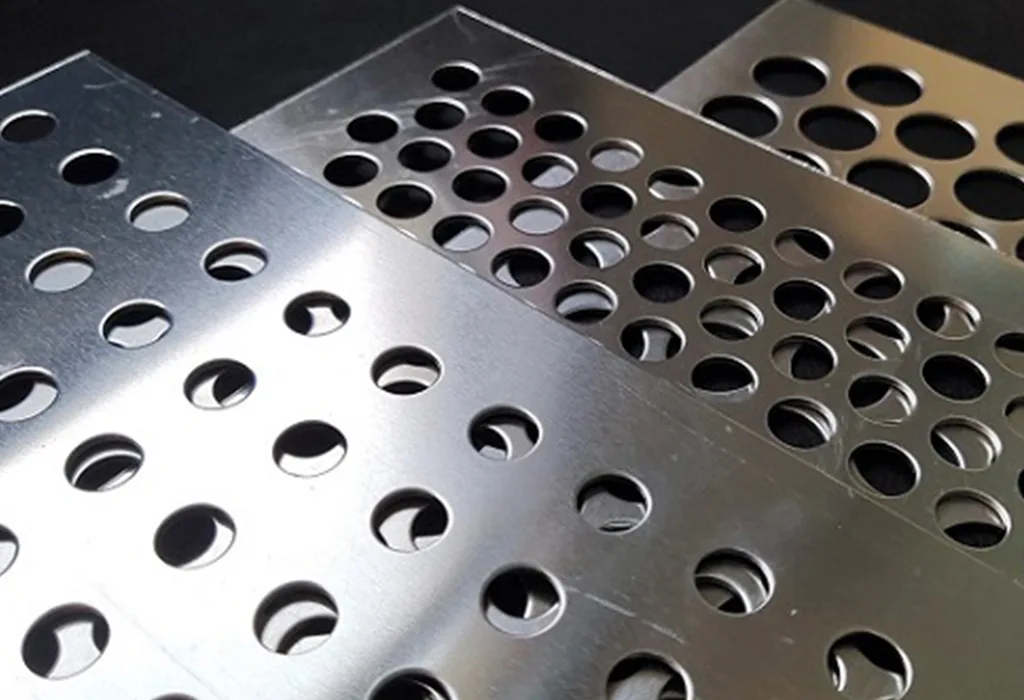
Stainless Steel Grades: 304 vs 316 (How to Choose)
Stainless steel selection mainly depends on corrosion severity and operating environment.
| Grade | Best For | Strengths | Notes |
|---|---|---|---|
| 304 / 304L | General screening & industrial use | Good corrosion resistance, cost-effective | Widely used for most plants |
| 316 / 316L | Chlorides, salt exposure, stronger chemical corrosion | Better resistance to pitting/corrosion | Often preferred near coastal sites or harsh wash circuits |
If you’re unsure, tell us your material type + moisture + chemistry (if known) and we’ll recommend the most suitable grade.
Typical Applications
Used as screen decks, scalping plates, or protective plates on vibrating screens—especially in corrosive or wet conditions where stainless steel offers longer service life and more stable performance.
Common on pre-screening, washing, and dewatering lines where moisture and fine particles increase the risk of clogging.
Perforated plates help manage water flow while retaining solids, used in drainage panels, sump covers, and process equipment.
Also used for air handling, filtration supports, noise control, machine guards, and safety covers where strength and corrosion resistance matter.
Stainless Steel Perforated Plate Specifications
We manufacture perforated plates to order. Below are common specification ranges—final capability depends on hole type, thickness, and open area targets.
| Item | Options / Range |
|---|---|
| Material | Stainless Steel 304/304L, 316/316L (other grades on request) |
| Thickness | Custom (commonly used for screening: medium to heavy gauge; select based on wear/impact) |
| Hole Type | Round, Slotted/Rectangular, Square (custom patterns available) |
| Hole Size | Custom (defined by aperture requirement) |
| Pitch (Center Distance) | Custom (straight or staggered layouts) |
| Open Area | Custom (optimized for capacity vs. strength) |
| Panel Size | Custom sheet/plate size to match your screen deck or frame |
| Edge & Finishing | Deburring, corner rounding, cutting to size, optional reinforcement details based on design |
| Manufacturing Method | Punching/perforating; custom tooling for special hole layouts if required |
| Quality Checks | Hole size/pitch verification, thickness check, visual inspection for burrs and consistency |
| Drawing Formats Accepted | PDF, DXF, DWG, STEP (as available) |
What we need for an accurate quote: grade (304/316), thickness, hole type, hole size, pitch or open area target, plate size, quantity, and application details.
Why Choose Us as Your Stainless Steel Perforated Plate Manufacturer
In-house production and QC help keep hole accuracy, open area, and panel fit consistent across batches.
Round or slotted holes, thickness, and panel sizes can be made to your drawings (DXF/DWG/PDF) and equipment needs.
Efficient scheduling and secure packaging reduce delays and protect plates from scratches and deformation in transit.
How to Choose the Right Stainless Steel Perforated Plate
Use this quick checklist to avoid common purchasing mistakes:
Confirm your cut size (aperture requirement): hole size and shape directly control product separation.
Choose hole type: round for general screening; slotted for higher flow or specific anti-pegging behavior.
Set a realistic open area target: maximize throughput without sacrificing plate strength.
Select thickness based on wear/impact: thicker plates resist deformation and wear but reduce open area if not designed carefully.
Pick the right grade (304 vs 316): 316 is better for chlorides and harsh chemical corrosion.
Confirm panel size and mounting method: ensure proper fit with your deck/frame.
Share operating conditions: moisture, clay content, feed rate, and abrasion level help finalize the best design.
If you send your screen model or deck dimensions, we can help recommend a matching perforation design.
FAQs
What information do you need to match my current mesh?
Yes. Stainless steel perforated plate works well for mining and aggregate screening, especially in wet, corrosive, or wash-down environments. With the right thickness and open area, it can handle impact and abrasion while keeping stable apertures. It’s often used on scalping, sizing, and protection decks where consistency matters.
What’s the difference between 304 and 316 perforated plate?
304 is the most common stainless grade for perforated plates because it balances corrosion resistance and cost. 316/316L adds molybdenum, which improves resistance to pitting and corrosion in chloride or salt exposure. If your process involves seawater, salty spray, or aggressive chemicals, 316 usually provides longer service life.
Round holes vs slotted holes—how do I choose?
Round holes are a reliable general-purpose option and are easy to maintain across many screening applications. Slotted holes can increase flow in one direction and may reduce pegging in some wet or fibrous materials. The best choice depends on your cut size, moisture level, fines/clay content, and whether you prioritize capacity or anti-clogging behavior.
Does higher open area always mean better performance?
Higher open area can increase throughput and reduce material build-up, but it can also lower plate strength and shorten wear life if the design becomes too thin or unsupported. A better approach is to balance open area with thickness, pitch, and hole layout so the plate resists deformation and keeps its cut accuracy over time, especially under heavy load.
Can you manufacture to my drawing?
Yes. We can manufacture stainless steel perforated plates based on your drawings and technical requirements, including hole type, hole size, pitch, plate thickness, and panel dimensions. If you share a DXF/DWG/PDF, we can review feasibility, confirm tolerances, and suggest small adjustments that may improve strength, open area, or service life.
Will the plate have burrs after punching?
Punching can create burrs on one side of the plate, which is normal for perforation processes. Burr control matters for safer handling, better fit, and cleaner material flow. We can provide deburring and edge finishing options to reduce sharp edges, improve installation, and help the plate perform more consistently in screening applications.
What information do you need to quote quickly?
For a fast and accurate quote, share the stainless grade (304/316), thickness, hole type, hole size, pitch or open area target, and the required plate or panel size. Quantity and application details also help, such as the material being screened, moisture level, and abrasion severity. If you have a drawing, quoting is usually faster and clearer.
Can you help optimize a design to reduce clogging?
Yes. Clogging is often improved by adjusting hole type, layout, and open area instead of changing only hole size. Depending on your material, we may suggest slotted holes, staggered patterns, different pitch, or a revised thickness to keep strength while improving flow. Sharing your feed characteristics and operating conditions helps us recommend a practical solution.