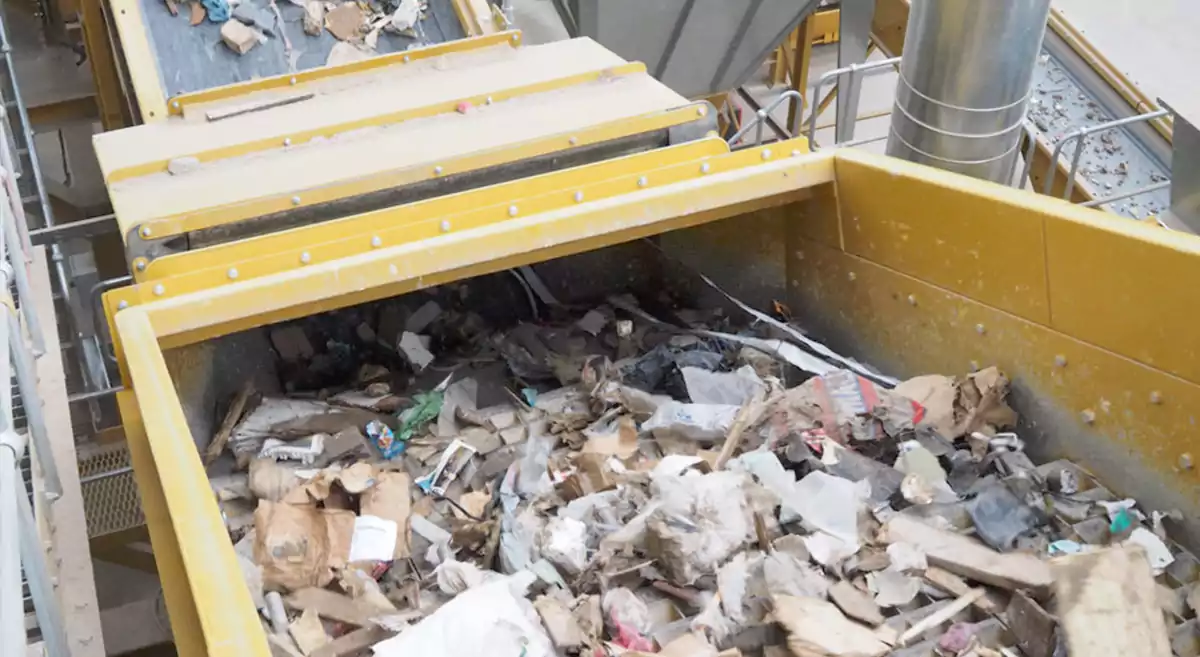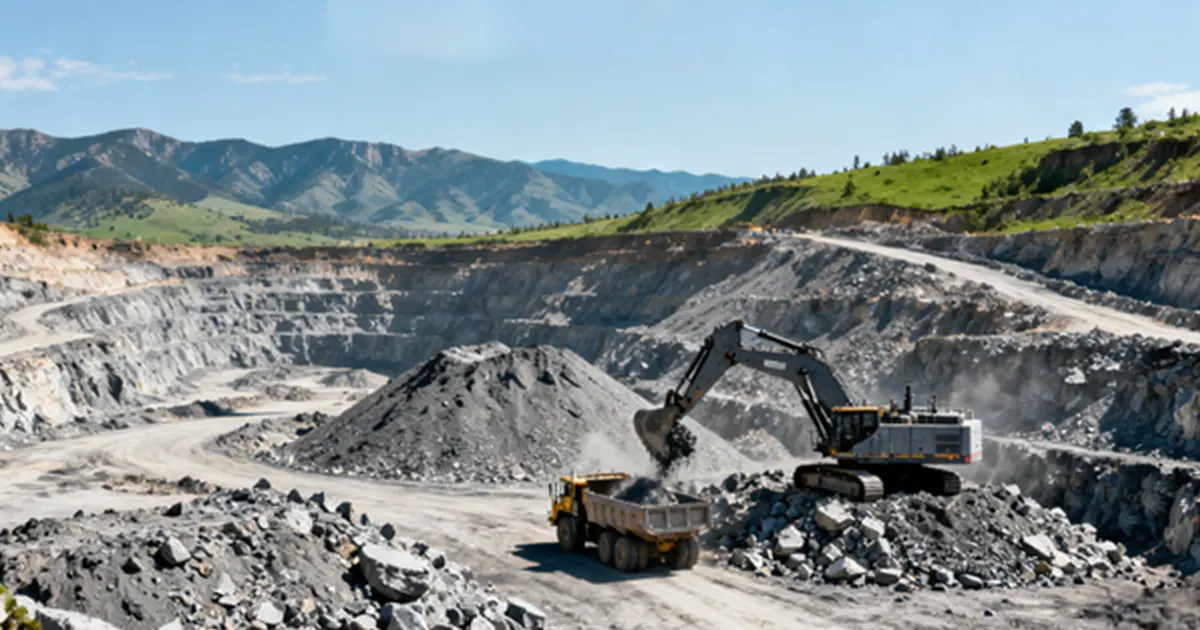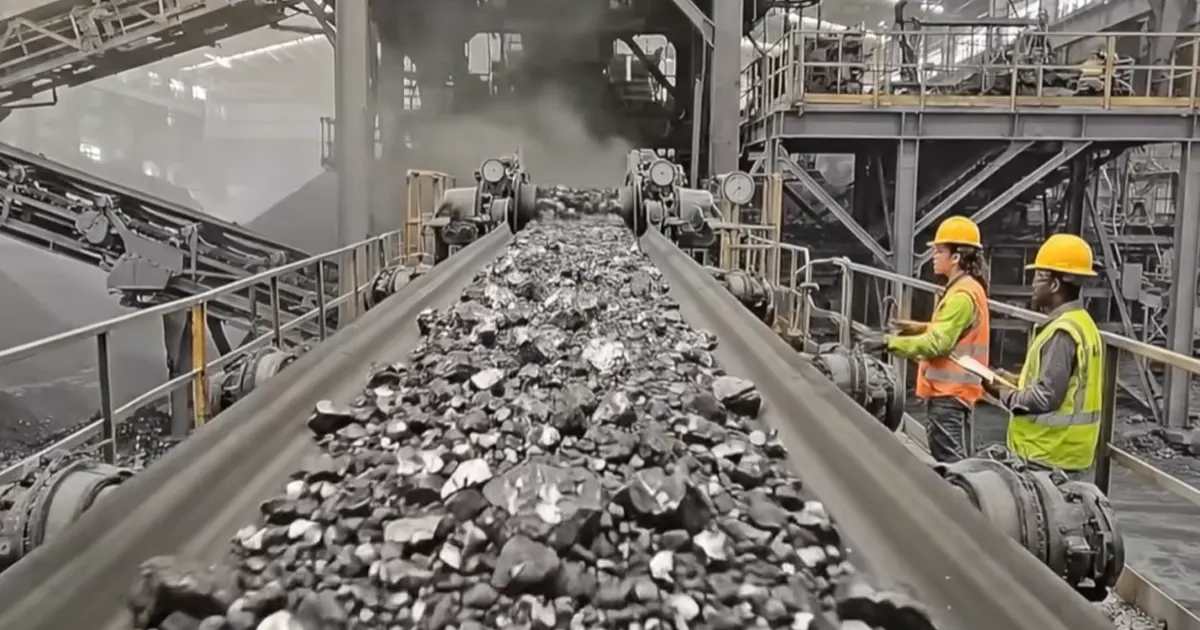
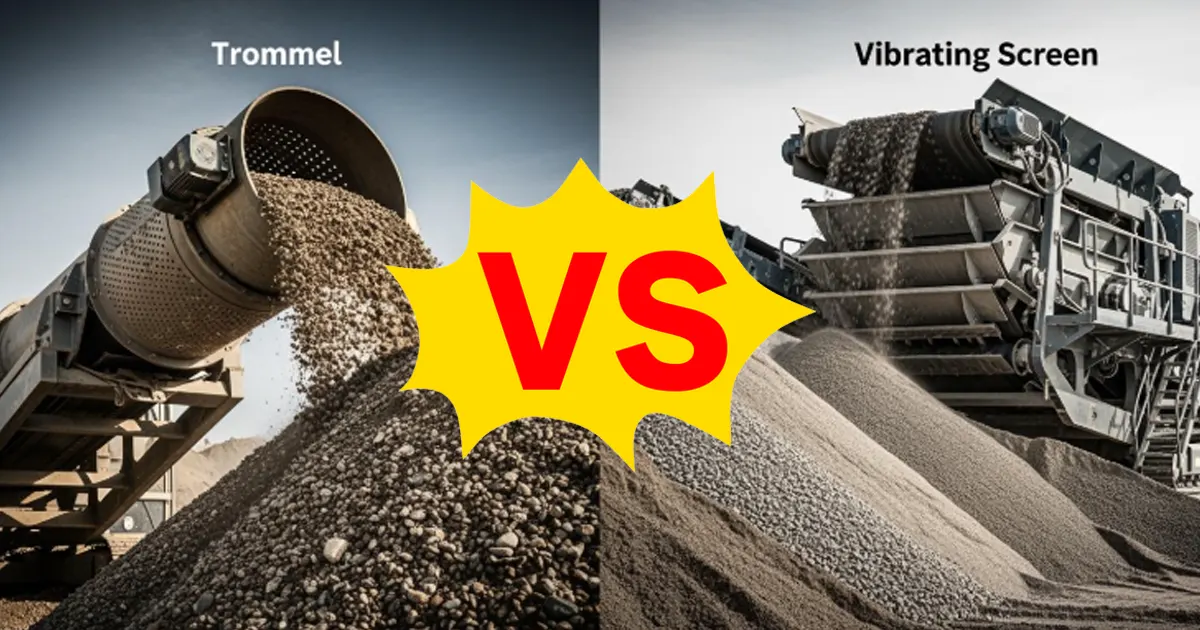
You want screening that is quick and works well. When considering trommel vs vibrating screen, it’s important to note that trommel screens are best for wet, sticky, or large pieces, while vibrating screens excel in handling dry, small, or precise jobs. You should choose between trommel or vibrating screen based on your material and your specific needs. Look at the tables below to see what aligns with your requirements:
| Equipment Type | Market Share (%) |
|---|---|
| Trommel Screens | 41 |
| Vibrating Screens | 45 |
| Screen Type | Common Material Types |
|---|---|
| Trommel Screens | Wet materials (compost), mining products, solid waste |
| Vibrating Screens | Dry materials, construction debris |
Tip: Think about your toughest screening challenge while you read.
Key Takeaways
- Pick a trommel screen for wet or sticky stuff. It works well with big materials. It stops clogging and does hard jobs easily.
- Use a vibrating screen for dry or tiny materials. It is good for sorting small things fast and accurately.
- Trommel screens cost more at first but need less fixing later. They save money for tough jobs over time.
- Vibrating screens cost less to buy but break down more often. They shake a lot, so they may need more repairs.
- Think about what material you have and how big the job is. Choosing the right screen helps it work better.
- Trommel screens are great for waste and compost jobs. Vibrating screens work best in mining and food jobs.
- You must take care of vibrating screens often. This stops blockages and keeps them working well.
- Picking the right screen media, like woven wire or polyurethane, helps sort better and saves time.
Trommel vs Vibrating Screen: Quick Comparison
Key Differences Overview
When you look at trommel and vibrating screens, you notice they work differently. Trommel screens have a drum that spins to sort materials. Vibrating screens shake quickly to move and separate particles. It is important to know these differences before picking a screen for your job.
Here is a simple table to show the main points:
| Criteria | Trommel Screen | Vibrating Screen |
|---|---|---|
| Material Type | Best for wet, sticky, or dense materials like compost | Ideal for dry, fine, and abrasive materials like sand |
| Screening Efficiency | More efficient for bulkier, irregularly shaped particles | Faster screening but limited with large/wet materials |
| Cost and Maintenance | Higher upfront cost but less maintenance | Lower initial cost but more frequent maintenance |
| Screening Capacity | Handles larger volumes due to rotating drum design | Better for smaller, precise sorting tasks |
| Durability | More durable in heavy-duty environments | Effectiveness decreases with heavy/high-moisture content |
Trommel screens are better for tough, sticky, or big materials. Vibrating screens are best for quick and careful sorting of dry, small materials. If you need to sort a lot or work with heavy jobs, a trommel screen can last longer and need less fixing. If you want fast and exact sorting with dry stuff, a vibrating screen is a good pick.
Note: Think about what kind of material you have and how big your job is. This will help you pick the right screen for your needs.
Performance at a Glance
You want to know how each screen works in real life. Here is a short summary to help you choose:
- Trommel screens work well with wet, sticky, or odd-shaped materials. The spinning drum keeps things moving, so there is less clogging and more working time.
- Vibrating screens are fast with dry, small, or rough materials. The shaking helps sort things quickly, but wet or sticky stuff can block the screen.
Taking care of your screen is important too. Trommel screens cost more at first, but you spend less time and money fixing them. Vibrating screens are cheaper to buy, but you might have to repair or change parts more often because they wear out.
When you compare trommel and vibrating screens, think about your biggest problem. Do you need to sort wet, sticky, or big stuff? Pick a trommel. Do you want speed and accuracy with dry, small stuff? Choose a vibrating screen. This way, you can find the best screen for your job.
Trommel Screen: Mechanism and Applications
How Trommel Screens Work
A trommel screen uses a round drum to sort materials by size. The drum spins around and moves the material forward as it turns. Small pieces fall through the holes in the drum. Big pieces stay inside and move to the end. The spinning drum keeps the material moving so it does not get stuck. This makes trommel screens great for wet or sticky stuff.
Here is a table that explains how a trommel screen works:
| Principle | Description |
|---|---|
| Rotational Motion | The drum spins and moves pieces, helping sort them by size. |
| Particle Motion | Different ways the pieces move affect how well sorting works. |
| Velocity Components | How pieces move up, down, and sideways decides if they go through the mesh. |
The round drum helps you handle lots of material fast. You can use a trommel screen for many jobs, especially when you do not want things to clog up.
Best Applications for Trommel Screens
Trommel screens are used in many places. They are best for sorting big amounts or tough materials. Here are some ways people use them:
- Waste management: Trommel screens sort trash and help with recycling.
- Mineral processing: Trommels help sort raw materials and find valuable minerals.
- Composting: Trommel screens turn organic waste into even compost.
- Construction: Trommel screens separate dirt and rocks for building.
Trommel screens are also used to sort sand and gravel. You will see them in recycling plants where they sort things fast. In mining, they help find good minerals and remove waste. These uses show that trommel screens are very useful.
Material Suitability
Pick a trommel screen if you have big, wet, or sticky materials. The round drum keeps things moving and stops blockages. This makes trommel screens perfect for compost, mining, and waste jobs. You can also use them for sand and gravel, especially if the material is damp.
Trommel screens are not as good for tiny pieces. If you need to sort very small stuff, you might need something else. But for big jobs and recycling, trommel screens work well. You can handle a lot of material without worrying about clogs. In mining, the drum helps remove big pieces and lets small ones through.
You will see trommel screens in many recycling and mining places. They help you handle tough jobs and keep things running well. If you need to sort sand, gravel, or sticky waste, a trommel screen is a good choice.
Pros and Cons
When you consider using a trommel screen, you need to weigh the benefits and drawbacks. This helps you decide if it fits your material and your goals. Here is a clear look at what you gain and what you might give up with a trommel.
Pros of Trommel Screens
- Handles Wet and Sticky Materials: You can use a trommel screen for wet, sticky, or muddy materials. The rotating drum keeps things moving, so you see less clogging.
- Great for Large Volumes: Trommel screens work well when you need to process a lot of material. The drum design lets you feed in big amounts without slowing down.
- Simple Operation: You do not need special skills to run a trommel. The design is easy to understand and maintain.
- Durable in Tough Jobs: Trommel screens last a long time, even in harsh conditions. You can use them for mining, waste, or compost without worrying about quick wear.
- Low Maintenance Needs: You spend less time fixing a trommel screen. The drum does not have many moving parts that break easily.
Cons of Trommel Screens
- Lower Screening Accuracy: If you need to sort very fine or precise materials, a trommel screen may not give you the best results. The holes in the drum limit how small you can go.
- Higher Upfront Cost: You pay more at first for a trommel. The drum and frame cost more to build than some other screens.
- Large Footprint: Trommel screens take up more space. You need a bigger area to set up and run the machine.
- Not Ideal for Dry, Fine Materials: If your material is dry and fine, a trommel may not work as well. The drum can let small particles slip through or miss them.
Tip: Make a list of your main screening needs. If you deal with wet, sticky, or bulky materials, a trommel screen could save you time and effort. If you want high accuracy with dry, fine materials, you may want to look at other options.
Here is a quick table to help you compare:
| Pros | Cons |
|---|---|
| Handles wet/sticky materials | Lower screening accuracy |
| Great for large volumes | Higher upfront cost |
| Simple to operate | Large footprint |
| Durable in tough jobs | Not ideal for dry, fine materials |
| Low maintenance |
You should always match your screen choice to your material and your goals. A trommel screen gives you strong performance for tough jobs, but you need to know its limits.
Vibrating Screen: Mechanism and Applications
How Vibrating Screens Work
You use a vibrating screen to sort things by size. This machine shakes quickly to move and separate pieces. There is a part under the screen that makes it vibrate fast. The screen sits at a slant, not flat. When the screen shakes, materials slide across it. Small pieces fall through the mesh holes. Big pieces stay on top and move to the end. The shaking and the slant help sort things faster and better.
- The vibrating screen shakes fast to keep things moving.
- Gravity helps small pieces drop through the mesh.
- Big pieces move toward the end to come out.
- The slant of the screen helps sort things well.
You can change how fast it shakes and the angle. This helps you match the machine to your material. That is why many people use vibrating screens in different jobs.
Best Applications for Vibrating Screens
Many industries use vibrating screens. These screens are good for dry, small, or rough materials. You can use them for big or small jobs. Here are some common uses:
- Mining: You can sort coal, gold, and iron ore.
- Aggregates: Use them for sand, gravel, and crushed stone.
- Food Processing: They help separate flour, sugar, and nuts.
- Pharmaceuticals: Vibrating screens sort powders, granules, and capsules.
- Recycling: You can separate plastics and metals.
Vibrating screens work with many types of materials. You can use them for grains, powders, and even building waste. They are fast and accurate, so many people pick them for sorting jobs.
Material Suitability
Pick a vibrating screen if you need to sort dry, small, or rough materials. This machine works best when you want quick and careful sorting. You can use it for sand, gravel, minerals, and many powders. If your material is wet or sticky, the screen might get blocked. In that case, another type of screen may be better.
A vibrating screen spreads out the material evenly. This helps you get better sorting and better quality. You can check the layer of material and change the settings for the best results. Check the screen often to stop problems and keep it working well.
Here is a quick look at the main good and bad points:
| Advantages | Disadvantages |
|---|---|
| High screening efficiency improves product quality and reduces downtime. | Needs regular checks to stop breakdowns. |
| Even feed makes sorting and processing better. | Sometimes the screen gets blocked. |
| Watching the layer helps sort particles well. | Parts can wear out if not lined up right. |
| Checking the screen often stops problems. | Problems can happen at the end if not watched. |
Tip: If you want fast and careful sorting for dry or small materials, a vibrating screen is a good choice. Check your screen often to keep it working well.
Pros and Cons
When you think about using a vibrating screen, you should look at both the good and bad sides. This helps you decide if it fits your needs. Here is a clear breakdown to guide you.
Pros of Vibrating Screens
- High Screening Efficiency
You get fast and accurate sorting with a vibrating screen. The shaking action moves material quickly across the mesh. This means you can process more material in less time. - Versatile Applications
You can use a vibrating screen for many types of materials. It works well with sand, gravel, minerals, food, and even recycling products. You can adjust the settings to match your material. - Precise Separation
You can sort materials into different sizes with great accuracy. The mesh openings let only the right size pieces pass through. This helps you get a clean final product. - Compact Design
A vibrating screen does not take up much space. You can fit it into small work areas. This makes it easy to add to your current setup. - Easy to Adjust
You can change the speed and angle of the vibrating screen. This lets you fine-tune the process for better results.
Cons of Vibrating Screens
- Prone to Blinding and Blocking
If you use a vibrating screen with wet or sticky materials, the mesh can get blocked. This stops the material from passing through and slows down your work. - Frequent Maintenance
You need to check and clean the vibrating screen often. The shaking can wear out parts faster, so you may need to replace screens or fix parts more often. - Noise and Vibration
A vibrating screen can be loud. The shaking also causes vibration in the area, which may bother workers or affect nearby equipment. - Limited for Large or Wet Materials
You may find that a vibrating screen does not work well with big, heavy, or very wet materials. The mesh can clog, and the machine may not move these materials as well as other screens.
Tip: Always match your vibrating screen to your material type. If you work with dry, fine, or small materials, you will see the best results.
Here is a quick table to help you compare:
| Pros | Cons |
|---|---|
| High efficiency | Needs frequent maintenance |
| Works with many materials | Can get blocked with sticky materials |
| Accurate sorting | Makes noise and vibration |
| Compact and easy to fit | Not ideal for large or wet materials |
| Adjustable settings |
You should weigh these pros and cons before you choose a vibrating screen. Think about your material, your work area, and how much maintenance you can handle. This will help you get the best performance from your screening process.
Trommel vs Vibrating Screen: Key Differences
Screening Efficiency
You want your screening to work well. Screening efficiency means how well a machine separates things. Trommel screens and vibrating screens work in different ways. Their efficiency depends on what you are sorting.
A trommel screen has a drum that spins. This helps with wet, sticky, or big materials. The drum keeps things moving, so there is less clogging. You get steady output, even with hard jobs. Trommel screens keep working when the material is tough.
A vibrating screen shakes fast to move things over the mesh. It sorts dry, fine, or rough materials quickly. You get good speed and accuracy with a vibrating screen. You can change the settings to fit your material and make it work better.
If you have wet or sticky stuff, a trommel screen works better. The drum stops blockages and keeps things steady. If you sort dry, small things, a vibrating screen is faster. Pick the machine that fits your material for the best results.
Accuracy and Precision
You need to know how well each screen sorts by size. Accuracy and precision matter if you want clean results.
- Vibrating screens sort more accurately than trommel screens.
- The motor helps you get exact separation, so sizes do not mix.
- Trommel screens are good for big jobs, but not as accurate.
If you want exact sorting, pick a vibrating screen. It separates fine materials with high precision. Trommel screens handle more material, but you may see mixed sizes. Choose a vibrating screen for clean, accurate sorting.
Capacity and Throughput
You want to sort as much as you can, as fast as you can. Capacity and throughput show how much a machine can handle.
A trommel screen gives you more output with big or sticky stuff. The spinning drum lets you feed in a lot at once. You get steady output, even with tough jobs.
A vibrating screen is best for small, careful sorting. It works fast with dry, fine materials. The small size fits tight spaces, but it may not handle big or wet jobs as well.
If you need to sort a lot, pick a trommel screen. You get steady output for heavy work. If you want quick sorting for dry, small things, use a vibrating screen for speed and accuracy.
Tip: Pick your screen based on your material and how much you want to sort. This helps you get the best results.
Handling Wet and Sticky Materials
You need to know how each screen deals with wet and sticky materials. This is one of the biggest differences between trommel screens and vibrating screens.
Trommel screens handle wet and sticky materials very well. The rotating drum keeps the material moving. This movement helps prevent clogging. Wet compost, muddy soil, and sticky waste pass through a trommel screen with less trouble. The drum design lets you keep working, even when the material is heavy or damp.
Vibrating screens do not work as well with wet or sticky materials. The mesh can get blocked. Sticky particles can build up and stop the screen from working. You may need to stop often to clean the mesh. This slows down your work and lowers your output.
Here is a quick table to help you compare:
| Screen Type | Wet Material Handling | Sticky Material Handling | Cleaning Frequency |
|---|---|---|---|
| Trommel Screen | Excellent | Excellent | Low |
| Vibrating Screen | Poor to Fair | Poor | High |
Tip: If you work with wet or sticky materials, you should choose a trommel screen. You will spend less time cleaning and more time getting the job done.
Key Points to Remember:
- Trommel screens keep moving, so sticky stuff does not block the holes.
- Vibrating screens can get clogged fast with wet or sticky material.
- You save time and effort with a trommel when handling tough, damp jobs.
You should always match your screen to your material. If you deal with wet or sticky loads, a trommel screen gives you better results and less downtime.
Blocking and Blinding
You need to know how blocking and blinding can affect your screening process. These problems happen when material covers or clogs the holes in your screen. When this happens, your machine cannot sort materials well. You may see less output and lower quality.
Blocking happens when large pieces get stuck in the screen openings. Blinding means fine or sticky particles build up and cover the holes. Both issues stop material from passing through.
Here is how each screen type handles these problems:
| Screen Type | Blocking Risk | Blinding Risk | How It Handles Problems |
|---|---|---|---|
| Trommel Screen | Low | Low | Drum rotation keeps holes clear |
| Vibrating Screen | Medium-High | High | Vibration helps, but sticky or wet material can still clog the mesh |
- Trommel screens use a rotating drum. This movement helps shake off stuck pieces. You see less blocking and blinding, even with wet or sticky materials. The drum keeps the holes open longer.
- Vibrating screens use fast shaking to move material. This works well for dry, fine particles. If you use wet or sticky material, the mesh can clog quickly. You may need to stop and clean the screen often.
Tip: If you work with sticky, wet, or mixed materials, choose a trommel screen. You will spend less time cleaning and more time working. For dry and fine materials, a vibrating screen can work well, but check the mesh often.
You should always match your screen type to your material. This helps you avoid blocking and blinding. You get better results and less downtime.
Choosing the Right Screen for Your Applications
Decision Factors
When you pick screening equipment, you need to think about a few important things. Each thing helps you know if a trommel screen or a vibrating screen is better for you. Use the table below to help you decide:
| Factor | Description |
|---|---|
| Material Characteristics | Check the size, shape, and weight of your material. Some materials need special screens. |
| Capacity Requirements | Think about how much material you want to sort. Too much or too little can cause problems. |
| Environmental Conditions | Look at the temperature, humidity, and dirt in your work area. |
| Maintenance Needs | Plan to check and fix your machine often. Quick repairs help your equipment last longer. |
Tip: Write down your main needs before you choose a screen. This helps you find the right equipment for your job.
Matching Screen to Material
You get the best results when your screen matches your material. Different materials need different screen features. Here are some things to think about:
- Polyurethane or rubber screens can stop particles from sticking.
- Elastic screen surfaces help stop clogging and blinding.
- Fine powders and wet materials need screens with small holes and strong parts.
- Sticky materials work better with screens that have bigger holes and special surfaces.
- Always match the mesh size to the size of the pieces you want to separate.
If you use a trommel screen, you can handle wet, sticky, or big materials more easily. The spinning drum keeps things moving and helps stop blockages. If you use a vibrating screen, you get high accuracy with dry, small, or rough materials. The shaking sorts pieces quickly and neatly.
Note: Picking the right screen type, like self-cleaning mesh or mixed panels, can make your screening better and lower repair costs.
Application-Based Recommendations
You need to pick the best screen for your job. Here is a table to help you see which screen works best for common jobs:
| Application | Best Screen Type | Why It Works Well |
|---|---|---|
| Recycling | Trommel screen | Handles big and mixed materials, costs less to start |
| Mining | Vibrating screen | Works fast, sorts lots of minerals and ores |
| Aggregates | Vibrating screen | Sorts sand, gravel, and stones quickly and accurately |
| Composting | Trommel | Spinning drum keeps wet, sticky compost moving and stops clogs |
| Construction Waste | Trommel | Sorts big debris and handles tough, mixed materials |
If you work with wet or sticky materials, a trommel screen gives you steady work and less time fixing things. For dry, small, or rough materials, a vibrating screen gives you fast and careful sorting. Always think about your main job and the type of material you use most.
Remember: The right screening equipment saves you time, lowers maintenance, and makes your final product better.
Importance of Screen Media
You might think the type of screen is the most important part of your setup. In reality, the screen media you choose can make or break your results. Screen media is the surface that does the actual sorting. You can pick from woven wire, polyurethane panels, self-cleaning mesh, or other options. Each type works best for certain materials and jobs.
When you select the right screen media, you get better performance. You see less clogging, faster sorting, and longer life for your equipment. If you use the wrong media, you may face more downtime, lower quality, and higher costs.
Here are some key reasons why screen media matters:
- Material Flow: The right media keeps material moving. Sticky or wet materials need surfaces that shed particles easily.
- Accuracy: Fine mesh gives you precise sorting. Coarse mesh lets bigger pieces through.
- Durability: Tough jobs need strong media. Polyurethane panels last longer in harsh conditions.
- Maintenance: Self-cleaning mesh reduces the time you spend clearing blockages.
Tip: Always match your screen media to your material type and job size. You save time and money when you do this.
You can see the differences in the table below:
| Screen Media Type | Best For | Main Benefit | Common Issue |
|---|---|---|---|
| Woven Wire Mesh | Dry, fine materials | High accuracy | Can blind with sticky stuff |
| Polyurethane Panels | Wet, abrasive materials | Long life, less wear | Higher upfront cost |
| Self-Cleaning Mesh | Sticky, damp materials | Reduces clogging | May cost more |
| Rubber Screens | Heavy, impact materials | Absorbs shock, quiet | Lower accuracy |
You should think about your main challenge. If you deal with sticky compost, self-cleaning mesh helps you work faster. If you sort dry sand, woven wire mesh gives you sharp results. Polyurethane panels work well in mining because they resist wear.
Screen media also affects your maintenance schedule. You spend less time fixing screens when you choose the right type. You get more uptime and better results.
Note: If you feel unsure about which screen media fits your job, ask an expert. You can send your specs, like cut size, feed gradation, and deck drawing. You get advice for a solution that lasts longer and works better.
You control your screening results by picking the right screen media. Make your choice based on your material, your goals, and your budget. The right media helps you get the job done faster and with less trouble.
Conclusion
Pick a trommel screen if your material is wet, sticky, or big. Use a vibrating screen for dry, small, or careful sorting. The screen media you pick changes how long it lasts and how much fixing it needs. It also affects how well it works over time. Anpeng has woven wire, self-cleaning mesh, and PU panels for different jobs.
| What to Send for a Custom Solution |
|---|
| Cut size |
| Feed gradation |
| Wet or dry material |
| Deck drawing |
Give your details to experts and get a custom screening solution that works well for you.
FAQ
What is the main difference between a trommel screen and a vibrating screen?
You use a trommel screen for wet, sticky, or bulky materials. You use a vibrating screen for dry, fine, or precise sorting. Trommel screens spin. Vibrating screens shake.
Can you use a vibrating screen for wet materials?
You can try, but wet or sticky materials often clog a vibrating screen. You will spend more time cleaning. For wet jobs, you should pick a trommel screen.
How do you choose the right screen media?
You match screen media to your material. Use woven wire for dry, fine particles. Use polyurethane or self-cleaning mesh for sticky or abrasive materials. The right media improves sorting and reduces downtime.
Which screen type needs more maintenance?
You will need to check and clean a vibrating screen more often. The shaking wears out parts faster. Trommel screens need less frequent repairs because the drum design is simple.
Is a trommel screen more expensive than a vibrating screen?
You pay more upfront for a trommel screen. Over time, you may save money on repairs and downtime. Vibrating screens cost less at first but may need more maintenance.
Can you use both screens together?
Yes, you can. Some plants use a trommel screen first to remove big or sticky pieces. Then, they use a vibrating screen for fine sorting. This setup gives you better results.
What information do you need for a custom screen solution?
You should send your cut size, feed gradation, if your material is wet or dry, and a deck drawing. This helps experts match the right screen and media to your needs.