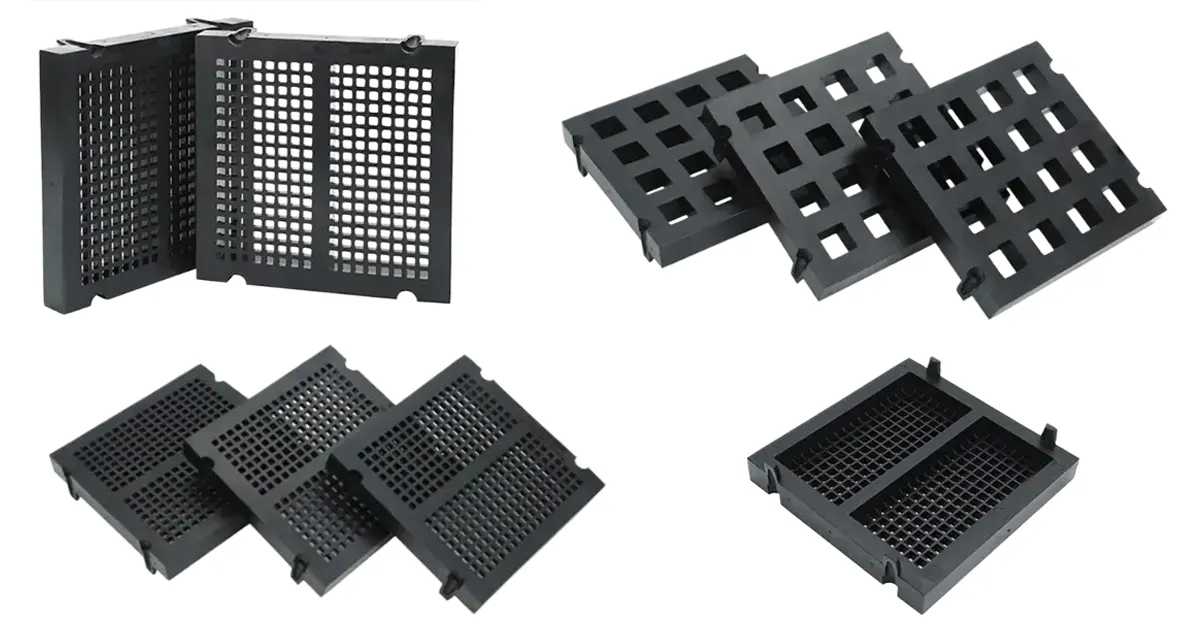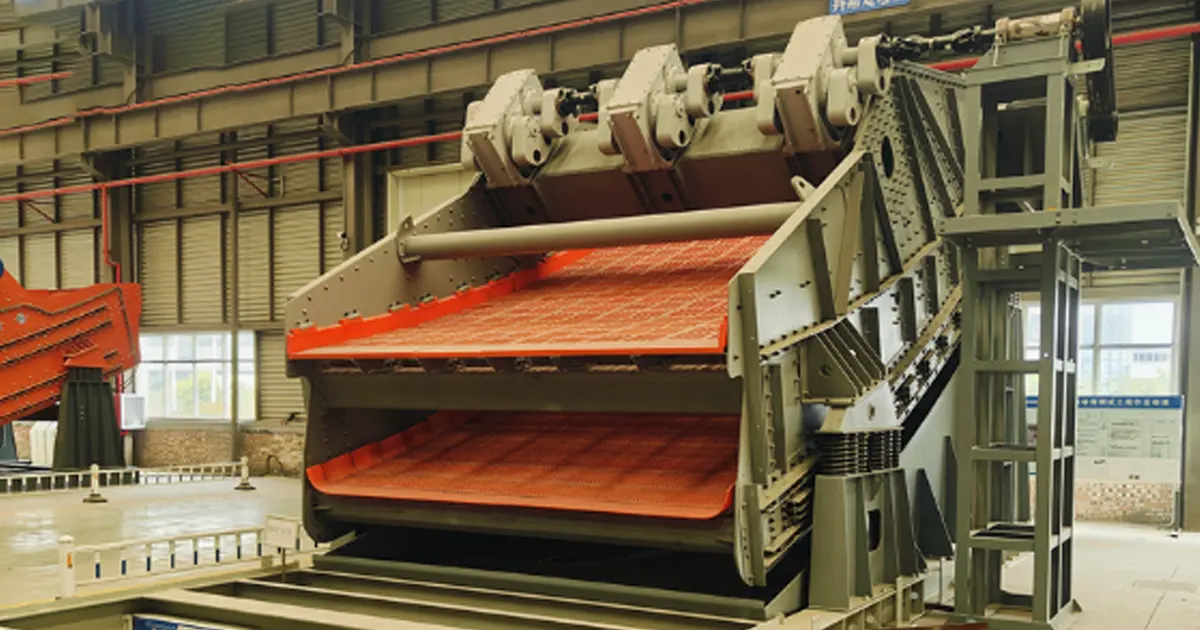
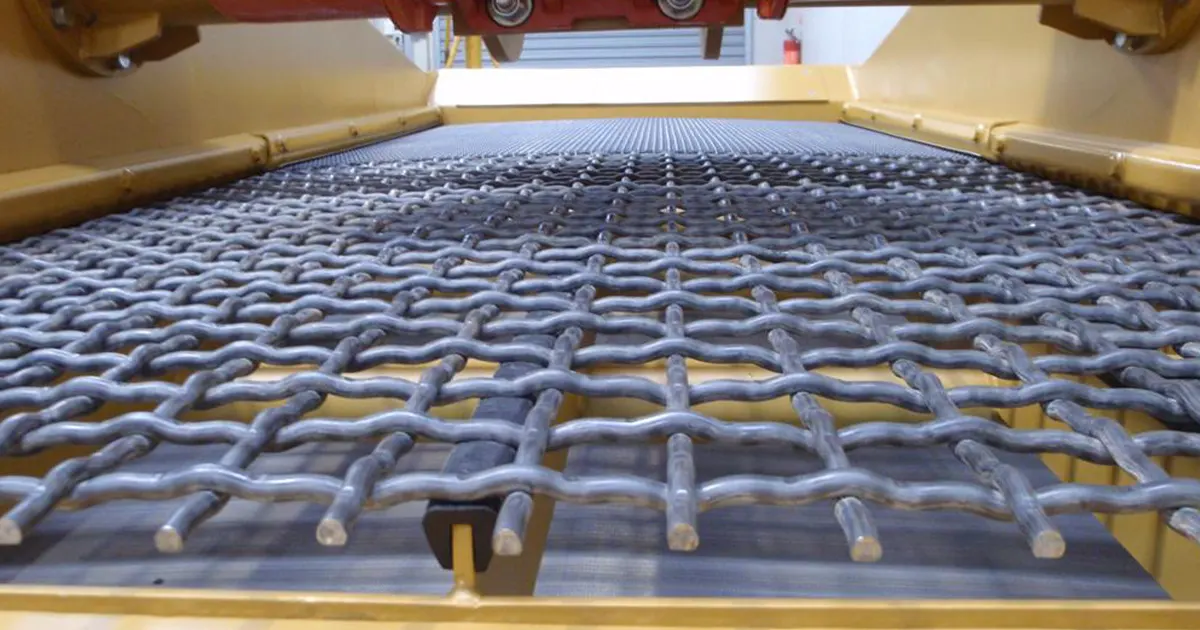
Have you ever had your vibrating screen mesh break or not work well? This can cause your machine to stop or not work right. Picking the right vibrating screen mesh replacement is more than just changing a part. You must know what you are putting in, how much you need to process, and how you want to separate things. If you pick the wrong mesh, you might have these problems:
- Bigger mesh lets more material through but is less exact
- Smaller mesh lets less material through but is more exact
- Big pieces can get through when they should not
- Your machine works worse if you do not set the vibration right
If you are careful, you can stop these mistakes and keep your machine working well.
Key Takeaways
- Know what kind of material you have and how heavy it is. Pick a mesh that fits what you are screening.
- Think about the size of the pieces and how wet they are. Wet materials might need special mesh or cleaning to stop clogging.
- Decide what size you want to separate. The right mesh size helps you get the quality and accuracy you want.
- Figure out how much material you need to process. Choose a mesh that can handle your needed tons per hour. This helps stop slowdowns and clogs.
- Pick the best mesh material. High-carbon steel is strong for heavy loads. Stainless steel does not rust in wet places.
- Compare woven mesh and punch plate. Woven mesh is flexible and fast. Punch plate is strong and has even hole sizes.
- Take care of your mesh often. Clean it and look for damage to make it last longer and work well.
- Get ready to replace mesh when needed. Keep good notes on checks and repairs. This helps you avoid surprise stops and keeps things running smoothly.
Screening Needs for Vibrating Screens
Material Type and Weight
Impact on Mesh Selection
You need to know what kind of material you want to screen before you pick a vibrating screen mesh. Different materials act in different ways on vibrating screens. Here are some common materials you might see:
- Metals
- Plastics
- Composites
- Rubber
- Coal
- Iron ore
- Copper ore
- Gold ore
- Manganese ore
- Limestone
- Granite
- Basalt
- Marble
- Grains
- Fruits
- Vegetables
- Animal feed
The weight of your material matters a lot. Heavy materials like sand, gravel, or iron ore move fast and push hard on the mesh. Lighter materials, such as grains or plastics, move slower and may not pass through as easily. If you use the wrong mesh for the weight, you might get poor results. Heavy materials need a strong mesh with bigger holes. Lighter materials may need a finer mesh or a different type of screen to work well. You want to match the mesh to your material so your vibrating screens run smoothly.
Feed Gradation and Surface Moisture
Screening Challenges
Feed gradation means the mix of big and small pieces in your material. If you have a lot of different sizes, you need a mesh that can handle it. When you add moisture to the mix, things get tricky. Wet material can stick together and block the holes in your vibrating screen mesh. This slows down your process and makes your screen less efficient. Dry material moves better and separates faster. If your feed is often wet, you may need a special mesh or extra cleaning to keep things moving. Always check your material for moisture before you choose your mesh.
Tip: If you see clumps or slow movement on your screen, check for moisture. Cleaning or changing your mesh can help fix the problem.
Desired Separation Size
Output Quality
You must decide what size pieces you want to separate. This is called the separation size. The right vibrating screen mesh lets you get the exact size you need. If you want very fine pieces, you need a mesh with small holes. If you want bigger pieces, you need a mesh with larger holes. Here is a quick look at what affects your choice:
| Factor | Description |
|---|---|
| Desired size of separation | The size you want your final product to be. |
| Mesh size | The size of the openings in your vibrating screen mesh. |
| Precision | How exact you want your separation to be. |
| Throughput | How much material you want to process at one time. |
If you need high precision, pick a finer mesh. This gives you better quality but may slow down your process. If you want to move more material, use a mesh with bigger holes. This works faster but may not be as exact. Always balance your need for speed and quality when you choose your mesh.
Capacity (Tons per Hour)
Throughput Considerations
When you pick a vibrating screen mesh, you need to know how much material you want to process every hour. This is called capacity, and it is usually measured in tons per hour (TPH). If you choose a mesh that cannot handle your target capacity, your machine will slow down or even get clogged. You want your vibrating screens to keep up with your production goals without breaking down.
The size of the mesh openings and the deck size both play a big role in how much material your vibrating screens can handle. Bigger openings let more material through, but you might lose some accuracy in separating sizes. Smaller openings give you better separation, but they slow down the flow. You need to find the right balance for your operation.
Here is a table that shows how different mesh opening sizes affect the capacity of vibrating screens in aggregate processing:
| Screen Size Opening (Inches) | TPH per Square Foot | TPH for Deck Size Indicated |
|---|---|---|
| No. 8 | 1.25 | 30 |
| 1/8 | 1.5 | 36 |
| 3/16 | 2 | 48 |
| 0.25 | 2.5 | 60 |
| 3/8 | 3.25 | 78 |
| 0.5 | 3.75 | 90 |
| 5/8 | 4.25 | 102 |
| 0.75 | 4.75 | 114 |
| 7/8 | 5.25 | 126 |
| 1 | 5.75 | 138 |
You can see that as the opening size gets bigger, the capacity goes up. This means you can move more tons per hour, but you might not catch all the small pieces you want to separate. If you need high accuracy, you may have to accept a lower capacity.
Tip: Always check your required tons per hour before you choose your mesh. If you need to process a lot of material, pick a mesh and deck size that can handle the load. This keeps your vibrating screens running smoothly and helps you avoid costly downtime.
Here are some key points to remember about capacity and mesh selection:
- Know your target tons per hour before you buy a mesh.
- Bigger mesh openings and larger decks move more material but may reduce separation accuracy.
- Overloading your vibrating screens can cause blinding, clogging, and early wear.
- The right mesh keeps your process efficient and your output consistent.
When you match your mesh to your capacity needs, you get the best performance from your vibrating screens. You save time, reduce maintenance, and keep your operation on track.
Mesh Material Options for Vibrating Screen Mesh Replacement
High-Carbon Steel Mesh
Durability and Economy
High-carbon steel is a strong choice for vibrating screen mesh. It is used in many places because it can handle heavy loads. This mesh is tough and gives good value. You can use it for a long time, even with hard jobs.
Here are reasons to pick high-carbon steel for your vibrating screen mesh:
| Advantage | Description |
|---|---|
| Structural Precision | It works the same every time you use it. |
| Uniform Mesh | It helps you sort materials better. |
| Corrosion Resistance | Special coatings help it last longer in wet places. |
| Strength and Durability | It stays strong for tough work. |
| Robust Construction | It does not bend or break with heavy loads. |
| Enhanced Durability | It does not get damaged by acids or alkalis. |
| Versatile Performance | It works well in hot or cold places. |
| Efficient Screening | The design stops holes from getting blocked. |
| Ease of Use | You can put it in quickly and fix it easily. |
| Variety of Screen Types | You can find many styles to fit your needs. |
High-carbon steel has high tensile strength. This means it can take a lot of force without breaking. If you want a mesh that saves money and lasts, high-carbon steel is a good choice.
Tip: If your plant is busy or you use heavy materials, high-carbon steel vibrating screen mesh can help you work faster and spend less.
Stainless Steel Mesh
Corrosion Resistance
Stainless steel mesh is best when you need to deal with water, chemicals, or heat. It is used in food factories, chemical plants, and places where rust is a problem.
Here are reasons to use stainless steel mesh:
| Feature | Description |
|---|---|
| Material | Stainless Steel 304/316 |
| Corrosion Resistance | It lasts longer than carbon steel in wet or harsh places. |
| High-Temperature Resistance | It keeps working when things get hot. |
Stainless steel mesh is good for clean and rust-free screening. It keeps your products safe and your machines clean. If you work with food, chemicals, or water, this mesh is a smart choice.
Note: Stainless steel vibrating screen mesh costs more, but it lasts longer and needs less fixing.
Polyurethane Mesh
Special Applications
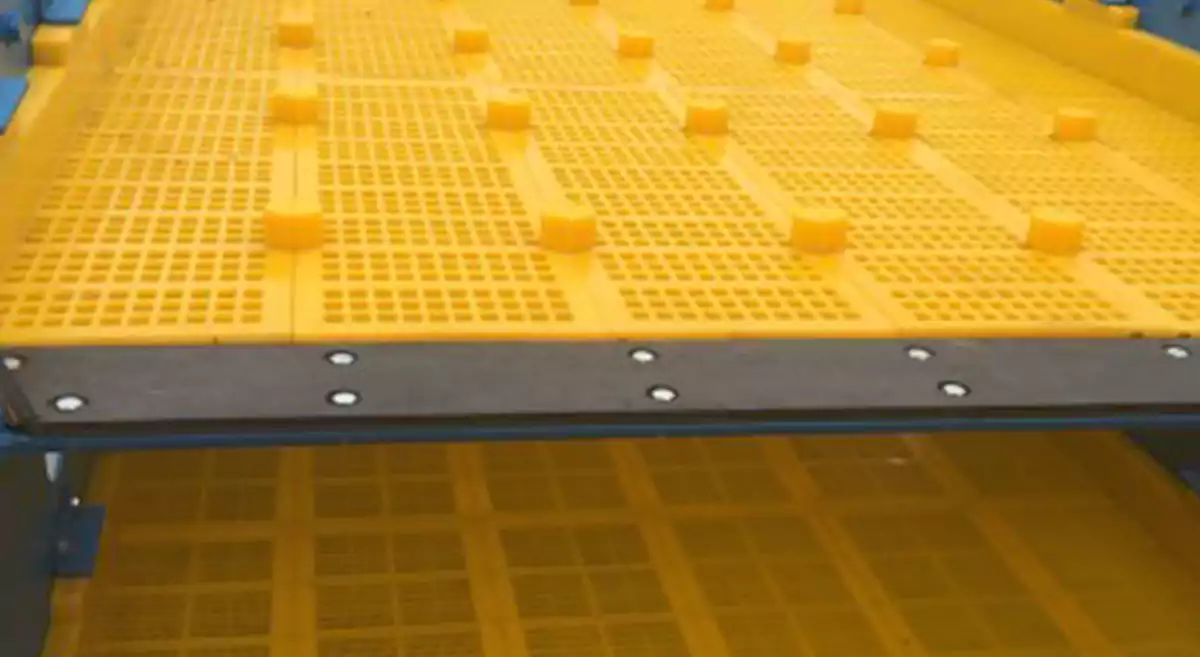
Polyurethane mesh is a newer choice for vibrating screen mesh. It is used where you need something flexible, quiet, and tough. This mesh is good if you want less noise and longer use.
Here are places where polyurethane mesh is used:
| Industry | Application Description |
|---|---|
| Mining and Quarrying | Screens and dries mined materials. |
| Aggregate Processing | Sorts sand, gravel, and stones. |
| Recycling | Helps sort recyclables by size and shape. |
| Food Processing | Filters food products; some types are safe for food. |
| Water Treatment | Separates solids from liquids in water cleaning. |
| Automotive and Transport | Filters air and keeps airflow strong. |
| Agricultural Sector | Protects crops and sorts soil or farm products outside. |
Polyurethane mesh needs less fixing and lasts longer. It does not wear out fast and does not rust. It is also quieter, which is good in places where noise matters.
Tip: If you need a vibrating screen mesh for special jobs or tough places, polyurethane mesh might be the best for you.
Woven Mesh vs. Punch Plate
Wire Diameter and Open Area
When you choose a vibrating screen mesh, you often see two main types: woven wire mesh and punch plate. Each type works best for different jobs. Let’s break down what makes them different and how you can pick the right one for your needs.
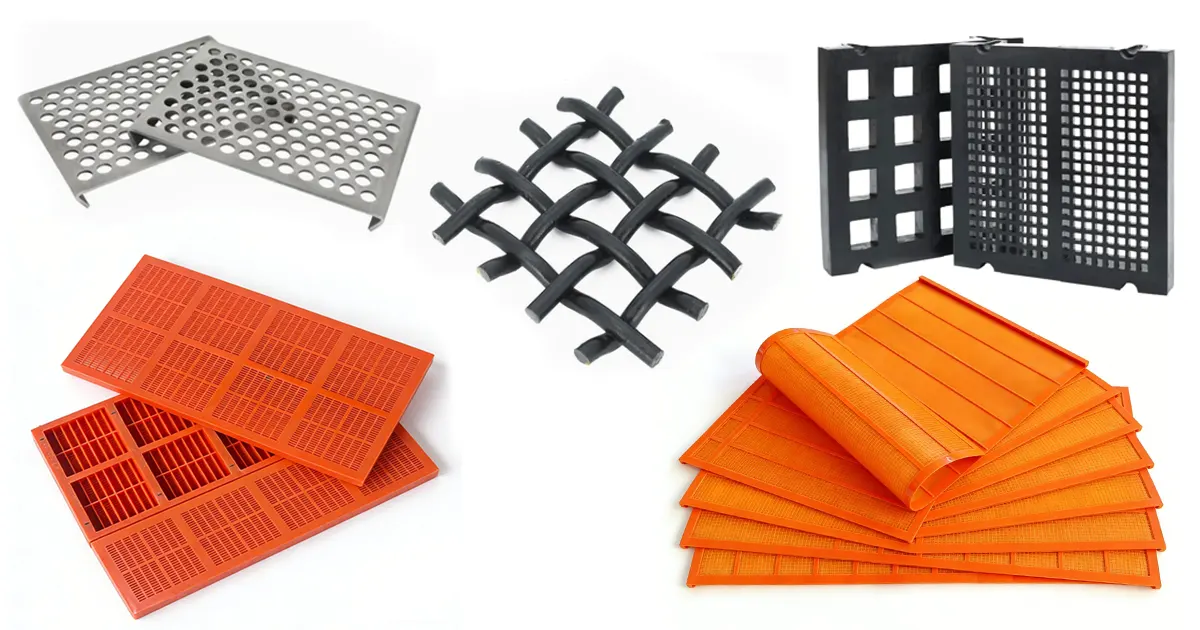
Woven wire mesh looks like a net made from wires woven together. Punch plate, on the other hand, is a solid sheet of metal with holes punched through it. Both types have their own strengths and weaknesses.
Here’s a quick comparison to help you see the differences:
| Feature | Woven Wire Mesh | Punched Plate Mesh |
|---|---|---|
| Flexibility | More flexible, fits odd shapes | Less flexible, very strong |
| Durability | May wear out faster | Highly durable, resists wear |
| Clogging Resistance | Higher risk of clogging | Lower risk, holes stay clear |
| Open Area | High | Lower |
| Throughput | Fast | Slower |
| Screening Accuracy | Some variation in opening size | Consistent hole size and spacing |
| Blinding Risk | Medium | High |
| Pegging Risk | Medium | Medium |
| Maintenance Needs | More frequent checks and cleaning | Less maintenance required |
| Weight | Light | Heavy |
| Handling | Easy to handle | Needs more people/tools |
Wire Diameter and Open Area: Why They Matter
Wire diameter means how thick each wire is in the mesh. Open area is the space between the wires or holes where material can pass through. These two things change how your screen works.
- Woven Mesh:
You get a high open area with woven mesh. This means more material can pass through quickly. The wires are usually thinner, so you get better screening and faster throughput. But thinner wires can wear out faster, especially with heavy or sharp materials. - Punch Plate:
Punch plate has thicker metal between the holes. This makes it very strong and long-lasting. The open area is lower, so less material passes through at once. You get very even hole sizes, which helps if you need exact separation. Punch plate is great for tough jobs where you want your screen to last a long time.
Tip: If you need to screen a lot of material fast, woven mesh is a good pick. If you work with heavy, sharp, or abrasive material, punch plate will last longer and need less fixing.
Which Should You Choose?
Ask yourself these questions:
- Do you need speed and high capacity? Go for woven mesh.
- Do you want strength and long life? Pick punch plate.
- Are you working with sticky or wet material? Punch plate resists clogging better.
- Do you need to change screens often? Woven mesh is lighter and easier to handle.
You can always talk to a screen mesh expert if you’re not sure. The right choice keeps your machine running and your product quality high.
Mesh Size, Open Area, and Efficiency
Mesh Count and Opening Shape
Particle Separation
When you choose a vibrating screen mesh, you need to think about mesh count and the shape of the openings. Mesh count tells you how many holes or wires fit in one inch. A higher mesh count means smaller holes. This helps you catch tiny particles and get better separation. If you use a mesh with too many holes, though, the screen can block up fast. You want to match the mesh count to your material.
- Fine powders need small holes for good separation.
- Coarse materials, like rocks or gravel, work better with larger mesh sizes.
- Picking the wrong mesh count can waste material and slow down your process.
The shape of the openings matters, too. Spherical particles pass through easier than flat or long ones. If your material has odd shapes, you might need a bigger aperture size to keep things moving. Wet material can stick together and block the holes, so you may need to adjust your mesh or use special cleaning tools.
Open Area Importance
Screening Effectiveness
Open area means the part of the screen that lets material pass through. If you have more open area, you get better screening and faster work. The ratio of openings to the total surface affects how well your vibrating screen works.
- More open area means more material can move through at once.
- A higher percentage of open area boosts your throughput and efficiency.
- You need to balance open area with wire strength. If the wires are too thin, the mesh can break.
When you pick your mesh, look for the right mix of open area and strength. The right aperture size gives you the best chance for particles to pass through. This keeps your process smooth and your output high.
Avoiding Blinding and Clogging
Maintenance Tips
Blinding and clogging happen when material blocks the mesh holes. This can slow down your work and hurt your results. You can stop these problems with a few smart steps.
| Process Adjustment | Description |
|---|---|
| Increase the speed | Moves material faster, so fines do not build up. |
| Adjust the stroke | Gives particles more chances to pass through. |
| Use flexible media | Lets fine particles fall away instead of sticking. |
You can also try these tips:
- Check your screens often to catch problems early.
- Train your team to spot and fix blinding.
- Pick the right screen for your material.
- Use cleaning tools to clear away buildup.
- Adjust your machine settings for better performance.
- Control moisture to keep material from sticking.
If you follow these steps, you can keep your vibrating screen mesh working longer and avoid costly downtime.
Durability and Wear Resistance
Abrasion and Corrosion Factors
Material Longevity
When you need a vibrating screen mesh replacement, you want it to last. How long it lasts depends on how well it handles hard work and fights rust or damage. If you use sharp rocks, sand, or heavy stuff, the mesh gets scratched a lot. Wet or chemical places can make the mesh rust and break down.
Let’s look at what makes your mesh last longer:
| Factor | Description |
|---|---|
| Wear Resistance | The mesh material matters a lot for wear resistance, especially if you use rough materials. |
| Tension and Strength | Keeping the mesh tight is important. This stops it from sagging or bending. |
| Corrosion Resistance | You need corrosion-resistant mesh in wet or chemical places. This helps the mesh last longer. |
If you want your mesh to fight scratches, pick high-carbon steel or polyurethane. These materials can take a lot of rough use and last longer. Stainless steel is good for wet or chemical jobs because it does not rust easily. Make sure your mesh is tight and strong. If it is loose, it can bend or break, and you will need a new one sooner.
Tip: Look at your mesh often for damage or rust. If you find problems early, you can fix them before they get worse.
Expected Mesh Lifespan
Replacement Intervals
You might wonder how long your vibrating screen mesh will last. The answer depends on the mesh type, how you use it, and how you care for it. Some mesh lasts for years, but others need to be changed more often.
Here’s a quick look at how mesh types compare:
| Screen Media Type | Characteristics and Applications | Cost Efficiency Considerations |
|---|---|---|
| Woven Wire Cloth | Strong, good for small pieces | Cheaper at first, wears out faster |
| Polyurethane | Bends, resists wear, good for wet jobs | Costs more, lasts longer |
| Rubber | Takes big hits, good for tough jobs | Medium price, lasts well in some uses |
| Perforated Plate | Works for many jobs, lets different sizes through | Good price for some jobs |
| Hybrid Screens | Mixes features for special needs | Can save money and last longer |
How you care for your mesh really matters. If you clean and check it often, it can last five to ten years. If you do not take care of it, it may only last two or three years. Hard jobs wear out mesh faster, but good care helps it last.
| Maintenance Practice | Expected Lifespan |
|---|---|
| Well-Maintained | 5 to 10 years |
| Poor Maintenance | 2 to 3 years |
| Heavy-Duty Use | Needs more changes, but lasts longer with care |
You can help your mesh last longer by:
- Cleaning it often
- Checking for damage
- Keeping it tight
- Using the right mesh for your job
If you do these things, you will save money and keep your machine working well.
Installation and Maintenance for Vibrating Screen Mesh Replacement
Equipment Compatibility
Sizing and Attachment
You want your new vibrating screen mesh to fit your equipment perfectly. If the mesh does not match your machine, you could face big problems. Always check the size and attachment style before you buy. The right fit means you will not need to change your setup or waste time on adjustments.
Here’s a quick table to help you remember what matters most:
| Key Consideration | Description |
|---|---|
| Screen Mesh Size | Pick the right mesh size for your material. Small mesh gives better separation but can clog. Large mesh moves more material but may miss small pieces. |
| Material Characteristics | Think about moisture, shape, and weight of your material. These affect how well your screen works and how often you need to clean it. |
| Compatibility with Existing Equipment | Make sure the new mesh fits your current setup. Check the size, shape, and how it attaches. This saves you time and money. |
Tip: Measure your old mesh and frame before you order a replacement. This helps you avoid mistakes and keeps your production line running.
Ease of Replacement
Downtime Reduction
No one likes long stops in production. You want to swap out your vibrating screen mesh quickly and get back to work. Some screens use quick-change systems or modular panels. These let you replace only the worn parts instead of the whole mesh.
Here’s why easy replacement matters:
- You can stop big failures before they happen.
- Fast checks and swaps keep your costs low.
- Modular systems let you change only the high-wear spots.
- Quick-change designs cut downtime.
- Some screens let you swap panels without tools.
- Modular decks help you start up again faster.
If you pick a mesh that’s easy to replace, you save time and money. Your team will thank you for less hassle and fewer long shifts.
Cleaning and Upkeep
Preventing Build-Up
Keeping your vibrating screen mesh clean helps it last longer. Dirt, dust, and sticky material can block the holes and slow down your work. You should check your mesh often for wear or damage. Fix small problems right away. If you see big tears or holes, replace the mesh to keep your screening sharp.
Here’s a simple maintenance schedule:
| Maintenance Frequency | Tasks |
|---|---|
| Weekly | Tighten bolts, inspect springs, clean chutes |
| Monthly | Check motor, inspect tension, lubricate parts |
| Quarterly | Full inspection, check alignment, deep clean |
You can follow these steps to keep your mesh in top shape:
- Clean the mesh often to stop clogging.
- Lubricate moving parts on schedule.
- Adjust vibration if you see problems.
- Check for wear and damage every week.
- Use the right tools for inspections.
- Repair small issues or replace the mesh if needed.
Regular cleaning and care keep your mesh working longer and your production smooth. A little effort now saves you big headaches later.
Cost, Availability, and Supplier Choice
Upfront vs. Long-Term Value
Total Cost of Ownership
When you look for a vibrating screen mesh replacement, you might focus on the price tag first. That makes sense. But you should think about the whole picture. The cost of woven wire mesh is not just what you pay on day one. You need to look at how much it costs to use, fix, and replace over time.
Here’s a table to help you see how prices can change based on the type of screen you pick:
| Cost Category | Price Range |
|---|---|
| Small portable units | $3,000–$8,000 |
| Mid-range industrial screens | $10,000–$25,000 |
| Large multi-deck or high-frequency | $30,000–$70,000+ |
| Considerations | Total ownership expenses, including energy consumption, screen replacements, and downtime. |
You might pay less for woven wire mesh at first, but think about what happens next. You have to add up the cost of putting it in, keeping it clean, and buying new parts. If your woven wire mesh wears out fast, you will spend more on replacements and lose time when your machine stops. Some woven wire mesh designs make it easy to swap out old panels. That saves you time and money because you do not need to stop your whole line.
Here are some things you should count when you look at total cost:
- Initial purchase price
- Installation costs
- Maintenance and spare parts
- Energy use
- Downtime risk
- Resale or repurposing value
A woven wire mesh that lasts longer and is easy to fix can save you money in the long run. If you pick a mesh that keeps your machine running, you will not lose money from downtime. You want a design that lets you get to the mesh fast for repairs. That way, you can keep your plant moving and your costs low.
Tip: Don’t just look at the price tag. Think about how much you will spend over the life of your woven wire mesh.
Lead Times and Supply Reliability
Planning for Replacements
You need your woven wire mesh when you need it—not weeks later. Lead times and supply reliability matter a lot. If you wait too long for a replacement, your whole operation can slow down.
Many things can change how fast you get your woven wire mesh. Here’s a table that shows what can affect supply:
| Factor | Description |
|---|---|
| Raw Material Price Volatility | Steel, rubber, and other parts can go up or down in price, which changes how fast mesh gets made. |
| Skilled Labor Shortage | Not enough trained workers can slow down production and service. |
| Regulatory Complexities | New rules or import laws can make it harder to get mesh on time. |
| Intense Competition | Lots of companies fighting for the same materials can cause delays. |
| Technological Obsolescence | New tech means companies must keep up, or they fall behind. |
| Economic Uncertainties | Bad economies or inflation can slow down orders and deliveries. |
You can plan ahead to avoid problems. Order your woven wire mesh before you run out. Keep a few extra panels on hand if you can. Talk to your supplier about how long it takes to get new mesh. A good supplier will help you plan for busy times and slowdowns.
If you use woven wire mesh in your plant, you want a partner who can deliver on time. Ask about their stock, shipping times, and how they handle rush orders. That way, you will not get caught without the mesh you need.
Note: Good planning and a reliable supplier keep your machines running and your business strong.
How to Choose Right Vibrating Screen Mesh: Checklist
Choosing the best vibrating screen mesh for your operation can feel tricky. You want to make sure you get it right the first time. A simple checklist helps you avoid mistakes and keeps your equipment running strong. Let’s walk through the steps together.
Step-by-Step Guide
Key Questions to Ask
Here’s a step-by-step guide to help you choose right vibrating screen mesh for your needs:
- Do a Sieve Analysis
Start by testing your feed material. Find out what sizes you have in your mix. This helps you know what your vibrating screen mesh needs to catch or let through. - Decide on Cut-Off Sizes
What size do you want your final product to be? Pick the cut-off sizes for your products. This step makes sure your mesh matches your goals. - Check Manufacturer Charts
Use charts from mesh makers. These charts show which mesh sizes work best for different materials. They give you a good starting point. - Test and Adjust
Try your chosen mesh at a small scale first. See how it works with your real feed. If you spot problems, adjust the mesh size or type. - Ask the Right Questions
- What is the weight and type of your material?
- Is your material wet or dry?
- How much do you need to process each hour?
- Do you need fine or coarse separation?
- How often will you need to replace the mesh?
Tip: If you answer these questions before you buy, you will save time and money. You will also avoid downtime from picking the wrong vibrating screen mesh.
Documentation Tips
Record-Keeping
Good records help you keep your vibrating screen mesh in top shape. When you track your maintenance, you spot problems early and plan for replacements. Here are some easy ways to stay organized:
- Write down every inspection, repair, and replacement.
- Keep a log of when you clean or adjust your vibrating screen mesh.
- Update your inventory of spare parts, like liners, mesh, bearings, and seals.
- Use your records to plan future maintenance and avoid surprises.
A simple table or spreadsheet works well for this. Here’s an example:
| Date | Activity | Mesh Type | Notes |
|---|---|---|---|
| 2024-03-01 | Inspection | Polyurethane | No issues found |
| 2024-04-10 | Mesh Replacement | High-carbon steel | Replaced due to wear |
| 2024-05-05 | Cleaning | Stainless steel | Removed buildup |
Keeping good records means you always know when to order new mesh and when to schedule repairs. This helps you choose right vibrating screen mesh every time you need a replacement.
If you follow this checklist and keep your records up to date, you will get the most out of your vibrating screen mesh. Your machines will run better, and you will spend less time fixing problems.
Conclusion
Picking the right vibrating screen mesh replacement helps your machine work well. Here’s a simple step-by-step guide you can use each time you change your vibrating screen mesh replacement:
- Turn off your machine and make sure it is safe.
- Take out the old mesh slowly and carefully.
- Look at the frame and other parts for any damage.
- Put in the new vibrating screen mesh replacement.
- Try your machine to see if it works before using it fully.
Always choose a vibrating screen mesh replacement that fits your material, how much you need to process, and your needs. Use the checklist to help you pick and make your screen last longer. If you want to change your mesh less often, ask our experts for advice. We have every kind of vibrating screen mesh replacement for your equipment.
| Benefit | Explanation |
|---|---|
| Custom screen selection | You get the best mesh for your work. |
| Fast response | You spend less time waiting and get help fast. |
| Technical support | You fix setup and maintenance issues quickly. |
| Upgrade advice | You get ideas for better options in the future. |
Need help? Our team can help you find the best vibrating screen mesh replacement for your machine.
FAQ
What is the best mesh material for heavy-duty screening?
You should pick high-carbon steel mesh for tough jobs. It lasts longer and handles heavy loads. If you work with wet or corrosive materials, stainless steel mesh works better.
How often should I replace my vibrating screen mesh?
You need to check your mesh every month. If you see wear, holes, or clogging, replace it right away. Well-maintained mesh can last up to five years.
Can I use the same mesh for different materials?
You can use one mesh for similar materials. If you switch between wet and dry or heavy and light materials, you should change the mesh for best results.
How do I prevent mesh blinding and clogging?
Clean your mesh often. Adjust vibration settings if you see build-up. Try flexible mesh types or use cleaning tools to keep holes clear.
What size mesh should I choose for fine separation?
Pick a mesh with a high count and small openings. Fine powders need smaller holes. Check manufacturer charts to match mesh size to your material.
Where can I find replacement mesh quickly?
You can contact your supplier for fast delivery. Keep extra panels in stock to avoid downtime. Ask about lead times before you order.