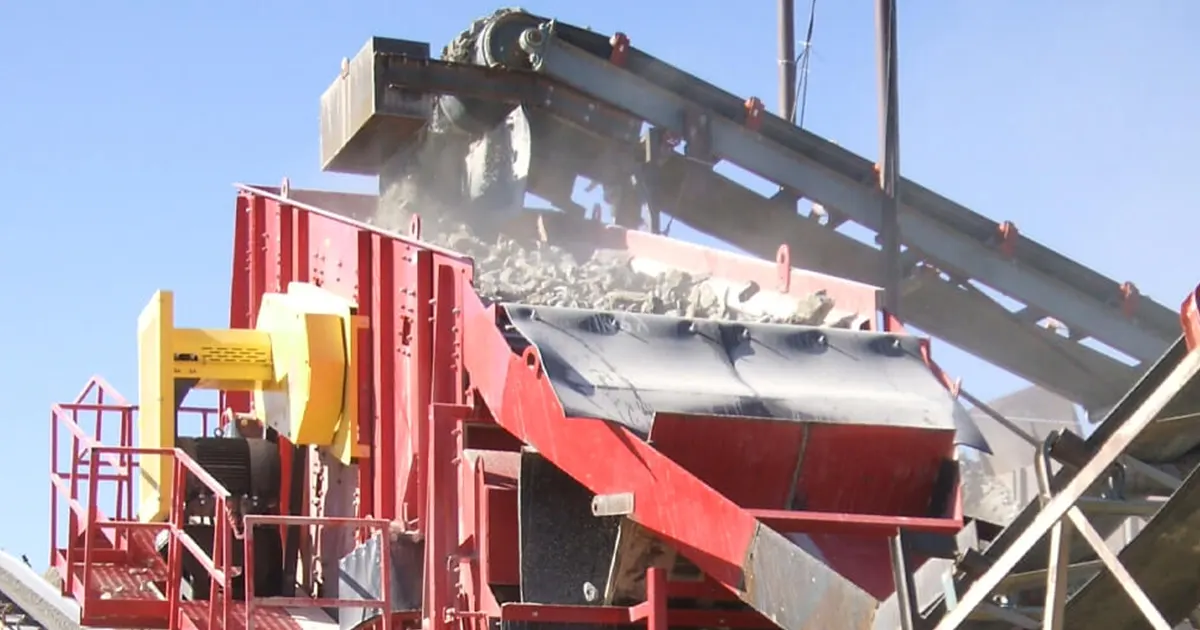
You may wonder about the vibrating screen working principle. The idea is simple: the machine shakes to sort materials by size, making screening quick and easy. Understanding this vibrating screen working principle helps you choose the best setup for your job. More people are using these machines now, with Asia Pacific accounting for about 30-35% of their usage. Selecting the right screen media is crucial. Here are some common choices:
| Screen Media Type | Application Description |
|---|---|
| Woven Wire Mesh | Works for many jobs but requires more care with sticky materials. |
| Self-Cleaning Screens | Excellent for wet, sticky materials and requires less cleaning. |
| Polyurethane Screens | Lasts longer and does not clog with small or rough materials. |
| Metal Screens | Ideal for tough jobs like handling large rocks. |
Understanding the vibrating screen working principle and your media choice can significantly impact how often you need repairs and how effectively it operates each day.
Key Takeaways
- Vibrating screens help sort things by size. This makes work faster and easier.
- Picking the right screen media, like woven wire mesh or polyurethane, changes how well it works and how much care it needs.
- Knowing about vibration types, like linear or circular, helps you separate materials better for each job.
- Doing regular checks and maintenance stops breakdowns. It also helps your vibrating screen last longer.
- Changing the screen angle and vibration settings can make it work better and move more material.
- Vibrating screens can be used in many industries, like mining, construction, and recycling.
- Self-cleaning screens work best for sticky materials. They help lower downtime and make maintenance easier.
- Using the right screen media and settings helps sort better and waste less. This saves both time and money.
What Is a Vibrating Screen?

Definition and Function
A vibrating screen is a smart machine. It helps you sort things by size, shape, or how heavy they are. When you pour a mix of rocks or sand on it, the machine shakes. The shaking lets small pieces fall through holes in the screen. Bigger pieces stay on top. This way, you get piles of different sizes. These piles are ready for the next step.
Many industries use vibrating screens. You can find them in mining, construction, and recycling. They do the hard work of sorting so people do not have to. The machine uses vibration to move things along a set path. This makes sorting faster and more exact. You can use it for dry stuff or to take water out of wet mixes.
Here are some main things a vibrating screen does:
- Sorts and groups things by size, shape, or weight
- Lets small bits go through and keeps big ones on top
- Makes handling materials easier and less messy
- Helps get rid of trash or things you do not want
- Takes out water from some materials so they are easier to use
Tip: A vibrating screen can help you work faster and need less hand work.
You can see why this machine is important for jobs that need clean, sorted stuff.
Main Components
A vibrating screen has a few main parts. These parts work together to do the job.
Vibrating Motor
The vibrating motor is the main part of the machine. It makes the machine shake. When you turn it on, it sends power to the screen. This power makes the whole thing vibrate. The shaking helps sort the materials quickly and evenly.
Screen Media Types
The screen media is where the sorting happens. There are a few types:
- Woven wire mesh: This is a common choice. It works for many materials and sorts well.
- Polyurethane screens: These last longer and do not wear out fast. They are good for rough or sharp materials.
- Self-cleaning screens: These are best for sticky or wet stuff. They stop clogs and save time.
You can pick the screen media that works best for your job. The right one makes sorting smoother and more steady.
Frame Structure
The frame holds all the parts together. It supports the screen and the motor. A strong frame keeps the machine steady, even when it shakes a lot. You want a frame that can hold heavy loads and lots of shaking without breaking.
Note: Good design and strong parts mean you fix the machine less and it lasts longer.
When you know about these main parts, you can see how each one helps you get clean, sorted materials with less work.
Vibrating Screen Working Principle

Understanding the vibrating screen working principle helps you get the best results from your screening process. Let’s break down how these machines shake, sort, and separate materials.
Vibration Generation
The heart of every vibrating screen is the way it creates movement. You need this movement to make screening fast and effective.
Counterweights and Shafts
You will find that motors, counterweights, and unbalanced shafts all play a part in making the screen vibrate. Here’s how each one works for you:
| Component | What It Does |
|---|---|
| Motors | Turn electrical energy into the shaking motion you need for screening. |
| Unbalanced Shafts | Spin with weights that are not even, creating a strong shake. |
| Counterweights | Help balance the spinning parts, so the machine stays steady and safe. |
- Eccentric weights on the motor shaft create a force that makes the whole machine vibrate.
- The vibration motor gives the main power for the vibrating screen.
- When the motor runs, it spins the shaft with the weights, and this makes the screen box move up and down or side to side.
You can see how these parts work together to create the right kind of shake for your job.
Types of Vibration (Linear, Circular)
You will notice that not all vibrating screens move the same way. The screen vibration patterns matter a lot for your results.
- Linear motion works well for rough, heavy materials like gravel. The screen moves in a straight line, pushing materials forward.
- Circular motion is perfect for wet or sticky materials, such as clay. The circular vibrating screen moves in a round path, helping materials roll and tumble for better separation.
- Some screens use elliptical motion, but this can lower performance if you need high speed or heavy loads.
The center of gravity in the machine decides which pattern you get. If the center is inside the vibrator, you get a circular vibrating screen. If it’s a bit forward, you get linear motion. Each pattern changes how well your screening works.
Material Separation Process
Now, let’s look at how the vibrating screen working principle helps you sort materials.

Stratification and Sizing
The separation process starts when you feed mixed materials onto the screen. Here’s what happens next:
- The screen vibrates, making the materials jump and move.
- The shaking causes the materials to layer themselves. Smaller pieces sink to the bottom, while bigger ones stay on top.
- As the screen keeps moving, small bits fall through the holes. Large pieces stay above.
- The vibration also knocks off any dirt or sticky stuff, making sure you get clean, sorted piles.
- At the end, you collect the separated materials for the next step.
The vibrating screen working principle uses both vertical and horizontal shakes. Vertical shakes lift the particles, so they can drop through the mesh. Horizontal shakes move them across the screen, so everything gets a chance to fall through.
Tip: A higher vibration frequency makes materials move faster and separate better. The right amplitude helps materials flow smoothly, so you don’t get clogs.
Role of Screen Media
The screen media is where the real action happens. The type you choose changes the performance of your circular vibrating screen.
- Woven wire mesh is great for most jobs, but sticky materials can clog it.
- Polyurethane screens last longer and handle rough materials well.
- Self-cleaning screens are best for wet or sticky jobs. They keep working, even when things get messy.
The screen media lets you control the screen load and how well the separation process works. If you pick the right media, you get better screening, less downtime, and longer machine life.
You can see that the vibrating screen working principle is all about using the right shake, the right parts, and the right screen media. When you understand how the circular vibrating screen works, you can boost your performance and get the clean, sorted materials you need.
Vibrating Screen Design
When you look at vibrating screen design, you see how much it shapes your results. The right choices help you get better performance, longer machine life, and the best fit for your job. Let’s break down the key parts of screen design and how you can pick the best options for your work.
Key Design Elements
Drive Mechanism
The drive mechanism is the heart of your vibrating screen. It gives the power and motion needed for screening. You can choose from different types, like circular or linear drives. Circular motion works well for many materials and lets you handle tough screening jobs. Linear drives push materials in a straight line, which helps with heavy or rough materials. You can also adjust the amplitude and speed to match your needs. This flexibility means you can tune your vibrating screen design for the best results.
Screen Inclination
Screen inclination is another big part of screen design. The angle of the screen changes how fast materials move and how well they separate. Most screens use an angle between 15 and 25 degrees. You can adjust this angle to fit your material and your goals.
The inclination of the vibrating screen affects material flow and separation efficiency. Angles between 12° and 20° help move particles forward, while flat screens give slower but cleaner results.
If you want more speed, use a steeper angle. If you want better quality, use a flatter angle. Always make sure your screen is adjustable so you can get the best performance.
Screen Media Selection
Picking the right screen media is just as important as the rest of your vibrating screen design. The media you choose changes how well your machine works, how long it lasts, and how often you need to change parts.
Woven Wire Mesh
Woven wire mesh is a classic choice for many screening jobs. It gives you a high open area, which means more material passes through. It works well for dry, clean materials. You may need to clean it more often if you work with sticky stuff.
Polyurethane Screens
Polyurethane screens last longer than wire mesh. They resist wear and tear from sharp or rough materials. These screens also help reduce noise and are great for tough environments.
Self-Cleaning Screens
Self-cleaning screens are perfect if you deal with wet or sticky materials. They keep working without clogging, so you spend less time on maintenance. These screens help you keep your screening process running smoothly.
Urethane Panels
Urethane panels give you strong impact and abrasion resistance. They work well in places where you need a tough screen that can handle heavy loads. These panels also last a long time, which saves you money on replacements.
When you pick screen media, think about:
- The type of material you need to screen
- The purpose of your screening
- The work environment
- How often you want to change the media
- Cost and life expectancy
- Noise levels
You can see that every part of vibrating screen design matters. The right drive, angle, and media help you get the best results for your job. Take time to match your screen design to your needs, and you will see better performance and less downtime.
Vibrating Screen Applications
Mining and Quarrying
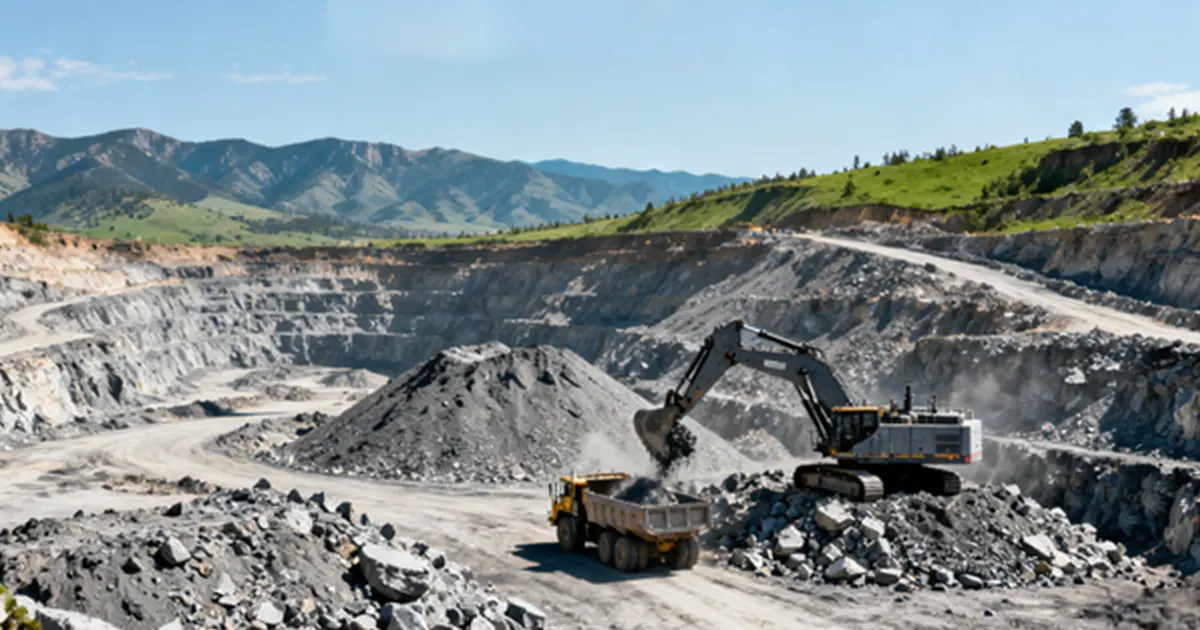
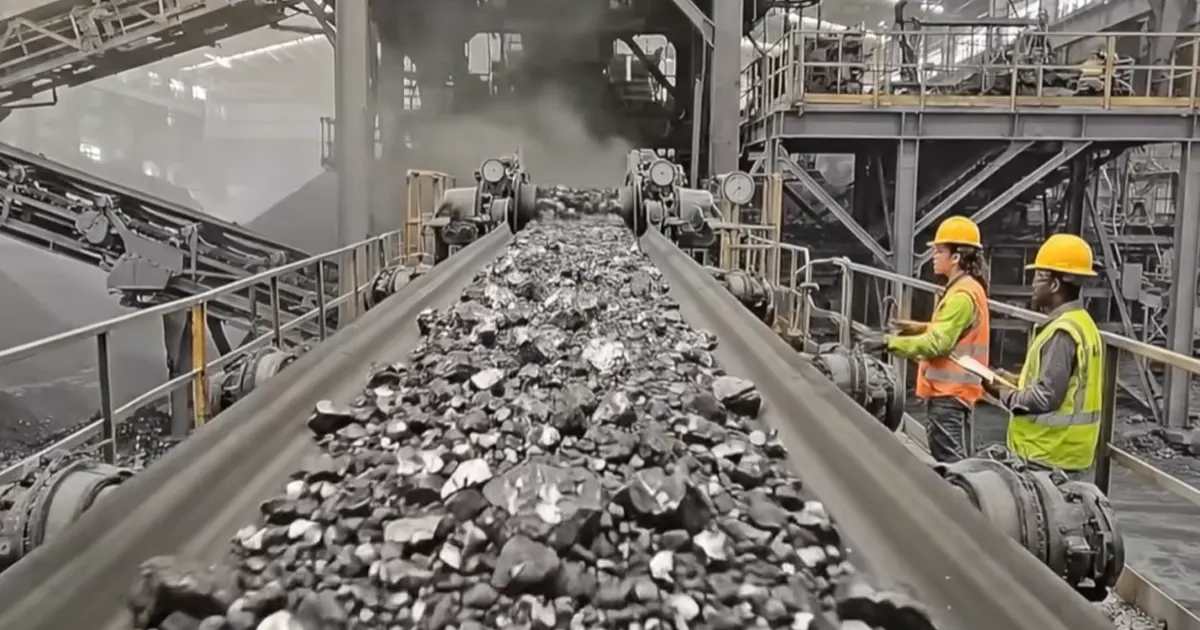
Vibrating screens are used a lot in mining and quarrying. These machines help sort rocks, ores, and minerals by size. In mining, you must separate good materials from waste. Vibrating screens make this job faster and more exact. They can handle heavy loads and work with lots of material at once.
Here’s how different places use vibrating screens in mining:
| Region | Market Share | Key Drivers |
|---|---|---|
| Mining Sector | 36.6% | High need for sorting ores and bigger mining operations. |
| North America | 32% | Used in mining, building, and construction. Newer equipment is being used more. |
| Latin America | 6% | Mining is important here, so they invest in better screening machines. |
Mining uses vibrating screens the most. You need strong machines to keep up with the need for minerals and metals. The right vibrating screen gives you better results and less time fixing things.
Aggregates and Construction
In construction, you need clean and sorted materials. Vibrating screens help you get the right size gravel, sand, and crushed stone. This makes roads, buildings, and bridges stronger and safer.
- Vibrating screens sort gravel, sand, and crushed stone by size.
- Sorting makes your materials better and keeps other machines safe.
- When you use well-sorted materials, roads and surfaces last longer.
Tip: Good screening saves money on repairs and helps finish projects on time.
Recycling and Waste
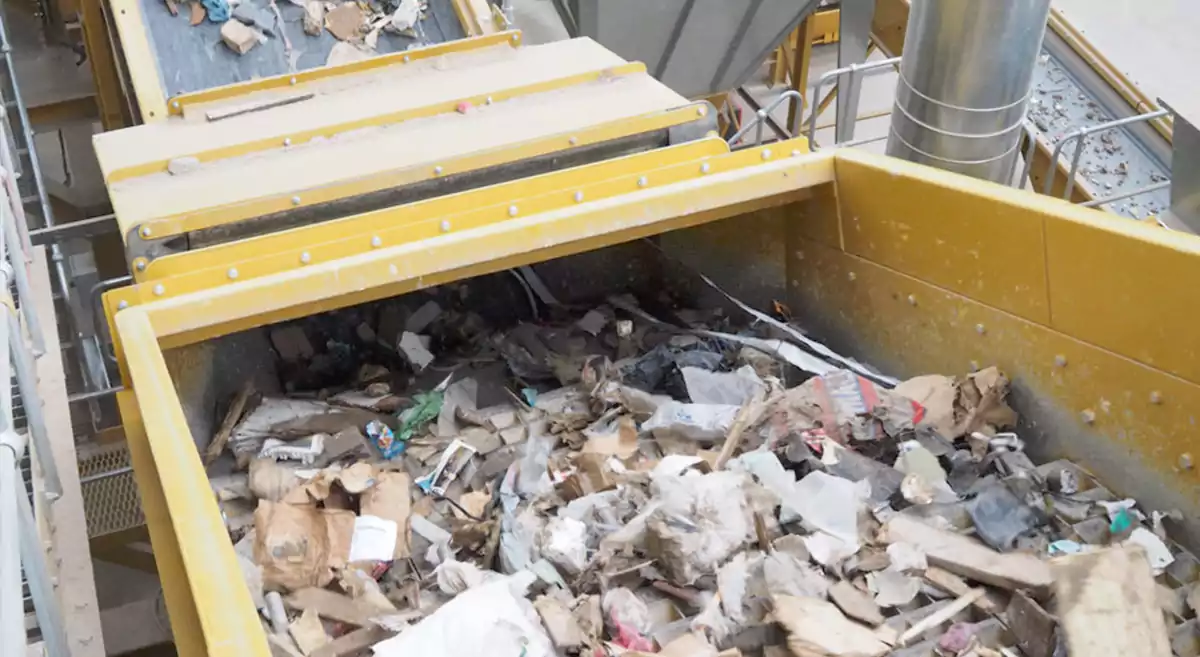
Recycling centers and waste plants use vibrating screens to sort and clean materials. You want to get the most value from recyclables and make less waste. Vibrating screens help you do both jobs.
Here’s how they help in recycling and waste:
| Function | Description |
|---|---|
| Material Separation | Vibrating screens sort things by size and weight. This is important for recycling. |
| Contamination Reduction | They help make recycled materials cleaner and better. |
| Optimized Throughput | These machines keep things moving, so your plant works well. |
| Density Separation | You can sort light and heavy things, making it easier to get valuable recyclables. |
| Prevention of Screen Blinding | The shaking stops sticky or wet stuff from blocking the screen. |
You can count on vibrating screens to keep your recycling plant working. They help you get cleaner, more valuable materials and send less waste to landfills.
Other Industries
You might think vibrating screens only work in mining or construction, but they help many other industries too. These machines make sorting and separating materials much easier. You can find them in places you might not expect.
Here are some industries where vibrating screens play a big role:
- Food Industry: You use vibrating screens to grade food particles. They help you sort grains, sugar, salt, and even spices by size. This keeps your products clean and safe to eat.
- Pharmaceuticals: In this field, you need to separate powders and granules. A vibrating screen helps you get the right size for pills and capsules. You can trust the machine to keep your products pure.
- Chemical Industry: Chemicals often come in different shapes and sizes. Screening helps you sort them before mixing or packing. This step makes your process smoother and safer.
- Agro Products Manufacturing: If you work with seeds, grains, or animal feed, you need to sort them by size. Vibrating screens help you remove dust and broken pieces, so your products stay high quality.
- Oil Industry: You use these machines to separate solids from liquids. This keeps your oil clean and ready for use.
- Rubber Industry: Here, you need to sort rubber crumbs or powder. A vibrating screen helps you get the right size for making tires or other products.
- Paper and Pulp Industry: You use screening to separate fibers and remove unwanted bits. This gives you smoother paper and better results.
- Sugar Industry: You need to grade sugar crystals by size. Vibrating screens help you get the right texture for your products.
- Mineral Processing Plants: You sort minerals by size and shape. This step helps you get pure materials for further use.
Did you know? Vibrating screens can even help you recycle materials like plastic, paper, and metal. They sort items quickly, so you can reuse more and waste less.
You can see that vibrating screens are not just for heavy industries. They help you in food, medicine, chemicals, and more. If you need to sort, clean, or grade materials, a vibrating screen can make your job easier and your products better.
Vibrating Screen Capacity Factors
Mesh Size and Aperture
Mesh size and aperture change how much your screen can handle. The holes in the screen media decide what goes through and what stays. If you choose the right aperture, your job gets easier and you have less downtime. Look at this table to see how different aperture sizes affect screening:
| Aperture Size (mm) | Screening Efficiency Trend | Notes on Performance |
|---|---|---|
| 6 | Decreased efficiency | Lower limit for small particles to pass |
| 7 | Increased efficiency | Optimal for small particles |
| 8 | Optimal efficiency | Best performance observed |
| 9 | Decreased efficiency | Sacrifices placement efficiency of fines |
A mesh that is too small slows everything down. If it is too big, you lose sorting accuracy. The best mesh size is usually in the middle. You should match your mesh size to your material for the best results.
Material Properties
Material properties are very important for vibrating screen capacity. Some materials move through the screen easily. Others can cause problems. Here are the main things to watch:
- Particle Size: More easy-to-screen particles mean higher screen capacity. Harder particles slow things down.
- Material Moisture: Wet materials stick together. This makes screening harder and may need a bigger mesh.
- Mud Content: Clay and mud can block the screen. This lowers screen capacity and makes things less efficient.
- Material Shape: Round particles go through faster. Odd shapes get stuck and slow things down.
- Particle Size Distribution: A mix of sizes can block holes. This lowers screen capacity.
- Bulk Density: Heavy materials need more energy to move. This can slow down your operation.
Tip: If you work with sticky or muddy materials, try self-cleaning screens or urethane panels. These help your machine run better and reduce downtime.
Vibration Settings
Vibration settings change how well your screen works. You control how fast and hard the screen shakes. Here is how different settings affect your work:
| Factor | Impact on Efficiency |
|---|---|
| Feed Rate | Lower feed rates give particles more time to separate. Higher rates can overload your screen and reduce capacity. |
| Screen Angle | A steeper angle moves material faster but may lower the number of particles passing through. |
| Vibratory Intensity | Stronger vibrations keep holes clear and help with higher feed rates. Too little vibration can cause blinding. |
You need to balance feed rate, screen angle, and vibration strength. If you set them right, your screen works better and faster. If you set them wrong, you get clogs, slowdowns, and waste time.
Remember: The right settings and screen media can make a big difference every day. Always check your screen capacity and adjust when needed.
Throughput and Efficiency
You want your vibrating screen to move as much material as possible while keeping the quality high. Throughput means how much material passes through the screen in a set time. Efficiency tells you how well the machine separates what you want from what you do not need. Both matter if you want to get the most out of your screening process.
Several things can change your throughput and efficiency. The speed of the vibration, the angle of the screen, and the type of material all play a part. If you feed too much material at once, the screen can get overloaded. When this happens, small pieces may not have time to fall through the holes. You end up with mixed piles and more work later.
You can boost efficiency by matching the feed rate to your screen’s size and power. Try to keep the material spread out in a thin, even layer. This way, every particle gets a fair chance to pass through. If you notice clumps or slow spots, adjust the vibration settings or the feed rate.
The type of screen media you use also changes your results. Self-cleaning screens and modular urethane panels help keep the holes clear. These screens stop sticky or wet materials from blocking the mesh. When the screen stays open, you get steady throughput and better separation. You spend less time stopping the machine to clean or fix it.
Tip: Regular checks and small adjustments can make a big difference. Watch for signs of clogging or uneven flow. A quick fix now saves you time and money later.
Maintenance and Wear
Every vibrating screen faces wear and tear. Moving parts, heavy loads, and rough materials all put stress on the machine. If you ignore maintenance, you risk breakdowns and lost time. You want to keep your screen running smoothly with as little downtime as possible.
Some screen media types make this job easier. Self-cleaning screens, like flip flop mesh, use a special design that shakes off sticky bits. This keeps the screen clear and working, even with tough materials. The modular layout lets you swap out worn panels fast. You do not need to take apart the whole machine, so you get back to work sooner.
Polyurethane screens also help you cut down on maintenance. They last longer than wire mesh and resist clogging. You can use them for wet sorting or dewatering jobs. Poly ripple screens are light and easy to handle. They lower the risk of injury and last up to twice as long as regular wire screens. This means fewer replacements and less time spent fixing things.
Note: Choosing the right screen media saves you money on repairs and keeps your operation running. Less downtime means more material processed and higher profits.
When you pick self-cleaning or urethane panels, you make your screening process smoother. You spend less time on repairs and more time getting the job done.
Vibrating Screen Advantages
High Efficiency
You want your screening to be quick and correct. Vibrating screens help with this. They shake hard to move materials over the screen. The shaking lets more pieces fall through the holes. This means your screen works better each time you use it.
Many businesses use vibrating screens because they work well. These machines can handle big jobs and keep up with your needs. If you set them right, you get good results, even with hard materials. Changing things like how fast it shakes or the angle can make your screen work better. You can always change these settings to fit your material and get the best results.
Here’s why vibrating screens are great for screen efficiency:
| Feature | Benefit for You |
|---|---|
| Strong Vibrations | More material goes through, less gets stuck |
| Adjustable Settings | You can change things for better performance |
| High Productivity | You finish more work in less time |
Tip: To get more done, try to make your screen work better. Even small changes can help a lot.
Durability and Wear Resistance
You want machines that last a long time. Vibrating screens are made for hard work. If you use special screen media, like thick wires or extra polyurethane, your screen can handle more shaking. This helps your screen last longer, even if you use it all day.
You do not have to worry about common problems like blinding or pegging. The special materials and smart design keep your screen working longer. You spend less time fixing it and more time working. This is good for your business.
- Special screen media can take heavy use.
- Thick wires and polyurethane make it stronger.
- Your screen lasts longer and works better.
Note: Picking the right screen media helps your screen work better and saves money on new parts.
Maintenance Ease
No one likes to stop work for a long time. With a vibrating screen, you can change the mesh fast and easy. The simple design means you do not need special tools or lots of time to fix it. You get back to work quickly, and your job keeps going.
- Fast mesh changes mean less time stopped.
- Simple design makes fixing easy.
- Regular checks help your screen keep working well.
If you want your screening to go smoothly, pick a machine that is easy to take care of. Vibrating screens make it easy to do maintenance and avoid long stops.
Remember: Easy maintenance means more time working and better results for your business.
Versatility
You want a machine that does more than one thing. A vibrating screen gives you this choice. You can use it in many jobs and with many materials. This machine changes to fit what you need. It works with rocks, powders, or even food.
Here are some ways you can use a vibrating screen:
- It separates things by size, so you get the right product.
- It sorts things by shape or weight.
- It helps your products stay the same quality.
You will see vibrating screens used in many places. Look at this table to see which type fits each job:
| Type of Vibrating Screen | Application | Material Type |
|---|---|---|
| Linear Vibrating Screen | Mining | Coarse aggregates |
| Circular Vibrating Screen | Food Processing | Fine powders |
| High-Frequency Screen | Pharmaceuticals | Granular materials |
You might work in mining, food, medicine, building, or recycling. No matter what you do, a vibrating screen can help. This machine keeps your products clean and sorted. Your customers get better quality.
Tip: If you need to change what you screen, you can adjust the setup. This saves time and helps you keep up with new jobs.
Vibrating screens are important because they fit your process. You can trust them to work as your business grows or changes.
Cost-Effectiveness
You want to save money and get the most from your machine. A vibrating screen helps you do this. New designs use less power and last longer. You spend less on energy and repairs.
See how these features help you save:
| Feature/Benefit | Description |
|---|---|
| Low-energy motors | Use up to 25% less power, so your bills are lower. |
| Recyclable screen media | Last longer and make less waste, saving money and helping the planet. |
| Modular screen panels | Let you change parts fast, so you stop work less often. |
| Automated monitoring systems | Find problems early, so you do not have big breakdowns. |
| High-throughput screens | Move more material at once, so you need fewer machines. |
| Hygienic designs | Make cleaning easy, which helps in food jobs. |
| Return on investment | You can get your money back in 12–18 months with these upgrades. |
| Energy and maintenance savings | New designs use up to 20% less energy and cost 15% less to fix. |
Every part of a vibrating screen is made to help you save. You use less energy, fix things less, and finish more work. If you want a smart buy, this machine gives you value for years.
Note: When you pick the right screen, you spend less and earn more. That is good for your business.
Conclusion
If you know how a vibrating screen works, you can make smarter choices. The way the machine moves and sorts materials helps you pick the right screen and media. You need to think about what your job needs before you choose. This is important because:
- You can match the vibration style to your material for better results.
- You pick the best vibration type for strong and efficient work.
- You set up the screen decks to get the cleanest sorting.
ANPENG has woven wire mesh, polyurethane screens, self-cleaning screens, and urethane panels. You can find the right option for any job you have. ANPENG makes vibrating screens and screen media for many uses. They offer lots of choices for your screening needs. You can contact them to get help picking the best screen type and size for your project.
FAQ
What is the main job of a vibrating screen?
You use a vibrating screen to sort materials by size. The machine shakes, and smaller pieces fall through holes while bigger ones stay on top. This helps you get clean, sorted piles for your next step.
How do you choose the right screen media?
You look at your material and job needs. Woven wire mesh works for most dry jobs. Polyurethane screens last longer with rough stuff. Self-cleaning screens help with sticky or wet materials. Pick what fits your work best.
Why does my screen get clogged sometimes?
Sticky or wet materials can block the holes. If you see clogs, try self-cleaning screens or adjust the vibration settings. Keeping the screen clean helps your screening process run smoothly.
How often should you check your vibrating screen?
You should check your machine every day before you start work. Look for loose bolts, worn parts, or blocked holes. Regular checks help you catch problems early and keep your machine running longer.
Can you use a vibrating screen for wet materials?
Yes, you can. Many people use vibrating screens for wet or sticky materials. Just make sure you pick the right screen media, like self-cleaning or polyurethane screens, to stop clogs and keep things moving.
What makes screening more efficient?
You get better results by matching the screen size, vibration settings, and feed rate to your material. Spread the material in a thin layer and keep the screen clean. Small changes can make your screening faster and more accurate.