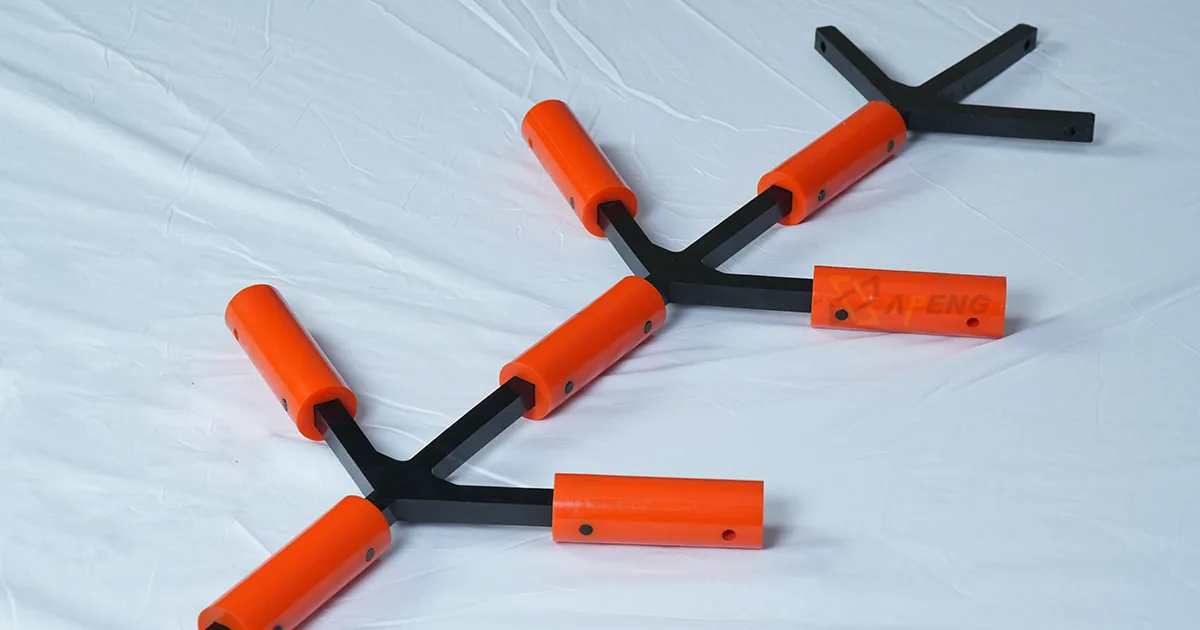
You may ask, What are Polyurethane Declogging Rods? These rods help your screening and filtration systems work well. Polyurethane makes each rod strong and bendy. You get better declogging, so there is less clogging. Sieving becomes faster. If you want your process to be better, these rods can help a lot.
Key Takeaways
- Polyurethane declogging rods help screens work better by stopping clogs. They make the system more efficient.
- Polyurethane is flexible, so rods can bend and take hits. This helps them move with the screen and last longer.
- These rods are strong and do not get damaged by chemicals. This makes them good for hard jobs in factories.
- Pick rods that fit your screens to stop clogs best.
- Putting in rods is simple. Most rods snap or clip on easily.
- You do not need special tools.
- Clean and check rods often to keep them working well. This also helps them last longer.
- Polyurethane rods can cut down on stoppages. They help materials move faster in your system.
- To get the best results, use rods that match your screen and materials.
What Are Polyurethane Declogging Rods
When you ask, what are polyurethane declogging rods, you want to know what makes them special. These rods help you keep your screening and filtration systems running smoothly. They use a unique material and smart design to stop blockages and boost anti-clogging performance. Let’s break down what makes them work so well.
Polyurethane Material
Elasticity and Flexibility
You might wonder why so many people choose flexible polyurethane rods for anti-clogging. The answer is in the way they bend and move. When you use these rods, you get a tool that can handle tough jobs without snapping or wearing out fast. Here’s how they stack up against other materials:
- Polyurethane rods easily knock loose any material stuck on your screens because they flex and bounce back.
- You get more durability and less risk of blinding compared to other rod types.
- These rods work best on most screens, but you should avoid using them on very fine wire mesh. They might be too strong and could damage delicate screens.
This flexibility means you can trust them to keep your screens clear and your process moving.
Durability
You want your declogging rods to last. Polyurethane gives you that. These rods resist wear and tear, even when you use them every day. They stand up to harsh materials and rough handling. You do not have to replace them often, so you save time and money. Their tough build makes them a top choice for anti-clogging in busy plants.
Rod Design
Shapes and Sizes
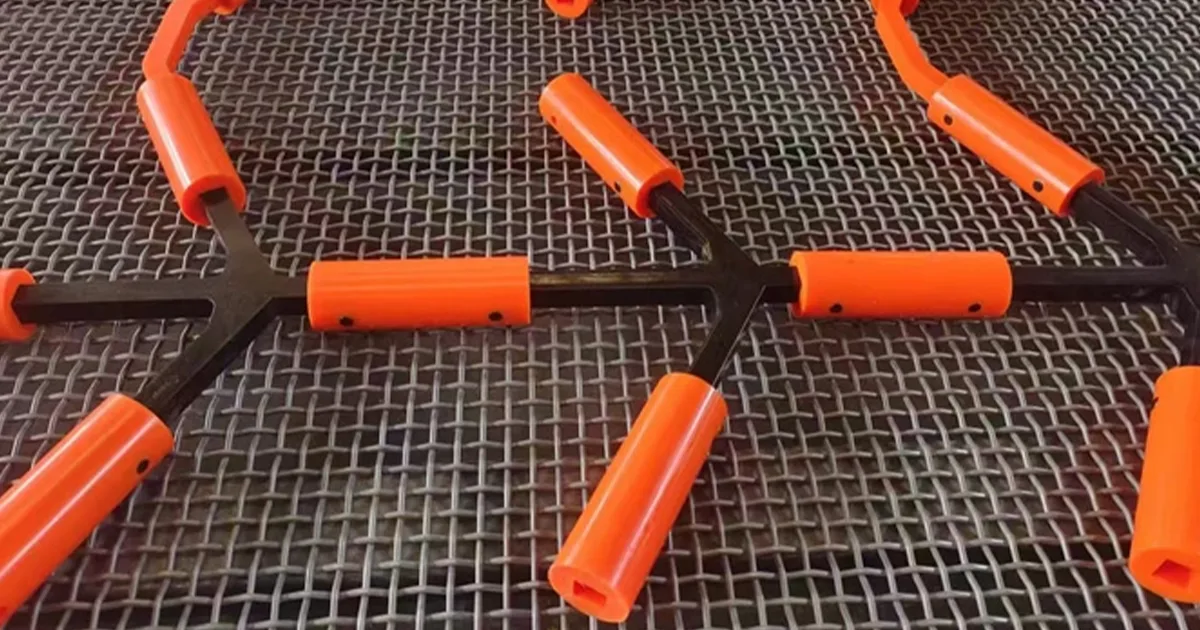
When you look at what are polyurethane declogging rods, you see many shapes and sizes. Some rods are round, while others are flat or oval. You can pick the size that fits your screen best. This choice helps you get the right anti-clogging action for your job. You do not have to settle for a one-size-fits-all solution.
Attachment to Screens
You can attach pu declogging rods to your screens in different ways. Some snap in place. Others use hooks or clips. This makes it easy for you to install or remove them. You do not need special tools. You can swap them out fast if you need to clean or replace them. This simple setup helps you keep your anti-clogging system working with less effort.
How They Work
Vibration and Movement
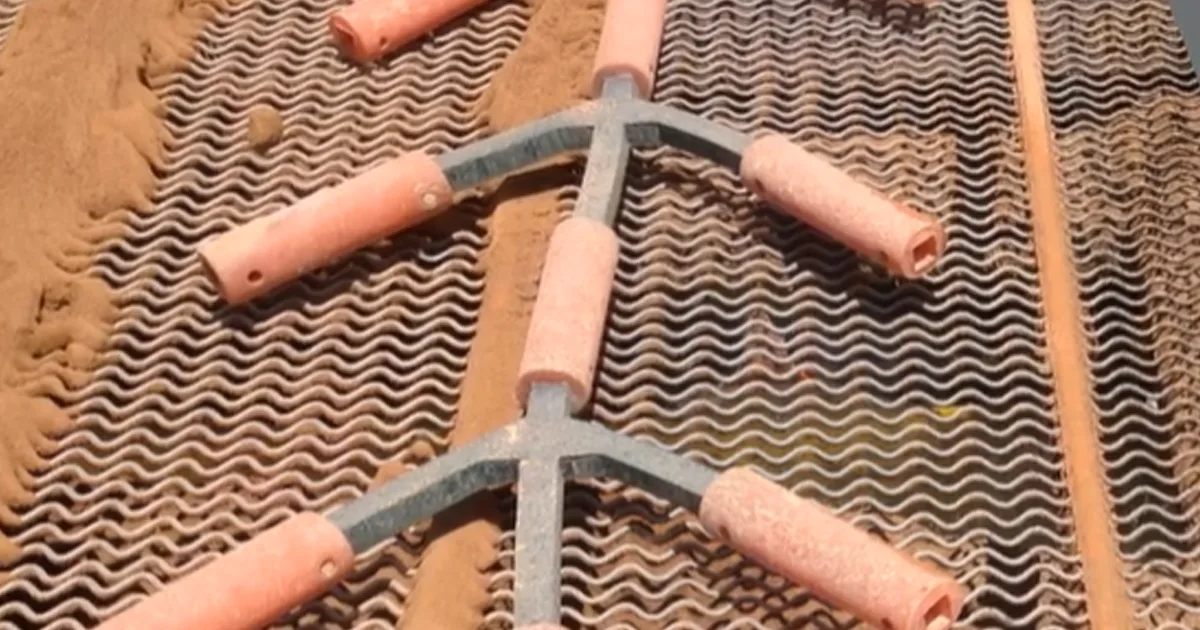
When your screen shakes, the rods move with it. This movement is key to anti-clogging. The rods hit the screen surface and bounce. This action knocks loose any material that tries to stick. You get a steady flow of material and fewer blockages. The rods do the hard work for you.
Preventing Clogging and Blinding
You want to keep your screens open and clear. That’s where pu declogging rods shine. They stop material from building up and blocking the holes. This means you get better anti-clogging and less downtime. You spend less time cleaning and more time running your process. If you care about preventing blockages, these rods are a smart choice.
Tip: If you want the best results, match the rod size and shape to your screen and material. This helps you get the most out of your anti-clogging system.
So, what are polyurethane declogging rods? They are flexible, tough tools that keep your screens clear. You get better anti-clogging, less downtime, and a smoother process every day.
Key Features of PU Declogging Rods
Flexibility and Shock Absorption
You want your screening system to work without constant interruptions. PU declogging rods give you that advantage. These rods bend and flex with every shake of your screen. When you use them, you notice how they absorb shocks and keep the screen from getting damaged. The rods move with the screen, knocking loose stuck material. This action helps your system stay self-cleaning. You spend less time worrying about blockages and more time getting work done.
Here’s a quick look at what flexibility and shock absorption mean for you:
- Less wear on your screens
- Fewer repairs needed
- More self-cleaning action during operation
Tip: If your screens handle heavy loads, flexible rods can make your system last longer.
Chemical and Abrasion Resistance
You deal with tough materials every day. PU declogging rods stand up to chemicals and rough particles. The polyurethane material resists acids, oils, and other harsh substances. You don’t have to worry about the rods breaking down or losing their self-cleaning power. Abrasion resistance means the rods keep working even when you run abrasive materials through your screens.
Check out this table to see how PU rods compare to other materials:
| Feature | PU Declogging Rods | Metal Rods | Rubber Rods |
|---|---|---|---|
| Chemical Resistance | High | Medium | Low |
| Abrasion Resistance | High | Medium | Medium |
| Self-Cleaning Ability | Excellent | Good | Fair |
You get a rod that lasts longer and keeps your system self-cleaning, even in tough conditions.
Safety and Ease of Use
You want tools that are safe and simple. PU declogging rods deliver both. The rods are lightweight, so you can install and remove them without heavy lifting. You don’t need special tools. The self-cleaning design means you spend less time cleaning screens by hand. That lowers your risk of injury and keeps your workspace safer.
Here’s why you’ll like using PU rods:
- Easy to handle and install
- No sharp edges to cut you
- Self-cleaning action reduces manual cleaning
Note: Always check your rods for wear before each use. Safe tools help you avoid accidents.
PU declogging rods give you flexibility, durability, and a self-cleaning system that works hard for you. You get better performance, less downtime, and a safer work environment.
Declogging Benefits in Screening Systems
Optimizing Sieving Efficiency
You want your screening system to work fast and smooth. Declogging rods help you get there. When you use these rods, you notice that your screens stay clear. Material passes through without getting stuck. You see more product sorted in less time. The rods keep the holes open, so you do not lose valuable material. You get better results with less effort.
Here’s how you can boost sieving efficiency with declogging rods:
- Keep screens open for longer periods
- Reduce the need for manual cleaning
- Increase the amount of material processed per hour
Tip: If you want to improve your output, check your rods often and replace worn ones quickly.
Reducing Downtime
Downtime can slow you down and cost you money. You want to avoid it as much as possible. Declogging rods help you keep your system running. When you use these rods, you spend less time stopping to clean screens. You do not have to shut down your equipment as often. The rods work while your system runs, knocking loose any stuck material.
Let’s look at some ways declogging rods help you save time:
| Problem | Solution with Declogging Rods | Result |
|---|---|---|
| Blocked screens | Rods knock material loose | Less downtime |
| Frequent cleaning | Self-cleaning action | More uptime |
| Slow flow | Continuous declogging | Faster process |
You get more work done in less time. Your team stays busy, and your machines keep moving.
Enhancing Material Flow
You want a steady flow of material through your screens. Declogging rods make this possible. When you install these rods, you see fewer clogs and jams. Material moves smoothly from one end to the other. You do not have to worry about sudden stops or uneven flow. The rods keep everything moving.
Here are some benefits you notice right away:
- Consistent product quality
- Fewer interruptions in your process
- Easier handling of wet or sticky materials
Note: If you process materials with high moisture, declogging rods can help you avoid messy buildups.
Declogging rods give you a simple way to keep your screening system working at its best. You get faster sieving, less downtime, and smoother material flow. Your process becomes easier to manage, and your results improve every day.
Applications of Polyurethane Declogging Rods
You may ask where you can use polyurethane declogging rods. These tools work in many industries. They help solve screening and filtration problems. Let’s look at some common uses.
Industrial Screening
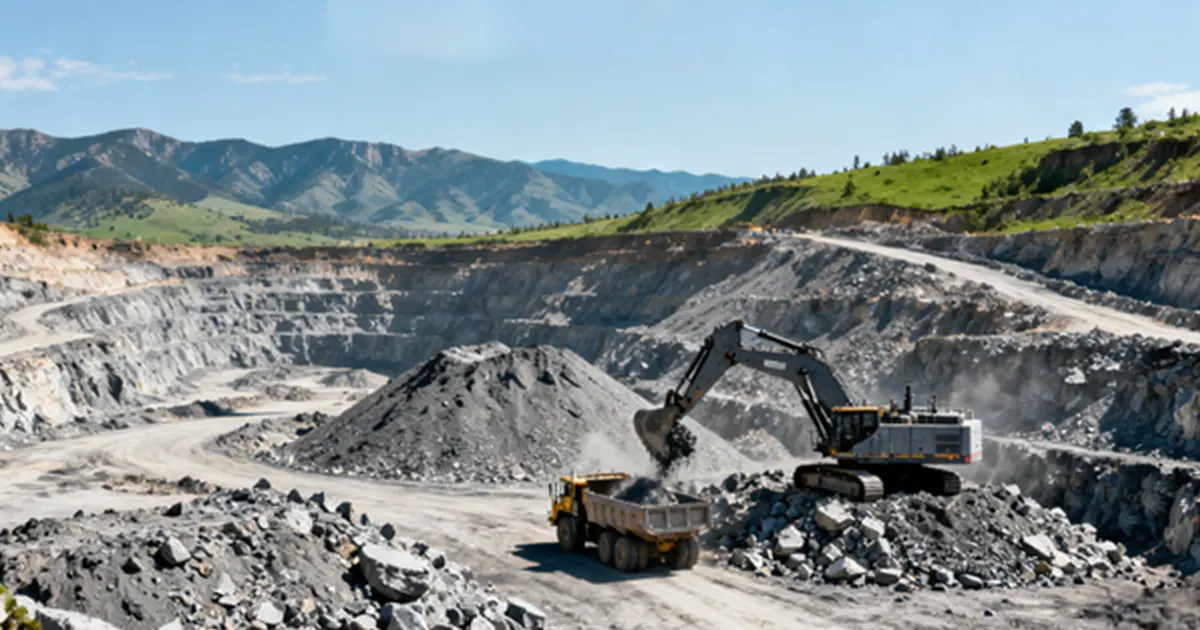
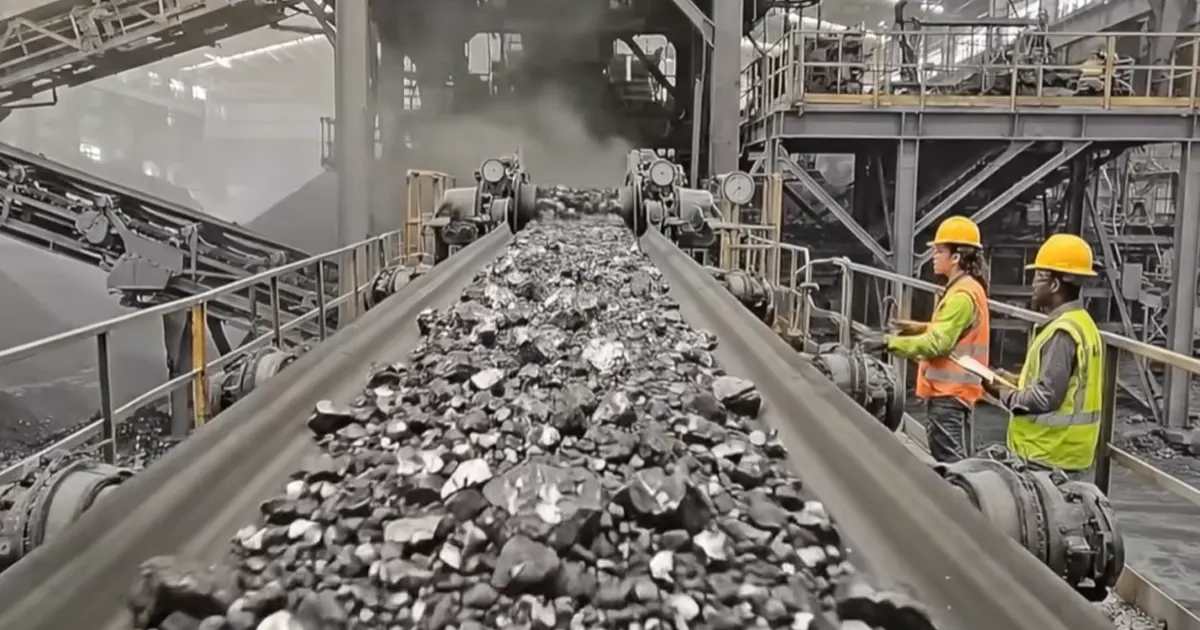
Big industries use these rods often. They keep screens clear when sorting materials. If you work in mining, screens clog fast. Polyurethane rods help stop clogs. You also see them in recycling and concrete plants. Here are some places you find them:
| Industry |
|---|
| Mining |
| Aggregate Processing |
| Recycling |
| Concrete |
You get smoother flow and less downtime. You can focus on your main job. You do not have to stop and clean screens as much.
Filtration Systems
Filtration systems clean or separate materials. Polyurethane declogging rods work well in many filters. They are great for sticky, rough, or wet materials. You might see them in water treatment plants. Keeping filters clear is important there. These rods help with high-precision and high-capacity jobs. Look at this table to see where they work best:
| Filtration System Type | Effectiveness of Polyurethane Declogging Rods |
|---|---|
| Abrasive Materials | Require hardened steel or polyurethane |
| Sticky Materials | Benefit from self-cleaning screens |
| High Precision Screening | Ideal for polyurethane screens |
| High Capacity Screening | Robust metal screens suitable for scalping |
| Fine, Abrasive, or Corrosive | Polyurethane screens resist blinding |
| Damp, Sticky Materials | Self-cleaning screens prevent clogging |
You get better results if you match the rod to your filter. This keeps your system working and your product clean.
Maintenance and Cleaning
You want your equipment to last long. Polyurethane rods make cleaning easy. You can remove and clean them quickly. You spend less time fixing problems. You spend more time working. These rods help keep screens and filters in good shape. You do not need special tools or training. Just check, clean, and put the rods back. Your process stays smooth and costs stay low.
Tip: Clean and check rods often. This helps you find worn rods before they cause trouble.
You see pu declogging rods used in many places. They help with declogging, cleaning, and keeping systems efficient. If you want reliable tools for your plant, these rods are a smart choice.
How to Use PU Declogging Rods
Installation Steps
You want to get your PU declogging rods working fast. Start by checking your screen for the right size and shape. Pick rods that fit your screen holes. Most rods snap or clip into place. You do not need special tools. Just follow these steps:
- Turn off your screening system before you start.
- Remove any old rods or debris from the screen.
- Line up each rod with the screen holes.
- Push or clip the rods into place. Make sure they are secure.
- Double-check that all rods sit tight and do not move around.
Tip: If you have a large screen, work in small sections. This helps you avoid missing spots.
Operation Tips
You want your rods to do their job well. When your system starts, watch the rods move with the screen. They should bounce and flex. This action helps with efficient cleaning. If you see rods that do not move, check for blockages or damage. You can swap out any rod that looks worn.
Here are some quick tips for better operation:
- Run your system at the right speed. Too fast or too slow can affect rod movement.
- Check rods during breaks. Look for signs of wear or stuck material.
- Use rods that match your material type. Wet or sticky materials need more flexible rods.
| Problem | What You Can Do |
|---|---|
| Rod not moving | Remove and inspect it |
| Material stuck | Clean rod and screen |
| Rod worn out | Replace with new one |
Note: Always keep extra rods on hand. You can replace them quickly and keep your system running.
Maintenance Guidelines
You want your rods to last and keep your screens clear. Regular cleaning helps a lot. Take out rods and wash them with water or mild soap. Dry them before putting them back. This keeps your system ready for the next job.
Follow these steps to clean and maintain filtration systems:
- Remove rods from the screen.
- Wash rods with water and mild soap.
- Check rods for cracks or damage.
- Dry rods before reinstalling.
- Store extra rods in a dry place.
You should clean rods at least once a week. If you handle sticky or abrasive materials, clean them more often. This keeps your system working and helps you avoid downtime.
Tip: Make a schedule for cleaning and checking rods. This helps you catch problems early and keeps your system safe.
PU declogging rods make cleaning easy. You get efficient cleaning and better results every day. With simple steps, you keep your system running and your screens clear.
PU Declogging Rods vs Other Declogging Tools
Polyurethane vs Metal Rods
You might wonder if polyurethane rods are better than metal rods. Both types help keep screens clear, but they work in different ways. Polyurethane rods bend and flex. Metal rods stay stiff. When you use polyurethane, you get a tool that absorbs shocks and moves with your screen. Metal rods can scratch or damage screens if they hit too hard.
Here’s a quick table to show you the main differences:
| Feature | Polyurethane Rods | Metal Rods |
|---|---|---|
| Flexibility | High | Low |
| Shock Absorption | Excellent | Poor |
| Weight | Light | Heavy |
| Risk of Damage | Low | High |
| Lifespan | Long | Medium |
Tip: If you want to protect your screens and get longer use, polyurethane rods are a smart choice.
Manual vs Mechanical Declogging
You have two main ways to declog your screens. You can do it by hand, or you can use rods that work while your machine runs. Manual declogging means you stop your system and clean the screens yourself. This takes time and can be hard work. Mechanical declogging uses rods like polyurethane ones. These rods move with the screen and knock loose stuck material as your system runs.
Let’s look at the pros and cons of each method:
- Manual Declogging
- You control the cleaning.
- You need to stop your machine.
- You spend more time and effort.
- Mechanical Declogging
- The rods clean while your system runs.
- You save time and energy.
- You get less downtime.
Note: Mechanical declogging helps you keep your process moving. You spend less time cleaning and more time working.
Pros and Cons
You want to know the good and bad sides of each tool. Polyurethane rods have many benefits, but they also have limits. Metal rods and manual cleaning work in some cases, but they can slow you down.
Here’s a list to help you decide:
Polyurethane Declogging Rods
- Flexible and safe for screens
- Easy to install and remove
- Long-lasting and resistant to chemicals
- Not ideal for very fine wire mesh
- Can cost more upfront
Metal Rods
- Strong and sturdy
- Good for heavy-duty jobs
- Can damage screens
- Heavy and hard to handle
Manual Declogging
- Full control over cleaning
- Time-consuming
- Higher risk of injury
If you want less downtime and safer screens, polyurethane rods are a great pick. You get better results and spend less time fixing problems.
Care and Safety for Declogging Rods
Cleaning and Storage
You want your declogging rods to last as long as possible. Regular cleaning helps you keep them in top shape. After each use, remove the rods from your screen. Wash them with warm water and a mild soap. Use a soft brush if you see stubborn dirt or sticky material. Rinse the rods well and let them dry completely before you put them back.
Storing your rods the right way matters too. Keep them in a cool, dry place. Avoid direct sunlight or heat, which can make polyurethane brittle. You can use a storage bin or hang them on a rack. Make sure the rods do not touch sharp objects. This helps you avoid scratches or cuts.
Tip: Clean your rods at least once a week. If you work with sticky or abrasive materials, clean them more often.
Inspection and Replacement
You want your screening system to run smoothly. Inspect your declogging rods often. Look for cracks, bends, or worn spots. If you see any damage, replace the rod right away. Damaged rods do not work well and can hurt your screens.
Here’s a simple checklist for inspection:
- Check for cracks or splits
- Look for signs of wear or thinning
- Make sure rods are straight and not bent
- Test the flexibility by gently bending each rod
If you find a rod that feels stiff or looks damaged, swap it out. Keeping spare rods on hand helps you avoid downtime.
| Inspection Item | What to Look For | Action Needed |
|---|---|---|
| Cracks/Splits | Visible damage | Replace rod |
| Wear/Thinning | Uneven surface | Replace rod |
| Bent Rods | Not straight | Replace rod |
| Flexibility | Feels stiff | Replace rod |
Note: Regular inspection keeps your system safe and efficient.
Safe Handling Practices
You want to stay safe while working with declogging rods. Always turn off your screening system before you install, remove, or clean the rods. Wear gloves to protect your hands from sharp edges on the screen. Lift rods carefully and avoid dropping them.
Here are some easy safety tips:
- Use gloves when handling rods
- Keep your workspace clean and organized
- Store rods away from heavy equipment
- Do not force rods into place; use gentle pressure
If you follow these steps, you lower your risk of injury and keep your rods working longer. Safety helps you get the job done right.
Safety First! Always check your rods and workspace before you start.
Conclusion
You get many good things when you use polyurethane declogging rods. People like them for several reasons. The rods clean themselves, so you do not have to do it. They cover a large area on your screen. You can use them for a long time before replacing. It is easy to put them in place. They work quickly and do not waste time. The rods are strong and do not wear out fast. They clean screens fast and help you work more. You can find rods in many sizes for different jobs.
These rods are helpful for wet, sticky, or tough screening jobs. If you want the best results, choose rods that fit your material and screen.
We manufacture industrial screening media, and we can help you choose the right polyurethane declogging rod. Tell us your material type, moisture level, target cut size, throughput, and vibrating screen model/deck layout—we’ll recommend the best specification for your application.
FAQ
What are polyurethane declogging rods used for?
You use polyurethane declogging rods to keep screens clear in screening and filtration systems. They help knock loose stuck material, so your process runs smoother and faster.
How do I install PU declogging rods?
You snap or clip the rods into place on your screen. You do not need special tools. Make sure each rod fits tightly and does not move around.
Can I use these rods with any screen type?
You can use them with most screens. Avoid using them on very fine wire mesh. The rods might be too strong and could damage delicate screens.
How often should I clean or replace the rods?
Check your rods every week. Clean them with water and mild soap. Replace any rod that looks cracked, bent, or worn out. This keeps your system working well.
Are polyurethane rods safe to handle?
Yes, they are lightweight and have no sharp edges. You should wear gloves for extra safety. Always turn off your equipment before installing or removing rods.
What makes polyurethane better than metal for declogging rods?
Polyurethane bends and absorbs shocks. Metal rods stay stiff and can scratch screens. You get longer life and less risk of damage with polyurethane.