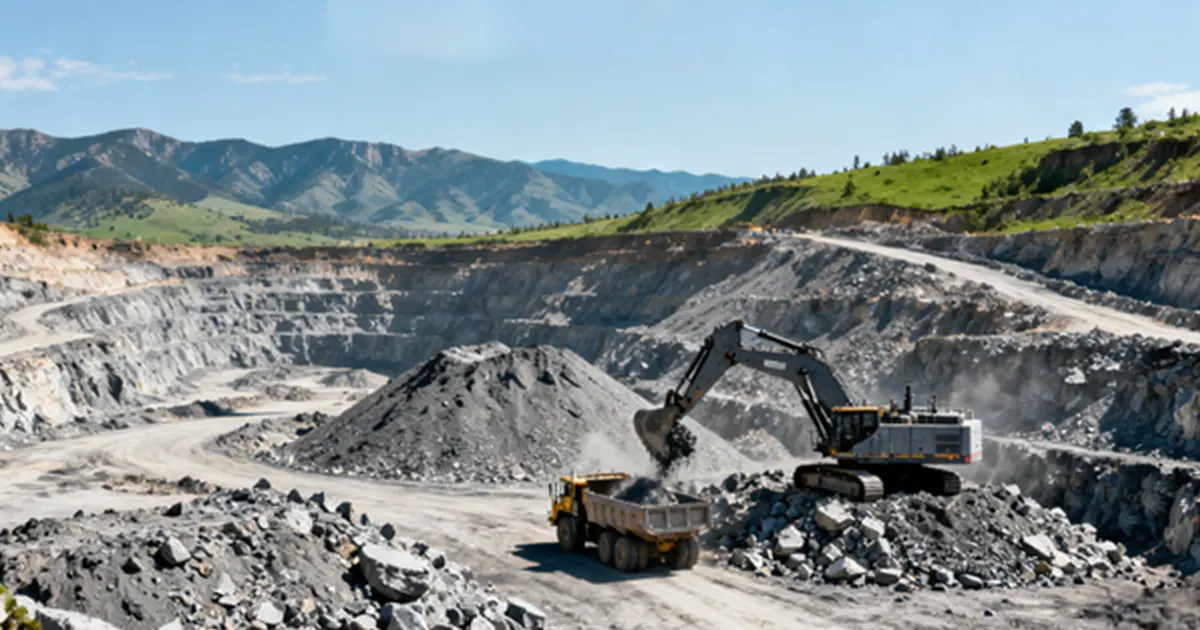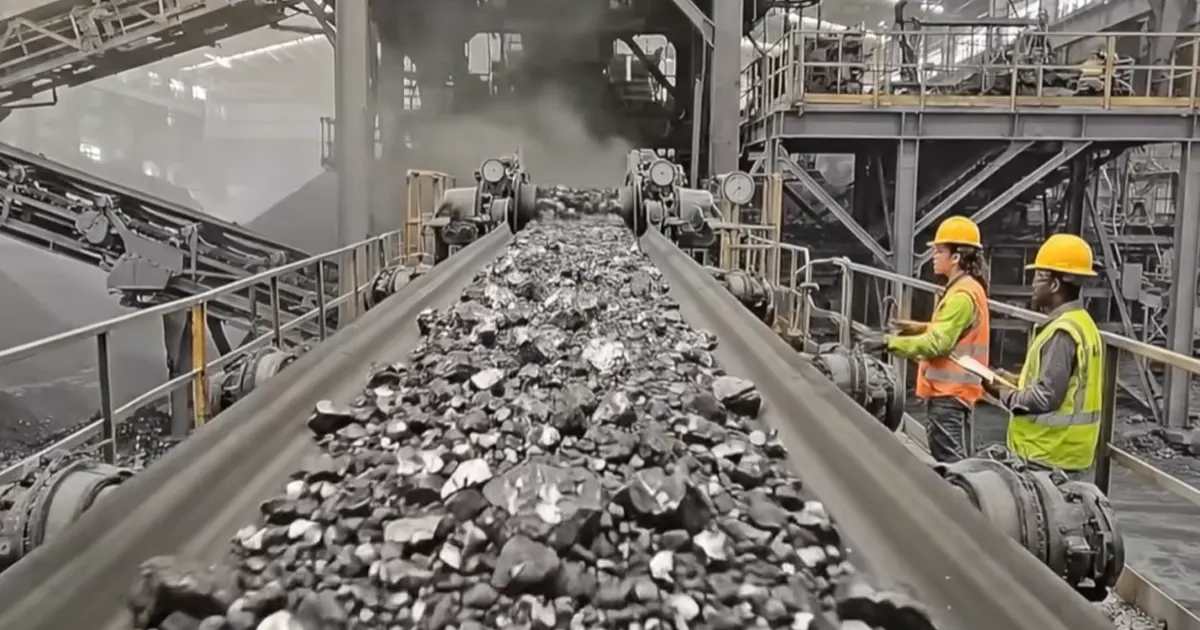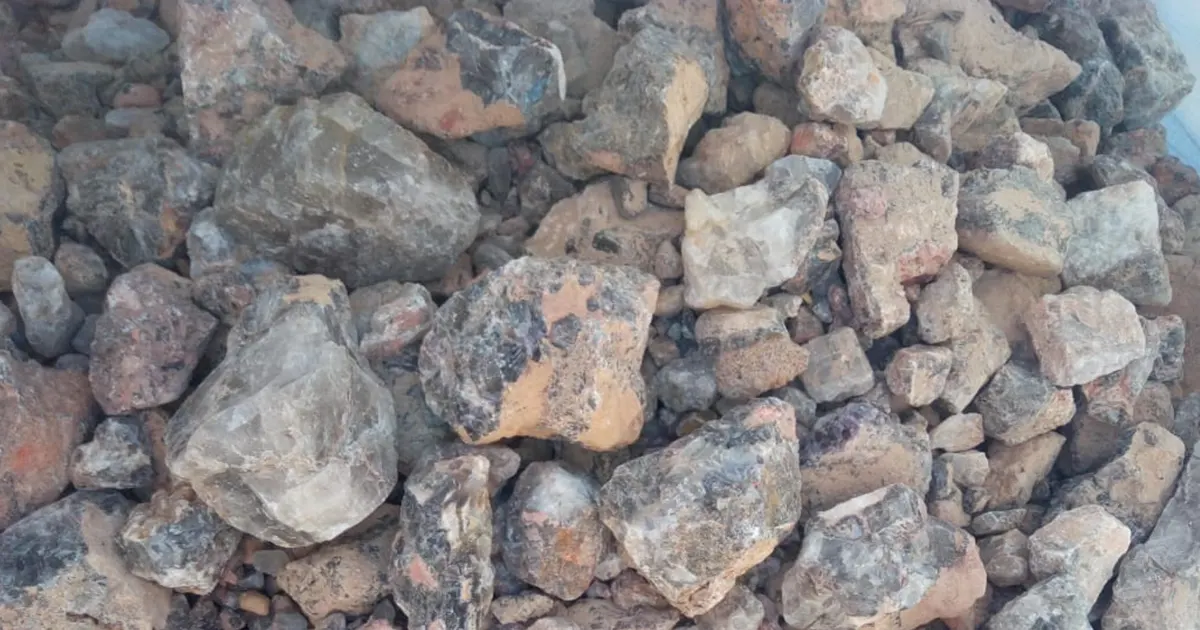
When you learn about what is manganese steel, you will see it is also called Hadfield steel or mangalloy by people who work in factories. This steel is special because it has 12-14% manganese and about 1.2% carbon. These elements make it very tough and help it resist wearing out. It can also get harder with use. You can find this steel in mining, quarry, and aggregate work, where the machines often get hit and scratched.
Key Takeaways
- Manganese steel is also called Hadfield steel. It has 12-14% manganese and 1.2% carbon. This makes it very tough and hard to wear out.
- The special mix of manganese and carbon helps the steel get harder when used. This makes it last longer in tough places like mines and quarries.
- Manganese steel gets stronger when it is hit again and again. This is why it is great for heavy work.
- This steel does not wear out easily. It can last up to 10 times longer than mild steel. This helps save time and money on repairs.
- Manganese steel is very tough. It can take strong hits without breaking. This makes it good for tools and machines that carry heavy things.
- The right heat treatment and making steps are very important. They help manganese steel stay strong and last a long time.
- Taking care of manganese steel is important. Cleaning and oiling it helps it last longer and stops it from wearing out too soon.
- Picking the right manganese steel for the job is important. You should think about how hard it will be hit, how wet it will get, and the size of the material. This can make it work better and faster.
What Is Manganese Steel
You may ask, what is manganese steel and why do people in mining talk about it a lot? This material is different because of its special mix of elements. Manganese steel is not just any high-carbon steel. It has a special recipe that makes it strong and tough.
Alloy Composition
When you learn about what is manganese steel, you see two main elements. These are manganese and carbon. Both are important for how the steel acts.
Manganese Content
Manganese is the main element in this steel. Most regular steels have only a little manganese. But manganese steel has a lot more. Here is what makes it special:
- Manganese steel has about 12% manganese.
- Some steels have only 0.3% manganese, but this steel needs much more.
- The amount can go up to 14%, but not much higher.
- Manganese helps the steel last longer and makes it tougher.
- This element also helps the steel get harder when used.
- Manganese keeps the steel from breaking when hit hard.
- You find manganese steel where machines get hit or scratched often.
- Manganese gives the steel its famous work-hardening power.
- Without enough manganese, the steel would not last in hard jobs.
- Manganese also helps the steel stay strong when it gets hot.
Carbon Content
Carbon is another key element in what is manganese steel. The carbon level is higher than in many other steels.
- Manganese steel has about 1.2% carbon.
- If you add more than 1.4% carbon, the steel can break easily.
- Carbon works with manganese to make the steel hard and strong.
- This element helps the steel not break.
- Carbon also helps the steel keep its shape under pressure.
Unique Structure
You may wonder, what makes manganese steel’s structure so special? The answer is how the elements work together. The steel forms a special structure that is not like other high-carbon steels. Look at this table:
| Feature | Medium Manganese Steels | High-Manganese Hadfield Steels | TWIP Steels |
|---|---|---|---|
| Manganese Content | 5-8% | 10-30% | 10-30% |
| Microstructure | Dual-phase α+γ | Single-phase or complex | Complex |
| Austenite Retention | 15-30% | Low | Low |
| Yield Strength | 910 MPa | Varies | Varies |
| Ultimate Tensile Strength | 1600 MPa | Varies | Varies |
| Elongation | 29% | Varies | Varies |
| Processing Techniques | Intercritical annealing, warm rolling | High-temperature processing | High-temperature processing |
You can see that high-manganese Hadfield steels have a special structure. The elements make the steel tough and able to resist wear. This structure helps the steel take hits and not get damaged. Manganese steel does not crack easily, even when machines hit it hard.
Did you know? Many experts write about what is manganese steel and how it works. They study how the elements make this steel so strong. Manganese steel has been used in tough jobs for a long time.
If you work in mining or places where machines wear out fast, you will like what is manganese steel. Its special mix of elements and unique structure make it great for hard jobs.
Key Properties
Work Hardening
Mechanism
Manganese steel gets stronger when you use it more. This happens because of work hardening. When you hit or scratch the steel, the surface changes. The atoms move and make the steel harder. This keeps happening every time the steel gets hit.
Scientists have looked at how work hardening works in manganese steel. They found that hitting the steel again and again makes it tougher. It also helps the steel resist wearing out. Here is a table with some studies about this:
| Study Title | Focus |
|---|---|
| Study on Impact and Wear Properties of ZGMn13 High Manganese Steel Materials | Looks at how the steel handles impacts and wear, showing how work hardening happens. |
| Hardening mechanism of high manganese steel during impact abrasive wear | Talks about how the steel gets harder when hit many times. |
| Effects of impact energy on the wear resistance and work hardening mechanism | Studies how different impact energies change work hardening in the steel. |
When you use manganese steel in mining or quarry machines, the surface gets hit a lot. Each hit makes the steel harder. This helps the steel handle more stress and last longer. Work hardening makes manganese steel great for surfaces that get hit often.
Industrial Benefits
Work hardening gives manganese steel many good points. Here are some reasons why people use it:
- Manganese steel can take hits longer than other materials. It becomes very hard to wear out.
- It can last up to 10 times longer than mild steel when hit.
- The steel’s toughness is good for mining machines. This means less fixing and better work.
- Manganese steel plates get harder by themselves, so they last longer.
- The plates do not wear out fast, so you do not need to stop for repairs often.
If you use manganese steel, you do not have to fix your machines as much. The steel’s strength and ability to resist scratches help you work more with fewer stops. Work hardening also helps the steel keep its shape and hardness, even in tough jobs.
Toughness
Toughness is another big reason people like manganese steel. You need toughness when your machines get hit hard or carry heavy things. Manganese steel can take strong hits and bend without breaking. This means it keeps working after being hit.
The mix of manganese and carbon gives the steel its toughness. These elements make the steel strong and able to bend. Ductility means the steel can stretch or bend without snapping. You see this toughness in mining tools and big machines.
If you look at manganese steel next to other alloys, you see it is special. Here is a chart that shows how manganese steel compares to other mining materials:
Manganese steel has high strength, can stretch well, and takes hard hits. These things help your machines last longer and work better in hard places.
Tip: If you want your machines to last in rough places, pick manganese steel for its toughness and strength.
Impact Resistance
Impact resistance is why manganese steel is famous in mining. You need materials that can take hits and not break. Manganese steel can handle strong hits and does not crack.
Let’s see how manganese steel is different from regular carbon steel:
| Property | Manganese Steel | Carbon Steel |
|---|---|---|
| Impact Resistance | Very good, takes strong hits | Not as good, breaks easier |
| Work Hardening | Gets harder when hit | Does not get much harder |
| Toughness | Stays tough under stress | Not as tough in hard jobs |
| Wear Resistance | Great, especially after hardening | Only okay |
Manganese steel can last up to 10 times longer than mild steel when hit a lot. It is three times stronger than regular carbon steel. This means you save money and do not have to stop work as much. The steel’s ability to resist scratches and wear makes it the best for surfaces that get hit.
If you work in mining or quarry jobs, you want your machines to be strong and tough. Manganese steel gives you all these things. Its hardness, strength, and ability to resist rust help your machines work better and last longer.
Abrasion Resistance
When you work with manganese steel, you want it to last against scratches and rubbing. Abrasion resistance means the steel can handle rough surfaces and not wear down quickly. This property is important in mining and quarry jobs, where rocks and minerals hit the steel all day.
You might wonder how experts measure abrasion resistance. They use special lab tests to check how much steel wears away. One common test is the Miller test, which follows ASTM G75 standards. Here’s what happens in these tests:
- The Miller test checks how well manganese steel stands up to abrasive wear.
- Scientists add vanadium to the steel to see if it improves resistance.
- With 5.5% and 6.3% vanadium, the steel’s wear rate drops from 1.40 grams to 0.460 grams after 16 hours.
- If you increase vanadium to 8.1%, the wear rate drops even more, down to 0.280 grams after 16 hours.
- This means the steel gets five times better resistance to abrasion.
You get more strength and resistance when you use manganese steel with the right mix of elements. The steel’s surface gets harder as you use it, so it lasts longer in tough jobs. If you want your machines to keep working without wearing out, choose steel with high abrasion resistance.
Tip: If your equipment faces constant scraping or grinding, manganese steel gives you the strength and resistance you need.
Brittleness
Brittleness is the opposite of toughness. You don’t want your steel to crack or break easily. Sometimes, manganese steel can become brittle, especially at high temperatures. This can be a problem in places where machines get very hot.
Several things can make steel brittle. The way you cast the steel matters a lot. If the casting process isn’t good, the steel loses strength. The mix of elements in the alloy also changes how the steel acts. Cooling rates during manufacturing play a big role in the final resistance and strength.
High-temperature brittleness comes from how fast the steel stretches and how well it can bend. If the steel can’t handle plastic deformation, it might crack when it gets hot. You need to pay attention to these factors to avoid problems in your machines.
- Good casting quality keeps steel strong.
- The right alloy composition gives better resistance.
- Proper cooling rates help the steel keep its strength.
If you want your steel to last, make sure the manufacturing process is solid. This way, you get the resistance and strength you need for tough jobs.
Heat Treatment
Heat treatment helps you get the best strength and resistance from manganese steel. You can change how the steel acts by heating and cooling it in special ways. This process makes the steel tougher and less likely to break.
Here are some common heat treatment methods for manganese steel:
- Intercritical annealing (IA)
- Quenching and partitioning (QP process)
- Dual stabilization heat treatment (DSHT)
The heat treatment process changes the steel’s structure. It helps keep austenite stable, which is important for strength and resistance. The temperature and time you use for intercritical annealing matter a lot. You also need to control how fast you cool the steel after heating.
Let’s look at the main steps:
- Choose the right austenitizing temperature.
- Hold the steel at that temperature for the right amount of time.
- Quench the steel quickly to lock in strength and resistance.
If you follow these steps, you get steel with high strength and great resistance to wear and impact. Your machines will last longer and work better in tough places.
Note: Heat treatment is key for getting the most out of manganese steel. If you want top strength and resistance, make sure you use the right process.
Industrial Applications
Mining Equipment
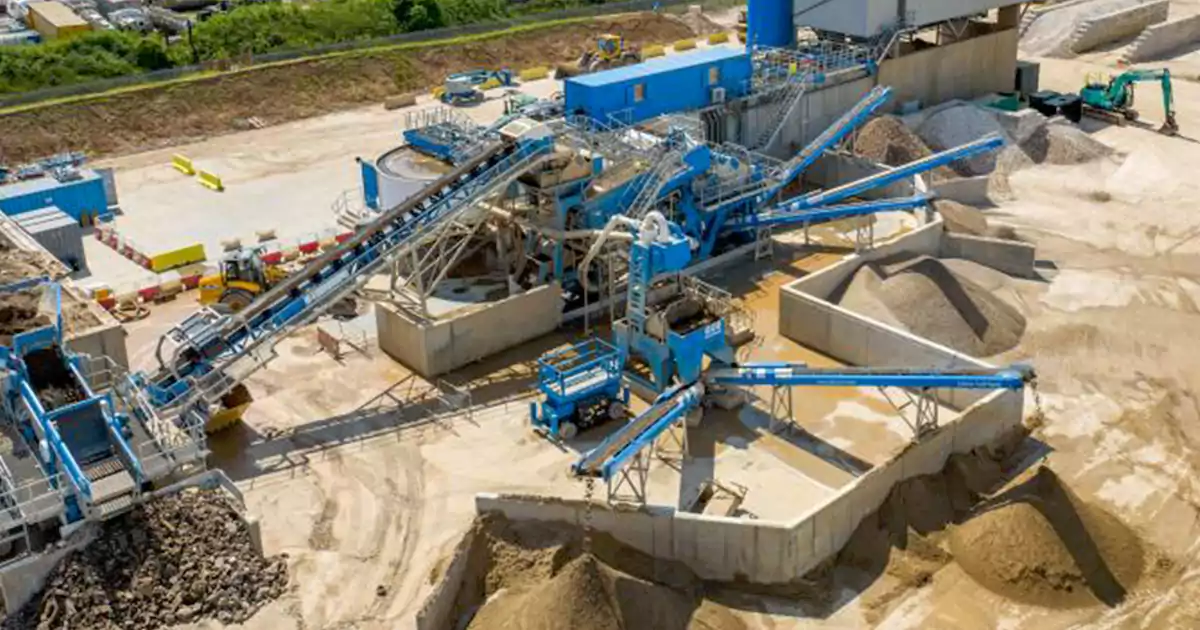
Manganese steel is used a lot in mining machines. It can handle hard jobs where rocks hit the metal. Jaw crushers and cone crushers use this steel to last longer. The steel does not wear out fast, so you fix machines less. This saves you time and money. Manganese steel can bend and stretch without breaking. This helps when machines carry heavy loads or get hit hard. You want your mining tools to last long. Manganese steel helps your tools stay strong.
Quarry & Aggregate Uses
Quarries and plants use manganese steel for many reasons. You need strong metal for grinding and scraping jobs. Manganese steel stands up to hard rocks like granite and quartz. It also works with softer things like asphalt and concrete. The steel gets harder as you use it, so it lasts longer. You get better results and do not have to replace parts often.
Here is a table that shows how manganese steel works in different places:
| Application Type | Material Type | Performance Metrics |
|---|---|---|
| Large Jaw Crushers | High-chromium/manganese steel composite | Good for big jobs, lasts a long time |
| Granite Quarries | High-manganese steel | Great for tough rocks, does not wear out fast |
| Soft Aggregates/Concrete | Medium manganese steel | Works well, gets harder as you use it |
You want your machines to last through hard work. Manganese steel helps by fighting wear and keeping machines running.
- Hard rocks like granite need high manganese steel for best results.
- Softer materials like asphalt use medium manganese steel, which gets harder over time.
Woven Wire Screens
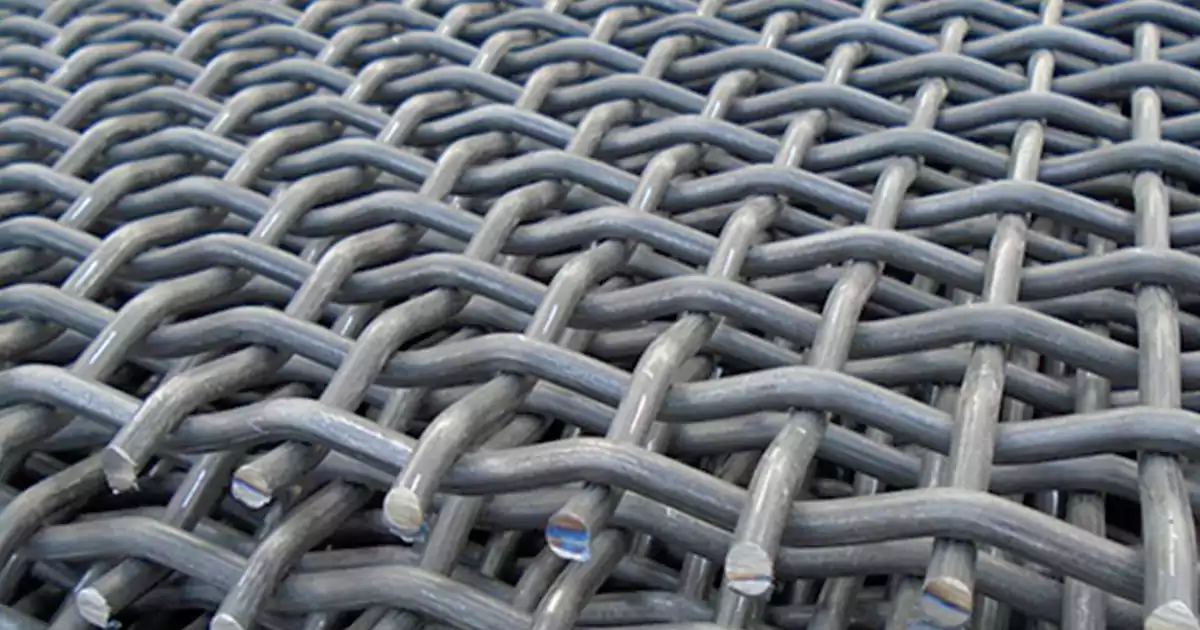
Manganese steel woven wire screens are common in mining and quarry jobs. You want screens that last and keep up with lots of work. These screens form a hard layer as they get used. This means they keep working after many hours of use.
- Manganese steel screens start at HB180-230 hardness. When used, they get even harder, above HRC60.
- These screens last 4-8 times longer than normal screens. You do not have to change them as much.
- The steel lets you use thinner wires, so more material can pass through. You get more work done without losing strength.
Major Wire’s OptimumWire® shows manganese steel can last up to 40% longer than regular wire. You get better results and save money.
Example: ANPENG Screens
ANPENG makes woven wire screens from strong manganese steel. These screens fight wear and last longer. ANPENG designs screens for different jobs and materials. You can pick the right screen for hard rocks or soft materials. The screens keep working in tough places. This helps you spend less time fixing and more time working.
Tip: If you choose manganese steel screens, you get stronger screens and better results in mining and quarry work.
Wear Parts
You see manganese steel used in many tough jobs, but it really shines when you look at wear parts. These are the pieces of your machines that take the most hits, scrapes, and pressure every day. If you work in mining, quarrying, or with aggregates, you know how fast regular parts can wear out. Manganese steel helps you fight this problem.
Let’s look at some common wear parts made from manganese steel and where you find them:
| Wear Part Type | Applications |
|---|---|
| Crusher Jaws | Used in crushing operations |
| Impactors | Utilized for impact crushing |
| Liners | Protects equipment from wear and tear |
You use crusher jaws and impactors in machines that break rocks into smaller pieces. Liners cover the inside of your equipment, so the main body does not get damaged. These parts face a lot of wear every day. Manganese steel gives them the strength to last longer.
Here are more wear parts you might see:
| Wear Part Type | Applications |
|---|---|
| Mantles | Used in cone crushers |
| Bowl Liners | Protects the interior of cone crushers |
| Concaves | Provides support in crushing processes |
Mantles and bowl liners sit inside cone crushers. They help crush rocks and protect the machine from wear. Concaves give extra support during crushing. You want these parts to last, so you do not have to stop work for repairs.
You also find these wear parts in your machines:
| Wear Part Type | Applications |
|---|---|
| Fixed Jaw Plates | Essential for jaw crushers |
| Protection Plates | Shields other components from damage |
| Feed Cones | Directs material into the crushing chamber |
Fixed jaw plates and protection plates keep your crushers working. Feed cones help guide rocks into the right spot. All these parts face constant wear, so you need a material that can handle it.
Tip: If you want your machines to keep running, pick manganese steel for your wear parts. It gets harder as you use it, so it fights off damage and lasts longer.
You can see why manganese steel is the top choice for wear parts. Its toughness, work hardening, and resistance to impact help your equipment stay strong. You spend less time fixing machines and more time getting work done.
Selection Factors
Choosing the right manganese steel for your job can make a big difference. You want your machines to last and work well. To do this, you need to match the material to your needs. Let’s look at what you should think about.
Matching Material
When you pick manganese steel, you need to look at three main things: impact level, moisture, and cut size. Each one changes how the steel works in your machines.
Impact Level
Think about how much impact your equipment faces every day. If your machines crush hard rocks or get hit a lot, you need steel that can handle it. Manganese steel stands out because it gets harder with every impact. This makes it perfect for jobs with strong hits, like primary crushing. You might use manganese steel hammers for these jobs. They work well because they can take repeated impact and keep getting tougher. If your job has less impact, you might look at other alloys, but for heavy impact, manganese steel is the best choice.
Moisture
Moisture can change how your steel wears out. If your material is wet, it can cause the steel to rust or wear faster. Manganese steel does a good job in wet places because it resists rust and keeps its strength. You should still check your machines often if you work with a lot of moisture. This helps you spot any problems before they get worse. When you know your site has high moisture, you can pick manganese steel with the right finish to fight off rust.
Cut Size
Cut size means the size of the material you want to screen or crush. If you work with big rocks, you need steel that can take a lot of impact. Smaller cut sizes might not need as much strength, but you still want good wear resistance. Manganese steel can handle both big and small cut sizes. You just need to choose the right wire thickness or plate size for your job. This helps your machines work better and last longer.
Tip: Always match your steel to the impact level, moisture, and cut size at your site. This helps you get the best results and fewer breakdowns.
Wear Life Considerations
You want your wear parts to last as long as possible. Several things affect how long your manganese steel will work for you.
- The amount of manganese in the steel changes its strength and toughness. More manganese means better impact resistance.
- Heat treatment makes the steel tougher and helps it resist wear from impact.
- The way you use your machines matters. If you feed them the right way and use the right settings, your steel will last longer.
- Quality checks during manufacturing help make sure your parts are strong and reliable.
Here’s a quick table to help you remember what matters most:
| Factor | Why It Matters |
|---|---|
| Manganese Content | Higher content = better impact strength |
| Heat Treatment | Makes steel tougher and longer-lasting |
| Operational Use | Good feeding = less wear from impact |
| Manufacturing Quality | Fewer defects, longer wear life |
If you pay attention to these things, you can get the most out of your manganese steel. Your machines will handle more impact, last longer, and save you money on repairs.
Advantages & Limitations
Benefits
You get a lot of value when you choose manganese steel for your machines. Here’s why many people in mining and quarrying like it:
- Manganese steel lasts much longer than regular steel. You do not have to change parts as often.
- The steel gets harder the more you use it. This means your equipment can handle tough jobs without breaking down.
- You save money on repairs and downtime. Machines keep working, so you get more done.
- Manganese steel works well with thermomechanical processing. This method skips extra heat treatments, so you spend less on energy and lower your costs.
- The steel has good machinability. You can shape it easily, which helps you make parts faster.
- Using manganese steel can lower CO2 emissions. You help the environment by using less energy during production.
Tip: If you want to cut costs and boost efficiency, manganese steel is a smart choice for your operation.
Drawbacks
Manganese steel is strong, but it does have some limits. You should know these before you pick it for your machines:
- The steel can rust or corrode in salty or wet places. If the protective oxide layer gets damaged, the metal underneath can start to break down.
- Manganese steel does not do well in strong acids. It can wear out faster in these conditions.
- It does not resist corrosion as well as stainless steel. You may need to check and maintain your equipment more often if you work in harsh environments.
- In high-moisture areas, the steel can oxidize. If the surface layer breaks, the inside metal can corrode.
- Sometimes, manganese steel can become brittle if not made or treated right. This can lead to cracks or breaks under heavy stress.
Here’s a quick look at the environmental side of manganese steel:
| Environmental Impact | Description |
|---|---|
| Waste Generation | Making manganese steel can create more solid waste per ton, especially with some methods. |
| Water Consumption | Some ways to make the steel use a lot of water. |
| Recycling Efficiency | About 37% of manganese gets recycled, with a 53% efficiency rate. |
| Emissions | The process can release chemicals into the air, water, and soil. |
Note: If you work in wet, salty, or acidic places, you may want to check if manganese steel is the best fit. Always think about the environment and how you can recycle used parts.
Maintenance & Longevity
Extending Wear Life
You want your manganese steel screens to last long. Taking care of them helps a lot. Clean your equipment every day. Remove jams and buildup before each shift. This keeps things working well. You can find problems early this way.
Lubrication is very important. Bearings need grease every 100 hours. Use the grease your maker suggests. Chains and sprockets need grease every week. This stops rust and keeps parts moving.
Do deep cleaning too. Turn the blades and look at the screens once a month. If you see worn spots, change them right away. This keeps machines working well and stops bigger problems.
Here’s a checklist to help you remember:
- Clean out jams and buildup daily.
- Grease bearings every 100 hours.
- Lubricate chains and sprockets weekly.
- Turn blades and check screens monthly.
- Change worn parts before they break.
Tip: Doing maintenance saves you money and worry later. Your machines will work better!
Inspection Guidelines
Regular checks help you find small problems early. You do not need to be an expert. Just follow a simple plan and watch how your equipment looks and sounds.
Check this table for an easy inspection routine:
| Inspection Frequency | Recommended Tasks / Focus Areas |
|---|---|
| Daily | Clear debris, check oil, listen for odd sounds, check safety features |
| Weekly | Look at blades, check belt tightness, check wires, clean vents and conveyors |
| Monthly | Grease all points, tighten bolts, check hydraulics, clean cabinets, test safety locks |
| Professional Service | Every 6 months (busy machines) or yearly (normal); after jams or problems |
Listen for weird noises. They can mean loose or worn parts. Check oil and look for leaks. Tighten bolts and check safety features. Clean vents and conveyors so air can move.
Get a professional check every six months if you use machines a lot. Once a year is fine for lighter use. Always call for help after a jam or if things slow down.
Note: Regular checks keep your manganese steel strong and safe. Your screens and parts last longer, and you avoid big breakdowns.
If you follow these steps, your manganese steel lasts longer and works better. Your machines stay in good shape, and you get more done with less trouble.
Industry Trends
Alloy Innovations
You might wonder how manganese steel keeps getting better. The answer lies in new ideas for alloy design and steel production. Over the past few years, you have seen big changes in how companies approach production. Medium manganese steels now play a huge role in making parts stronger and more flexible. These steels use special heat treatments, like intercritical annealing, to boost ductility. That means your equipment can bend more without breaking.
Steel production has also shifted toward high-strength low-alloy (HSLA) and advanced high-strength steels (AHSS). These new types give you more power and longer wear life. For example, one study showed that medium manganese steel reached a tensile strength of 1262 MPa and an elongation of 16%. This proves that new production methods really work. You get steel that stands up to tough jobs and lasts longer in your machines.
You see these innovations in mining, quarrying, and aggregate work. Companies now focus on steel production that uses less energy and creates less waste. This helps the environment and keeps costs down. When you choose parts made with these new alloys, you get better performance and help the planet.
Tip: If you want your machines to last, look for parts made with the latest alloy innovations. These advances in steel production give you more value for your money.
Screening Media Advances
Screening media has changed a lot, too. You now have more choices for screens that last longer and work better. Manganese steel woven wire screens have become even stronger because of new production techniques. These screens start tough and get harder as you use them. That means you spend less time changing screens and more time working.
Let’s look at what’s driving these changes:
- The market for austenitic manganese steel is growing fast.
- Experts expect a compound annual growth rate (CAGR) of 6.8% from 2025 to 2032.
- This growth comes from more global infrastructure projects and the need for tough materials in mining and aggregate production.
You see companies investing in better steel production to meet this demand. They use new methods to make screens that resist wear and impact. You also find screens that let more material pass through without losing strength. This helps you get more work done with less downtime.
Here’s a quick table to show what’s new in screening media:
| Feature | Old Screens | New Manganese Steel Screens |
|---|---|---|
| Wear Resistance | Moderate | Very High |
| Work Hardening | Low | Excellent |
| Service Life | Short | Long |
| Production Efficiency | Lower | Higher |
If you want to keep up with industry trends, watch for new screening media made with advanced steel production. These products help you save money and boost your output.
Note: The future of mining and aggregate work depends on smart production and better materials. Stay ahead by choosing the latest in steel production and screening media.
Conclusion
You want your machines to last and work well. Manganese steel is known for being tough and strong. It can also get harder the more you use it. When picking screens, remember these things:
- Manganese steel is great for hard jobs because it can take strong hits and bend without breaking.
- The size and wetness of your material change which screen you should use.
- Big, hard things like ores and coal need strong steel to stop them from wearing out the screen.
If you pick a screen that matches your material, how hard it gets hit, how wet it is, and the size you want to cut, your results will be better. ANPENG makes industrial screens and can help you choose the right woven wire screen. They look at your material, how hard it gets hit, how wet it is, the size you want, and your screen’s setup to find the best fit.
FAQ
What makes manganese steel different from regular steel?
Manganese steel has much more manganese and carbon. This mix makes it tougher and helps it get harder when you use it. Regular steel wears out faster and does not handle strong hits as well.
Can you weld manganese steel?
You can weld manganese steel, but you need special welding rods and techniques. Always clean the area first. If you use the wrong method, the steel can crack or lose strength.
Where do you use manganese steel the most?
You see manganese steel in mining, quarrying, and aggregate jobs. It works best in crushers, screens, and wear parts that get hit or scratched a lot.
How do you know when to replace manganese steel parts?
Check for cracks, deep grooves, or thin spots. If you see these signs, it’s time to change the part. Regular inspections help you catch problems early.
Does manganese steel rust?
Manganese steel can rust if it stays wet or gets scratched. It resists rust better than regular steel, but you should keep it clean and dry for longer life.
Is manganese steel safe for the environment?
| Factor | Details |
|---|---|
| Recycling | You can recycle it. |
| Emissions | Making it uses energy. |
| Waste | Some waste is created. |
You help the planet by recycling old parts and choosing steel made with less energy.
How do you make manganese steel last longer?
Clean your equipment often. Lubricate moving parts. Inspect screens and wear parts every month. Replace worn pieces before they break. These steps help your steel work better and last longer.