You see metal mesh used in many industries. But what is metal mesh? It is made of metal strands that are connected in a grid pattern. You can find it as sheets or rolls. This design makes it strong and flexible, and it also lasts a long time. Metal mesh is important in building things and is also used in factories and for filtering.

| Type of Metal Mesh | Characteristics | Applications |
|---|---|---|
| Wire Mesh | Lightweight, strong, easy to use | Filtering, safety, building |
| Welded Wire Mesh | Strong grid, welded at each point | Building, fences |
| Stainless Steel Mesh | Does not rust, looks good | Buildings, filtering |
Key Takeaways
- Metal mesh is made from metal strands in a grid shape. It is strong and can bend, so it works for many uses.
- There are different types of metal mesh, like wire mesh and welded wire mesh. Each type has its own job in building, filtering, and keeping things safe.
- Picking the right metal, like stainless steel or aluminum, changes how long the mesh lasts and how well it works in different places.
- Cleaning and taking care of metal mesh stops rust and helps it last longer, especially outside.
- Knowing how metal mesh is made, like woven or perforated, helps you pick the best one for your needs.
- Metal mesh saves money over time because you do not have to replace it as often as plastic mesh.
- Talking to experts can help you choose the right mesh type and metal for your project. This makes sure your project is safe and works well.
- Using galvanized or stainless steel mesh outside helps stop rust and makes the mesh last longer.
What is Metal Mesh
Definition and Structure
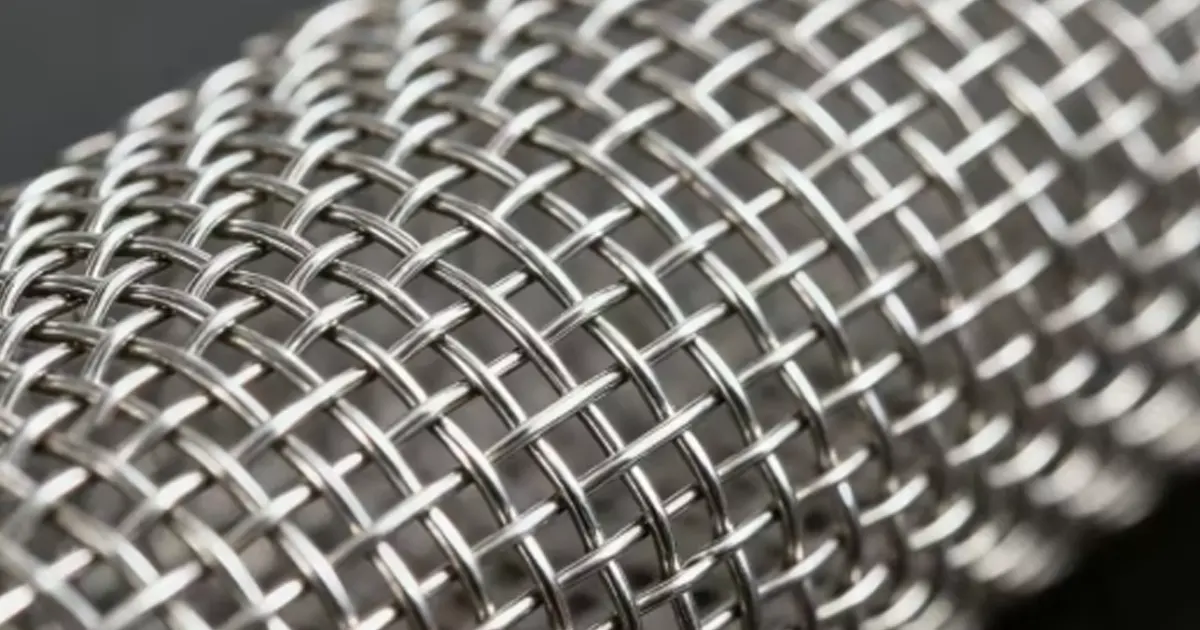
Metal mesh is made from metal strands linked together in a grid. This grid gives the mesh its strength and flexibility. It also leaves open spaces between the wires. Metal mesh comes as sheets or rolls. The grid can look like squares, rectangles, or diamonds. The shape depends on how it is made.
Metal mesh is strong but not heavy. It can hold a lot of weight. You can still move it easily.
Here is a table that shows what makes metal mesh special:
| Key Element | Description |
|---|---|
| Structure | Expanded metal uses one piece of metal. There are no welded joints in this mesh. |
| Strength-to-Weight Ratio | It weighs less than solid metal sheets. This makes it good for many uses. |
| Applications | It is used in aerospace, energy storage, and other big industries. |
| Performance Characteristics | The specs tell you how well it filters, how air moves through, and how strong it is. |
Forms and Materials
Metal mesh comes in flat sheets, rolls, or custom shapes. The form you pick depends on your project. Sheets are good for building walls. Rolls work well for fences.
Different metals are used to make mesh. Each metal has its own benefits. The most common are aluminum, copper, and stainless steel. The metal you choose changes how the mesh works in different places.
| Material | Advantages | Impact on Performance |
|---|---|---|
| Aluminum | It is light and does not rust. | It is best when you need something light and rust-free. |
| Copper | It carries electricity very well. | It is good for electrical jobs where current must spread out. |
| Stainless Steel | It is strong and lasts a long time. | It works well in tough places and does not break easily. |
Some mesh is made from galvanized steel. This kind does not rust and lasts longer outside. Pure metal can help the mesh carry electricity better. Always pick the right metal for your needs.
How Metal Mesh is Made
You might wonder how metal mesh is made. The way it is made changes how it looks and works.
Woven Process
In the woven process, machines twist wires over and under each other. This is like making fabric. The mesh has square or rectangle holes. It is flexible and good for filtering or decoration. You can pick the hole size and wire thickness.
Welded Process
The welded process uses heat to join wires at every crossing. This makes a strong mesh that keeps its shape. Welded mesh is used for building, fences, and support. You can cut it and the wires will not fall apart.
Expanded Process
In the expanded process, a metal sheet is cut and stretched. This makes diamond-shaped holes. The mesh is one piece with no welds. It is strong and light. Expanded mesh is used for walkways, machine guards, and vents.
Perforated Process
The perforated process punches holes in a metal sheet. You can pick the hole size, shape, and how far apart they are. This mesh controls air, light, and filtering. It is used in building panels, speaker covers, and filters.
Here is a table that shows the main ways to make mesh:
| Manufacturing Process | Description | Effects on Properties |
|---|---|---|
| Weaving | Wires are twisted together. | Makes square or rectangle holes. Changes strength and flexibility. |
| Welding | Wires are joined with heat. | Makes mesh stronger and tougher. |
| Perforating | Holes are punched in sheets. | Changes weight and how well it carries electricity. |
- Mesh can be made from stainless steel, galvanized steel, aluminum, or copper.
- Pure metal helps mesh carry electricity better.
- Woven and non-woven mesh are made differently and last for different times.
When you know how metal mesh is made, you can pick the right kind. You might need wire mesh for filtering. You might want expanded mesh for strength. Or you might need perforated mesh for airflow. Knowing the basics helps you choose the best mesh for your job.
Key Properties of Metal Mesh
Strength and Durability
When you pick metal mesh, you want it to last. Metal mesh is strong and tough. It works well in building and factories. Wire mesh can hold heavy things without breaking. The 13mm welded mesh is special. Welding at each spot keeps it from bending or snapping. This helps keep people safe at work. You can trust metal mesh when you need it most. These features make metal mesh great for fences and support.
Lightweight and Affordability
You need materials that are easy to use and cheap. Metal mesh is light and does not cost too much. Wire mesh is lighter than solid metal sheets. You can move and put it in place easily. This saves time and money on work. Metal mesh costs more than plastic mesh at first. But it lasts longer and needs less fixing. Look at this table:
| Material | Cost Comparison | Weight Comparison | Durability Comparison |
|---|---|---|---|
| Metal Mesh | Costs more at first, but saves money later because it lasts and needs little fixing | Heavier than plastic mesh | Very strong, does not need much fixing |
| Plastic Mesh | Cheaper at first, good for small budgets | Lighter than metal mesh | Not as strong, used for short jobs |
Metal mesh costs more at first, but you save money later. Wire mesh does not need to be replaced often. These features help you spend less and get good results.
Flexibility and Versatility
You want materials that work in many ways. Metal mesh bends and shapes easily. You can use it for many jobs. Mesh comes in sheets or rolls. You can cut it to fit your space. Here are some ways people use mesh:
- Separation & Screening: Mesh makes walls, covers belts, and keeps areas safe. It helps control who gets in and what passes through.
- Structural & Support Elements: Mesh is good for walkways and floors. It is strong but not heavy.
- Ventilation & Filtration: Mesh is used in air and water filters. It helps keep places clean and safe.
- Aesthetics & Functionality: Mesh looks cool and adds style. You see it in lights and furniture.
Wire mesh fits your needs, whether you want strength, air flow, or a new look. These features make metal mesh useful for many projects.
Corrosion Resistance
You want wire mesh to last a long time. It should work well even in tough places. Corrosion resistance is very important for outdoor or factory use. If mesh gets wet or touches chemicals, it can rust or break down. Picking the right metal mesh helps stop these problems. Your project stays strong and safe.
Wire mesh made from stainless steel does not rust easily. Stainless steel has chromium. Chromium makes a thin layer on the mesh. This layer keeps water and air out. You can use stainless steel mesh where it rains a lot. It also works where chemicals are used. Galvanized wire mesh is another good choice. It has a zinc coating. Zinc protects the metal from rust. This mesh is good for fences, cages, and screens outside.
Some mesh has special coatings or uses advanced alloys. These give extra protection in harsh places. Here are ways makers make mesh resist corrosion:
- Polymer coatings, epoxy, and anti-corrosion formulas block water and chemicals.
- Chemical coatings and passivation change the mesh surface so it rusts less.
- Alloys with chromium, nickel, or molybdenum make strong oxide layers that protect mesh.
- Galvanization adds zinc or aluminum. These shield the mesh and give extra protection.
- Environmental barrier systems use many layers to keep out water, chemicals, and wear.
Always pick wire mesh that matches where you will use it. For example, use stainless steel or coated mesh for marine jobs. In factories with strong chemicals, use mesh made from special alloys or with advanced coatings.
Tip: Clean and check your wire mesh often. Remove dirt and look for rust or damage. This helps your mesh stay strong and safe.
When you know about corrosion resistance, you can choose the best mesh. You get better results, longer life, and spend less fixing it. The right mesh protects your project and helps it work well.
Types of Metal Mesh
Woven Wire Mesh
Features and Common Uses
Woven wire mesh is used in many places. Wires are woven together like cloth. There are different weaves, such as plain weave, lock crimp, intercrimp, and flat top crimp. Each weave changes how the mesh looks and how strong it is. You can pick the size of the holes and the thickness of the wires.
- Woven wire mesh is used for screens and walls in buildings.
- Mining uses it to sort and filter rocks and dirt.
- Food factories use it to sift and dry food.
- Security uses it for cages and barriers.
Woven wire mesh is strong and bends easily. You can shape it for different jobs. The holes let air, light, and liquids go through. This makes it good for filtering and letting air move.
Welded Wire Mesh
Features and Common Uses
Welded wire mesh is also very common. Wires are joined at every spot with heat. This makes a stiff grid that keeps its shape. Welded wire mesh is simple to put in and does not need much care. This saves time and money.
- Welded wire mesh is strong and lasts a long time. The welding makes it tough and hard to break.
- It is used for walls, concrete support, and fences.
- Welded wire mesh costs less than other strong materials.
- You can use it for many jobs, from building to decoration.
Welded wire mesh can hold heavy things without bending. It works well in hard places. Its strength makes it good for safety and support.
Expanded Metal Mesh
Features and Common Uses
Expanded metal mesh starts as a flat sheet. Machines cut and pull the sheet to make diamond holes. This makes one piece with no welds. The mesh is strong and not heavy.
- Expanded metal mesh is tough and can take hits. It is used for safety walls and machine covers.
- The diamond holes let air, light, and liquids pass but stop big things.
- Car makers use it for air systems.
- Builders use it for scaffolds and safety.
Regular expanded mesh has even holes and thickness. Flattened mesh is rolled to make it thinner and smoother. The size may change a little after rolling. Expanded mesh stops water from pooling and helps air move.
You can pick from many metal mesh types for your job. Each kind has special uses. Knowing about the types helps you choose the right mesh.
Perforated Metal Mesh
Features and Common Uses
Perforated metal mesh is strong and easy to shape. Makers punch holes in metal sheets to make it. You can pick the hole size, shape, and how far apart they are. This lets you control light, air, and sound that pass through.
You see perforated metal mesh in buildings and factories. It looks modern and fits many places. You can use it for both looks and work.
Here are some common ways to use perforated metal mesh:
- Decorative wire mesh panels
- Shutters
- Soundproofing
- Drainage
- Facade
- Fencing
- Lattice
- Perforated metal screen architecture/decorative wire mesh screen
- Stairs
- Seating
Perforated metal mesh helps with airflow, noise, and style. It is good for building fronts that let in light but block heat. It also works for fences and safety screens. In factories, it helps with draining water and blocking noise. The open holes make it simple to clean and take care of.
Tip: Pick perforated metal mesh if you want strength and a modern look. It is great when you need safety, air flow, and style together.
Specialty Mesh Types
Crimped Mesh
Crimped mesh uses wires bent before weaving. This makes it strong and steady. You see crimped mesh in mining, building, and heavy screening. The bent wires lock together, so the mesh stays in place. You can trust crimped mesh for hard jobs that need to last.
Self-Cleaning Mesh
Self-cleaning mesh stops clogging and saves cleaning time. You find this mesh in places that need filtering all the time, like mining and recycling. The wires move or shake to knock off dirt. You clean less and the mesh works better. Self-cleaning mesh keeps machines working well.
Polyurethane (PU) Mesh
Polyurethane mesh is flexible and tough. You use PU mesh where things rub a lot, like in mining. The polyurethane takes hits and lasts longer than metal alone. PU mesh is quiet and stands up to chemicals. You get longer use and spend less fixing it.
Specialty mesh types help with special jobs in factories and other places. You can use mesh to make concrete stronger, fence farms, or filter in plants. In cars and planes, mesh protects parts and lets air move. You also see mesh on building fronts, for shade, and for safety screens.
| Application Sector | Primary Function | Preferred Material | Key Performance Requirement |
|---|---|---|---|
| Petrochemical | Sand Control | SS 316L / Monel | Corrosion & Pressure Resistance |
| Aerospace | FOD Protection | Titanium / SS 304 | Strength-to-Weight Ratio |
| Architecture | Solar Shading | SS 304 / Aluminum | Open Area & Aesthetics |
| Security | Intrusion Barrier | SS 316 (Heavy) | Shear & Impact Resistance |
| Electronics | EMI Shielding | Copper / Bronze | High Electrical Conductivity |
Note: Specialty mesh types help with safety, strength, and how well things work. Pick the right mesh by matching the material and design to your job.
Common Uses of Metal Mesh
Construction and Reinforcement
Metal mesh is used a lot in building projects. Builders use mesh to make concrete stronger. It also helps walls, floors, and ceilings last longer. Using mesh gives you many good things:
- You can save 10% to 30% on costs.
- You finish building faster, sometimes in half the time.
- The structure is stronger because the mesh holds it together.
- The whole project can be done up to 80% quicker.
- Buildings are less likely to crack, with over 75% better results.
In China, less than 10% of projects use steel mesh. But the benefits are easy to see. Metal mesh makes buildings safer and stronger. It helps builders follow rules and get good results that last.
Industrial and Manufacturing Applications
Metal mesh is found in many factories and plants. It protects machines and helps filter things. Mesh is used for machine covers and radiator guards. It also supports parts in products. Mesh is used as a filter in many industries. This keeps machines clean and working well.
Here is a table that shows where mesh is used:
| Application Type | Common Products or Machinery |
|---|---|
| Cover shell of machines | Various industrial machines |
| Radiator cover | Machinery with cooling systems |
| Structure material | Framework for industrial products |
| Filter material | Filtration systems |
| Protective cover | Mechanical equipment safety features |
| Filling materials | Baskets and shelves in manufacturing |
| Shell for electrical equipment | Electrical machinery and devices |
| Raw materials | Production of tables and chairs |
| Chemical equipment | Chemical processing equipment |
| Pharmaceutical equipment | Machinery in pharmaceutical industry |
| Food equipment | Food processing machines |
| Agricultural machinery | Protection for farm equipment |
| Refrigeration equipment | Cooling system components |
| Speaker manufacturing | Grills and filters for audio equipment |
Mesh makes work safer and helps machines last longer. It keeps workers safe from moving parts. Mesh also helps filter liquids and gases. This makes factories cleaner and safer.
Mining and Heavy-Duty Industries
Metal mesh is very important in mining and heavy jobs. It helps hold up the ground and keeps rocks from falling. Mesh stops tunnels and mines from caving in. It is also used to sort and separate rocks and dirt. You pick the right mesh holes to get the best results.
Look at this table to see what mesh does in mining:
| Role of Metal Mesh | Performance Requirements |
|---|---|
| Ground Support and Reinforcement | Manage risk of falling rocks and prevent cave-ins |
| Screening and Sorting | Choose apertures for separation efficiency and plant capacity |
| Protective Mesh for Equipment and Infrastructure | Withstand high-velocity impacts and protect against debris |
| Strength and Durability | Meet tensile strength, yield strength, and strength-to-weight ratio |
| Impact Resistance and Longevity | Absorb dynamic loads and handle significant impacts |
| Industry Standards | Comply with ASTM A185, ASTM A1007, EN 10223 technical requirements |
You pick mesh for its strength and how long it lasts. It must be tough and not break easily. Mesh has to meet special rules to keep people safe. Metal mesh helps mines run well and keeps workers and machines safe.
Agriculture and Fencing
You need strong barriers to keep crops and animals safe. Metal mesh is very important in farming today. Farmers use mesh for fences, animal pens, and to protect plants. You see mesh fences around gardens, fields, and pastures. These fences keep animals inside and stop unwanted visitors.
Metal mesh is better than old fencing materials. It lasts longer and needs less fixing. Mesh does not rot or break from the sun like wood. Barbed wire can rust and get sharp and unsafe. Mesh, especially if galvanized or stainless steel, does not rust or corrode. You spend less time fixing fences and more time working on your farm.
Here are some good things about using metal mesh for farm fences:
- Mesh keeps animals out and protects against bad weather.
- It stops wild animals and bugs from hurting crops.
- It is easier and safer to keep animals in one place.
- Mesh stands up to rain, heat, and other tough weather.
- You save money over time because mesh needs less care.
Many farmers now pick welded wire mesh fences. These last longer than wood or barbed wire fences. You do not worry about rot or sun damage. Metal mesh is made well and works year after year.
Here is a table that shows how metal mesh fencing compares to other types:
| Fencing Type | Durability | Maintenance Needs | Security Level | Weather Resistance |
|---|---|---|---|---|
| Metal Mesh | High | Low | Strong | Excellent |
| Wooden Fence | Low | High | Moderate | Poor |
| Barbed Wire | Moderate | Moderate | Moderate | Fair |
You see fewer animals stolen when you use mesh fences. The strong mesh is hard for thieves to break. Mesh also keeps animals from eating or hurting your crops. Farmers like that metal mesh lasts a long time and is very reliable.
Tip: Pick galvanized or stainless steel mesh for outdoor fences. These types do not rust and last longer, even in bad weather.
You can put up mesh fences fast. The mesh bends, so you can fit it around corners or hills. Mesh works for many farm shapes, so it is a good choice. You keep your land safe and your animals protected with metal mesh.
Choosing the Right Metal Mesh
Assessing Application Needs
Before you pick metal mesh, know what your project needs. Every job is different. You have to think about a few things to choose the best mesh.
- Product Type: Look at the grades, hole sizes, and how it is made. Each mesh type does something special.
- Availability: Make sure your supplier can send enough mesh on time. Getting mesh late can slow down your work.
- Services: Some suppliers can cut, weld, or pack mesh for you. These services help you use the mesh right away.
- Customization: See if the supplier can make mesh in special shapes or sizes. Custom mesh fits your project better.
- Industry Experience: Pick a supplier who knows your kind of work. Experts can help you solve problems.
- Certifications and Standards: Check if the supplier follows the rules. Certified mesh is safer and better quality.
Tip: Always look at more than one supplier. Pick one with good choices and helpful service. This helps you finish your project without trouble.
Matching Properties to Use
You need to pick mesh that works for your job. Different jobs use mesh in different ways. The right mesh makes your work safer and better.
| Industry | Mesh Type | Application Description |
|---|---|---|
| Mining & Mineral Processing | High-strength mesh | Used for sorting ore and making mining better. |
| Construction & Recycling | Screen meshes | Used to sift building materials and make them even. |
| Chemical & Pharmaceutical | Fine meshes | Used to filter chemicals and keep them clean. |
Think about what the mesh is made of. Stainless steel is good for food because it does not rust and stays clean. Woven mesh bends and is strong. Perforated mesh lets air and light pass through. Wedge wire mesh is good for filtering small things.
- The metal you pick changes how the mesh fights rust, heat, and wear.
- Stainless steel is best when you need clean and strong mesh.
- Each mesh type is good for different jobs, like filtering or protecting machines.
Note: Always use mesh that fits your job. The right mesh saves you time and money.
Environmental Considerations
Think about where you will use the mesh. The place can change how long the mesh lasts and how well it works.
- Outdoor Use: Use mesh that does not rust or break in bad weather. Galvanized or stainless steel mesh is best outside.
- Chemical Exposure: Use mesh with special coatings or metals if there are strong chemicals.
- Temperature Changes: Pick mesh that can handle hot or cold places. Some metals work better in these spots.
- Moisture Levels: Wet places can make mesh rust. Use mesh with coatings to stop rust.
- UV Exposure: Sunlight can make some mesh weak. Use mesh made for the sun.
Pick mesh that matches your environment. This keeps your project safe and working longer. The right mesh means less fixing and better results.
Tip: Ask your supplier which mesh is best for your place. Good advice helps you avoid mistakes.
Consulting with Experts
Choosing metal mesh can be confusing. There are many choices. You want to pick the best one. Experts and manufacturers can help you. They know a lot about metal mesh. Their advice helps you avoid mistakes.
Tell the expert about your project. Say where you will use the mesh. Explain what you need it to do. The expert matches your needs to the right mesh. They might suggest a certain material or mesh type. This depends on your project and where you use it.
Here are some good tips for talking to experts:
- Ask which material is best for your job. Find out why they recommend it. This helps you learn what makes one mesh better than another.
- Request stories or examples from other projects. These show how metal mesh works in real life. You see how it helps in jobs like yours.
- Ask about custom sizes and shapes. You may need something special. Knowing what the supplier can do saves you time.
- Talk about how to clean and care for your mesh. Good advice helps your mesh last longer and work well.
- Learn about how the manufacturer checks quality. Good checks mean you get strong and reliable mesh every time.
Tip: Make a list of what your project needs before you meet the expert. Clear details help you get better advice and quick answers.
Ask about certifications and standards too. Trusted experts follow the rules. They can show proof of good quality. This keeps your project safe and protects your money.
If your project is special or hard, expert help matters even more. Experts spot problems early and give solutions. They might suggest a custom mesh or a special coating for tough places.
You do not have to decide alone. Working with experts gives you confidence. You get the right mesh for your job. You avoid trouble later and feel sure about your choice.
Care and Maintenance
Taking care of your metal mesh helps it last longer. If you look after it, the mesh stays strong and safe. Good care keeps it clean and working well.
Cleaning Methods
You should clean metal mesh often, especially outside or in factories. Cleaning stops rust and keeps the mesh working right. Here are some easy ways to clean it:
- Rinse the mesh with water to wash away dirt.
- Use strong water spray for tough dirt or sticky stuff.
- Try ultrasonic cleaning for tiny holes or hard spots.
- Mix hot water, soap, and ammonia for deep cleaning jobs.
- Lay the mesh flat when you clean it so it does not bend.
- Make a cleaning plan based on how dirty your mesh gets.
Tip: Clean your mesh more if it is in a dirty place or where it must stay very clean.
Preventing Corrosion
Rust can make your metal mesh weak and old fast. You can do simple things to stop this and keep it looking good:
- Pick a lubricant that works with stainless steel mesh.
- Spray on coatings to keep out water and chemicals.
- Store mesh in a dry place with lots of air.
- Handle mesh gently so you do not bend the wires.
- Buy mesh from good companies that use strong metals.
- Teach your team the best ways to care for mesh.
- Watch for changes in the area that could hurt the mesh.
- Write down all the times you do maintenance.
Always clean and dry mesh before you put it away. Keep it out of the sun so it does not fade. Stack mesh neatly so it does not get bent. Check stored mesh often for any damage.
Note: Use a gentle cleaner and warm water to clean the surface. Oil moving parts and dry the mesh well after washing.
Inspection and Replacement
Check your metal mesh often to find problems early. Early checks help you fix things before they get worse. Use this table to help you know when to check and replace mesh:
| Inspection Frequency | Key Indicators for Replacement |
|---|---|
| Check mesh during regular maintenance | Look for broken wires, holes, or cracks |
| Watch how well the mesh works | Notice if it does not screen as well or lets more stuff through |
| See how often you clean it | Clean more if it gets blocked a lot |
| Listen for odd sounds or shaking | Strange noises mean something might be wrong |
| Measure the size of the holes | Check if holes have changed shape or size |
If you see any of these problems, change the mesh right away. This keeps your machines safe and your work going well.
Taking care of your mesh and fixing problems fast saves money and time. Your metal mesh will work better and last longer if you care for it the right way.
Conclusion
You now know that metal mesh is made from metal wires. These wires are woven or welded to make strong grids. Metal mesh bends without breaking and lasts a long time. It is used in many things, like buildings and electronics. Picking the right mesh helps keep people safe and makes things work better. Here are some tips for using mesh:
- Clean mesh often and check it for problems.
- Fix or change any parts that are broken.
- Pick mesh that does not rust.
| Industry | Main Products |
|---|---|
| Aggregate | Woven Wire Screens, Self-Cleaning Screens, PU-Mesh Screens |
| Mining | Woven Wire Screens, Self-Cleaning Screens |
| Concrete | Woven Wire Screens |
| Recycling | Woven Wire Screens, Self-Cleaning Screens, PU-Mesh Screens |
Anpeng Wire Mesh Filter Equipment Co., Ltd. makes strong, custom mesh screens for hard jobs in big industries.
FAQ
What is the difference between woven and welded wire mesh?
Woven wire mesh uses wires that cross over and under each other. Welded wire mesh joins wires at each crossing with heat. You get more flexibility with woven mesh. Welded mesh gives you extra strength.
Can you use metal mesh outdoors?
You can use metal mesh outdoors. Choose galvanized or stainless steel mesh for the best rust protection. These types last longer in rain and sun.
How do you clean metal mesh?
You should rinse metal mesh with water. Use mild soap for tough dirt. For small holes, try ultrasonic cleaning. Always dry the mesh after washing to prevent rust.
Which metal mesh is best for filtering?
You get the best results with fine woven wire mesh for filtering. Stainless steel mesh works well for food and chemicals. Pick the right hole size for your needs.
Is metal mesh safe for animal enclosures?
Metal mesh is safe for animal enclosures. Welded wire mesh gives you strong barriers. Galvanized mesh resists rust and keeps animals secure.
How do you choose the right mesh size?
You should match mesh size to your job. Large holes work for fences. Small holes fit filtering and screening. Ask your supplier for advice if you are unsure.
Does metal mesh require special maintenance?
You need to inspect metal mesh often. Clean it regularly and check for damage. Apply coatings if you use mesh outdoors. Replace mesh when you see broken wires or holes.