Ever wondered what is punch plate? You might hear people call it a perforated plate, too. Picture a strong metal sheet with lots of holes punched through it. You’ll find punch plates working hard in places like mines, quarries, and construction sites. They help you screen, size, filter, and separate materials. Without punch plates, sorting rocks, gravel, or other heavy stuff would be messy and slow. You need them for tough jobs where strength and accuracy matter.
Key Takeaways
- Punch plates are strong metal sheets with holes. They help sort, filter, and separate things quickly.
- Punch plates can be made from stainless steel, carbon steel, or aluminum. Each material has its own special benefits.
- The shape and pattern of the holes change how things move through punch plates. This affects how fast and how well things get sorted.
- Punch plates last a long time and are made for hard work. They are great for mining, construction, and food processing jobs.
- You can pick the size, thickness, and hole pattern you need. This helps you get the right punch plate for your job.
- Taking care of punch plates, like adding oil and checking them, helps them last longer. It also makes them work better.
- Using the right punch plate saves time and money. It helps your work go faster and with fewer problems.
- Punch plates can be used in many ways, like in machines or on farms. They help things work better and keep people safe.
What Is Punch Plate?
Definition and Structure
You may wonder what punch plate is and how it works. A punch plate, also called a perforated plate, is a strong metal sheet with many holes. These holes are made in special patterns by machines. This helps the plate sort, filter, or separate things easily.
The structure is not hard to understand. First, you have a flat steel plate. Then, machines make holes all over it. The finished plate is tough and can handle heavy work. You see punch plates used to sort rough materials like gravel or ore.
Tip: The way a punch plate is designed controls how air and materials move. The size and pattern of the holes change how well it works.
Material Choices
When you look at what punch plate is made from, you see different choices. Most punch plates use strong industrial alloys. These materials make the plate last longer. You often find stainless steel, carbon steel, or aluminum. Each one has its own good points.
- Stainless steel does not rust and lasts a long time.
- Carbon steel is very strong for tough jobs.
- Aluminum is light, so it makes machines easier to use.
Manufacturers pick the material based on where you will use the punch plate. If you need one for wet or rusty places, stainless steel is best. For lighter jobs, aluminum helps save weight and energy.
Hole Shapes and Patterns
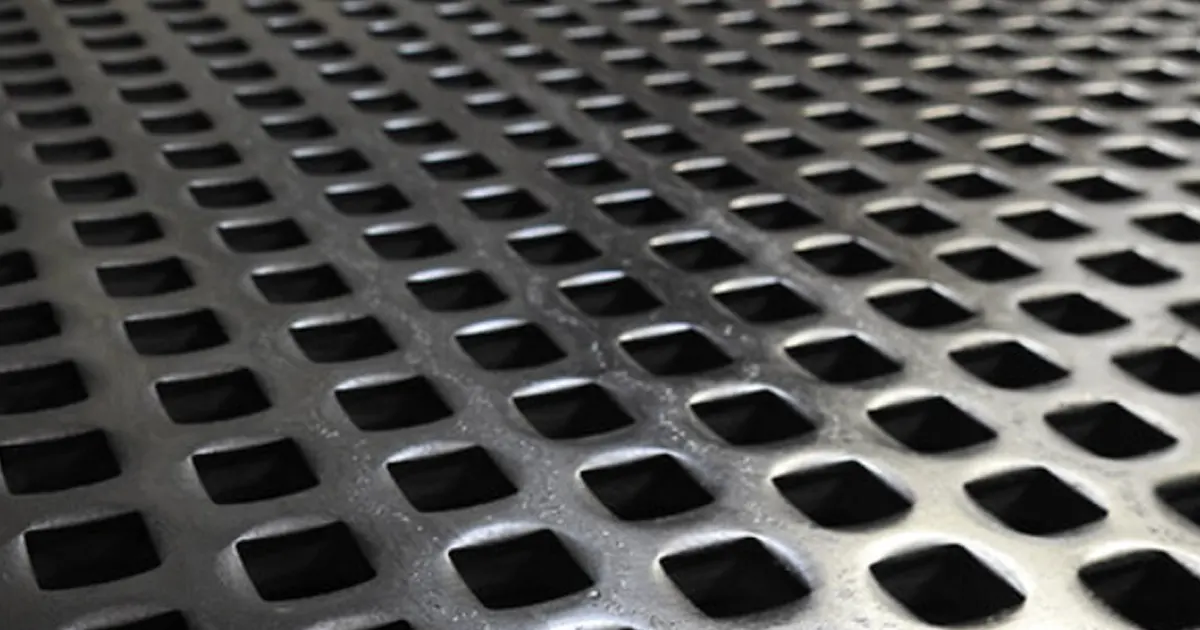
You might ask about punch plate hole design. The holes can be different shapes and patterns. The most common shapes are round, square, and slotted. Each shape changes how things move through the plate.
- Round holes give even screening and are simple to clean.
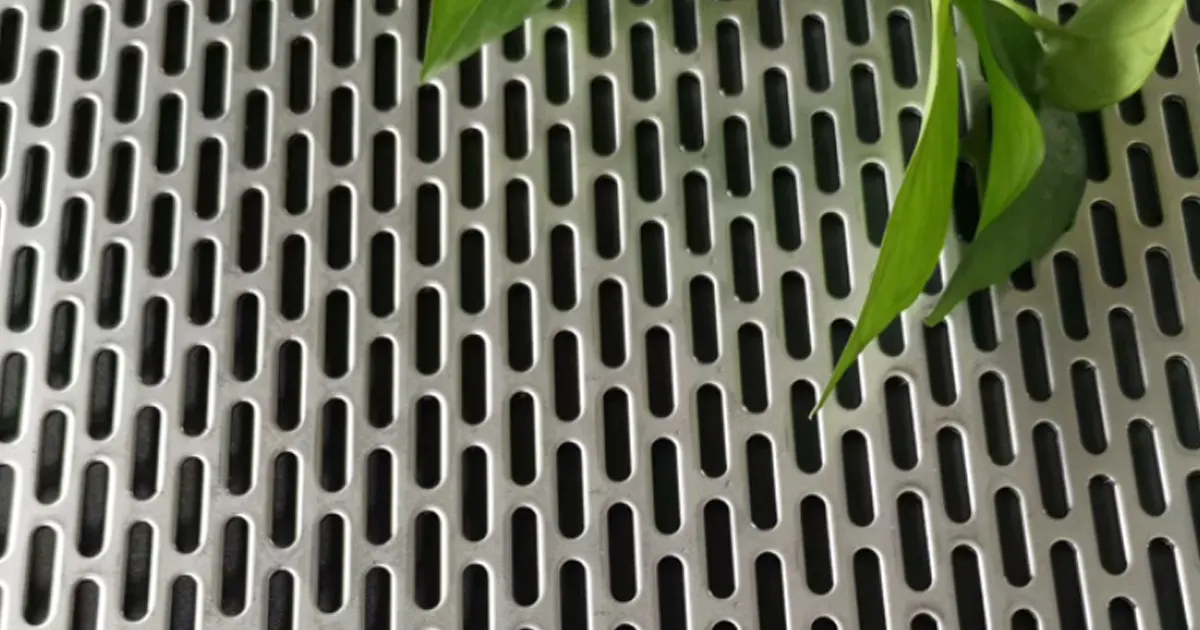
- Slotted holes let water drain or help with long pieces.
- Square holes are good for sizing certain materials.
The pattern of the holes is important too. Plates with more open space let air and materials move faster. This makes the plate work better without losing strength. Manufacturers make sure every hole is in the right place.
Key Characteristics
So, what is punch plate known for? It is strong, accurate, and made for hard jobs. Here are some main features you should know:
- Made from tough alloys to last a long time.
- Machines cut each plate to fit your equipment.
- The surface is made to resist damage and keep working well.
- Designed to work easily with tools and machines.
The punch plate’s structure also helps air move through. The holes make paths for air to flow. If you use a plate with more open space, you get better airflow and faster sorting. Aluminum plates are lighter, so they do not make machines work as hard.
Main Functions of Punch Plates
Screening and Sorting
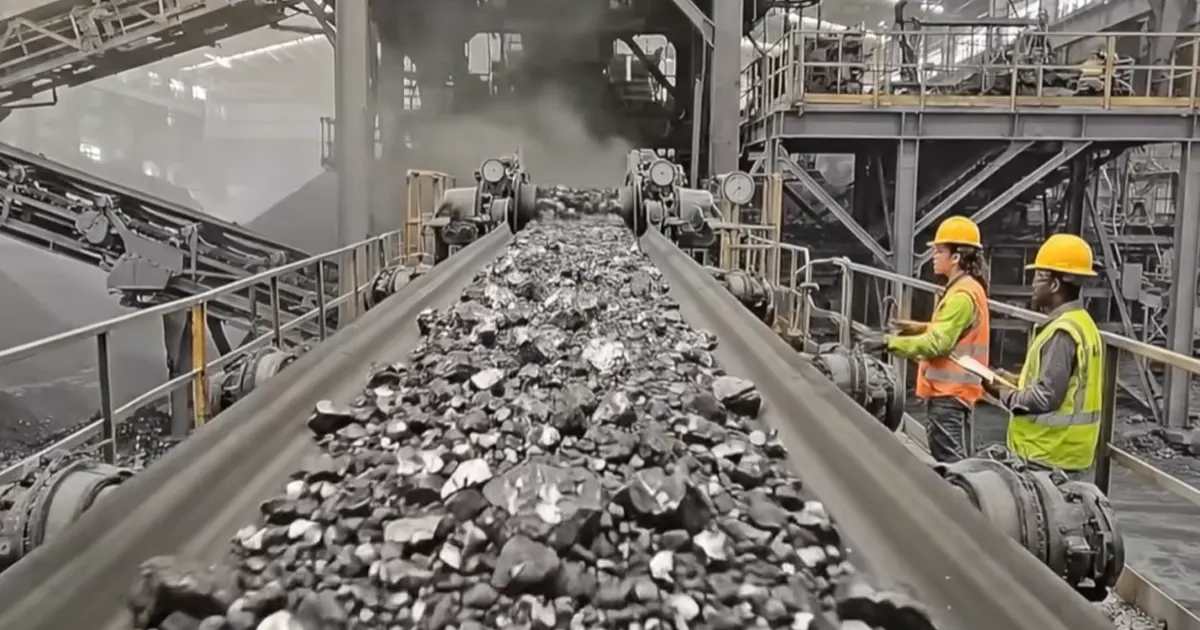
You use punch plates when you need to separate materials quickly and accurately. These plates work best in places like mines and quarries, where you deal with rocks, gravel, and minerals. The holes in the plate let smaller pieces fall through while larger ones stay on top. This makes sorting easy and fast.
Here’s why punch plates stand out for screening and sorting:
| Advantage | Description |
|---|---|
| Durability | Handles heavy loads and tough, abrasive materials without wearing out fast. |
| Efficiency | Speeds up the sorting process, saving you time and effort. |
| Customization | Offers different hole sizes and shapes for your specific needs. |
| Effectiveness | Works well with rough materials and keeps performing under pressure. |
Tip: If you want to sort materials by size, choose a punch plate with the right hole pattern. This helps you get the results you want.
You can count on punch plates to keep working even when the job gets tough. They don’t break down easily, so you spend less time on repairs.
Sizing and Grading
Punch plates help you control the size of the materials you process. When you need to grade rocks, minerals, or other items, the plate’s holes act like a filter. Only pieces that fit through the holes will pass. This gives you a clear cut between sizes.
- You can pick plates with round, square, or slotted holes.
- Each shape helps you grade materials in a different way.
- The plate’s thickness also affects how well it handles heavy loads.
If you want to get the right size every time, use a punch plate that matches your target cut size. This makes your work more accurate and keeps your process running smoothly.
Filtration and Flow Control
Punch plates do more than just sort and grade. You can use them for filtration and controlling the flow of air or liquids. The holes let water, air, or other fluids pass through while blocking larger particles. This is useful in industries like food processing, agriculture, and construction.
| Feature | Description |
|---|---|
| Corrosion Resistance | Aluminum punch plates resist rust, so they last longer in wet places. |
| Lightweight Construction | Lighter plates make it easier to install and maintain your equipment. |
| Optimized Perforation Patterns | Special machines create precise hole patterns for better filtration. |
| Durability | Aluminum punch plates last three to five times longer than carbon steel plates. |
| Economic Advantages | You save money because you don’t need to replace or fix the plates as often. |
Note: If you need to control moisture or airflow, pick a punch plate with the right hole size and pattern. This helps you get the best results for your job.
Punch plates give you strong, reliable filtration. You can trust them to keep working, even in tough conditions.
Durability in Abrasive Environments
If you work in mining or quarrying, you know it is tough. Rocks, gravel, and minerals move over screens all day long. These things can wear out equipment very fast. Punch plates are made to handle this kind of work. They can take a lot of scraping, pounding, and heavy weight.
Punch plates are made for hard jobs. Makers use strong metals like stainless steel and carbon steel. These metals do not get damaged by sharp rocks or hard hits. You do not have to worry about the plate breaking or wearing out fast. The holes stay the same size, so sorting stays right.
Let’s see how punch plates do against other choices. In mining, KenCast plates last much longer than other plates. Here is a quick look:
| Metric | KenCast Plates | Competitor Plates |
|---|---|---|
| Average Lifespan | 90+ days | 15 to 50 days |
| Potential Additional Lifespan | 30 to 60 days | N/A |
| Downtime Reduction | Significant (>30%) | N/A |
| Thickness Preservation | Excellent | Worn down |
KenCast punch plates keep their thickness and strength for over 90 days. Other plates may only last a few weeks. Less downtime means your machines keep working and you save money on repairs. You also keep the plate thick, so it works like new.
Why does this matter for you? If you use punch plates, you do not need to change screens as often. Your work goes smoother. You get more use from each plate. The plate’s strength helps you handle rough materials without worry.
Tip: If you want your equipment to last longer, pick punch plates made for tough jobs. You will see less damage and fewer problems.
Types of Punch Plates
When you choose a punch plate, you have a lot of options. The type you pick depends on the job you need to do. Let’s break down the main types by hole shape, material, and thickness.
By Hole Shape
The shape of the holes changes how the plate works. Each shape fits a different job.
Round Hole
Round holes are the most common. You see them in air-conditioning and heating systems. They also look great as decorative finishes in buildings. Round holes give you even airflow and are easy to clean.
Slotted Hole
Slotted holes look like long, thin rectangles. These work best for screening and sorting materials. If you need to separate seeds, grains, or other long items, slotted holes make the job easier. They let these items pass through while keeping bigger pieces out.
Square Hole
Square holes give you a strong barrier. They resist impact and help keep things safe. You often find square holes in places where you need to stop trespassers or protect equipment. They also work well for sizing materials.
Here’s a quick look at where each hole shape fits best:
| Hole Shape | Application Areas |
|---|---|
| Round Holes | Air-conditioning, heating systems, decorative finishes |
| Square Holes | Strong barriers, impact resistance, security |
| Slot Holes | Screening and sorting, especially for long thin items like seeds and grains |
Tip: Pick the hole shape that matches your material and the results you want.
By Material
The material you choose affects how long your punch plate lasts and how well it works.
Stainless Steel
Stainless steel resists rust and stands up to wet or harsh places. You want this material for food processing, chemical plants, or outdoor jobs. It keeps working even when things get tough.
Carbon Steel
Carbon steel gives you strength. It handles heavy loads and rough materials. You see it in mining, quarrying, and construction. If you need a plate that won’t bend or break, carbon steel is a smart pick.
Aluminum
Aluminum is light and easy to move. It works well when you need to save weight, like in machines or portable equipment. Aluminum also resists rust, so it lasts longer in damp spots.
By Thickness and Strength
The thickness of your punch plate matters a lot. Heavy punch plates use thicker metal. This makes them stronger and more durable than standard perforated sheets. You need thick plates for tough jobs like mining, quarrying, or security. Thicker plates hold up better under heavy loads and last longer.
Note: If your job needs high strength and long life, go for a thicker punch plate.
Punch Plate Manufacturing Process
You might wonder how punch plates get their strength and precision. The secret lies in the way manufacturers make them. The punch plate manufacturing process uses special machines and tools to create those perfect holes and sturdy frames you see in heavy-duty screens.
Punch Press Operation
When you start making a punch plate, you use a punch press. This machine pushes a punch through the metal sheet, creating holes in a specific pattern. The punch press works with high force, so it can handle thick steel or aluminum. You get clean, accurate holes every time.
Here’s a simple breakdown of the steps you’ll see in the punching process:
- Design and Planning: You decide on the plate’s size, thickness, and hole pattern. Sketch out your design and set the machine’s settings.
- Selecting Materials: Pick strong metals like stainless steel, carbon steel, or aluminum for the plate and the punch.
- Fabricating the Frame: Cut and weld steel to build a stable frame for the punch press. Make sure everything is square and level.
- Making the Ram: Machine a solid steel bar for the ram. It needs to move smoothly for accurate punching.
- Creating the Punch and Die Set: Shape the punch and die with precision. These parts must fit together perfectly to make clean holes.
- Building the Drive Mechanism: Choose how the ram moves—manual, motorized, or hydraulic. Each method suits different jobs.
- Assembly and Alignment: Put all the parts together and align them for the best performance.
- Testing and Calibration: Run tests to check quality. Adjust the punch press as needed for top results.
Tip: If you want your punch plates to last longer, pay close attention to the design and alignment steps. Small mistakes can lead to big problems down the line.
Punches and Dies
The punch and die set is the heart of the operation. The punch is a solid tool that pushes through the metal, while the die is the part underneath that shapes the hole. You need both to work together perfectly. If the punch and die don’t match, you get rough edges or uneven holes.
Manufacturers use strong materials for these tools. They machine them with high precision, so every hole comes out clean. You can change the punch and die set to create different hole shapes—round, square, or slotted. This flexibility helps you get the exact plate you need for your job.
Automatic Punching Machines
Today, many factories use automatic punching machines or even a stamping machine to speed up production. These machines use computer controls to punch thousands of holes quickly and accurately. You get consistent quality and save time.
Here’s a quick look at how automatic punching machines improve the process:
| Aspect | Description |
|---|---|
| High Precision | Computer controls make sure every hole is in the right spot, so parts fit together perfectly. |
| Consistent Quality | The machine keeps the same force and speed, so every plate looks and works the same. |
| Reduced Material Waste | Smart software plans each punch, so you use less metal and throw away less scrap. |
Automatic machines help you get more plates in less time. You also save money because you waste less material.
Common Uses and Applications

Mining and Quarrying
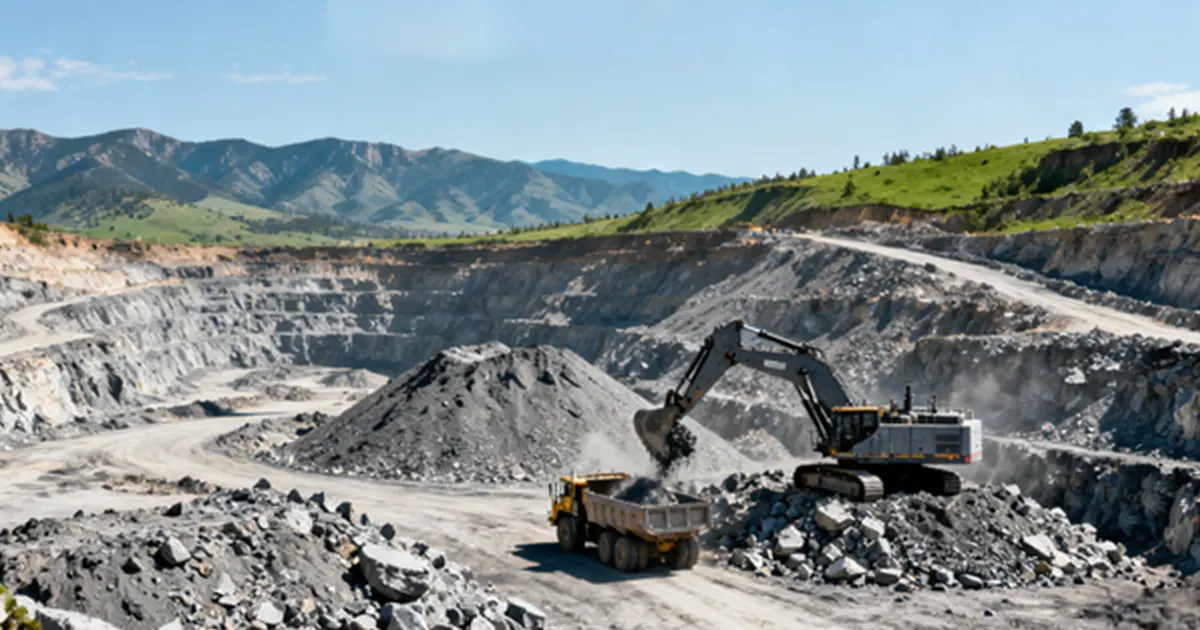
Punch plates are used a lot in mining and quarrying. They help sort rocks, gravel, and minerals quickly. Machines use punch plates to separate big pieces from small ones. This makes the results cleaner and saves time. Punch plates are strong and can handle sharp stones and heavy weight.
Here is how punch plates are used in mining and quarrying:
| Application Type | Description |
|---|---|
| Quarrying | Used in machines for extracting stone and minerals |
| Recycling | Utilized in machines that process recyclable materials |
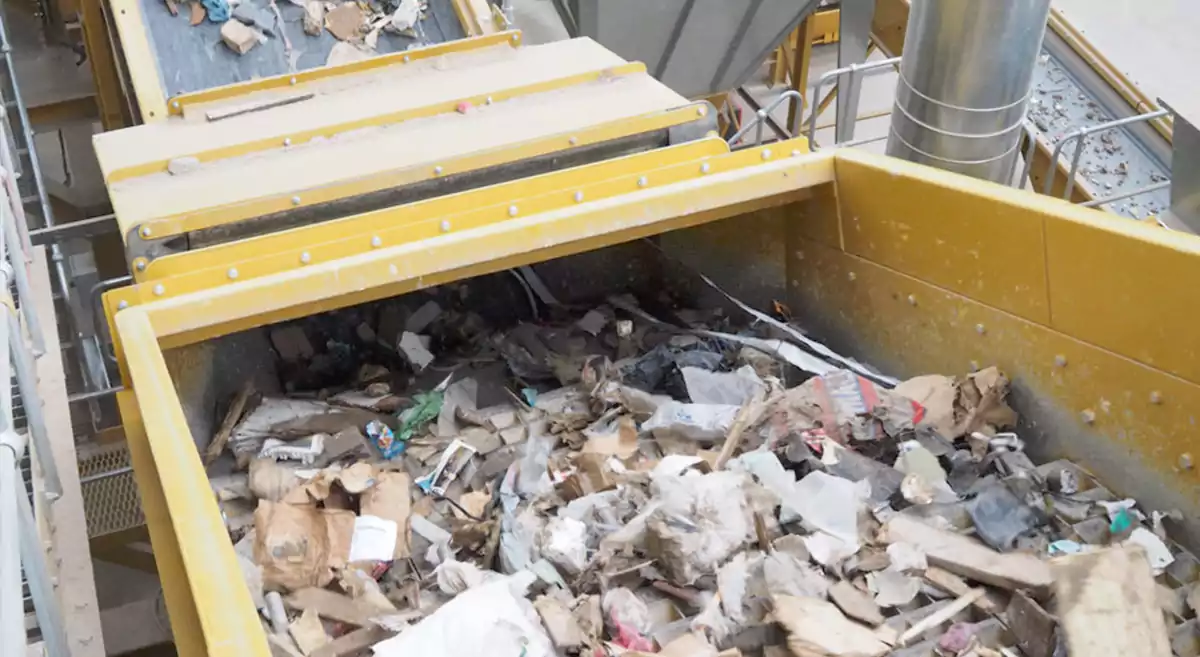
Punch plates help your machines work better and last longer. You can process more material without stopping often. In recycling, punch plates sort out things you can use again from trash. This makes your work easier and helps the environment.
Tip: Pick punch plates with the right hole shape and thickness for your mine or quarry. This helps your machines last longer and sort better.
Construction and Road Building
Punch plates are important in construction and road building. Steel road plates cover holes and make safe paths for cars and workers. These plates are made from strong carbon steel. They can hold heavy loads and stand up to bad weather. You can trust them to last through hard jobs.
Steel road plates give you many good things:
- Very strong and last a long time
- Can handle lots of cars and trucks without bending
- Used for covering holes, making roads, and holding heavy machines
Steel road plates are easy to put in place. They come in many sizes and thicknesses, so you can choose what you need. You save time because they are quick to install. Steel plates also cost less than concrete, so you get a strong surface for less money.
Safety is very important on job sites. Steel road plates cover open holes, so people and machines stay safe. This lowers the chance of accidents. Your project goes faster and everyone stays safe.
Note: When you pick steel road plates, you get safety and strength. Your team works faster and you do not have to fix things as much.
Agriculture and Food Processing
Punch plates help sort and clean crops in farming. You use them to separate seeds, grains, and other food by size. The holes let small things fall through and keep big things out. This makes sorting fast and correct.
In food processing, punch plates filter out things you do not want from fruits, vegetables, and grains. You get cleaner food and better quality. Punch plates also help control air and moisture, which keeps food fresh.
You can use punch plates made from stainless steel for food jobs. Stainless steel does not rust and is easy to clean. This keeps your machines safe and your food healthy.
Tip: For food and farming, use punch plates with smooth surfaces and the right hole pattern. This helps you get the best results and keeps your food safe.
Machinery and Appliances
You see punch plates in many machines and home appliances. They help your equipment work better and last longer. When you use a washing machine, the drum may have a punch plate inside. The holes let water flow in and out, so your clothes get clean and dry faster. In dishwashers, punch plates filter out food bits and keep the water moving.
Factories use punch plates in big machines, too. They help sort, filter, and move materials. For example, food processing machines use punch plates to separate seeds from fruit. In woodworking, punch plates help remove sawdust and keep the workspace clean.
Here are some ways punch plates make machines and appliances better:
- They let air, water, or other fluids move through easily.
- They block large pieces that could damage the machine.
- They help control noise and vibration.
- They make cleaning and maintenance simple.
You can find punch plates in fans, air conditioners, and even speakers. The holes let air and sound pass through, but keep dust and dirt out. This keeps your appliances running smoothly.
Tip: If you want your machines to last longer, choose punch plates made from strong materials like stainless steel or aluminum. These resist rust and damage, so you spend less time on repairs.
Automotive and Building Uses
Punch plates play a big role in cars, trucks, and buildings. You might not see them, but they help keep things strong and safe. In the automotive world, punch plates help make parts that are both light and tough. This means your car uses less fuel and lasts longer.
Here’s how punch plates help in the automotive industry:
- They create mounting holes for bolts and screws.
- They shape body panels for doors, hoods, and roofs.
- They make brackets and chassis parts that hold everything together.
- They help build lightweight panels and supports, which improve fuel efficiency.
In buildings, punch plates do more than just add strength. They also make things look good. You see them in window frames, facades, and even stair railings. Builders use punch plates to make frames, brackets, and fixtures that hold up walls and roofs.
Some common building uses include:
- Aluminum punch plates for window frames and decorative facades.
- Steel punch plates for structural supports and safety barriers.
- Custom punch plates for vents, screens, and covers.
You get both beauty and strength when you use punch plates in construction. They help your building stand up to wind, rain, and daily use.
Note: When you pick punch plates for cars or buildings, look for ones that are strong, light, and rust-resistant. This gives you better performance and saves money over time.
Advantages of Punch Plates
Long-Lasting Performance
You want your equipment to last as long as possible. Punch plates give you that peace of mind. These plates stand up to tough jobs and keep working even when things get rough. You do not have to worry about changing screens all the time. When you use punch plates, you get more hours of work before you need a replacement.
Take a look at how punch plates compare to other materials:
| Material Type | Average Wear Life Comparison |
|---|---|
| Punch Plates | 6-10X longer than woven wire |
| Woven Wire Screens | Standard wear life |
You can see that punch plates last much longer than woven wire screens. This means less downtime and fewer repairs. You save money and keep your machines running strong.
Accurate Screening
You need to sort materials by size. Punch plates help you do this with great accuracy. The holes are made with stamping machines, so every hole is the same size and shape. This gives you a clean cut between large and small pieces. You get the results you want every time.
Stamping technology makes a big difference. The machines use high pressure to punch perfect holes in the metal. You do not get rough edges or uneven shapes. This helps you screen materials quickly and with less waste. You can trust the results because the process is so precise.
Tip: If you want to improve your sorting process, choose punch plates made with advanced stamping methods. You will see better results and less mess.
High Efficiency
You want your work to go fast and smooth. Punch plates help you reach high efficiency in your process. Stamping machines make the plates with exact patterns, so materials move through easily. You do not have to stop often to fix jams or clean out clogs.
Check out how punch plates boost efficiency in real jobs:
| Improvement Type | Description | Impact on Efficiency |
|---|---|---|
| Energy Efficiency | Servo-electric drives cut energy costs compared to hydraulics. | Up to 40% reduction in energy use |
| Productivity Increase | Advanced controls raise productivity. | 15-20% more output |
| Reduced Downtime | Automation and CAD/CAM cut downtime. | More time working, less stopping |
You get more done in less time. Your machines use less energy, and you do not waste time on repairs. Stamping technology also means you can customize your punch plate for your job. You pick the hole size, shape, and pattern that fits your needs.
Customization Options
You might think punch plates come in just one style, but you actually have a lot of choices. Customization lets you get exactly what you need for your job. When you pick the right options, your punch plate works better and lasts longer.
Here are some ways you can customize your punch plate:
- Alloy Material: You can choose stainless steel, carbon steel, or aluminum. Each metal has its own strengths. Stainless steel resists rust. Carbon steel handles heavy loads. Aluminum is light and easy to move.
- Sheet Dimensions: You decide the width and length. This helps your plate fit your machine or workspace.
- Thickness: Thicker plates stand up to tough jobs. Thin plates work well for lighter tasks.
- Hole Size and Pattern: You pick the size, shape, and layout of the holes. Round, square, or slotted holes all do different things. The pattern controls how fast materials move through.
- Open Area Percentage: You can adjust how much of the plate is open. More open space means faster sorting or better airflow.
- Non-Perforated Areas: You might want some parts of the plate solid. This helps with strength or lets you attach the plate to other equipment.
- Pattern Orientation: You can set the direction of the holes. This changes how materials flow and how the plate handles stress.
- Flanges for Hammer Mill Screens: If you use a hammer mill, you can add flanges for easier installation.
- Secondary Services: You can ask for extra treatments like aluminizing, powder coating, or notching. These make your plate last longer or look better.
Tip: Think about your job before you choose. If you need to sort wet materials, pick stainless steel and a pattern that drains water fast. For heavy rocks, go with thick carbon steel and a strong hole layout.
Here’s a quick look at how customization options help in different industries:
| Industry | Key Customization Option | Impact on Performance |
|---|---|---|
| Mining | Thick carbon steel, large holes | Handles heavy loads, speeds up sorting |
| Food Processing | Stainless steel, smooth finish | Keeps food safe, easy to clean |
| Construction | Wide plates, powder coating | Covers large areas, resists weather |
| Agriculture | Slotted holes, flanges | Sorts seeds, easy to install |
| Recycling | Custom open area, non-perforated edges | Separates materials, fits machines |
You get more value when you customize your punch plate. Your equipment runs smoother. You spend less time on repairs. You also get better results for your specific job.
Choosing the Right Punch Plate
Material and Thickness
Picking the right material and thickness for your punch plate makes a big difference in how well it works. You want a plate that stands up to your job, but you also want it to be easy to handle. Thicker plates give you more strength and last longer, but they can add weight and cost. Thin plates are lighter and easier to bend, but they might not hold up under heavy loads.
Here are some things you should think about when choosing material and thickness:
- Bend Radii and Formability: Thicker plates need bigger bends to avoid cracking. Thin plates bend tighter but can lose strength.
- Structural Integrity: Thin plates may need extra support. Thick plates are strong but can be heavy.
- Fastening and Joining: Thin plates may not hold screws well. Thick plates work better with bolts but may need special tools.
- Tolerance Stack-Up: Thickness affects how parts fit together. You may need to adjust for thicker plates.
- Hole Sizes and Cut Features: Thin plates allow for small, detailed holes. Thick plates support bigger holes but cost more to make.
- Aesthetic Considerations: Thick edges look sturdy. Thin edges look sleek.
- Weight and Performance Trade-offs: Thin plates are best for light jobs. Thick plates are better for tough, heavy-duty work.
- Secondary Processes: Embossing and other treatments are easier with thin plates.
Tip: Always match the plate’s thickness to your job. If you need strength, go thick. If you want to save weight, go thin.
Hole Shape Selection
The shape of the holes in your punch plate changes how well it sorts, filters, or screens materials. Circular holes give you even results and are easy to clean. Square holes help you get accurate sizing. Rectangular holes let more material pass through, which speeds up your process.
You should also think about how the holes are arranged. Circular holes spaced close together give you more open area. Square patterns are accurate but may slow down throughput. Diagonal or staggered patterns can help materials move faster and reduce clogging.
- Square patterns: Great for accuracy, but may slow down sorting.
- Circular holes: More open area, faster flow.
- Rectangular holes: Boost throughput, good for high-volume jobs.
- Staggered or diagonal patterns: Help prevent clogging and improve efficiency.
Note: Choose the hole shape and pattern that matches your material and the speed you need.
Application Fit
You want your punch plate to fit your job perfectly. Think about how you will use it and what you need it to do. For small jobs, standard plates and tools work well. For big projects, custom plates may save you time and money.
Here are some best practices for getting the right fit:
- Use standard tools for small batches. Custom tools are better for large runs.
- Allow for bigger tolerances to save money. Tight tolerances wear out tools faster.
- Line up the grain of the metal with bends to stop cracking.
- Know how bends change the shape of your plate. Plan for this in your design.
- Keep bends big enough for your plate’s thickness.
- Add bend relief to stop tearing near bends.
- Place holes and slots away from bends to avoid distortion.
Tip: Always check your design before you order. Make sure the plate fits your machine and your process.
Maintenance Tips
Taking care of your punch plate helps you get the most out of your equipment. If you want your punch plate to last longer and work better, you need to follow some simple maintenance steps. You do not have to be an expert to keep your punch plate in top shape. Just pay attention to a few key areas and make these checks part of your routine.
Here’s a list of maintenance tips you can use:
- Lubricate Moving Parts
Grease all moving parts, like the ram, guides, and bearings. Use high-quality lubricants made for metalworking. This keeps everything running smoothly and cuts down on friction and wear. - Inspect Tooling and Dies
Check the dies for nicks or dull spots. Sharp dies make clean cuts and help your punch plate work better. If you see damage, replace or sharpen the dies right away. - Monitor Clutch and Brake Components
Look at clutch pins and brake parts often. If you spot wear, apply high-temperature grease. This helps your machine engage smoothly and keeps your punch plate working safely. - Clean and Lubricate Rails and Screws
Wipe down oil tubes and lubricate slide rails, screws, and sliders. Dirt and dust can slow things down. Clean parts move better and last longer. - Check Hydraulic Systems
Watch the hydraulic oil pressure and temperature. Replace hydraulic filters when needed. Clean oil helps your punch plate run at its best. - Use Precision Tools for Alignment
Check the parallelism and perpendicularity of the machine frame and dies. Use precision tools for this job. Good alignment means better performance and less wear. - Protect Against Rust
Apply anti-rust oil or paint to exposed metal surfaces. Rust can weaken your punch plate and shorten its life. A little protection goes a long way.
Tip: Set up a regular schedule for these checks. Small steps each week can save you big repairs later.
If you keep up with these maintenance tips, you will notice your punch plate lasts longer and works more efficiently. Clean cuts, smooth movement, and less downtime make your job easier. You also save money because you do not have to replace parts as often.
Conclusion
You now know that punch plates are strong metal sheets with holes. These holes help you sort, filter, and protect different materials. Punch plates come in many shapes, sizes, and materials. This means you can find one that fits your job.
Here’s a simple table showing why punch plates are important:
| Feature | Why It Matters |
|---|---|
| Strength & Precision | Makes machines work well |
| Fast Sorting | Helps you finish faster |
| Custom Options | Matches what you need |
| Less Downtime | More work done, less waiting |
As a manufacturer of punch plates (perforated plates) and industrial screening media, ANPENG can help you select the right plate for your operating conditions and produce it to your required specifications. Share your application details—material type, target cut size (hole size), moisture level, throughput/capacity, and screen deck/panel dimensions—and our technical team will recommend the best option and provide a fast quotation.
FAQ
What is the difference between a punch plate and a wire screen?
A punch plate is a solid metal sheet with holes punched in it. A wire screen uses woven wires. Punch plates last longer and handle heavy materials better. Wire screens work well for lighter jobs.
How do I choose the right hole size for my punch plate?
Think about what you want to sort or filter. Smaller holes catch tiny pieces. Bigger holes let more material through. If you’re not sure, ask your supplier for advice.
Can I use punch plates outdoors?
Yes, you can. Stainless steel and aluminum punch plates resist rust and weather. These materials work well outside. Just pick the right type for your environment.
How often should I replace my punch plate?
Check your punch plate often for wear or damage. If you see cracks or the holes change shape, it’s time to replace it. Strong plates can last many months, even in tough jobs.
Are punch plates safe for food processing?
Yes! Stainless steel punch plates are safe for food. They do not rust and are easy to clean. You can use them in food factories, grain sorting, or even juice making.
Can I get a custom punch plate for my machine?
You sure can. As a manufacturer of punch plates and screening media, ANPENG can help you find the perfect plate. Tell us your application, material, target cut size, moisture, throughput, and screen model or deck size. We’ll give you expert advice and a punch plate that fits your job.