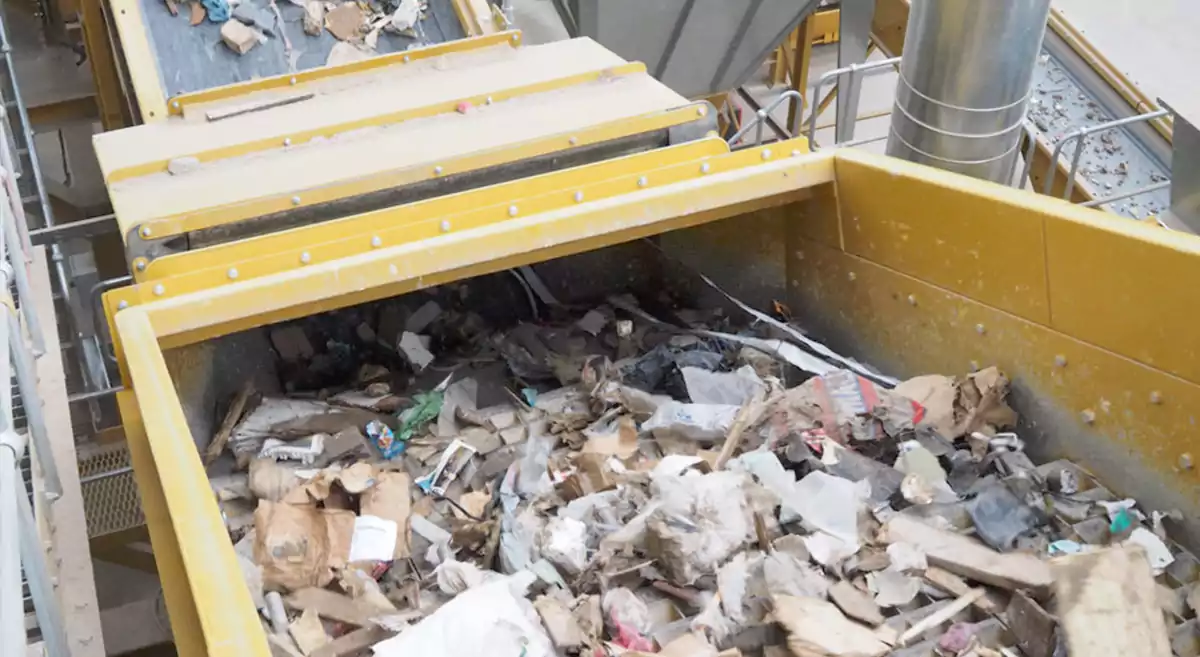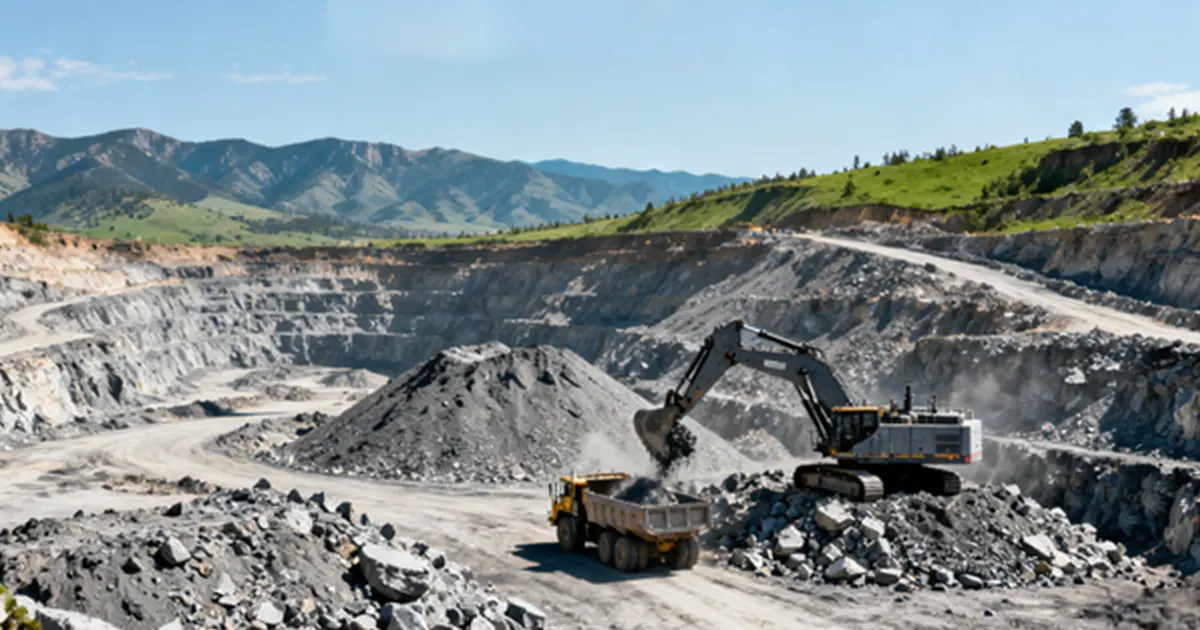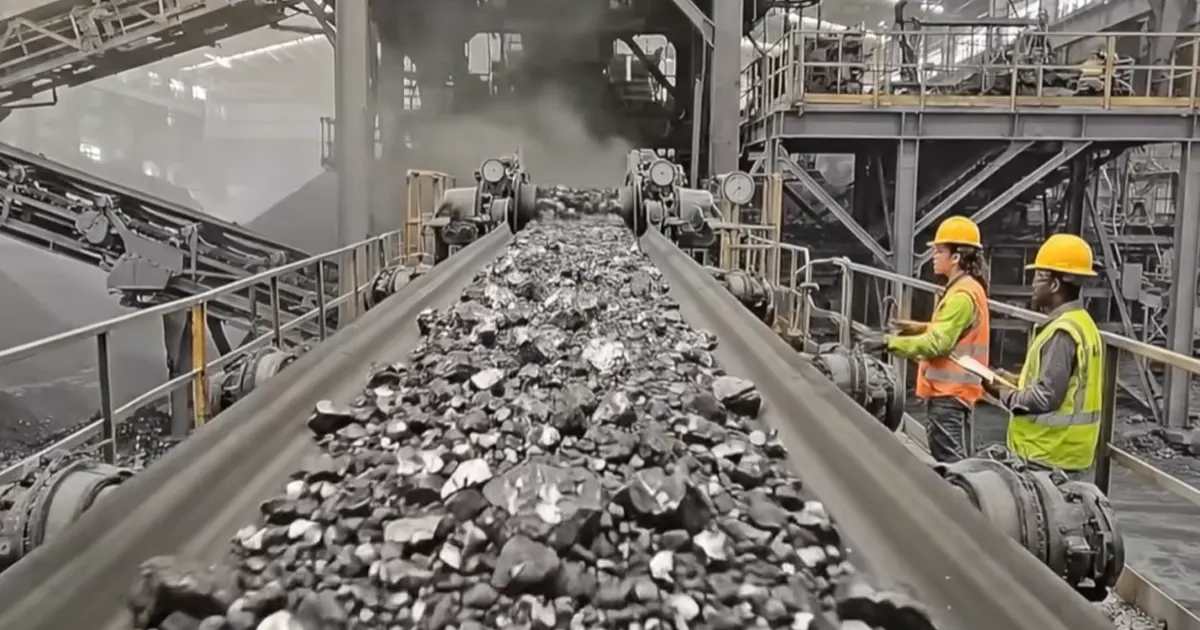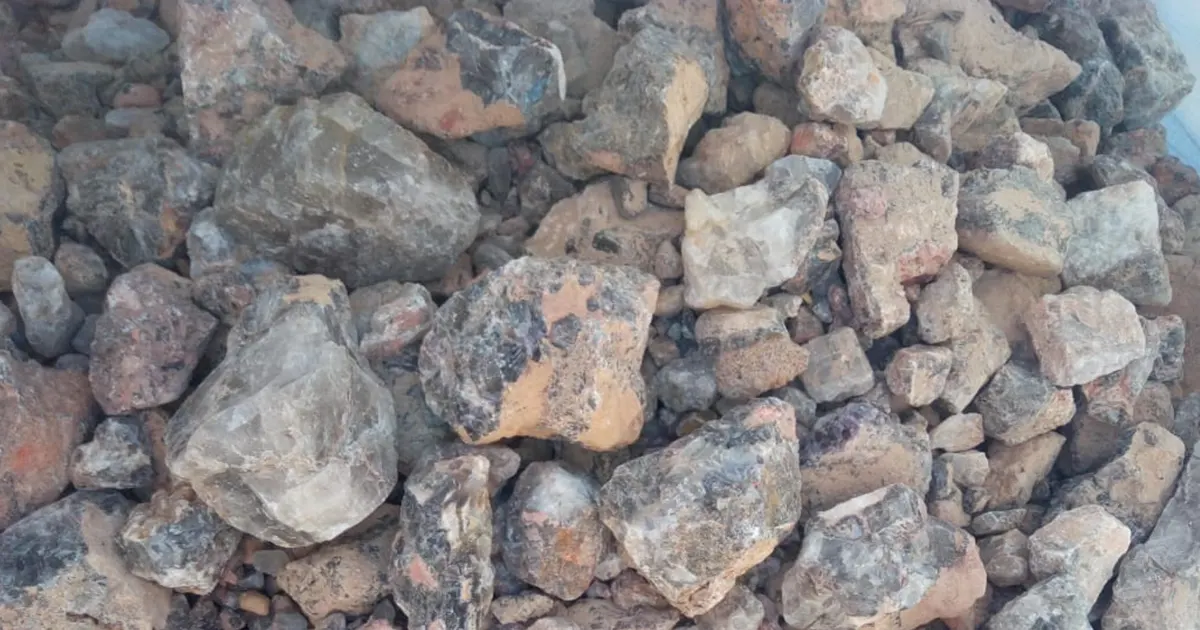
If you’re wondering what is trommel screen, it’s a machine designed to sort materials by size. So, what is trommel screen used for? It features a rotating drum that helps separate different materials efficiently. Trommel screens are commonly found in industries like mining, waste management, composting, and construction. By understanding what is trommel screen and how it works, you can improve your ability to sort and process materials in these fields.
Key Takeaways
- A trommel screen is a machine. It sorts things by size with a spinning drum. It separates small pieces from big ones.
- This makes it great for recycling, mining, and composting.
- The design stops clogs. It keeps working even with wet or sticky stuff.
- You can change the mesh size. This helps you sort different things better.
- Trommel screens need less fixing than other machines. This saves time and money.
- They can work with many things like soil, gravel, and trash.
- Using a trommel screen makes work faster. It also lowers labor costs when sorting materials.
- Mobile trommel screens can move to different places. This makes them useful for many jobs.
What Is Trommel Screen
Trommel Screen Definition
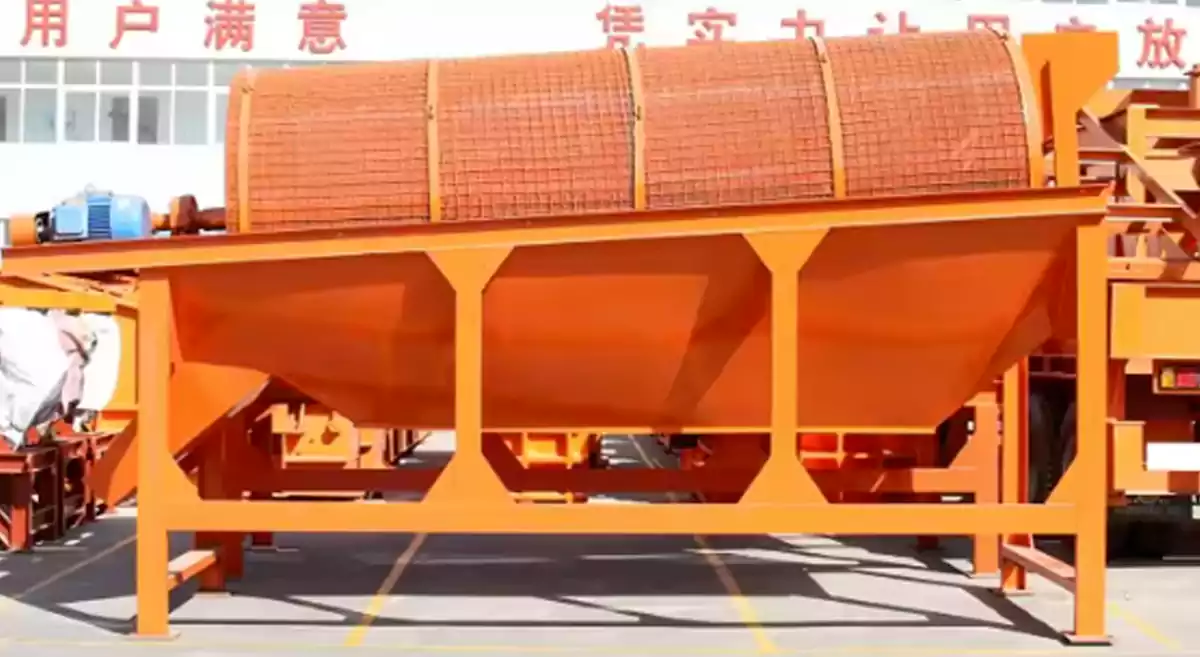
So, what is trommel screen? You can think of it as a big drum with holes. It spins around and sorts things by size. You put mixed stuff like soil or rocks in one end. The drum turns and smaller pieces fall through the mesh. Bigger pieces roll out the other side. This helps you separate things fast and easily.
Let’s look at a simple table:
| Feature | Description |
|---|---|
| Equipment Type | Trommel screen is a machine that sorts materials by size. |
| Function | It handles mixed stuff that would block a regular sieve. It works like a huge washing machine for rocks, soil, and waste. |
| Design | The trommel has a round mesh drum that lets small pieces drop through. |
| Operation | The gentle spinning separates things without making much dust or hurting soft items. |
You can find trommel screens at recycling centers and construction sites. They are also used at composting places. The spinning drum, called a trommel, does most of the work. It keeps things moving and stops clogs, which happen with flat screens.
Main Purpose of Trommel
Why do you need a trommel? Its main job is to separate materials. If you have a pile of mixed stuff, you want to sort it quickly. The trommel does this well. Its spinning drum and mesh panels sort things by size. Small bits drop through the holes. Big pieces keep moving until they come out at the end.
Here’s why trommel screens are great for sorting:
- The spinning drum keeps everything moving so nothing gets stuck.
- Lifting bars inside help mix and tumble the material. This gives every piece a chance to fall through.
- The design works well for sticky or wet stuff. Other screens get clogged by these.
- You can use a trommel for soil, sand, gravel, compost, or waste. It works for many jobs!
Tip: If you work with lots of mixed stuff, a trommel screen saves time. You don’t have to stop and clean out clogs as much.
Sorting materials is important in many jobs. In recycling, you want to sort plastics, metals, and glass by size. In mining, you need to separate minerals from dirt and rocks. Trommel screens make this easier and faster.
Modern trommels have helpful features. Some have low hoppers so you can load them easily. Some have side doors for quick cleaning. Others have stacking conveyors to move sorted stuff into trucks. These features help your work go smoothly.
So, if someone asks, “what is trommel screen?” you can say it’s a smart spinning machine that sorts materials. It helps you get the right size stuff where you need it, without mess or trouble.
How Trommel Screen Works
Operating Principle
You might wonder how a trommel actually sorts materials. The secret is in the rotating drum. When you feed mixed material into the trommel, the drum spins. Gravity and rotation work together. As the drum turns, everything inside tumbles and rolls. Smaller pieces fall through the holes in the drum. Larger chunks keep moving until they reach the end and exit.
Here’s what makes the trommel screen different from other machines:
- The rotating drum sorts materials by size as it spins.
- Gravity helps smaller bits drop through the mesh.
- The design lets you wash and separate materials at the same time, which is handy for things like recycled paper or compost.
- Trommel screens don’t vibrate, so they make less noise and last longer under tough conditions.
- Vibrating screens use the whole screen area, but trommels only use part of the drum at a time. This means trommels handle less material per minute, but they’re cheaper and more robust.
Tip: If you need a quiet, tough machine for sorting, a trommel screen is a smart choice.
Key Trommel Components
Let’s break down the main parts that make a trommel work. Each piece plays a special role in the screening process.
Rotating Drum
The rotating drum is the heart of the trommel. It’s a big cylinder with holes or mesh panels. When you load material into the drum, it spins and tumbles everything inside. The size of the holes decides what falls through and what stays. If you want to sort fine soil from rocks, you pick a drum with small holes. For bigger jobs, you use larger openings.
Lift Bars and Perforations
Inside the drum, you’ll find lift bars. These bars scoop up material and drop it as the drum turns. This action keeps everything moving and stops clogs. The perforations (holes) in the drum let smaller pieces escape. Lift bars help mix and agitate the material, making sure every bit gets a chance to fall through.
Drum Angle and Material Flow
The angle of the drum matters. If you tilt the drum, material moves faster from one end to the other. A steeper angle means quicker sorting. A gentle angle gives more time for separation. You can adjust the angle to match the type of material you’re working with. Wet or sticky stuff might need a slower flow to avoid jams.
Drive System and Support Frame
The drive system powers the rotating drum. You can change the speed to suit different materials. Some trommels have slow speeds for delicate items, while others spin faster for tough jobs. The support frame holds everything steady. Many trommel screens come with wheels or tracks, so you can move them around your site. The frame also supports extra features like hoppers, conveyors, and cleaning brushes.
Here’s a quick table to show what each part does:
| Component | What It Does |
|---|---|
| Rotating Drum | Spins and sorts material by size |
| Lift Bars | Mix and tumble material for better separation |
| Perforations | Let small pieces fall through |
| Drum Angle | Controls speed and flow of material |
| Drive System | Powers the drum and adjusts speed |
| Support Frame | Holds everything together and adds mobility |
Screening Process Steps
Now, let’s walk through the screening process step by step. You’ll see how each part works together to sort your material.
- Feeding: You load mixed material into the trommel, usually with a hopper or conveyor. The feeding system spreads everything evenly inside the drum.
- Tumbling and Separation: The rotating drum spins. Lift bars scoop and drop the material, making sure it tumbles and mixes. Smaller pieces fall through the perforations. Larger chunks keep moving toward the end.
- Material Flow: The drum angle helps move everything along. If you set a steep angle, material moves faster. A gentle angle gives more time for sorting.
- Discharge: After sorting, larger pieces exit the drum. You can collect them for further use or disposal.
- Cleaning: Some trommel screens have brushes or sprayers. These keep the drum clean and stop sticky material from clogging the holes.
Note: The efficiency of each step depends on the material’s size and shape. If you use the right drum size, angle, and speed, you get better separation. Regular maintenance and training help keep your trommel running smoothly.
You’ll notice that the trommel screen works best when you match its settings to your material. If you process wet compost, you might need slower speeds and cleaning brushes. For dry gravel, a faster drum and bigger holes work well. The screening process is simple, but each step matters for getting the best results.
If you want a machine that sorts, washes, and separates materials with less noise and fewer clogs, a trommel is a great choice. You control the flow, speed, and size, so you get the output you need.
Main Functions of Trommel
Material Screening by Size
A trommel is a strong tool for sorting things by size. You start by putting mixed stuff, like soil or trash, into the drum. The drum spins around and smaller bits drop through the mesh. Bigger pieces stay inside and keep moving forward. The mesh size decides what can fall through. You can pick mesh sizes from tiny to large. This lets you sort many kinds of materials and get the size you want.
Trommel screens are used at recycling centers and mining places. They help you sort things like plastic, metal, compost, or rocks. The spinning keeps everything moving so nothing gets stuck. You end up with neat piles of different sizes, ready for the next job.
Tip: To work faster, match the mesh size to your material. This helps you sort better and saves time.
Removal of Oversized Materials
Big pieces can slow down your work. The trommel helps you get rid of these quickly. Many trommels use a grizzly, which is a grid that catches large stuff before it goes in the drum. This keeps the drum safe and makes sorting easier. Inside, strong screens and brushes break up clumps and clean the mesh.
Some trommel systems have two conveyor belts. One belt moves the sorted material. The other belt takes away the big pieces. This keeps your work area tidy and helps you recycle or throw away large items fast.
Here’s a simple table to show how it works:
| Step | What Happens |
|---|---|
| Pre-screening | Grizzly removes large debris |
| Drum screening | Rotating drum separates by size |
| Oversized discharge | Conveyor moves big pieces away |
Preparing Materials for Further Processing
After sorting, your materials are ready for the next step. The trommel lifts and tumbles the mix, breaking up clumps and letting air in. Small bits fall through the screen. Big items move to the end. This makes clean, sorted streams of material.
You can send these sorted materials to other machines for more work. In mining, you might wash and clean minerals. In composting, you can cure and pack the finished product. The trommel helps you start with neat, uniform streams that are free of junk.
Note: Good sorting helps you do better in every step after. You save time, waste less, and get better final products.
Trommel screens are important in many jobs. They help you sort, clean, and get materials ready with less work. Using a trommel makes your job easier and helps you get more done.
Materials Processed by Trommel Screen
Aggregates and Minerals
You might wonder what kinds of materials you can run through a trommel. If you work with aggregate, you’ll find this machine very useful. Trommel screens handle a wide range of aggregates and minerals. You can use them for jobs like separating gravel, sorting coal, or cleaning gold ore. These machines also work well with iron ore, clay, silt, and sand.
Here’s a quick list of common materials you can process:
- Gravel
- Coal
- Gold ore
- Iron ore
- Clay
- Silt
- Sand
- Valuable ore
If you need to separate different sizes of aggregate, a trommel makes the job easy. The rotating drum keeps everything moving, so you get clean piles of sorted material. You can use these sorted aggregates for construction, road building, or even landscaping. The trommel helps you get the right size every time.
Waste and Recycling
Trommel screens play a big role in waste and recycling centers. You can use a trommel to sort mixed waste, like plastics, metals, and glass. The spinning drum separates items by size, so you can recycle more and send less to the landfill. If you deal with bulky waste, the trommel helps remove large pieces before they cause problems.
Many recycling plants use trommels to clean up construction debris. You can sort out wood, bricks, and concrete chunks. This makes it easier to recycle materials and keep your site clean. The gentle tumbling action of the trommel means you can even process fragile items without breaking them.
Tip: If you want to boost your recycling rates, add a trommel to your process. You’ll sort faster and recover more valuable materials.
Compost, Soil, and Sand
If you work with compost, soil, or sand, you’ll love what a trommel can do. These machines shine when you need to separate fine particles from wet or sticky material. The tumbling action gives the material a good mix, so you get better separation than with a vibrating screen.
Trommel screens are especially good for topsoil screening. The drum aerates the soil as it turns, which helps break up clumps and gives you a light, fluffy final product. Shaker screens can pack soil down, but a trommel keeps it loose and easy to handle. You’ll notice the difference in your garden beds or landscaping projects.
You can also use a trommel for mulch, sand, or even wet compost. The machine keeps working, even when things get sticky. If you need to process a lot of material without stopping, a trommel is a smart choice. It gives you steady results and helps you keep up with demand.
| Material Type | Why Use a Trommel? |
|---|---|
| Compost | Breaks up clumps, separates fine pieces |
| Soil/Topsoil | Aerates and fluffs, great for gardens |
| Sand | Handles wet or sticky sand easily |
Note: Trommel screens may use more energy and need regular care, but they give you clean, sorted material every time. If you want high-quality compost or soil, this is the tool for you.
Biomass and Wood Chips
If you work with biomass or wood chips, you know how important it is to get clean, high-quality material. Trommel screens make this job much easier. You can use a trommel to sort wood chips, pellets, and other biomass feedstocks. The rotating drum helps you separate fine particles from larger pieces. You end up with cleaner material that works better for energy production or other uses.
Let’s say you have a pile of wood chips mixed with bark, twigs, and dirt. You feed this mix into the trommel screen. The drum spins and tumbles everything inside. Small bits and dust fall through the mesh. Larger chunks and unwanted debris roll out the end. This process helps you remove oversized materials, wood offcuts, and foreign debris. You get a neat pile of wood chips ready for the next step.
One big benefit of using a trommel screen in biomass processing is the reduction of ash content. High ash levels can lower the quality of your feedstock. Studies show that trommel screens can cut ash content in wood feedstocks by more than half. For example, when processing southern pine plantation residues, the average ash level dropped from 4.0% to 1.4% for screened roundwood. Clean chipped residue saw ash levels fall from 11.9% to 6%. Lower ash means better fuel and fewer problems in your equipment.
Here’s a quick table to show how trommel screens help with biomass:
| Benefit | What You Get |
|---|---|
| Removes debris | Cleaner wood chips and pellets |
| Reduces ash content | Higher quality biomass feedstock |
| Separates by size | Uniform material for processing |
| Handles wet material | Works even with damp wood chips |
You might wonder why this matters. If you burn wood chips for energy, less ash means less waste and cleaner burning. If you sell biomass, your customers want material that meets strict standards. Trommel screens help you deliver top-quality products every time.
Tip: If you process a lot of wood chips or biomass, adding a trommel screen can save you time and money. You spend less effort cleaning up and get better results with each batch.
Trommel screens work well with many types of biomass. You can use them for wood chips, sawdust, bark, and even agricultural waste. The gentle tumbling action keeps material moving and stops clogs. You don’t have to worry about sticky or wet feedstocks slowing you down. The machine does the hard work, so you can focus on getting the job done.
If you want to boost your biomass quality, improve efficiency, and keep your operation running smoothly, a trommel screen is a smart choice. You’ll see the difference in your final product and in your bottom line.
Trommel Screen Applications
Waste Management
Trommel screens are used a lot in waste management. These machines help sort trash and recyclables fast. When mixed waste goes in, the drum spins. It separates things by size and weight. This helps you pick out recyclables from regular trash. You also get cleaner compost because big pieces are removed.
Waste management centers use trommel screens to recycle more. You can separate plastics, metals, and glass from other trash. The drum keeps things moving so clogs don’t happen. If you want good compost or recycled products, a trommel helps. You spend less time sorting by hand and get better results.
Tip: If you work with waste, a trommel screen helps you sort faster and makes your final products better.
Recycling Industry
Trommel screens are important in recycling. You often see them first at recycling centers. The drum sorts waste into groups. Some things go to compost or landfill. Other things have valuable recyclables.
Here’s how trommel screens help in recycling:
- Trommel screens sort waste by size. This makes it easier to find valuable materials.
- You can process mixed recyclables and keep up to 65% of waste out of landfills.
- Small pieces usually have organic stuff for compost. Big items include paper, plastic, and metals for recycling.
- In Material Recovery Facilities, trommel screens do the first sorting. They split waste into fine and coarse groups.
- This step keeps small junk away from optical sorters. It also sends big metal items, like cans, to special machines for more sorting.
If you want to recycle more, a trommel screen is a good idea. You get cleaner recyclables and less waste goes to landfill.
Mining and Quarrying
Trommel screens are used in mining and quarrying too. These machines help sort rocks, minerals, and ores by size. The drum spins and separates everything quickly. You don’t have to sort by hand.
Check out this table to see why trommel screens are good for mining and quarrying:
| Advantage | Description |
|---|---|
| Efficiency in Separation | High efficiency means less work and saves time. |
| Costs and Energy Efficiency | You don’t need as much manual work. |
| Environmental Benefits | Less waste and easier recycling. |
When you use a trommel in mining, you save time and energy. You also help the environment by making recycling easier. The drum works even with tough rocks and sticky minerals. You get sorted piles ready for the next step.
If you want mining or quarrying to be easier, use a trommel screen. You will sort faster, spend less, and get cleaner results.
Construction and Demolition
You see a lot of waste at construction and demolition sites. There are piles of wood, concrete, metal, and even old asphalt. Sorting all this by hand takes forever. That’s where trommel screens come in. These machines make your job much easier and faster.
Trommel screens help you sort and separate different materials. You can quickly pull out wood, concrete, and asphalt. This means you can recycle or reuse more and send less to the landfill. The design of a trommel screen keeps things moving, so you don’t have to stop and clear out clogs. You get steady, non-stop screening, even when the waste stream changes.
Here’s how trommel screens boost your efficiency on the job:
- They sort and separate materials, making recycling and disposal simple.
- The drum design keeps screening going, even with mixed or sticky waste.
- You can screen soil and aggregates to meet size needs for new projects.
- Many trommel screens are mobile. You can move them from one site to another without much trouble.
Tip: If you want to save money and help the environment, use a trommel screen to turn waste into reusable building materials.
Trommel screens have become a must-have for many construction and demolition applications. You can handle a wide mix of materials and keep your site cleaner. You also meet project needs by making sure your soil and aggregates are just the right size.
Agriculture and Composting
If you work in farming or composting, you know how important it is to get clean, rich compost. Trommel screens help you do just that. These machines separate large chunks and non-degraded pieces from the fine, finished compost. You end up with a product that looks good and works even better for your plants.
Trommel screens bring several benefits to your composting process:
- They make your compost uniform and nutrient-rich, which helps plants grow strong.
- The fine particles let water drain well, so your crops don’t get root rot.
- You can recover and reuse bulking agents like wood chips, which saves money and cuts down on waste.
You’ll notice that screened compost has a higher market value. People want compost that is clean and easy to spread. Trommel screens help you deliver that every time. You can also use these machines for other agricultural applications, like cleaning harvested crops or sorting soil.
Note: If you want to make your composting operation more sustainable, a trommel screen is a smart choice. You waste less and get better results.
Trommel screens have many applications in agriculture and composting. They help you create high-quality products, save resources, and keep your operation running smoothly.
Advantages of Trommel Screening
High Screening Efficiency
You want a machine that sorts things fast and well. Trommel screens do this job. The drum spins and keeps materials moving. This means you get steady sorting with no clogs. If you work with wet or sticky stuff, trommel screens work best. The spinning drum stops things from sticking. You spend less time cleaning and more time working. Trommel screens are great for sorting, especially when you need exact sizes. If you compare them to vibrating screens, trommel screens handle sticky stuff better. Vibrating screens can have trouble with wet or clumpy things. Trommel screens keep working even when things get tough. You get good sorting every time. You can process lots of material quickly. You do not worry about jams or slow work. The drum tumbles everything gently. Every piece gets a chance to go through the mesh. This gives you better sorting and helps your work.
Tip: If you want better sorting, use a trommel screen for wet, sticky, or mixed stuff.
Versatility in Material Handling
Trommel screens work with many kinds of materials. You can use them for compost, soil, gravel, waste, and wood chips. You can change the mesh size to fit your needs. If you need to sort fine compost one day and big rocks the next, you can use the same machine.
Here’s a table that shows how trommel screens fit different jobs:
| Feature | Description |
|---|---|
| Adjustable Screen Apertures | Lets you pick the right mesh size for each material. |
| Drum Rotation Speeds | Change the speed to handle wet, sticky, or dry materials. |
| Efficient Sorting System | Works with many waste streams and material types. |
The round drum helps you sort big pieces easily. The tumbling inside the drum makes sorting rough or odd-shaped things simple. You do not worry about jams or bad sorting. Trommel screens are used in many places because they can handle almost anything.
Note: If you need a machine for different materials, a trommel screen gives you the flexibility you need.
Cost-Effectiveness
Saving money is important for every business. Trommel screens help you spend less in many ways. The simple design means fewer problems and less money spent fixing things. You do not need extra machines to sort different sizes. Trommel screens can make several products in one go.
Here are some ways trommel screens help you save:
- You process lots of material fast, so you spend less time and pay less for workers.
- The machine sorts and screens in one step, so you do not need extra work.
- Fewer problems mean lower repair costs.
- You do not need to buy many machines for different jobs.
When you use a trommel screen, you get good sorting and save money. You spend less on repairs and extra machines. You also save time because the machine does big jobs quickly. Businesses save real money when they use trommel screens for sorting.
Tip: If you want to spend less and get good sorting, a trommel screen is a smart choice.
Low Maintenance Needs
You want a machine that works hard but doesn’t need constant fixing. That’s where trommel screens really shine. These machines have a simple design, so you spend less time on repairs and more time getting the job done. If you compare trommel screens to other types, like vibrating screens, you’ll notice a big difference in how much care they need.
Let’s look at a quick table to see how trommel screens stack up against vibrating screens:
| Equipment Type | Maintenance Requirements |
|---|---|
| Trommel Screens | Generally easier to maintain with simpler designs. |
| Vibrating Screens | Require more attention to ensure optimal functioning. |
Trommel screens use a rotating drum. This design means fewer moving parts that can break down. You don’t have to worry about complicated vibrating mechanisms. Most of the time, you just need to keep the drum clean and check for wear on the mesh. If you spot a problem, it’s usually easy to fix.
Here’s what you’ll do to keep your trommel running smoothly:
- Clean the drum and mesh to stop blinding or plugging.
- Check for worn-out parts, like the screen panels or lift bars.
- Make sure the drive system works well.
- Lubricate moving parts when needed.
You’ll find that these tasks are simple and don’t take much time. Trommel screens are built for tough jobs, so they can handle heavy loads without wearing out fast. The rotating drum does most of the work, and you don’t have to mess with lots of small parts.
Vibrating screens, on the other hand, need more attention. You have to check the vibrating motors and make sure the screen surfaces stay tight. If something goes wrong, repairs can take longer and cost more. That’s why many people choose trommel screens when they want less hassle.
Tip: If you want to spend less time on maintenance and more time working, a trommel screen is a smart pick. You’ll save money on repairs and keep your operation running smoothly.
Both trommel and vibrating screens can handle tough jobs, but trommel screens make your life easier. You get reliable performance, simple upkeep, and fewer headaches. That means you can focus on what matters—getting your materials sorted and your work done right.
Types and Selection of Trommel Screen
When you start looking for a trommel, you’ll see there are a few main types. Each one fits different jobs and work sites. Let’s break down what you need to know so you can pick the right trommel for your material processing needs.
Stationary vs Mobile Trommel
You’ll find two main styles: stationary and mobile trommel screens. A stationary trommel stays in one spot. You use it when you have a fixed site, like a recycling center or a quarry. It’s sturdy and handles big jobs all day long.
A mobile trommel moves from place to place. You can tow it behind a truck or move it with a loader. This type works great if you need to screen materials at different sites or on construction jobs. Mobile trommels help you stay flexible and keep up with changing work.
Tip: If your work site changes often, a mobile trommel saves you time and effort.
Drum Size and Screen Media Options
The drum is the heart of every trommel. You’ll want to think about drum size and the type of screen media you need.
- Drum length changes how long material stays inside. A longer drum gives more time for sorting, which means better separation.
- Screen size matters. Smaller holes give you finer material. Bigger holes let larger pieces pass through.
- You can pick different screen media. Some screens are made for tough rocks, while others work better for soft compost or wet soil. Customizing your screen media helps you get the best results for your job.
If you want to boost your trommel’s performance, match the drum and screen to your material.
Key Selection Factors
Choosing the right trommel means thinking about your work and what you need most. Here’s a quick look at the main things to consider:
| Factor | Description |
|---|---|
| Material Type | The type of material affects the screen size needed for effective processing. |
| Throughput Requirements | Determines the volume of material the trommel can handle efficiently. |
| Screen Size | Essential for sorting materials based on particle size. |
| Portability | Important for moving the trommel between different sites. |
| Power Source | Choose between electric or hydraulic based on operational needs. |
| Maintenance Needs | Regular upkeep is crucial for efficiency; features like self-cleaning can help. |
Material Type and Volume
Think about what you’ll put in your trommel. Heavy rocks need a tough drum and strong screens. Light compost or soil works with lighter screens. Also, check how much material you need to process each day. Pick a trommel that can keep up with your workload.
Desired Output Size
Decide what size you want your finished material to be. If you need fine soil, choose a trommel with small screen holes. For bigger pieces, go with larger openings. Matching the screen size to your needs helps you get the right results.
Site and Mobility Needs
Ask yourself if you need to move your trommel. If you work at different sites, a mobile trommel is best. If you stay in one place, a stationary trommel works well.
Durability and Maintenance
Look for a trommel that’s easy to clean and fix. Some models have self-cleaning brushes or easy-access panels. These features save you time and keep your trommel running smoothly.
Note: Picking the right trommel makes your material processing faster, easier, and more cost-effective.
Conclusion
Now you know a trommel screen sorts things by size with a spinning drum. You can use it for jobs like mining, recycling, and composting. Trommel screens help you finish work faster and keep materials clean. Before choosing a trommel, think about what your job needs and what kind of material you will use.
Anpeng is a professional industrial screen manufacturer. We produce woven wire screens, self-cleaning screens, PU mesh screens, and other screening media, providing reliable solutions for trommel and other screening equipment.
FAQ
What is the main job of a trommel screen?
You use a trommel screen to sort materials by size. The drum spins and separates small pieces from big ones. This helps you get clean piles for your next step.
Can a trommel screen handle wet or sticky materials?
Yes! Trommel screens work well with wet or sticky stuff. The spinning drum keeps things moving, so you don’t get clogs like you might with flat screens.
How do you choose the right trommel screen size?
Pick a screen size based on what you want to sort. If you need fine soil, go with small holes. For bigger rocks, choose larger openings. Always match the screen to your material.
Where do you use trommel screens?
You find trommel screens at recycling centers, mines, compost sites, and construction jobs. They help you sort waste, soil, rocks, and more.
Do trommel screens need a lot of maintenance?
No, you don’t spend much time on maintenance. Just clean the drum and check for worn parts. Trommel screens have simple designs, so repairs are quick and easy.
What materials can you process with a trommel screen?
You can sort compost, soil, sand, gravel, wood chips, and waste. Trommel screens work with many types of materials, making them very versatile.
Are trommel screens noisy?
Trommel screens run quietly. The drum spins gently, so you hear less noise compared to vibrating screens. This makes your work site more comfortable.
Can you move a trommel screen to different sites?
Yes! Many trommel screens are mobile. You can tow them or move them with a loader. This helps you work at different locations without trouble.