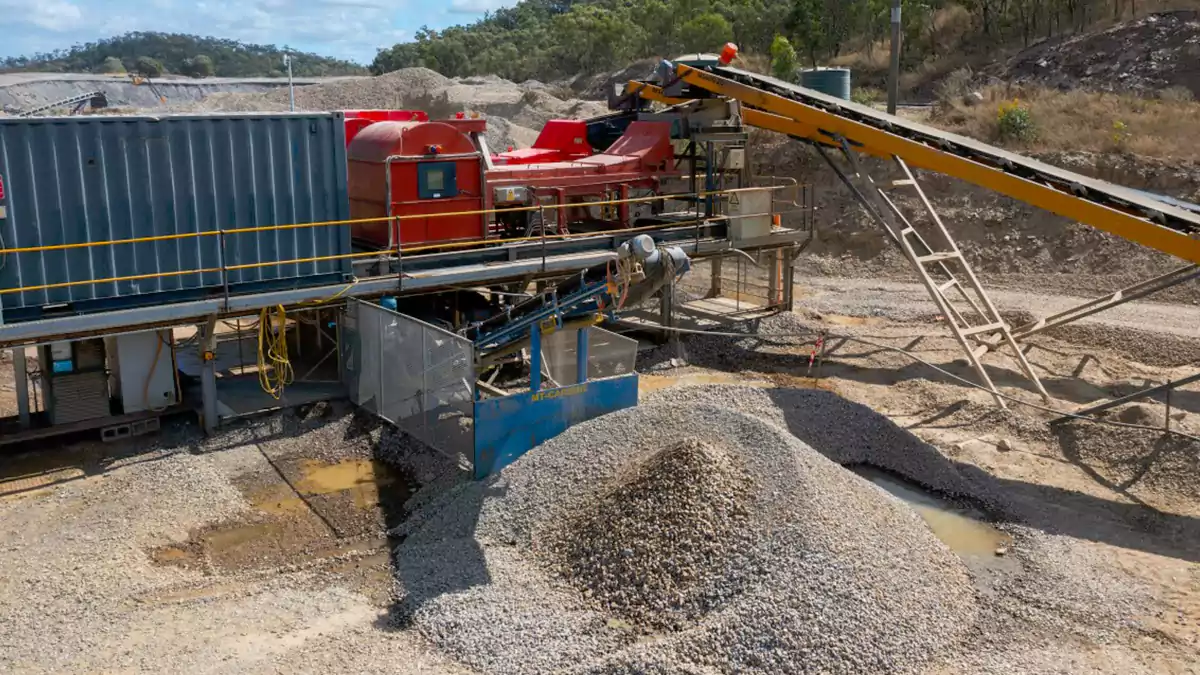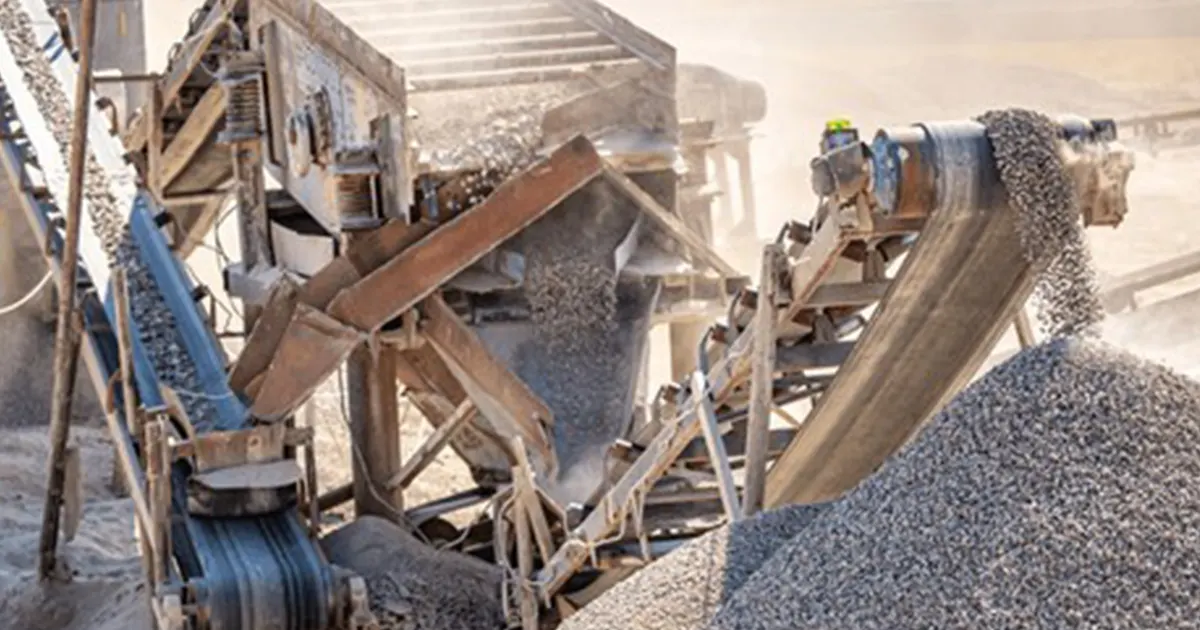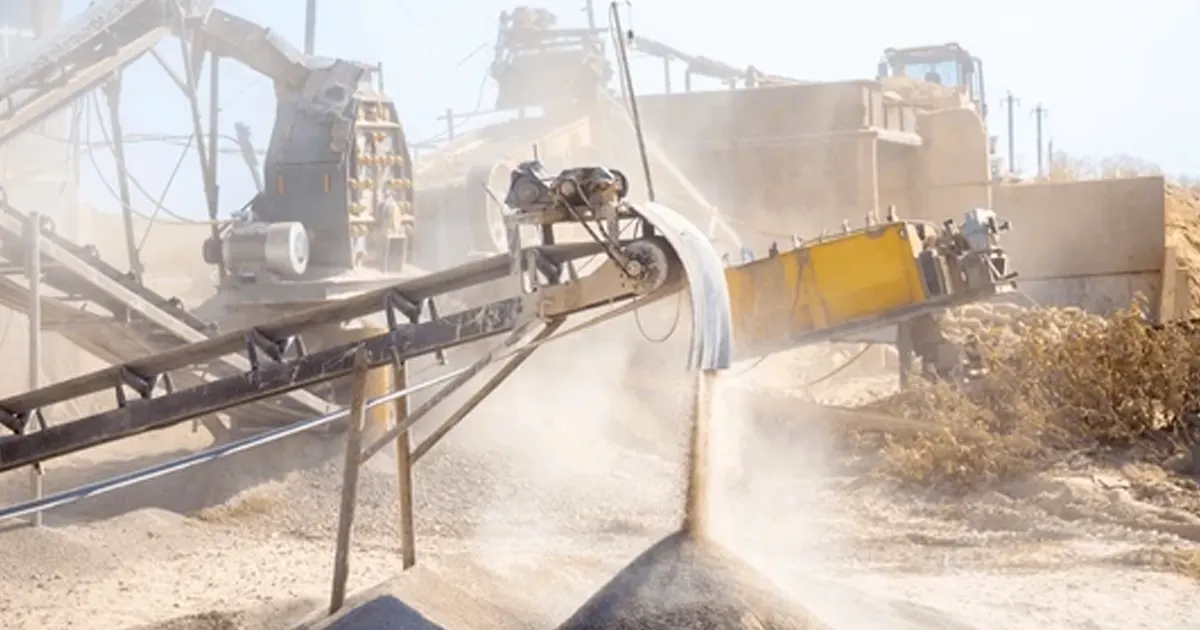
You may wonder, what is vibrating screen and why is it important? A vibrating screen is a machine that sorts materials by size through rapid shaking. If you work with rocks, sand, or minerals, you likely use this tool often. In fact, more than 60% of material processing facilities use vibrating screens. Understanding what is vibrating screen can help you see how these machines speed up work and prevent issues. High-frequency models can sort even the smallest pieces, save energy, and require less maintenance. For example, one coal mine increased its material output by 12% after switching to a new vibrating screen.
Key Takeaways
- A vibrating screen separates things by size using fast shaking. It is very important in mining, recycling, and food processing.
- If you know how vibrating screens work, you can sort better. This also helps you have less machine downtime.
- Picking the right screen mesh size and material is very important. Small holes are for tiny pieces. Big holes are for larger pieces.
- You should clean and check your vibrating screen often. This helps it work well and last longer.
- Changing the vibration speed and screen angle can help sorting. You can set the screen for your own material needs.
- Vibrating screens can be used for many things. They can sort sand, gravel, chemicals, and food. This makes them useful in many jobs.
- High-frequency screens sort tiny pieces better. Dewatering screens take out water, so things are easier to handle.
- Buying a good vibrating screen can give you better material. It can also help you make more and spend less money.
What is Vibrating Screen
Definition
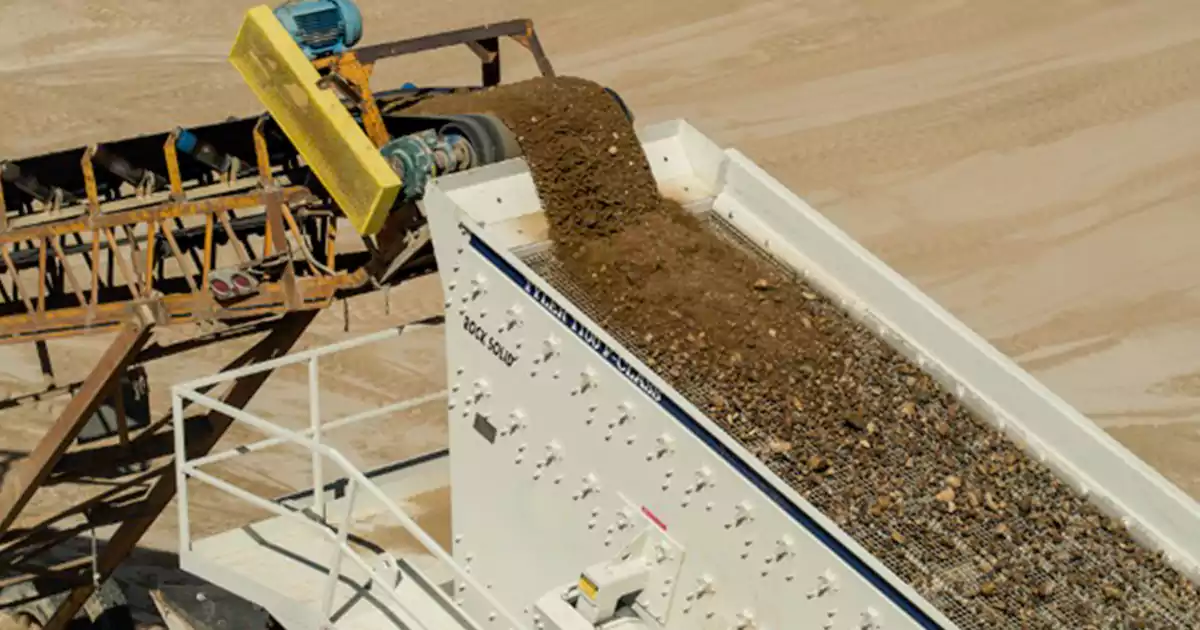
When you ask what is vibrating screen, you want to know about a machine that sorts things by size. A vibrating screen is a kind of equipment that uses shaking to move and separate materials like minerals, coal, and aggregates. An electric motor makes a shaft spin off-center, which causes the screen to shake fast. This shaking moves the materials across the screen. If pieces are small enough, they fall through the holes. A vibrating screen is very important for people who need to sort lots of material quickly and correctly.
Main Function
The main job of a vibrating screen is to help you get the right size pieces you need. You put a mix of big and small pieces on the screen. The shaking helps small pieces drop through the holes, and big pieces stay on top. This is called particle size separation. It is a simple idea, but it really helps when you work with materials. If you want to see the main jobs, look at this table:
| Function | Description |
|---|---|
| Material Handling | Sorts and separates materials by size, which is important in many jobs. |
| Separation Efficiency | Keeps the sizes even, so your work goes smoothly. |
| Maintenance | Easy to fix and has parts you can change fast, so you spend less time fixing. |
| Energy Efficiency | Uses less power, which saves money and helps the planet. |
You can see that a vibrating screen does more than just sort things. It helps you organize materials, keeps your work going well, and saves energy. When you use a vibrating screen, you get good sorting every time.
Role in Industry
You might wonder where people use a vibrating screen. The answer is almost anywhere that needs sorting or separating. Here are some main jobs that use vibrating screens:
- Mining: You need to sort rocks and minerals by size before doing more work.
- Pharmaceuticals: You want powders and ingredients to be the right size for making medicine.
- Recycling: You sort plastics, metals, and other things so they can be used again.
- Construction: You separate sand, gravel, and crushed stone for building.
Did you know? In mining, vibrating screens are about 37% of all dry screening machines. This shows how important these machines are for getting work done right.
Vibrating screens are popular because they sort things well, are small, and do not need much fixing. You can use them for many jobs, and they help you finish faster and with less work. When you think about what is vibrating screen, remember it is a tool that makes your work easier, no matter what job you have.
Vibrating Screen Working Principle
Vibration Mechanism
When you see a vibrating screen, you may ask how it shakes so quickly. The answer is the vibration mechanism. The screen sits or hangs on springs. A motor spins a shaft with off-center parts called eccentrics. This setup uses only two strong bearings. That makes it easy to fix and take care of. The spinning shaft makes a steady vibration. This vibration moves through the bearings and into the screen frame.
- The shaking comes from an unbalanced flywheel or an eccentric shaft.
- The movement can be round or straight, based on the design.
- You can change the screen tension easily to keep it working well.
Tip: The kind of vibration—round or straight—changes how materials move and how well the screen separates them.
Material Stratification
Let’s see what happens to materials on the vibrating screen. When you put a mix of big and small pieces on the screen, the shaking starts. The vibration spreads the pieces out and makes layers. This is called “stratification.” Small pieces move down to the mesh. Big pieces stay on top. DEM tests show that the way the screen moves—round, straight, or oval—changes how layers form. Round and oval motions help pieces near the mesh pass through better. Straight motion works best for small pieces.
Did you know? Small pieces usually go through the screen first, so sorting is faster and more exact.
Separation Process
You may wonder how the vibrating screen sorts everything. Here is a simple step-by-step guide:
- The motor turns on and makes the screen shake.
- You put a lot of material on the screen.
- The shaking spreads the material across the mesh.
- Small pieces fall through the holes. Big pieces move along the top.
- If you use more than one layer, each layer catches a different size. You get many sorted piles at once.
| Step | What Happens |
|---|---|
| Generate Vibration | Motor spins, screen box shakes |
| Feed Material | You add a lot of material to the screen |
| Spread & Stratify | Shaking spreads and layers the material |
| Separate Particles | Small pieces fall through, big ones move on |
| Multi-Layer Output | Each layer sorts a different size, giving you many outputs |
Vibrating screens work in many jobs, like mining, building, and medicine. Studies show that changing how the screen shakes—like speed, strength, and angle—can make sorting better. Round motion gives the best sorting because it keeps the material thick and helps pieces touch more. This way, more pieces go through the mesh.
Note: For the best results, try changing the shaking settings and screen style to fit your material and job.
If you know how the vibrating screen works, you can sort better, save time, and get more done.
Vibrating Screen Components
Screen Mesh and Holes
When you look at a vibrating screen, the first thing you notice is the mesh. This part does the actual sorting. The mesh has many holes, and each hole lets only the right size of material pass through. You can choose different mesh materials based on your job. Here’s a quick guide:
| Material | Application | Key Properties |
|---|---|---|
| Steel | Dry and rough jobs | Durable, can be made into many shapes |
| Polyurethane | Wet jobs, high wear resistance | Tough, rust-resistant, easy to replace |
| Rubber | Sharp rocks | Flexible, strong in rough conditions |
| Stainless Steel | Wet or salty environments | Corrosion-resistant, lasts a long time |
The size of the holes matters a lot. If you pick small holes, only tiny pieces get through. Bigger holes let larger pieces pass. The open area, or how much of the mesh is open space, affects how fast you can sort materials. The type of mesh you use also changes how quickly and accurately you can separate things.
- Hole size controls what passes through.
- Open area affects sorting speed.
- Mesh type changes sorting accuracy.
Tip: If you want your vibrating screen to work better, match the mesh material and hole size to your material.
Vibration Motor
The vibration motor is the heart of your vibrating screen. This motor makes the whole machine shake and move. Different jobs need different motors. Some motors spin very fast, while others move slower but with more force. Here’s a table to help you see the main types:
| Vibration Motor Type | Power Rating (HP) | Frequency (RPM) | Description |
|---|---|---|---|
| 2-Pole | 1/10 to 10 | 3600 | Good for bins, hoppers, and chutes |
| 4-Pole | 1/10 to 10 | 1800 | Used for vibrating tables and screens |
| 6-Pole | 1/4 to 17.5 | 1200 | For large feeders and screens |
| 8-Pole | N/A | 900 | Best for big screeners and foundries |
You can find motors that run on single-phase or three-phase power. Some motors give you high force with less weight. Others work best for heavy-duty jobs. If you pick the right motor, your vibrating screen will run smoothly and last longer.
Frame Structure
The frame holds everything together. It gives your vibrating screen its shape and strength. Makers weld or bolt the parts of the frame with care. This strong base supports the mesh, motor, and all moving parts. A good frame keeps the machine steady, even when it shakes hard.
You might see frames made from steel or set on a concrete base. Both choices help stop the machine from moving out of place. A strong frame also protects your vibrating screen from damage and keeps it working for years.
Note: If you want your vibrating screen to last, always check the frame for cracks or loose bolts.
Springs and Dampers
You might wonder why your vibrating screen doesn’t shake the whole building. Springs and dampers play a big part in keeping things quiet and steady. These parts sit between the screen and its frame. They help control how much the screen moves and how much noise it makes.
Springs act like cushions. They let the screen bounce up and down without passing all that shaking to the ground. You get less vibration in your workspace. Rubber mounts work in a similar way. They absorb shocks and keep the machine from rattling too much.
Dampers help even more. They soak up extra energy from the shaking. You can find different types of dampers on vibrating screens. Some use special materials called viscoelastic dampers. These dampers grab vibration energy and turn it into heat. Others use friction dampers. These work by rubbing two surfaces together, which slows down the movement.
Here’s how springs and dampers help your vibrating screen:
- Springs and rubber mounts isolate vibrations, so your floor stays still.
- Damping helps soak up energy and keeps the screen from shaking too much.
- Viscoelastic dampers absorb vibration energy and make the machine quieter.
- Friction dampers slow down movement by rubbing parts together.
- Picking the right material for springs and dampers can make your screen run smoother.
Tip: If your vibrating screen gets too noisy or shakes too much, check the springs and dampers first. Worn-out parts can cause trouble and make your machine less safe.
You don’t need to be an engineer to see the difference. Good springs and dampers keep your machine running quietly and safely. They also help your screen last longer. If you want a peaceful workspace, pay attention to these parts.
Control System
You control your vibrating screen with a simple system. The control system lets you start, stop, and adjust how the screen works. Most screens use an electric panel with buttons or switches. You press a button, and the motor starts shaking the screen.
Some control systems let you change the speed or strength of the vibration. You might use a dial or a touchscreen. This helps you match the screen’s movement to the material you want to sort. If you need to sort fine sand, you can turn up the vibration. For bigger rocks, you might slow it down.
Modern screens sometimes use smart controls. These systems watch how the screen works and make changes on their own. You get better sorting and less wasted energy. Some control systems even send alerts if something goes wrong. You can fix problems before they get worse.
Here’s what you get with a good control system:
| Feature | What It Does |
|---|---|
| Start/Stop | Turns the screen on or off |
| Speed Adjustment | Changes how fast the screen shakes |
| Vibration Control | Lets you pick strong or gentle shaking |
| Safety Alerts | Warns you if something needs fixing |
| Smart Monitoring | Watches the screen and makes changes |
Note: If you want your vibrating screen to work its best, learn how to use the control system. Small changes can make a big difference in sorting speed and quality.
You don’t need fancy training to use these controls. Just follow the instructions and pay attention to alerts. With a good control system, you get more control over your work and better results every time.
Types of Vibrating Screens
When you look at the different types of vibrating screens, you’ll see that each one works best for certain jobs. Picking the right type can make your work easier and help you get better results. Let’s break down three common types you might use.
Linear Vibrating Screen
You’ll notice that a linear vibrating screen moves materials in a straight line. This type is great when you need to sort or separate bulk materials quickly. Here’s what makes it stand out:
- Linear motion comes from two motors or shafts spinning in opposite directions. This creates a strong, straight shake.
- The screening surface can have one or more layers, often made from wire mesh or plates with holes.
- You can adjust how much the screen shakes and how fast it moves. This helps you match the screen to your material.
- Smaller pieces fall through the screen, while bigger ones move along the top.
- You get high efficiency, especially when sorting sand, gravel, or crushed rock.
- You can use this screen in mining, recycling, food processing, and even in making medicine.
- Maintenance is simple. Just check the parts, clean the mesh, and add oil when needed.
If you want a vibrating screen that gives you control and works well for many jobs, this type is a solid choice.
Circular Vibrating Screen
A circular vibrating screen works differently from the linear type. Instead of moving in a straight line, it shakes in a round or oval pattern. The secret is an off-center shaft that spins and makes the whole screen swing in a circle. This motion helps spread materials out and pushes them toward the edges. You’ll see this type used when you need to sort larger or sticky materials. The circular motion gives the material a little extra push, so it moves faster and sorts better. If you work with coarse or wet materials, this screen can save you time and effort.
Tip: If you need to handle sticky or lumpy materials, try a circular vibrating screen for smoother sorting.
Elliptical Vibrating Screen
The elliptical vibrating screen gives you a mix of both straight and circular motion. This type is built to last and works well in tough jobs. You get a balance of speed and gentle handling, which helps when you need to sort tricky materials. Here’s a quick look at what makes it special:
| Benefit | Description |
|---|---|
| Performance | Balances speed and accuracy for many industrial jobs. |
| Durability | Handles heavy use and keeps working for a long time. |
| Cost-effectiveness | Saves money by running efficiently and needing less upkeep. |
You might pick this screen if you want something that lasts, works well, and doesn’t cost too much to run. It’s a smart choice for many industries.
When you compare these types of vibrating screens, think about your material and your job. The right choice can help you sort faster, save money, and keep your work running smoothly.
High-Frequency Screen
You might wonder what makes a high-frequency screen different from other vibrating screens. The answer is in the speed. These screens shake much faster than regular ones. You get a rapid vibration that helps sort tiny particles. If you need to separate fine materials, this screen is your best friend.
High-frequency screens work well when you deal with tough jobs. You can use them for both wet and dry materials. They shine when you need to sort wet soil, clay, or anything that clumps together. You also see them in recycling centers and mineral processing plants. Here’s where high-frequency screens really stand out:
- You want to separate fine particles, especially in mineral processing.
- You need to sort crushed ores down to less than 200 microns.
- You handle wet materials like clay or soil that tend to stick together.
- You work in recycling and need to sort small bits from mixed waste.
The fast shaking keeps the material moving and stops it from clogging the mesh. You get cleaner sorting and less downtime. If you need to process sand, minerals, or recycled materials, a high-frequency screen helps you get the job done quickly.
Tip: If you struggle with sticky or tiny particles, try a high-frequency screen. You’ll see better results and save time.
Dewatering Screen
You might ask, “How do I get my material dry and easy to handle?” That’s where a dewatering screen comes in. This screen helps you remove water from your product. You end up with a drier, cleaner pile that’s easier to move and store.
Dewatering screens use special mesh and strong vibration. Water drains away while solid pieces stay on top. You get a product that doesn’t drip and stacks neatly. These screens also help you recycle water, which saves money and helps the environment.
Here’s a quick look at what a dewatering screen does for you:
| Function | Benefit for Material Handling |
|---|---|
| Moisture Reduction | Creates a drier product, improving transport efficiency and reducing costs. |
| Product Handling | Produces a non-drip, stackable product that is easier to manage. |
| Water Recycling | Promotes sustainability by reducing fresh water consumption. |
You’ll find dewatering screens in sand plants, mining, and recycling. If you need to move material without making a mess, this screen is a smart choice.
Note: Dewatering screens help you save water and money. You get a cleaner workspace and a product that’s ready to use.
Functions and Benefits
Material Separation
You want your materials sorted fast and right. Vibrating screens make sorting easy for you. These machines shake hard to move particles over a mesh. Each particle goes through the hole that fits its size. You get neat piles of different sizes. The design, like linear or circular, helps you sort many materials. Gyratory motion spreads things out. This stops dead spots and handles delicate items gently. You get better sorting than with other machines like trommels or static grizzlies. You see more exact results and less waste. If you need to sort sand, gravel, minerals, or food, vibrating screens give you control.
Tip: You can change the settings on a vibrating screen. This helps you match the screen to your material. You get the best results every time.
Efficiency and Output
You want to finish more work in less time. Vibrating screens help you work faster and easier. The strong shaking keeps materials moving. You do not worry about clogs or slowdowns. You can sort lots of material quickly. This means you get more done and save money on labor. These machines sort many sizes at once. You do not need extra machines for each size. You get more finished product with fewer steps.
Here are ways vibrating screens help you work better:
- You sort more material every hour.
- You have less downtime because screens stay clean.
- You spend less time fixing jams.
- You use less energy and save money.
Try changing the vibration speed or mesh size. You will see your sorting get faster and your output go up.
Quality Improvement
You want your final product to look good and meet standards. Vibrating screens help you keep only the right-sized pieces. You do not mix in unwanted bits or tiny particles. This keeps your product pure and even. You also lower contamination because the screen sorts by size and quality. In recycling, you sort metals, plastics, and organics better. In food processing, you remove bad bits and keep quality steady.
Here is a table that shows how vibrating screens help you get better quality:
| Benefit | Contribution to Quality Improvement |
|---|---|
| Improved product purity | Separates good materials from unwanted bits or tiny particles. |
| Reduced contamination | Sorts materials by size and quality. |
| Enhanced overall material quality | Keeps product quality steady and particle size even. |
| Increased accuracy in recycling | Separates metals, plastics, and organics from waste well. |
| Consistency in food processing | Sorts food particles to remove bad bits and keep quality. |
You see these benefits in many jobs:
- In mining and aggregates, you get purer products and better recovery.
- In recycling, you sort materials to sell and do less manual work.
- In food processing, you sort particles to keep quality even.
If you want your materials to meet tough standards, vibrating screens help you reach your goals. You get better sorting, higher speed, and improved quality every time.
Versatility
You might wonder if one vibrating screen can handle all your jobs. The answer is yes! Vibrating screens stand out because they work with many materials and fit different tasks. You can use them for sand, gravel, minerals, food, or even recycling. You get to choose the screen that matches your needs.
Let’s look at what makes vibrating screens so flexible. You can pick from different types and designs. Each one gives you special benefits for your work. Here’s a table that shows how screens adapt to different jobs:
| Factor | Description |
|---|---|
| Screen Type and Design | You can choose linear, circular, or high-frequency screens. Each type fits a different job. |
| Screen Deck Configuration | Single-deck screens work best for one material size. Multi-deck screens let you sort many sizes at once. |
| Screen Motion and Mechanism | Linear, circular, and elliptical motions help you handle tough, sticky, or fine materials. |
You get even more control with adjustable features. You can change the way your screen works to fit your material. Here are some things you can adjust:
- You can tilt inclined screens to change how fast materials move.
- You can set the stroke length to make the screen shake harder or softer.
- You can adjust the rotation speed for faster or slower sorting.
- You can use screens for medium, fine, or heavy-duty jobs.
You don’t have to stick with one setup. You can switch things up to match your job. This means you save time and money because you don’t need a new machine for every task.
Let’s break down two main screen styles you might use:
- Horizontal screens give you more accuracy and can handle more material. They fit in places with low ceilings.
- Inclined screens use gravity to help move materials. You get faster sorting and easier flow.
You can see that vibrating screens work in many industries. You might use them in mining, construction, food processing, or recycling. You get to sort rocks, sand, powders, or even wet materials. You don’t need to worry about changing your whole setup. You just adjust your screen and keep working.
Tip: If you want to handle new materials or switch jobs, just change your screen settings. You get the results you want without buying new equipment.
Vibrating screens give you freedom. You can sort almost anything, change your setup, and keep your work moving. You get a machine that grows with your business and helps you tackle new challenges. That’s real versatility!
Applications of Vibrating Screen
Sand and Aggregate Production
You often see vibrating screens in sand and gravel plants. These machines help sort rocks, sand, and gravel by size. When building roads or mixing concrete, you need the right size pieces. Vibrating screens make sorting fast and simple.
- They help you move more material at once, so you get more done.
- Some screens, like the Metso ES303, shake in an oval pattern. This can help you sort up to 25% more than old screens.
- You can change the screen parts quickly, so you spend less time fixing things.
- The design helps your plant keep working without long stops.
Tip: To get the best results, use a vibrating screen that lets you change parts fast and keeps your materials moving.
Sand and gravel plants use vibrating screens a lot. These machines help you meet demand and give you clean, sorted material every time.
Recycling Industry
You may not know it, but vibrating screens are very important in recycling. When you recycle plastics, metals, or old electronics, you need to sort the pieces. Vibrating screens help you do this quickly and easily.
- In plastics recycling, they sort and dry plastic pieces. This gives you clean, dry material for the next step.
- When working with building waste, vibrating screens separate concrete, metal, and other things. This makes recycling easier and keeps more trash out of landfills.
- For electronic waste, these machines sort out good parts after shredding. You get more useful materials and throw away less.
Vibrating screens use shaking to separate things by size and weight. Small pieces fall through holes, while big ones stay on top. This gives you good sorting and helps you get more value from recycling.
You will see that recycling is a common job for vibrating screens. These machines help you sort, clean, and recover materials, making recycling work better.
Food and Chemical Processing
You might not realize how important vibrating screens are in food and chemical plants. These machines help you sort powders, grains, liquids, and even sticky stuff. You get clean, safe products that meet strict rules. If you work with flour, sugar, spices, or chemicals, you need a screen that keeps everything pure.
In food processing, you want to keep things clean. Vibrating screens use special materials like stainless steel. This metal does not rust and is easy to wash. You can find screens made from 304 or 316 stainless steel. These grades resist corrosion and keep your food safe. You also see explosion-proof motors and cleaning devices. These features help you follow Good Manufacturing Practice (GMP) standards. You do not want dust or germs in your food, so screens come with tight seals and easy-to-clean parts.
Chemical processing needs even tougher screens. You often use 316L stainless steel. This metal stands up to strong chemicals and high temperatures. Screens in chemical plants have tightly sealed structures. You do not want leaks or spills. Anti-static devices stop sparks, which keeps you safe. You can take these screens apart quickly for cleaning. This saves you time and helps you avoid mixing different chemicals.
Here’s a table that shows how vibrating screens fit into food and chemical processing:
| Industry | Materials Used | Design Features |
|---|---|---|
| Food Processing | 304/316 stainless steel | Explosion-proof motors, cleaning devices, compliance with GMP standards |
| Chemical Processing | 316L stainless steel | Tightly sealed structure, anti-static devices, easy disassembly |
You get more than just safety. Vibrating screens help you sort ingredients by size. You can remove lumps from flour or separate fine powders from grains. If you make candy, you can sift sugar to get the right texture. In chemical plants, you can sort crystals, powders, or liquids. You get pure products every time.
Tip: Always check if your vibrating screen meets hygiene and safety rules. Clean screens help you avoid problems and keep your products top quality.
You can see that vibrating screens make your job easier. You get fast sorting, safe products, and less waste. If you want to keep your food or chemicals clean, a vibrating screen is your best friend. You save time, protect your customers, and meet every standard.
Factors for Vibrating Screen Effectiveness
Design Considerations
You want your vibrating screen to work well and last a long time. The way you design and set up your screen makes a big difference. Here are some things you should think about:
- Serviceability matters. You need a screen that’s easy to install, start up, and fix. If you can reach all the parts, you spend less time on repairs.
- Planned maintenance keeps your screen running. If you set up regular checks, you avoid big problems and keep your plant working.
- Operating costs affect your choice. You want a screen that saves money over time, not just at the start.
- Good “throw” is key. Throw means how far the screen moves each time it shakes. More throw can help you sort more material.
- Adjust the stroke and frequency. Stroke is how much the screen moves up and down. Frequency is how fast it shakes. You can change these to fit your material.
- Deck angle matters. If you tilt the screen, you control how fast material moves and how well it sorts. The right angle helps you get the best results.
Tip: If you want your screen to sort faster, try changing the throw or deck angle. Small changes can make a big difference.
Material Compatibility
You need to match your screen to the material you want to sort. If you use the wrong mesh or frame, your screen wears out fast. Picking the right materials helps your screen last longer and work better.
| Feature | Why It Matters |
|---|---|
| Quality materials reduce wear | Tough mesh and frames last longer. You spend less time fixing and more time working. |
| Vibration management | Good design keeps shaking from hurting other parts. Your screen stays strong. |
You should also balance the weight. If the weights inside your screen are off, the machine shakes too much. Balanced weights help your screen run smooth and keep bearings from wearing out.
- Always check the mesh for tears or holes.
- Make sure the weights are balanced. This stops extra shaking and keeps your screen healthy.
Note: If you see your screen shaking more than usual, check the weights and mesh first.
Maintenance
You want your vibrating screen to keep working day after day. Regular maintenance helps you avoid breakdowns and keeps your machine in top shape. Here’s a simple routine you can follow:
- Daily:
- Clean the screen decks. This stops material from blocking the holes.
- Check bolts and fasteners. Tighten any that are loose.
- Lubricate bearings as needed.
- Weekly:
- Look at drive belts for wear.
- Check the vibration speed and strength.
- Monthly:
- Inspect the whole frame for cracks or signs of fatigue.
You should also:
- Listen for strange noises. These can mean something is wrong.
- Use original parts when you replace anything. This keeps your screen working right.
- Watch how your screen performs. New technology can help you spot problems early.
Callout: Setting up a regular maintenance schedule helps your screen last longer and work better. You save time and money by stopping problems before they start.
If you follow these steps, your vibrating screen will stay reliable and effective. You get more work done and worry less about repairs.
Conclusion
You learned how a vibrating screen helps you sort materials fast and easy. You saw how it works, what parts it uses, and where you can use it. Picking the right screen makes your job smoother and your results better.
- We make woven vibrating screen mesh for custom jobs.
- You can reach out for advice or a solution that fits your needs.
Ready to improve your sorting? Contact us for help with your next project!
FAQ
What materials can you sort with a vibrating screen?
You can sort rocks, sand, gravel, minerals, food, and chemicals. Vibrating screens work with wet or dry materials. You just need to pick the right mesh and settings for your job.
How do you choose the right screen mesh size?
Pick mesh size based on the smallest particle you want to separate. If you want fine sorting, use smaller holes. For bigger pieces, choose larger openings. You can always ask for advice.
Can you adjust the vibration speed?
Yes, you can change the vibration speed using the control panel. Faster shaking helps sort fine materials. Slower speeds work better for larger or sticky items.
How often should you clean your vibrating screen?
Clean your screen daily if you use it often. Remove stuck material and check for tears. Regular cleaning keeps your screen working well and helps you avoid breakdowns.
What causes a vibrating screen to shake too much?
Loose bolts, worn springs, or unbalanced weights can make your screen shake too much. Check these parts first. Fixing them helps your machine run smoothly and safely.
Is a vibrating screen safe to use in food processing?
Yes! You can use stainless steel screens for food. These screens resist rust and are easy to clean. Many models meet hygiene standards and keep your products safe.
How do you fix a clogged screen?
Stop the machine and remove the clogged material. You can use a brush or air to clean the mesh. If clogs happen often, try changing the mesh size or vibration settings.