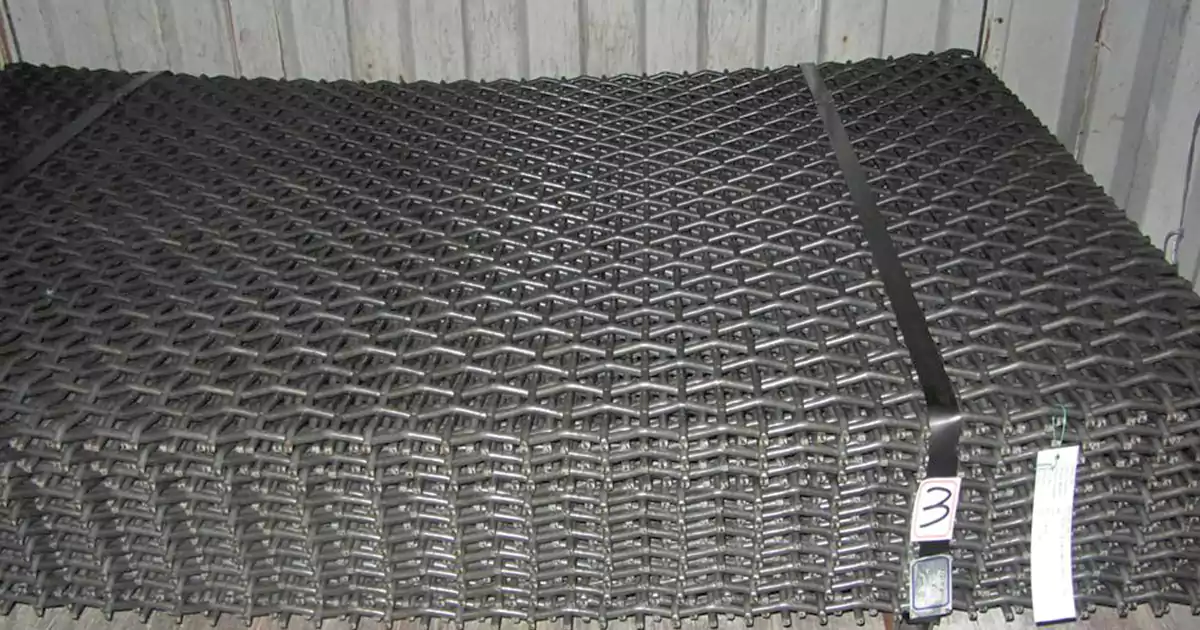
You may wonder why is manganese added to steel. The main reason why is manganese added to steel is because it makes the metal stronger and tougher. Manganese also helps steel last longer, which is why is manganese added to steel products like building beams and mining tools. Another reason why is manganese added to steel is that it helps remove impurities during the steelmaking process, keeping the metal clean and strong. Here are some important facts about why is manganese added to steel:
- About 80-90% of all manganese is used to make steel.
- Most steel contains less than 0.6% manganese by weight, but some very strong steel has more than 10%.
| Benefit | How Manganese Works |
|---|---|
| Impurity Removal | One reason why is manganese added to steel is that it helps remove phosphorus, nitrogen, and carbon, keeping steel pure for the best mining screens. |
| Property Enhancement | Another reason why is manganese added to steel is that more manganese makes steel harder and improves its structure, helping products like woven wire screens last longer. |
If you use mining or screening tools, you need manganese steel. This is another example of why is manganese added to steel—it helps your equipment work better and last longer.
Key Takeaways
- Manganese makes steel stronger and tougher. This helps steel handle heavy loads and impacts.
- Adding manganese helps get rid of impurities like oxygen and sulfur. This keeps steel clean and strong.
- Steel with manganese lasts longer. It is great for mining tools and building materials.
- Manganese helps steel weld better. This makes joints stronger and stops them from cracking.
- The right amount of manganese helps steel resist wear and scratching. This makes steel last longer.
- Manganese keeps the crystal structure of steel stable. This helps steel stay strong in different temperatures.
- High-manganese steel gets harder when used. This is good for things that face a lot of stress.
- Picking manganese steel can save money over time. It is durable and needs fewer replacements.
Why Is Manganese Added to Steel?
Essential Alloying Element
You may wonder why people add manganese to steel. The answer is that manganese changes how steel acts. When you mix manganese with steel, the metal gets stronger and tougher. You can see this in tools, beams, and big machines. Manganese is important because it helps steel handle more stress and heat. It also makes the grain size better, so steel bends and breaks less. Manganese helps steel keep its shape when it gets hot or cold. This means steel lasts longer and works harder.
Here are some reasons why manganese is important in steel:
- Manganese takes away oxygen and sulfur.
- It makes steel harder and tougher.
- Manganese helps steel keep its crystal shape.
- It helps steel deal with heat and stress.
- Manganese makes the grain size better.
- It makes steel stronger and harder to break.
- Manganese keeps austenite stable when it is hot.
When you look at steel with manganese, you see how much better it works. Steel with manganese is used for mining, building, and screening tools.
Deoxidizer and Sulfur Remover
Why do people add manganese to steel? One big reason is that manganese cleans the steel. It grabs oxygen and sulfur, which can make steel weak. If you leave these things in, steel can break easily. Manganese helps stop these problems.
Here is how manganese works as a cleaner:
| Function | Description |
|---|---|
| Deoxidizer | Joins with oxygen to make manganese oxide, which can be taken out of the hot steel. |
| Sulfur Remover | Joins with sulfur to make manganese sulfide, which is not as bad for steel. |
| Enhances Strength | Makes steel harder and stronger, which is good for many uses. |
| Improves Weldability | Stops cracks and makes welds last longer. |
When you add manganese, steel gets cleaner and stronger. Manganese takes away oxygen, which can make steel weak. It also joins with sulfur, making steel less likely to crack. You get better welds and steel that lasts longer. That is another reason why people add manganese to steel.
Impact on Steelmaking Process
Why do people add manganese to steel? You can see the answer in every part of making steel. Manganese changes how steel forms and acts. When you add manganese, steel is easier to shape and gets stronger. Manganese helps make better steel every time.
Here is a table that shows how manganese helps steel:
| Benefit | Description |
|---|---|
| Deoxidizing Agent | Takes away oxygen and sulfur, making steel stronger and tougher. |
| Alloy Strengthener | Makes steel harder and helps it last longer by joining with carbon. |
| Hardenability Booster | Helps steel get harder, so it works well in buildings. |
| Increased Tensile Strength | Lets steel hold more weight without breaking. |
| Improved Ductility | Keeps steel flexible but also strong. |
| Enhanced Impact Resistance | Makes steel able to take more hits, which is important for safety. |
| Better Weldability | Stops bad stuff from forming when welding, so joints are stronger. |
| Corrosion Resistance | Makes a layer that slows down rust in tough places. |
Manganese is put into hot iron to make steel stronger and better. It helps take out bad stuff, like oxygen, that can hurt steel. When you use manganese, steel lasts longer and does not wear out fast. That is why people use manganese in mining screens, building beams, and big machines. You get better steel every time you add manganese.
Manganese’s Role in Steel
Strength and Toughness
When you look at steel used in tough jobs, you’ll notice that manganese plays a huge part in making it strong and tough. You might wonder how this works. Manganese changes the way steel reacts when you bend, hit, or stretch it. It helps steel stand up to heavy loads and sudden impacts. If you use steel for mining equipment or construction, you want it to last and not break easily. Manganese gives steel these important properties.
Let’s check out some real numbers that show how manganese affects steel’s strength and toughness:
| Manganese Content | Yield Strength (MPa) | Tensile Strength (MPa) | Elongation (%) | Impact Work (J) at -84 °C |
|---|---|---|---|---|
| 2% | 785 | 817 | 23 | 169 |
| 5% | 818 | 917 | 23.5 | 41 |
You can see that when you increase manganese, steel gets stronger. The yield and tensile strength go up. But the impact work drops, which means steel becomes harder but a little less tough at very low temperatures. This balance helps you choose the right steel for your job.
Hardness and Formability
Manganese also changes how hard steel feels and how easy it is to shape. If you want steel that can handle wear and tear, manganese is your best friend. It makes steel harder, so it lasts longer in rough places like mines or factories. At the same time, manganese helps steel stay flexible enough to form into different shapes.
Here’s what material science research says about manganese and steel properties:
- Manganese stabilizes austenite, which helps steel keep its hardness.
- Less manganese means steel loses austenite stability, so it gets softer.
- The way tiny particles form inside steel changes with manganese, which affects how steel bends.
- When you get the right amount of manganese, steel keeps its hardness and gets better mechanical properties.
If you work with steel, you want it to be hard but not brittle. Manganese helps you get that perfect mix.
Machinability Improvement
You might need to cut, drill, or weld steel for your project. Manganese makes these jobs easier. It improves the machinability of steel, so you can shape it without cracking or breaking. When manganese is present, steel forms a smoother surface after machining. This means your tools last longer and your finished product looks better.
High manganese steel, like Hadfield steel, is famous for its use in mining and cement industries. The secret is in the way manganese changes the steel’s austenite structure. It refines the grains inside steel, making it tougher and more resistant to wear. Sometimes, other elements like titanium help manganese create strong bonds between ceramic particles and steel. This gives you steel with outstanding mechanical properties.
Tip: If you want steel that’s easy to work with and lasts a long time, always check for manganese in the mix. It’s the key to better performance and durability.
Crystal Structure Stabilization
Have you ever wondered why steel can be so strong and flexible at the same time? The secret often comes down to how its atoms line up inside the metal. When you add manganese to steel, you change the way those atoms arrange themselves. This process is called crystal structure stabilization, and it’s a big reason why steel works so well in tough jobs.
Let’s break it down. Steel has different phases, or ways that its atoms can stack together. One important phase is called austenite. If you want steel to stay tough and not crack, you need to keep austenite stable. That’s where manganese steps in. Because manganese atoms are almost the same size as iron atoms, they fit right into the steel’s atomic structure. This swap helps the austenite phase stick around longer, even when the steel cools down.
Here’s a simple table to show you how manganese helps stabilize steel:
| Element | Atomic Radius (nm) | Role in Steel |
|---|---|---|
| Iron | 0.124 | Main structure |
| Manganese | 0.127 | Stabilizes austenite |
When you add enough manganese—sometimes more than 11%—the austenite phase stays stable at room temperature. That means your steel won’t suddenly change into other forms, like ferrite or martensite, which can make it brittle or weak. You get steel that’s ready for action, whether you’re building a bridge or making mining equipment.
Why does this matter for you? If you use steel in places where it gets hot, cold, or hit hard, you want it to keep its shape and strength. Manganese makes sure the steel’s crystal structure doesn’t shift in ways that could cause problems. You get metal that bends when you need it to, but doesn’t snap under pressure.
Tip: If you’re choosing steel for a project, check how much manganese it has. More manganese means better stability and longer life for your tools and machines.
You’ll see manganese steel used in things like railroad tracks, crusher jaws, and heavy-duty screens. These products need to handle stress and wear every day. The stabilized crystal structure gives them the power to do just that.
So, next time you look at a piece of steel, remember that manganese is working behind the scenes. It keeps the atomic structure steady, so your steel stays strong, flexible, and ready for whatever you throw at it.
Steel Properties Improved by Manganese
Increased Strength
Adding manganese to steel makes it much stronger. Steel with more manganese can hold heavier things and take bigger hits. This is because manganese changes how the steel’s atoms are arranged. The metal becomes tougher and does not break as easily. If you use tools or machines, you want steel that can handle stress. Manganese helps make that happen.
Let’s look at some numbers. When you raise manganese from 8% to 13%, steel stretches 352% more before breaking. The impact toughness also goes up by 248%. This means the steel bends and takes in energy instead of cracking. These changes make manganese steel great for jobs that need extra strength.
- Steel with 13% manganese stretches 352% more than steel with 8% manganese.
- Impact toughness is 248% higher with more manganese.
- You get steel that lasts longer and works harder.
Enhanced Abrasion Resistance
Do you need steel that can take a lot of rough use? Manganese helps steel fight off scratches, dents, and wear. This is called abrasion resistance. If you use mining tools or heavy screens, you want steel that keeps its shape after lots of work. Manganese makes steel harder and tougher so it can do this.
Here’s a table that shows how manganese helps steel resist wear:
| Attribute | Description |
|---|---|
| Toughness | Manganese makes steel tougher, so it wears out less. |
| Hardness | More manganese means harder steel, which fights off scratches. |
| Stress Resistance | Manganese makes the steel’s structure stronger, so it can take more pressure. |
| Work-Hardening Capacity | Manganese steel gets harder as you use it, making it last longer. |
| Abrasion Resistance | Tests show manganese steel stays strong even after being hardened. |
You can see that manganese helps steel keep its shape and strength, even in tough jobs. The steel gets harder as you use it. This is good for mining and building, where tools face a lot of rubbing and hitting.
Better Weldability
If you need to join steel pieces, weldability is important. Manganese makes welding easier and safer. You get strong welds that do not crack or break. When you weld steel with manganese, the metal stays stable and does not change in bad ways. This means your welds last longer and stay strong.
Here are some facts about welding manganese steel:
- The GTAW welded joint for 10 mm thick plates had the best strength because of the right heat.
- Welds with manganese have great toughness, even when it is cold.
- Welded metal keeps the same mix as the base steel, so it does not change when cooling.
- Gas Tungsten Arc Welding (GTAW) makes good welds with manganese steel.
- The weld area has a special structure that helps with strength.
- The heated area has big grains but no hard spots that cause problems.
Here’s a table comparing manganese-alloyed steels to other alloys:
| Property | Manganese-Alloyed Steels | Other Alloys |
|---|---|---|
| Yield Strength | Up to 800 MPa | Varies |
| Elongation at Break | Up to 55% | Varies |
| Density | 16% lower than stainless | Standard density |
| Weld Joint Quality | No holes or cracks | Varies |
| Hardness in Fusion Zone | Low hardness | Varies |
| Ductility | Best in DC samples | Varies |
When you use manganese steel, you get better welds and stronger joints. You do not have to worry about cracks or weak spots. This makes manganese very important for steel used in building, mining, and big machines.
Tip: If you want steel that is strong, tough, and easy to weld, look for manganese in the mix. You will get better results and tools that last longer.
Reduced Brittleness
Have you ever seen metal break when it gets hit or bent? This is called brittleness. You want steel that bends and stretches, not one that snaps. Manganese helps make steel less brittle and more useful for hard jobs. When you add manganese, steel can handle more stress.
Let’s see what happens inside the steel. Manganese changes how the grains grow. Smaller grains make steel stronger and less likely to crack. This means the metal can take hits, bends, and twists without breaking. Manganese also controls carbides. Carbides are tiny, hard spots that can make steel snap. By keeping carbides under control, manganese helps steel stay bendy.
Here’s a table that shows how manganese helps stop brittleness:
| Property | Effect of Manganese |
|---|---|
| Ductility | Makes steel stretch more, so it does not snap |
| Toughness | Makes steel tougher for hard jobs |
| Grain Structure Refinement | Makes grains smaller, so steel is stronger |
| Carbide Formation Control | Stops too many carbides, so steel stays flexible |
| Work-Hardening Capacity | Helps steel get harder as you use it |
You might ask how to make steel even better. The answer is in how you heat and cool it. If you heat steel with manganese and cool it fast, it gets stronger and tougher. This is called solution annealing and water quenching. It helps steel stretch more before it breaks. You can also use two steps: heat the steel until it turns into austenite, then cool it quickly. This makes steel tough and less likely to snap.
Here’s what happens when you use manganese in steel:
- Steel bends and stretches instead of breaking.
- You can use steel where it gets hit or bent a lot.
- Manganese helps steel last longer, even in cold places.
- You can change the heat treatment to make steel stronger or harder to wear out.
- Steel with manganese is great for mining screens, tools, and big machines.
Tip: If you want steel that does not crack under pressure, look for manganese in the mix. It is the secret to getting metal that is tough, bendy, and ready for hard work.
When you use steel with manganese, you get metal that stands up to stress. You do not have to worry about sudden breaks. That is why mining and building companies use manganese steel for their hardest jobs.
Industrial Benefits of Manganese Steel
Mining and Screening Equipment
Mining is a hard job. The machines must work with rocks and dirt all the time. Manganese steel helps these machines last longer. This metal is very strong and does not break easily. It is used in woven wire screens, like the ones from ANPENG. These screens sort rocks and minerals by size. Because of manganese, the screens do not wear out fast.
Here’s a table that shows why manganese steel is best for mining and screening equipment:
| Advantage/Application | Description |
|---|---|
| Durability | Manganese steel wire mesh is known for its exceptional toughness and ability to withstand abrasive environments. |
| Wear Resistance | It can handle constant movement of rough and heavy materials without sustaining damage. |
| Cost-Effectiveness | Although the initial cost may be higher, its extended service life results in lower overall operating costs. |
| Applications in Mining | Extensively used as sieve mesh to separate minerals and aggregates by size, ensuring quality. |
| Applications in Construction | Employed for screening sand, gravel, and other materials, ensuring efficient material sorting. |
| Comparison with Other Materials | Outperforms stainless steel and carbon steel in terms of wear resistance and longevity. |
Manganese steel lasts longer than other metals. You do not need to change your screens often. This saves you both money and time.
Durability in Construction
Big buildings and machines need strong parts. Manganese makes steel tough for these jobs. Machines like rock crushers and cement mixers get hit a lot. They also face lots of rubbing and banging. Manganese steel helps them keep working for a long time.
Here are some ways manganese steel helps in construction:
- Parts can take hard hits and do not break.
- The metal does not wear out fast, so machines run well.
- Builders use manganese steel for strong things like bridges and tunnels.
- More people want tough materials as cities and roads get bigger.
You can count on manganese steel when other metals might break. It is the best choice for jobs that need strong and reliable parts.
Cost-Effectiveness
Manganese steel can cost more at first. But you save money later because it lasts longer. You do not have to buy new parts all the time. Your machines work better and need fewer repairs.
Let’s see why manganese steel is a smart choice:
- It lasts longer, so you buy fewer new parts.
- Less time fixing machines means more work gets done.
- Stronger machines help keep workers safe.
- You get more for your money than with regular steel.
Tip: If you want machines that last and save you money, pick manganese steel for mining and building.
Manganese makes steel strong for hard jobs. It helps you sort rocks or build big things. You get strength, long life, and savings all together.
Types of Manganese Steels
When you look at steel, you’ll find that not all types are the same. The way you mix manganese with other elements changes how the steel acts. Let’s break down the main types you might see.
Carbon-Manganese Steels
You’ll run into carbon-manganese steels in lots of everyday tools and building parts. These steels mix carbon and manganese to get a good balance of strength and flexibility. You can use them for things like beams, pipes, and plates.
Here’s a quick look at how carbon-manganese steels compare to high-manganese steels:
| Property | High Carbon Steel | High Manganese Steel |
|---|---|---|
| Hardness | Higher hardness and toughness | Softer, less abrasion resistant |
| Strength | Typically stronger | Lower strength compared to high carbon |
| Ductility | More brittle | Known for toughness and impact resistance |
| Wear Resistance | Less wear resistant | Excellent wear resistance under impact |
| Applications | Used for cutting tools | Used for impact and wear applications |
You’ll notice that carbon-manganese steels are strong and tough, but they can be brittle. If you need steel for cutting or shaping, this type works well. Manganese helps make the steel less likely to crack, but it doesn’t give as much wear resistance as high-manganese steel.
Tip: If you want steel that’s easy to weld and shape, carbon-manganese steel is a smart pick.
High-Manganese Steels
High-manganese steels stand out because they have much more manganese than other types. You’ll see these steels in places where things get hit, crushed, or scraped a lot. Think about mining equipment, crusher jaws, or railroad tracks. These steels can handle big impacts and keep working.
High-manganese steel gets its special powers from the way manganese changes the metal’s structure. When you use this steel, it actually gets harder the more you hit it. That’s called work hardening. You won’t find this in regular steel.
Here’s a chart showing what’s inside high-manganese steel:
| Alloying Element | Percentage [%] |
|---|---|
| C | 0.391 |
| Cr | 1.522 |
| Mo | 0.018 |
| Mn | 18.43 |
| Al | 1.161 |
| Si | 0.282 |
| V | 0.007 |
| Ni | 0.154 |
| Cu | 0.037 |
You can see that manganese makes up a huge part of this steel. That’s why it’s so tough and good at fighting wear.
- High-manganese steel is great for jobs with lots of impact.
- It gets harder as you use it.
- You’ll find it in mining, construction, and heavy machinery.
Specialty Grades
Sometimes, you need steel for a special job. Specialty grades of manganese steel mix in other elements like chromium, nickel, or aluminum. These changes give the steel extra powers, like better corrosion resistance or more strength at high temperatures.
You might use specialty grades for things like:
- Industrial screens that need to last a long time.
- Machine parts that face heat and chemicals.
- Tools that need to be both strong and flexible.
Note: Specialty grades let you pick the right steel for your toughest jobs. You can get steel that fits your needs, whether you want more strength, better wear resistance, or extra protection from rust.
If you work with steel, knowing the types helps you choose the best one. Manganese changes the game, giving you options for every challenge.
Common Uses of Manganese Steel
Mining Equipment
Mining is a hard job. The machines must work with rocks and dirt all the time. Manganese steel helps these machines last longer. This metal is used in shot blast machines and big jaw crushers. It is also in other strong tools. When you use manganese steel, your machines can take more hits. They do not break as easily.
Here’s a table that shows how manganese steel helps mining equipment:
| Application | Description |
|---|---|
| Shot blast machines | Handles lots of hits and stays strong. |
| Large jaw crushers | Takes heavy loads and keeps working without breaking. |
| Work-hardening characteristics | Gets harder when hit, so it works better in tough places. |
| Ductility | Stays bendy inside, so it does not snap under pressure. |
Manganese steel gets harder when you use it. It can go from HB170 to HB550 after being hit. This means your tools get tougher the more you use them. You do not have to worry about breaks or fixing machines all the time.
Construction Machinery
Building roads, bridges, or buildings needs strong machines. Manganese makes steel parts in these machines better. You find this metal in bucket liners and teeth for excavators. It is also in bulldozers, dump trucks, crusher liners, and shredder parts.
Let’s see why manganese steel is good for construction:
- High hardness fights off wear and hard hits.
- Toughness lets parts take energy without bending.
- Work-hardening means parts get stronger as you use them.
- Great abrasion resistance keeps surfaces smooth and lasts longer.
- Impact resistance helps machines run longer with less stopping.
If you use manganese steel, your machines lose less weight from wear. They can take more hits and keep working in hot or cold weather. Your machines last longer and work better.
Tip: Try manganese steel in your building machines. You will see fewer problems and save money on repairs.
Industrial Screens
Sometimes you need to sort rocks, sand, or even food. Industrial screens made from manganese steel do this job better than regular steel. These screens can handle heavy loads and lots of shaking. They do not rust, even after 1000 hours in salty water tests.
Here’s a table showing why manganese steel screens are great:
| Attribute | Description |
|---|---|
| Durability | Lasts much longer in tough places. |
| Wear Resistance | 3 to 5 times more wear-resistant than regular steel. |
| Load Handling | Handles heavy loads and keeps working. |
| Corrosion Resistance | Does not rust, even in wet or salty places. |
| Applications | Used in mining, building, and food sorting. |
If you use manganese steel screens, you get better results. You do not have to change parts as often. These screens help you sort things fast and keep your work going.
Note: Manganese steel is the secret to strong, long-lasting mining tools, building machines, and industrial screens. If you want tools that work harder and last longer, pick this metal.
Considerations for Using Manganese in Steel
Balancing Content
When you use manganese in steel, you must get the amount right. Too much manganese can make steel easy to break. Too little manganese means the steel is weak and soft. You want the best mix for your job. Look at this table to see what matters when you balance manganese:
| Consideration | Description |
|---|---|
| Composition | Manganese makes steel harder, stronger, and better at handling hits, which helps it work well. |
| Mechanical Properties | Changing how you heat steel changes how hard and strong it is, which is important for different jobs. |
| Alloying Elements | Mixing manganese with things like chromium and molybdenum makes steel work even better. |
| Real-World Applications | Manganese steel is used where things wear out fast, like in mining and building. |
| Cost and Environmental Impact | Saving money and energy is important for making steel that lasts and is good for the earth. |
You can find manganese steel in prison bars, safes, and fireproof boxes. These need metal that is hard to cut or drill. Mining machines and train tracks also use manganese steel because it can take lots of hits and rubbing.
Processing Effects
How you treat manganese steel changes how it acts. You can use different ways to make it softer, harder, or tougher. Here’s a quick look at what each way does:
| Processing Method | Effect on Properties |
|---|---|
| Annealing | Makes steel softer |
| Quenching | Makes steel harder |
| Tempering | Makes steel less stressed and tougher |
If you make the grains inside steel smaller, it gets 25-35% stronger. It can also stretch 50-80% more before breaking. Picking the right process gives you steel that fits your needs. You might want steel that bends or holds heavy things. Manganese helps you get the right kind of steel.
Tip: Try different ways of heating and cooling steel to get what you want. You can make steel harder for mining or softer for shaping.
Limitations
You should know the limits when using manganese in steel. Too much manganese can make steel break easily. Getting manganese from the ground costs money and can hurt nature. High amounts of manganese can also be bad for people.
Manganese can make steel break if you use too much, and it can be hard to get and expensive. Mining can hurt the earth, and too much manganese is not safe for people. Companies fix these problems by using just enough manganese, following rules, and using better mining methods.
You can stop problems by using the right amount and following safety rules. Companies use smart mining and recycling to help the earth. This way, you get strong steel that is safe for people and nature.
Note: Always check how much manganese is in your steel and follow the best rules. You want steel that is safe, strong, and good for the world.
Summary of Manganese’s Importance
Metallurgical Advantages
You might ask why manganese is so important in steel. Manganese gives steel special benefits that other elements do not. When you add manganese, steel becomes easier to use and lasts longer in hard jobs. Here are some reasons why manganese is special:
- Manganese is a strong deoxidizer. It takes out oxygen from steel better than most other elements. This keeps steel clean and strong.
- Manganese helps you cut and drill steel more easily. It makes soft spots with sulfur, so chips break off when you work with steel. Your tools last longer and your work looks smoother.
- Manganese stops pyrite from forming in steel. Pyrite can make cracks when you heat steel. By stopping pyrite, manganese helps you avoid mistakes and keeps work going well.
- Steel gets stronger and harder to break with manganese. You can make steel that holds more weight and works in tough places.
- Manganese makes round manganese sulfide. This shape is important for free-cutting steels. It makes steel easier to machine and gives better results.
Manganese does more than just make steel hard. It changes how steel acts and lets you control its properties. If you want steel that is tough, easy to shape, and reliable, you need manganese.
Did you know? Manganese helps steel keep its shape and strength, even in hot jobs or heavy machines.
Industry Standards
When you look at steel rules, you see manganese is always there. Almost every kind of steel for building, mining, or making things has manganese. Groups like ASTM and ISO make rules to keep steel with manganese safe and strong.
Here is a table that shows how much manganese is in common steel types:
| Standard | Manganese Content | Typical Applications |
|---|---|---|
| ASTM A128 | 11-14% | Mining, crusher parts |
| ASTM A36 | 0.8-1.2% | Construction beams, plates |
| ISO 4954 | 0.6-1.6% | General engineering steels |
You find manganese steel in bridges, train tracks, and strong screens. These rules help you pick the right steel for your job. You know it will be strong and safe. Manganese makes sure steel can handle hard work and keeps people safe.
If you want steel that follows the rules and works well, check the manganese amount. You will get metal that is strong, lasts long, and is trusted by workers everywhere.
Tip: When you choose steel for your next project, look for rules that include manganese. You will get better steel and feel good about your choice.
Conclusion
Now you know why manganese is in most strong steel. Manganese makes steel stronger and tougher. It helps steel last longer in hard jobs. You see it in mining tools and big machines. It is also in beams for buildings. Experts say manganese does many good things:
- Manganese makes steel strong and helps stop rust.
- It cleans steel when it is made, so it stays tough.
- Manganese is important for safe bridges and roads.
- You need manganese for good steel in today’s world.
- Manganese helps make better steel for the future.
You can count on manganese to keep steel strong. That is why people always use manganese in making steel.
FAQ
What does manganese do in steel?
Manganese makes steel stronger and tougher. You get metal that lasts longer and can handle heavy jobs. It also helps remove bad stuff during steelmaking.
Can you find manganese steel in everyday products?
Yes! You see manganese steel in train tracks, safes, and even some kitchen tools. It helps these items stay strong and resist damage.
Is manganese steel good for welding?
You can weld manganese steel easily. It gives you strong joints that do not crack. Welders like using it for tough projects.
Why do mining screens use manganese steel?
Mining screens need to handle rocks and dirt. Manganese steel does not wear out fast. You save money because you replace screens less often.
How much manganese is in steel?
Most steel has less than 1% manganese. Some special steels, like Hadfield steel, have up to 13% manganese for extra strength.
Does manganese make steel rust-proof?
Manganese helps steel resist rust, but it does not make it rust-proof. You still need coatings or other metals for full protection.
Are there any downsides to using manganese in steel?
Too much manganese can make steel brittle. You need the right amount for the best results. Steelmakers balance manganese for safety and strength.
Can you recycle manganese steel?
You can recycle manganese steel. Scrap yards melt it down and use it again. Recycling helps save resources and energy.