You may ask why wire diameter vs aperture are important in screening. These two factors determine how effectively your mesh filter operates and how long it will last. To achieve the best filtration and a strong flow rate, you must select the right combination. Refer to this table to see how wire diameter, mesh count, and aperture influence the filter’s performance:
| Parameter | Impact on Screening Efficiency and Durability |
|---|---|
| Wire Diameter | Fine wires catch tiny screening particles. Thick wires are stronger and last longer. |
| Mesh Count | Low mesh counts are good for big jobs. High mesh counts are more exact but require cleaning. |
You want your filter to function efficiently and not break frequently, so always consider the significance of wire diameter vs aperture when choosing woven mesh for your application.
Key Takeaways
- Wire diameter changes how strong and tough the woven mesh is. Thicker wires last longer but make less open space.
- Aperture size decides what particles can go through. Pick the right size for better filtering and product quality.
- Mesh count affects how well screening works. Lower counts let more flow, but higher counts catch smaller particles.
- Balance wire diameter and aperture for best results. This gives both strength and good material flow.
- Check your mesh often for damage or clogging. This keeps it working well and helps it last longer.
- Think about material properties when picking mesh. Different materials need different wire thicknesses and aperture sizes.
- Try your mesh with real materials before buying a lot. This helps you avoid mistakes and get better results.
- Use industry standards when choosing mesh. Standards like ASTM give rules for wire diameter and aperture size.
Wire Diameter vs Aperture Basics
Wire Diameter Definition
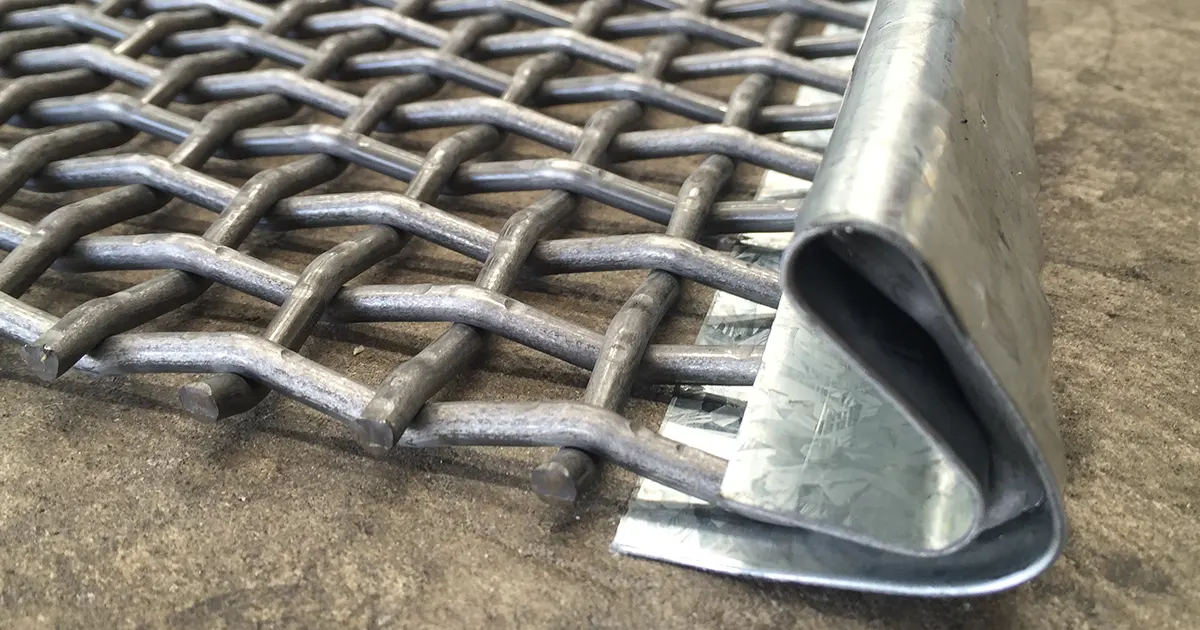
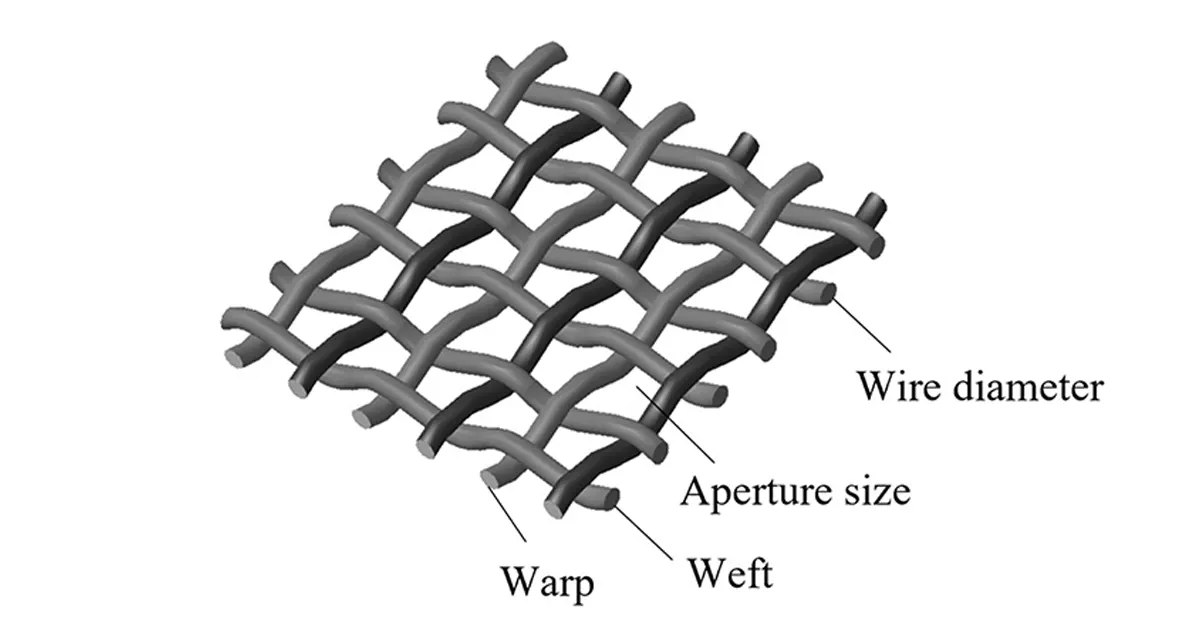
When you look at woven mesh, you see wires crossing. Wire diameter means how thick each wire is. This thickness matters for strength and how long the mesh lasts. You can measure wire diameter with a micrometer screw or other tools. If the edges are open or the aperture is big, measuring is easier. Thicker wires make the mesh stronger and last longer. But thick wires can block more material from going through.
| Aspect | Description |
|---|---|
| Wire Diameter | The thickness of the wire used in mesh construction, affecting durability and performance. |
| Measurement Method 1 | Use a micrometer screw to measure a single wire if edges are uncut or wires are exposed. |
| Measurement Method 2 | Use various instruments to measure the wire within the weave if the aperture size is substantial. |
| Importance | Thicker wires increase durability, while thinner wires may lead to performance issues in certain materials. |
Aperture Definition
Aperture is the space between two wires in the mesh. You measure aperture from the inside edge of one wire to the next. This space lets particles pass through during filtration. Picking the right aperture size is important. It decides what size particles can go through and what gets stopped. Aperture size is shown in microns, millimeters, or inches. Standards like ASTM E11 help everyone measure aperture the same way.
Tip: Always check the correct aperture size for your application to get the best particle retention and avoid clogging.
Mesh Count Role
Mesh count means how many openings are in one inch of mesh. High mesh count gives smaller openings and less open area. This catches smaller particles but slows down flow. Low mesh count gives bigger openings and more open area. This lets more material pass through. Wire diameter also changes open space. Thicker wires take up more room, so there is less open area. Thinner wires give more space for material to flow.
Wire diameter, mesh count, and aperture size work together. If you want high throughput, pick lower mesh count and thinner wires. If you need better filtration, choose higher mesh count and the right aperture size. Picking the right mesh opening is about balancing strength, durability, and flow.
- Woven mesh basics help you avoid common mistakes.
- Knowing wire diameter, aperture width, and mesh count helps you pick the best mesh for your job.
- The right mesh opening improves filtration, screening, and keeps your operation running well.
Wire Diameter Impact
Strength And Durability
Wear Life
When you choose a woven mesh, you want it to last. Wire diameter plays a big role in how long your mesh will serve you. Thicker wires in woven mesh give you more resistance to wear. This means your mesh can handle tough jobs and abrasive materials without breaking down quickly. You get a longer wear life, which saves you money and time on replacements. Research shows that as wire diameter increases, tensile strength and microhardness may decrease, but impact strength goes up. So, a thicker wire in your woven mesh can take more hits and keep working. You do not have to worry about your mesh failing during heavy-duty screening or filtration.
Resistance To Stress
You need your mesh to stand up to stress. Thicker wire diameter in woven mesh gives you better resistance to bending and stretching. This is important when you use woven wire mesh for screening large or sharp particles. The mesh will not deform easily. You get a strong and reliable screen that keeps its shape. Thinner wires may bend or break under pressure, especially in tough screening jobs. If you want a mesh that lasts, go for a thicker wire diameter.
Open Area And Flow
Throughput Effect
Wire diameter does not just affect strength. It also changes how much material can pass through your mesh. Thinner wires in woven mesh create a larger open area. This means more particles can move through the mesh at once. You get higher throughput, which is great for high-volume screening or filtration. Thicker wires reduce the open area. This can slow down the flow and lower your throughput. You need to find the right balance between wire diameter and open area for your job.
Here is a quick look at how wire diameter changes mesh performance:
| Wire Diameter Type | Effect on Strength and Durability | Effect on Open Area | Effect on Throughput |
|---|---|---|---|
| Thicker Wire | Greater strength and durability | Reduces open area | Low throughput |
| Thinner Wire | Less strength and durability | Increases open area | High throughput |
Screening Efficiency
You want your woven mesh to catch the right particles and let the rest pass. Open area in woven wire mesh directly affects screening efficiency. A higher open area lets more material through, which boosts throughput and separation. But if you pick a wire diameter that is too thin, your mesh may wear out fast. You need to balance open area with mesh strength. If you focus only on open area, you might lose durability. If you focus only on strength, you might lose efficiency. The best woven mesh for screening and filtration gives you both good particle retention and long life.
Tip: Always match your wire diameter to your material and process needs. This helps you get the best particle retention, screening efficiency, and mesh durability.
Aperture Impact
Cut Size And Accuracy
Product Quality
You want your mesh to deliver the best quality. The aperture size in woven mesh controls what particles pass through and what stays behind. If you pick the right aperture, you get better particle retention. This means your product will have fewer unwanted pieces. When you use woven wire mesh with the correct aperture size, you improve the quality of your final product. You can see this in industries like food processing or mining. A good mesh helps you keep your product clean and safe. If you use the wrong aperture, you might let in particles that lower your quality. Always check your mesh and aperture size before you start screening or filtration.
Sizing Consistency
You need sizing consistency for top quality. Woven mesh with the right aperture size gives you even results. Every time you run material through your mesh, you want the same size particles. This helps you keep your process steady. Woven wire mesh with a uniform aperture makes this possible. If your mesh has uneven openings, you get mixed sizes. That can hurt your quality and make your customers unhappy. You should always inspect your mesh for even aperture size. This keeps your sizing consistent and your quality high.
Throughput And Blinding
Material Flow
Aperture size in woven mesh also affects how fast material moves. If you use a mesh with large apertures, you get faster flow. More material passes through at once. This is great when you want high throughput. Woven wire mesh with small aperture size slows things down. You get better filtration, but less material moves through. You need to match your mesh to your job. If you want speed, pick a larger aperture. If you want better quality, choose a smaller one. Always balance your need for flow and filtration.
Clogging Risk
Blinding or clogging happens when particles block the mesh. This can stop your process and lower your quality. Woven mesh with small aperture size can clog faster, especially with sticky materials. You need to watch for this when you pick your mesh. Woven wire mesh with larger apertures is less likely to clog, but you might lose some particle retention. To avoid problems, clean your mesh often and pick the right aperture for your material. Good mesh selection keeps your screening and filtration running smoothly.
Tip: Always test your mesh with your actual material. This helps you find the best aperture size for quality, flow, and less clogging.
| Aperture Size | Flow Rate | Clogging Risk | Product Quality |
|---|---|---|---|
| Large | High | Low | Lower |
| Small | Low | High | Higher |
You can see how aperture size in woven mesh changes everything. It affects your quality, your flow, and your maintenance. Pick your mesh with care, and you will get better results every time.
Wire Diameter vs Aperture: Combined Effects
Balancing Strength And Open Area
Choosing woven mesh is a big choice. You want your mesh to last long. You also want it to let enough material pass. Wire diameter vs aperture is the main thing to think about. Thicker wires make mesh strong and tough. They help mesh resist wear and stress. But thick wires take up more space. This means less open area. Less open area means less material flows through.
Thinner wires give you more open area. More material can pass through. This boosts screening efficiency. But thin wires can bend or break easily. You need to find the right balance. For vibratory separators, lighter wire diameter gives higher capacity. You keep the same cut point. You do not need to change mesh count. You get more throughput and better performance.
Note: Wire diameter changes aperture size, open area, and mesh lifespan. Always match your mesh to your material and job needs.
Trade-Offs In Mesh Selection
You must think about trade-offs when picking mesh. Wire diameter vs aperture affects how mesh handles tough jobs. Hard materials can wear mesh out fast. Softer materials are less damaging. Moisture and corrosion also matter. Wet or chemical environments can cause rust and damage. Temperature changes can weaken mesh too.
Here is a quick look at how material type affects mesh:
- Hard materials wear mesh out faster.
- Moisture and corrosion can damage mesh in wet or chemical places.
- Temperature changes can weaken mesh if conditions change often.
You also need to pick the right mesh material. Carbon steel and stainless steel are different:
| Property | Carbon Steel | Stainless Steel |
|---|---|---|
| Corrosion Resistance | Can rust and corrode | Better because of chromium |
| Strength | Usually stronger | Often less strong than carbon steel |
| Cost | Cheaper | Usually costs more |
| Maintenance | Needs more care for rust | Needs less care for rust |
Stainless steel is good for harsh environments. Carbon steel is strong and costs less.
Efficiency Gains
You can boost screening efficiency by matching wire diameter vs aperture to your material. Real examples show you can improve efficiency by up to 30%. If you screen fine sand, use thin wires and small aperture. This gives high throughput and accurate sizing. If you screen gravel, use thicker wires and larger aperture. This helps mesh handle heavy loads and resist wear.
Thicker wires and smaller apertures make mesh stronger. Mesh can handle more stress and last longer. Smaller aperture size also improves accuracy. You catch the right particles and keep product quality high.
Here is a table showing how mesh size affects strength and accuracy:
| Mesh Size | Tensile Strength (MPa) | Description |
|---|---|---|
| Mesh 10 | 333.49 | Lower strength because of bigger openings. |
| Mesh 120 | 539.19 | Higher strength from smaller openings. |
| Mesh 40 | 409.10 | Improved strength and ductility with good shape. |
Smaller mesh openings and thicker wires give better strength. You also get more accurate screening. If you balance wire diameter vs aperture, you get the best results.
Tip: Always test your mesh with your actual material. This helps you find the best wire diameter, aperture size, and mesh count for top performance.
You can improve filtration and screening by understanding wire diameter vs aperture. You get stronger mesh, better flow, and higher efficiency. You also avoid mistakes and keep your operation running well.
Selection Guide
Choosing the right woven mesh for your screening job can feel tricky, but you can make it simple by focusing on a few key points. Let’s break down what you need to look for when picking wire diameter and aperture for your application.
Application Criteria
Material Type
Start by thinking about what you want to screen. The type of material changes everything. If you work with wet or sticky stuff, stainless steel woven mesh works best because it fights off rust and lasts longer. For dry and rough materials, high-carbon steel mesh gives you more strength and stands up to wear. Some materials flow fast and easy, while others can be tough and abrasive. You want your mesh to match your material, so you get the best performance and longest life.
- Larger openings with thinner wires help material flow quickly, but they wear out faster.
- Smaller openings with thicker wires last longer, but they slow things down.
- The right mesh material keeps your operation running smoothly.
Feed Size
Feed size means the size of the particles you want to screen. If your feed size is big, you need a larger aperture so the particles can pass through. Smaller feed sizes need a finer mesh with smaller openings. The wire diameter also matters. Thicker wires make the aperture smaller, so always check the opening size before you choose. You want to match the mesh opening to your feed size for the best results.
Tip: Always measure your feed size first. This helps you pick the right mesh and aperture for your job.
Moisture And Abrasiveness
Moisture and abrasiveness can change how your mesh performs. Wet materials can clog up small apertures, so you may need a larger opening or a special mesh design. Abrasive materials wear out thin wires quickly. Thicker wires last longer in tough conditions, but they reduce open area. Stainless steel mesh works well in wet places, while high-carbon steel is better for dry, rough jobs.
| Material Type | Recommended Use |
|---|---|
| Stainless Steel | Wet environments, high moisture |
| High-Carbon Steel | Dry, abrasive conditions |
Throughput And Product Size
You want to get the right amount of material through your mesh and end up with the right product size. Thinner wires and bigger apertures give you more throughput, but they may not last as long. Thicker wires and smaller apertures slow things down but give you better sizing and longer wear life. The balance between wire thickness and aperture size decides how much you can screen and how accurate your product size will be.
- Wire thickness gives strength and helps your mesh last.
- Aperture size controls how much material passes through and what size you get.
- The right ratio of wire to opening gives you the best mix of durability and performance.
Wear And Maintenance
You want your mesh to last and be easy to take care of. Thicker wires give you more strength and stand up to tough jobs, but they are less flexible. Thinner wires bend more but can break if the material is too rough. Regular checks help you spot wear early, so you can fix problems before they stop your process. Always pick a mesh that matches your material and cleaning needs.
| Wire Diameter | Effect on Wear Life | Effect on Open Area |
|---|---|---|
| Thicker | Longer wear life, better impact resistance | Lower open area |
| Thinner | Shorter wear life, faster wear in abrasive conditions | Higher open area |
Note: Industry standards like ASTM and ISO help you pick the right mesh by giving you clear rules for aperture and wire size. Always check these standards for your application.
When you follow these steps, you can pick the best woven mesh for filtration, screening, or any other job. You get better results, less downtime, and a smoother operation.
Common Mistakes
When you pick mesh for your screening or filtration job, you want to avoid some common mistakes. These mistakes can cost you time, money, and even product quality. Let’s look at what you should watch out for.
Overlooking Material Properties
You might think all mesh works the same way, but that’s not true. Different materials act in different ways when they hit the mesh. If you use mesh that is too thin for sharp or heavy materials, it can wear out fast. Some materials are sticky or wet. These can clog up small mesh openings and slow down your process. If you use the wrong mesh, you may need to stop often to clean or replace it. Always check if your material is abrasive, wet, or sticky before you choose your mesh. This helps you get better screening and longer mesh life.
Tip: Test your material with a small piece of mesh before you buy a lot. This can save you from big problems later.
Ignoring Operational Needs
You need to think about how your mesh will work in your daily process. Some people forget to look at how fast they want to move material or how often they need to clean the mesh. If you need high-speed screening, you should pick mesh with bigger openings and thinner wires. This lets more material pass through and keeps your process moving. If you need fine filtration, you want smaller openings, but you also need to check if the mesh can handle the pressure. Ignoring these needs can lead to slowdowns, clogs, or even mesh failure. Always match your mesh to your operation.
Here’s a quick checklist to help you:
- What size particles do you need to catch?
- How fast do you want to screen or filter?
- Will you need to clean the mesh often?
- Is your process wet, dry, or both?
Misjudging Trade-Offs
You might want mesh that lasts forever and lets everything flow fast, but you can’t have both. The balance between wire diameter and aperture is key. Thicker wires make your mesh strong and help it last longer. This is great for tough jobs and heavy use. But thicker wires also make the open area smaller. This means less material can pass through at once, so your throughput drops. If you pick thinner wires, you get more open area and higher throughput. The downside is that your mesh will wear out faster and need more replacements.
If you misjudge these trade-offs, you may end up with mesh that does not screen enough material or breaks down too soon. This can slow your operation and raise your costs. You want to find the right mix for your job. Think about how much wear your mesh will face and how much material you need to move. This helps you get the best screening efficiency and durability.
| Choice | Strength | Throughput | Wear Life |
|---|---|---|---|
| Thicker Wire | High | Low | Long |
| Thinner Wire | Low | High | Short |
Remember: No mesh is perfect for every job. You need to balance strength, open area, and your process needs to get the best results.
Conclusion
You want your screening to work well and last long. Picking the right wire diameter and aperture makes a big difference. It helps improve screening efficiency, separation accuracy, and service life. As a screen media manufacturer, we evaluate factors such as particle size, moisture content, material characteristics, and required throughput to help match the right mesh specification to the application.
| Criteria | Details |
|---|---|
| Material Characteristics | Particle size (5-300mm), moisture content, viscosity |
| Application Scenarios | Heavy-duty models for coal/mining, mixed materials for construction waste |
| Production Capacity Requirements | Choose equipment with slightly higher capacity for continuous operation |
When you care about both efficiency and durability, you get these good things:
- You make your workplace safer and cleaning easier.
- You keep things running well with a bigger aperture.
- You help your screen stay strong for a long time.
Pick the best aperture and wire size, and your screen will last for years.
FAQ
What is the best wire diameter for heavy-duty screening?
You should pick a thicker wire for heavy-duty jobs. Thicker wires last longer and resist wear. If you screen tough materials, thicker wires help your mesh stay strong.
How does aperture size affect product quality?
Aperture size decides what particles pass through. Smaller apertures catch finer particles. You get better product quality and more consistent sizing. Always check your material before choosing.
Can I use thin wires for high throughput?
Yes, thin wires increase open area and boost throughput. You get more material passing through. Thin wires wear out faster, so you need to check mesh often.
What happens if my mesh clogs?
Clogged mesh slows down your process. You lose efficiency and may get poor product quality. Clean your mesh regularly. Try larger apertures if clogging happens often.
How do I measure mesh count?
Mesh count means the number of openings in one inch. You can use a ruler or caliper. Count the openings across one inch. Higher mesh count means smaller openings.
Should I choose stainless steel or carbon steel mesh?
Stainless steel works best for wet or corrosive jobs. Carbon steel is stronger and cheaper. Pick stainless steel for moisture and carbon steel for dry, abrasive materials.