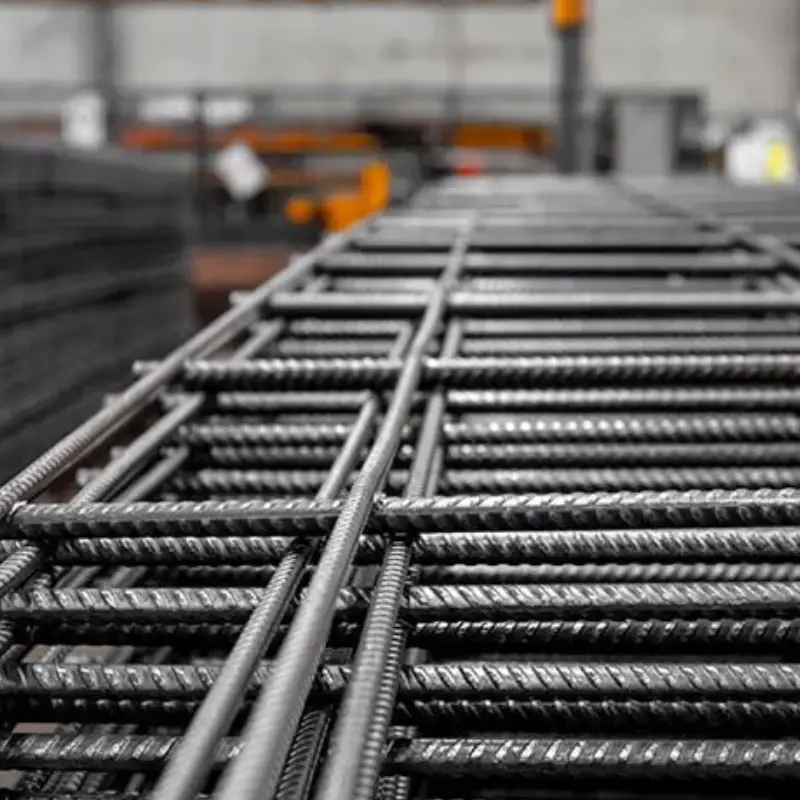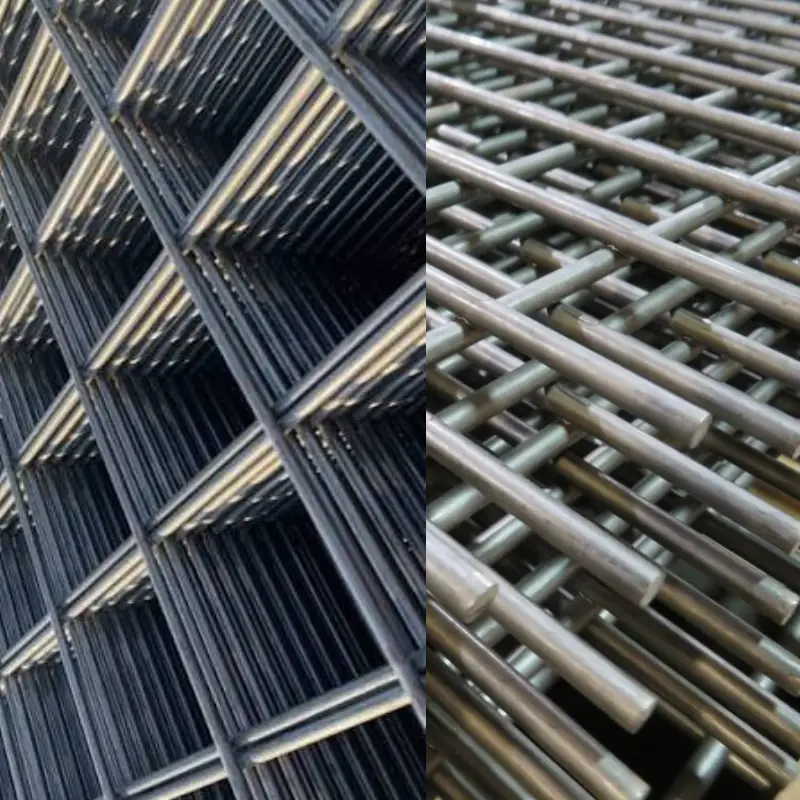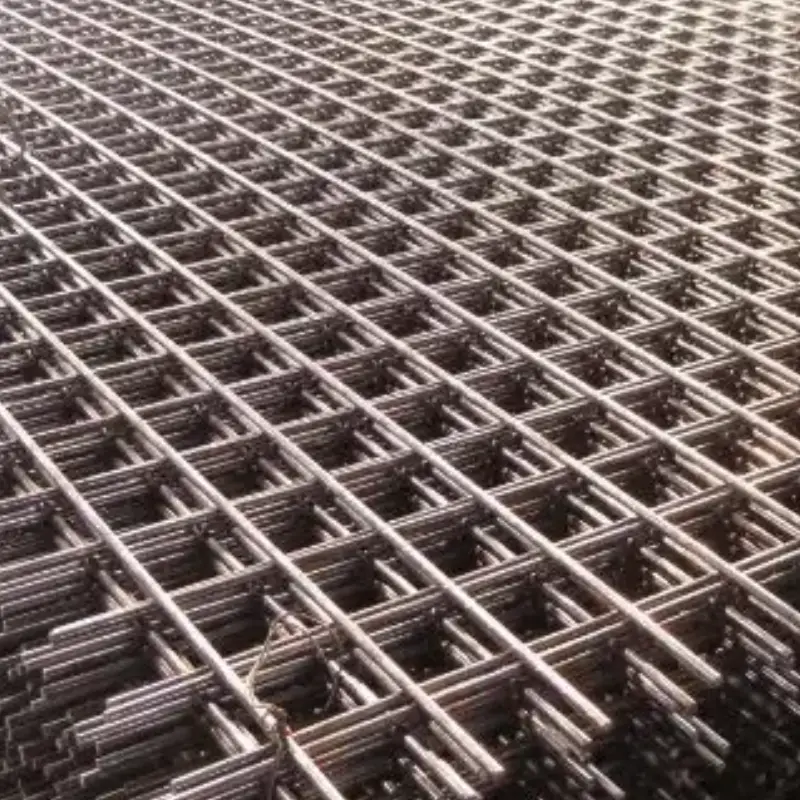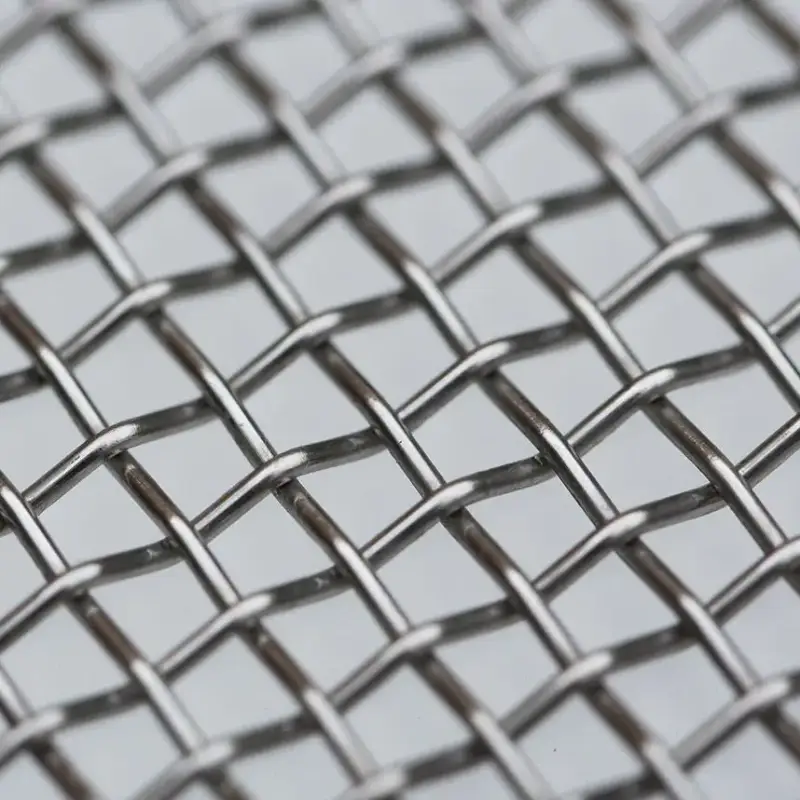
Wire mesh diameter is an important specification that affects the strength, durability, flexibility, and performance of wire mesh products. Different applications require different wire thicknesses depending on load requirements, mesh openings, materials, and environmental conditions. Understanding wire mesh diameter helps contractors, engineers, and buyers select suitable products for construction, filtration, fencing, and industrial applications.
In this guide, we will explain how wire mesh diameter is measured, explore common diameter sizes, and discuss the key factors influencing your selection. You will also learn how wire thickness affects mesh strength, opening size, weight, and cost, helping you make informed purchasing decisions for your specific project requirements.
What is Wire Mesh Diameter?
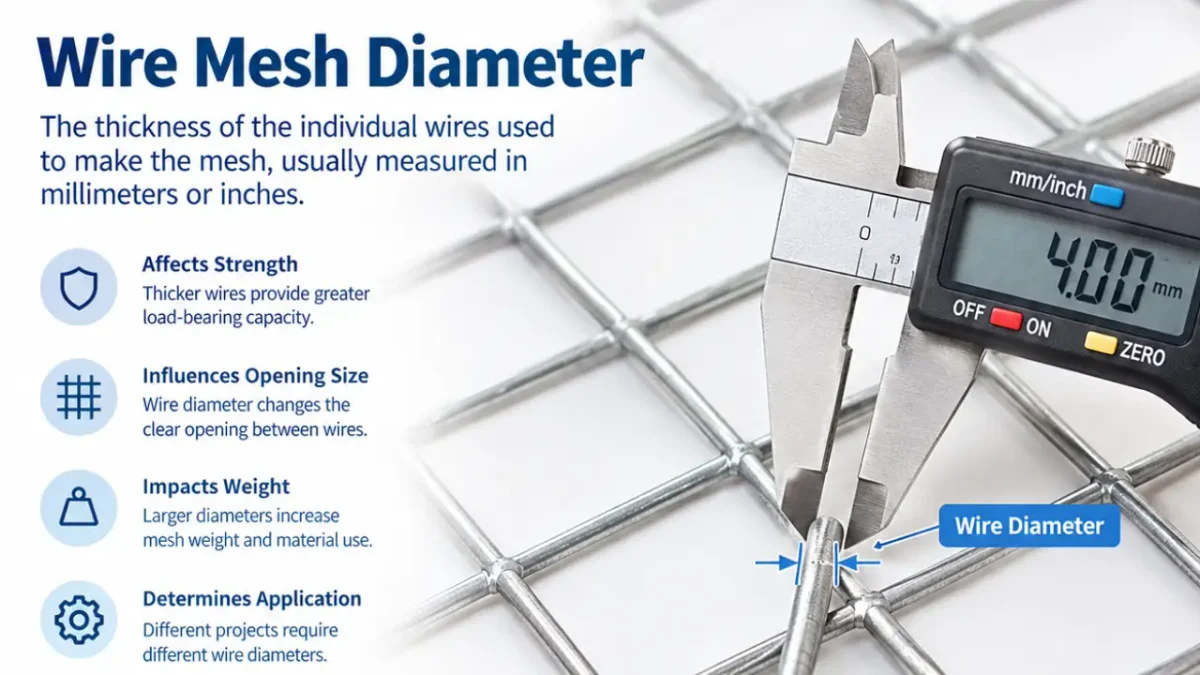
Wire mesh diameter refers to the thickness of the individual wires used to manufacture a mesh product. It is typically measured in millimeters or inches and directly affects the mesh’s strength, weight, flexibility, and opening size. Selecting the appropriate wire diameter depends on the intended application, required load resistance, material type, and environmental conditions to ensure reliable performance and durability.
How to Measure Wire Mesh Diameter?
Measuring wire mesh diameter accurately helps you determine wire thickness, estimate strength, and select the right product for your application. The process involves identifying an individual wire, using suitable measuring tools, and recording the measurement correctly.
Follow these steps to obtain reliable results and compare wire mesh specifications before purchasing.
Tools Needed
- Digital caliper or micrometer
- Wire mesh sample
- Ruler or measuring tape
- Notebook or measurement record
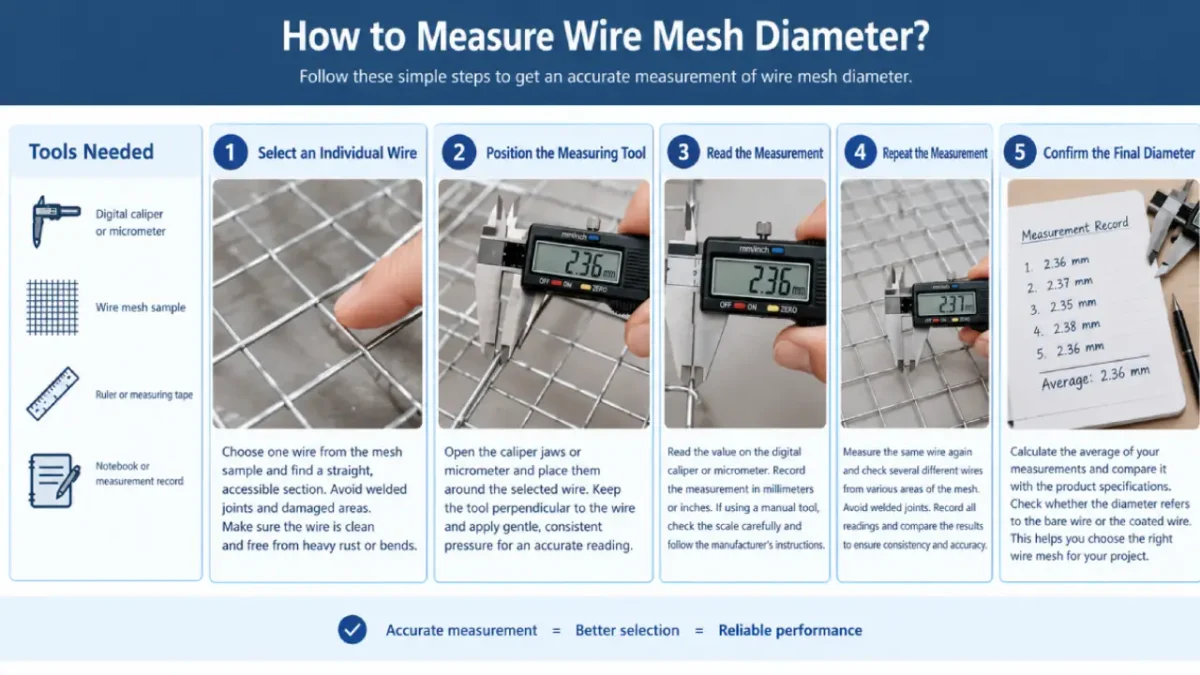
Step 1: Select an Individual Wire
Choose one wire from the mesh sample and identify a straight, accessible section. Avoid welded intersections, where overlapping wires can affect readings. Select a clean area without visible bends, heavy corrosion, or surface damage to help ensure the measurement represents the actual wire diameter accurately.
Inspect the sample under adequate lighting before measuring. If the mesh has a protective coating, note its presence because the coating may increase the measured outside diameter. Record the material type and coating condition so you can interpret the measurement correctly when comparing supplier specifications or product datasheets.
Step 2: Position the Measuring Tool
Open the digital caliper jaws or micrometer spindle and place the measuring surfaces around the selected wire. Keep the tool perpendicular to the wire’s length, ensuring both measuring surfaces contact opposite sides without including adjacent wires or welded intersections.
Apply gentle, consistent pressure when closing the tool. Excessive force can affect readings, especially when measuring thin wires. Ensure the instrument sits securely against the wire and remains aligned. A stable position helps reduce measurement errors and produces a more dependable diameter reading for your records.
Step 3: Read the Diameter Measurement
Read the value displayed on the digital caliper or micrometer after confirming the tool is positioned correctly. Record the measurement in millimeters or inches, including the unit. If using a manual instrument, read its scale carefully and follow the manufacturer’s instructions for interpreting the measurement.
Check whether the result matches the expected wire size in the product specifications. Small differences can arise from manufacturing tolerances, coatings, or instrument accuracy. Avoid rounding measurements too aggressively, since even minor diameter changes can affect wire weight, mesh opening dimensions, and material requirements in certain applications.
Step 4: Repeat the Measurement
Measure the same wire again at a nearby straight section to check consistency. Then repeat the process on several individual wires from different areas of the mesh. Avoid measuring directly over welded joints, as these thicker areas do not represent the wire’s actual diameter.
Record all readings and compare the results to identify variations across the sample. If measurements differ significantly, check the instrument alignment and inspect the wires for coating irregularities or damage. Using multiple readings helps establish a more representative diameter and supports better product comparisons before placing an order.
Step 5: Confirm the Final Diameter
Calculate the average of your recorded measurements to estimate the representative wire diameter. Add the individual readings together and divide the total by the number of measurements. Keep the original readings as well, since an average alone may conceal variations between wires.
Compare your results with the manufacturer’s technical datasheet or applicable product tolerance requirements. If the mesh is coated, clarify whether the specified diameter refers to the bare steel wire or the finished coated wire. Confirming this distinction helps prevent specification mismatches when ordering wire mesh for construction or industrial applications.
Why Wire Mesh Diameter Matters?
Wire mesh diameter directly affects the product’s strength, durability, flexibility, weight, and overall performance. Choosing the correct wire thickness helps ensure the mesh meets the requirements of its intended application. Whether you need wire mesh for construction, fencing, filtration, or industrial use, understanding diameter helps you balance performance, material consumption, and purchasing costs.
- Strength and Load Capacity: Thicker wires generally provide greater resistance to bending and mechanical stress. Selecting an appropriate diameter helps wire mesh withstand expected loads, impacts, and operating conditions without compromising the performance required for the application.
- Mesh Opening Size: Wire diameter affects the clear opening between adjacent wires when the center-to-center spacing remains constant. Thicker wires create smaller openings, while thinner wires provide larger openings, influencing filtration accuracy, visibility, and material passage.
- Durability and Service Life: Wire diameter influences resistance to deformation, abrasion, and mechanical damage. In demanding environments, choosing suitable wire thickness alongside the correct material and corrosion protection can help maintain mesh performance and extend its service life.
- Weight and Material Costs: Larger wire diameters require more raw material, increasing mesh weight and potentially raising manufacturing, transportation, and installation costs. Comparing diameter options helps buyers balance structural requirements with material budgets and handling considerations.
- Flexibility and Installation: Thinner wires generally offer greater flexibility, making them suitable for applications requiring bending or shaping. Thicker wires provide greater rigidity, which can benefit fixed installations but may require more effort during cutting and fabrication.
- Application Suitability: Different applications require different wire diameters to achieve the desired performance. Construction reinforcement may prioritize strength, while filtration often requires controlled openings. Matching diameter to the intended use helps avoid unsuitable specifications and unnecessary expenses.
Factors to Select the Right Wire Mesh?
Factors to Select the Right Wire Mesh
Selecting the right wire mesh requires evaluating several factors that influence strength, durability, functionality, and overall cost. The ideal product depends on your application, environmental conditions, and technical requirements.
By comparing wire diameter, mesh opening size, material type, surface treatment, and manufacturing quality, you can identify a suitable solution that delivers reliable performance and long-term value.
– Wire Diameter: Wire diameter determines the thickness of individual wires and influences mesh strength, rigidity, weight, and material consumption. Choose a diameter that meets your expected load requirements without adding unnecessary weight or cost. Always verify the specified diameter and applicable manufacturing tolerances before purchasing.
– Mesh Opening Size: Mesh opening size affects what can pass through the grid and how much material is available for reinforcement or separation. Smaller openings suit fine filtration and screening, while larger openings may benefit ventilation, fencing, and applications requiring greater material passage.
– Material Type: Select a material based on strength, corrosion resistance, operating temperature, and environmental exposure. Carbon steel suits many general applications, stainless steel performs well in corrosive environments, and other alloys may be appropriate for specialized industrial conditions. Consider material compatibility before making your selection.
– Surface Treatment: Surface treatments can improve corrosion resistance and help extend service life. Galvanized coatings protect steel against moisture, while PVC coatings provide an additional protective layer for suitable applications. Choose a finish based on exposure conditions, maintenance expectations, and the required durability.
– Application Requirements: Identify the mesh’s intended purpose before selecting specifications. Concrete reinforcement, filtration, fencing, and industrial separation require different combinations of strength, opening size, flexibility, and surface finish. Matching these characteristics to actual operating conditions helps prevent performance problems and unnecessary material expenses.
– Manufacturing Quality: Consistent wire diameter, accurate mesh spacing, secure welds, and uniform surface finishes contribute to dependable product performance. Review supplier specifications, quality inspection procedures, and relevant test reports. For projects with strict requirements, request samples or technical documentation before confirming a bulk order.
– Budget and Maintenance: Consider the total cost rather than comparing purchase prices alone. Material quality, installation labor, transportation, corrosion protection, and replacement frequency can all influence long-term expenses. Selecting suitable specifications helps balance upfront investment with expected service life and maintenance requirements.
Conclusion
Choosing the right wire mesh diameter is essential for achieving the required strength, durability, and functionality in your application. Thicker wires generally provide greater rigidity and load resistance, while thinner wires offer flexibility and may suit applications requiring finer openings. Understanding these differences helps you balance performance, installation requirements, and material costs effectively.
Before purchasing wire mesh, consider your intended application, required opening size, material type, corrosion resistance, and operating environment. Always check the wire diameter alongside mesh count or spacing, since these specifications work together to determine the mesh’s overall performance. Comparing technical specifications and confirming project requirements can help you avoid unsuitable products and unnecessary expenses.
At Apscreens, we supply wire mesh solutions for various industrial, commercial, and construction applications. We can help you identify suitable wire diameters, mesh openings, and material options based on your project needs. Whether you require standard specifications or customized products, contact our team to discuss your requirements and get wholesale wire mesh from our Apscreens at competitive prices.