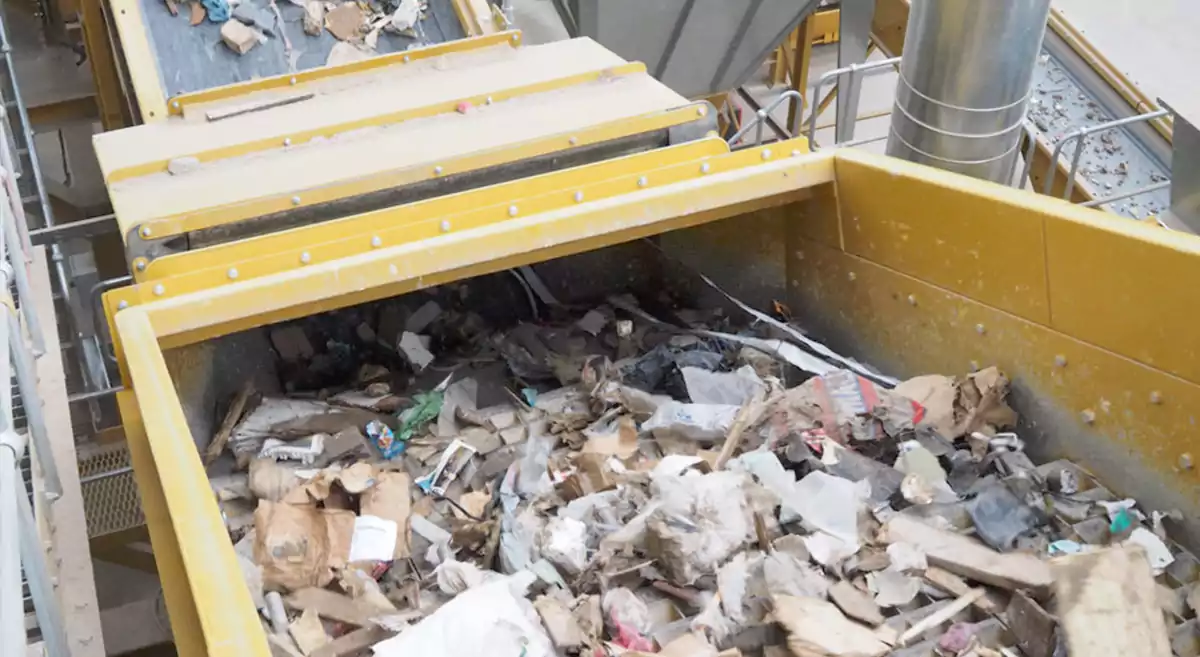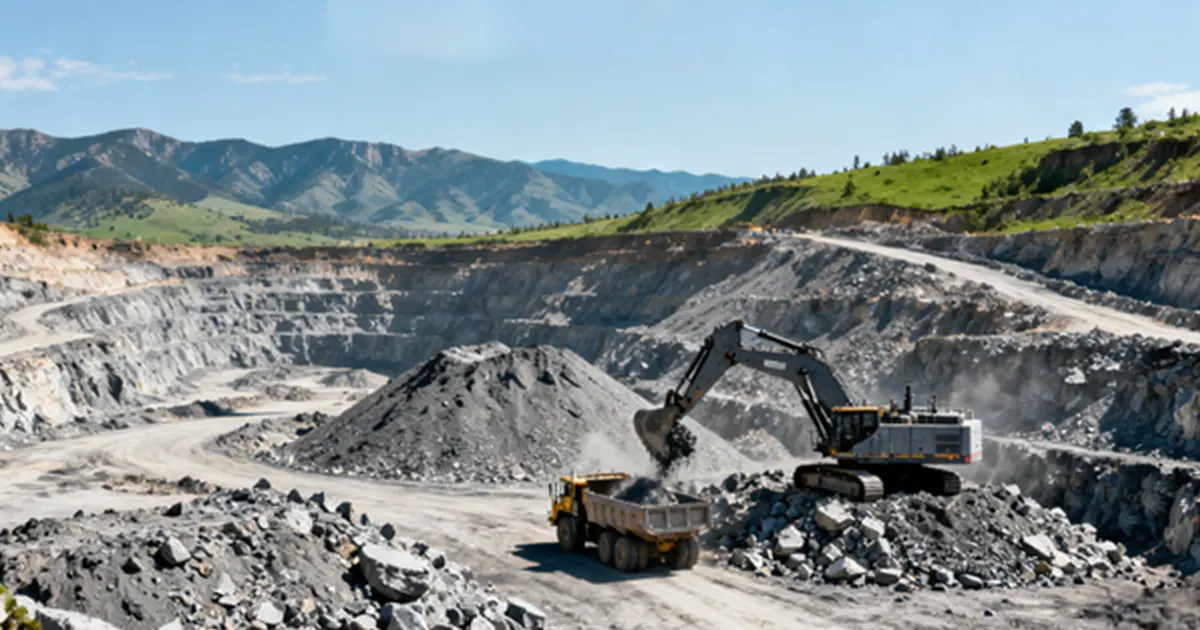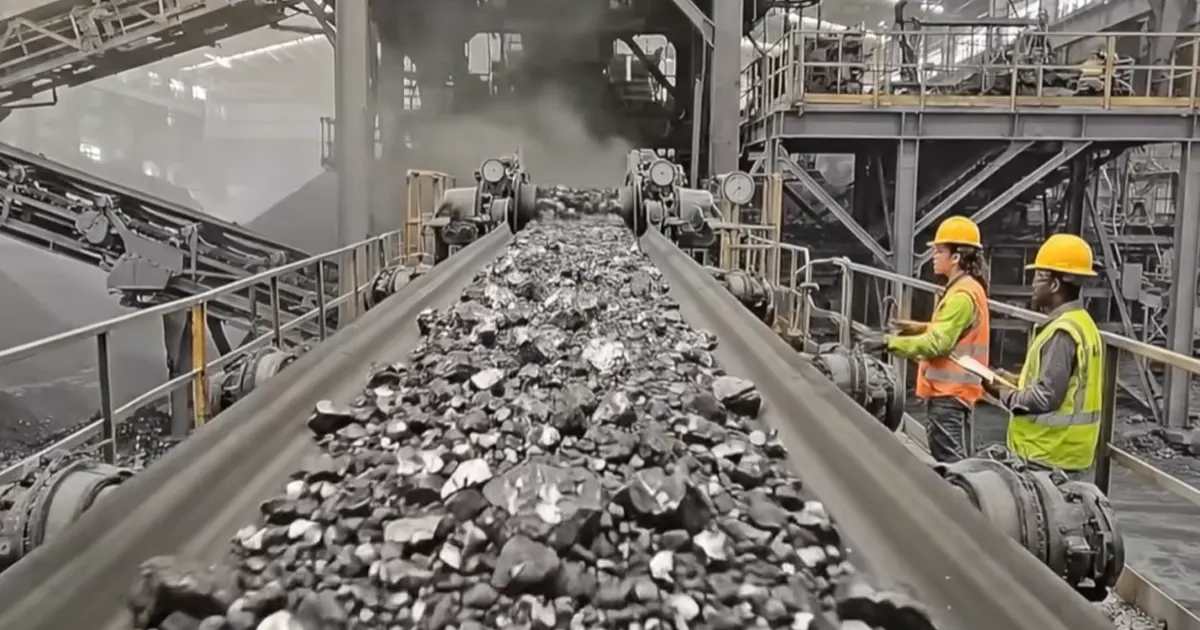

Wire mesh uses are essential for separating things quickly and efficiently. You can find wire mesh in a variety of locations, including factories, farms, and construction sites. Many industries rely on wire mesh for their operations. For instance, mining, recycling, and food processing all require wire mesh to sort, filter, and protect their products. As the market continues to expand, cities and buildings are seeking improved methods of operation. Wire mesh is commonly used for fences, filters, and enhancing the strength of concrete. Additionally, industries such as chemicals, medicine, and quarrying depend on strong mesh to perform their tasks effectively.
- Mining uses mesh to sort materials.
- Recycling uses mesh to separate plastics and metals.
- Food and beverage industries use mesh to ensure ingredient cleanliness.
- Chemical and pharmaceutical sectors use mesh to filter out small particles.
Key Takeaways
- Wire mesh helps sort and filter things in many industries. It is used in mining, recycling, and food processing.
- Picking the right wire mesh means you must think about a few things. You need to look at the material type. You should check how wet the items are. You also need to know the size of the particles you want to separate.
- Taking care of wire mesh is important. Cleaning and checking it often makes it last longer. This helps wire mesh work well.
- You can change wire mesh to fit your project. This makes wire mesh work better for different jobs.
- Woven wire mesh bends easily and works well for filtering. Welded wire mesh is strong and helps hold things up.
- Buying good wire mesh can save you money later. You will not need to replace or fix it as much.
- Picking the right hole size helps sort things faster. It also helps you waste less during work.
- Talking to manufacturers can help you choose the best wire mesh. They can help you find what you need for your job.
What Is Wire Mesh?
Definition and Structure
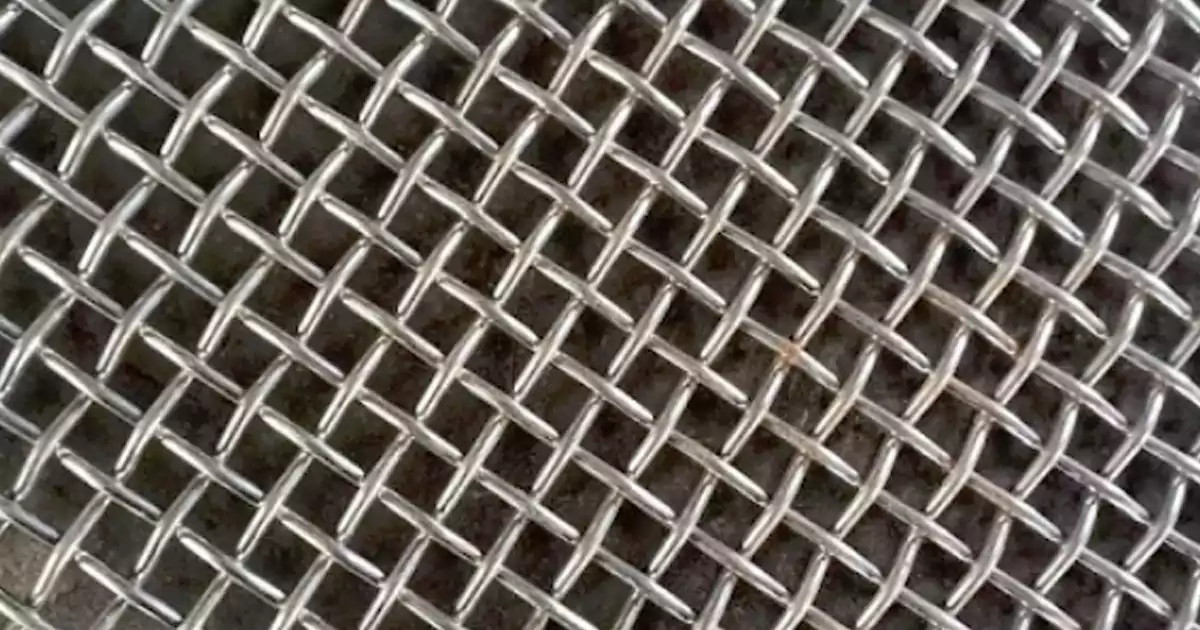
Wire mesh is a metal screen made from wires woven together. You can see wire mesh in fences and machines. It has some special features that make it different from other screens:
- Wire mesh is made with careful weaving to get even holes.
- The wires cross each other at right angles. This makes the mesh strong and steady.
- There are different ways to weave the wires, like plain weave or twill weave. These patterns give wire mesh special strengths.
- Rules like ASTM E 2016 and ISO 9044 help people talk about wire mesh and check its quality.
Wire mesh is tough and lasts a long time. People use it for screening and protecting things in hard places.
How Wire Mesh Works
Wire mesh helps sort and separate things. It lets you sort stuff by size. Small pieces go through the holes. Big pieces stay on top. This helps make products better and keeps work going well.
Here is how wire mesh works in factories:
- You put material on the mesh.
- Vibrations shake the particles across the mesh.
- Small pieces fall through the holes. Big pieces stay above.
Vibrating screens use wire mesh to sort things faster. Motors or weights shake the mesh. This keeps things moving and stops clogging. Sorting is quicker and machines last longer.
Tip: Pick wire mesh with the right hole size for your material to make screening better.
Materials Used
Wire mesh can be made from different metals. Each metal has good and bad points. You should choose the one that fits your job. Here are some common choices:
| Material | Advantages | Disadvantages |
|---|---|---|
| Steel | Cheap, strong, used in many ways, magnetic | Can rust and corrode easily |
| Copper | Easy to shape, conducts heat and electricity well, lasts long | Softer than stainless steel, can be damaged by chemicals |
| Brass | Strong, resists wear, looks nice | Soft, can be harmed by ammonia and salts |
| Bronze | Resists rust from air, stiffer than copper | Not as easy to shape as copper |
You often see stainless steel, aluminum, brass, copper, and bronze used for wire mesh. Stainless steel does not rust and lasts a long time. Copper and brass are good for electric jobs or decoration.
Note: Think about where you will use the wire mesh and what you will screen before you pick the material.
Key Properties for Screening and Separation
Strength and Durability
When you pick wire mesh for screening, it needs to be strong. It should not break easily, even in hard jobs like mining or building. If the mesh is weak, it will break fast. This means you lose time and money. You want mesh that can hold heavy things and shake a lot.
Look at this table. It shows what good wire mesh should have for tough jobs:
| Specification | Requirement |
|---|---|
| Material Grade Selection | Stainless steel (304, 316L) or high-manganese steel (65Mn) |
| Load-Bearing Capacity | Tensile strength exceeds 500 MPa |
| Wear Resistance Testing | Tested for >10,000 hours under mining conditions |
| Tensile Strength & Elasticity | Minimum elongation at break ≥20% |
| Fatigue Resistance | Performance under repeated vibration cycles |
If you work in mining or building, you need mesh that lasts long. High-manganese steel and stainless steel are good picks. They do not wear out fast and keep their shape, even with daily use.
Tip: Always check how much weight the mesh can hold before you buy. Strong mesh means you do not have to replace it often.
Aperture and Precision
Aperture is the size of the holes in the mesh. Precision means the holes are the right size every time. Both are important for sorting things well. If you pick the right hole size, you get better results and less waste.
Here is why aperture and precision are important:
- Picking the right wire thickness helps the mesh work better.
- The right thickness lets the mesh handle stress and hard jobs.
- Good thickness means better filtering and sorting, so your work stays clean.
- Wire mesh screens let you control the hole size for good sorting.
- Good mesh lasts longer and does not rust easily, so it is great for factories.
- You need exact mesh for sorting small pieces and for jobs in mining and medicine.
If you want your mesh to work better, focus on the hole size and how exact it is. This will help you get better results when you sort and separate things.
Corrosion Resistance
Wire mesh is often used in rough places. Water, chemicals, and dirt can make it rust or break. You want your mesh to last, so it should resist rust.
Here are some ways to keep your mesh safe:
- Clean your mesh often to get rid of dirt.
- Use special treatments to stop rust and make it last longer.
- After welding, heat the mesh to make a new safe layer.
- Put coatings on the mesh for extra strength in hard places.
- Passivation makes stainless steel resist rust better.
- Clean and check your mesh often to keep it strong.
- Coatings that stop rust are smart for tough jobs.
If you work where there is a lot of water or chemicals, pick mesh that does not rust. This helps your mesh last longer and saves you money.
Customization
You might wonder how wire mesh can fit so many different jobs. The answer is customization. You can change wire mesh to match your needs. This means you get the right mesh for your project, whether you work in mining, food processing, or construction.
Let’s look at what you can customize:
| Customization Aspect | Description |
|---|---|
| Unique Design Specifications | Custom wire mesh allows for specific design features, such as patterns, sizes, and shapes tailored to project needs. |
| Specific Material Requirements | Choice of materials like stainless steel or aluminum based on environmental conditions and project requirements. |
| Industry-Specific Standards | Compliance with strict guidelines in industries like oil & gas and food processing, ensuring safety and performance. |
| Aesthetic or Architectural Purposes | Incorporation of decorative patterns and finishes to enhance visual appeal while maintaining functionality. |
You can pick the size of the holes, the thickness of the wires, and even the shape of the mesh. Some projects need square holes. Others need rectangles or special shapes. You can also choose the metal. Stainless steel works well in wet places. Aluminum is light and easy to move. If you need mesh for food, you want a material that is safe and clean.
Wire mesh uses change from one industry to another. In oil and gas, you need mesh that meets strict safety rules. In food processing, you want mesh that keeps things clean and safe. Some buildings use wire mesh for decoration. You can pick colors and patterns that look good and still do the job.
You can ask for wire mesh that fits your machine or your space. If you need a big sheet, you can get it. If you need a small piece, that’s possible too. Some companies offer mesh with special coatings. These coatings help the mesh last longer and resist rust.
Here are some ways you can use customization:
- Make screens that fit your equipment.
- Choose mesh that matches your work environment.
- Pick designs that look good in your building.
- Meet safety rules for your industry.
Customization helps you get the most out of wire mesh. You can solve problems and make your work easier. You can also improve the look of your space. If you have a special job, you can talk to a manufacturer. They can help you pick the right mesh for your applications.
Tip: Always share your project details with the manufacturer. This helps them make wire mesh that fits your needs.
Main Wire Mesh Types
Woven Wire Mesh
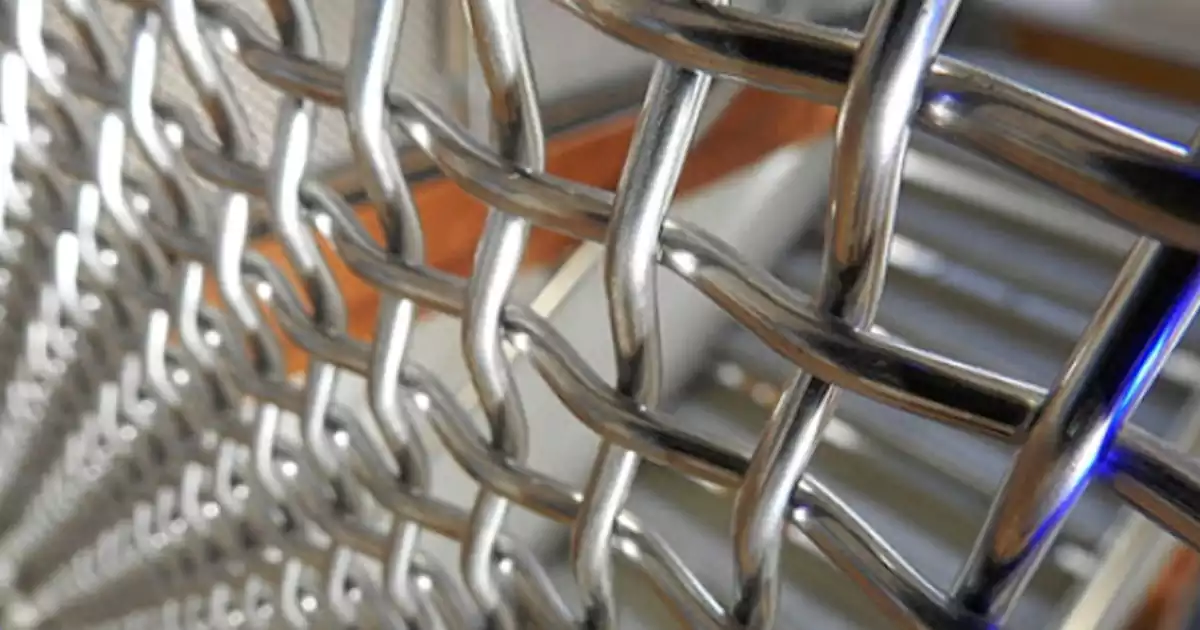
Woven wire mesh looks like cloth made from metal wires. People use it in many places because it sorts and filters well. The wires go over and under each other. This makes a sheet that is strong but can bend.
Square and Rectangular Patterns
You can pick square or rectangular patterns for woven wire mesh. Square patterns have even holes. These help you sort things by size. Rectangular patterns are better for long or odd-shaped items. You can choose the pattern that fits your job best.
Screening Applications
Woven wire mesh works great for screening jobs. You can use it to sift sand, gravel, or food. The mesh bends, so it fits into machines or uneven spots. If you need to filter liquids or powders, this mesh lets you control what goes through.
Tip: Woven wire mesh can fit curved or bumpy places. It is good for short jobs or if you need to move your screen a lot.
Welded Wire Mesh
Welded wire mesh is different because the wires are joined at every spot they cross. This makes the mesh stiff and strong. You see welded wire mesh where you need support and strength.
Structural Benefits
Welded wire mesh keeps its shape with heavy weight. Builders use it to make concrete slabs and walls stronger. The mesh does not bend or move, so your project stays safe. If you need a fence or safety wall, welded wire mesh gives strong protection.
Here’s a quick look at how woven and welded wire mesh are different:
| Characteristic | Welded Wire Mesh | Woven Wire Mesh |
|---|---|---|
| Strength and Durability | Strong and stiff, good for support | Very strong, can take hits |
| Stability | Keeps shape with heavy weight | Might bend or move under pressure |
| Best Use | Fences, concrete, safety walls | Filtering, sifting, decoration |
Common Uses
You find welded wire mesh in places that stay for a long time. Builders use it to make concrete stronger and for fences. Farmers use it for animal cages. The mesh lasts long and does not need much care.
Note: Welded wire mesh costs more at first, but you save money later because it lasts longer.
Specialty Meshes
Some jobs need special wire mesh types. Specialty meshes help with tricky jobs and can look nice too.
Self-Cleaning Screens
Self-cleaning screens stop clogging. The mesh shakes or moves to get rid of stuck bits. You use these screens in mining or recycling. They keep your work going without stopping.
Architectural Mesh
Architectural mesh looks good and works well. You see it on buildings, ceilings, and art. The mesh can have special patterns and finishes. It gives privacy, shade, and a modern look. Architects like using wire mesh for cool designs.
| Mesh Type | Upfront Cost | Maintenance Cost | Longevity | Best For |
|---|---|---|---|---|
| Woven Wire Mesh | Lower | Higher | Shorter-term | Short jobs, light work |
| Welded Wire Mesh | Higher | Lower | Long-term | Permanent, tough jobs |
If you want mesh that looks special or solves a hard problem, specialty meshes give you more choices.
Common Wire Mesh Uses in Industry
Mining and Quarrying
Mining and quarrying sites use wire mesh every day. Wire mesh screens help separate rocks, sand, and minerals. These screens sort materials by size. This makes work faster and more accurate.
Aggregate Screening
When working with aggregates, you need to sort them by size. Wire mesh screens make this job simple. You can use many screens with different mesh sizes. This helps you get the right mix. Some new screens even do the sorting for you. This saves time and lets you make more products.
Here are some problems you might see when screening aggregates and how wire mesh helps:
- Rocks can block the screen holes. This is called pegging.
- Small pieces can stick to the mesh. This is called blinding.
- Dust and dirt can slow down your work.
- Old mesh needs to be replaced often, which stops work.
Wire mesh screens fix these problems. They are strong and last a long time. Some new screens, like Sandvik WX7000, help you work faster and make less waste. You spend less time fixing things.
| Challenge | Description |
|---|---|
| Equipment Failures | Vibrating screens can break, which causes delays. |
| Maintenance Shutdowns | You lose time when you fix or change screens. |
| Environmental Conditions | Dust and dirt make work slower and harder. |
| Blinding and Pegging | Blocked screens mean less work gets done and more cleaning. |
| Alternative Solutions | New screens like Sandvik WX7000 last longer and keep things running. |
You can pick from different wire mesh types for screening aggregates:
| Type of Wire Mesh | Advantages | Applications |
|---|---|---|
| Square Hole Woven Mesh | Simple, cheap, and wears well | General screening |
| Long Hole Woven Mesh | Bigger holes, so things move faster | Fast screening |
| Double-Wire Braided Mesh | Very strong and takes hard hits | Heavy jobs |
| Self-Cleaning Mining Screen | Stops clogging and works with wet or sticky stuff | Non-stop screening |
Ore Separation
Wire mesh is also used for ore separation. You can sort minerals by size and quality. Woven wire cloth is good for fine screening. Polyurethane and rubber screens are tough and handle rough materials. Perforated plate screens are best for first screening and scalping.
You get better results when you choose the right mesh for your ore. Hybrid screens mix the best features. This helps you work better and have fewer problems.
Recycling and Waste Management
Wire mesh is important in recycling and waste management. It helps you sort things, get metals back, and keep your place clean.
Material Sorting
Wire mesh is used in conveyor belts and sorting screens. These help you separate recyclables from trash. Trommel screens, which are drum screens, sort things by size. Shredder screens make sure pieces are the right size for the next step.
| Application | Description |
|---|---|
| Conveyor Belts | Wire mesh helps sort items by size, type, and weight. |
| Sorting Screens | You use wire mesh to separate recyclables from trash. |
| Baling | Wire mesh ties keep bales together during pressing. |
| Trommel Screens | Drum screens sort things into sizes, making work faster. |
| Shredder Screens | Wire mesh makes sure shredded pieces are the right size. |
Wire mesh helps you sort better and waste less. Your recycling work goes smoother, and you get more valuable stuff back.
Metal Recovery
Wire mesh helps you get metals out of waste. Screens separate metal from other things. This makes recycling quicker and helps you earn more money. Wire mesh ties also keep metal bales safe for moving.
Food Processing
Food plants use wire mesh to sift ingredients and remove bad stuff. You want your food to be clean and safe.
Ingredient Sifting
Wire mesh sieves let you sort ingredients by size. You can sift flour, sugar, or spices for the right feel. Woven wire mesh can separate things as small as 0.005 mm. This is much finer than other screens, so you control your ingredients better.
Woven screens can separate things down to about 0.005 mm, which is much finer than wedge wire’s 0.03 mm. This makes it better for very fine sorting.
Contaminant Removal
Wire mesh screens help you take out unwanted bits from food. This lowers the chance of contamination and keeps food clean. Mesh screens also help control allergens, so foods do not mix. You meet safety rules and keep people safe.
- Wire mesh sieves make food cleaner.
- You control allergens and stop foods from mixing.
- The right mesh helps keep things safe and clean.
Wire mesh makes food processing easier and your products better. You get cleaner ingredients and safer food with the right mesh.
Water and Wastewater Treatment
Wire mesh plays a big role in cleaning water and treating wastewater. You see it in treatment plants where it helps remove dirt, trash, and tiny particles from water. When you use wire mesh, you make sure water is safe for people and the environment.
Particle Filtration
You start with wire mesh screens to catch big pieces like leaves, sticks, and trash. These screens protect pumps and machines from damage. As water moves through the plant, you use finer mesh to trap smaller bits. Wire mesh works well for straining and sieving, so you get rid of solid particles before they reach the next step.
After the first screening, wire mesh keeps working. It helps remove dissolved materials and suspended solids. You use sedimentation and chemical treatments to make the filtration even better. This process keeps water clean and helps you meet safety standards.
Tip: If you want to keep your equipment safe and your water clean, always check your wire mesh screens for holes or damage.
Sludge Separation
Wire mesh uses go beyond just filtering water. You also use mesh to separate sludge from liquid. In wastewater treatment, you need to get rid of thick, muddy sludge. Wire mesh screens with different sizes help you do this. You start with coarse mesh for big pieces, then switch to fine mesh for smaller bits.
As water moves through each stage, wire mesh helps remove trash and debris. You end up with cleaner water and less waste. This makes the whole process more efficient and helps protect the environment.
Construction and Reinforcement
Wire mesh is a must-have in building projects. You use it to make concrete stronger, support walls, and finish surfaces. These applications help you build safer and longer-lasting structures.
Concrete Slabs and Floors
When you pour concrete for floors or sidewalks, you add wire mesh to the mix. The mesh spreads weight evenly and stops cracks from forming. Steel mesh keeps concrete strong, even when heavy trucks drive over it. You get smooth, tough surfaces that last for years.
Masonry and Roofing
You use wire mesh in masonry walls to give extra support. Ladder block reinforcement helps stop walls from cracking. If you work with stucco, wire mesh gives you a solid base. It keeps the finish smooth and prevents damage. Roofers also use mesh to hold roofing materials in place and make roofs safer.
- Ladder block reinforcement gives walls lateral support.
- Steel mesh in concrete stops cracks and spreads weight.
- Wire mesh under stucco keeps surfaces smooth and strong.
Note: If you want your building to last, always use wire mesh in your concrete and masonry work.
Fencing and Security
Wire mesh is popular for fences and security barriers. You see it around homes, schools, factories, and farms. It keeps people safe and stops animals or pests from getting in.
Perimeter Barriers
Wire mesh panels make strong fences. They cost less than brick walls and are easy to install. Galvanized steel mesh stands up to rain, snow, and sun. You can see through the mesh, so you always know what’s happening outside. Wire mesh blends with different building styles, so it looks good almost anywhere.
| Advantage | Description |
|---|---|
| Affordability | Wire mesh panels are cost-effective compared to solid barriers or brick walls. |
| Durability | Made from galvanized steel, wire mesh can withstand harsh weather and resist corrosion. |
| Visibility | Provides an open appearance, enhancing safety and allowing for monitoring of surroundings. |
| Aesthetic Appeal | Blends well with various architectural styles, making it visually appealing for different settings. |
Pest Control
You use wire mesh to keep pests out of gardens, barns, and storage areas. Fine mesh stops mice, birds, and insects from getting inside. Farmers use mesh to protect crops and animals. Homeowners use it to block holes and vents. Wire mesh is easy to cut and shape, so you can fit it anywhere you need.
If you want a fence that lasts and keeps your property safe, wire mesh is a smart choice.
Wire mesh uses cover many applications, from water treatment to building and security. You get strong, reliable results every time you choose the right mesh for your job.
Advantages of Wire Mesh for Screening and Separation
Efficiency and Throughput
You want your screening to be fast and easy. Wire mesh helps you sort things quickly. This means you finish more work in less time. In one quarry in Southeast Asia, workers changed from regular steel mesh to woven vibrating screen mesh. They saw their work speed up by 15%. The new mesh lasted longer and did a better job separating pieces. You do not have to fix screens as often. This lets you spend more time working. You get more finished products every day.
Tip: Try using woven wire mesh screens if you want to make more products and have fewer problems with your machines.
Cost-Effectiveness
Every business wants to save money. Wire mesh is a good deal because it lasts a long time. You do not need to replace it often. You also spend less fixing it and your machines work longer. Look at this table to see how wire mesh compares to other materials:
| Benefit | Wire Mesh (5-10+ years) | Other Materials (1-3 years) |
|---|---|---|
| Replacement Intervals | Longer | Shorter |
| Maintenance Labor & Costs | Reduced | Higher |
| Energy Costs | Lower | Higher |
| Downtime Costs | Reduced | Higher |
| Protection of Downstream Assets | Yes | No |
| Waste & By-Product Quality | Improved | Lower |
You pay less for labor and energy. Your machines are safer and last longer. You also get better quality from your waste and by-products. Over time, wire mesh helps you save more money.
Versatility
Wire mesh can be used in many ways. You see it in building, factories, and even art. Here are some ways people use wire mesh:
- Construction: Make concrete stronger and help buildings last.
- Filtration and Sieving: Clean liquids and gases by filtering them.
- Fencing and Security: Build strong fences and barriers.
- Industrial Applications: Use in conveyor belts, machine guards, and covers.
- Artistic and Architectural Uses: Make cool designs and modern buildings.
- Automotive and Aerospace: Filter fluids, stop shaking, and build strong parts.
You can bend and shape wire mesh to fit your project. It works for big jobs and small fixes. You get strength, flexibility, and a nice look all in one.
Note: If you want something that does many jobs, wire mesh is a great pick.
Maintenance
Taking care of your wire mesh is the secret to keeping your screening and separation systems running smoothly. If you want your equipment to last and perform at its best, you need to pay attention to a few simple steps. You don’t have to be an expert to keep things in good shape. Just follow some basic routines, and you’ll see the difference.
Start with cleaning. Dirt, dust, and leftover materials can build up on the mesh. If you let this happen, the holes might clog, and the mesh can wear out faster. Grab a soft brush or use compressed air to clear away debris. If you work in a wet or sticky environment, rinse the mesh with water and let it dry completely. Regular cleaning helps keep the pore openings clear and stops corrosion before it starts.
Next, make visual inspections part of your routine. Look closely at the mesh for any loose wires, bends, or broken spots. If you spot damage, replace the affected sections right away. Waiting too long can lead to bigger problems and even stop your operation. You don’t want a small issue to turn into a costly repair.
Storing your mesh properly is another smart move. Find a dry place that’s free from dust and moisture. If you leave mesh in a damp area, rust can form quickly. Keep it off the ground and away from chemicals or sharp objects. Good storage means your mesh stays strong and ready for use.
Pay attention to how you use the mesh. Every wire mesh has a limit for tension and pressure. If you push it too hard, it can stretch or break. Check the manufacturer’s guidelines and make sure you’re not overloading the mesh. If you notice sagging or changes in shape, adjust the tension or swap out the mesh for a new one.
Here’s a quick checklist to help you remember the key steps:
- Clean the mesh regularly to prevent buildup and corrosion.
- Inspect for loose wires, bends, or damage and replace parts as needed.
- Store mesh in a dry, debris-free area to avoid moisture problems.
- Use mesh within its designed limits, watching tension and pressure.
If you stick to these habits, you’ll get more life and better performance from your wire mesh. You’ll spend less time fixing things and more time getting work done. Maintenance doesn’t have to be complicated. A little effort goes a long way, and your equipment will thank you for it.
Tip: Set a reminder to check your mesh every week. Small checks can save you big headaches later.
Selecting Wire Mesh
Application Factors
Choosing the right wire mesh for your job can feel tricky, but you can make it simple by focusing on a few key points. Start by thinking about what you want to separate or screen. Each job needs a different kind of mesh. Here are some things you should look at:
- Material type: What are you screening? Sand, gravel, food, or metal?
- Moisture content: Is your material wet, sticky, or dry?
- Target cut size: How small or big do you want the pieces to be?
- Vibrating screen dimensions: What size is your machine or frame?
- Particle-size distribution: Are the pieces all the same size, or do they vary a lot?
- Screening area: How much space do you have for the mesh?
- Impact on screening surface: Will the material hit the mesh hard or gently?
- Need for washing: Do you need to clean the material as you screen it?
- Noise concerns: Do you need a quieter setup?
You should match your mesh to your material and your process. For example, if you work with wet sand, you need a mesh that resists rust and does not clog. If you want to sort tiny grains, pick a mesh with small, even holes. Always check the size of your machine and how much material you want to process. This helps you avoid problems and keeps your work running smoothly.
Tip: Write down your needs before you buy. This makes it easier to find the perfect mesh for your project.
Manufacturer Consultation
Sometimes, your job has special needs. Maybe you need a unique size, a special pattern, or a mesh that lasts longer. This is when talking to a wire mesh manufacturer can help you a lot. Manufacturers know how to match the right mesh to your job. They can offer custom solutions that fit your exact needs.
Here’s how a manufacturer can help you:
| Aspect | Benefit |
|---|---|
| Material Selection | You get the best material for your application. |
| Weave Patterns | The mesh can be made to handle your unique challenges. |
| Application Requirements | The mesh will meet your exact size and durability needs. |
You can ask for:
- Custom material options for tough or special environments
- Specific dimensions to fit your machines or space
- Unique patterns for better sorting or filtering
- Tailored finishing touches for extra strength or a special look
When you work with a manufacturer, you get advice from experts. They help you avoid mistakes and save money in the long run. If you are not sure what you need, just ask. A good manufacturer will guide you every step of the way.
Note: Bring details about your material, moisture, target cut size, throughput, and screen model or deck layout when you talk to a manufacturer. This helps them recommend the best mesh for you.
Maintenance and Best Practices
Installation Tips
Getting your wire mesh set up right from the start makes everything easier later. You want your screens to last and work well. Here are some tips to help you install them like a pro:
- Set a baseline for how your screens should perform. This helps you know when it’s time to replace them.
- Don’t wait for a screen to break before you swap it out. Plan ahead so your work keeps moving.
- Make sure the mesh fits snugly in the frame. Loose mesh can move around and wear out faster.
- Tighten all bolts and fasteners, but don’t overdo it. Too much pressure can bend the mesh.
- Check for sharp edges or burrs on the frame. Smooth these out so they don’t damage the mesh.
- After installing, run the equipment for a short time and watch for any movement or noise.
Tip: A regular cleaning policy right after installation helps prevent early blinding and wear.
Cleaning and Upkeep
Keeping your screens clean is the secret to long life and top performance. Dirt and debris can clog the holes and slow down your work. Here’s how you can keep things running smoothly:
- Inspect your mesh often to spot any signs of wear or damage.
- Use a soft brush or vacuum to clear away loose particles before you wash.
- Clean with a mild detergent and a sponge or cloth. Stay away from harsh chemicals or rough tools.
- Rinse with clean water and dry with a soft cloth. This helps stop rust from forming.
- Pick corrosion-resistant materials if you work in wet or harsh places.
- Apply protective finishes or anti-corrosion sprays when needed.
- Make sure water drains away from your screens so they don’t stay wet.
Note: Regular upkeep saves you money and keeps your operation safe.
Troubleshooting
Sometimes things go wrong, but you can fix most problems if you catch them early. Here are some common issues and what you can do:
- If you notice backpressure going up, your mesh might be clogged or bent. Clean or replace it before things get worse.
- Watch for small changes in how your screens work. These can turn into big problems if you ignore them.
- Spotting trouble early helps you avoid costly downtime.
You might also run into these specific problems:
- Blinding: This happens when particles stick to the mesh and block the holes. Try using screens with the right size openings, or add cleaning devices like brushes or chains.
- Pegging: Irregular pieces can get stuck in the mesh. You can fix this by changing the type of screener, adjusting how it moves, or switching to a different mesh.
If you keep an eye on your screens and act fast, you’ll keep your equipment running and avoid big headaches.
Conclusion
Wire mesh is used to sort, filter, and make things stronger in many jobs. You see it in oil, gas, and building work. When you pick mesh, some things are very important. The mesh size should match what you need. Some jobs need tiny holes for filtering. Other jobs need strong mesh for support. Mesh that lasts a long time and has the right openings helps your work go well. Wire mesh is flexible and often costs less than other screens. If you want good results, talk to a manufacturer. ANPENG is a company that makes screening mesh. They can help you choose the right mesh for your material, how wet it is, the size you want, how much you need to screen, and your machine type.
FAQ
What is wire mesh used for?
You use wire mesh to sort, filter, and protect materials. It works in mining, recycling, food processing, and construction. You also see it in fences and screens.
How do I choose the right wire mesh?
You look at your material, moisture level, and the size you want to separate. You also check your machine size and how much you need to process.
Tip: Share your project details with a manufacturer for the best advice.
Can wire mesh rust?
Wire mesh can rust if you use steel in wet places. Stainless steel and galvanized mesh resist rust better. You should clean and store mesh in dry areas.
Is wire mesh safe for food processing?
Yes, you can use food-grade stainless steel mesh. It keeps ingredients clean and meets safety standards. You should always check for damage before use.
How often should I replace wire mesh screens?
You replace screens when you see holes, bends, or clogged openings. Regular checks help you spot problems early. Most screens last several years with good care.
Can I get custom wire mesh sizes?
You can order custom sizes, shapes, and patterns. Manufacturers make mesh to fit your machine or project. Just ask for what you need.
| Custom Option | What You Get |
|---|---|
| Size | Fits your equipment |
| Shape | Matches your project |
| Material | Works for your job |
What is the difference between woven and welded wire mesh?
Woven mesh bends and fits odd shapes. Welded mesh stays stiff and strong. You use woven mesh for filtering and welded mesh for support or fencing.