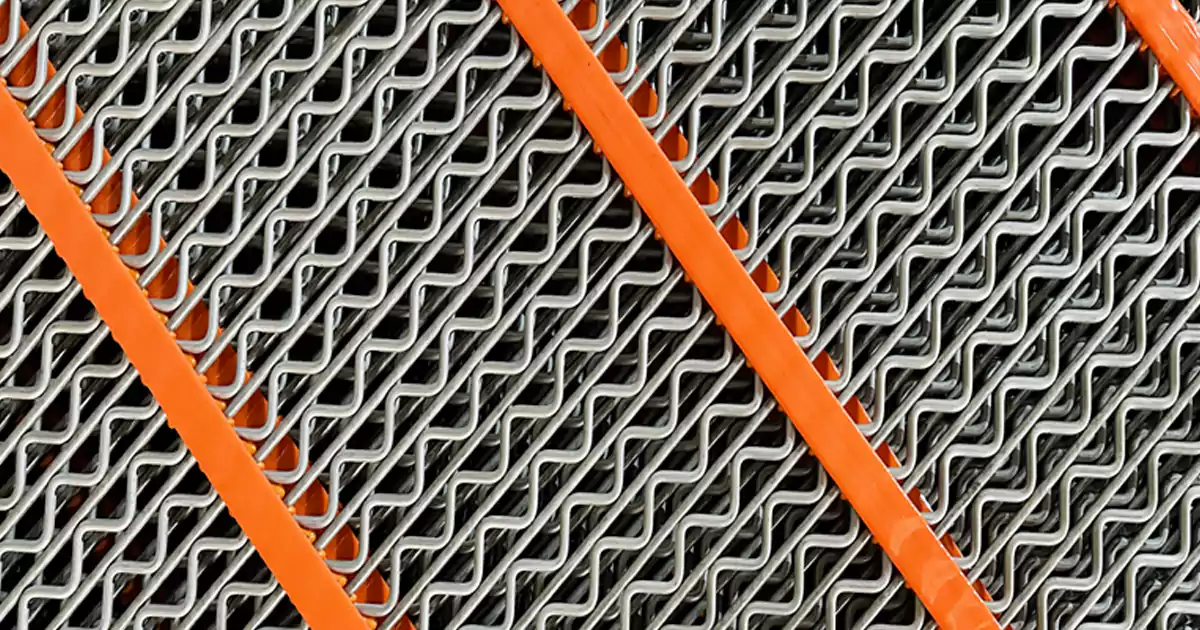
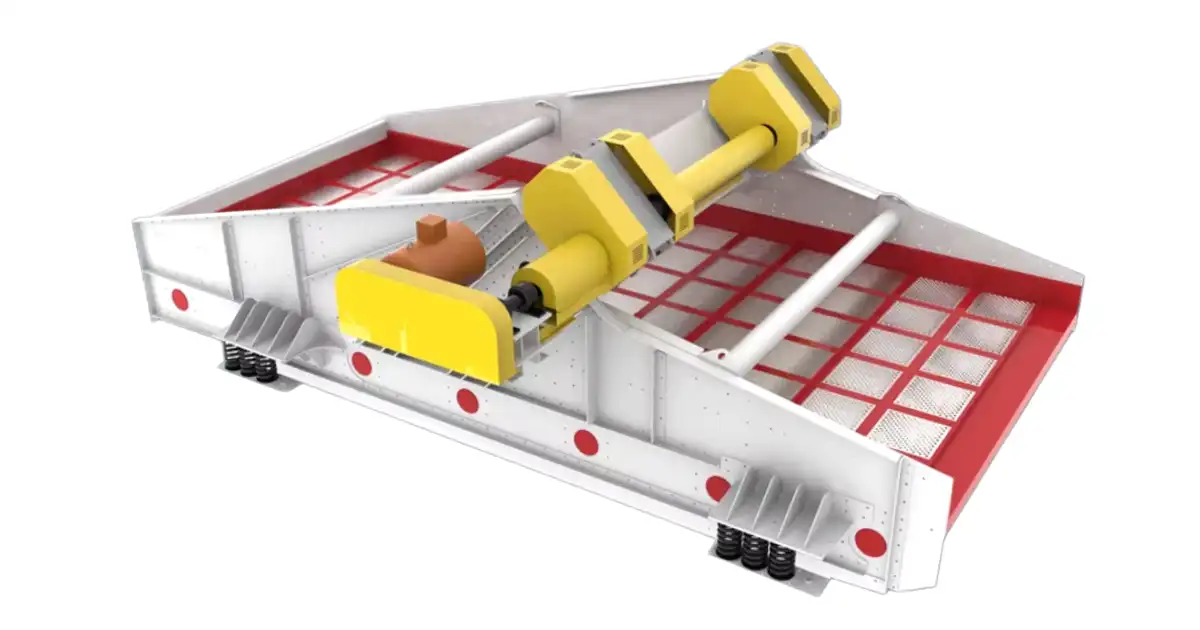
You may ask, what is a linear vibrating screen? This machine helps you separate and sort things. It does this by moving materials in a straight line on a shaking surface. The main job of a linear vibrating screen is to give you clean and sorted material fast and easily. It is very important in mining, construction, food processing, and chemicals. Here is a quick look at where you can see this screen working:
| Industry | Market Share Description |
|---|---|
| Mining & Metallurgy | Has the biggest market share because it is very important for getting and processing minerals. |
| Construction | There is a lot of need for it because of building projects and the need for good screening tools. |
| Food Processing | Used for sorting and checking quality, with a focus on keeping things clean and safe. |
| Chemical Industry | Needed for separating and sorting, making sure products are always the same and good quality. |
| Others | Includes farming, cleaning water, and medicine, which need special solutions. |
Key Takeaways
- A linear vibrating screen sorts things by moving them in a straight line. It separates materials quickly and efficiently.
- This machine is important in mining, construction, food processing, and recycling. It can be used for many different jobs.
- It has adjustable mesh sizes, twin motors for strong vibration, and easy cleaning. These features help it work better.
- Setting up and taking care of the machine is very important. Check the screen mesh and motors often to stop problems.
- Linear vibrating screens use less energy. This helps lower costs and keeps output high.
- Pick the right mesh size for the material’s particle size. This makes sorting more accurate and efficient.
- Clean the screen mesh often to stop clogging and keep things running smoothly. This is extra important with wet materials.
- Safety comes first. Always check the equipment before using it. Make sure all safety covers are on to protect workers.
What Is a Linear Vibrating Screen
Definition
You might ask, what is a linear vibrating screen? This machine helps you sort and separate things. It shakes materials in a straight line. The screen deck sits on a strong frame. It can be made of mesh or have holes. When the machine is on, a special motor makes it move in a line. Materials move across the screen. Small pieces fall through the mesh. Bigger pieces stay on top. You get clean and sorted material fast. Linear vibrating screens are simple and strong. They work with many materials, like powders or rocks. If you need to move and separate things quickly, this machine is a good choice.
Key Features
Let’s see what makes a linear vibrating screen special:
- It moves materials forward in a straight line.
- You can pick different mesh sizes for your job.
- The machine has two motors for strong shaking.
- It works for fine, dry, or light materials.
- Cleaning is easy and it does not clog much.
- It is tough and lasts a long time.
Tip: If you want to work fast and stop less, use a linear vibrating screen.
Comparison with Other Vibrating Screens
You may wonder how a linear vibrating screen is different from others. Here is a quick look:
| Feature | Linear Vibrating Screen | Circular Vibrating Screen |
|---|---|---|
| Movement Track | Moves forward in a straight line | Moves in a circular motion |
| Vibration Exciter | Uses two shafts and a vibration motor | Usually has a single shaft |
| Installation Angle | Has a small inclination angle | Can have a steeper angle |
| Applicable Materials | Works best for fine particles and softer materials | Handles more types, including coarse material |
| Energy Consumption | Low energy use | Depends on design |
| Efficiency | High screening and dehydration efficiency | Varies with application |
- Linear vibrating screens are best for fine, dry, or light materials. They give you accurate sorting and less blocking.
- Circular vibrating screens are better for big, heavy materials. They are good for sorting large pieces, but not as good for tiny bits.
If you want to know what a linear vibrating screen is, remember this: it is great for sorting fine materials quickly and well. You can count on it to keep your work going smoothly.
Working Principle
Linear Motion Mechanism
Twin Vibrating Motors
When you look at a linear vibrating screen, you will see two motors on the sides. These are called twin vibrating motors. They work together in a special way. Both motors spin at the same time, but in opposite ways. This makes a force that stops the screen from shaking side to side. Instead, the force moves the screen back and forth in a straight line. This gives a strong and steady shake. Everything moves in one direction. That is why the linear vibrating screen sorts things quickly and evenly.
Here are some common details for these motors:
| Specification | Details |
|---|---|
| Vibration Motor | Double Vibration Motor |
| Vibration Amplitude | Adjustable |
| Capacity | ≤32t/h or Customized |
| Screen Size | 0.02-20mm |
| Particle Size | ≤20mm |
| Screen Layer | 1 to 5 |
| Screen Frame | Stainless Steel, Carbon Steel |
Inclination Angle
The screen does not always stay flat. You can tilt it a little. This small angle helps things move faster across the screen. When you pick the right angle, you get better sorting and higher speed. The angle and the shaking work together. They help keep materials moving forward, so nothing gets stuck.
Material Movement
Throwing and Forward Motion
When the motors turn on, the screen starts to shake. The shaking lifts the material up from the screen. Each piece jumps up and lands farther down the screen. This looks like popcorn popping. The straight shaking and gravity keep everything moving forward. The material moves in a curved path. This helps spread it out and stops it from piling up.
Separation Process
As the material moves, the shaking and the mesh work together. Small pieces fall through the holes in the mesh. Bigger pieces stay on top and keep moving forward. The rolling and jumping help sort the material by size and weight. The linear vibrating screen can handle small to medium pieces. You can use more than one layer to sort different sizes at once.
Tip: For the best results, feed the material evenly. Do not put too much on the screen. If you feed it unevenly or add too much, sorting will not work as well.
Many things can change how well your screen works:
- Feed rate: Too much material slows things down.
- Material distribution: Spread it out for better sorting.
- Vibration direction and pattern: This changes how things separate.
- Screening time: Give enough time for pieces to fall through.
- Screen surface condition: Keep the mesh clean and tight.
- Screen angle: Change the angle for better flow.
- Vibration frequency: The right speed helps sorting go faster.
If you set up your linear vibrating screen the right way, you will get fast, clean, and accurate sorting every time.
Structure of Linear Vibrating Screen
When you look at a linear vibrating screen, you see a smart design that helps you sort materials fast and clean. Let’s break down the main parts and see how each one works for you.
Main Components
You will find several key parts in every vibrating screen. Each part has a special job. Here’s a simple table to show you what each part does:
| Component | Function |
|---|---|
| Vibration Motor | Gives the strong shake needed to move and sort materials. |
| Screen Frame | Holds the mesh and keeps the screen steady and strong. |
| Screen Mesh | Lets small pieces fall through and keeps big pieces on top. |
| Bouncing Ball | Stops the mesh from clogging by bouncing and shaking loose stuck bits. |
| Base Bracket | Keeps the whole screen steady and in place. |
| Feeding Inlet | Where you pour in the material you want to sort. |
| Outlet | Where the sorted material comes out, ready for the next step. |
Screen Box
The screen box is the main body of the machine. It holds the mesh and all the moving parts. You can count on it to keep everything in place while the vibration does its job.
Vibrator Motor
You will see the vibration motor on the sides of the screen. This motor makes the whole machine shake. The strong vibration helps move the material across the mesh and sorts it by size.
Support System
The support system includes the base bracket and other parts that keep the screen steady. You need this so the machine does not move or tip over while working.
Screen Mesh
The screen mesh is where the real sorting happens. Small pieces drop through the holes, and big pieces stay on top. The bouncing balls under the mesh help keep it clean and stop clogging.
Tip: If you want your screen to last longer, check the mesh often and keep it clean.
Decks and Inclination
You can choose how many decks your screen has. A single-deck screen sorts one size. If you use more decks, you can sort many sizes at once. Multi-deck screens save you time and space.
- A screen with a 20° angle works well for pre-screening and sizing jobs.
- If you lower the angle, the material moves slower. This can give you better sorting but may lower how much you can process at once.
- The angle of the deck changes how fast things move and how well the screen works.
Material Options
You can pick what your screen is made from. The material you choose changes how long your screen lasts and how well it works.
| Material Type | Durability Impact | Performance Impact |
|---|---|---|
| Stainless Steel | Stands up to rust and wear. | Great for wet jobs and stops clogging. |
| Carbon Steel | Not as tough against rust. | Good for dry jobs and simple sorting. |
If you work with wet or sticky materials, stainless steel is a smart choice. For dry jobs, carbon steel works well and costs less.
You can see that every part of a linear vibrating screen has a job to do. When you pick the right setup, you get a machine that sorts fast, lasts long, and fits your needs.
Advantages
High Efficiency
You want your sorting job to go fast and smooth. The linear vibrating screen gives you high efficiency because it uses smart design and strong vibration. When you use a triple-layer screen, you can reach up to 92.4% screening efficiency. That means almost all the material gets sorted right the first time. Double-layer screens also do well, with about 88.4% efficiency. If you use the right settings, like an amplitude of 8 mm and a frequency of 20 Hz, you can boost efficiency for medium-sized particles.
Here are some things that help the vibrating screen work better:
- Feed rate: If you feed material slowly, you get better separation.
- Moisture: Wet material can block the screen, so keep things dry.
- Open area: More holes mean more chances for material to pass through.
- Particle shape: Odd shapes can slow down sorting.
- Particle size: Big pieces take longer to pass through and can clog the screen.
- Screen angle: Flat screens usually sort better.
- Vibratory intensity: Strong vibration keeps the screen clear.
Tip: Adjust the feed rate and vibration settings to get the best results for your material.
Versatility
You can use a linear vibrating screen for many jobs. It works in recycling, mining, metallurgy, and quarrying. You can sort bulk materials like sand, aggregates, rubber, metals, and scrap. This machine handles different sizes and shapes, so you can use it for almost anything. If you need to switch from one material to another, you do not have to change much. The screen adapts to your needs.
Here is a quick list of where you can use this screen:
- Material recycling
- Mining
- Metallurgy
- Quarrying
- Processing sand, aggregates, rubber, metals, and scrap
Note: If you work in more than one industry, this screen saves you time and money.
Low Maintenance
You do not want to spend all day fixing your machine. The linear vibrating screen needs simple care. You should check the mesh and motors often. When you need to replace the screen, you must remove all layers from top to bottom. This takes more time than some other machines, like the square swing screen, which lets you pull out screens like drawers.
The up-and-down shaking can cause metal fatigue, so the screen may not last as long as a square swing screen. Still, you get easy cleaning and fewer clogs. If you keep the mesh clean and check for wear, your machine will run well.
| Maintenance Task | How Often | What To Do |
|---|---|---|
| Check mesh | Weekly | Look for holes or wear |
| Clean mesh | Daily | Remove stuck material |
| Inspect motors | Monthly | Listen for odd sounds |
| Replace screen | As needed | Remove all layers carefully |
Tip: Regular care keeps your screen working longer and saves you money.
Energy Saving
You want your machine to work well and not waste energy. Linear vibrating screens help you do this. They use smart design to keep energy use low. You get lots of work done and pay less for power.
Let’s see how linear vibrating screens compare to other screens:
| Screen Type | Energy Consumption |
|---|---|
| Linear Vibrating Screen | Medium |
| Large-inclination Swing Probability Vibrating Screen | Usually lower (high throughput helps efficiency) |
Linear vibrating screens use a medium amount of energy. They do not use as little as swing probability screens. But they still save money compared to old machines. You get good power and performance.
Linear vibrating screens save energy because they are simple. Their smart vibration system uses twin motors. These motors move materials in a straight line. This makes the motion efficient and cuts wasted energy. You do not need extra parts or tricky systems. The machine works with less trouble.
Here are some ways you benefit from energy-saving features:
- You use less power, so your bills are lower.
- The machine is eco-friendly. It helps you follow environmental rules.
- Sealed designs keep dust inside. You do not worry about dust escaping.
- You get high output without needing more power.
- Maintenance is easy. You do not spend extra time fixing hard parts.
Tip: If you want your workspace clean and safe, pick a linear vibrating screen with a sealed design. It keeps dust from spreading and helps you follow safety rules.
Using less energy helps the planet. Linear vibrating screens make your work greener. You can tell customers you care about the environment. This gives you an advantage in today’s market.
Let’s break down the main energy-saving advantages:
- Low energy use means you spend less.
- High output lets you finish jobs faster.
- Simple structure makes repairs easy.
- Easy maintenance keeps downtime short.
You do not have to lose performance to save energy. Linear vibrating screens give you both. You get a machine that works hard, saves energy, and keeps your work running smoothly.
Note: If you want a screen that balances power and efficiency, linear vibrating screens are a smart choice. You get reliable sorting, lower costs, and a cleaner workspace—all in one package.
Applications
Aggregate
You see linear screens working hard in aggregate plants every day. These machines help you sort and clean materials like sand, gravel, and crushed stone. When you need to separate wet or dry materials, a screen makes the job easy. It can also remove extra water from your materials, so you get the right moisture level for your project.
Here’s a quick look at how you use these machines in aggregate processing:
| Application Type | Description |
|---|---|
| Classifying | Sorts materials by size, wet or dry. |
| Dewatering | Removes extra water from your materials. |
If you want your aggregates to meet size rules for concrete or road work, you can trust a vibrating screen to do the job. You get clean, sorted material every time.
Mining
Mining sites need tough machines. You use linear screens to handle raw materials like iron ore, gold, lithium, and coal. These screens help you with big jobs, such as removing large rocks (scalping), sorting by size (classifying), and getting rid of water (dewatering). You can move thousands of tons of material every hour with these machines.
Here’s why you want a linear screen in your mining operation:
- You process huge amounts of material fast.
- The screen lasts longer when you use modern mesh, like polyurethane.
- You spend less time fixing things and more time working.
- Some screens let you check on them from far away using smart technology. This helps you spot problems before they stop your work.
If you want to keep your mining site running smoothly, a vibrating screen is a must-have tool.
Concrete
You need the right size of sand and gravel to make strong concrete. Linear screens help you sort these materials so your concrete mixes come out just right. If you work with recycled concrete or other building waste, these machines help you separate out the good stuff. You can crush old concrete, sort it with a screen, and use it again in new projects.
Here’s how you use linear screens in concrete work:
- Sort sand, gravel, and crushed stone for concrete mixes.
- Make sure every batch meets size rules.
- Recycle old concrete and other waste by sorting out reusable pieces.
Tip: When you use a screen to recycle, you save money and help the environment by using less new material.
Recycling
You can find linear vibrating screens in recycling centers. These machines help sort and clean things like glass, plastic, metal, and paper. When you recycle, you must separate items fast. Linear screens make sorting easy and quick.
You pour mixed stuff onto the screen. The screen shakes hard. Small pieces drop through the mesh. Big pieces move forward and fall off at the end. You get neat piles ready for the next step. This keeps your recycling line moving fast.
Modern recycling plants use screens with cool features. Some screens have anti-clogging and self-cleaning surfaces. These keep the mesh clear and stop it from getting blocked. You spend less time cleaning and more time sorting. Modular decks let you change the screen for different jobs. You can switch from glass to plastic in just a few minutes.
Electric-powered mobile screens are popular now. You use them where there are strict rules about smoke. These screens run quietly and do not make smoke. They help keep the air clean while sorting trash. If you work in a city or near homes, electric screens are a good choice.
Manufacturers make screens with lighter, recyclable parts. These machines use less energy and last longer. Energy-saving motors help you save power and money. You help the planet by using greener machines.
Here is a quick list of how linear vibrating screens help recycling:
- You sort mixed stuff fast and clean.
- Anti-clogging surfaces keep the mesh clear.
- Self-cleaning features mean less downtime.
- Modular decks let you change jobs easily.
- Electric screens meet clean air rules.
- Lighter, recyclable parts are better for the earth.
- Energy-saving motors lower your bills.
Tip: If you want your recycling center to work well, pick a screen with self-cleaning and modular decks. You will fix fewer problems and sort more stuff.
Let’s look at how these features help in a simple table:
| Feature | Benefit for Recycling Centers |
|---|---|
| Anti-clogging Surface | Keeps mesh clear, boosts sorting |
| Self-cleaning Design | Reduces downtime, saves labor |
| Modular Decks | Easy setup changes, flexible use |
| Electric Power | Clean operation, meets regulations |
| Recyclable Materials | Promotes sustainability |
| Energy-efficient Motor | Lowers energy costs |
When you use linear vibrating screens in recycling, you help your town and the earth. You sort trash faster, save energy, and use eco-friendly ways. These machines make recycling easier and greener every day.
Selection Factors
Material Properties
When you pick a vibrating screen, you need to look at the material you want to sort. Every material acts differently on the screen. You can make better choices if you know these properties:
- Particle size matters a lot. If your material has tiny particles, you get higher screening accuracy. Large particles may need a bigger mesh.
- Moisture content changes how easy it is to sort. Wet material sticks together and can block the mesh. Sometimes, you need to dry your material before you use the screen.
- The effect of moisture depends on the mesh size. If you use a larger mesh, moisture does not cause as many problems. Smaller mesh sizes can clog faster when the material is wet.
You should always check your material before you start. If you know the size and moisture, you can set up your screen for the best results.
Tip: If your material is sticky or wet, try drying it first. This helps you get cleaner sorting and keeps your screen working longer.
Capacity Needs
You want your screen to handle the right amount of material. If you pick a screen that is too small, you waste time. If you pick one that is too big, you waste money. Here’s how you can figure out what you need:
- Define your material. Do a sieve analysis to see the particle size distribution. This helps you know what kind of screen works best.
- Assess your production needs. Think about how many tons you want to process each hour. This tells you what size and shape your screen should be.
You can use this table to help you decide:
| Step | What To Do |
|---|---|
| Sieve Analysis | Find out particle sizes |
| Throughput Estimate | Calculate tons per hour |
| Screen Dimensions | Pick the right size for your needs |
If you know your material and your goals, you can pick a screen that fits your job.
Mesh Selection
Mesh selection is a big deal when you want good classification and product quality. The mesh size you choose affects how well your screen works. If you use a finer mesh, you get better screening accuracy. This means you sort your material more precisely. Finer mesh can also slow down your process because it lets less material through at once. You need to balance accuracy and speed.
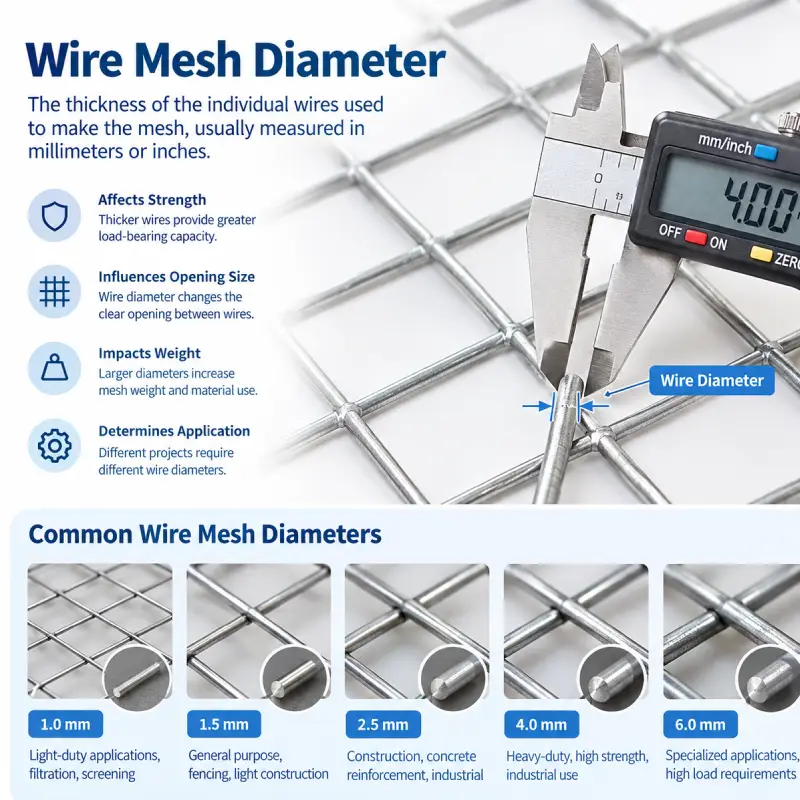
The shape and density of your particles matter, too. If your material is heavy or oddly shaped, you may need a special mesh. The type and wire diameter of the mesh also change how your screen performs. You should think about what you want to achieve and how much material you need to process.
Note: If you want high-quality sorting, pick a mesh that matches your material and your goals. You can always ask for advice if you are not sure.
Installation
Getting your linear vibrating screen set up the right way makes a big difference. If you want your machine to run smoothly and last longer, you need to pay attention to a few key steps. Let’s walk through what you should check before you start your screen.
First, you need a strong base. The steel structure under your screen must hold up to a lot of shaking. If the support is weak, the screen can move or even break. Make sure the base is solid and braced well. You don’t want any bending or wobbling.
Next, leave enough space around your screen. The machine moves a lot when it runs. If you put it too close to walls or other equipment, it might hit something. Always check for clearances so nothing gets in the way.
You also need to look at the springs. The springs help the screen bounce and shake. They must sit flat and at the same height. If one spring is higher or lower than the others, the screen won’t work right. Try to keep the height difference within 3 millimeters. That’s about as thick as two pennies stacked together.
Here’s a handy table to help you remember the main installation checks:
| Requirement | What You Need to Do |
|---|---|
| Structural Support | Use strong, braced steel structures. No bending or wobbling allowed. |
| Clearances | Leave space around the screen for movement. |
| Spring Alignment | Keep spring pedestals level, within ±3 mm. |
| Bolt Tightening | Tighten all bolts in the right order and to the correct tightness. |
| Installation Angle | Check the angle of the screen for proper sorting. |
| Motor Alignment | Make sure motors spin in the right direction and springs stand straight up. |
| Safety Measures | Put on all guards and safety covers before starting. |
| Electrical Safety | Ground the motor and use overload protection. Only let a trained electrician do this. |
| Cable Management | Leave some slack in cables so they don’t pull or snap during shaking. |
| Interlocking Motors | Set up motors so if one stops, the other does too. This keeps the machine safe. |
Don’t forget about safety! Always put on the guards and covers before you turn on the screen. This keeps you and your team safe from moving parts.
Tip: Ask a qualified electrician to connect the motor and set up overload protection. This helps prevent electrical problems and keeps your machine safe.
When you finish setting up, double-check everything. Look at the bolts, springs, and cables. Make sure nothing is loose or out of place. If you follow these steps, your linear vibrating screen will start strong and give you great results.
If you ever feel unsure, ask for help from a pro. A good setup means less trouble and more time getting your work done.
Maintenance & Troubleshooting
Routine Care
Taking care of your linear vibrating screen helps you avoid big problems later. If you follow a few simple steps, you can keep your machine running smoothly every day. Here’s what you should do:
- Check the coupling and support springs often. Adjust or replace them if you see any wear.
- Clean the screen surface and chute. Dirt and leftover material can block the screen.
- Make sure the screen surface stays tight. If it feels loose, tighten it right away.
- Use downtime to fix any issues you notice during operation. Don’t wait for a breakdown.
- Keep your work area and the machine clean. Fill out your work log and share important notes with the next shift.
- Watch the material as it comes in and goes out. Check for blockages in the spray pipes.
- Feel the bearings and motors. If they get too hot, something might be wrong.
- Make sure the screen box vibrates smoothly. If it swings oddly, stop and check for problems.
Tip: A little care every day saves you from big repairs later. Clean and check your screen before and after each shift.
Common Issues
Sometimes, things go wrong even when you take good care of your screen. Here’s a table to help you spot common problems and fix them fast:
| Problem | Why It Happens | How You Fix It |
|---|---|---|
| Excessive Vibrations | Unbalanced screen, loose bolts, worn bearings | Balance screen, tighten bolts, replace bearings |
| Screen Overloading | Too much feed, material buildup | Slow down feed, clean screen |
| Screen Blinding | Fine or wet particles clog mesh | Use anti-blinding devices, dry material |
| Screen Frame Damage | Overloading, metal fatigue | Inspect and repair, reduce impact |
| Inconsistent Material Flow | Bad installation, uneven wear | Check setup, replace worn parts |
| Reduced Screening Efficiency | Worn mesh, wrong vibration settings | Change mesh, adjust vibration |
| Noise Issues | Loose or worn parts | Tighten parts, replace worn pieces |
| Motor or Drive Problems | Overheating, electrical faults | Ventilate, check electrical system |
If you notice any of these issues, act quickly. Most problems have simple fixes if you catch them early.
Safety
You want to stay safe while working with your vibrating screen. Here’s a checklist to help you:
- Before you start, look over the equipment for damage. Clean it and check the power supply. Adjust the amplitude if needed.
- While the screen runs, control how much material you feed. Don’t overload it. Watch the screening effect and inspect the vibrator. Lubricate moving parts. Keep everyone away from the machine while it’s on.
- After you shut down, clean the screen and check everything again. Keep the area tidy and record what you did. Make sure everyone who uses the machine knows how to do it safely.
- Pick the right equipment for your job. Think about the environment and do regular checks.
Note: Safety comes first. Always follow these steps to protect yourself and your team. Training and good habits keep everyone safe.
Conclusion
You now know what a linear vibrating screen does and how it helps you sort materials fast. You’ve seen its simple structure, clear advantages, and wide use across many industries. When you match the right screen type and settings to your material, you get smoother operation and more consistent results.
As a screening media manufacturer, we produce Woven Wire Screens, Self-Cleaning Screens, and PU-Mesh Screens for Aggregate, Mining, Concrete, and Recycling, with options to fit different machines and working conditions.
Ready to upgrade your screening line? Contact us and tell us your material, cut size, and screen model—we’ll recommend the right screen media solution.
FAQ
What materials can you screen with a linear vibrating screen?
You can screen sand, gravel, minerals, coal, plastic, glass, and metal scraps. This machine works well for dry, fine, or light materials. It handles many types of bulk material.
How do you choose the right mesh size?
Pick the mesh size based on your material’s particle size. Finer mesh gives you better sorting but slows down the process. If you’re unsure, ask a supplier for advice.
Can you use a linear vibrating screen for wet materials?
Yes, you can use it for wet materials. Stainless steel screens work best for wet jobs. Make sure you keep the mesh clean to avoid clogging.
How often should you clean the screen mesh?
You should clean the mesh daily. If you see material stuck or blocking the holes, clean it right away. Regular cleaning keeps your machine running smoothly.
What should you check during installation?
Make sure the base is strong, springs are level, and bolts are tight. Leave space around the machine for movement. Always check motor direction and safety covers.
How do you fix screen blinding?
Try using anti-blinding devices like bouncing balls. Dry your material before screening. You can also use self-cleaning mesh for sticky or fine particles.
Is a linear vibrating screen energy efficient?
Yes! Linear vibrating screens use twin motors and smart design. You get high output with medium energy use. Sealed designs help save energy and keep dust inside.
What safety steps should you follow?
- Inspect the machine before starting.
- Keep guards and covers in place.
- Control feed rate.
- Lubricate moving parts.
- Train your team on safe use.