You are important in the copper mining process. Copper is used in many things today. It helps run electrical systems, transportation, and construction. The copper mining process has many steps. Crushing and screening are the most important steps. You need these steps to free copper minerals. This helps get more copper and makes the process better. If you make the process better, you separate minerals well and use less energy. The copper mining process helps mining work well. It also makes sure copper is ready for what industries need.
Key Takeaways
- Copper is important in our daily lives. It helps power electronics, buildings, and energy systems.
- Crushing and screening are key steps in copper ore processing. These steps help make the process faster and get more copper.
- Good crushing methods can give more copper and use less energy. Checking and fixing crushing machines often stops problems and keeps things running well.
- Screening separates crushed ore by size. This makes sure only the right pieces go to the next step.
- Using good ways in crushing and screening can get more copper and cost less money.
- Automation and new technology are changing copper mining. These changes make mining faster and better for the environment.
- Picking the best screening media is very important. It helps get more copper and waste less material.
Copper Mining Process Overview
Importance of Copper
You use copper every day, even if you do not notice. This metal helps power your house, your electronics, and the ways you travel. Copper is special because it carries electricity very well. It does not rust easily and lasts for many years.
- In electronics, copper is used for wires, circuit boards, and many gadgets.
- In construction, copper is needed for pipes, roofs, and electrical parts. Builders like copper because it is strong and carries electricity well.
- The energy industry uses copper to make and move power. Wind and solar energy systems need copper to send electricity.
- More than 40% of new clean energy projects will use copper parts to move power.
- Building things uses about 36% of all copper, so it is the biggest use for this metal.
- A normal American house has almost 200 pounds of copper wire.
Main Steps in Copper Ore Processing
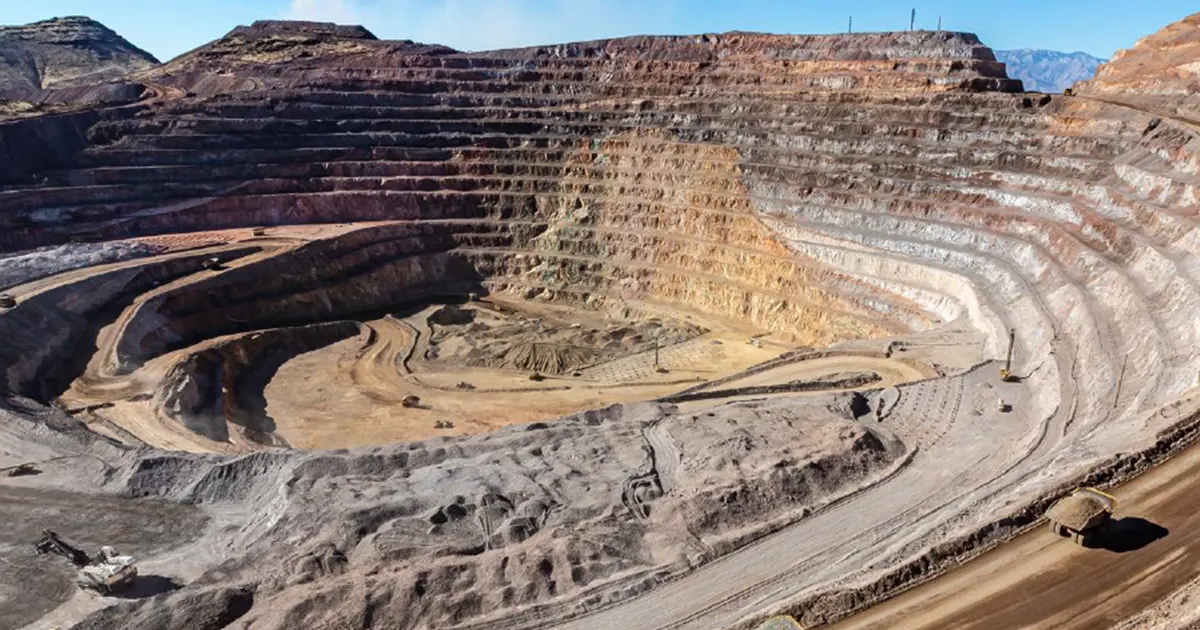
Copper ore processing begins with mining. People dig ore from the ground in open-pit or underground mines. Most copper ore has a low amount of copper, usually less than 0.6%. The ore must be concentrated to get copper out easily.
Today, most copper ore has less than 0.6% copper. Only a small part of the rock has valuable minerals, less than 2%. So, miners must concentrate the ore before getting copper.
Here are the main steps for copper ore processing:
| Stage | Description |
|---|---|
| Copper mining | Workers take copper ore from the ground. |
| Copper ore crushing | Machines break the ore into smaller pieces. |
| Copper ore grinding | The ore is ground into tiny bits for the next step. |
| Copper ore flotation | Bubbles help separate good minerals from waste. |
| Copper concentrate dewatering | Extra water is removed from the concentrate before smelting. |
| Copper smelting | The concentrate is heated to make pure copper. |
Role of Crushing and Screening
Crushing and screening are very important in copper ore processing. These steps come right after mining and before grinding. Crushing makes big rocks smaller. Screening sorts the crushed ore by size. This helps the next steps work better.
| Stage | Description |
|---|---|
| Crushing and Screening | The first step uses three stages to crush the ore and get it ready. |
| Grinding | The ore is ground in two steps for more processing. |
| Beneficiation | Flotation is used to get copper out of the ore. |
Good crushing and screening help get more copper from each ton of ore. These steps save energy and help get more copper. When these steps work well, the rest of the copper process works better too.
Crushing Process in Copper Mining
Purpose of Crushing
You have to break copper ore into smaller pieces first. Crushing makes big rocks smaller. This helps you separate copper minerals from waste rock. If you do not crush the ore, you cannot get copper easily. You will use more energy and lose copper if you skip this step. Crushing also gets the ore ready for grinding. Grinding turns the ore into a fine powder for the next steps.
Crushing is the first thing you do to get copper out. You use copper ore crushing equipment to make the ore smaller. This lets you get more copper from each ton of rock.
| Step | Description |
|---|---|
| Crushing | The ore goes through jaw crushers to get smaller. |
| Grinding | The ore is ground into powder to free copper minerals. |
Crushing Stages
You need to crush copper ore in a few steps. Each step uses different copper ore crushing equipment. The main steps are coarse crushing, secondary crushing, and fine crushing.
Coarse Crushing
Coarse crushing is the first step. Big pieces of copper ore go into a jaw crusher. The jaw crusher uses strong jaws to break the ore. This makes the ore smaller for the next step. You need coarse crushing to handle big rocks from the mine.
- Big copper ore pieces go into a jaw crusher.
- The jaw crusher makes the pieces smaller.
- You can put in pieces up to 1000 mm and get 150 to 300 mm out.
Secondary Crushing
After coarse crushing, you do secondary crushing. You use a hydraulic cone crusher for this part. The machine takes medium-sized pieces from the jaw crusher and makes them smaller. This step helps you get pieces that are all about the same size. That is important for the next steps.
- Medium pieces go to a hydraulic cone crusher.
- The cone crusher makes the pieces even smaller.
- You get better control over the size of the crushed ore.
Fine Crushing
Fine crushing is the last step before grinding. You use a multi-cylinder hydraulic cone crusher here. The machine takes medium pieces and makes them very small. Fine crushing helps you separate copper minerals more easily.
- Medium pieces go into a multi-cylinder hydraulic cone crusher.
- The output is small enough for grinding and separating minerals.
- This step makes the copper extraction process work better.
Common Crushers for Copper Ore
You need the right copper ore crushing equipment for each step. The most common machines are jaw crushers and cone crushers. Each one works best at a different stage.
Jaw Crushers
Jaw crushers are important for crushing copper ore. You use them for coarse crushing because they can handle big pieces. These machines are simple and easy to take care of. Jaw crushers work well for hard and rough materials like copper ore.
| Type of Crusher | Input Size (mm) | Output Size (mm) | Reduction Ratio | Material Suitability |
|---|---|---|---|---|
| Jaw Crushers | Up to 1000 | 150 to 300 | 3:1 to 6:1 | Hard, abrasive materials |
Jaw crushers can crush 50 to 1500 tons every hour. They are a good choice for jobs under 500 tons per hour. You will see jaw crushers in both open-pit and underground copper mines.
Cone Crushers
Cone crushers are used for secondary and fine crushing. You use them after jaw crushers to get smaller pieces. These machines use a spinning cone to crush the ore. Cone crushers can handle medium to hard materials and make pieces the same size.
| Type of Crusher | Input Size (mm) | Output Size (mm) | Reduction Ratio | Material Suitability |
|---|---|---|---|---|
| Gyratory Crushers | 500 to 2000 | 100 to 300 | 4:1 to 6:1 | Very large feed sizes |
Gyratory crushers are a type of cone crusher. They can crush 500 to 2000 tons every hour. You see these machines in big copper mining jobs. They are good for crushing lots of ore and are used in open-pit mines.
Tip: Pick your copper ore crushing equipment based on how big your job is and how hard your ore is. The right machine will help you get more copper from each ton of ore.
Crushing Best Practices
You want to get the most copper from your ore. To do this, you should use the best ways during crushing. These steps help you get more copper, save energy, and make your machines last longer.
Tip: If you crush well, you get more copper and spend less money.
Here are the top best ways to follow:
- Feed Consistency
You should keep the size and amount of ore going into the crusher the same. When you feed the crusher with even pieces, you get better results. If the size changes fast, the crusher can get blocked or wear out unevenly. - Regular Equipment Checks
You need to check your crushing machines often. Look for any signs of damage or parts that are worn out. Change old parts before they break. This keeps your copper work smooth and stops long breaks. - Correct Crusher Settings
You must set your crushers to make the right size pieces. If the gap is too wide, you get big pieces that are hard to grind. If it is too small, you use more energy and the machine wears out faster. Find the best setting for your copper ore. - Remove Unwanted Material
You should take out waste rock and metal before crushing. Things like iron or wood can hurt your crushers. Use magnets or screens to keep your copper crushing line safe. - Monitor Output Quality
You need to check the size of the crushed copper ore a lot. Use screens to see how big the pieces are. If there are too many big pieces, change your settings or look for problems. - Dust Control
You must stop dust during crushing. Dust can hurt people and machines. Use water sprays or dust collectors to keep the air clean in your copper plant. - Train Your Team
You should teach your workers about copper crushing safety and how to care for machines. Trained workers find problems early and keep things running well.
| Best Practice | Why It Matters for Copper Mining |
|---|---|
| Feed Consistency | Helps get more copper and keeps crushers working longer |
| Equipment Checks | Stops long breaks and keeps copper coming out |
| Correct Settings | Makes the right size copper and saves energy |
| Remove Unwanted Material | Stops crusher damage and losing copper |
| Monitor Output Quality | Makes sure copper is ready for the next step |
| Dust Control | Keeps workers and copper machines safe |
| Team Training | Makes the copper plant safer and better |
If you follow these best ways, your copper crushing will go well. You get more copper from each ton of ore. You also keep your machines and team safe. Good crushing steps help you make more copper and earn more money.
Screening Process in Copper Mining
Purpose of Screening
You have to sort copper ore into different sizes before the next step. Screening splits the crushed copper ore into groups by size. This makes sure only the right-sized pieces move forward. When you send only good copper ore to grinding and beneficiation, you get better results. This step helps the whole copper process work better. You use less energy and make less waste when you screen at this point.
Screening Equipment Types
You can pick from different machines when you screen copper ore. Each machine works best for certain jobs and ore sizes. You need to pick the right one to get the best results.
Vibrating Screens
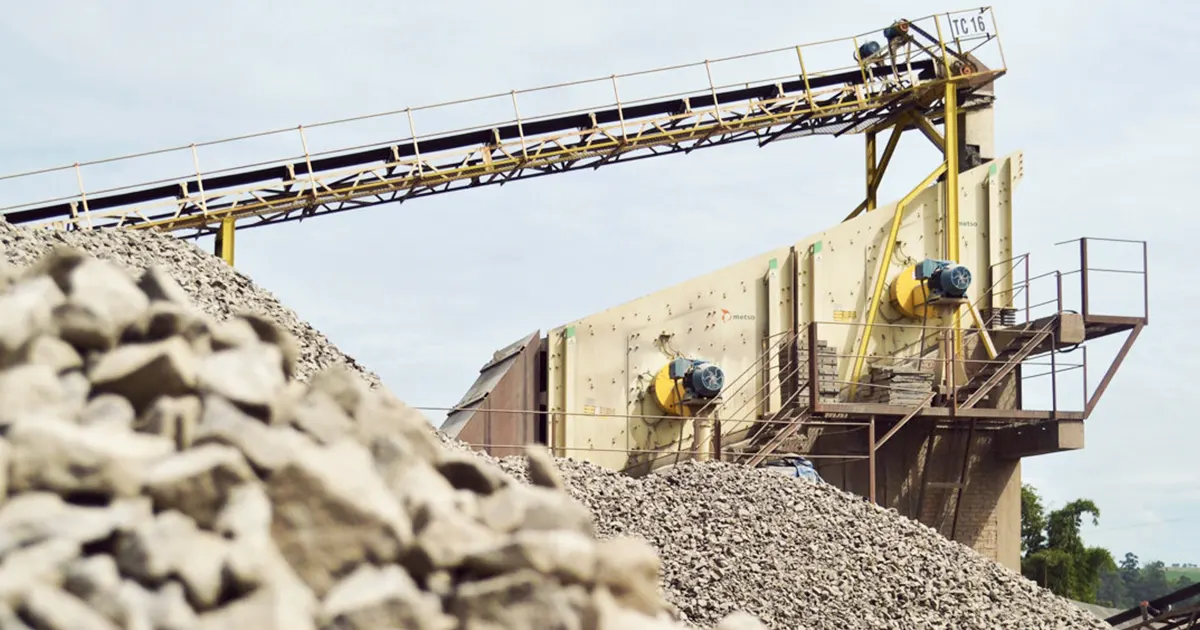
Vibrating screens are used a lot in copper mining. You use them to sort copper ore by size. The screen shakes fast and moves the ore over a mesh. Small pieces fall through the holes. Big pieces stay on top. You can change the mesh size to fit your needs. Vibrating screens work for both wet and dry copper ore. These machines can handle a lot of ore and separate it well.
Trommel Screens
Trommel screens use a spinning drum with holes to sort copper ore. You put the ore in one end of the drum. As the drum turns, small pieces fall through the holes. Big pieces go to the other end. Trommel screens are better than vibrating screens for sticky or wet copper ore. You see these machines where the ore has lots of clay or is very wet.
| Equipment Type | Primary Function | Typical Capacity Range | Key Performance Indicator |
|---|---|---|---|
| Vibrating Screen | Size separation by vibration | 50–2,000 tons/hour | Particle size distribution |
| Trommel Screen | Size separation by rotating drum | 20–500 tons/hour | Screening efficiency |
Screening Steps
You follow a few steps to screen copper ore. Each step helps you get the right size for the next part.
Sizing and Separation
You start with sizing and separation. You use vibrating screens to take out pieces that are too big or too small. This gives you copper ore that is all about the same size. You need this for grinding. When the ore is the same size, you can get more copper and the process goes smoother. You might also use hydrocyclones or spiral classifiers to sort particles by size. These machines keep copper ore between 0.1 mm and 3 mm for gravity concentration.
Scalping
Scalping takes out the biggest pieces of copper ore before fine screening. You use a coarse screen or grizzly for this job. Scalping keeps your other machines safe from damage. It also helps the copper process run well. You get better results when you take out big pieces early.
Tip: Always check the size of your copper ore at each step. Keeping the size the same helps you get more copper and keeps your machines safe.
You can use manual sieve analysis to check your work. Dry your copper ore samples first. Then put them through different sieve sizes. Weigh what is left on each sieve to see how well your screening works.
Screening Best Practices
You want to get as much copper as you can from your ore. You should use good habits during screening to work better and lose less copper. These habits help you sort ore faster and keep your machines working longer.
- Make sure the copper ore spreads out evenly on the screen. This stops too much ore from piling up in one spot. It also helps you use all of your machine’s power.
- Pick the right mesh for your screen. The mesh should match the size and wetness of your ore. Check your screens often so they do not get blocked. Change old or broken parts quickly.
- Change how your screen moves to fit your ore. You can set how fast it shakes and the angle it sits at. These changes help you move more ore and get the right size pieces.
- Use bigger screens or more than one deck if you need to. This lets you sort more ore at once and makes sorting better.
- Look at your screening results a lot. Clean and fix your machines so they do not stop working. This keeps copper moving through your plant.
- Try using computer programs to plan your screening. These tools help you pick the best mesh and find weak spots. They also help you make your plant work better.
Tip: You can make a table to watch how well your screening works. Write down how much ore you process, the size of the pieces, and any time your machines stop. This helps you find problems early and fix them fast.
| Practice | Benefit |
|---|---|
| Optimize feed distribution | Stops overload, uses full power |
| Maintain screen media | Stops blocks, makes screens last |
| Adjust screen parameters | Moves more ore, better quality |
| Configure screen size/decks | Sorts more ore, works better |
| Monitor efficiency/maintenance | Less downtime, keeps copper moving |
| Use simulation software | Better plans, more copper made |
You can teach your workers to use these steps. Workers who know these habits keep your copper plant safe and working well. When you use these habits, you get more copper and spend less money fixing things.
Process Optimization and Challenges
Process Flow Integration
You have to connect each step in copper ore crushing and screening. When you do this well, you get more copper and make less waste. Start by making sure your crushers send ore to the screens evenly. This helps you sort the ore by size and get it ready for copper ore flotation. If the flow stays steady, you stop blockages and keep copper moving. You also use less energy and spend less money. Good process flow means you get more copper from every ton of ore.
Common Challenges
You will face many problems during copper ore crushing and screening. These problems can slow down copper recovery and make costs go up.
Hard or Abrasive Ore
Some copper ore is very hard or has sharp edges. This kind of ore can wear out your crushing machines quickly. You might need to change parts a lot. Hard ore also uses more energy when you crush it. If you do not handle it well, you may lose copper.
Dust and Noise
Crushing and screening make a lot of dust and noise. Dust can hurt workers and damage machines. Noise can make the work area unsafe. You need to control both dust and noise to keep your plant safe and follow the rules.
Equipment Wear
Your machines work hard every day. Crushing hard copper ore and running screens for long hours can wear out parts. Worn parts can slow down copper recovery and stop your plant for repairs. You need to check for wear and fix problems early.
You may also see other problems, like:
- Recovery rates that change because the ore is complex
- Low grinding and flotation efficiency
- High costs to run your plant
- Problems with the environment, like dirty water and metal pollution
- Using more energy for crushing
- Needing more flotation chemicals
- Trouble getting both oxide and sulfide minerals
Solutions and Tips
You can fix many copper ore crushing and screening problems with the right steps. Here are some tips to help you get more copper and make your plant better:
- Crush ore to 8-mm cubes or smaller. This size helps you get over 80% copper recovery with a weak acid solution.
- Spread ore evenly in tanks. This stops slime problems during leaching and keeps copper recovery high.
- Use finer crushing if you want more copper. Smaller ore can help you get up to 85% copper recovery with enough acid time.
- Watch the temperature during copper ore flotation. Too much heat can make copper hard to get, but you can fix this by checking the temperature.
- Try gravity separation before flotation for low-grade oxide ore. This can help you get more copper from poor ore.
- Use smart flotation controls for muddy sulfide ore. Smart controls help you change things fast and keep copper recovery steady.
- Make heap leaching work better. Good leaching helps you use more copper ore and waste less.
Tip: Always check your copper recovery rates and change your crushing, screening, and flotation steps. Small changes can help you get more copper from your ore.
| Challenge | Solution |
|---|---|
| Hard or abrasive ore | Use strong crushers and watch for wear |
| Dust and noise | Use dust collectors and noise barriers |
| Equipment wear | Check machines often and change old parts |
| Fluctuating recovery | Change crushing size and flotation controls |
| High reagent use | Make flotation better and use smart dosing |
You can solve most copper ore processing problems with good planning and regular checks. Focus on each step, from crushing to copper ore flotation, to keep copper recovery high and costs low.
Case Study: Copper Ore Processing Success
Project Overview
You can learn from new copper concentrate projects. Many mines use new technology to get more concentrate. These projects try to make copper concentrate cleaner and more efficient. You see advanced flotation, heap leaching, and hydrometallurgical methods used. These things help you get more concentrate and use less energy.
| Feature | Description |
|---|---|
| Advanced Flotation | You separate copper from waste better and use fewer chemicals. |
| Heap Leaching & Bioleaching | You use bacteria to get copper from low-grade ore and save energy. |
| Hydrometallurgical Innovations | You recover concentrate from complex ore and manage water better. |
| Electrorefining | You make high-purity copper, often with renewable energy. |
Bioleaching lets you get copper from ore that was too poor before. This method helps you get more concentrate and is better for the environment.
Solutions Applied
Top mines use smart ideas to get more concentrate. They use digital tools, renewable energy, and save water. These steps help you get more concentrate and lower costs.
| Case Study | Solutions Applied | Efficiency Improvements |
|---|---|---|
| Grasberg Mine, Indonesia | Water recycling and solar power | 20% less energy and half the water use |
| Escondida Mine, Chile | Digital sensors, AI, and automated machines | 12% more concentrate and 15% less energy |
| Morenci Mine, USA | Renewable energy, water saving, and advanced controls | 18% lower costs |
| Kamoa-Kakula Project, DRC | Modular equipment and AI ore grade control | 25% more concentrate recovery |
- Nuton’s process uses special bacteria to boost copper leaching. You can get up to 85% concentrate recovery.
- Aeration and acidified water help you make 99% pure copper cathode from concentrate.
Results
You get good results when you use these solutions. You see higher concentrate recovery, more copper, and less harm to the environment.
| Location | Ore Type | Recovery Rate (%) | Throughput (tons/hr) | Environmental Impact Reduction (%) | Year |
|---|---|---|---|---|---|
| Chile | Porphyry Copper | 92 | 1500 | 20 | 2025 |
| Zambia | Polymetallic (Copper-Gold) | 88 | 850 | 18 | 2025 |
| Philippines | Oxidized Copper | 72 | 20 | 30 | 2025 |
You can see that concentrate recovery rates are now over 90% in some places. You also use less energy and lower emissions. These results show you can get more concentrate and help the planet too.
When you use the right technology and best practices, you make more concentrate, save money, and protect the environment.
Future Trends in Copper Ore Processing
Technology Innovations
Copper ore processing will change a lot soon. New machines and smart systems help you get more copper with less energy. High-Pressure Grinding Rolls use strong pressure to crush ore. This can lower energy use by up to 35%. Real-time sensors let you change your process as you work. These sensors help you get the right particle size and more copper. AI-driven systems make your plant smarter and work better.
Here is a table with some new technology:
| Innovation Type | Description |
|---|---|
| High-Pressure Grinding Rolls (HPGR) | Uses high pressure for crushing and saves 15-35% energy. |
| Real-time sensor-based control systems | Lets you change settings for better flotation and copper recovery. |
| AI-driven systems | Makes copper ore processing faster and better for the planet. |
Automation and digital tools are changing how you work. Advanced sensors and automation help you check quality and keep workers safe. Multispectral and hyperspectral sensors look at ore in real time. Automated systems change settings to get the most copper. Predictive maintenance tools warn you before machines break, so you do not have long stops.
| Evidence Description | Impact on Copper Ore Crushing and Screening Processes |
|---|---|
| Using advanced sensors and automation | Helps you control the process, quality, and safety better. |
| Checking ore with multispectral and hyperspectral sensors | Looks at ore right away and helps you work faster. |
| Automated parameter adjustment | Changes settings by itself to get more copper. |
| Predictive maintenance with control systems | Stops long breaks and helps you crush more ore. |
Copper demand keeps going up. People need about 3% more copper every year. Electric cars, new buildings, and clean energy projects all use more copper. Recycling is getting more important because it uses less energy than mining new ore.
Sustainability
You need to think about the planet when you plan for the future. Many mines now use new ways like bioleaching and better flotation. These ways help you get more copper and use fewer bad chemicals. Saving water is very important. Closed-loop recycling systems can cut water use by up to 40%. More mines are using renewable energy now. This step can lower greenhouse gas by up to 30%.
- New ore processing ways like bioleaching and better flotation help you get more copper and use fewer bad chemicals.
- Saving water with closed-loop recycling systems can cut water use by 25-40%.
- Using renewable energy and energy-saving machines can lower greenhouse gas by 10-30%.
You will see more automation and digital tools in copper ore processing. These tools help you use less energy, save water, and spend less money. Recycling copper also helps the planet. It lets you meet the need for copper and protect the earth.
Tip: Keep learning about new technology and green ways to work. These trends help you get more copper and keep your mine strong in the future.
Our Role as a Screening Media Manufacturer
Impact of Quality Screening Media
You play a key role in the success of any copper processing plant when you choose the right screening media. The quality of your screens affects how much copper you recover and how much you spend to run your plant. If you select the best screen type and media, you can boost recovery rates and lower your costs.
- The right vibrating screen helps you separate particles well. This step is important for copper processing efficiency.
- The design and setup of your screens change how much ore you can process at once. Good screens let you move more material and spend less time on repairs.
- When you use the right screen, you keep your copper processing plant running longer without stops. You also make sure your product meets quality standards.
You see these benefits in both new mines and copper recycling operations. High-quality screening media helps you get more copper from every ton of ore or scrap. You also save money on maintenance and energy.
Tip: Always check your screens for wear and replace them before they cause problems. This habit keeps your copper processing plant working at its best.
Our Commitment
You need a partner who understands your challenges in copper processing. We design and supply screening media that fits your needs. Our team works with you to pick the right screens for your copper processing plant or copper recycling project. We test our products to make sure they last longer and work better in tough mining conditions.
You can count on us for:
- Custom solutions for your plant’s unique needs
- Fast support and expert advice
- Durable products that handle heavy loads and sharp copper ore
- Ongoing research to improve screen life and efficiency
We believe in helping you get the most copper with the least waste. Our goal is to help your copper processing plant run smoothly and meet your production targets. When you choose us, you get a partner who cares about your success and the future of copper recycling.
Conclusion
You help copper mining work well when you pay attention to good crushing and screening. These steps let you sort materials by size, make less waste, and get more copper. If you use smart ways and new machines, you can do the job faster and make better copper.
- Put in new sorting systems and set up sensors the right way to get more copper.
- Check your process often and compare it to others to see how you can do better.
As a woven wire screens manufacturer, we produce durable screening media for copper mining applications, including high-impact and high-abrasion conditions. Share your ore characteristics, target cut sizes, and screen deck details—our team will recommend the right wire diameter, aperture, and panel format to improve uptime and recovery.
FAQ
What is the main goal of crushing in copper mining?
You break big rocks into smaller pieces. This helps you get copper minerals out of the rock. Crushing makes the next steps easier and faster.
Why do you need screening after crushing copper ore?
Screening sorts the crushed ore by size. Only the right-sized pieces move to the next step. Good screening helps you grind better and get more copper.
Which machines work best for crushing copper ore?
Jaw crushers break up large rocks. Cone crushers make smaller pieces. These machines work well with hard copper ore and help you get the right size.
How does screening media affect copper recovery?
Good screening media separates ore sizes well. This helps you get more copper and keeps your plant working. You also have less downtime.
What safety steps should you follow during crushing and screening?
Wear safety gear and control dust. Check machines often for damage or worn parts. Training your team helps stop accidents and keeps everyone safe.
How do you handle hard or abrasive copper ore?
Pick strong crushers and check them often for wear. Change old parts quickly. This keeps your machines working and helps you get copper out.
How can you improve energy efficiency in copper ore processing?
Keep machines in good shape and use the right settings. Watch the size and flow of the ore. These steps save energy and lower costs.
What is the role of automation in modern copper mining?
Sensors and smart controls watch and change the process. Automation helps you get more copper, make fewer mistakes, and keep your plant safe.