You want to learn the 7 important steps in the aggregate manufacturing process, right? This guide gives you easy tips that help both experts and people who are new. Screening sorts materials by size. This makes your product better and reduces waste. If you use quality control at each step, your plant works better and people stay safe. You will also learn about important equipment. The right choices can help your plant work more smoothly.
Key Takeaways
- Know why raw material extraction matters. Pick good materials so your aggregate plant works well.
- Choose the best place for your aggregate plant. A smart location saves both time and money. It also follows environmental rules.
- Use the right ways to move materials. Haul trucks and conveyors keep things clean and efficient.
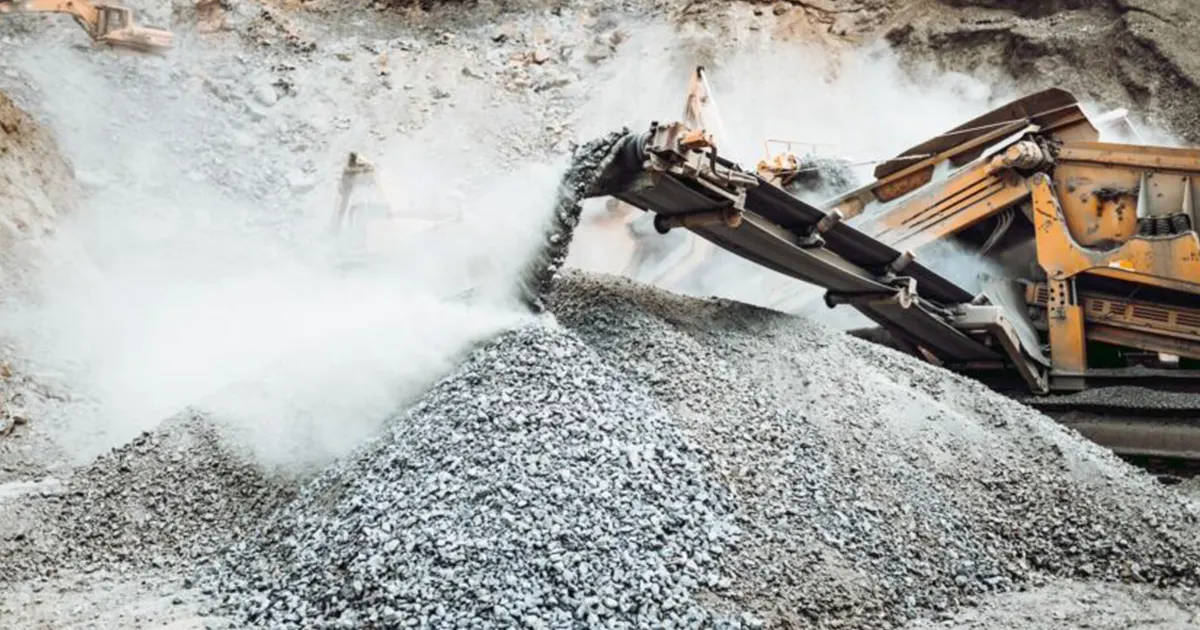
- Use strong primary crushing methods. Break big rocks into smaller pieces. This helps processing and saves energy.
- Pay attention to secondary and tertiary crushing. These steps make aggregate smaller and better shaped. This gives your customers high-quality products.
- Make screening a key part of your process. Sorting by size stops waste and keeps your equipment safe.
- Use washing methods to get rid of impurities. Clean aggregate makes your final products stronger and last longer.
- Keep quality control in every step. Test often to make sure your aggregate meets standards and what customers want.
Raw Material Extraction
When you begin making aggregate, you must find good raw materials. This is the first step and it is very important. It helps decide how well your aggregate plant will work. Let’s see where you can get these materials and how to pick the best ones for your job.
Aggregate Sources
Quarries and Riverbeds
Aggregate comes from different places. Most people use quarries or riverbeds. Quarries are big open holes where workers dig out rock. Riverbeds have sand and gravel that water moves over time. Each place gives you a different kind of aggregate. Each type has its own good points.
Site Selection
You need to choose a good place for your aggregate plant. Picking the right spot saves you money and time. You want your plant close to your project or customers. You also need to check if the material in the ground is good. Before you start, you must follow rules to protect nature. Here are some things you should do:
- Get permission before you open a new quarry.
- Do an Environmental Impact Assessment (EIA).
- Check for animals or plants that could be harmed.
- Make a plan to fix the land after you finish.
Tip: Picking a good site and planning well helps your aggregate plant run better and follow all the rules.
Extraction Methods
Blasting
Blasting is used to break hard rock in quarries. Workers drill holes and put explosives inside. Then they set off the explosives. This makes big pieces of rock. Later, you can crush these into smaller pieces. How you blast changes the size and quality of the aggregate.
Excavation
Excavation uses machines like excavators, loaders, or dredgers. These machines scoop up sand, gravel, or loose rock. This works best in riverbeds or soft ground. The machine you pick depends on where you are and what kind of aggregate you want.
There are a few ways to get aggregate:
- Open-pit mining
- Dredging
- Underground mining
Each way gives you different sizes and types of aggregate. The best way depends on where your material is and what you need. If you want really good aggregate, you must pick the best method. This helps you use your site well and give your customers what they want.
Note: There are many rules to protect the environment. You must follow these rules, use safe methods, and plan to fix the land when you are done.
Now you know how to pick aggregate material and why this step is important in making aggregate. Next, you will learn how to move these materials to the plant for more work.
Transport to Processing Plant
After you take out the raw materials, you must move them to the processing area. This step in the aggregate manufacturing process can really help your plant work better. If you move materials the right way, you save time and keep your product clean.
Material Handling
There are two main ways to move aggregate from where you get it to the plant. Each way has its own good points.
Haul Trucks
Haul trucks are big vehicles that carry heavy loads. You see them a lot at quarries and large building sites. These trucks can move a lot of material at one time. They are good when the plant is far away or the ground is bumpy. Drivers must load the trucks carefully so nothing spills. You also need to keep the trucks clean so you do not mix different types of aggregate.
Conveyors
Conveyors use belts to move material from place to place. Many aggregate plants use them because they are fast and do not need many workers. Conveyors can go long distances and even go up or down hills. They help you move aggregate smoothly and stop you from losing material. You can set up conveyors to put material right into crushers or screens.
Proper Skirtboards: These stop material from spilling during transport. They should touch the belt and have edge seals to keep small pieces in.
Metal Detectors: These take out metal from the product stream. They help keep the product pure and protect equipment. They are the last check before the next steps, making sure big metal pieces are removed.
Preventing Contamination
It is very important to keep your aggregate clean. If dirt or other things get mixed in, your final product will not be good. You can do a few easy things to stop contamination:
- Use covered trucks or tarps to keep dust and rain out.
- Clean equipment often to get rid of leftover material.
- Make clear paths for trucks and conveyors so they do not cross dirty areas.
- Put metal detectors on conveyors to catch metal before it gets to the plant.
If you do these things, you keep your aggregate clean and your equipment safe. Good material handling and stopping contamination help your plant work well and make high-quality products.
Primary Crushing
When you start the aggregate manufacturing process, you need to break down large rocks into smaller pieces. This step is called primary crushing. It helps you get the right size of aggregate for the next steps in your aggregate plant. You will use special crushing equipment for this job.
Size Reduction
Primary crushing is all about making big rocks smaller. You feed raw aggregate into a primary crusher. The crusher breaks the rocks down to sizes between 10 and 350 millimeters. This size range makes it easier for the next machines to work. If you skip this step, your plant will have trouble later. The right size helps you save energy and time.
Jaw Crushers
Jaw crushers are one of the most common types of crushing equipment. You will see them in many aggregate plants. They use two plates, one fixed and one that moves. The rocks go between these plates. When the moving plate pushes forward, it crushes the rocks. Jaw crushers work well for hard and large rocks. They are easy to use and fix. If you want a simple and strong machine, you might choose the suitable aggregate crusher like a jaw crusher.
Gyratory Crushers
Gyratory crushers are another type of crushing equipment. They look different from jaw crushers. They have a cone-shaped part that moves inside a larger bowl. The rocks get crushed as the cone moves in a circle. Gyratory crushers can handle a lot of material at once. They are good for very big jobs. If you need to crush a lot of rock fast, this might be the right choice for your aggregate plant.
Tip: Always check the size of your raw material before you pick your crusher. The right machine makes your job easier and keeps your plant running smoothly.
Preparing for Further Processing
After primary crushing, your aggregate is now the right size for the next steps. The smaller pieces move on to more crushers, screens, or washers. This step is important because it sets up the rest of the process. If you do primary crushing well, you get better products and waste less material. You also protect your other machines from damage. Good crushing equipment helps you keep your plant safe and efficient.
You can see that primary crushing is a key part of the aggregate manufacturing process. It helps you get the best results from your aggregate plant and makes sure everything runs smoothly.
Secondary & Tertiary Crushing
After the first crushing step, you move to secondary and tertiary crushing. These steps help make the aggregate the right size and shape. They are important for your aggregate production line to work well.
Further Size Reduction
Secondary and tertiary crushing make big pieces smaller. This helps sort the aggregate into sizes you can use. You need special machines for each step. Here are the main machines you will find.
Cone Crushers
Cone crushers crush hard and medium-hard rocks. They take material from the primary crusher. The cone spins and pushes rocks against the sides. You can change the gap to get different sizes. Cone crushers make pieces that are all about the same size. They also help control the shape of the aggregate. If you want smooth stones, cone crushers are a good choice.
Impact Crushers
Impact crushers are best for softer rocks. They use fast hammers or bars to break the rocks. The pieces from impact crushers are sharp and have angles. These machines make fine aggregate quickly. You can change the speed or hammers to get the size you want.
Tip: Choose your crushing machine based on how hard your rocks are. Cone crushers are good for tough rocks. Impact crushers are better for soft rocks.
Aggregate Production Line
You want your production line to make good products. Secondary and tertiary crushing help you do this. These steps make the material from the first crusher smaller than 40 mm. You can sort the material into different sizes for different jobs. If you need gravel for roads or sand for concrete, you get it here.
Here is a simple table that shows how each step works in your plant:
| Stage | Main Equipment | Output Size Range |
|---|---|---|
| Primary Crushing | Jaw/Gyratory Crusher | 10–350 mm |
| Secondary Crushing | Cone/Impact Crusher | 5–40 mm |
| Tertiary Crushing | Cone/Impact Crusher | < 20 mm |
You can see how each step makes the aggregate smaller and more useful. The right machines help you get the best results. You also make your process better and waste less.
Note: If you focus on secondary and tertiary crushing, your plant works better. You get products that your customers want and that meet the rules.
Screening in Aggregate Processing Plant
Screening Importance
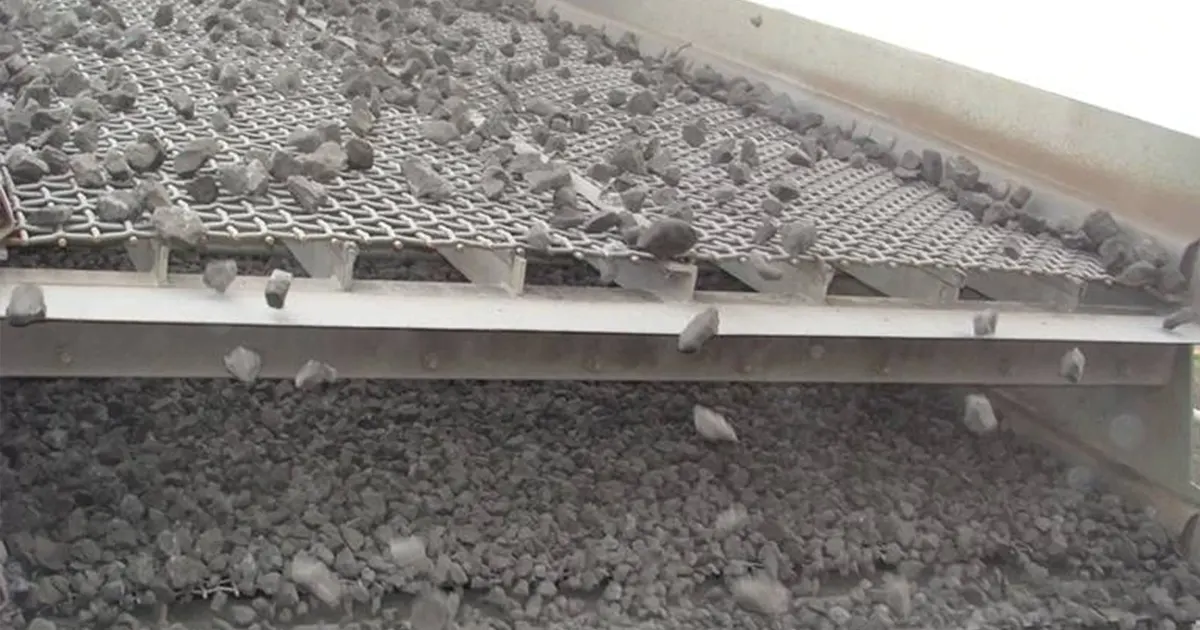
You want your aggregate processing plant to run smoothly and make products that meet the right size. Screening of aggregate is the step that helps you do this. When you screen material, you sort it by size. This lets you send the right pieces to the next step and keeps your plant efficient. If you skip screening, you get mixed sizes and waste material. You also risk damaging equipment. Screening helps you save money and time.
Tip: Always check your screens for wear and tear. Clean screens work better and help you get the best results.
Screen Media Types
You have choices when it comes to screen media. The type you pick affects how well your aggregate plant works. Let’s look at the most common types.
Woven Wire Screens
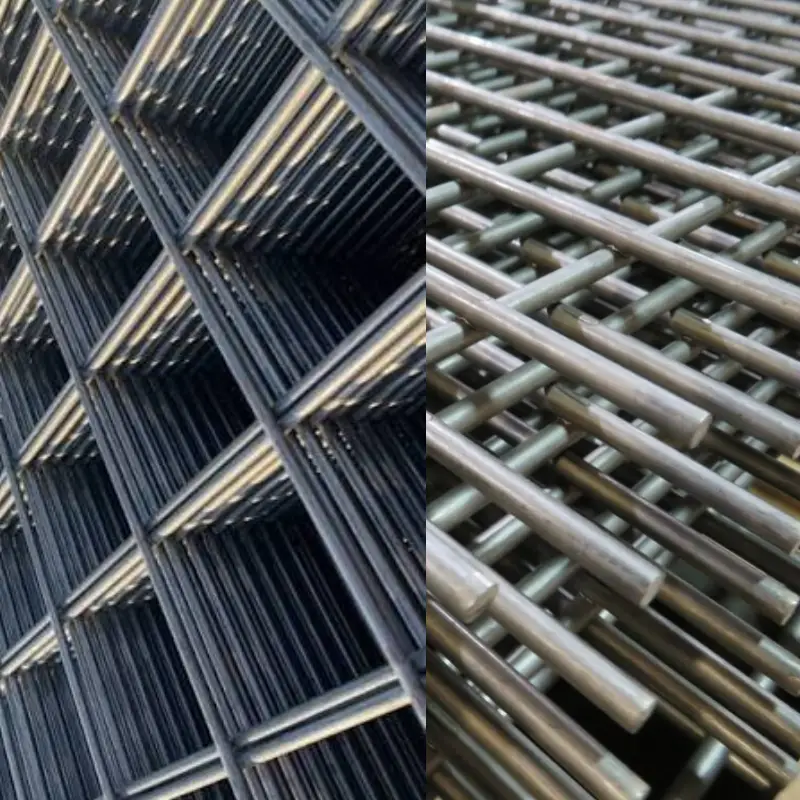
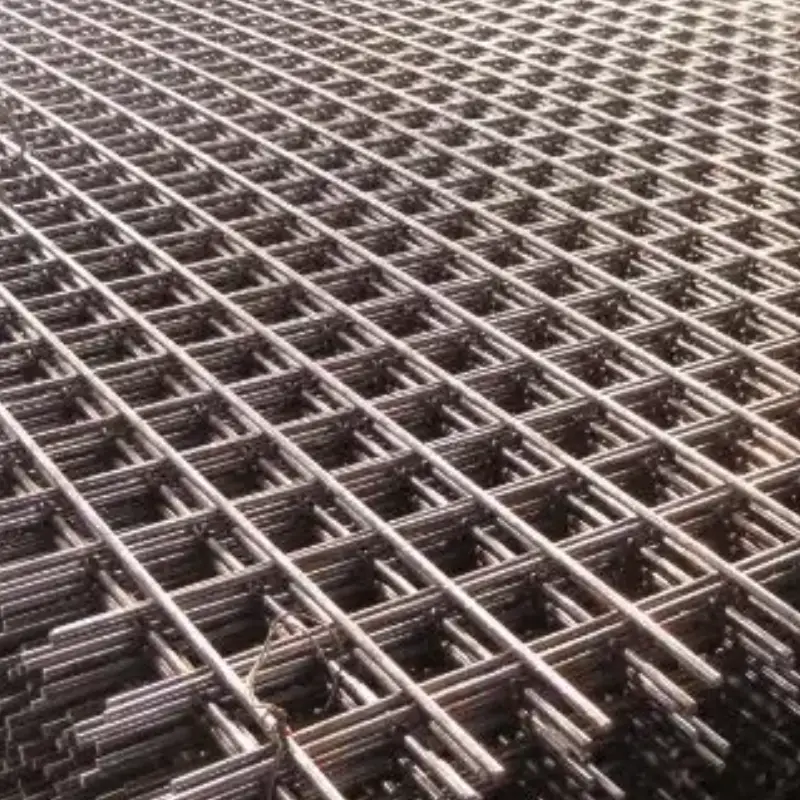
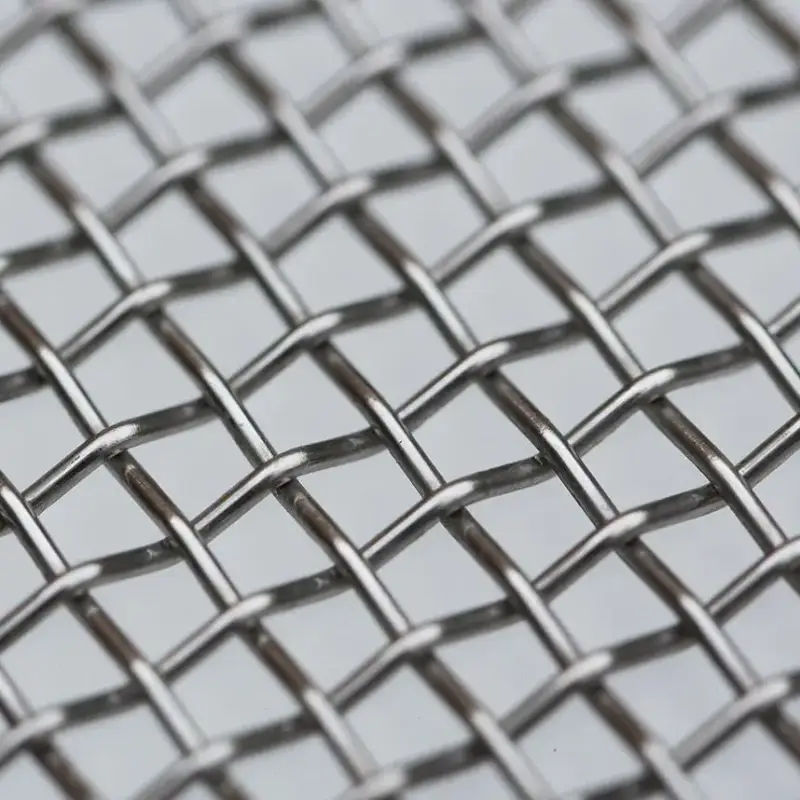
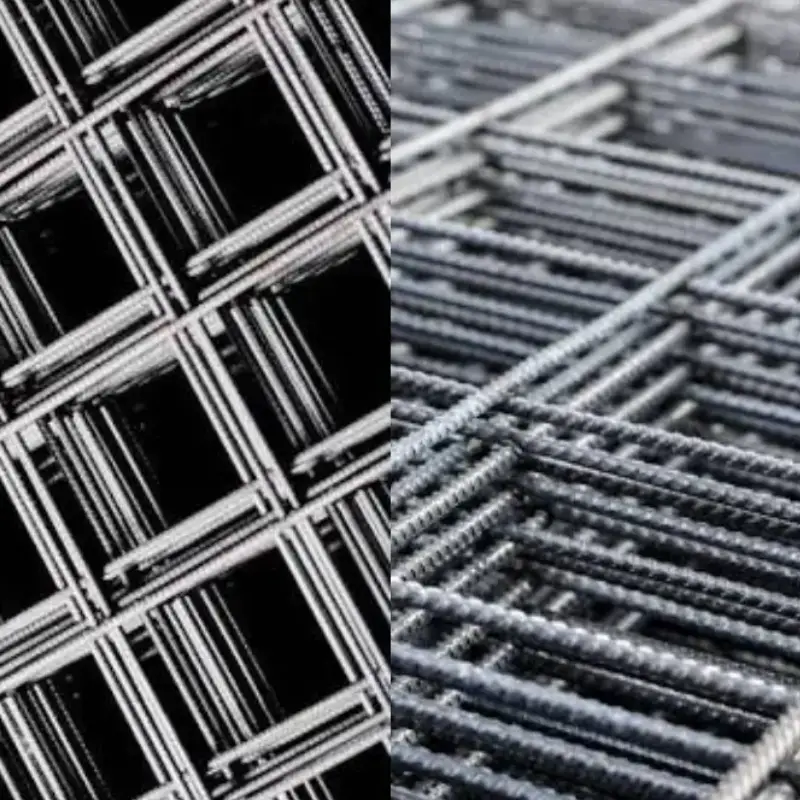
Woven wire screens are popular in many aggregate processing plants. They use metal wires woven together to make a grid. You can pick different wire sizes and shapes. These screens are strong and last a long time. They work well for sorting rough and heavy aggregate. If you want a screen that is easy to clean and replace, woven wire is a good option.
Polyurethane Panels
Polyurethane panels are another choice. These screens use tough plastic instead of metal. Polyurethane panels resist wear and handle wet material well. They are lighter than wire screens and make less noise. You can use them for fine aggregate or when you need a softer touch. If you want less downtime and longer life, try polyurethane panels.
Here’s a quick table to compare the two:
| Screen Media | Best For | Durability | Noise Level | Maintenance |
|---|---|---|---|---|
| Woven Wire Screens | Heavy aggregate | High | Higher | Easy |
| Polyurethane Panels | Fine/wet aggregate | Very High | Lower | Low |
Note: You can also find other screen media like rubber panels or perforated plates. Ask your supplier for advice if you’re not sure what to use.
Sizing and Efficiency
You want your aggregate processing plant to be efficient. Good screening helps you do this. When you use the right screen media, you get the right size of aggregate. This means less waste and better products. You can set up screens to sort material into several sizes. This lets you use each size for a different job.
- Use screens with the right opening size for your material.
- Check screens often for holes or damage.
- Change screen media if you see too much wear.
If you follow these steps, your aggregate manufacturing process will work better. You get more usable material and keep your plant running longer. Screening is not just about sorting. It’s about making your whole operation more efficient.
Washing and Impurity Removal
You want your aggregate to be clean for building. Washing helps take away dirt, clay, and other bad stuff. This step makes your material stronger and more useful. Let’s see the best ways to wash aggregate and how this helps quality.
Washing Methods
There are a few ways to clean aggregate. Each way works best for certain materials and impurities.
- Pre-Screening: Start with a vibrating grizzly screen or trommel screen. These machines shake off loose dirt and clay before crushing.
- Scrubbing: If you have tough clay, use a log washer or rotary scrubber. These machines break up clay and make your aggregate cleaner.
- Targeted Washing: After crushing, use a wheel sand washer or fine material washer. These machines rinse sand and remove tiny bits.
- Water Conservation: Try a hydrocyclone unit. This tool separates very small particles and reuses water, saving resources.
- Dry Method: In dry places, use air purification with high-frequency screens and air classifiers. These machines blow away light impurities without using water.
Log Washers
Log washers clean aggregate with spinning paddles. You put dirty material into the washer. The paddles spin and rub the stones together. This breaks up clay and removes sticky stuff. Log washers are best for tough jobs and hard materials.
Screw Washers
Screw washers use a spiral shaft to move aggregate through water. As the material moves, the shaft stirs and cleans it. Small bits and dirt float away. You get cleaner stones at the end. Screw washers are good for sand and small pieces.
Tip: To save water, keep the solid-to-liquid ratio low. Studies show a 1:0.5 ratio removes over 80% of impurities with less water.
Quality Improvement
Washing aggregate makes it better and worth more. Clean material helps your building projects last longer and work better.
- You take away clay, silt, and dust that can make material weak.
- You get stones that are all the same size and shape.
- Your concrete mixes are easier to use and stronger.
- You meet strict rules, which makes your product worth more.
Here’s how washing helps your building materials:
| Benefit | Result |
|---|---|
| Removes dust and fines | Better water-cement ratios |
| Cleans surface | Stronger bond with cement paste |
| Uniform grading | Improved slump and pumpability |
Aggregate washing systems also help nature. They reuse water and stop dirty water from running off. You help the planet when you use these systems.
Clean aggregate means safer, stronger, and more reliable construction!
Stockpiling and Material Handling
When you finish washing and sizing, you need a smart plan for storing your materials. Stockpiling and handling play a big role in keeping your product clean and ready for use. If you skip good practices here, you might lose quality or waste time fixing mistakes.
Stockpiling Techniques
You want your stockpiles to stay clean and organized. Good stockpiling keeps your materials safe from contamination and stops them from mixing together. Here are some best practices you can follow:
- Learn about your materials and crushing steps. This helps you store them for the right amount of time.
- Use strict inventory control. You always know what you have and where it is.
- Keep traffic around your stockpiles low. Fewer trucks and loaders mean less dirt and fewer mistakes.
- Clean trucks and loader buckets before moving material. This stops dirt and other things from getting mixed in.
- Place your stockpiles far enough apart. This keeps different materials from mixing.
- Lower the drop height when you load out material. This helps stop the pieces from separating by size.
- Try telescoping conveyors. These machines blend materials as they stack, which helps keep everything even.
Tip: If you keep your stockpiles tidy and follow these steps, you will have less waste and better material for your next job.
Aggregate Handling
You need the right tools and habits to move your materials without losing quality. Good handling keeps your product strong and ready for use.
Conveyors and Stackers
Conveyors and stackers help you move material from one place to another. They make your work faster and safer. Telescoping conveyors are a great choice. They can reach out and stack material in layers, which helps blend everything together. This blending stops the material from separating into big and small pieces.
Stackers also help you build tall, neat piles. You can control where the material lands, so you do not drop it from too high. This keeps the pieces mixed and stops them from rolling away.
Preventing Segregation
Segregation happens when big and small pieces separate in your pile. You want to avoid this because it makes your product uneven. Here are some ways to keep your piles mixed:
- Test your material often. This helps you spot problems early.
- Limit how long you store your material. Fresh material stays in better shape.
- Keep equipment clean. Dirty loaders or trucks can mix in unwanted pieces.
- Do not let oversized pieces mix with smaller ones.
- Use blending machines and keep drop heights low when you stack.
If you follow these steps, you keep your aggregate in top shape. You get a product that is ready for any job, and you save money by reducing waste.
Remember: Clean equipment and careful stacking make a big difference in your final product.
Quality Control & Final Delivery
You want your aggregate manufacturing process to finish with a strong product. Quality control helps you make sure your aggregate cement is good for cement production and other uses. Let’s see how you can test, follow rules, and get tips for the best results.
Testing Procedures
You need to check your aggregate before sending it out. Testing tells you if your material is strong, clean, and ready for cement. Here’s a table that shows the main tests you should use:
| Testing Method | Description |
|---|---|
| Sieve Analysis | Measures particle size distribution, crucial for compaction and concrete mix design. |
| Los Angeles (LA) Abrasion Test | Assesses aggregate durability by measuring breakdown after tumbling, important for heavy impact areas. |
| Soundness Test | Evaluates performance under freeze-thaw and wet-dry conditions, vital in susceptible climates. |
| Specific Gravity and Absorption | Indicates water absorption, affecting mix stability and bond strength. |
| Clay Lumps and Friable Particles | Screens out weak materials that could compromise strength, ensuring quality in the mix. |
Gradation Analysis
Gradation analysis helps you see if your aggregate cement is right for the job. You want the best mix for cement production. Here’s what happens with good gradation:
- Aggregate gradation changes how easy concrete is to work with, how strong it is, and how long it lasts.
- Well-graded aggregates pack together better and leave fewer empty spaces, making the concrete denser.
- Poorly graded aggregates can make concrete weaker and not work as well.
- Changing the gradation can make concrete stronger, even if it is harder to work with.
- Microstructural analysis shows that mixes with changed gradation have denser cement paste.
- Gradation is important for getting the concrete you want.
Strength Tests
You need to check how strong your aggregate cement is. Strength tests show if your material can handle heavy loads and bad weather. These tests make sure your product will last in cement production and other building jobs.
Meeting Standards
You must follow industry standards for cement production. Standards help you know your aggregate cement is safe and strong. Here’s a table with the main standards:
| Standard | Description |
|---|---|
| ASTM C33 (2013) | Specifies the requirements for fine aggregates used in concrete. |
| BS EN 12620:2002+A1 (2008) | Provides guidelines for manufactured aggregates in concrete, with differing definitions. |
Tip: When you follow these standards, you make sure your product is ready for cement and other uses.
Cement Production Uses
You want your aggregate cement to work well in cement production. Quality control helps you keep your material the same and strong. Here’s how it helps:
- Quality control makes sure your material stays the same, which is important for strength and durability.
- Following industry standards means your aggregates are good for building.
- Aggregates that are the right size and shape make buildings last longer and stop problems from bad materials.
If you want the best results, talk to a screen media maker. They can help you waste less, move material better, and make your plant work faster. You can use synthetic media for longer life, even sizes, and less fixing. You also get more cement and less waste because you control your inventory better.
You can see that quality control is a big part of the aggregate manufacturing process. It helps you make a product that works for cement production and keeps your customers happy.
Conclusion
You’ve learned the 7 key steps that turn raw material into quality aggregate. Each step matters for plant efficiency and strong products. Screening and quality control help you get the best results. If you want to boost your plant’s performance, try these actions:
- List all your equipment.
- Rank machines by importance.
- Set up regular maintenance.
- Review your strategy often.
For even better results, talk with a screen media manufacturer. They can help you keep your operation running smoothly.
FAQ
What is aggregate in construction?
Aggregate means crushed stone, sand, or gravel. You use it to make concrete, asphalt, and other building materials. It gives strength and stability to your projects.
Why do you need to screen aggregate?
Screening helps you sort aggregate by size. You get the right material for each job. This step also keeps your plant running smoothly and reduces waste.
How do you keep aggregate clean during transport?
You can cover trucks, use clean equipment, and set clear paths. These steps help stop dirt and other materials from mixing with your aggregate.
What is the difference between jaw and cone crushers?
Jaw crushers break big rocks with two plates. Cone crushers use a spinning cone to crush rocks into smaller pieces. You pick the crusher based on your material and the size you want.
Why is washing aggregate important?
Washing removes dirt, clay, and dust. Clean aggregate makes stronger concrete and better roads. You also meet building standards more easily.
How do you prevent segregation in stockpiles?
You can use telescoping conveyors, keep drop heights low, and test your material often. These steps help keep your piles mixed and ready for use.
What tests check aggregate quality?
You use tests like sieve analysis, abrasion tests, and soundness tests. These show if your aggregate is strong, clean, and the right size for your project.
Can you use recycled materials as aggregate?
Yes! You can use recycled concrete, glass, or rubber. These materials help the environment and can work well in many projects.