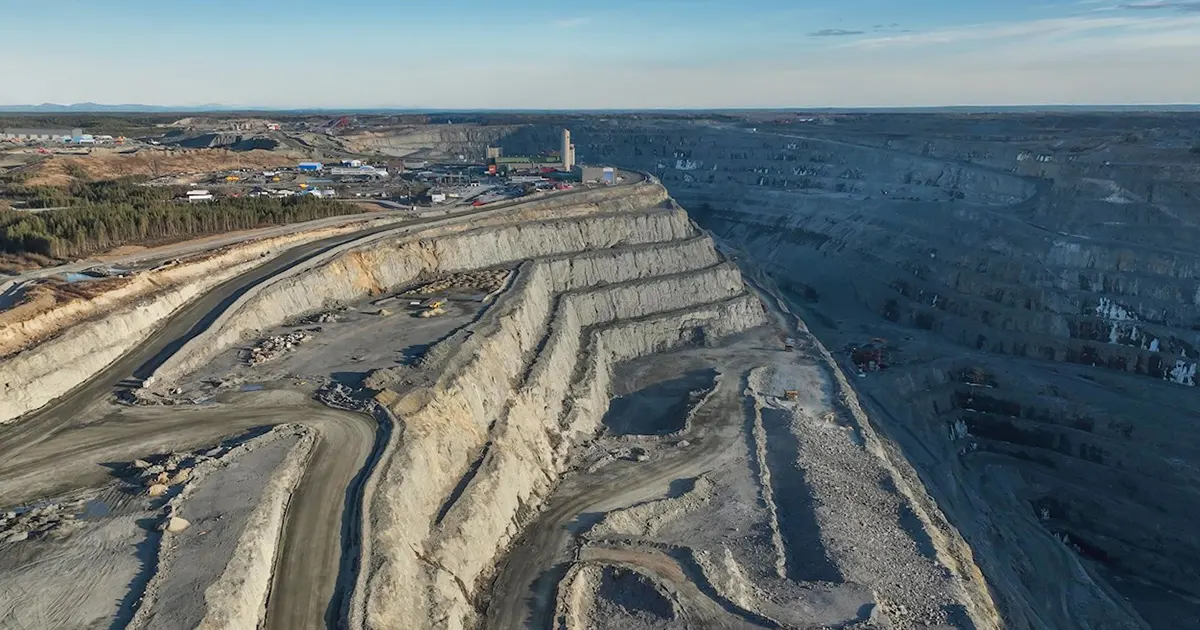
You may not know how much waste mining creates. Mine tailings build up by five to fourteen billion tons each year. When you see this big number, you see why tailings are important. If tailings are not managed well, there can be big environmental problems. Most big mining accidents happen because dams fail. Bad management can also hurt local businesses and cause protests. New rules, like the Global Industry Standard on Tailings Management and climate checks, make safety and saving water more important.
- Bad tailings management can cause money loss for communities.
- Climate change and bad weather make miners think about better storage and strength.
Key Takeaways
- Mine tailings can be as much as 14 billion tons each year. Managing them is very important for keeping the environment safe. If tailings are not managed well, it can cause big money problems for local people. It can also cause environmental disasters.
- Dewatering tailings takes out water. This makes them safer to store and helps stop dam failures. Using new technology like filtration and thickening can help get more water back. It also helps make less waste.
- Checking and fixing tailings storage places often is needed to stop accidents. It also helps protect nature. Talking with local people builds trust. It also helps find problems early.
- Picking the best screen media for dewatering can make things work better. It can also lower costs. Using green methods like recycling water and reusing old tailings can help the environment. It also saves resources.
Mine Tailings Overview
What Are Mine Tailings
After miners take out metals or minerals, some material is left behind. This leftover is called mine tailings. Mine tailings are a mix of crushed rock, water, and sometimes chemicals. They come from grinding and processing ore. They often look like thick mud or slurry. People store them in big ponds, dams, or piles near mines.
Tailings are not just trash. They can have small bits of metal, chemicals, and water that can be used again. Because of this, it is important to handle and store them carefully.
Types of Tailings
There are different types of tailings. The way ore is processed and the minerals mined change the kind of tailings made.
Sulfide vs. Non-sulfide
There are two main groups: sulfide and non-sulfide tailings. Sulfide tailings have minerals like pyrite with sulfur. When they touch air and water, they can make acid mine drainage. This acid can hurt rivers, plants, and animals. Non-sulfide tailings do not have much sulfur, so they do not make acid as easily. Both types need careful management, but sulfide tailings need more care to stop pollution.
Fine and Coarse Tailings
Tailings can be fine or coarse. Fine tailings look like powder or clay. They float in water and settle slowly. Coarse tailings are bigger, like sand or gravel. They settle faster and are easier to stack or store. The size of tailings changes how you handle, move, and store them.
Here’s a quick look at the main types of tailings based on how much solid material they have:
| Type of Tailings | Solid Weight Concentration (Cw) | Characteristics |
|---|---|---|
| Conventional | 25–40% | Lower solid concentration, typical for standard disposal methods. |
| Thickened | 40–65% | Increased solid concentration, resulting in higher yield stress. |
| Paste | 65–80% | Very high solid concentration, suitable for specific disposal techniques. |
| Filtered | Over 80% | Highest solid concentration, minimal fluid content, used for advanced management strategies. |
Why Management Matters
You might wonder why managing mine tailings is important. Good management keeps people and nature safe. Modern containment stops pollution from getting into rivers and soil. Keeping sulfide minerals away from air and water stops acid mine drainage. This protects fish, plants, and drinking water.
Here are some reasons to manage tailings well:
- You protect the environment and lower the risk of pollution.
- You help mining run smoothly and save money.
- You build trust with local people and follow the rules.
- You help stop accidents and disasters.
Tip: Good mine tailings management makes mining safer, cleaner, and better for everyone.
Mine Tailings Management
Managing mine tailings is not just storing waste. It needs a plan and teamwork. Experts from many fields must work together. They look at safety and how to protect nature. This way, every part of the job is covered.
Key Principles
There are three main ideas for managing mine tailings. Here is a table to help you see them:
| Key Principle | Description |
|---|---|
| Integrated Approach | Aims to prevent catastrophic failure and enhance safety of tailings facilities. |
| Zero Harm | Focuses on preventing harm to people and the environment. |
| Sustainable Development | Encourages alignment with technological, economic, environmental, policy, and social considerations. |
You want to stop problems before they start. You also want to keep nature safe and follow the rules. Let’s look at these ideas:
Risk and Prevention
Planning ahead helps lower risks. When experts work together, they find problems early. This stops dam breaks, landslides, and leaks. It keeps the site safe and people happy.
Environmental Protection
It is important to protect water, soil, and air. Good management stops harmful leaks and keeps rivers clean. New materials, like modified lime mortar, can trap lead and arsenic. This makes the site strong and safe from storms or floods.
Compliance
You must follow all rules, both local and global. If you do, you can keep your mining license. You also build trust with neighbors and investors. In gold mining, safety and community support are very important for success.
Note: Good mine tailings management lowers risks and helps mining last longer. It also helps your business and protects the planet.
Storage Methods
There are different ways to store mine tailings. Each way has good and bad points. Here are the main choices:
Tailings Dams
Tailings dams are used a lot. They hold a lot of tailings and use pumps. Underdrainage systems help control leaks. Dams need to be watched closely. If you do not check for problems, the dam can fail. You also need ponds and more pumps for moving tailings.
Dry Stacking
Dry stacking puts filtered tailings in piles. This way, dams cannot fail. You can get water back faster. You need thick tailings and strong buildings. Dry stacking costs more at first, but it is safer and saves water.
In-pit Disposal
In-pit disposal fills old mine pits with tailings. Some groups like this because it fills empty holes. You must check for leaks into the ground. Sometimes, laws do not allow this method. You might lose future mining chances if you fill pits.
Here is a table with some pros and cons:
| Advantages | Disadvantages |
|---|---|
| Fills voids after mining | Groundwater contamination risk |
| Controls and recovers seepage with underdrainage | Low strength and poor consolidation |
| Reduces dam failure risk (dry stacking) | Requires high solids concentration |
| Faster water recovery (dry stacking) | High infrastructure investment (dry stacking) |
| Conventional and proven technology (dams) | Complex operation and reliability issues (dams) |
Handling Technologies
New tools can make mine tailings management safer and better for nature. Here are some examples:
Screening Equipment
Screening equipment sorts fine and coarse tailings. You can reuse big pieces and sell fine ones for building. This turns waste into something useful and saves space.
Dewatering Screens
Dewatering screens take water out of tailings. You use less water and can use it again. Some systems, like electro-dewatering, save energy and make tailings stronger. In Colombia, a new system took out 93% of mercury and got back 90% of water.
Wear-resistant Materials
You need strong materials for your machines. Wear-resistant screens and liners last longer. They handle rough tailings and break less. This means less fixing and more work done.
Tip: Using IoT and AI helps you watch your tailings site. You get data right away and can fix problems fast. This keeps your site safe and working well.
Managing mine tailings is more than just storage. You need a team, a plan, and good tools. If you do it right, you lower risks, help nature, and support mining for the future.
Mine Tailings Dewatering
Dewatering is an important step for mine tailings. When you take water out, you have less to store. This makes the site safer and helps nature. Let’s see why dewatering matters and how to do it well.
Why Dewatering Is Essential
You might ask why dewatering is needed. Here are some main reasons:
Stability and Safety
If tailings have too much water, they can be unsafe. Wet tailings can move or cause dam breaks. Taking out water makes tailings more solid. This helps stop accidents and keeps people safe. Dewatering also lowers leaks and spills. This protects the land and water near the mine.
Water Conservation
Water is very important in mining. Dewatering lets you get water back from tailings. You use less new water and save money. You also help nature by stopping water loss. Many mines now recycle water because it is good for business and the earth.
Economic Benefits
Dewatering saves money in many ways. With less water, you need less space for tailings. You can use smaller dams or dry stacking. You also spend less on moving and cleaning water. You lower the chance of costly accidents or fines. Good dewatering helps your mine work better and keeps costs down.
Dewatering systems are key for safe mining. They help you get water back, protect nature, and keep your site safe.
Here’s a quick list of why dewatering is so important:
- You make the environment safer by stopping water and soil pollution.
- You make your work easier and save money.
- You get water back, which is important for resources.
- You make tailings more stable and lower risks.
Dewatering Methods
There are different ways to dewater mine tailings. Each way has good points and fits different needs. Let’s look at the main choices.
Thickening
Thickening uses gravity to settle solids at the bottom. Water rises to the top and is taken away. Regular thickeners can get back about 65–75% of water. Paste thickeners do better, up to 85%. Thickening is easy and works for many mines. But it may not make tailings dry enough for dry stacking.
Filtration
Filtration pushes water out using pressure. Filter presses are common and get back 85–90% of water. This makes tailings much drier and safe to stack. Filtration costs more than thickening. But it gives you the driest tailings and most water back.
Paste Tailings
Paste tailings are thick, like toothpaste. You get them by using special thickeners. Paste tailings need less water and are easy to stack. They settle fast, so you can store more in less space. Paste tailings also cut down on dust and water loss.
Centrifugation
Centrifuges spin tailings fast to separate water. This works quickly and gets back 80–88% of water. Centrifugation is good for fine tailings that are hard to settle. It costs more than some other ways. But it gives you drier tailings and helps with water recycling.
Here’s a table to help you compare the main dewatering methods:
| Dewatering Method | Water Recovery (%) | Worker Safety Index | Environmental Impact Score | Operational Cost ($/ton) |
|---|---|---|---|---|
| Filter Press (Automated) | 85–90 | 8–9 | 2 | $2.8–$3.2 |
| Centrifuge | 80–88 | 7–8 | 3 | $3–$4 |
| Belt Press | 70–78 | 7 | 3 | $1.8–$2.3 |
| Paste Thickener | 75–85 | 8 | 2 | $2.5–$3 |
| Conventional Thickener | 65–75 | 6–7 | 4 | $1–$1.8 |
Tip: The best method depends on your site, your budget, and how dry you want your tailings.
Equipment for Dewatering
The equipment you pick for dewatering matters a lot. Let’s see what is most important.
Dewatering Screens
Dewatering screens are special machines that shake and drain water. You use them to remove extra water before storing tailings. These screens work for both fine and coarse tailings. They help you get water back fast and make tailings easier to handle.
Screen Media Performance
Screen media is the part that touches the tailings. You want media that lets water through but holds solids back. Good screen media gets more water and lasts longer. You can choose from materials like polyurethane or rubber for your tailings.
Wear Resistance
Tailings can be rough and wear out screens fast. If screens break, you spend more on repairs and lose time. Wear-resistant materials last longer and keep your system working well. This means less fixing and more savings.
Note: Advanced dewatering systems help you get more water, cut dust, and lower risks. Closed-loop systems keep water in use and stop it from escaping.
When you pick the right dewatering equipment, you get:
- More water back and less waste.
- Lower impact from dust and groundwater problems.
- Better control over costs.
Dewatering is not just drying mine tailings. It is about making your site safer, saving water, and running smarter. With the right ways and tools, you can meet today’s challenges and help mining in the future.
Screen Media Selection
Choosing the right screen media can make your mine tailings dewatering process much easier. You want screens that last long, work fast, and fit your needs. Let’s break down what you should look for.
Choosing Screen Media
You need to think about a few things before you pick your screen media. Here’s a quick table to help you see what matters most:
| Criteria | Description |
|---|---|
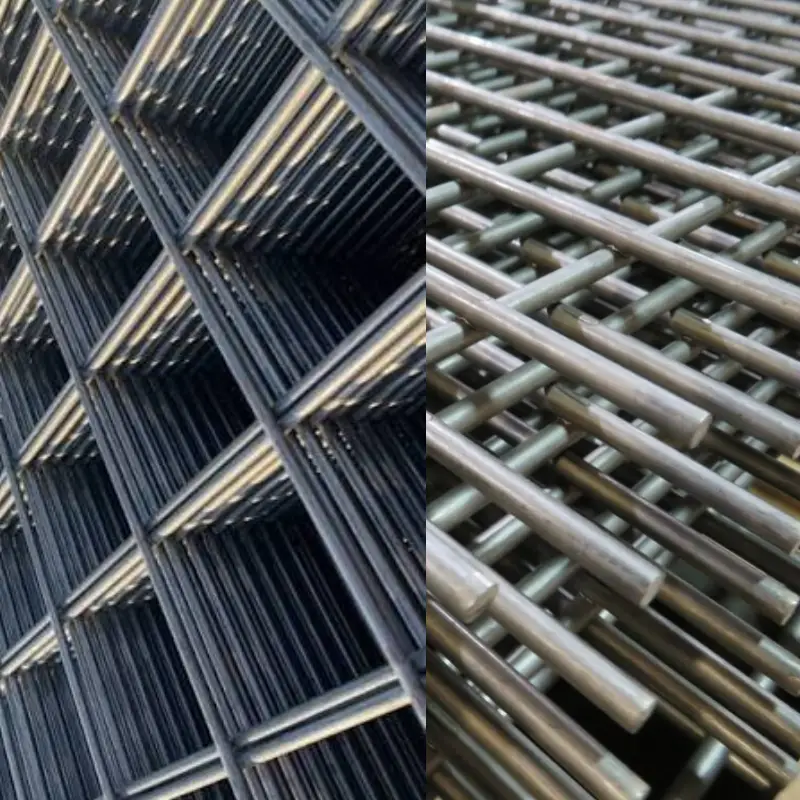
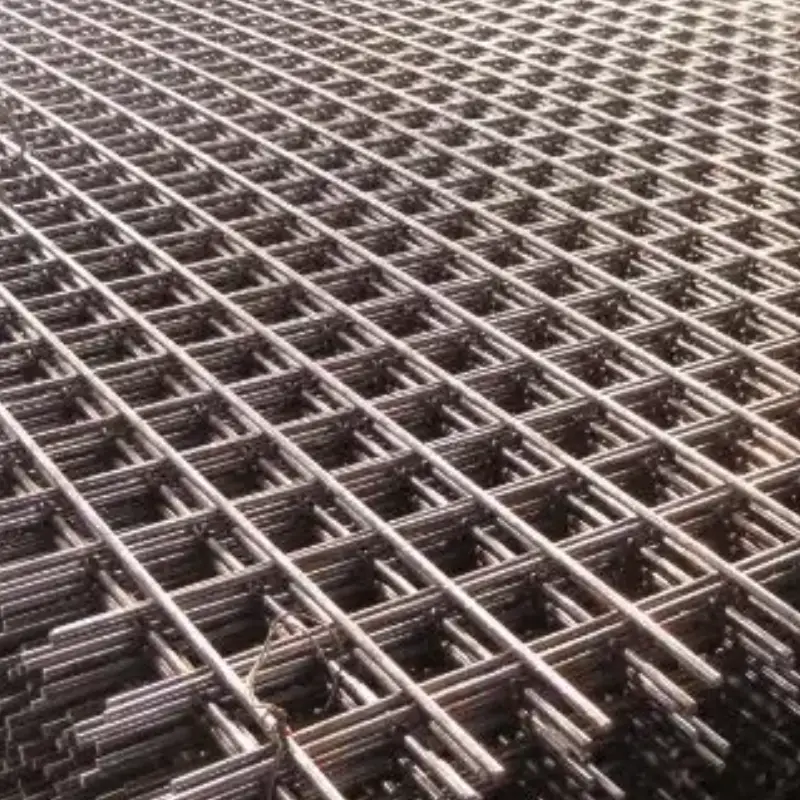
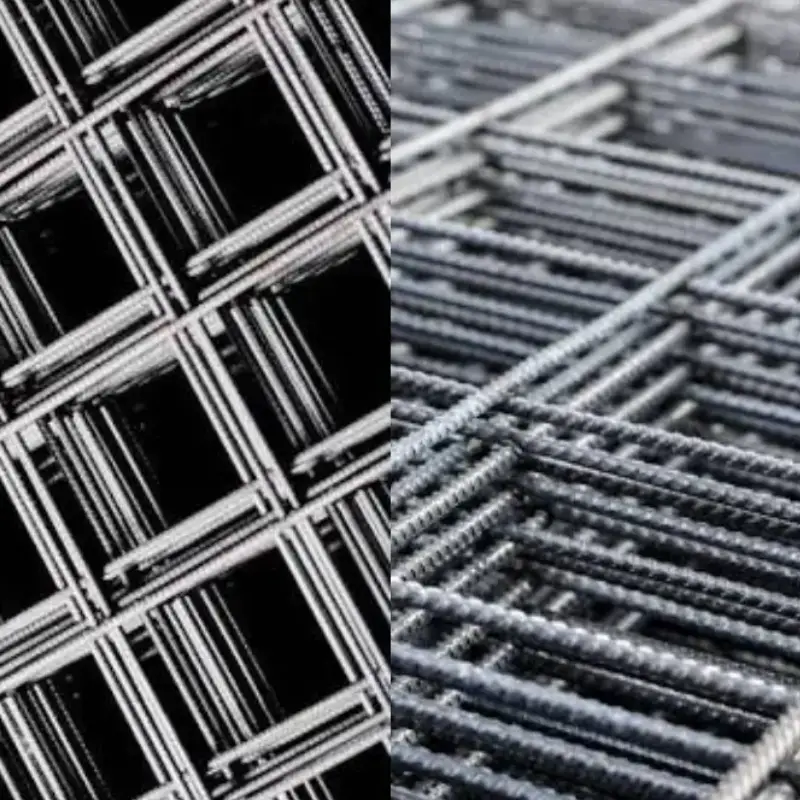
| Screen Media Type | You can pick polyurethane, stainless steel, or rubber panels. Each one changes how tough and fast your screen works. |
| Slurry Characteristics | Look at the size of the particles, how much solid is in the mix, how rough the material is, and what chemicals are present. |
| Vibration Type and Motion | The way your screen shakes—linear, circular, or elliptical—can help move material and drain water better. |
| Screen Area and Size | Bigger screens handle more material. Think about your space and if you need more than one deck for tricky jobs. |
Particle Size
You need to know the size of the tailings you want to screen. Fine particles need a different screen than coarse ones. If you use the wrong size, you might lose good material or clog your screen.
Abrasiveness
Some tailings are rough and can wear out screens fast. If your material is very abrasive, you should pick a screen that can handle the beating. This will save you money and time on repairs.
Moisture Content
Wet tailings need a different screen than dry ones. High moisture can make screens clog or slow down. You want a screen that can handle wet material and still let water drain out.
Tip: Always check your material’s data before you choose. The right match means less trouble and better results.
Types of Screen Media
You have a few main choices for screen media. Each one has its own strengths.
Polyurethane
Polyurethane screens are tough. They resist wear and impact. They also flex, which helps stop clogging. These screens work well with wet, sticky tailings.
Rubber
Rubber screens bounce back from hits. They last a long time with heavy, coarse material. If you deal with big, rough tailings, rubber is a smart pick.
Woven Wire
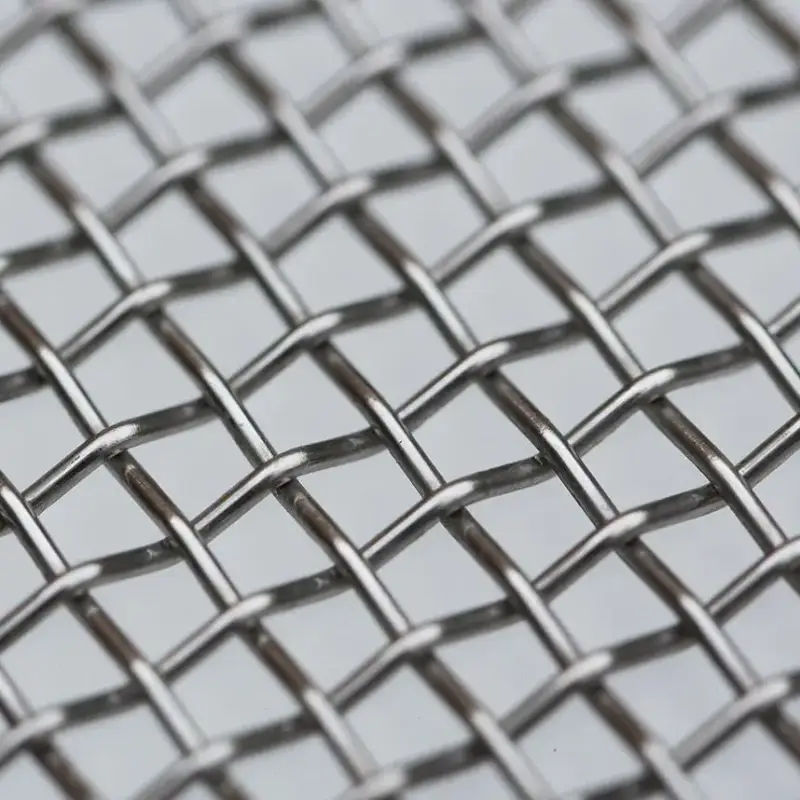
Woven wire screens keep their shape and size. They work well for many jobs, especially when you need steady openings and good wear resistance.
Here’s a table to help you compare:
| Screen Media Type | Benefits | Best For |
|---|---|---|
| Polyurethane | Resists abrasion, flexible, reduces clogging | Wet, sticky tailings |
| Rubber | Handles impact, lasts long with coarse particles | Heavy, rough tailings |
| Woven Wire | Keeps shape, good for many uses | General dewatering, steady flow |
Matching Media to Dewatering Needs
You want your screen media to fit your job. The right choice means your screens last longer and work better. Here’s what you get when you match well:
- Longer service life and less downtime.
- Consistent openings for even dewatering.
- Better separation and cleaner water.
- Less money spent on repairs.
You can also customize your screen media. This helps you get the best results for your site and your tailings.
Note: Picking the right screen media is not just about today. It helps your mine run smoother and safer for years to come.
Challenges in Tailings Management
Environmental and Safety Risks
Water Contamination
Managing mine tailings can be risky. One big risk is water contamination. Chemicals and metals can leak into the ground and water. Toxic stuff escapes and harms rivers and lakes. Fish can die and plants can wilt from dirty water. Climate change brings floods and storms. These spread pollution even more.
- Metals and chemicals can leak into soil and water.
- Toxic substances hurt animals and plants.
- Pollution lasts a long time, especially with bad weather.
Dam Failures
Dam failures are scary and dangerous. If a dam breaks, mud and waste rush out fast. Homes, roads, and schools can be destroyed. Sometimes, people can get hurt or die. The Brumadinho dam collapse in Brazil was a disaster. You must check dams often and fix problems quickly.
- People can die and nature can be damaged.
- Buildings and roads can be ruined by rushing tailings.
- Water, soil, and air can get polluted.
Dust Issues
Dry tailings can turn into dust clouds. Dust blows across the site and makes breathing hard. Dust carries tiny bits of metal and chemicals. It settles on crops, cars, and playgrounds. You need to control dust to keep workers and neighbors safe.
Regulatory and Economic Barriers
Compliance Demands
Managing mine tailings means following strict rules. Rules change often and may not cover new ways to store waste. You must use monitors to check tailings and water quality. Meeting these rules costs money and takes time.
Operating Costs
Managing tailings costs a lot. You pay for machines, checks, and repairs. New ways like dry stacking cost more at first. It can be hard to balance safety and spending.
Storage Capacity
You need enough space to store tailings safely. Old sites fill up quickly. Laws sometimes limit how much you can store. You must plan ahead and find new solutions.
| Barrier Type | Description |
|---|---|
| Outdated Regulations | Old rules don’t cover new ways to store tailings. |
| Need for Comprehensive Monitoring | You must use lots of monitors to meet new standards. |
| Financial Burden of Compliance | Following rules can be expensive. |
| Gaps in Regulatory Frameworks | Not enough guidance for new disposal methods. |
| Challenges with New Technologies | New ways like dry stacking face unclear rules. |
Technical Obstacles
High Water Content
Wet tailings are hard to handle. They can move or settle during rain or earthquakes. This can cause accidents if water is not managed well. Dry stacking helps, but you must watch for changes over time.
Equipment Durability
Equipment faces tough conditions. Tailings can wear out screens, pumps, and pipes. Broken equipment costs time and money. Strong equipment keeps your site safe and working.
Tip: You can lower risks by using strong equipment, checking dams often, and planning for storms and floods.
Lessons from Failures
Case Studies
You can learn from mistakes at other mines. Here are some real examples.
- The Mount Polley disaster happened in Canada. In 2014, a tailings dam broke. Waste spilled into lakes and rivers. Fish died and water got dirty. Local people stopped trusting the mine.
- The Brumadinho tragedy happened in Brazil in 2019. A dam collapsed and tailings rushed out. Homes were destroyed and many people died. The disaster was in news all over the world.
- Not all stories are sad. The McLaughlin mine in California did things right. They planned well and checked often. They listened to local people. The mine closed without hurting nature. Water stayed clean and animals came back.
Mistakes can cause big trouble. Success comes from careful work and listening to others.
Key Takeaways
You want to stop disasters and keep your mine safe. Here are some lessons you can use:
- Always check for risks. If you see a problem, fix it fast.
- Show people what could happen. Use maps or charts to help everyone see the risks.
- Work with neighbors and local leaders. Talking and listening builds trust and helps spot trouble early.
- Don’t just focus on machines and numbers. Community feelings matter as much as technical details.
- Follow rules and keep records. If you stay open and honest, people feel safe.
The Global Industry Standard on Tailings Management says you should aim for “zero harm” to people and nature. You need to be clear and responsible in everything you do.
Research shows many failures happen because of politics, not just bad engineering. If you improve your rules and include the community, you lower the risk of accidents.
Here’s a quick table to help you remember:
| Lesson | What You Should Do |
|---|---|
| Risk Visualization | Use clear tools to show dangers |
| Governance | Make decisions with community input |
| Technical Scrutiny | Check equipment and plans often |
| Transparency | Share information and keep records |
| Accountability | Take responsibility for actions |
You can turn mistakes into learning moments. If you pay attention to both technical and social issues, you build a safer, stronger mine. You protect people, nature, and your reputation.
Innovations and Future Trends
You might ask what will happen next with mine tailings management. The mining industry is changing quickly. New tools and ideas are making things safer and cleaner. They also help mines work better. Let’s see what new things are coming soon.
New Technologies
Advanced Dewatering
Now, you can use better dewatering methods to get more water back. Thickeners and filtration systems work together to squeeze out extra water. Some mines use paste thickening and dry stacking. These ways help you build strong piles and use less water. Soon, you may get up to pipeline 90% of the water back. This means less waste and more water to use again. These new systems also make your mine safer and lower risks for nature.
- Thickeners and filtration help you get more water.
- Paste thickening and dry stacking are good for sensitive places.
- Sensors and filtration tech help recycle and reuse water.
- IoT, automation, and AI make mines safer and cheaper to run.
Tip: New dewatering technology lets you make dry stacks that are strong. This lowers the chance of dam failures.
Monitoring Systems
You can use sensors to watch your tailings all the time. These sensors check moisture, pressure, and even small ground movements. If something changes, you get a warning right away. This helps you fix problems before they get big. Advanced monitoring uses remote sensing and special tools. They find leaks, settling, or weak spots early. With these tools, you keep your mine safe and working well.
Sustainable Practices
Reprocessing
Reprocessing is a smart way to get more from old tailings. You can take out metals and minerals missed before. This means you do not need to mine as much new material. It also cuts down on waste. Reprocessing helps clean up old sites and protects nature. Many companies now use this to get copper, gold, and other valuable things.
- Reprocessing gets valuable minerals back.
- It lowers harm to the environment.
- It helps reuse resources and supports a circular economy.
Water Recycling
Water recycling is now very important in mining. You can treat and use water from tailings again and again. This saves money and helps nature. Modern mines use thickening, filtration, and dry stacking to recycle water. You can also use recycled water in other jobs. This keeps your mine ready for the future and helps the planet.
Industry Trends
You will see more mines using solar and wind energy. Companies are picking the best technology to lower their impact. Checking mines often and talking to the community is becoming normal. Adaptive management helps you handle new problems, like climate change or new rules. The future of mine tailings management is smart, safe, and good for the earth.
Note: If you keep learning and use these new ideas, you can run a safer and greener mine.
Conclusion
You can make your Mine Tailings site safer, greener, and more cost-effective with the right plan. When you use advanced dewatering and real-time sensors, you boost water recovery and lower risks. Check out this table to see how these steps help:
| What You Do | How It Helps |
|---|---|
| Use modern dewatering systems | Save water and protect the planet |
| Pick the right screen media | Cut costs and keep things running |
| Try new tech and smart solutions | Make your mine ready for the future |
If you want help, we offer custom screen panels, free samples, and 24/7 support. Let’s build a safer and smarter mine together!
FAQ
What are mine tailings?
Mine tailings are leftover materials after you remove valuable minerals from ore. They look like wet mud or sand. You usually store them in ponds, dams, or piles near the mine.
Why is dewatering important for tailings?
Dewatering helps you remove water from tailings. This makes them safer to store. You also get water back for reuse. Dry tailings lower the risk of dam failures and pollution.
How can you make tailings storage safer?
You can use strong dams, dry stacking, or in-pit disposal. Regular checks and sensors help you spot problems early. Good planning and teamwork keep your site safe.
Tip: Always check your equipment and storage areas often.
What is dry stacking?
Dry stacking means you pile up filtered tailings with very little water. You do not need big dams. This method saves water and lowers the chance of accidents.
How do you pick the right screen media?
You look at particle size, moisture, and how rough the tailings are. Polyurethane works for wet, sticky tailings. Rubber is good for rough material. Woven wire fits many jobs.
| Media Type | Best For |
|---|---|
| Polyurethane | Wet, sticky stuff |
| Rubber | Rough, big pieces |
| Woven Wire | General use |
Can you recycle water from tailings?
Yes! You can use thickeners, filters, and special screens to get water back. Recycled water helps you save money and protect the environment.
What happens if a tailings dam fails?
A dam failure can cause mud and waste to flood the area. People, animals, and plants can get hurt. Homes and rivers may be damaged. You must check dams often to prevent this.