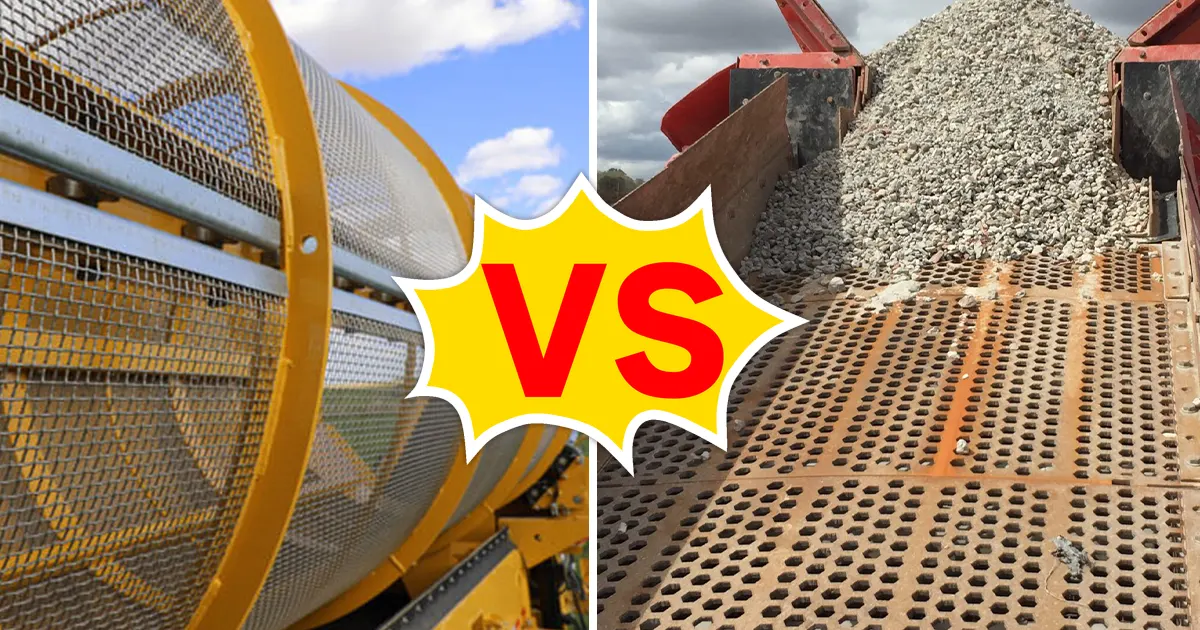
To ensure your trommel operates efficiently, it’s important to understand the differences between trommel mesh vs trommel punch plate. Your choice will depend on the materials you process, their moisture content, and your specific requirements. Whether you’re working with compost, topsoil, sand, gravel, or recycling, selecting the appropriate screen is crucial. Trommel mesh is easier to replace, while punch plate offers greater durability and superior cleaning capabilities. Choosing the right trommel screen for your needs can help you:
- Increase the throughput of material and improve separation
- Reduce operational costs for your trommel
- Avoid issues that arise from using an unsuitable screen
Key Takeaways
- Learn how trommel mesh and punch plate are different. This helps you pick the best screen for your materials.
- Trommel mesh works well with fine and dry materials. Punch plate is better for heavy, wet, or rough materials.
- Pick trommel mesh if you want easy replacement and flexibility. Choose punch plate if you need strong screens and less clogging.
- Check your screens often for damage or wear. This keeps your machine working well and stops expensive breaks.
- Think about how wet your materials are. Punch plate is better for sticky materials than mesh.
- Look at how much material you need to process. Mesh is fast for light jobs. Punch plate gives steady flow for hard jobs.
- You can use both mesh and punch plate in one trommel for best results.
- Always pick the screen that fits your material. This makes your work easier and lowers repair costs.
Trommel Mesh vs Trommel Punch Plate: Key Differences
Main Differences Overview
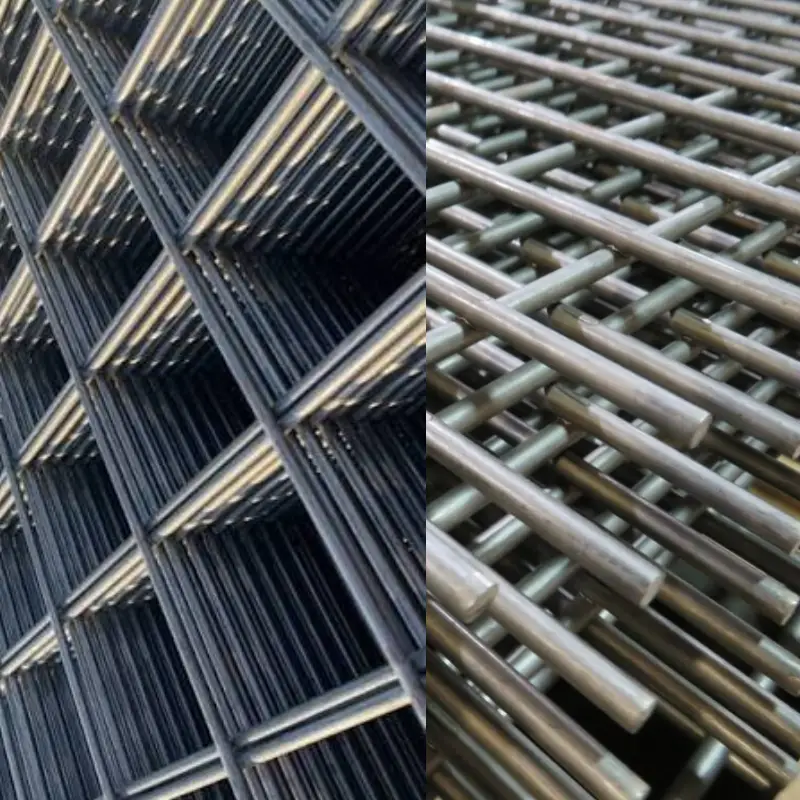
You might wonder what sets trommel mesh vs trommel punch plate apart. Both play a big role in screening, but they work in different ways. Trommel mesh uses woven or welded wire to create a flexible screen. Punch plate uses solid metal sheets with holes punched through. Each option has strengths and weaknesses.
Let’s break down the main differences:
- Durability: Punch plate lasts longer. Mesh can wear out faster, especially with rough or sharp materials.
- Cleaning: Punch plate cleans easily. Mesh can trap dirt and debris, making cleaning harder.
- Replacement: Mesh is simple to replace. Punch plate takes more time and effort.
- Best Material Types: Mesh works well for fine material separation. Punch plate handles heavy, wet, or abrasive materials better.
Tip: If you deal with sticky or wet materials, punch plate helps prevent clogging. Mesh is great for dry, light materials.
Quick Comparison
You need a quick way to compare trommel mesh vs trommel punch plate. Here’s a table to help you decide which fits your screening needs:
| Feature | Trommel Mesh | Trommel Punch Plate |
|---|---|---|
| Durability | Lower | Higher |
| Cleaning | Harder | Easier |
| Replacement | Easier | Harder |
| Best for | Fine material separation | High-capacity screening |
| Handles Moisture | Poor | Excellent |
| Handles Abrasion | Poor | Excellent |
| Cost | Lower | Higher |
You want to match your trommel screen to your material and your goals. Mesh lets you screen small particles and works well in screening equipment for compost or topsoil. Punch plate stands up to tough jobs like sand, gravel, or recycling. If you need high-capacity screening, punch plate is your best bet.
Note: Choosing the wrong screen can slow down your trommel and cost you money. Always check your material type and moisture before picking mesh or punch plate.
When you compare trommel mesh vs trommel punch plate, you see that each has a place in screening. Mesh gives you flexibility and easy replacement. Punch plate gives you strength and easy cleaning. You need to think about what you screen and how often you want to change parts. If you want your trommel to run smoothly, pick the right screen for your job.
What Is Trommel Mesh?
Mesh Construction
You see mesh everywhere in screening. Mesh is made from wire that gets woven or welded together to form a grid. The wires can be steel, stainless steel, or sometimes other metals. You get a strong but flexible surface that fits inside your trommel drum. Mesh comes in different sizes and shapes, so you can pick what works best for your material. The construction lets you swap out mesh panels quickly when you need a change or replacement.
How Mesh Works in Screening
Mesh plays a big role in how your trommel separates materials. The drum rotates, and mesh lets smaller particles drop through the holes while bigger chunks move along the drum. This design helps you sort materials fast and keeps your operation running smoothly. The rotary motion of the drum reduces clogging, so you spend less time cleaning and more time screening. Mesh with the right aperture size keeps your classification stable and boosts throughput.
Tip: If you want to screen dry, light materials, mesh gives you great results. The open area lets air and material flow easily, so you get efficient separation.
Common Mesh Types
You have several mesh types to choose from. Each one fits a different job and material. Let’s look at the most popular options:
Woven Wire
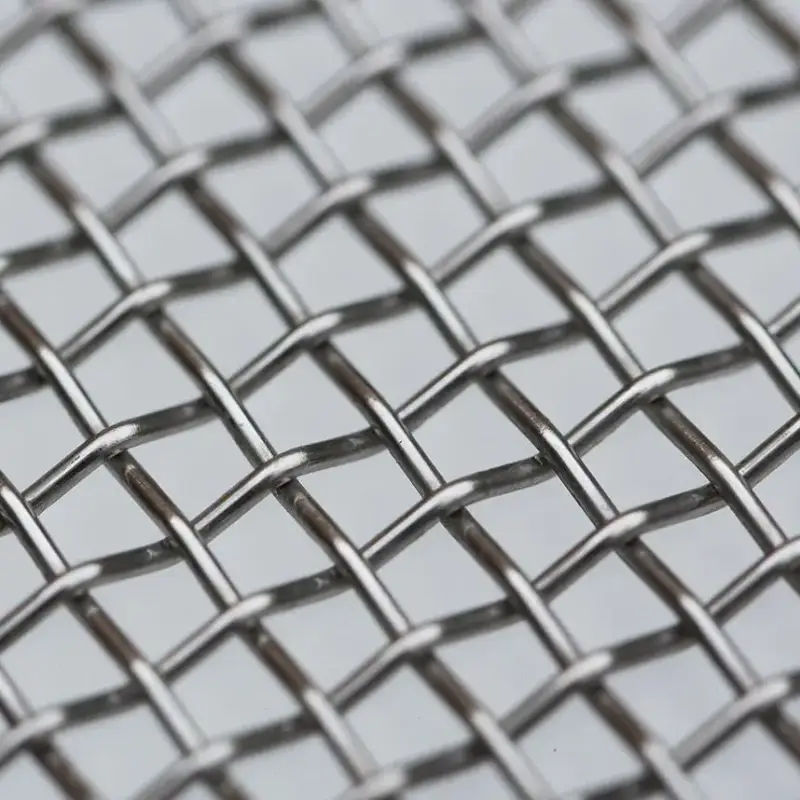
Woven wire mesh uses wires that cross over and under each other, like a basket. You get high flexibility and can customize the mesh for your needs. Woven wire mesh works well for dry materials and small to medium-sized particles. You often see it in compost, topsoil, ore, and coal slag screening.
Welded Wire
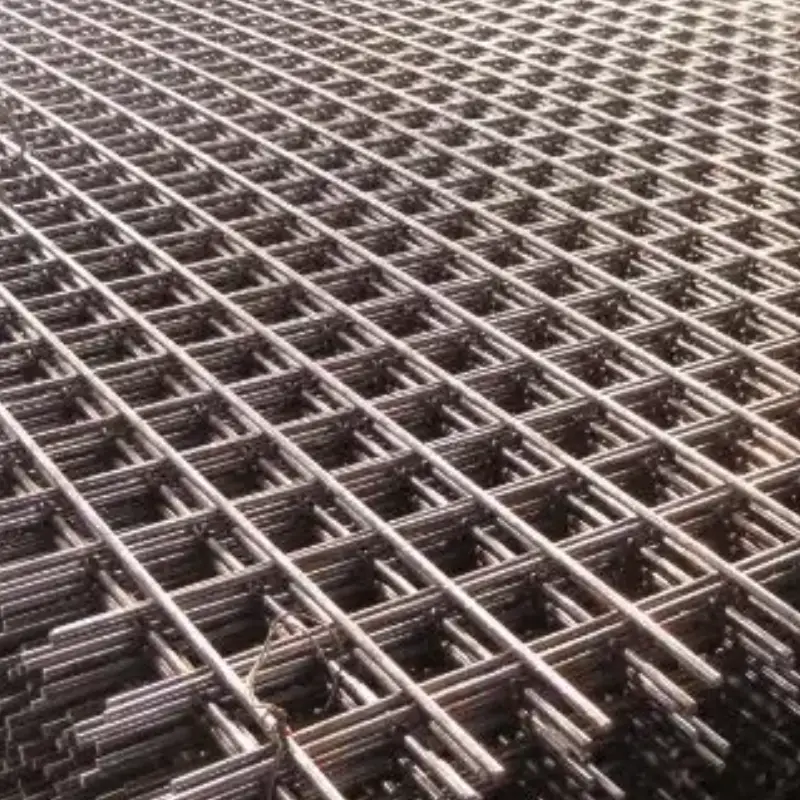
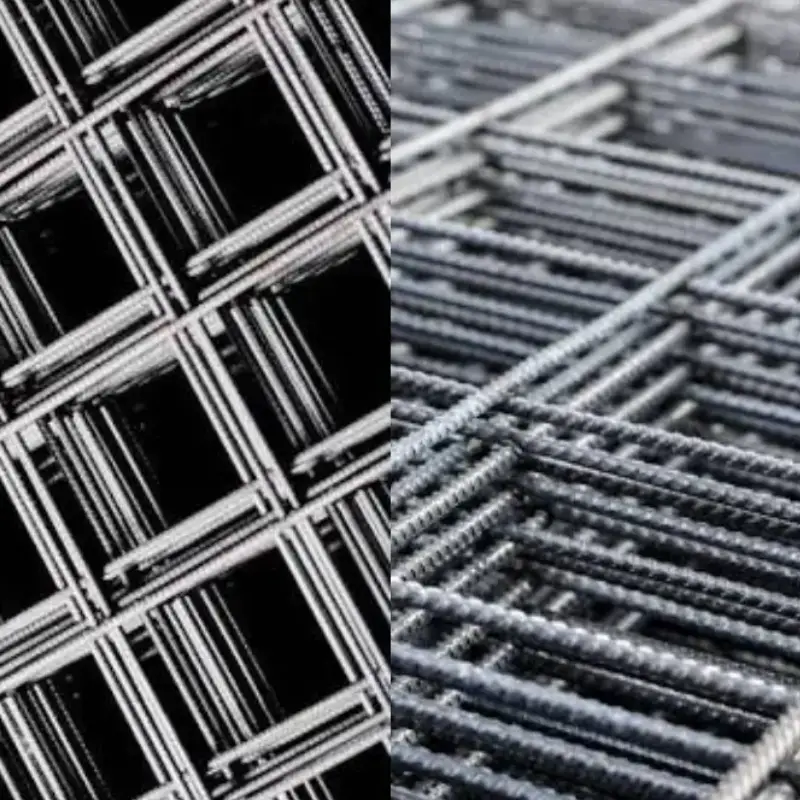
Welded wire mesh joins wires at right angles using welding. This makes the mesh rigid and strong. Welded wire mesh stands up to heavy loads and rough materials. You use it for bigger particles or when you need a tough screen that won’t bend or break easily.
Here’s a quick table to help you compare mesh types and their uses:
| Mesh Type | Benefits | Typical Applications |
|---|---|---|
| Woven Wire | Flexible, customizable | Compost, topsoil, ore, coal slag |
| Welded Wire | Strong, rigid, durable | Gravel, sand, construction waste |
- Mesh keeps your screening efficient.
- Mesh reduces clogging and improves material flow.
- Mesh lets you handle different materials with ease.
If you pick the right mesh, you get better results and less downtime. Mesh is a smart choice for many trommel jobs.
Typical Applications
You might wonder where you can use mesh in your screening process. Mesh fits into many industries because it handles a wide range of materials and tasks. You see mesh in action every day, even if you do not realize it. Mesh helps you sort, separate, and clean up materials in ways that make your job easier.
Let’s look at some of the most common places where you find mesh in trommel screens:
| Industry | What Mesh Screens Do |
|---|---|
| Municipal Waste | Sorts solid waste by size and removes unwanted materials to improve recycling and fuel recovery. |
| Mineral Processing | Grades raw minerals, helps recover valuable pieces, and keeps out rocks that need more crushing. |
| Compost Screening | Separates compost into different sizes, removes sticks and plastic, and gives you clean, usable soil. |
| Food Processing | Sorts dry foods like nuts or beans by size and shape for better quality and packaging. |
You can see that mesh works in many different jobs. In municipal waste, mesh helps you get rid of glass, metal, or other things that do not belong. You get cleaner waste streams and better recycling results. In mineral processing, mesh lets you keep the good stuff and send the rest for more work. You save time and money because you do not crush what you do not need.
If you work with compost, mesh is your best friend. You can screen out big chunks, plastic, or unfinished material. Your finished compost looks better and works better in gardens or farms. Mesh also shines in food processing. You can sort nuts, seeds, or grains by size. This means you get a better product and less waste.
Tip: Mesh gives you flexibility. You can swap out panels to change the size of the openings. This helps you handle different materials or meet new customer needs.
Mesh also helps in construction, sand and gravel, and even recycling electronics. You can use mesh to screen soil for landscaping or to clean up demolition debris. Mesh works well when you need to separate fine particles from larger ones. You get more control over your final product.
Here are a few signs that mesh might be right for your job:
- You need to separate materials by size.
- You want to remove unwanted debris or contaminants.
- You work with dry or light materials.
- You need to change screen sizes often.
Mesh gives you a simple way to boost your screening results. You can count on mesh to keep your operation running smoothly, no matter what industry you work in.
What Is Trommel Punch Plate?
Punch Plate Construction
When you look at a trommel punch plate, you see a strong metal sheet with holes in it. Different metals are used to make punch plates tough and last longer. High-strength carbon steel is common in punch plates. This metal can handle rough and abrasive materials. Tool steel, like D2 or H13, is even harder and works well under heavy stress. Stainless steel is best if you need protection from rust, especially in wet or chemical places.
Here’s a quick table showing the main materials and where they are used:
| Material Type | Description | Applications in Industries |
|---|---|---|
| High-strength carbon steel | Tough and resists wear for hard jobs | Mining, raw material screening |
| Tool steel (D2, A2, H13) | Very hard and strong under pressure | Manufacturing, heavy-duty punch plates |
| Stainless steel | Stops rust and corrosion, good for wet conditions | Food processing, recycling |
The right material helps your trommel punch plate last longer and work better for your job.
How Punch Plate Works in Screening
A trommel punch plate lets material move across its surface as the drum spins. The holes let small pieces fall through, while big pieces keep moving down the drum. The solid plate does not bend or warp easily, even with heavy or sharp materials. Punch plates handle impact and abrasion much better than mesh screens.
Let’s compare punch plate and mesh screen features:
| Feature | Trommel Punch Plate | Mesh Screen |
|---|---|---|
| Material | Thick steel or stainless steel | Lighter materials |
| Hole Shape | Round, square, or slotted | Uniform mesh openings |
| Durability | High resistance to impact and abrasion | Prone to wear and deformation |
| Maintenance | Lower because it lasts longer | Higher due to frequent replacements |
| Cost of Ownership | Lower total cost over time | Higher long-term costs |
Punch plate screens last longer. You spend less time and money fixing them. If your trommel needs to handle tough jobs, punch plate is a smart choice.
Punch Plate Variations
You can choose different punch plate designs. The two main types are standard plate and perforated plate. Each one fits different materials and needs.
Standard Plate
A standard punch plate uses thick steel with holes in a regular pattern. It is strong and durable. This type is good for heavy-duty trommel screening, like rocks, gravel, or demolition debris. Standard plates do not bend easily and last a long time, even in harsh conditions.
Perforated Plate
A perforated plate gives you more choices for hole size and shape. You can pick round, square, or slotted holes to match your material. Perforated plates often use stainless steel or polyurethane for special jobs. These plates are good if you need exact sizing or want to stop clogging with sticky materials.
Here’s a table showing the advantages of different punch plate variations:
| Variation | Advantages |
|---|---|
| Stainless Steel Screens | Resists rust, high accuracy, long life, great for wet or chemical materials |
| Manganese Steel Screens | Hard, wear-resistant, tough against bending, perfect for wet and abrasive materials |
| Nylon Screens | Flexible, low cost, good for non-abrasive wet materials, but less durable |
| Polyurethane Screens | Good for wet jobs, blocks less, high wear resistance, long service life |
You can pick the punch plate that fits your trommel and your material. This helps you get the best performance and longest life from your screen.
Typical Applications
You probably want to know where trommel punch plates really shine. You see them in action when you need a tough screen that can handle rough jobs. Punch plates work best in places where lighter screens just can’t keep up. If you deal with heavy, wet, or abrasive materials, punch plates give you the strength you need.
Let’s look at some of the most common industries that use trommel punch plates. Here’s a quick table to show you where these screens make a difference:
| Industry | Material Types |
|---|---|
| Recycling | Mixed municipal waste, biodegradable materials |
| Organics Processing | Compost, mulch |
| Construction and Landscaping | Topsoil, wood chips, crushed aggregate |
| Mining and Aggregate | Sand, various minerals |
You see punch plates in recycling plants. They help sort mixed waste and separate out valuable materials. In organics processing, you use punch plates to screen compost and mulch. These materials can be wet and sticky, but punch plates keep working without clogging.
In construction and landscaping, punch plates handle topsoil, wood chips, and even crushed stone. You need a screen that won’t bend or break when rocks hit it. Punch plates give you that extra durability. Mining and aggregate operations also rely on punch plates. You can screen sand, gravel, and minerals without worrying about fast wear.
Here’s a quick list of materials you can screen with punch plates:
- Topsoil
- Compost
- Mulch
- Wood chips
- Sand
- Municipal solid waste
You might notice that these materials are often heavy, rough, or damp. That’s why punch plates are the go-to choice. They stand up to tough jobs and keep your trommel running longer.
Punch plates are made for heavy-duty work. You use them when you need a screen that won’t get damaged easily. If you work in an industry where lighter mesh screens wear out too fast, punch plates save you time and money. You don’t have to stop your machine as often to replace worn-out screens.
Tip: If you want a screen that lasts and handles tough materials, punch plates are your best bet. They keep your operation moving and help you get the job done right.
You can count on punch plates for reliable performance in the toughest conditions. Whether you’re sorting waste, making compost, or screening sand, punch plates give you the durability and strength you need.
Pros and Cons of Trommel Mesh
Mesh Advantages
You might wonder why so many people choose mesh for their trommel screens. Mesh brings several benefits that make your screening job easier and more efficient. Here are some reasons you might like using mesh:
- Lightweight: Mesh is made from strong metal wires, but it stays light. You can carry it, move it, and install it without much trouble. This saves you time and energy.
- Flexibility: Mesh bends and fits into different shapes. You can customize it for your trommel drum, no matter the size or design. If you need a special fit, mesh can handle it.
- Cost-effectiveness: Mesh helps you save money. The design and materials boost screening efficiency and can make your equipment last longer. You spend less on replacements and repairs.
- Easy replacement: When mesh wears out, you can swap it quickly. You don’t need special tools or a big team. This keeps your downtime low and your trommel running.
Tip: If you want to change screen sizes often, mesh lets you do that fast. You can switch panels to match new materials or customer needs.
Mesh gives you a simple way to keep your screening flexible and affordable. You get good results without breaking the bank.
Mesh Disadvantages
Mesh isn’t perfect. You need to know the downsides before you decide. Some problems can slow you down or cost you more in the long run. Here’s a table showing the main disadvantages:
| Disadvantage | Description |
|---|---|
| Mesh Choking | Regular cleaning is necessary. |
| Wear and Tear | Increased wear and tear is observed. |
Mesh can choke or clog, especially with sticky or wet materials. You’ll spend more time cleaning to keep your trommel working. Mesh also wears out faster than punch plate. If you screen rough or sharp materials, you might see holes or broken wires sooner than you expect.
You need to check your mesh often. If you see damage, replace it right away. This helps you avoid bigger problems and keeps your screening smooth.
Note: Mesh works best for dry, light materials. If you deal with heavy or abrasive stuff, you might want something tougher.
Mesh gives you flexibility and savings, but you need to watch for wear and clogging. If you know these risks, you can plan ahead and keep your trommel in top shape.
Pros and Cons of Trommel Punch Plate
Punch Plate Advantages
You want your trommel screen to last as long as possible. Punch plate gives you that durability. The thick metal stands up to heavy loads and rough materials. You can run abrasive feed through your trommel without worrying about quick wear. Punch plate resists impact and keeps its shape, even when rocks or debris hit hard.
Let’s look at how different punch plates perform:
| Type of Trommel Plate | Advantages | Lifespan |
|---|---|---|
| Steel Trommel Plate | Maximum strength and impact resistance Suitable for oversized and abrasive feed Durable under continuous high-load conditions | 1 to 3 years |
| Rubber Trommel Plate | High resistance to abrasion from fine materials Corrosion-resistant in wet environments Superior noise and vibration reduction | 2 to 5 years |
Steel punch plates give you maximum strength. You can use them for oversized and abrasive feed. They last one to three years, even under tough conditions. Rubber punch plates resist abrasion from fine materials. They also cut down on noise and vibration. You get two to five years of service, especially in wet environments.
You also get easy cleaning with punch plate. The solid surface does not trap dirt or debris. You spend less time cleaning and more time screening. Punch plate works well with sticky or wet materials. You avoid clogging and keep your operation moving.
Tip: If you want a screen that handles tough jobs and reduces downtime, punch plate is a smart choice.
You can rely on punch plate for high-capacity screening. It keeps up with demanding jobs and helps you process more material.
Punch Plate Disadvantages
Punch plate has some drawbacks. You need to know these before you decide. The solid metal makes punch plate heavier than mesh. You might need extra help or equipment to install or replace it. Punch plate costs more upfront. You pay for the strength and durability, but the price can be higher than mesh.
Changing punch plate takes more time. You cannot swap it out as quickly as mesh panels. If you need to change screen sizes often, punch plate can slow you down. The holes in punch plate are less flexible. You cannot adjust them easily for different materials.
Here are some common disadvantages:
- Heavy weight makes handling harder.
- Higher cost compared to mesh.
- Longer replacement time.
- Less flexibility for changing screen sizes.
Note: Punch plate works best for heavy, abrasive, or wet materials. If you screen light or dry materials, mesh might be easier and cheaper.
You need to balance the pros and cons. Punch plate gives you strength and long life, but you trade off some flexibility and pay more at the start. If your job needs durability, punch plate is worth it. If you want quick changes and lower cost, mesh could be better.
Best Uses for Trommel Mesh
Ideal Materials
You want your trommel screen to work smoothly. Mesh helps you get the best results when you handle certain materials. If you process dry, light, or fine materials, mesh gives you great performance. You can use mesh for compost, topsoil, and soil mixes. Mesh lets small particles pass through easily. You get clean separation and high throughput.
Mesh works well with materials that do not stick together. Dry sand, crushed stone, and wood chips move across mesh without clogging. You can also use mesh for screening coal slag, minerals, and even dry food products like beans or nuts. Mesh gives you flexibility. You can change the mesh size to match your material. This helps you meet different customer needs.
Here’s a quick table showing ideal materials for mesh screens:
| Material Type | Why Mesh Works Well |
|---|---|
| Compost | Separates fine and coarse particles |
| Topsoil | Screens out rocks and debris |
| Sand | Handles dry, loose grains |
| Wood Chips | Sorts by size, avoids clogging |
| Dry Food Products | Keeps product clean and uniform |
Tip: If you need to screen materials with lots of small pieces, mesh gives you fast and accurate results.
When Not to Use Mesh
Mesh does not fit every job. You need to know when to avoid using mesh. If you work with wet, sticky, or abrasive materials, mesh can cause problems. Wet compost, clay, or sludge can clog mesh. You spend more time cleaning and less time screening. Mesh wears out quickly when you handle sharp rocks or heavy debris.
You should not use mesh for high-impact jobs. Large stones, demolition waste, or metal scraps can damage mesh. You might see holes or broken wires after a short time. Mesh also struggles with materials that have lots of moisture. Sticky feed blocks the openings and slows down your trommel.
Here are some signs mesh is not the right choice:
- You process wet or sticky materials.
- Your feed contains sharp or heavy debris.
- You need a screen that lasts under tough conditions.
- You want to avoid frequent cleaning and replacement.
Note: If you see mesh clogging or breaking often, switch to punch plate for better durability.
Mesh gives you great results for dry, light, and fine materials. You get easy screening and quick changes. If your job involves tough, wet, or abrasive feed, mesh may not be the best option. Choose the right screen for your material to keep your trommel running strong.
Best Uses for Trommel Punch Plate
Ideal Materials
You want your trommel to handle tough jobs. Punch plate works best when you deal with heavy, rough, or wet materials. The solid metal plate stands up to impact and keeps screening even when things get messy. You can count on punch plate for jobs that would wear out mesh screens too fast.
Here are some of the top materials and industries where punch plate shines:
- Mining industry: You can use punch plate to separate fine gold, silver, or copper from larger rocks. It helps you get the valuable stuff out and leave the waste behind.
- Cement production: Punch plate helps you cool and grind clinker. It lets you screen out oversized pieces after the kiln.
- Agricultural industry: You can clean and sort seeds or grains after harvest. Punch plate removes sticks, stones, and other impurities.
- Municipal waste recycling: Punch plate sorts trash by size. Small items fall through, while big pieces stay in the trommel for more sorting.
- Construction and demolition debris: You can use punch plate to screen mixed debris. It helps you separate wood, metal, and concrete by size.
You get the most out of your trommel when you use punch plate for these jobs. The plate lasts longer and needs less cleaning. You spend more time screening and less time fixing your equipment.
Tip: If you work with sticky, wet, or abrasive materials, punch plate keeps your trommel running strong.
When Not to Use Punch Plate
Punch plate does not fit every job. Sometimes, you need a different screen for your trommel. If you work with very fine or dry materials, punch plate might not give you the best results. The holes in punch plate are usually bigger than mesh openings. Small particles can slip through or get missed.
You might also want to avoid punch plate if you need to change screen sizes often. Punch plate takes more time to swap out. Mesh screens let you switch sizes quickly. If your job needs lots of flexibility, mesh could be a better choice.
Here are a few signs punch plate is not right for your trommel:
- You need to screen very fine materials, like sand or soil.
- You want to change screen sizes often.
- You work with light, dry materials that do not cause much wear.
Note: If you see your punch plate missing small particles or slowing down your process, try mesh for better results.
Punch plate gives you strength and durability. You get the best results when you match it to the right materials and jobs. Think about what you screen and how often you need to change parts. That way, your trommel will always work its best.
Screening Performance Comparison
Durability and Wear
When you look at trommel mesh and punch plate, durability stands out as a big difference. Mesh screens usually wear out faster. If you run sharp rocks or heavy debris through your trommel, you might see holes or broken wires after a few months. Punch plate screens last longer because they use thick metal. You can run abrasive materials and not worry about quick damage. If you want your screening process to stay strong, punch plate gives you more peace of mind.
Here’s a quick table to help you compare:
| Screen Type | Durability | Best For |
|---|---|---|
| Mesh | Lower | Light, dry materials |
| Punch Plate | Higher | Heavy, abrasive feed |
Tip: If you work in mining or recycling, punch plate keeps your screening running longer.
Efficiency and Throughput
You want your trommel to move material fast. Screening efficiency depends on the type of screen you use. Mesh screens have more open area, so you get higher throughput with fine materials. Small particles drop through quickly. Punch plate screens handle bigger loads and wet materials. You see less clogging, which helps your screening efficiency stay high.
If you process compost or topsoil, mesh screens give you great screening efficiency. For sand, gravel, or sticky waste, punch plate keeps the screening process smooth. You can boost your efficiency by matching the screen to your material.
- Mesh screens: High screening efficiency for dry, fine materials.
- Punch plate: Steady screening efficiency for tough, wet, or abrasive feed.
Note: If you want to improve your screening process, check your material and pick the right screen.
Maintenance Needs
You don’t want to spend all day fixing your trommel. Mesh screens need more maintenance. You might have to clean them often, especially if you run sticky materials. Mesh wears out faster, so you replace panels more often. Punch plate screens need less attention. They resist wear and clogging, so you spend less time cleaning and fixing.
Here’s what you can expect:
- Mesh screens: Frequent cleaning and replacement.
- Punch plate: Less cleaning, longer service life.
If you want to cut downtime, punch plate screens help you keep your screening process moving. Mesh screens work well for quick changes, but you need to watch for wear.
Tip: Regular checks keep your screening efficient and your trommel in top shape.
Cost Factors
You probably want to know how much you’ll spend on your trommel screen. Cost is a big deal when you choose between mesh and punch plate. You need to look at more than just the price tag. Think about how often you replace parts, how much downtime you face, and what you pay for maintenance.
Let’s break down the main cost factors:
- Initial Purchase Price
Mesh screens usually cost less up front. Punch plate screens cost more because they use thicker metal and need more work to make. - Replacement Frequency
Mesh screens wear out faster. You might need to replace them every few months if you run rough or sharp materials. Punch plate screens last longer, so you replace them less often. - Maintenance Costs
Mesh screens need more cleaning and repairs. Punch plate screens need less attention, which saves you money over time. - Downtime
Every time you change a screen, your trommel stops. Mesh screens are easy to swap, so downtime stays low. Punch plate screens take longer to replace, which can slow your operation.
Here’s a table to help you compare costs:
| Cost Factor | Mesh Screen | Punch Plate Screen |
|---|---|---|
| Purchase Price | Lower | Higher |
| Replacement Rate | Frequent | Rare |
| Maintenance | More cleaning/repair | Less cleaning/repair |
| Downtime | Short | Longer |
| Total Lifetime Cost | Can be higher | Often lower |
Tip: If you run a small operation or change materials often, mesh screens help you save money. If you handle tough jobs and want fewer replacements, punch plate screens pay off in the long run.
You need to think about your budget and your job. Sometimes, paying more up front for a punch plate screen saves you money later. If you want flexibility and quick changes, mesh screens fit your needs. Cost isn’t just about the price. It’s about how much you spend over time to keep your trommel running.
Clogging and Cleaning
Clogging can slow you down. You want your trommel screen to stay clear so material flows fast. Mesh screens clog more often, especially with sticky or wet materials. You might see dirt, clay, or compost block the holes. When this happens, you need to stop and clean the screen.
Punch plate screens resist clogging. The holes are bigger and the surface is smooth. Wet or sticky material slides off easier. You spend less time cleaning and more time screening.
Here are some ways to keep your screen clear:
- Check your screen often for buildup.
- Use water sprays or brushes to clean mesh screens.
- Pick punch plate screens for wet or sticky jobs.
- Swap out clogged screens quickly to avoid downtime.
Note: If you see your screen clogging every day, try a punch plate screen. It handles tough materials and keeps your trommel moving.
Cleaning is part of every screening job. Mesh screens need more cleaning. Punch plate screens need less. You save time and money when you pick the right screen for your material. If you want easy cleaning and less clogging, punch plate screens are your best friend.
Trommel Screen Media Selection Guide
Material Type and Size
You want your trommel screen to match the materials you handle. Material type and size play a huge role in picking the right screen. If you work with compost, topsoil, or sand, you need a screen that separates particles well. Mesh screens work best for fine materials. Punch plates handle bigger chunks and rough debris.
Let’s look at how material type and size affect your choice:
- Mesh screens let you sort small particles. You get clean separation for dry, light materials.
- Punch plates stand up to heavy loads. They work well for rocks, wood chips, and mixed waste.
Here’s a table to help you compare trommel screens and inclined screens for different materials:
| Feature | Trommel Screens | Inclined Screens |
|---|---|---|
| Best for | Wet/sticky materials, low abrasion, coarser separations (>10 mm) | Dry, hard materials, finer separations (<1 mm) |
| Screening Efficiency | Lower (~60–75%) | Higher (~85–95%) |
| Clogging/Blinding | Less likely (self-cleaning) | More likely (needs cleaning) |
If you process wet or sticky materials, trommel screens help you avoid clogging. Mesh screens give you flexibility for fine screening. Punch plates offer strength for coarse material processing. You need to match the screen to your material size for the best results.
Tip: Always check the size of your feed before choosing a screen. If you see lots of big pieces, punch plate is your friend. For small, dry particles, mesh screens make processing easier.
Moisture and Stickiness
Moisture changes everything in material processing. Wet materials can clog screens and slow down your operation. If you deal with sticky compost, clay, or wet waste, you need a screen that resists clogging. Punch plates have larger holes and smooth surfaces. Sticky material slides off, so you spend less time cleaning.
Mesh screens work well for dry materials. If your feed is damp or sticky, mesh can trap debris. You’ll need to clean it more often. Punch plates keep screening efficient when moisture is high.
Here’s what you should think about:
- Wet materials: Punch plate screens resist clogging and make cleaning easier.
- Dry materials: Mesh screens give you high throughput and fast separation.
If you process materials with lots of moisture, punch plate screens help you keep your trommel running. Mesh screens shine when you handle dry, light feed.
Note: If you see your screen clogging every day, switch to punch plate for sticky jobs. You’ll save time and boost your processing efficiency.
Abrasion and Impact
You want your screen to last. Abrasive materials and heavy impacts can wear out screens fast. If you process sharp rocks, gravel, or demolition debris, you need a tough screen. Punch plates use thick metal. They resist wear and keep their shape, even when rocks hit hard.
Mesh screens handle light materials well. If you run abrasive feed, mesh wears out quickly. You’ll see broken wires and holes. Punch plates last longer and need fewer replacements.
Think about these points:
- High abrasion: Punch plate screens stand up to rough material processing.
- Low abrasion: Mesh screens work for soft, light materials.
If your operation involves heavy impacts, punch plate screens protect your trommel. Mesh screens are great for gentle jobs. You need to check your feed and pick the screen that matches your processing needs.
Tip: If you want fewer repairs and longer screen life, choose punch plate for abrasive materials. Mesh screens help you save money for light processing.
Throughput Goals
You want your trommel to move as much material as possible. Throughput means how much material your screen can process in a set time. Your throughput goals help you pick the right screen media.
If you need high throughput, you should look at the open area of your screen. Mesh screens usually have more open space. This lets more material pass through quickly. You get faster separation with fine, dry materials. Mesh works well for compost, topsoil, and other light jobs.
Punch plate screens have less open area. They use thicker metal, so the holes take up less space. Punch plate handles heavy, wet, or abrasive materials. You get steady throughput, even when the material is tough. Punch plate resists clogging, so you do not stop as often to clean.
Here’s a quick table to help you compare:
| Screen Media | Open Area | Best For | Throughput Speed |
|---|---|---|---|
| Mesh | High | Fine, dry materials | Fast |
| Punch Plate | Medium/Low | Heavy, wet, abrasive feed | Steady, less clogging |
Tip: If you want to boost your throughput, match your screen to your material. Mesh gives you speed for light jobs. Punch plate keeps things moving for tough jobs.
You should also think about the size of your trommel drum. A bigger drum can handle more material. The right screen media helps you reach your throughput goals without slowing down.
Maintenance and Downtime
You want your trommel to run with as little downtime as possible. Maintenance needs can change based on your screen choice.
Mesh screens need more attention. They can clog with sticky or wet materials. You might need to stop and clean them often. Mesh also wears out faster, especially with rough feed. You may need to replace mesh panels every few months.
Punch plate screens last longer. They resist wear and clogging. You spend less time cleaning and fixing them. Punch plate costs more at first, but you save time and money on maintenance.
Here’s what you should consider:
- Mesh screens: Easy to replace, but need frequent cleaning and checks.
- Punch plate: Harder to swap, but need less cleaning and last longer.
If you want less downtime, punch plate is a good choice for tough jobs. If you need to change screen sizes often, mesh makes it easy.
Note: Regular checks keep your trommel running. Clean your screens and look for damage. This helps you avoid big problems and keeps your operation smooth.
Selection Checklist
You want to pick the best screen for your trommel. Use this checklist to help you decide between mesh and punch plate:
- What material do you process?
- Fine, dry, or light? → Choose mesh.
- Heavy, wet, or abrasive? → Choose punch plate.
- How big are your particles?
- Small particles? → Mesh works best.
- Large chunks or mixed sizes? → Punch plate handles it.
- Is your material sticky or wet?
- Yes? → Punch plate resists clogging.
- No? → Mesh gives you high throughput.
- How much throughput do you need?
- High speed for light jobs? → Mesh.
- Steady flow for tough jobs? → Punch plate.
- How often do you want to change screens?
- Need quick changes? → Mesh is easy to swap.
- Want long life? → Punch plate lasts longer.
- What is your maintenance plan?
- Can you check and clean often? → Mesh is fine.
- Want less downtime? → Punch plate is better.
- What is your budget?
- Lower upfront cost? → Mesh.
- Lower long-term cost? → Punch plate.
Tip: Write down your answers. This helps you see which screen fits your needs.
Common Mistakes to Avoid:
- Don’t ignore your material’s moisture or stickiness.
- Don’t pick based only on price.
- Don’t forget about maintenance and downtime.
- Don’t underestimate how abrasive your material is.
If you follow this checklist, you can choose the right trommel screen media. You’ll get better performance, less downtime, and lower costs.
Common Selection Mistakes
Overlooking Material Properties
You might think picking a trommel screen is just about finding something that fits your machine. That’s not true. The material you process matters more than you might expect. If you ignore the properties of your material, you can run into big problems. For example, wet compost, sticky clay, or sharp gravel all need different types of screen media.
When you choose the wrong screen for your material, you can see more downtime and higher costs. You may notice your screen clogging or wearing out too fast. Sometimes, you’ll find unwanted pieces in your finished pile. That means you have to rescreen the material, which wastes time and money.
Tip: Always check what you’re screening. Look at the size, moisture, and shape of your material before you pick a screen. The best machines focus on durability and efficiency, not just how they look.
Ignoring Maintenance
You want your trommel to run smoothly. If you skip regular maintenance, you set yourself up for trouble. Many people forget to check their screens until something breaks. That’s a mistake. Small problems can turn into big repairs if you don’t catch them early.
Take a look at your discarded screens. Do you see broken wires or worn spots? These are warning signs. If you ignore them, you’ll face more downtime and higher repair bills. Cleaning your screens and checking for damage keeps your operation running.
Here’s a quick checklist to help you stay on track:
- Inspect screens for wear every week.
- Clean off any buildup after each shift.
- Replace damaged panels right away.
Note: Using the wrong screen media can increase your maintenance costs. Regular checks help you spot issues before they get worse.
Underestimating Abrasion
You might not realize how tough your material is on your screens. Abrasive materials like gravel, glass, or demolition debris can wear out screens fast. If you pick a screen that’s not built for abrasion, you’ll see holes, broken wires, or even total failure.
Don’t just look at the price or the specs. Think about how much wear your screen will face every day. A screen that works for soft compost won’t last long with sharp rocks.
- Check your material for sharp edges or hard pieces.
- Choose punch plate for high-abrasion jobs.
- Use mesh for softer, lighter materials.
If you underestimate abrasion, you’ll spend more on replacements and repairs. The most effective machines are built for the job, not just for show.
Remember: Picking the right screen saves you time, money, and headaches. Always match your screen to your material and your workload.
Focusing Only on Price
You probably want to save money when you buy trommel screen media. That makes sense. Everyone likes a good deal. But if you focus only on price, you can run into big problems. Cheap screens might look like a bargain at first. You pay less upfront, but you pay more later. Let’s talk about why price shouldn’t be your only concern.
When you choose the lowest-priced screen, you often get lower quality. The screen might wear out faster. You spend more time replacing it. You lose money because your trommel stops for repairs. Cheap mesh can break after a few weeks. Punch plate with thin metal can bend or crack. You end up buying replacements again and again.
Here’s a quick table to show what happens when you focus only on price:
| Price Focused Choice | What You Get | What You Risk |
|---|---|---|
| Cheapest Mesh | Fast wear, easy break | More downtime, higher costs |
| Cheapest Punch Plate | Thin, weak metal | Frequent repairs, lost time |
You need to think about total cost. That means looking at how long the screen lasts, how much maintenance it needs, and how often you replace it. Sometimes, a screen with a higher price saves you money in the long run. You spend less on repairs. You keep your trommel running. You get more work done.
Tip: Ask yourself, “Will this screen last through my toughest jobs?” If the answer is no, you might want to invest in better quality.
You also need to consider your material. If you screen abrasive or wet materials, cheap screens can fail fast. You waste time cleaning and fixing. You lose production. You feel frustrated because your trommel doesn’t work as well as it should.
Here are some things to check before you buy:
- How long does the screen last with your material?
- How much downtime will you face?
- How easy is it to clean and maintain?
- Will you need to replace it often?
If you look at these questions, you see that price is just one part of the story. Quality, durability, and performance matter more. You want a screen that fits your job and keeps your operation moving.
Note: Don’t let a low price trick you. Cheap screens can cost you more in the end. Choose screen media that gives you value, not just a bargain.
You make smarter choices when you look beyond price. You get better results. You save money over time. Your trommel works harder for you. That’s what you really want.
Trommel Applications: Real-World Examples
You might wonder how a trommel works in real jobs. Let’s look at some examples from different industries. The right screen can really help your work.
Compost and Topsoil
If you work with compost or topsoil, you want your product to be clean and even. A trommel helps you take out sticks, rocks, and plastic from compost. Mesh screens let you separate fine soil from bigger pieces. This gives you smooth compost that gardeners and farmers like.
At many compost sites, workers use trommel mesh to meet quality rules. The mesh keeps out things you don’t want and gives you the same size pieces. This makes your compost easier to sell and use. People want compost that looks nice and works well in their gardens.
Tip: If you want happy customers, pick a trommel with the right mesh size for your compost.
Sand and Gravel
Sand and gravel pits use trommel screens to sort materials by size. Punch plate screens are good for heavy, rough stuff like crushed stone. Mesh screens are better for fine sand. The trommel drum spins and separates the material. You get clean piles ready to sell.
When you use a trommel in sand and gravel, your product is easier to sell. The sizes stay the same, so you meet industry rules. This helps you get better prices and keeps your customers coming back.
Here’s a table showing how trommel screens help in different industries:
| Industry | Application Description | Key Benefits |
|---|---|---|
| Composting & Organic Processing | Makes sure compost meets quality rules by removing bad stuff. | Gives you even pieces and happy customers. |
| Sand & Gravel Pits | Sorts sand, gravel, and stone for selling. | Makes your product better and meets industry rules. |
| Recycling Facilities | Used in Material Recovery Facilities (MRFs) to sort mixed waste. | Helps recycling and makes materials cleaner. |
Recycling
Recycling centers use trommel screens all the time. You see them in Material Recovery Facilities, called MRFs. Here, a trommel sorts mixed waste into different groups. The screen lets small things like glass or dirt fall through. Bigger pieces move on for more sorting.
When you use a trommel in recycling, you work faster and need less hand sorting. The screen helps you separate materials quickly. This means you get cleaner piles of paper, plastic, and metal. Better sorting gives you purer materials, which is important for selling recycled goods.
Note: A good trommel helps your recycling center process more and send less to landfills.
Trommel screens are important for compost, sand, gravel, and recycling. The right screen helps you get better results, save time, and make your products worth more.
Combining Mesh and Punch Plate
You don’t have to pick just one type of screen for your trommel. Sometimes, you get the best results by combining mesh and punch plate. This approach helps you handle different materials and boost your screening performance. Let’s look at how you can use both in your trommel.
Hybrid Trommel Designs
Hybrid trommel designs use mesh and punch plate in the same drum. You place punch plate at the start of the drum where the material first enters. This area faces the most impact and abrasion. Punch plate protects your screen and handles heavy, rough, or wet feed. Mesh sits further down the drum. Here, the material is already broken up and less abrasive. Mesh lets you separate fine particles and increase throughput.
Here’s a simple table to show how you can set up a hybrid trommel:
| Drum Section | Screen Type | Main Job |
|---|---|---|
| Feed Entry | Punch Plate | Withstands impact, resists wear |
| Mid/End Section | Mesh | Screens fine material, boosts speed |
You get a longer-lasting screen and better separation. You also reduce downtime because you only replace the mesh when it wears out. Punch plate stays strong for a long time.
Tip: If you want to screen mixed materials or run a high-volume operation, hybrid designs give you flexibility and durability.
Multi-Stage Screening
Multi-stage screening uses different screens in steps. You start with punch plate to remove big, tough pieces. The material moves to mesh for finer sorting. This method helps you get cleaner products and less waste.
You can set up your trommel like this:
- Punch plate removes rocks, wood, or metal.
- Mesh catches smaller particles like soil, sand, or compost.
- You collect each size in separate piles.
This process works well in recycling, composting, and construction. You get more control over your final product. You also save time because you don’t have to rescreen material.
Note: Multi-stage screening helps you meet strict quality standards. You can adjust the mesh size for different jobs.
Hybrid and multi-stage setups let you handle tough jobs and fine materials in one machine. You get the best of both worlds. If you want to boost your trommel’s performance, try combining mesh and punch plate. You’ll see better results and less downtime.
Conclusion
Choosing the right trommel screen media is one of the simplest ways to improve trommel performance. The best option depends on your material, moisture level, wear conditions, and processing target. As a screen media manufacturer, we supply trommel mesh and punch plate solutions for a wide range of applications. A well-matched screen can help reduce downtime, improve material flow, and keep your operation running more efficiently.
FAQ
What is the main difference between trommel mesh and punch plate?
You get flexibility with mesh and durability with punch plate. Mesh works well for light, dry materials. Punch plate handles heavy, wet, or abrasive materials without wearing out fast.
How do I know which screen type fits my material?
Check your material’s size, moisture, and toughness. Mesh screens suit fine, dry materials. Punch plates work best for rough, sticky, or large chunks.
Can I use both mesh and punch plate in one trommel?
Yes! You can combine them. Use punch plate at the start for tough materials. Place mesh further down for finer screening. This setup boosts performance.
How often should I replace trommel screens?
You should check screens weekly. Replace mesh when you see holes or broken wires. Punch plate lasts longer, but swap it if you notice cracks or heavy wear.
Does screen size affect throughput?
Absolutely! Smaller holes catch more fine material but slow throughput. Larger holes speed up processing but let bigger pieces through. Pick the size that matches your goals.
What’s the best way to clean a clogged trommel screen?
Use water sprays or brushes. Mesh needs more cleaning, especially with sticky materials. Punch plate resists clogging, so you spend less time cleaning.