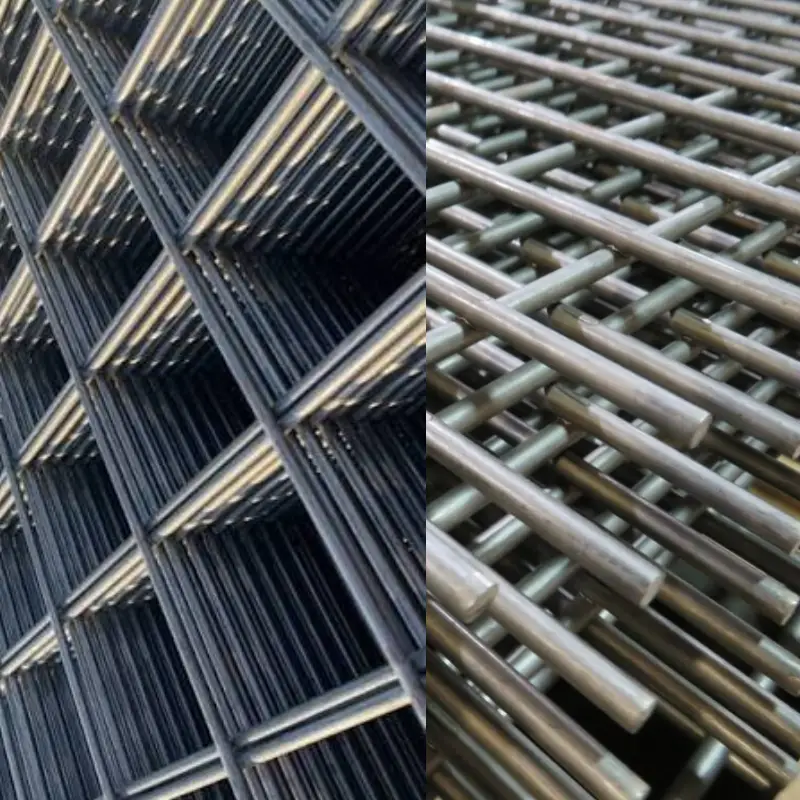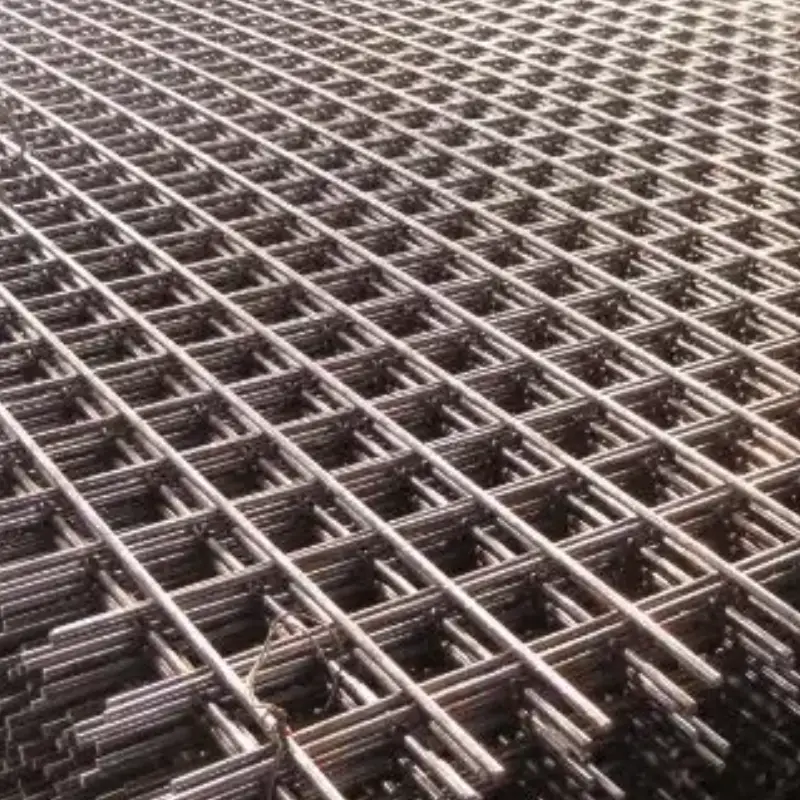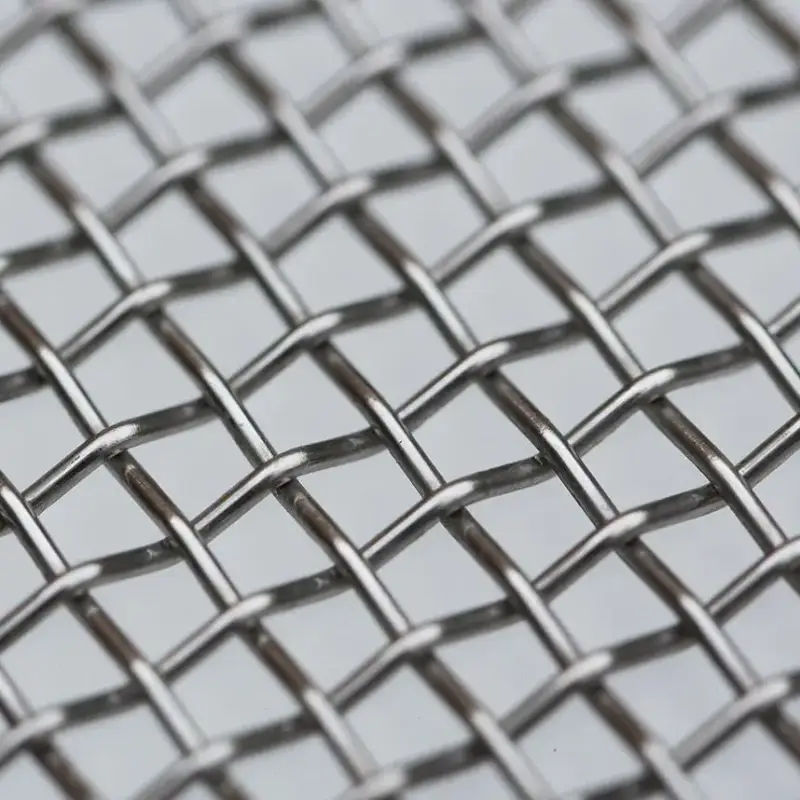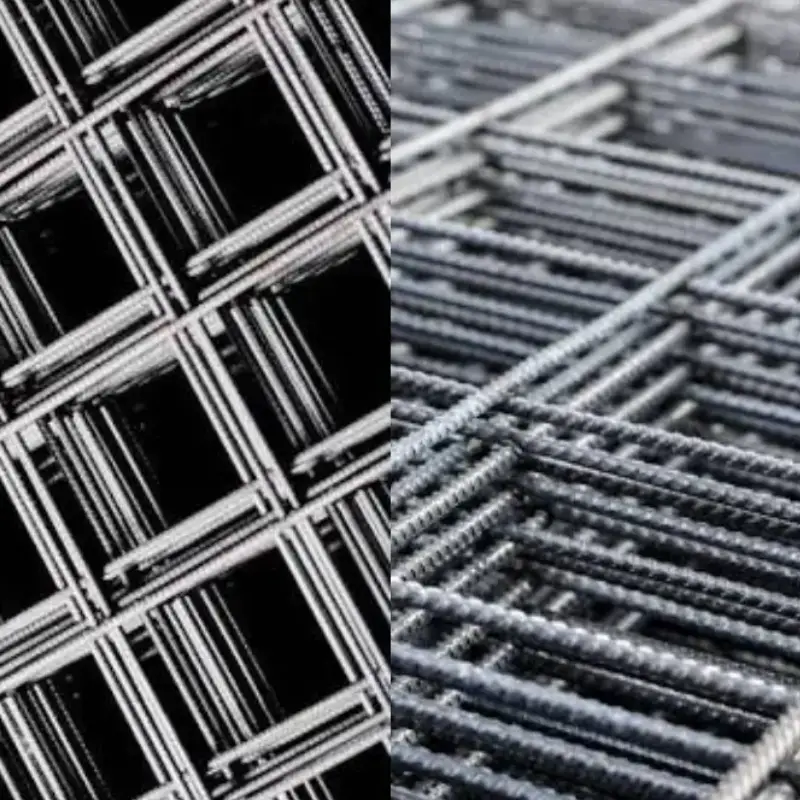
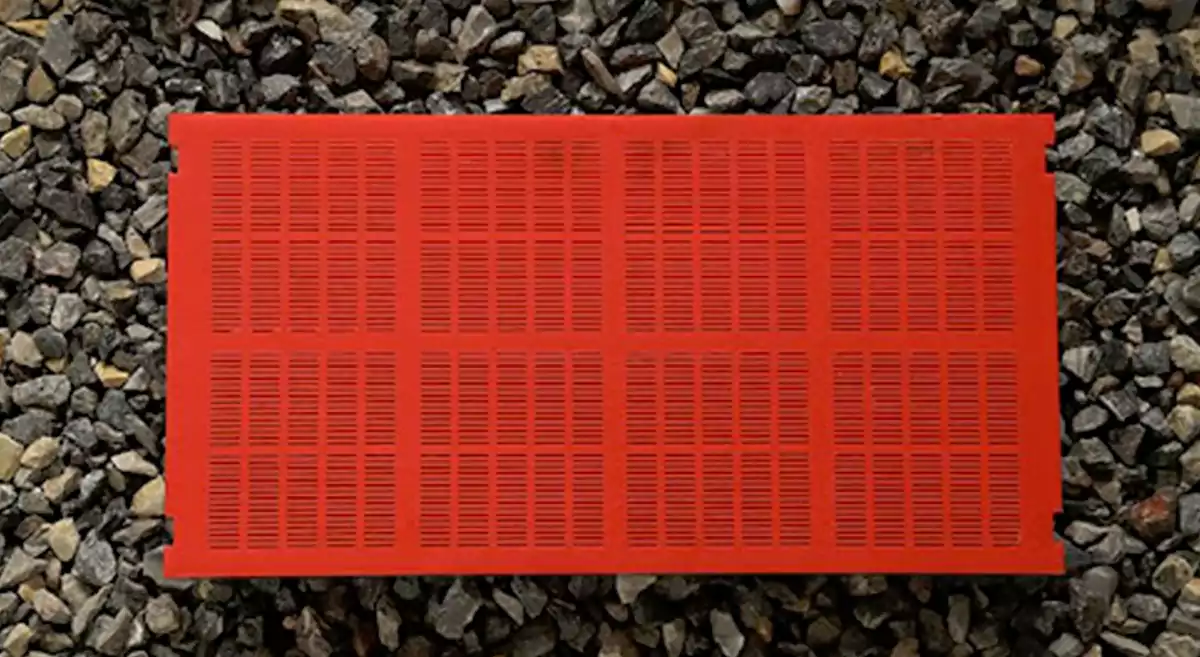
The right polyurethane screen panel hole shape for your needs depends on your material, the size of the particles, and your screening goals. There are two main types you will see: slit (slotted) holes and square holes. You may also find round, rectangular, or hexagonal holes.
- Slit (slotted)
- Square
- Round
- Rectangular
- Hexagonal
Note: Each polyurethane screen panel hole shape affects how well your panel sorts materials, deals with clogging, lasts over time, and keeps materials moving.
Key Takeaways
- Pick the right hole shape for your material and goals. Slotted holes are good for wet or sticky materials.
- Square holes work for many jobs and help size things well. Slotted holes stop clogging and let materials move easily.
- They are great for tough jobs. Think about particle size when you pick hole shapes.
- Big particles need big holes. Small materials need small apertures.
- Round holes are best for fine screening. They give a smoother product but may slow things down.
- You can change hole shapes, sizes, and panel thickness to fit your needs.
- Always test a small batch of your panel first. Make sure it works before you buy more.
- Ask your supplier for advice on the best hole shape and design for your job.
Polyurethane Screen Panel Hole Shape Options
When you pick a polyurethane screen panel, you see many hole shapes. Each shape is good for certain materials and jobs. Let’s look at the main choices so you can choose the best one for your work.
Slit (Slotted) Perforations
Slit, or slotted, holes are long and thin. These are used for tough screening jobs. They help materials move quickly and stop clogging. If you work with wet or sticky stuff, this shape can help.
Size Range
Slit perforations come in many sizes. Most panels have slots from 0.5 mm up to 80 mm or more. This means you can screen both small and big pieces. There are hundreds of size choices, so you can get the slot size you need.
Typical Uses
Slit perforations are great for heavy-duty and wet jobs. Here are some places you might use them:
| Material Type | Application | Key Features |
|---|---|---|
| Polyurethane Sieve Plate | Screening Sand and Minerals | Low noise, light, strong, lasts a long time |
| Continuous Slotted Polyurethane Sieve Plate | Dehydration and Demineralization | More open space, better screening, lasts longer |
| Elastic PU Screens | Continuous Screening Operations | Very stretchy, stops clogging, good for high water removal |
| Steel-Reinforced Polyurethane Screen Panel | Coal Preparation Plant Dewatering | Strong, bends, works well, slot widths from 0.5-3 mm |
This polyurethane screen panel hole shape gives less blinding and lasts longer. That’s why many mining and mineral plants use slotted panels.
Square Perforations
Square holes are the most common for general screening. They give balanced results and work for most materials. You see them in many industries because they fit many particle sizes.
Size Range
Square perforations come in many sizes, usually from 1 mm to 100 mm or more. You can always find a square hole size that works for you.
Sizing Accuracy
If you want good sizing, square holes are a smart pick. The shape lets particles go through evenly. You get a clean cut and less big pieces left over. This polyurethane screen panel hole shape works for both dry and wet screening.
Other Hole Shapes
You might also see round, rectangular, or hexagonal holes. Each shape has its own good points.
Round
- Round holes are best for fine grinding and high-quality results.
- You get a smoother product, but the open space is smaller, so work can be slower.
Rectangular
- Rectangular holes are made for high production.
- They let more material through, but sizing is not as good as with square or round holes.
Hexagonal
- Hexagonal holes give good speed and okay quality.
- Many mulch makers like this shape because it balances speed and output.
Tip: No matter which polyurethane screen panel hole shape you pick, you can find hundreds of sizes for each one. This helps you make your screen panel fit your material and process.
Performance Impact of Hole Shape
Screening Efficiency
You want your screen panel to sort materials quickly and accurately. The shape of the holes plays a big role in how well this happens. Square holes are the most common. They work well for many jobs, but sometimes they can get plugged up. Slotted holes help reduce plugging, so materials move through faster. If you use round holes, you get great results for primary screening, and they rarely plug up. Some panels even use zigzag shapes to stop jamming completely.
Here’s a quick look at how different shapes affect screening:
- Square holes: Good for most jobs, but can plug up.
- Slotted holes: Keep materials moving, less plugging.
- Round holes: Great for first screening, almost no plugging.
- Zigzag holes: Stop jamming, keep things flowing.
If you want the best screening efficiency, think about your material and how fast you need to work. The right polyurethane screen panel hole shape can make your job easier and faster.
Blinding and Clogging
Blinding happens when holes get blocked by material. This slows down your work and makes the screen less effective. You want to avoid this problem as much as possible. Slotted and round holes do a great job at stopping blinding. They let sticky or wet materials pass through without getting stuck. Square holes can catch more pieces, which sometimes leads to clogging. If you deal with tough materials that like to stick, slotted or round holes are your best bet.
Tip: If you notice your screen plugs up often, try switching to a slotted or round hole design. You’ll see less downtime and better results.
Wear Life
Wear life means how long your screen panel lasts before you need to replace it. The shape of the holes affects this, too. Slotted holes spread out the wear, so your panel lasts longer. Square holes give you good life, but if they plug up, they can wear out faster. Round holes usually last a long time because they don’t catch as much material. If you want your screen to last, pick a shape that matches your material and keeps things moving.
You can always talk to your supplier about which shape will give you the best mix of long life and high performance. The right choice saves you money and keeps your operation running smoothly.
Material Flow
When you think about screening, you want your material to move smoothly across the panel. If the flow slows down or gets blocked, your whole process can suffer. The shape of the holes in your screen panel can make a big difference in how well your material flows.
Let’s break it down. Slotted holes help materials move fast. They give particles a clear path, so you see less build-up. This works well if you deal with wet or sticky stuff. You won’t have to stop as often to clean the screen. Square holes give you a steady flow for most jobs. They work best when your material is dry and not too sticky. You get a nice balance between speed and accuracy.
Round holes are a little different. They let fine materials pass through easily. You might notice the flow is a bit slower, but you get a cleaner product. If you need to keep things moving quickly, rectangular holes can help. They have more open space, so more material gets through at once. Just remember, you might lose a little sizing accuracy.
Hexagonal holes are special. They give you a mix of speed and quality. Some people use them for mulch or wood chips. The flow stays steady, and you get a good product at the end.
Here’s a quick table to help you compare:
| Hole Shape | Flow Speed | Best For | Notes |
|---|---|---|---|
| Slotted | Fast | Wet, sticky materials | Less cleaning needed |
| Square | Medium | Dry, general materials | Good balance |
| Round | Slow | Fine, clean screening | Smooth product |
| Rectangular | Very Fast | High-volume jobs | Less sizing accuracy |
| Hexagonal | Medium | Mulch, wood chips | Balanced results |
Tip: If you notice your material is piling up or not moving, try a different polyurethane screen panel hole shape. Sometimes a small change can make a big difference in your process.
You want your operation to run smoothly. The right hole shape helps you keep material moving, reduce downtime, and get the results you want. Always match your hole shape to your material and your goals. If you’re not sure, ask your supplier for advice. They can help you pick the best option for your job.
Selecting the Right Hole Shape
Material Type
You need to think about your material first. Every material acts differently on a screen. Some are chunky and blocky. Others are flaky or have odd shapes. The right polyurethane screen panel hole shape helps you get the best results.
Here’s a quick guide to match your material to the best hole shape:
| Material Type | Recommended Hole Shape |
|---|---|
| Irregular particles | Round or Hexagonal |
| Blocky materials | Square |
| Flaky materials | Slotted |
If you work with blocky rocks or gravel, square holes give you a clean cut and steady flow. For flaky stuff, like mica or shale, slotted holes let the pieces pass without clogging. When you deal with odd-shaped or mixed materials, round or hexagonal holes keep things moving and reduce jams.
Tip: Always check your material before you choose. The wrong hole shape can slow you down and waste time.
Particle Size and Shape
The size and shape of your particles matter a lot. Big chunks need bigger holes. Fine sand or powder needs smaller holes. If your particles are long or flat, they might get stuck in square holes. Slotted holes help these pieces slide through.
Ask yourself these questions:
- Are your particles mostly round, blocky, or flat?
- Do you need to separate big pieces from small ones?
- Are you looking for a very clean product, or is speed more important?
If you want high accuracy, square holes work well for even-sized, blocky particles. For mixed shapes, round or hexagonal holes give you fewer problems. Slotted holes are best for long, thin, or flaky pieces.
Moisture and Stickiness
Wet or sticky materials can make screening tough. You might see your screen blind or clog up fast. That means the holes fill up, and nothing gets through. You lose time and money.
Here’s how you can handle moisture and stickiness:
- Polyurethane panels work better than metal screens for sticky or wet materials. They last longer and need less cleaning.
- Special tapered holes in polyurethane panels create tiny vibrations. These help shake off sticky bits and keep the holes clear.
- Slotted holes let odd-shaped and sticky pieces pass through. This reduces pegging and keeps your screen running.
If you screen high-clay or high-moisture materials, switch to a polyurethane screen panel hole shape that fights blinding. Slotted or round holes are your best friends here. You’ll see less downtime and better performance.
Note: Self-cleaning screens with flexible designs can also help. They move and flex, so sticky stuff doesn’t stay stuck.
Choosing the right hole shape means you get more work done with less trouble. Always match your screen to your material, particle size, and moisture level for the best results.
Screening Purpose
Think about why you need to screen your material before you choose a polyurethane screen panel hole shape. Every job is different. Sometimes you want to sort big rocks from small ones. Other times, you need to get rid of water or dust. Your goal will help you pick the best hole shape.
Here’s how your reason for screening can help you decide:
- If you want to sort things by size, square holes are best. They let pieces fall through evenly and keep your product clean.
- If you need to remove big pieces first, slotted holes are a good choice. They can handle heavy loads and let large pieces move off the screen fast.
- If you want to get water out, use slotted or special round holes. These shapes help water drain quickly and keep your material dry.
- If you want to protect your machines or get rid of trash, round holes work well. They do not clog often and keep your work going smoothly.
Your reason for screening also changes other choices. You might need a thicker panel for tough jobs. You may need to tilt your screen more for faster flow.
You can change your polyurethane screen panel to fit your needs. Here are some things you can pick:
| Customization Aspect | Details |
|---|---|
| Aperture Sizes | Many sizes to fit your material |
| Shapes | Square, round, slotted |
| Thicknesses | Choose the right strength |
| Applications | Made for your equipment and process |
Tip: Ask your supplier about your screening goal. They can help you choose the best hole shape and design for your job.
Picking the right polyurethane screen panel hole shape for your job gives you better results, less stopping, and a smoother process.
Application Examples by Industry
Mining
You work in mining, so you know how tough the job gets. Rocks, minerals, and ores come in all shapes and sizes. You need a screen panel that stands up to heavy loads and keeps your operation moving. Slotted holes work best for mining. They handle wet, sticky materials and reduce blinding. You see less downtime because the slots let water and mud pass through. Square holes also help when you want accurate sizing. You can use them for dry screening or when you need to sort by size.
Here’s a quick table to show you what works:
| Material | Hole Shape | Why It Works |
|---|---|---|
| Wet ore | Slotted | Stops clogging, drains water |
| Dry rock | Square | Good sizing, steady flow |
| Mixed minerals | Hexagonal | Balances speed and accuracy |
Tip: If you deal with sticky clay, try panels with tapered slotted holes. They shake off the clay and keep your screen clear.
Quarrying
Quarrying means you handle big stones, gravel, and sand. You want your screen panel to last and sort materials fast. Square holes give you the best sizing for crushed stone. You get a clean product and steady flow. Slotted holes help when you work with flaky or wet materials. They keep the screen from plugging up and make cleaning easier.
You can use round holes for fine sand. They give you a smooth product but work slower. Rectangular holes help when you need to move lots of material quickly.
- Square holes: Best for crushed stone and gravel.
- Slotted holes: Great for wet or flaky materials.
- Round holes: Good for fine sand.
- Rectangular holes: Use for high-volume jobs.
Note: Quarry screens take a beating. Polyurethane panels last longer than metal ones and need less maintenance.
Aggregates
You work with aggregates like sand, gravel, and crushed stone. You want to sort these materials by size and keep your process running smoothly. Square holes are your go-to for most aggregate jobs. They give you accurate sizing and steady flow. Slotted holes help when you deal with sticky or mixed materials. They keep the screen clear and reduce downtime.
Here’s a simple list to help you choose:
- Use square holes for clean, dry aggregates.
- Pick slotted holes for sticky or mixed materials.
- Try hexagonal holes for mulch or wood chips.
Callout: You can customize your polyurethane screen panels for any aggregate job. Choose the hole shape, size, and thickness that fits your needs.
We manufacture polyurethane screen panels for mining, quarrying, and aggregate industries. If you need help picking the right hole shape, reach out to us for expert advice.
Material Processing
Picking the right hole shape in your polyurethane screen panel is important. Different shapes help you work with different materials better. If you have big or long particles, slotted or rectangular holes are helpful. These holes let long pieces go through easily. This means less blocking and more material moving fast.
Square holes are used a lot in processing jobs. They give a good mix of speed and accuracy. Square holes work well with many types of materials. If your materials clog often, round or diamond-shaped holes can help. These shapes let particles slide through smoothly. This is good for tough jobs.
Sometimes, woven wire cloth is a smart choice. It has lots of open space, so material flows quickly. But woven wire wears out faster than other screens. If you want your screen to last longer, use polyurethane panels with special hole shapes. These panels are strong and screen well.
Slotted or rectangular holes are great for long or stringy particles. They let these pieces pass without getting stuck. Many plants use these shapes for plastics, fibers, or some minerals.
Round or diamond-shaped holes also help stop plugging. They work well when materials are sticky or wet. These shapes keep the screen clear. You won’t need to clean as often.
Other Selection Factors
Aperture Size
You need to pay attention to aperture size when you choose a polyurethane screen panel. Aperture size means the width and length of each hole in your panel. This factor decides what size particles can pass through. If you pick the wrong aperture size, you might lose valuable material or slow down your process.
Here’s a quick way to think about aperture size:
- Small apertures: Good for fine materials like sand or powder.
- Medium apertures: Work well for gravel, crushed stone, or minerals.
- Large apertures: Best for big rocks or bulky materials.
You can find panels with apertures from less than 1 mm up to over 100 mm. You should match the aperture size to your material and your screening goal. If you want to sort by size, use a panel with holes just big enough for your target particles.
Tip: If you see too much oversize material, try a panel with larger apertures. If you notice too many fines slipping through, switch to smaller apertures.
Panel Thickness
Panel thickness matters for strength and durability. Thicker panels last longer and stand up to heavy loads. Thinner panels work well for light materials and jobs where you need high accuracy.
You can choose from different thicknesses. Most panels range from 15 mm to 60 mm thick. Thicker panels resist wear and tear. They also handle bigger impacts from heavy materials. If you work with sharp or abrasive particles, thicker panels protect your screen and keep your operation running.
Here’s a simple table to help you decide:
| Panel Thickness | Best For | Benefits |
|---|---|---|
| Thin (15-25 mm) | Light materials | High accuracy |
| Medium (30-45 mm) | General screening | Good balance |
| Thick (50-60 mm) | Heavy-duty jobs | Long wear life |
Note: If you want your panel to last longer, pick a thicker option. If you need fast, precise screening, go with a thinner panel.
Installation Method
You need to think about how you will install your polyurethane screen panel. Installation method affects how easy it is to change panels, clean them, and keep your equipment running.
There are a few common installation methods:
- Bolt-down: You secure the panel with bolts. This method gives strong support and works well for heavy-duty jobs.
- Snap-in: You snap the panel into place. This method is quick and easy. You can change panels fast and reduce downtime.
- Modular: You use panels that fit together like puzzle pieces. Modular panels let you replace only the worn sections. You save money and time.
Callout: If you want to speed up maintenance, choose snap-in or modular panels. If you need extra strength, bolt-down panels are your best bet.
You should match your installation method to your operation. If you change panels often, modular or snap-in designs help. If you work with heavy materials, bolt-down panels give you peace of mind.
Choosing the right aperture size, panel thickness, and installation method helps you get the best performance from your polyurethane screen panel. You keep your process running, reduce downtime, and make your job easier.
Customization Options
You want your polyurethane screen panel to fit your work. Customization lets you match the panel to your needs. You do not have to use a standard panel. You can pick features that help you do your job better.
Here are things you can change:
- Hole Shape and Size
You get to pick the hole shape for your material. You can choose slotted, square, round, rectangular, or hexagonal holes. Each shape is good for different jobs. You also choose the size. You can have small holes for sand or big holes for rocks. There are many sizes to pick from. - Panel Thickness
You decide how thick you want your panel. Thick panels last longer and hold heavy loads. Thin panels are good for light materials and give more accuracy. - Color and Material Blend
You can pick the color of your panel. Some places use colors to keep things sorted. You can also ask for special blends. These blends can fight chemicals, heat, or wear. - Installation Method
You choose how to put in your panel. You can bolt it down, snap it in, or use modular panels. Modular panels let you change only the worn parts. Snap-in panels make changes fast and easy. - Special Features
You can add things like self-cleaning surfaces, tapered holes, or strong edges. These extras help your panel last longer and work better with sticky or hard materials.
Here is a table to show your choices:
| Customization Aspect | Choices Available | Benefits |
|---|---|---|
| Hole Shape | Slotted, Square, Round, etc. | Fits material and process |
| Hole Size | 0.5 mm to 100+ mm | Matches particle size |
| Panel Thickness | 15 mm to 60 mm | Balances strength and accuracy |
| Color | Multiple colors | Easy sorting and ID |
| Material Blend | Standard, chemical-resistant, etc. | Handles tough conditions |
| Installation Method | Bolt-down, Snap-in, Modular | Speeds up maintenance |
| Special Features | Self-cleaning, reinforced edges | Reduces downtime |
Tip: If your material or process is special, talk to your supplier. You can get panels made just for you.
You do not have to use panels that do not fit. Customization helps your panel last longer and work better. You save time and money by picking what you need.
Are you ready to make your screening better? Think about what you need. Make a list of your material, particle size, and goals. Then ask about customization. You will get better results and less downtime.
Expert Tips and Common Mistakes
Step-by-Step Selection
Choosing the right polyurethane screen panel hole shape can feel tricky. You want to get it right the first time. Here’s a simple step-by-step guide to help you make the best choice:
- Check Your Material
Look at what you need to screen. Is it wet, dry, sticky, or sharp? Write down the main features. - Measure Particle Size and Shape
Use a sample of your material. Are the pieces big, small, flat, or round? This helps you pick the right hole size and shape. - Decide Your Screening Goal
Ask yourself what you want. Do you need clean sizing, fast flow, or less clogging? Your goal will guide your choice. - Pick the Hole Shape
- Use slotted holes for sticky or flaky materials.
- Choose square holes for general screening and sizing.
- Try round or hexagonal holes for mixed or odd-shaped particles.
- Select Aperture Size and Panel Thickness
Match the hole size to your smallest needed particle. Pick a panel thickness that fits your workload. - Think About Installation
Decide if you want bolt-down, snap-in, or modular panels. This affects how easy it is to change or clean your screens. - Ask for Custom Features
If you have special needs, like self-cleaning or extra strength, talk to your supplier. You can get panels made just for your job.
Tip: Always test a small batch first. You can see how the panel works before you order more.
Mistakes to Avoid
You want your screening process to run smoothly. Watch out for these common mistakes:
- Ignoring Material Type
If you pick the wrong hole shape for your material, you might get clogging or poor results. - Choosing the Wrong Aperture Size
Too big, and you lose good material. Too small, and your screen plugs up fast. - Overlooking Panel Thickness
Thin panels wear out quickly with heavy loads. Thick panels can slow down light materials. - Forgetting About Installation
If you pick a panel that’s hard to install, you waste time and money during maintenance. - Skipping Customization
Standard panels do not always fit your needs. Custom features can save you time and reduce downtime.
Note: Always talk to an expert if you feel unsure. A quick chat can help you avoid costly mistakes.
When you follow these steps and avoid these mistakes, you get better results and less downtime. You save money and keep your operation running strong.
We are a polyurethane screen panel manufacturer. If you need help or want a custom solution, reach out to us. We can help you choose the best panel for your job.
Conclusion
Choosing the right polyurethane screen panel hole shape helps you work better. You will have less downtime and your panel will last longer. Look at your material and think about what you want to do. If you are not sure, ask an expert for help that fits your needs. We make polyurethane screen panels and can help you pick the best one.
FAQ
What is the most common hole shape for polyurethane screen panels?
Square holes are the most common. You see them in many industries. They work well for general screening and give you good sizing accuracy.
When should I choose slotted holes?
Pick slotted holes if you deal with wet, sticky, or flaky materials. These holes help reduce clogging and keep your screening process smooth.
Can I get custom hole sizes and shapes?
Yes! You can order panels with custom hole shapes and sizes. Just tell your supplier what you need for your material and process.
How do I know which hole shape is best for my material?
Check your material type and particle size. If you feel unsure, ask your supplier for advice. They can help you match the right hole shape to your job.
Do polyurethane screen panels last longer than metal ones?
Yes, they do. Polyurethane panels resist wear and tear. They also handle tough jobs and need less maintenance than metal screens.
What if my material keeps clogging the screen?
Try switching to slotted or round holes. These shapes help reduce blinding and keep your material moving.
Can you help me pick the right panel?
Absolutely! We are a polyurethane screen panel manufacturer. You can contact us for expert advice and custom solutions for your screening needs.