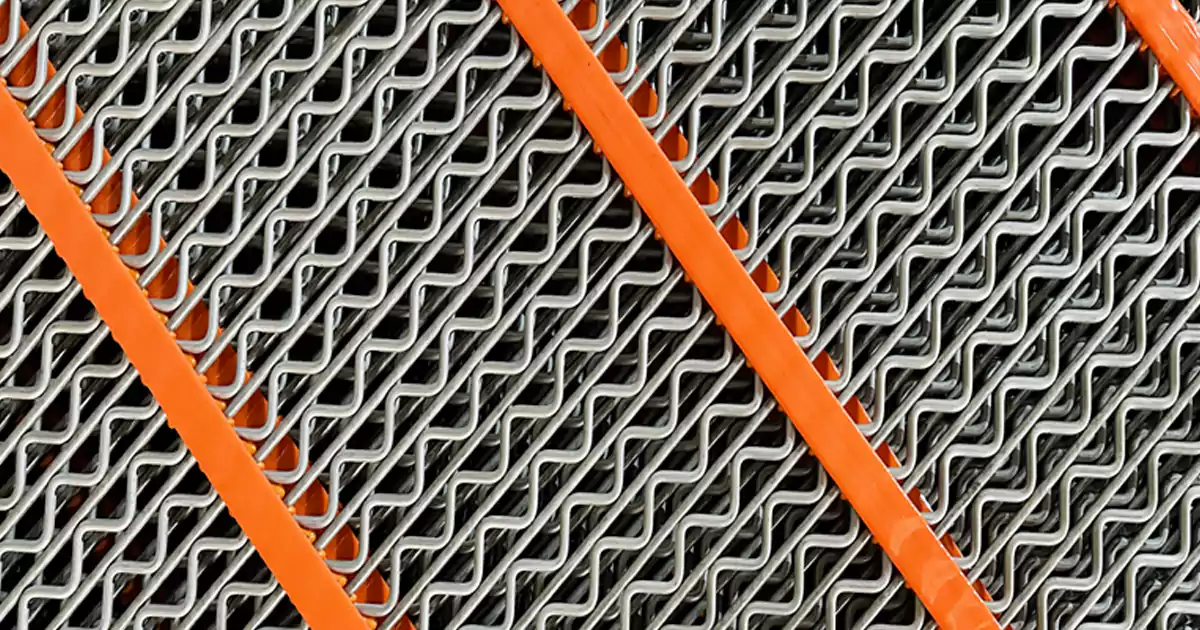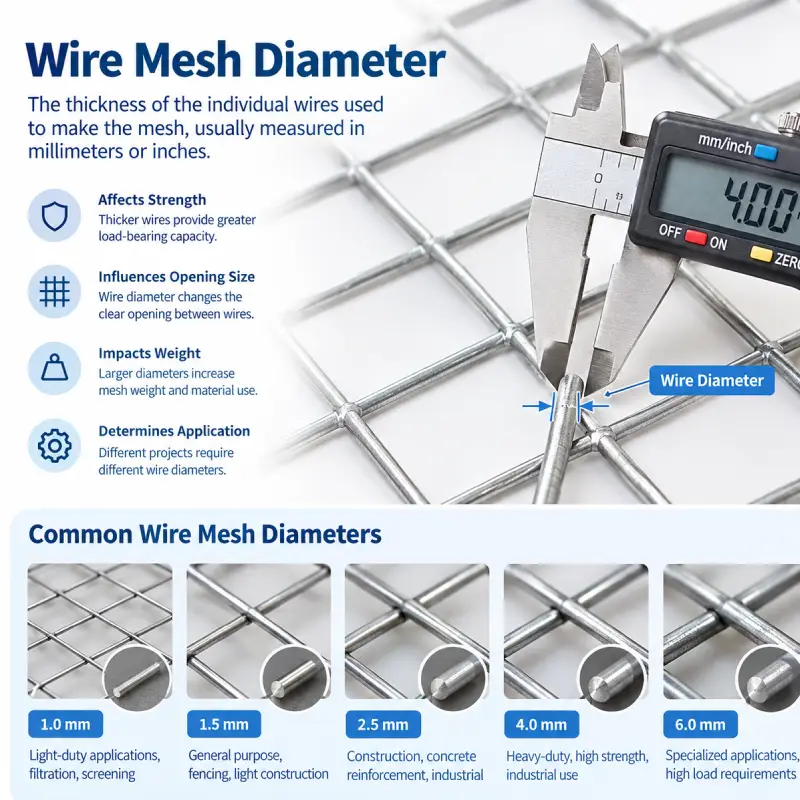
A thicker polyurethane screen panel is not automatically the better panel. It may give you more support in a high-impact area, but it can also change aperture geometry, panel weight, flexibility, and the amount of active screening surface available to your material.
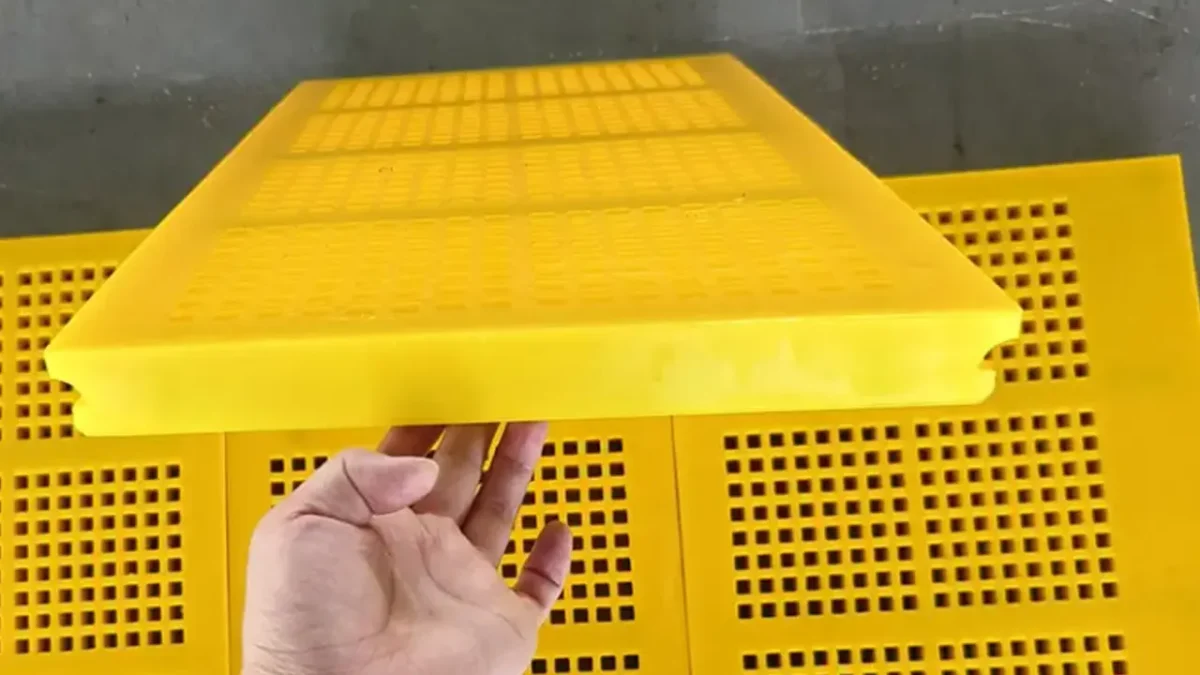
The right polyurethane screen panel thickness comes from the duty of the deck, not from a preference for the heaviest panel. You need to balance impact resistance and wear allowance against open area, material flow, cut accuracy, and the fixing system already installed on your vibrating screen.
Key Takeaways
- Panel thickness does not determine open area by itself. Aperture shape, bridge width, solid margins, and the active screening area are equally important.
- A thicker PU panel can improve support and wear resistance in high-impact duties, but excess thickness can reduce flexibility or restrict flow when the design is not matched to the application.
- Fine screening and dewatering usually demand accurate apertures and good flow. Heavy feed areas demand stronger support, suitable reinforcement, and impact protection.
- Before ordering, confirm your feed top size, moisture, abrasiveness, cut size, throughput, deck layout, and fixing method.
What Does Polyurethane Screen Panel Thickness Mean?
Panel thickness is the total height of the polyurethane panel from its working surface to the underside that contacts the support system. It is not the same thing as aperture size, bridge width, or the thickness of polyurethane around a single opening.
On a modular panel, thickness works with the support bars, locking system, and any reinforcement built into the design. On a tensioned panel, it must also work with the screen crown, tensioning direction, and clamping arrangement. That is why two panels with the same nominal thickness can perform very differently.
ANPENG supplies polyurethane screen panels with thickness selected by deck position and impact level. The panel design, aperture, hardness, and fixing system should be specified together rather than treated as separate purchase decisions.
How Thickness Affects Open Area
Open area is the percentage of the active screen surface that is available for material to pass through. More open area can support capacity, but it is only useful when the apertures remain clear and the material has an opportunity to stratify.
Thickness alone does not automatically reduce open area. If the opening pattern, bridge width, and active panel area remain unchanged, changing the total panel height may not change the theoretical open area. In real panel design, however, thicker or more heavily reinforced panels often need wider bridges, stronger ribs, larger solid margins, or added impact features. Those design choices can reduce the open area available for screening.
| Design element | Effect on open area | What to check |
|---|---|---|
| Aperture size and shape | Usually has the most direct effect on the clear opening available for separation. | Confirm the required cut size and whether square or slotted apertures suit the material. |
| Bridge width | Wider bridges leave less opening area, but may be needed for support and wear resistance. | Ask for a design that balances bridge strength with the required capacity. |
| Solid margins and ribs | Protect the panel and support the fixing system, but reduce the active screening area. | Make sure the layout matches your deck and wear zone. |
| Aperture profile | A tapered or specially shaped opening can improve discharge without changing the top opening alone. | Consider particle shape, moisture, and pegging risk. |
| Blinding and pegging | Blocked openings reduce effective open area even when theoretical open area is high. | Review moisture, fines, near-size material, and screen motion before changing thickness. |
For this reason, do not compare panels using thickness as the only number. Compare the active surface, opening pattern, bridge design, and the expected material behavior. The choice between square and slotted openings is covered in more detail in our article on polyurethane screen panel hole shapes.
How Thickness Affects Wear Life
A thicker panel can provide more material in high-wear areas and can improve stiffness where the deck carries larger or more abrasive feed. This is useful when impact, abrasion, or panel deflection is the main failure mode. It is not a guarantee of longer service life.
Wear life depends on how the panel is loaded and supported. A panel may fail early because of uneven feed distribution, unsupported spans, poor fastening, an unsuitable aperture design, or movement against damaged support components. Increasing thickness without correcting the root cause can add cost without solving the failure.
Thickness should therefore be considered together with these factors:
- Feed top size and impact. Large, heavy particles at the feed end may require a more robust panel construction or dedicated impact protection.
- Abrasiveness. Sharp, abrasive material can wear bridges and the screening surface quickly, even if the panel is thick.
- Panel support. The panel must sit correctly on the deck and make full, stable contact with its support system.
- Fastening. A loose or mismatched fixing system allows movement, which can accelerate wear and damage the panel.
- Material condition. Wet, sticky, or near-size material can blind the surface and lower effective capacity long before the panel is visibly worn out.
Industry selection guidance treats thickness as one input among screening duty, deck design, material, aperture, fastening, and maximum feed size—not as a stand-alone specification. See the technical selection reference.
When a Thicker PU Panel Is Usually Worth Considering
You may need a more robust panel when the feed end sees repeated impact, the material is coarse and abrasive, the deck needs a self-supporting construction, or the existing panel is deflecting because the application exceeds its design limits. In these situations, panel thickness may be part of the answer, but reinforcement, support spacing, and wear protection can be just as important.
For example, a panel that wears through near the feed end may benefit from a zoned layout: stronger media or impact features at the feed end, then a design with more active screening area where material has already stratified. A single panel specification across the entire deck is not always the most efficient approach.
When Thicker Is Not the Best Answer
Do not automatically increase thickness when the real problem is low throughput, blinding, or poor separation. If the material is wet or contains a large near-size fraction, you may need to review aperture shape, open area, screen motion, and feed distribution first. A thicker panel with an unsuitable opening pattern can still blind or peg.
Fine screening and dewatering also require careful design. The objective may be accurate separation, controlled drainage, or stable flow rather than maximum structural thickness. A thinner working section, a slotted aperture, or a specialized fine-screen design may be more appropriate when it matches the equipment and material.
| If you see this problem | Do not assume | Check first |
|---|---|---|
| Panels wear quickly at the feed end | “Every panel needs to be thicker.” | Feed drop, top size, impact zone, support condition, and whether the deck needs a zoned layout. |
| Low throughput | “A thicker panel is the cause.” | Effective open area, blinding, bed depth, feed distribution, and aperture selection. |
| Frequent pegging or blinding | “More thickness will stop it.” | Near-size particles, moisture, aperture profile, and the need for a more flexible or anti-blinding media. |
| Panel cracking or movement | “The PU compound is always at fault.” | Fixing system, deck flatness, support bars, panel fit, and installation practice. |
A Practical Selection Process
Start with the screening duty. Is the deck scalping large feed, producing a finished aggregate size, dewatering sand, or handling fine mineral classification? Then document the material and the screen itself before choosing thickness.
- Record the material condition. Note the feed top size, moisture, abrasiveness, particle shape, and any clay or sticky fines.
- Define the separation target. Confirm the required cut size, product specification, and whether the panel needs square, slotted, or another aperture profile.
- Review the deck zone. Separate the feed, active screening, and discharge areas if the duty changes across the deck.
- Confirm the deck and fixing system. Provide panel dimensions, support-bar layout, crown if applicable, and photos of the current fixing method.
- Balance open area and structural support. Select the panel design that gives the required capacity without leaving bridges or supports under-designed for the duty.
- Inspect the current wear pattern. A photo of the worn panel often reveals whether the issue is abrasion, impact, movement, blinding, or an installation problem.
If abrasion is the main issue, use our guidance on selecting screen media for abrasive material. If the feed is large and high-impact, review how to choose screen media for high-impact screening before changing the panel specification.
What to Send When Requesting a PU Panel Recommendation
A useful recommendation needs more than a requested thickness. Send the material name, moisture condition, feed top size, target cut size, throughput, screen model or deck drawing, panel dimensions, aperture type, fixing method, and clear photos of the existing panels and supports. If you are replacing a worn panel, include photos of the wear pattern and note where it was installed on the deck.
Our article on replacement polyurethane screen panels explains the measurements and compatibility details that help avoid an incorrect order.
FAQs
Does a thicker polyurethane screen panel always have less open area?
No. Thickness alone does not set open area. The opening pattern, bridge width, solid margins, and active screening surface determine how much area is open. A thicker construction may require design features that reduce open area, but this must be assessed panel by panel.
Will a thicker PU panel always last longer?
No. It can provide more support and wear allowance in the right high-impact or abrasive duty. If the real cause is poor support, loose fastening, incorrect aperture selection, or uneven feed, a thicker panel may still fail early.
Should I use the same panel thickness across the whole deck?
Not always. The feed end often sees more impact, while the active screening and discharge zones may benefit from designs that prioritize open area and material flow. A zoned layout can be a practical option when wear conditions change across the deck.
What information do you need to recommend the correct thickness?
Please send the material, moisture, feed top size, target cut size, throughput, screen deck details, current panel dimensions, fixing method, and photos of the current wear pattern. We can then recommend a panel design that balances wear life, open area, and fit.
Get a Panel Design Matched to Your Screen
ANPENG manufactures polyurethane screening media to match your material, deck layout, aperture requirement, and fixing system. Send your drawings, photos, or worn-panel sample, and we will help you choose a design that supports reliable screening without adding unnecessary thickness.