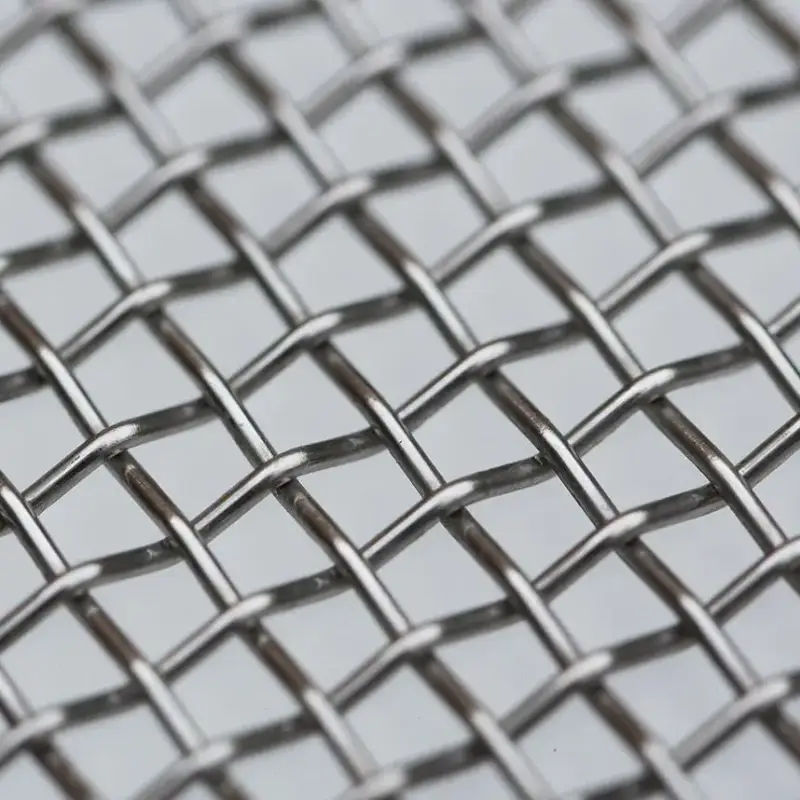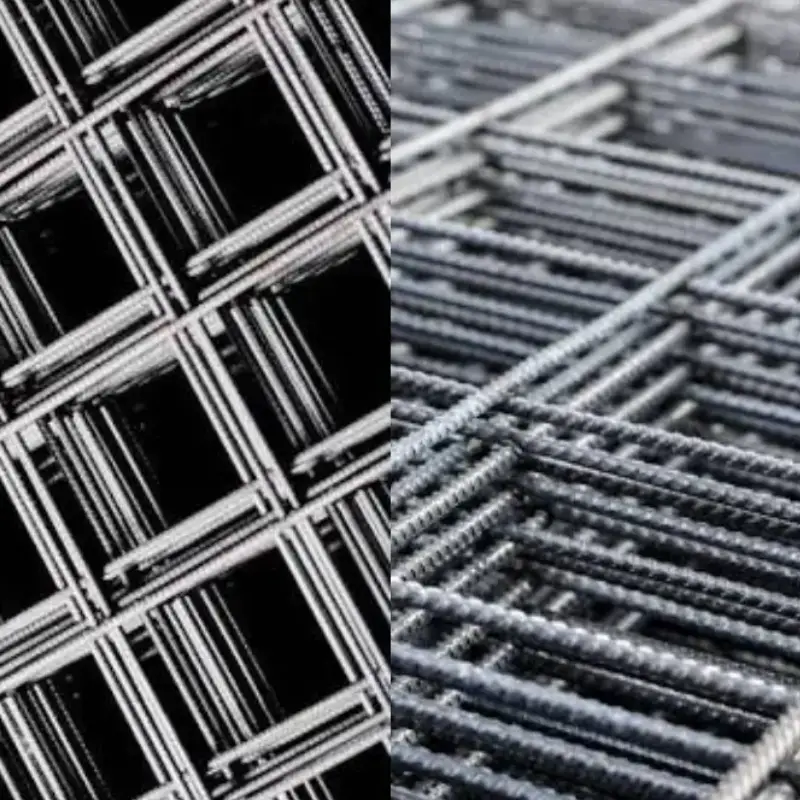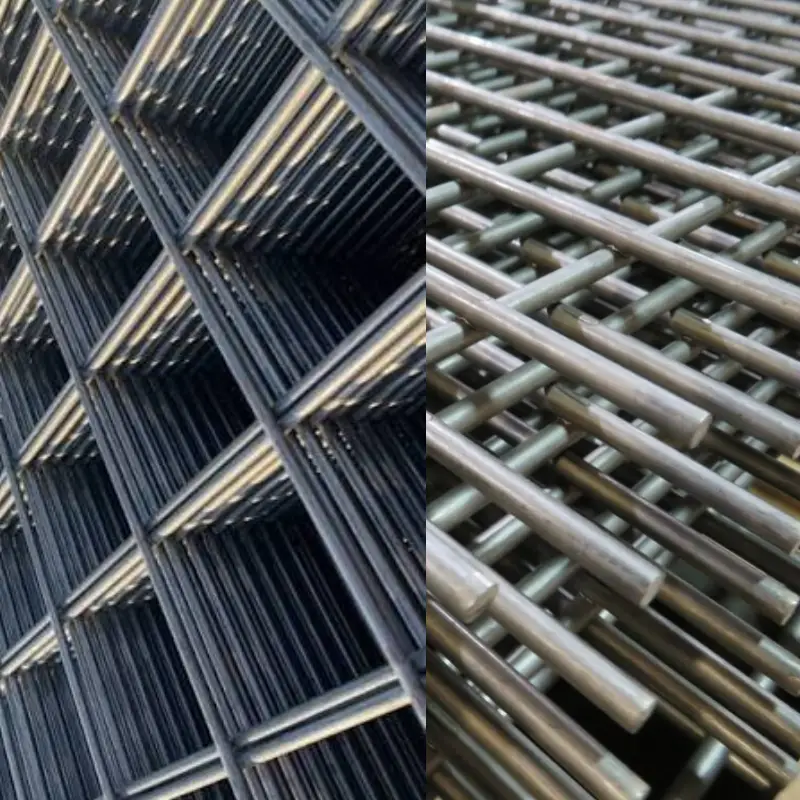
Aluminum and stainless steel wire mesh are popular choices for construction, filtration, screening, ventilation, security, and industrial applications. Although both materials create durable mesh products, they differ in weight, strength, corrosion resistance, appearance, cost, and environmental suitability. Understanding these differences helps buyers select mesh that performs reliably in the intended application.
Aluminum mesh is lightweight, easy to handle, and naturally resistant to many forms of corrosion, making it suitable for low-weight applications. Stainless steel mesh is stronger, more heat-resistant, and better suited to demanding environments. This guide compares their essential characteristics, uses, benefits, and limitations to support a confident purchasing decision.
What is Aluminum Wire Mesh?
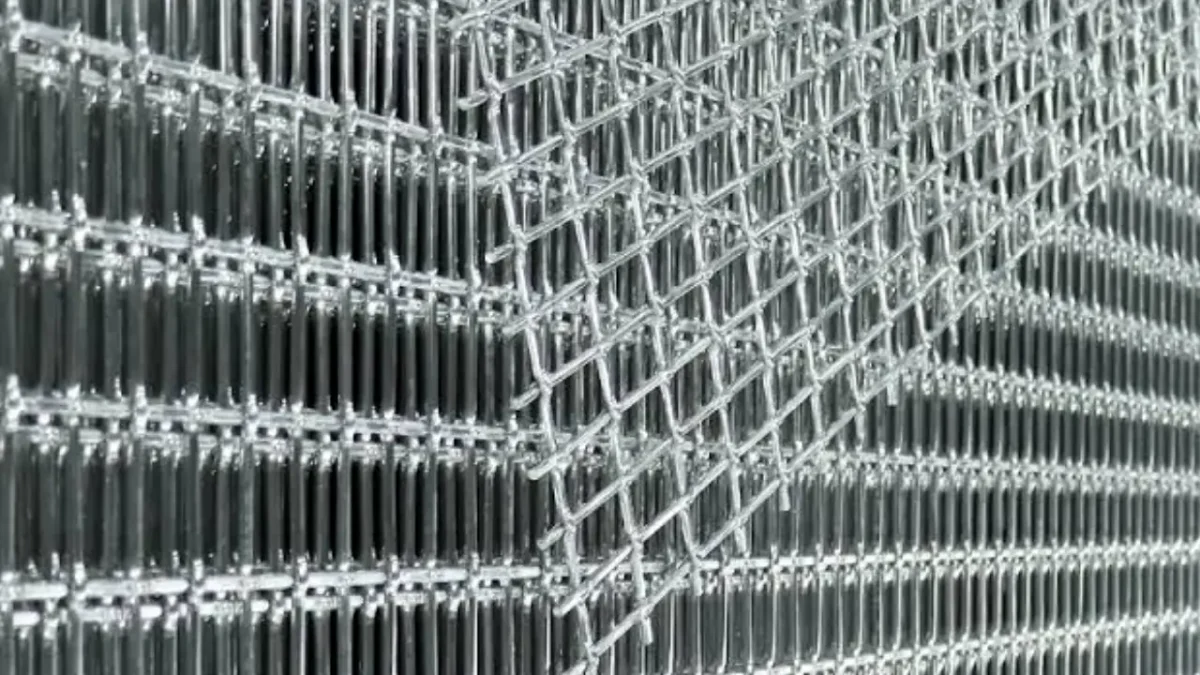
Aluminum wire mesh is a lightweight metal screen made by weaving aluminum wires into uniform openings. It is commonly used for insect screens, ventilation, filtration, architectural panels, equipment guards, and light-duty industrial applications. Aluminum naturally forms an oxide layer that helps resist atmospheric corrosion, although it is not suitable for all chemical environments.
- Lightweight construction: Aluminum wire mesh weighs significantly less than comparable stainless steel mesh, making it easier to transport, handle, cut, and install. Its low weight is particularly useful for large panels, mobile equipment, window screens, and aerospace-related applications.
- Corrosion resistance: A natural aluminum oxide layer helps protect the mesh against normal atmospheric moisture and oxidation. This makes it suitable for many indoor and outdoor applications, though strong alkaline solutions and certain acids can cause rapid corrosion.
- Easy fabrication: Aluminum is relatively soft and malleable, allowing installers to cut, bend, shape, and form the mesh into custom components. This flexibility supports practical use in vents, covers, screens, decorative panels, guards, and specialized fabrication projects.
- Cost-effective material: Aluminum mesh is often less expensive than stainless steel while still offering useful durability and corrosion resistance. It can be a practical choice where low weight, moderate environmental resistance, and budget-conscious sourcing matter more than maximum structural strength.
- Good conductivity: Aluminum conducts electricity and heat effectively, making its mesh useful for certain electrical, thermal, and equipment-related applications. The material may support applications where heat transfer, electrical performance, weight reduction, or airflow are important design considerations.
- Clear appearance and visibility: Bright aluminum mesh offers a clean metallic appearance while allowing airflow, natural light, and visibility through its openings. These qualities make it well suited to insect screens, ventilation covers, display features, architectural accents, and lightweight protective barriers.
- Customizable openings: Aluminum wire mesh can be woven with fine or large openings and different wire diameters. This flexibility enables product specifications for insect exclusion, airflow, filtering, screening, decorative design, equipment protection, and other light-duty performance requirements.
What is Stainless Steel Wire Mesh?
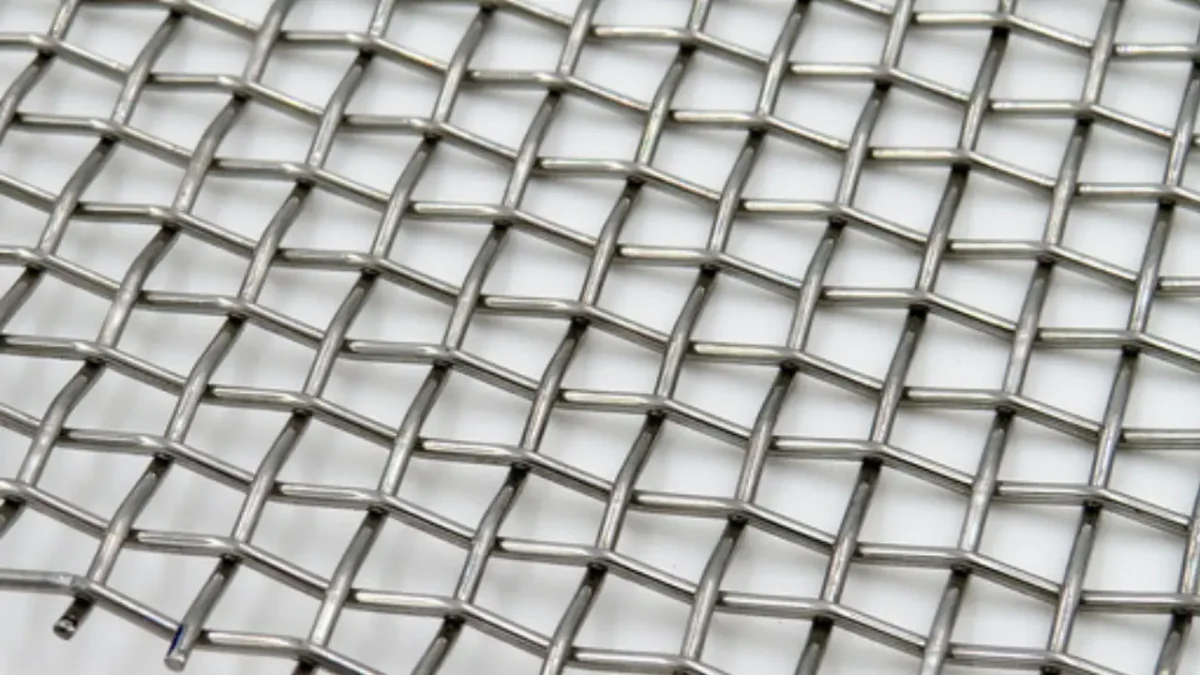
Stainless steel wire mesh is a durable grid made by weaving or welding stainless steel wires into uniform openings. It is widely used for filtration, screening, guards, fencing, food processing, chemical handling, and architectural applications. Its chromium content helps form a protective surface layer, giving the mesh strong resistance to rust, heat, and many chemicals.
- Corrosion resistance: Stainless steel wire mesh resists rust, moisture, oxidation, and many chemical exposures better than ordinary steel. It performs reliably in outdoor, marine, food-processing, chemical, and sanitary environments where untreated metal could deteriorate quickly.
- High strength: The material offers excellent tensile strength and rigidity, helping it withstand impact, pulling forces, abrasion, and repeated use. This makes it suitable for security screens, industrial guards, heavy-duty filters, cages, and protective barriers.
- Heat resistance: Stainless steel mesh can handle elevated temperatures without losing its shape or degrading quickly. This property supports use in high-temperature filtration, industrial processing, heating equipment, exhaust systems, and applications exposed to thermal cycling.
- Precise filtration: Woven stainless steel mesh can be manufactured with consistent wire diameters and opening sizes. Uniform apertures support accurate screening, sifting, separation, and filtration for powders, liquids, gases, chemicals, pharmaceuticals, and food ingredients.
- Long service life: Its durability, corrosion resistance, and low-maintenance requirements help stainless steel mesh remain functional for years. Although its initial cost may be higher, reduced replacement needs can make it a cost-effective long-term material choice.
- Hygienic surface: Stainless steel is easy to clean and suitable for applications where cleanliness matters. Its smooth, nonporous metal surface supports use in food production, beverage processing, pharmaceutical equipment, laboratory screens, and sanitary industrial environments.
- Versatile construction: Stainless steel mesh is available in woven and welded forms, with various grades, wire diameters, opening sizes, and finishes. This allows buyers to tailor the material for fine filtration, rigid fencing, ventilation, architectural panels, or safety barriers.
Aluminum vs Stainless Steel Wire Mesh
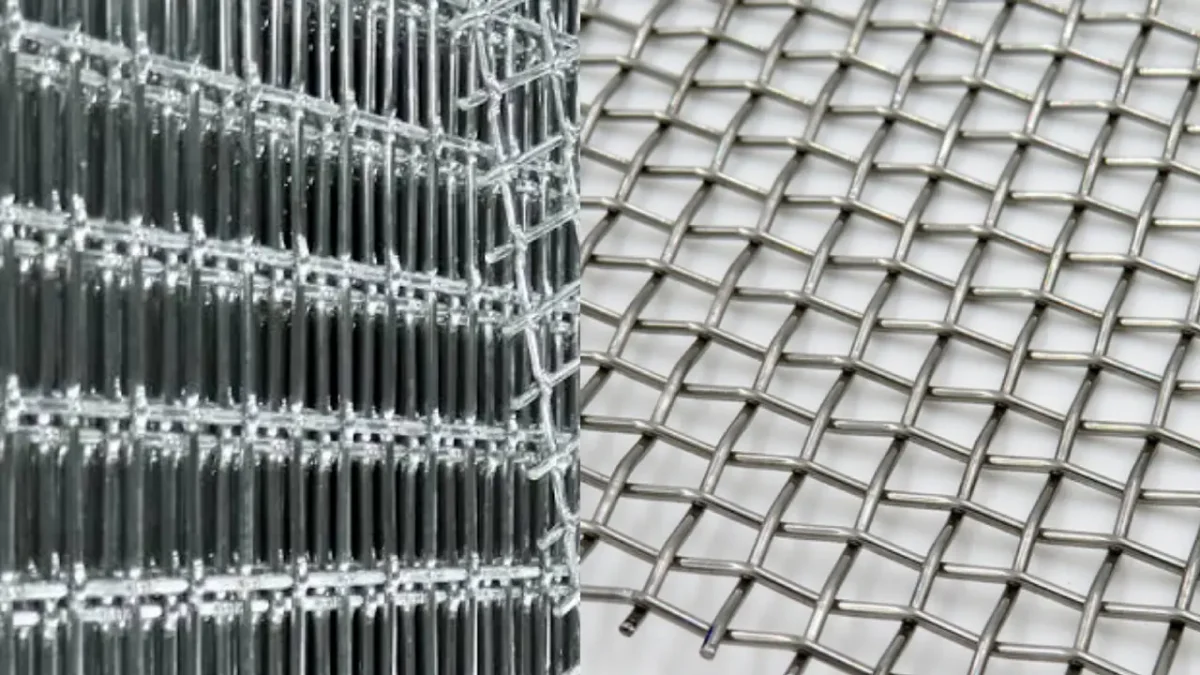
Aluminum and stainless steel wire mesh are both versatile materials, but they suit different environments and performance needs. Aluminum is valued for low weight, easy handling, and moderate corrosion resistance. Stainless steel is typically selected where higher strength, heat resistance, sanitation, and long-term durability are more important.
Weight
Aluminum wire mesh is substantially lighter than stainless steel mesh. Its lower weight makes it easier to transport, cut, shape, and install, particularly for large ventilation panels, insect screens, decorative features, and lightweight equipment covers.
Stainless steel mesh is heavier, which can increase handling effort and support requirements. However, that additional weight usually corresponds with greater rigidity and strength, making it more appropriate for demanding industrial, security, and heavy-duty screening applications.
Strength
Aluminum is relatively soft compared with stainless steel. It performs well in light-duty applications but may bend or deform more easily when exposed to impact, abrasion, heavy loads, or repeated stress.
Stainless steel provides higher tensile strength and better resistance to physical damage. It is commonly used for machine guards, security barriers, industrial filtration, reinforced screens, and other uses where mesh must maintain its shape under challenging operating conditions.
Corrosion Resistance
Aluminum naturally develops an oxide layer that helps protect it from normal atmospheric corrosion. It is a good choice for many indoor settings and moderately exposed outdoor applications where weight reduction is a priority.
Stainless steel offers stronger corrosion resistance in wet, humid, coastal, chemical, and sanitary environments. Grade selection matters: for example, 316 stainless steel generally offers better corrosion resistance than 304 stainless steel in chloride-rich conditions.
Heat Resistance
Aluminum has useful thermal conductivity but loses strength more quickly at elevated temperatures. It may not be the preferred material for high-heat industrial processes, exhaust applications, or equipment exposed to sustained thermal cycling.
Stainless steel retains its structural performance better under high temperatures. This makes stainless mesh more suitable for hot-air filtration, furnace-related equipment, industrial processing, exhaust systems, and applications where heat exposure is continuous or frequent.
Cost
Aluminum wire mesh is often a practical option for projects that need a lightweight, corrosion-resistant material without the higher upfront cost of stainless steel. It can be cost-effective for screens, ventilation, and decorative applications.
Stainless steel mesh generally costs more because of its alloy composition, strength, and durability. Yet its resistance to rust, heat, and wear can reduce maintenance and replacement costs, potentially delivering better long-term value in demanding environments.
Fabrication
Aluminum is easier to cut, bend, and form because it is softer and more malleable. This can simplify custom fabrication for lightweight panels, insect screens, covers, and architectural elements.
Stainless steel is harder and more durable, so fabrication can require stronger tools and more effort. In exchange, it provides a robust finished product that is less likely to bend, dent, or lose alignment during service.
Common Applications
Aluminum mesh is commonly used for window and insect screens, air vents, soffit panels, lightweight guards, decorative screens, and applications where airflow and low weight are essential.
Stainless steel mesh is widely used in filtration, food processing, chemical processing, security screens, laboratory equipment, mining, marine settings, and industrial safety guards where performance requirements are more rigorous.
Here are some differences between alminum wire mesh and stainless steel wire mesh:
| Aspect | Aluminum Wire Mesh | Stainless Steel Wire Mesh |
|---|---|---|
| Weight | Lightweight and easy to handle | Heavier but more rigid |
| Strength | Suitable for light-duty uses | Better for high-impact and heavy-duty uses |
| Corrosion resistance | Good in normal atmospheric conditions | Excellent in wet, coastal, chemical, and sanitary environments |
| Heat resistance | Less suitable for sustained high heat | Performs better in elevated-temperature settings |
| Cost | Often lower initial cost | Usually higher initial cost, potentially better lifecycle value |
| Fabrication | Easier to cut, bend, and shape | Requires more robust fabrication tools |
| Best uses | Screens, vents, decorative panels, lightweight guards | Filtration, industrial guards, food processing, security, marine uses |
How to Choose Aluminum and Stainless Steel Wire Mesh?
Choosing between aluminum and stainless steel wire mesh depends on your environment, performance needs, budget, and installation requirements. Aluminum is ideal for lightweight, easy-to-form applications, while stainless steel is better for demanding conditions involving high loads, heat, moisture, chemicals, or strict hygiene standards.
- Define the application: Start by identifying whether the mesh is for screening, ventilation, filtration, guarding, fencing, decoration, or containment. The intended purpose determines the necessary opening size, wire diameter, construction type, material grade, strength, and long-term performance expectations.
- Consider weight requirements: Choose aluminum mesh when minimizing weight is important for portable equipment, window screens, architectural panels, or overhead installations. Stainless steel is heavier but offers greater rigidity, making it better suited for strong guards, barriers, industrial filters, and heavy-duty uses.
- Assess strength needs: Select stainless steel when the mesh must resist impact, pulling forces, abrasion, heavy loads, or repeated use. Aluminum performs well in light-duty applications but is softer and may deform more easily under demanding mechanical conditions.
- Review the environment: Stainless steel is generally preferable for wet, coastal, chemical, food-processing, and high-temperature environments. Aluminum resists normal atmospheric corrosion and works well in dry or moderately exposed locations, but certain acids, alkalis, and salt-rich conditions can affect performance.
- Choose the mesh opening: Select the opening size according to what must pass through or be blocked. Fine openings support filtration and insect screening, while larger openings improve airflow, visibility, drainage, and material flow in guards, vents, or fencing.
- Check wire diameter: Choose a thicker wire when the application needs more rigidity, strength, and resistance to damage. Select thinner wire for lighter, more flexible mesh or precision screening, while remembering that wire thickness also reduces open area.
- Select the mesh construction: Choose woven mesh for flexible materials and precise filtering or screening openings. Choose welded mesh when you need a rigid grid for fencing, guards, cages, concrete reinforcement, or structural panels that must maintain their shape.
- Evaluate fabrication needs: Aluminum is easier to cut, bend, and form into custom shapes, helping simplify lightweight fabrication. Stainless steel requires more robust tools and labor, but it delivers greater durability when the completed mesh will face frequent use or impact.
- Consider hygiene requirements: Select stainless steel for food, beverage, pharmaceutical, laboratory, or sanitary processing applications because it is durable, cleanable, and available in grades designed for corrosion resistance. Aluminum may suit non-sanitary ventilation, screening, or decorative uses.
- Compare lifecycle cost: Aluminum may offer a lower-cost, lightweight solution for non-demanding applications. Stainless steel often costs more initially, but its strength, corrosion resistance, and extended service life can reduce maintenance and replacement expenses over time.
Conclusion
Aluminum wire mesh is a practical option when low weight, easy fabrication, and moderate corrosion resistance are primary priorities. It works well for insect screens, ventilation panels, decorative applications, lightweight enclosures, and projects where frequent handling or reduced structural weight matters. However, it may not provide the strength required for heavy-duty industrial or high-impact conditions.
Stainless steel wire mesh offers greater strength, durability, heat resistance, and corrosion performance in demanding settings. It is commonly selected for filtration, food processing, chemical exposure, security screens, marine environments, and industrial equipment. While it may cost more and weigh more than aluminum, its longer service life can provide better value for challenging applications.
For dependable materials and competitive bulk pricing, get wholesale wire mesh from Apscreens. We offer wire mesh in aluminum, stainless steel, galvanized steel, and other material options, with various mesh counts, opening sizes, wire diameters, and roll dimensions. Contact Apscreens to discuss your specifications and find the right wholesale mesh solution.