Expanded metal and wire mesh are widely used materials for screening, security, reinforcement, ventilation, and architectural applications. Although both create openings that allow airflow, light, and visibility, they are produced differently and deliver distinct levels of strength, flexibility, weight, and surface coverage. Understanding their differences helps buyers make informed material decisions.
Expanded metal is formed by cutting and stretching a solid metal sheet, producing diamond-shaped openings without creating waste from removed material. Wire mesh is made by weaving or welding individual wires into a grid. Comparing their manufacturing processes, materials, performance, and applications reveals which option best fits each project requirement.
What is Expanded Metal?

Expanded metal is a sheet or plate material made by simultaneously slitting and stretching solid metal to create interconnected openings, usually in a diamond pattern. Because it remains one continuous piece, expanded metal offers a rigid, lightweight structure with no loose wires or welds. It is widely used for security, walkways, screens, guards, ventilation, and architectural applications.
Benefits of Expanded Metal
- High strength-to-weight ratio: The slitting and stretching process creates a rigid, continuous structure that resists stress and deformation. Expanded metal can support substantial loads while weighing less than a solid sheet of comparable size, helping reduce handling and installation demands.
- Minimal material waste: Expanded metal is produced by transforming the original sheet rather than punching out and discarding sections. This efficient process generates little to no scrap, expands a small quantity of metal into larger coverage, and can make production more cost-effective.
- One-piece construction: Unlike woven or welded mesh, expanded metal is formed from a single sheet with uninterrupted strands. It cannot unravel at wire intersections, providing stable performance for guards, fencing, security screens, grating, and other applications requiring structural integrity.
- Airflow and visibility: Its open pattern enables air, light, sound, heat, and liquids to pass through while retaining a protective metal barrier. This makes expanded metal useful for ventilation panels, machinery guards, façade cladding, partitions, drainage surfaces, and screening systems.
- Versatile material options: Expanded metal can be produced from steel, stainless steel, aluminum, copper, and other ductile metals. Material choice allows users to prioritize corrosion resistance, weight, appearance, electrical conductivity, durability, or cost according to the installation environment.
- Easy fabrication and maintenance: Expanded metal can be cut, sheared, bent, formed, framed, or finished to match project requirements. Protective finishes such as galvanizing, powder coating, or paint can further improve weather resistance, appearance, and long-term maintenance performance.
What is Wire Mesh?
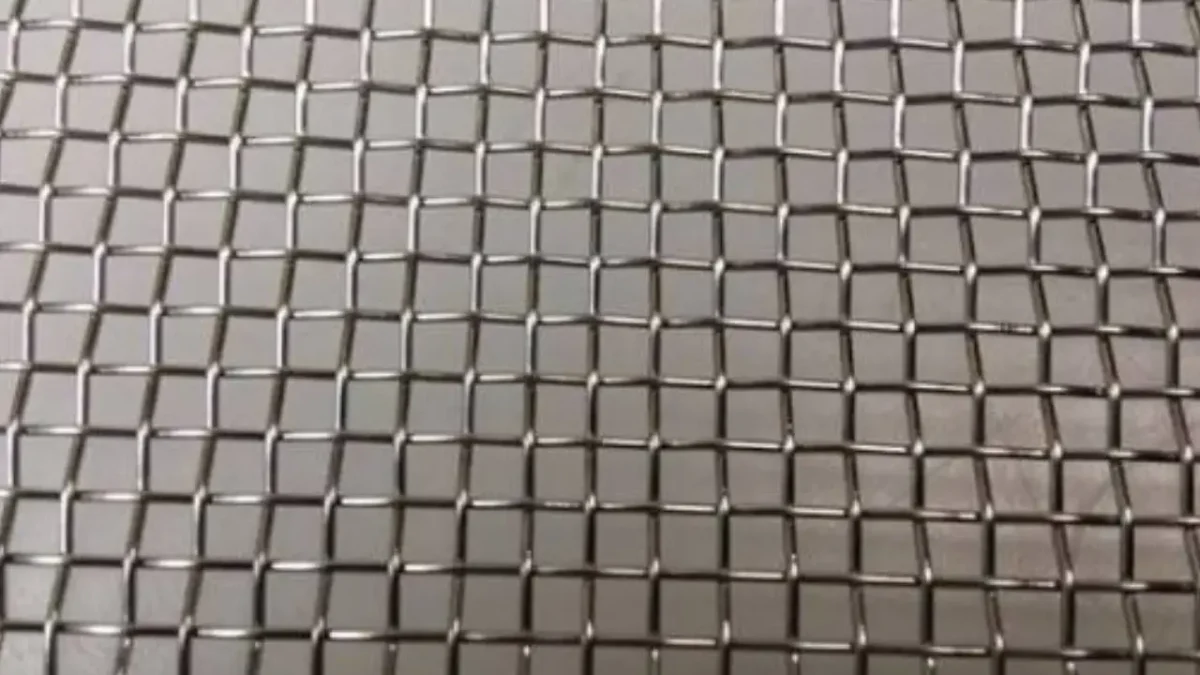
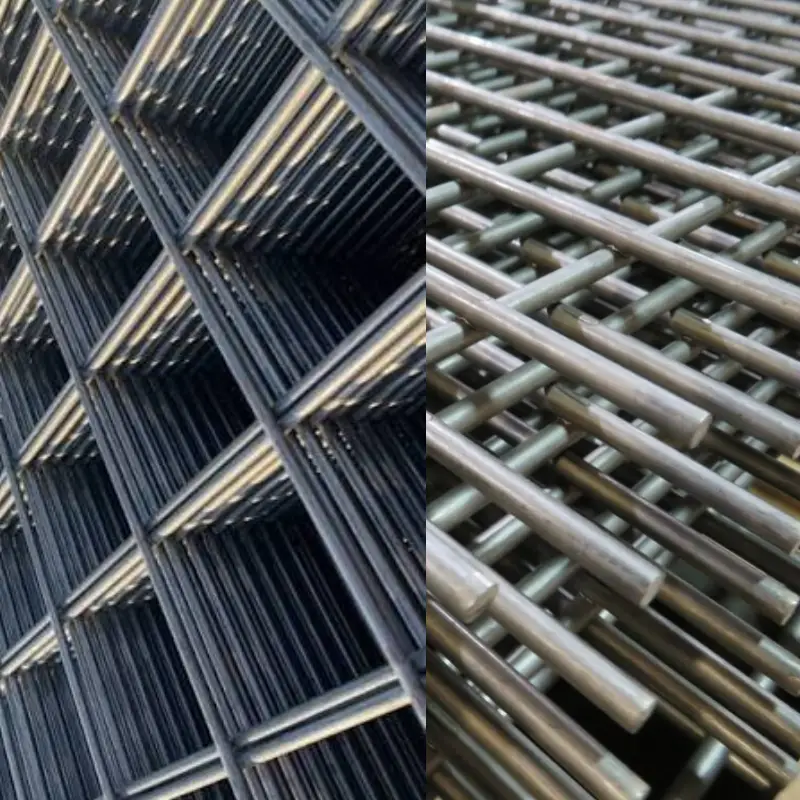
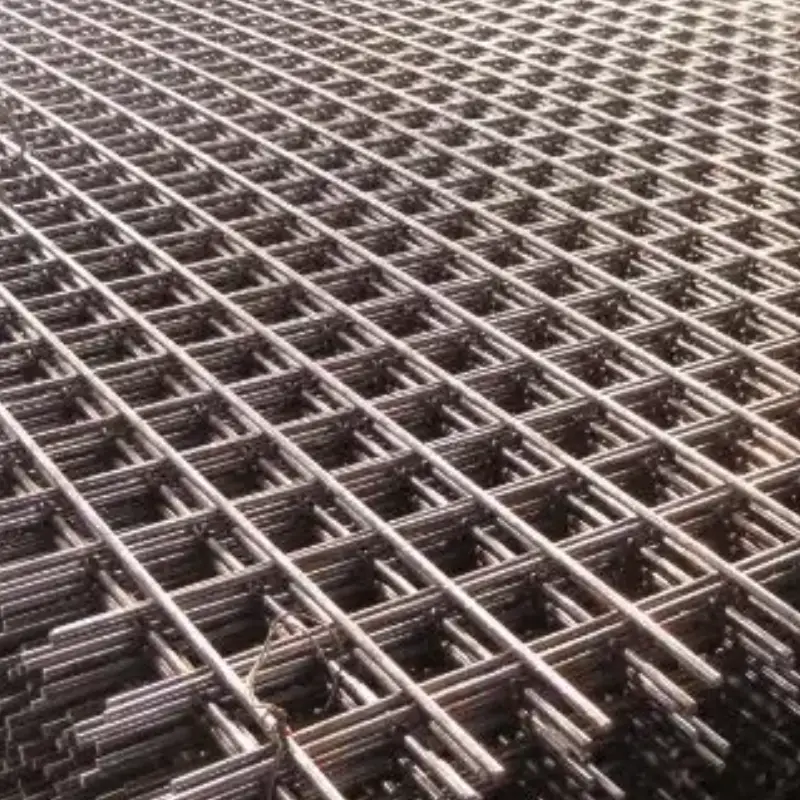
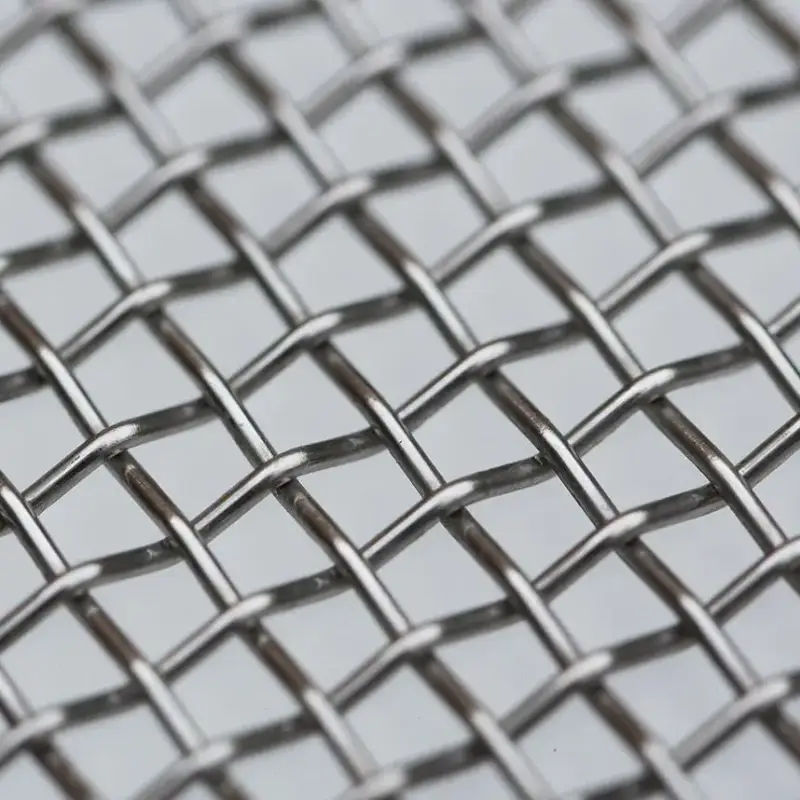
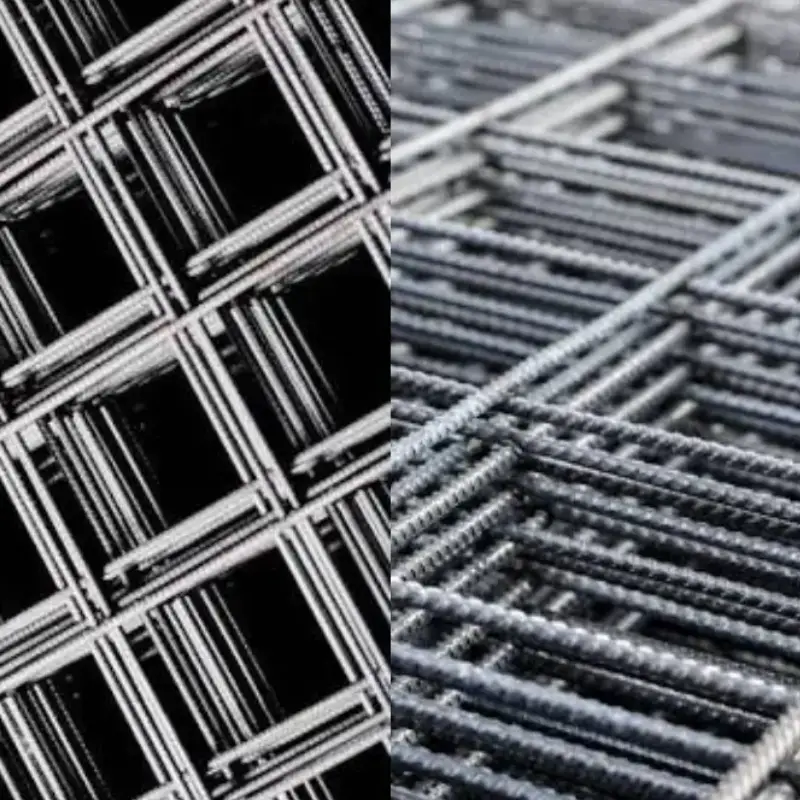
Wire mesh is a versatile grid material created by weaving or welding metal wires together at regular intervals. It is available in many opening sizes, wire gauges, metals, and patterns to meet different requirements. Common materials include galvanized steel, stainless steel, aluminum, brass, and copper, supporting uses in filtration, fencing, guarding, screening, reinforcement, and ventilation.
Benefits of Wire Mesh
- Wide application versatility: Wire mesh serves residential, commercial, agricultural, and industrial projects. Fine woven mesh can filter or separate particles, while heavier welded mesh supports fencing, animal enclosures, concrete reinforcement, security barriers, storage cages, machinery guards, and ventilation screens.
- Strength and stability: Welded wire mesh uses fused intersections to create a rigid, shape-retaining grid. This construction improves load-bearing capability and dimensional stability, making it effective for demanding applications such as security fencing, concrete reinforcement, partitions, machine guards, and protective enclosures.
- Flexibility and precision: Woven wire mesh uses interlaced wires that provide flexibility while forming controlled, uniform openings. This balance makes woven mesh especially appropriate for screening, sieving, filtration, airflow control, vibration-prone equipment, and applications requiring accurate particle separation.
- Airflow and visibility: The open design permits air, light, heat, and visibility to pass through while maintaining a durable physical boundary. This benefit is valuable for window screens, ventilation systems, safety guards, fencing, equipment partitions, and enclosed areas that need easy visual monitoring.
- Material and finish options: Wire mesh can be selected in different metals and protective finishes to suit project conditions. Galvanized coatings support outdoor corrosion resistance, stainless steel performs well in demanding environments, and aluminum provides a lightweight alternative for selected screening or architectural applications.
- Easy fabrication and installation: Depending on the product type, wire mesh can be cut, bent, formed, framed, fastened, or welded to meet custom dimensions. This adaptability simplifies the creation of tailored screens, guards, cages, panels, partitions, and protective barriers for varied installations.
Expanded Metal vs Wire Mesh
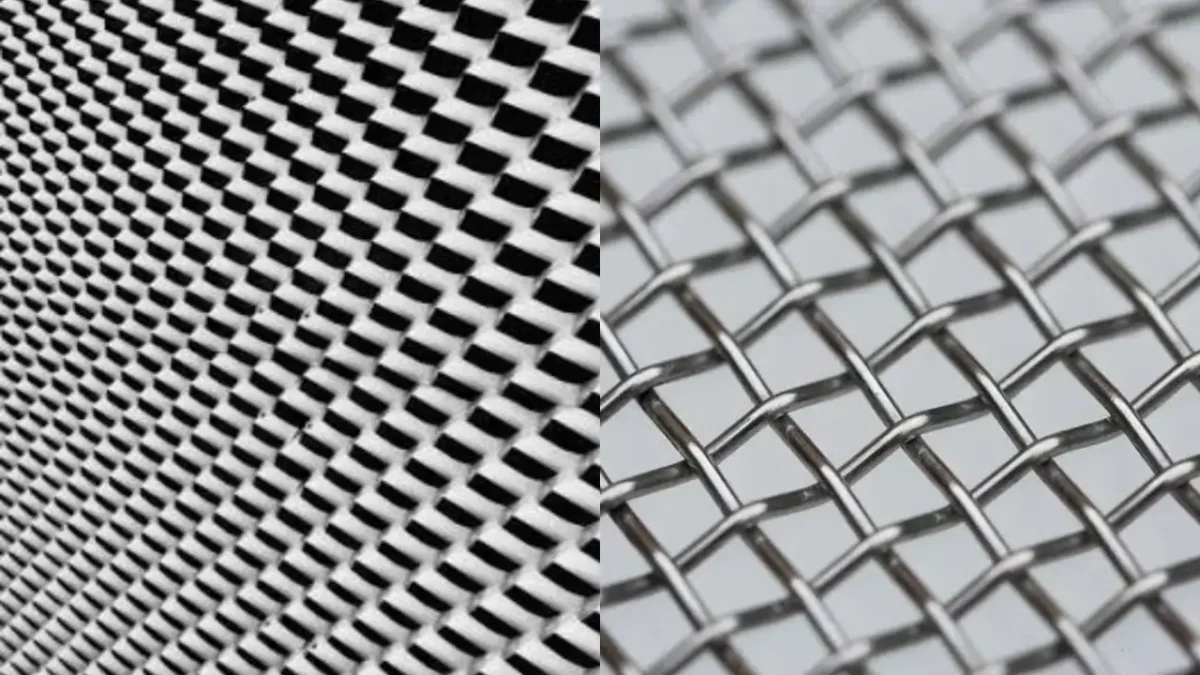
Expanded metal and wire mesh both provide open metal surfaces for airflow, screening, protection, and separation, but their construction creates meaningful performance differences. Expanded metal is slit and stretched from a solid sheet, while wire mesh is woven or welded from individual wires. The right choice depends on strength, aperture precision, flexibility, appearance, installation, and budget.
Manufacturing Process
Expanded metal begins as a solid metal sheet or coil. A machine simultaneously slits and stretches the material, opening the cuts into interconnected diamond- or hexagon-shaped spaces. The finished sheet remains one continuous piece, without separate wires, welds, or joined connections.
Wire mesh is made from individual metal wires rather than a continuous sheet. Woven mesh interlaces wires in an over-and-under pattern, while welded mesh fuses crossing wires at their intersections. These different methods enable wire mesh to be produced in numerous grid patterns and specifications.
Structure and Strength
Expanded metal’s uninterrupted strands distribute force across the sheet and eliminate weld points that could fail. This construction generally creates a rigid, durable material suitable for security panels, machine guards, grating, stair treads, platforms, and high-impact industrial applications.
Wire mesh strength varies according to wire diameter, aperture size, material grade, and fabrication method. Welded wire mesh provides stable, rigid panels, whereas woven mesh is more flexible. It can perform well for barriers and guards, but lighter products are not substitutes for heavy-duty expanded metal.
Opening Pattern and Precision
Expanded metal typically features diamond-shaped openings, although other patterns can be manufactured. Its openings are defined by strand width and stretching dimensions, providing effective airflow, visibility, drainage, and grip. However, it is less suitable where highly precise particle-separation apertures are required.
Wire mesh offers broader control over opening size, shape, and spacing. Fine woven mesh can be manufactured with small, consistent apertures for sieving, particle separation, filtration, and insect screening. Larger welded openings are useful for fencing, cages, storage partitions, and general protective barriers.
Flexibility and Fabrication
Expanded metal is inherently rigid, particularly in thicker sheet gauges. Its firm one-piece structure makes it well suited to flat security panels and load-bearing surfaces, but it may require more effort, suitable equipment, and careful edge finishing when cutting or shaping on site.
Wire mesh is generally easier to cut, roll, bend, and fit around frames, corners, and uneven surfaces. Woven mesh offers the greatest flexibility, while welded mesh retains a straighter grid. This adaptability supports quick fabrication of custom enclosures, screens, baskets, and partitions.
Weight, Open Area, and Airflow
Both products permit airflow, light transmission, drainage, and visibility because they contain open spaces. Expanded metal can provide reliable ventilation while maintaining a robust surface. Raised expanded metal also creates texture that can improve traction for walkways, ramps, and industrial flooring.
Wire mesh can offer a very open, lightweight surface, especially when manufactured with fine wires and larger apertures. Its open area makes it useful where visibility, ventilation, washing, drying, or drainage matters, such as screens, baskets, equipment enclosures, and ventilation guards.
Materials and Corrosion Resistance
Expanded metal is available in materials such as carbon steel, galvanized steel, stainless steel, aluminum, and copper. The metal selection and surface finish should reflect the installation setting, including exposure to rain, humidity, chemicals, salt, abrasion, or intensive outdoor use.
Wire mesh is also available in many metals and finishes, including stainless steel, galvanized steel, aluminum, brass, and copper. Stainless steel is often selected for corrosion-prone or hygienic environments, while galvanized wire mesh is a practical choice for many general outdoor applications.
Typical Applications
Expanded metal is commonly chosen when rigidity, security, impact resistance, or traction is important. Its uses include walkways, safety guards, equipment cages, security fencing, ramps, façade systems, decorative panels, catwalks, and protective screens in commercial and industrial environments.
Wire mesh is more appropriate when a project needs controlled openings, lower weight, flexibility, or fine screening. Common uses include filters, sieves, insect screens, garden fencing, animal enclosures, concrete reinforcement, ventilation panels, storage baskets, and machine partitions.
| Aspect | Expanded Metal | Wire Mesh |
|---|---|---|
| Manufacturing method | A solid sheet is slit and stretched into openings | Separate wires are woven or welded together |
| Basic structure | One continuous piece with interconnected strands | Individual wires joined by weaving or welding |
| Opening pattern | Usually diamond-shaped or hexagonal | Commonly square or rectangular; many patterns available |
| Strength and rigidity | Generally high due to continuous construction | Varies by gauge, material, and whether it is woven or welded |
| Weld failure risk | None, because it has no welded joints | Present in welded mesh; woven mesh can fray at cut edges |
| Aperture precision | Suitable for screening and ventilation, but less precise for fine separation | Excellent selection of precise fine and large opening sizes |
| Flexibility | Usually more rigid and less forgiving during installation | Woven mesh is flexible; welded mesh provides moderate rigidity |
| Surface grip | Raised patterns can improve traction for walkways and ramps | Usually smooth and less slip-resistant unless specially designed |
| Weight and open area | Strong with useful open area; weight depends on sheet thickness and pattern | Often lighter, especially with fine wires and large openings |
| Best applications | Security, platforms, guards, ramps, flooring, and architectural panels | Filtration, fencing, screening, cages, ventilation, and reinforcement |
How to Choose Expanded Metal and Wire Mesh?
Choosing between expanded metal and wire mesh requires more than comparing appearance. Start by defining the required protection, airflow, opening size, strength, material, and installation conditions.
Expanded metal is generally preferred for rigid, continuous surfaces and impact resistance, while wire mesh offers more precise apertures, flexibility, and product variations for screening, filtering, fencing, and containment.
Selection Factors
- Define the project purpose: Choose expanded metal for walkways, machine guards, security panels, ramps, and surfaces requiring rigidity or grip. Choose wire mesh for filtration, insect screening, fencing, particle separation, ventilation, baskets, and flexible enclosures that need controlled openings.
- Evaluate load and impact requirements: Select thicker expanded-metal sheet and wider strands where the material must withstand impacts, foot traffic, or physical contact. For wire mesh, use a heavier wire diameter and welded construction when a barrier, enclosure, or fence needs greater strength.
- Choose the correct opening dimensions: For expanded metal, specify short way of diamond and long way of diamond, plus the actual short-way and long-way openings. For wire mesh, specify clear aperture or mesh count, ensuring openings suit airflow, visibility, containment, or particle size.
- Balance open area and protection: Larger openings improve airflow, drainage, visibility, and light transmission but reduce material coverage and barrier protection. Smaller openings provide stronger screening and prevent smaller objects from passing, although they can limit ventilation and increase material weight or cost.
- Select the material for the environment: Carbon steel offers strength and economy for protected environments. Galvanized steel suits many outdoor uses, stainless steel performs well around moisture and chemicals, and aluminum provides corrosion resistance with lower weight for architectural or ventilation applications.
- Check corrosion protection and finish: Consider galvanizing, powder coating, paint, or stainless-steel construction when the product will face rain, humidity, chemicals, salt exposure, or frequent washdown. A suitable finish improves service life, reduces maintenance, and helps preserve appearance in exposed installations.
- Determine flexibility and fabrication needs: Use wire mesh when the material must be rolled, bent, cut around corners, or shaped into custom enclosures. Select expanded metal when a firm sheet-like panel is desired; note that thicker expanded products require more robust cutting and framing equipment.
- Specify expanded-metal measurements accurately: Avoid ordering only by a nominal diamond size. Confirm SWD, LWD, clear opening dimensions, strand width, strand thickness, sheet size, orientation, and whether raised or flattened expanded metal is needed for the intended installation.
- Confirm wire-mesh construction and specifications: For wire mesh, verify whether the product is woven or welded, then confirm wire diameter, aperture, mesh count where applicable, panel or roll dimensions, and edge treatment. These specifications influence rigidity, strength, opening accuracy, and installation efficiency.
Conclusion
Expanded metal and wire mesh offer dependable solutions for projects requiring protection, separation, support, or airflow. Expanded metal generally provides a rigid, continuous surface with diamond-shaped openings and strong resistance to impact. Wire mesh offers greater variety in wire diameter, aperture size, weaving style, and material choice, supporting diverse industrial and residential applications.
The correct selection depends on the intended use, required load capacity, opening dimensions, appearance, corrosion resistance, and installation conditions. Expanded metal is often selected for walkways, security screens, platforms, and guards, while wire mesh can be more suitable for filtration, fine screening, fencing, ventilation, and flexible enclosure projects.
For consistent quality, competitive pricing, and project-specific options, get wholesale wire mesh from Apscreens. A reliable supplier can help you evaluate mesh size, wire gauge, material grade, coating, and roll dimensions before ordering. Choosing the right product helps improve safety, durability, efficiency, and long-term value across commercial, industrial, agricultural, and residential installations.