Pleated and flat screen mesh are two common types of mesh products used in filtration, ventilation, and industrial applications. Although both are designed to allow air or liquids to pass through while capturing unwanted particles, they differ in structure, surface area, filtration performance, and installation requirements. Understanding these differences helps you make better choices.
In this guide, we will compare pleated vs. flat screen mesh by examining their designs, filtration efficiency, airflow, durability, maintenance, and common applications. Whether you need mesh for industrial filtration or ventilation systems, learning how each type performs will help you select the right option for your specific requirements.
What is Pleated Screen Mesh?

Pleated screen mesh is a type of filtration material designed with multiple folded or corrugated layers arranged in a repeating pattern. Unlike flat mesh, its pleated structure increases the available filtration surface area without requiring additional installation space. It is commonly used in air filtration, liquid filtration, ventilation systems, and industrial processing applications.
Pleated screen mesh can be manufactured using stainless steel, aluminum, synthetic fibers, and other materials, depending on the intended application. Its folded design helps improve filtration capacity, maintain airflow, and capture particles more effectively. Different pleat depths, mesh openings, and material specifications are available to meet various filtration requirements.
Benefits of Pleated Screen Mesh
- – Larger Filtration Surface Area: The folded structure provides more filtration area within the same installation space. This design allows pleated screen mesh to capture more particles while maintaining a relatively compact size, making it suitable for space-limited filtration systems.
- – Improved Filtration Capacity: Pleated mesh offers an expanded filtering surface that helps distribute incoming air or liquid across multiple sections. This structure can improve particle retention and support consistent filtration performance in demanding industrial applications.
- – Better Airflow Performance: The increased surface area can help reduce airflow resistance when the filter is properly designed. This allows air to pass through more evenly while supporting effective particle capture in ventilation and air filtration systems.
- – Space-Saving Design: Pleated screen mesh provides a larger filtration surface without requiring a significantly larger filter frame. Its compact structure makes it useful for equipment where installation space is limited but sufficient filtration capacity is still necessary.
- – Extended Service Life: Depending on the material and operating conditions, pleated mesh can maintain stable filtration performance over extended periods. Proper cleaning and maintenance help reduce premature damage and support reliable operation in suitable filtration environments.
What is Flat Screen Mesh?

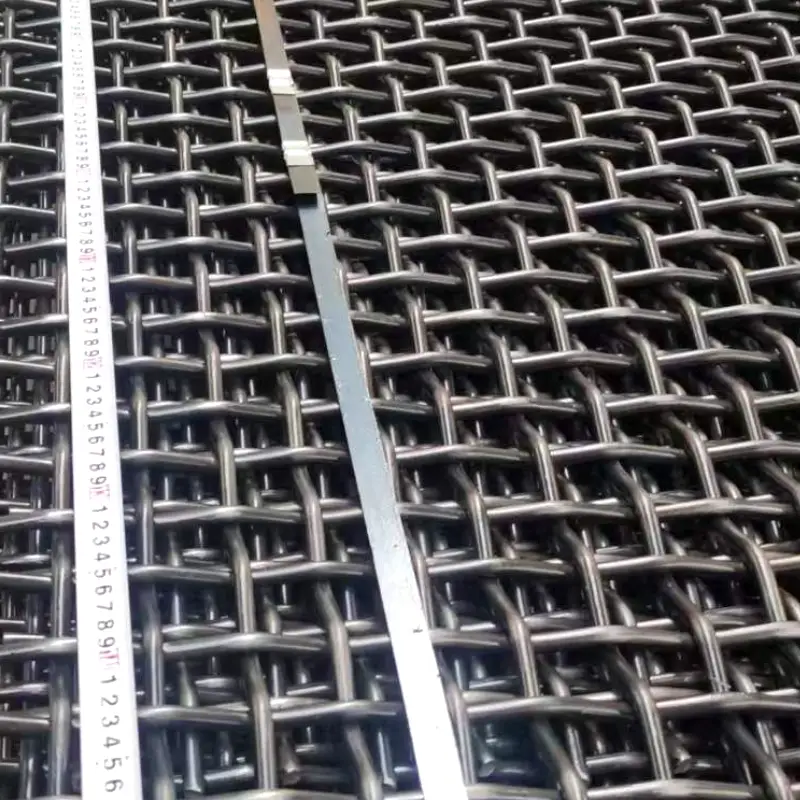
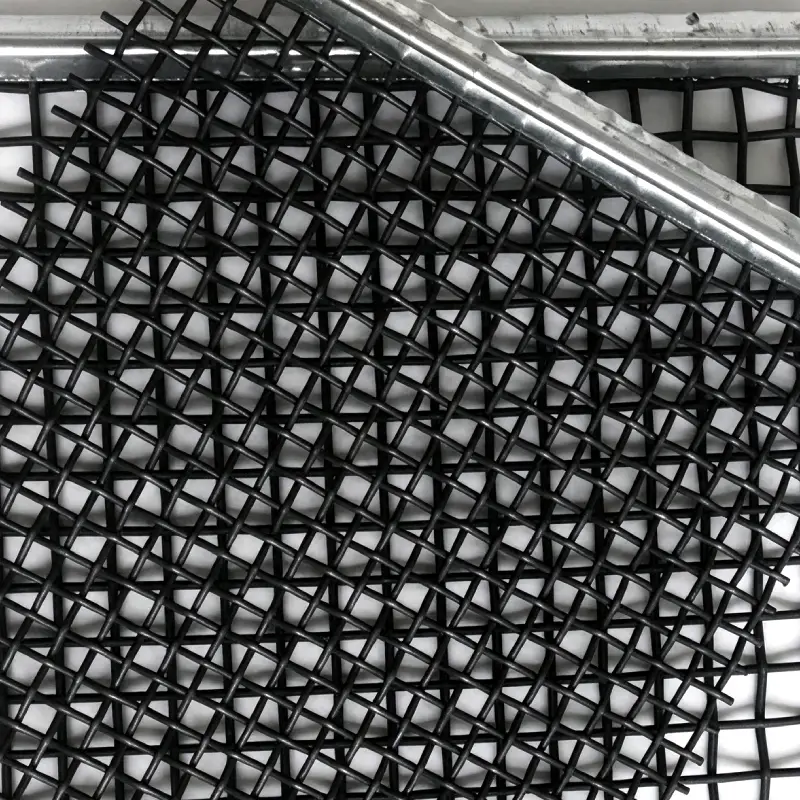
Flat screen mesh is a type of screening and filtration material with a flat, uniform surface made from woven, welded, or interlocked wires. Unlike pleated screen mesh, it does not have folded layers or corrugated structures. Its simple design makes it widely used in industrial screening, filtration, ventilation, and protective applications.
Flat screen mesh is commonly manufactured from stainless steel, aluminum, galvanized steel, and other materials. It comes in different mesh openings, wire diameters, and sheet sizes to meet various requirements. Depending on its material and construction, flat mesh provides reliable screening, separation, ventilation, and protection across different industries.
Benefits of Flat Screen Mesh
- – Simple and Practical Structure: Flat screen mesh features a straightforward design without additional folds or layers. Its uniform surface makes it easy to measure, cut, handle, and install, making it a practical choice for many screening and filtration projects.
- – Easy Installation: The flat structure allows the mesh to fit easily into frames, panels, and existing equipment. It can be cut into different dimensions and secured using common installation methods, reducing preparation time and installation complexity.
- – Easy Cleaning and Maintenance: Flat screen mesh has an accessible surface that makes removing accumulated dust, debris, and other contaminants relatively simple. Depending on the material and application, it can be brushed, washed, or cleaned using suitable equipment.
- – Cost-Effective Solution: Flat screen mesh generally has a simpler manufacturing structure than pleated mesh. This can make it an economical option for general screening, filtration, and protective applications where a larger filtration surface is not necessary.
- – Durability and Structural Stability: Depending on the selected material and manufacturing process, flat screen mesh can provide good mechanical strength and resistance to wear. Stainless steel and galvanized options are particularly useful in demanding environments requiring reliable long-term performance.
Pleated vs Flat Screen Mesh

Pleated and flat screen mesh are widely used in filtration, screening, and ventilation systems. Although both types help separate particles and control airflow or liquid flow, their structures and performance characteristics are different. Pleated mesh features folded layers, while flat mesh has a simple, uniform surface.
Choosing between them depends on several factors, including filtration capacity, airflow, installation space, maintenance, durability, and cost. Below, we compare these two mesh types across six important aspects to help you understand their differences and select the right option for your application.
1. Structure and Design
Pleated screen mesh features a folded or corrugated structure that creates multiple layers across its surface. These folds increase the available filtration area without significantly increasing the overall dimensions. The pleat depth, spacing, and shape can vary depending on the filter design and application requirements.
Flat screen mesh has a simple, even structure without folds or additional layers. It is typically manufactured through weaving or welding metal wires into a uniform pattern. Its straightforward construction makes it easy to handle, cut, and install in different frames and screening equipment.
2. Filtration Surface Area
Pleated screen mesh provides a larger filtration surface area within a relatively compact space. Its folded design allows more filtering material to fit inside the same filter housing. This can increase particle-holding capacity and support longer operating intervals under suitable filtration conditions.
Flat screen mesh has a limited filtration surface because its material remains in a single flat plane. To increase the available filtering area, manufacturers generally need to use larger mesh sheets or additional filter panels. It is suitable for applications where a basic screening surface meets the required filtration needs.
3. Airflow and Filtration Efficiency
Pleated screen mesh can support higher airflow capacity when its expanded surface area is properly designed. Air or liquid can pass through multiple sections of the filter, helping distribute the incoming flow. However, actual filtration efficiency depends on mesh openings, material, pleat spacing, and operating conditions.
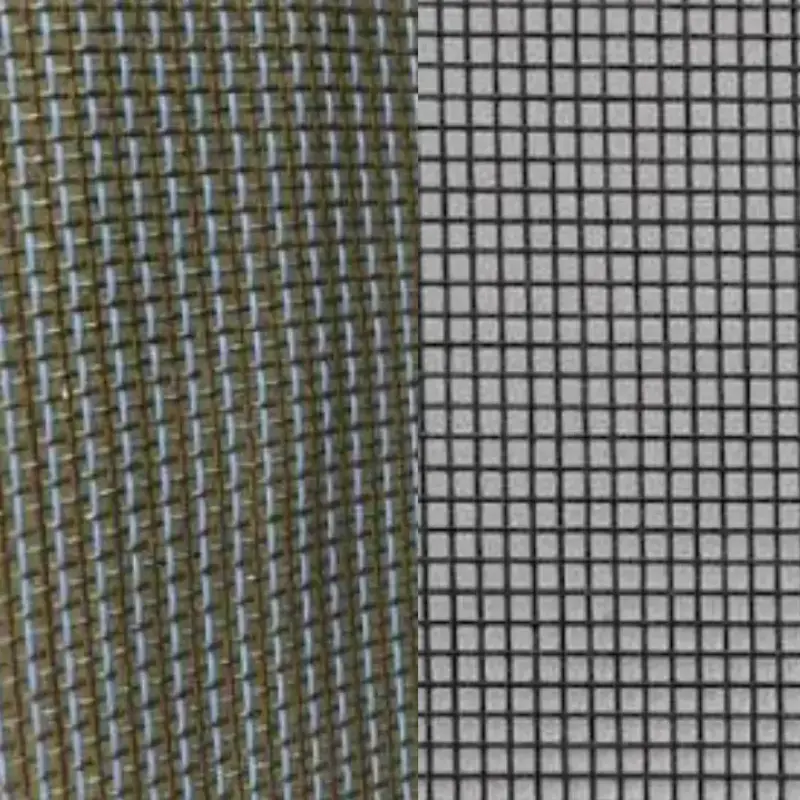
Flat screen mesh allows air or liquid to pass directly through its uniform openings. Its performance depends mainly on the wire diameter, mesh count, and opening size. For basic filtration and ventilation applications, flat mesh offers a straightforward solution with predictable flow characteristics.
4. Installation and Space Requirements
Pleated screen mesh is designed to provide greater filtration area within a compact installation space. This makes it useful for filtration equipment with limited housing dimensions. However, its folded structure may require specially designed frames or supporting components to maintain the correct pleat spacing during operation.
Flat screen mesh is generally easier to install because of its simple construction. It can be trimmed to the required dimensions and secured inside standard frames or panels. Its flat design also makes storage, transportation, and replacement relatively convenient for many industrial and commercial applications.
5. Cleaning and Maintenance
Pleated screen mesh may require more attention during cleaning because dust, particles, and contaminants can accumulate between the folds. Depending on the pleat depth and material, specialized cleaning methods may be necessary to reach the entire filtration surface without damaging the structure.
Flat screen mesh is generally easier to clean because its surface is more accessible. Dust and debris can be removed using brushing, washing, or suitable cleaning equipment. This simple maintenance process makes flat mesh a practical option for applications requiring frequent inspection and cleaning.
6. Durability and Service Life
Pleated screen mesh can provide reliable performance when manufactured from suitable materials and maintained properly. However, the folded sections may be more vulnerable to deformation if exposed to excessive pressure, improper handling, or unsuitable operating conditions. Its service life depends on material quality and filter design.
Flat screen mesh offers a relatively simple structure with fewer formed sections that could become deformed. Stainless steel and galvanized steel options can provide good resistance to wear and corrosion in suitable environments. With proper material selection and maintenance, flat mesh can deliver dependable long-term performance.
7. Cost and Manufacturing
Pleated screen mesh generally involves additional manufacturing processes to create and maintain its folded structure. Depending on the material, pleat design, and production requirements, it may have higher manufacturing costs. However, its larger filtration area can provide operational advantages in applications requiring compact, high-capacity filtration.
Flat screen mesh is generally simpler to manufacture because it does not require additional pleating processes. Its straightforward construction can make it a more economical option for general screening and filtration projects. Material selection, wire diameter, mesh opening, and order quantity also influence the final price.
Here is the chart showing you the differences between pleated screen mesh and flat ones:
| Comparison Aspect | Pleated Screen Mesh | Flat Screen Mesh |
|---|---|---|
| Structure | Folded or corrugated | Flat and uniform |
| Surface Area | Larger filtration area | Standard surface area |
| Filtration Capacity | Often higher holding capacity | Suitable for basic screening |
| Airflow | Can support higher flow capacity when properly designed | Depends on mesh openings and dimensions |
| Installation | May require specialized frames | Generally easier to install |
| Maintenance | Folds may require careful cleaning | Generally easier to clean |
| Durability | Depends on pleat design and material | Depends on wire material and construction |
| Manufacturing Cost | Often higher due to additional processing | Generally more economical |
| Applications | Industrial filters, HVAC, liquid filtration | Window screens, ventilation, fencing, industrial screening |
Retractable Pleated Screen vs Flat Screen Mesh
Retractable pleated screens and flat screen mesh are two popular solutions for window and door protection. Both help keep insects out while allowing fresh air and natural light to enter. However, they differ in construction, appearance, installation, durability, and operation. Understanding these differences can help you choose the right screen for your specific application.
1. Structure and Design
Retractable Pleated Screen: Features a folded, accordion-style mesh that expands and contracts when opening or closing. Its pleated structure creates a distinctive appearance and allows the screen to fold neatly into a compact storage position when not in use.
Flat Screen Mesh: Uses a flat, evenly woven mesh without folds or pleats. It is typically installed within a fixed or removable frame, providing a simple and clean appearance. Its straightforward construction makes it suitable for traditional windows and various door applications.
2. Opening and Closing Mechanism
Retractable Pleated Screen: Operates through a sliding or retractable mechanism, allowing users to pull the screen across an opening and retract it when unnecessary. This flexible operation makes it particularly convenient for frequently used doorways and large window openings.
Flat Screen Mesh: Usually remains fixed in its frame, although some versions can be removed or opened using hinged or sliding mechanisms. Its operation depends on the frame design, making it a practical choice for applications that do not require frequent screen movement.
3. Appearance and Aesthetics
Retractable Pleated Screen: Its accordion-style folds create a modern and distinctive appearance. When retracted, the mesh occupies minimal space and can be concealed along the frame. It works especially well with contemporary architectural designs and large glass doors.
Flat Screen Mesh: Provides a smooth, uniform surface that blends easily with different window styles. Its simple appearance makes it suitable for residential, commercial, and industrial buildings where a traditional, unobtrusive insect-screen solution is preferred.
4. Installation Requirements
Retractable Pleated Screen: Requires a compatible frame, sliding tracks, and retractable components to ensure smooth operation. Installation may involve more precise measurements and alignment, particularly for large openings or customized door systems.
Flat Screen Mesh: Generally offers simpler installation because it can be fitted into standard frames using clips, spline, or other fastening methods. Its straightforward structure makes replacement and maintenance easier for many standard window applications.
5. Durability and Maintenance
Retractable Pleated Screen: Its durability depends on mesh quality, pleat construction, and the performance of its sliding mechanism. Regular cleaning of the tracks and gentle operation help prevent dust accumulation, excessive friction, and premature wear.
Flat Screen Mesh: Typically requires less mechanical maintenance because it has no retractable components. Cleaning the mesh regularly and checking the frame and fastening system can help maintain its appearance and functionality over extended periods.
6. Space Efficiency
Retractable Pleated Screen: Offers excellent space efficiency because the mesh folds into a compact stack when retracted. This design keeps doorways and window openings unobstructed when the screen is not needed, making it ideal for areas with changing ventilation requirements.
Flat Screen Mesh: Occupies the entire framed opening even when not in use. Although its slim construction does not require additional operating space, it cannot be completely concealed unless designed with a removable or retractable frame.
7. Cost and Application
Retractable Pleated Screen: Generally involves a higher initial investment due to its specialized mesh construction and operating mechanism. It is particularly suitable for balcony doors, patio doors, sliding doors, and other large openings where flexibility and appearance are important.
Flat Screen Mesh: Usually provides a more economical solution because of its simpler construction and installation requirements. It is widely used in standard residential windows, commercial buildings, and other applications requiring reliable insect protection without additional operating mechanisms.
| Comparison Aspect | Retractable Pleated Screen | Flat Screen Mesh |
|---|---|---|
| Structure | Accordion-style folds | Flat woven mesh |
| Operation | Retractable or sliding | Usually fixed |
| Appearance | Modern, distinctive | Simple, traditional |
| Installation | More complex | Relatively simple |
| Maintenance | Requires track maintenance | Easy to maintain |
| Space Efficiency | Folds away when unused | Remains in the frame |
| Flexibility | High | Depends on frame design |
| Initial Cost | Generally higher | Generally lower |
| Best Application | Patio and sliding doors | Standard windows and doors |
Conclusion
Pleated and flat screen mesh serve similar purposes, but their structural differences make them suitable for different applications. Pleated mesh offers a larger filtration surface area within a compact space, while flat mesh provides a simple, straightforward structure that is generally easier to install, clean, and maintain.
When choosing between these two mesh types, consider your filtration requirements, available installation space, airflow needs, operating environment, and maintenance budget. Pleated mesh may be suitable for applications requiring greater filtration capacity, while flat mesh is often a practical choice for general screening, protection, and basic filtration purposes.
At Apscreens, we understand that different industrial applications require different mesh specifications. We offer a range of mesh screen products with various materials, opening sizes, and configurations to meet your project requirements. Whether you need pleated or flat mesh solutions, contact Apscreens today to get wholesale mesh screens directly from our team.