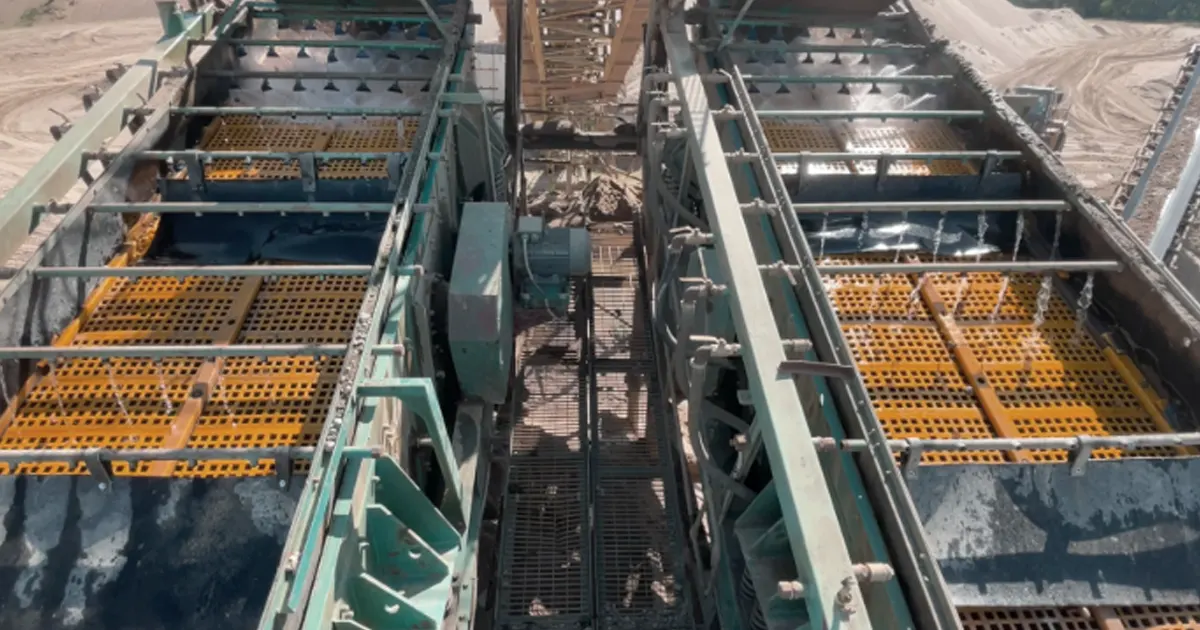
Aggregate screen parts help things run well. Deck, media, and hardware are these parts. If you know how each part works, you can make things better. You can also stop problems before they happen. When you pick and take care of aggregate screen parts, you save money. Your plant stays efficient. Breakdowns cost money. You pay for repairs, lost production, overtime, and your plant’s reputation can get hurt. You can make material separation better. You can cut waste and work faster by using the right aggregate screen parts. Optimization starts when you know your equipment.
Key Takeaways
- Knowing the three main parts of aggregate screens helps plants work better.
- Taking care of screen parts often stops expensive problems and makes equipment last longer.
- Picking the right screen size and type for your material helps separate things and cuts down on waste.
- Using self-cleaning screens stops blockages and keeps aggregates moving, especially when materials are wet.
- Mixing different screen media types on decks makes performance better and solves special screening problems.
- Checking and cleaning screens often is important to find damage and stop issues.
- Buying strong materials for screens and hardware saves money on fixes and keeps things running longer.
- Installing screens the right way and making them tight helps screening work well and lowers the chance of losing material.
Complete Guide to Aggregate Screen Parts
What Are Aggregate Screen Parts?
When you look at rock screening equipment, you see three main parts. These are the deck, the media, and the hardware. The deck is the frame that holds everything together. The media separates the aggregates by size. The hardware includes bolts, clamps, and fasteners. These keep the screen secure. Each part is important in the screening process. If you want your plant to work well, you need to know how these parts fit together.
Key Functions in Aggregate Processing
Aggregate processing equipment sorts and separates aggregates. The screening process helps you get the right size material. You might need fine sands for mortar. You might need bigger stones for roads. The screen lets you control what size material goes through. Using the right vibrating screen helps you work faster and waste less. The deck supports the media. This keeps it flat and tight. The hardware keeps everything in place. It works even when the screens shake hard. Keeping your screens in good shape helps you get better separation. It also means less downtime.
Tip: If you see uneven wear or loose panels, check your hardware first. Tight hardware helps your screen work better and last longer.
Overview of Aggregate Processing Equipment
You see many types of aggregate processing equipment in a plant. Each one has a job in crushing and screening. Here are the most common types you’ll find:
- Crushers (cone, jaw, impact, gyratory)
- Screens (vibrating screen, trommel screen, grizzly screen)
- Conveyors (belt, screw, bucket elevators)
- Loaders and excavators
The vibrating screen is the heart of most screening equipment. You use it to separate aggregates by size. Trommel screens work well for wet or sticky materials. Grizzly screens help remove large rocks before screening. Portable rock screening equipment lets you move your operation where you need it.
You pick your screen size based on the materials you want to make. Here’s a quick guide to standard screen sizes and their uses:
| Screen Size | Application |
|---|---|
| Under 2mm | Fine sands and small aggregates for mortar mixes and plaster. |
| 10mm | Concrete mixes and road construction. |
| 20mm | Concrete mixes and road construction. |
| 40mm | Foundations and drainage layers. |
| 60mm | Foundations and drainage layers. |
| 75mm | Foundations and drainage layers. |
When you match the right screen, deck, and hardware to your equipment, you get better efficiency and longer life from your rock screening equipment. You also make your aggregate processing more reliable and cost-effective.
Types of Aggregate Screens and Their Roles
Vibrating Screens in Aggregate Plants
Vibrating screens are used a lot in aggregate plants. These machines shake to sort aggregates by size. When you put material on the screen, it moves and jumps because of the vibration. Small pieces fall through the holes. Big pieces stay on top. This helps you get the right size for your aggregates.
You can use vibrating screens with wet or dry materials. They work in quarries, sand plants, and with crushed stone. The shaking makes small pieces go to the bottom and pass through the screen. This makes screening better and helps you get the product you want.
Tip: For better separation, set your vibrating screen to the right amplitude and frequency.
Here is a table that shows how vibrating screens are different from other types:
| Screen Type | Motion | Best for | Typical Use |
|---|---|---|---|
| Vibrating Screen | Vibration | Most aggregate, fine & coarse | Quarries, sand, crushed stone |
| Grizzly Screen | Static bars | Primary rock sorting | Before primary crusher |
| Trommel Screen | Rotating drum | Sticky, wet, large lumps | Soil, wood waste |
Grizzly Screens for Scalping
Grizzly screens are important at the start of processing. You use them to take out big rocks and trash before the crusher. These screens have strong bars. Small pieces go through, but big ones do not. This keeps your machines safe and your plant working well.
When you use a grizzly screen, you stop big rocks from hurting your crushers. You also help your plant work faster because only the right size goes forward. This step keeps your line moving and stops slowdowns.
Note: Grizzly screens are like a bouncer. They let only the right-sized aggregates go to the next step.
Mesh Screens and Sizing Applications
Mesh screens help you get the right size in aggregate processing. These screens use wire or plates with holes to sort by size. You pick the mesh size for the product you need. The right mesh lets you move more material and have less downtime.
Mesh screens work best when the hole size and shape match your aggregates. If you pick the right screen, you get better sorting and less wear. Mesh screens are needed to make sure your aggregates are good for concrete, road base, or drainage.
- Mesh screens:
- Sort aggregates by size.
- Work better with the right hole size.
- Last longer if you pick the right material.
When you use the right mesh, your screens work better and last longer. Always look at your mesh for damage and change it if you see problems.
Screening Stages in Aggregate Processing
You might wonder how aggregates go from big rocks to the perfect size for your project. The answer is in the screening stages of aggregate processing. Each stage uses a different screen to sort, clean, and prepare the material. When you understand these stages, you can make sure your plant runs smoothly and your aggregates meet every standard.
Let’s walk through the main screening stages you’ll see in most aggregate processing plants:
- Scalping
This is the first step. You use a heavy-duty screen, like a grizzly, to remove oversized rocks, clay, and debris. Scalping protects your crushers and keeps the rest of the process running without jams. It also helps you get rid of unwanted material early. - Primary Screening
After crushing, you send the material over a primary screen. This stage separates the larger aggregates from the smaller ones. The big pieces go back for more crushing. The right screen here helps you control the size of your final product. - Secondary Screening
Now, you use a finer screen to sort the material again. This step makes sure you get the exact size you want for your aggregates. You can use different types of screens, like vibrating or mesh screens, depending on your needs. - Final Screening and Washing
In this stage, you use a screen to remove dust, clay, and other fine particles. Sometimes, you add water to wash the aggregates. Clean aggregates are safer for construction and meet strict industry standards.
Here’s why each screening stage matters:
- Screening sorts materials by size, so you get consistent quality.
- You get clean aggregates, free from dust or clay, which makes them safer for building.
- The process helps you meet industry standards, so your aggregates are easier to sell.
- Efficient screening keeps your project on schedule and avoids costly rework.
Tip: If you notice too much dust or oversized pieces in your final product, check your screens at each stage. A worn or clogged screen can cause big problems down the line.
When you use the right screen at every stage of aggregate processing, you get better results. Your aggregates will be the right size, clean, and ready for any job. Good screening also means less waste and more profit for your plant.
Deck System in Aggregate Screen Parts
The deck is the backbone of your screen. It holds everything together and makes sure your screening works as it should. If you want your aggregate plant to run smoothly, you need to know how the deck system works and how it affects your aggregates.
Deck Structure and Components
The deck has several important parts. Each one plays a role in how well your screen separates aggregates during aggregate processing.
Rails and Crossmembers
Rails run along the sides of the deck. They give support and keep the screen media in place. Crossmembers go across the deck. They hold up the media and help spread the load. If you keep your rails and crossmembers in good shape, your screen will last longer and work better.
Tip: Check your crossmembers for cracks or bends. Damaged crossmembers can cause uneven screening and shorten the life of your aggregates.
Crown and Support Spacing
The crown is a raised curve in the middle of the deck. It helps keep the screen media tight and flat. Good crown support means your aggregates move smoothly across the screen. If the crown is too low or worn out, you might see loose panels or poor screening.
Support spacing is the distance between crossmembers. If the spacing is too wide, the media can sag. This leads to poor screening and faster wear. If you follow the manufacturer’s guidelines for crown and support spacing, you get better results and longer media life.
Deck Types: Tensioned vs Modular
You can choose from different deck types for your aggregate processing needs. Each type has its own strengths.
Tensioned Decks
Tensioned decks use wire or synthetic media stretched tight across the frame. You lock the media in place with side clamps or hooks. Tensioned decks are great for quick changes and work well with many types of aggregates. They give you good screening accuracy and are easy to maintain.
Modular Decks
Modular decks use panels made from rubber or polyurethane. You snap or bolt these panels onto the deck. Modular decks are tough and handle heavy loads. They work well for wet or sticky aggregates. You can replace just one panel if it wears out, which saves time and money.
Note: Modular decks are a smart choice if you want less downtime and easy repairs.
You might also see other deck types in aggregate processing, like inclined screens, horizontal screens, and multi-slope screens. Inclined screens are simple and cost-effective. Horizontal screens give you more accuracy. Multi-slope screens help stratify your aggregates for better screening.
Deck Condition and Screening Efficiency
The condition of your deck has a big impact on screening efficiency and media life. If your deck is in good shape, you get better separation and less downtime.
Media Life Impact
A well-maintained deck helps your screen media last longer. If you keep the crown and support spacing correct, your aggregates move evenly across the screen. This means less wear and fewer tears. If you use non-metallic materials like rubber or polyurethane for your deck, you get better vibration and longer media life. Longer decks give your aggregates more time to separate, but too much length can slow things down. Wider decks let you process more aggregates at once.
Here’s a table to show how different factors affect your screening efficiency and media life:
| Factor | Influence on Screening Efficiency and Media Life |
|---|---|
| Size of Screen Mesh | Larger mesh size boosts screening and production. |
| Opening Rate of Screen Deck | Higher opening rate lets more material through, raising production. |
| Material of Screen Deck | Rubber and polyurethane improve vibration and efficiency over metal decks. |
| Length of Screen Deck | Longer decks give more time for separation, but too much length can lower efficiency. |
| Width of Screen Deck | Wider decks increase the area, so you can process more aggregates. |
Common Deck Issues
You might run into some common problems with your deck during aggregate processing. Here are a few and how you can fix them:
- Wear and Tear on Deck Parts
Check your deck often. Use high-wear-resistant materials if you see a lot of damage. This keeps your screen running and your aggregates in good shape. - Uneven Particle Size Distribution
If your aggregates are not the right size, adjust your screen mesh or feeding rate. Make sure your deck is level and your crossmembers are not damaged. - Dust and Blockages
Dust can build up and block your screen. Use water sprays or dust filters. Clean your deck often to keep aggregates moving. - Moisture and Material Blockages
Wet aggregates can stick to the deck. Try pre-drying your material or use vibratory feeders to keep things moving. - Vibration and Noise
Too much vibration or noise can mean your deck is not supported well. Add vibration dampeners or check your foundation.
Alert: Always inspect your crown bars and crossmembers. Small problems can turn into big breakdowns if you ignore them.
If you keep your deck in top shape, you get better screening, longer media life, and more profit from your aggregates. You also cut down on repairs and keep your aggregate plant running strong.
Screening Media Options for Aggregate Processing
Picking the right screen media is very important for your aggregate plant. The right choice helps your plant work better, last longer, and stop less for repairs. Let’s look at the main types you will see in aggregate processing.
Woven Wire Screens
Woven wire screens are a common choice in aggregate processing. You see them a lot because they work for many kinds of aggregates. These screens use steel wire woven into a mesh. You can pick from many hole sizes and wire thicknesses. This lets you match the screen to your material and process.
Scalping vs Sizing
You use woven wire screens for both scalping and sizing. Scalping means taking out big, unwanted pieces before the next step. Woven wire screens do this well, especially with dry, non-sticky aggregates. Sizing means sorting your aggregates into different grades. Woven wire screens have many opening sizes, so you get the size you need.
Here are some pros and cons:
| Advantages of Woven Wire Screens | Disadvantages of Woven Wire Screens |
|---|---|
| Many screen opening choices | Wears out with rough materials |
| Good open area | Weaving can slow material flow |
| Flexible for removing fines | Knuckles may trap material |
| Low cost | Needs tension checks often |
Woven wire screens are best for medium to fine screening. They work best with dry materials. You can get them in carbon steel or stainless steel. This helps you pick what fits your aggregates and budget.
Blinding and Pegging
Blinding and pegging are problems with woven wire screens. Blinding happens when small, wet, or sticky aggregates block the holes. Pegging is when bigger pieces get stuck in the mesh. Both problems slow down your screening and make it less efficient.
You can stop blinding by picking the right wire size and hole size. Keep your screens clean and check them often. If you see pegging, try changing how fast you feed material or use a different screen pattern. Sometimes, using different media types on each deck helps with tough materials.
Tip: If you work with wet or sticky aggregates, check your screens more often. Cleaning them quickly keeps your screening working well.
Polyurethane Screen Panels
Polyurethane screen panels are a newer answer for many aggregate processing problems. These panels use strong, bendy polyurethane. You snap or bolt them onto your deck. Polyurethane panels can handle heavy loads and tough jobs.
Wet and Dry Screening
You can use polyurethane panels for both wet and dry screening. They work well with rough aggregates and can take hard hits. In wet screening, polyurethane does not soak up water and keeps its shape. In dry screening, it stands up to sharp, rough aggregates.
Polyurethane panels are modular. You can change just one panel if it wears out. This saves time and money. They also make less noise and help keep workers safe.
Here are the main benefits:
| Benefit | Description |
|---|---|
| Very durable | Handles heavy loads and tough jobs |
| Resists wearing out | Lasts longer with lots of use |
| Better screening | Less plugging, works better |
| Lower repair costs | Less downtime and fewer fixes |
| Quieter | Makes less noise for workers |
| Custom options | Fits your plant’s special needs |
Some polyurethane screens, like flip flow panels, can cost more and be harder to put in. You need to think about the good points and your budget.
Abrasion and Impact Resistance
Polyurethane panels are great in places that wear out fast. They last longer than woven wire screens. You do not have to change them as much. Polyurethane also takes in shock, so your deck and hardware last longer. This means less downtime and more steady screening for your aggregates.
Note: If you work with rough or high-impact aggregates, polyurethane panels can save you money over time.
Rubber Panels and Perforated Plate
Rubber panels and perforated plates are made for the hardest jobs in aggregate processing. You see them where there is a lot of impact and wear.
Impact Protection
Rubber panels use strong, wear-resistant rubber. They take in shock from heavy aggregates and make less noise. This keeps your screen and workers safe. The soft rubber also helps stop blinding and pegging. You get smoother material flow and better screening.
Perforated plates use punched steel. They can take heavy loads and rough aggregates without bending or breaking. These plates give you strong impact resistance and keep their shape.
- Rubber panels take in shock and make less noise.
- Perforated plates handle heavy, sharp aggregates.
- Both last a long time in tough jobs.
Heavy-Duty Use
You want rubber panels and perforated plates for heavy-duty screening. They last longer with rough, coarse aggregates. You can count on them to work well, even with big or sticky aggregates.
Rubber panels cut downtime because they last longer and need fewer changes. Perforated plates keep their shape and do not break, even in hard jobs.
Here is a quick look at the main screen media types you will see in aggregate processing:
| Feature | Woven Wire Screens | Polyurethane Panels | Rubber Panels |
|---|---|---|---|
| What they are made of | Steel wire for strength | Polyurethane for hardness and bending | Natural or synthetic rubber for toughness |
| Open area | Most open area | A little less because of supports | Like steel, but needs support |
| Screening efficiency | Can blind with wet materials | Strong but can clog with sticky stuff | Bounces back, cleans itself |
| Service life | Short, wears out faster | Medium, easy to replace panels | Long, less downtime |
| Best use | Dry, non-sticky materials | Rough materials | Wet, sticky, or big materials |
Callout: For the best results, use different media types on each deck. Use woven wire for sizing, polyurethane for rough spots, and rubber for places with lots of impact. This gives you the best screening and longest media life for your aggregate plant.
Self-Cleaning Screens
Wet or sticky aggregates can cause problems. Sometimes, material blocks the screen and slows things down. Self-cleaning screens help fix this issue. These screens have special designs that move and bend when the machine shakes. This keeps the holes clear and lets more material go through.
Advantages and Limitations
Self-cleaning screens have many benefits in aggregate processing. You can handle sticky or wet aggregates without worrying about blockages. The screen stays open, so you keep a steady flow and get consistent results. Sorting works better because these screens have lots of open space. This means you recover more material and waste less.
Here’s a table showing the main advantages and limitations:
| Advantages | Limitations |
|---|---|
| Handles wet or sticky materials well | Not clearly listed |
| Stops clogging and keeps output steady | |
| Improves sorting with high open area | |
| Helps recover more material and cut waste |
Self-cleaning screens work best for tough jobs. If you deal with aggregates that have lots of moisture or clay, these screens can help your plant run smoother. You may not see many downsides, but always check if the screen fits your deck and hardware.
Tip: If you see blockages or slowdowns during aggregate processing, try self-cleaning screens. They can save time and help your plant stay efficient.
Media Selection for Aggregate Plant Needs
Picking the right screen media is important for making your plant work better. You need to think about the material you handle, the environment, and any problems you face. Each screen media type has its own strengths. You want to match the media to your aggregates and screening needs.
Think about these points when you pick screen media:
- Look at your aggregates. Are they wet, sticky, or rough?
- Check your plant environment. Is it dusty, noisy, or high-impact?
- Find out what screening problems you have. Do you see early wear or contamination?
- Look at old screen media for broken wires or worn spots.
- Use engineered screen media if you have special challenges.
You can choose from several types of screen media for aggregate processing:
- Woven wire cloth works for many jobs. It may wear faster with rough aggregates.
- Polyurethane lasts longer and handles rough materials well.
- Rubber cuts noise and gives you flexibility in screening.
- Perforated plate helps with special sizing needs.
- Hybrid screens mix features for custom solutions.
When you pick the right screen media, you boost productivity and cut costs. You also make screening more reliable and help your equipment last longer.
Callout: Always check your screen media for signs of wear. If you see broken wires or uneven wear, change the media before it causes downtime.
Screening Media Selection Matrix
This matrix helps you pick the best screen media for your plant. Match your screening needs to the media type and see which one fits your aggregates.
| Media Type | Best For | Screening Challenges Solved | Service Life | Noise Level | Typical Application |
|---|---|---|---|---|---|
| Woven Wire Cloth | Dry, non-sticky aggregates | Sizing, quick changes | Short | Medium | General screening |
| Polyurethane | Rough, high-impact aggregates | Wet or dry screening, durability | Long | Low | Heavy-duty aggregate processing |
| Rubber | Wet, sticky aggregates | Noise reduction, impact | Long | Very Low | High-impact screening |
| Perforated Plate | Special sizing needs | Shape retention, heavy loads | Medium | Medium | Custom aggregate processing |
| Hybrid Screens | Unique aggregate challenges | Custom solutions, flexibility | Varies | Varies | Specialized screening |
You can mix media types by deck. For example, use woven wire for sizing and polyurethane for rough spots. This helps you get the best screening and longest media life for your aggregates.
Note: If you want to make your aggregate processing better, check this matrix often. It helps you make smart choices and keeps your plant running strong.
Hardware and Fastening in Aggregate Screen Parts
Side Clamps and Tension Bars
You want your screen media to stay tight and flat during aggregate processing. Side clamps and tension bars help you do that. These parts hold the screen media in place on the deck. When you use strong side clamps, you stop the media from moving or slipping. Tension bars stretch the media tight, so you get even screening across the whole deck.
If you skip regular checks, you might see loose panels or even torn media. That means you lose good aggregates and waste time fixing problems. Always check your side clamps for wear or cracks. Tighten your tension bars to the right level. This keeps your screening smooth and helps your aggregates move the way you want.
Tip: Use reinforced side plates and heavy-duty mounting systems. These features help your screen last longer, even with tough aggregates.
Bolts, Pins, and Modular Locks
Bolts, pins, and modular locks keep everything together on your screen. You use bolts to fasten the media and hardware to the deck. Pins hold modular panels in place. Modular locks snap panels together, so you can change them fast during aggregate processing.
If you use the right bolts and pins, you stop panels from coming loose. Loose panels can lead to media tearing and poor screening. Always pick bolts made from high-tensile steel or wear-resistant alloys. These last longer and stand up to the heavy loads you see in aggregate processing.
Here’s a quick checklist for hardware inspection and torque checks:
| Inspection Point | What to Do |
|---|---|
| Bolts and Pins | Check for tightness and signs of wear |
| Modular Locks | Make sure locks snap in place and hold panels |
| Spare Parts | Keep extra bolts, pins, and locks on-site |
| Torque Checks | Use a torque wrench to set bolts to spec |
| Panel Fit | Look for gaps or movement in the panels |
When you follow this checklist, you keep your screen working well and your aggregates moving through the screening process.
Hooks and Gasket Options
Hooks and gaskets help you seal and secure the screen media. Hooks grab the edge of the media and hold it tight to the deck. Gaskets fill gaps between the media and the frame. This stops leaks and keeps aggregates from slipping through.
You can pick from different hook shapes and gasket materials. Some work better for wet screening, while others handle dry aggregates. If you use the right hooks and gaskets, you get better screening and less downtime in your aggregate processing plant.
- Look for screens with modular designs. These make it easy to swap out hooks and gaskets.
- Choose gaskets that match your screening environment—rubber for wet jobs, synthetic for dry.
- Always check for wear or damage during your regular inspections.
Callout: Good hardware and regular maintenance stop media tearing and loose panels. You get better screening, longer media life, and more profit from your aggregates.
Hardware Issues and Prevention
You want your aggregate processing equipment to run smoothly every day. Hardware problems can slow down your screening and cost you time and money. If you know what to look for, you can stop most issues before they get worse.
Here are some of the most common hardware problems you might see on your screen:
- Loose panels that rattle or shift during screening
- Broken wires that let aggregates slip through
- Worn side clamps or tension bars that can’t hold the screen media tight
- Missing bolts, pins, or modular locks that cause panels to fall out
- Cracked hooks or damaged gaskets that let aggregates leak around the edges
You can prevent these problems with a good inspection routine. Start with daily checks. Look for loose parts, dirt, or anything that doesn’t look right on your screen. Clean off any buildup so your aggregates move smoothly during screening.
Every week, take a closer look at the structural parts of your screen. Check the side clamps, tension bars, and crossmembers. Make sure everything is tight and not worn out. If you find a problem, fix it before you start screening more aggregates.
Once a month, check the motor mounts and belt tension. These parts help your screen shake the right way for good aggregate processing. If they get loose, your screening won’t work as well, and you might see uneven aggregates.
Don’t forget about yearly checks. Look at the rubber mounts and springs that support your screen. These parts take a lot of stress during aggregate processing. If they wear out, your screen can vibrate too much or not enough, which hurts your screening results.
Here’s a quick checklist to help you keep your hardware in top shape:
- Inspect for loose or missing bolts and pins
- Check for cracks in hooks and worn gaskets
- Tighten side clamps and tension bars
- Clean off dirt and stuck aggregates from the screen
- Test motor mounts and belt tension
- Look at rubber mounts and springs for wear
Tip: If you hear strange noises or see uneven movement during screening, stop and check your hardware right away. Small problems can turn into big breakdowns if you ignore them.
When you follow these steps, you keep your aggregate processing plant running strong. You get better screening, longer media life, and more profit from your aggregates. Good hardware care means less downtime and more reliable screening for every load.
Common Wear Parts in Aggregate Processing Equipment
When you run an aggregate processing plant, you see a lot of action on your screen. Heavy aggregates hit the deck, water sprays everywhere, and the screening never stops. That’s why you need strong wear parts to keep your screen working and your aggregates moving.
Rubber Liners and Feed Box Liners
Rubber liners and feed box liners are like shields for your screen. They take the hardest hits from aggregates during screening. You want these liners because they:
- Absorb impacts from big, heavy aggregates, which protects your screen from cracks and dents.
- Last a long time, so you don’t have to stop screening for repairs.
- Cut down on noise, making your plant a better place to work.
- Save you money because you replace them less often.
Rubber liners work best in dry aggregate processing, but you can use them in wet jobs too. When you use these liners, you help your screen last longer and keep your aggregates flowing.
Deflectors and Spray Nozzles
Deflectors and spray nozzles play a big role in screening. Deflectors guide aggregates onto the screen, so they spread out and don’t pile up in one spot. This helps you get even screening and better results.
Spray nozzles wash your aggregates as they move across the screen. Clean aggregates mean better screening and less dust. Spray nozzles also stop material from sticking to the screen, which keeps your screening smooth.
Here’s what these parts do for your aggregate processing:
- Deflectors spread aggregates for even screening.
- Spray nozzles wash away dust and clay, keeping your screen clear.
- Both parts help your screen last longer and work better.
Tip: Check your spray nozzles often. If they clog, your screening slows down and your aggregates don’t get clean.
Wear Parts Failure Symptoms
You need to spot problems with wear parts before they stop your aggregate processing. Here’s a table to help you find common symptoms and quick fixes:
| Problem | Typical Symptoms | Root Cause Diagnosis | Recommended Quick Fixes |
|---|---|---|---|
| Abnormal Wear | One side of liner wears out, cracks | Uneven feeding, big rocks, foreign objects | Feed aggregates evenly, remove big pieces |
| Short Service Life | Liners or nozzles wear out too fast | Wrong material, bad settings | Use the right liners, adjust screening speed |
| Bearing Damage | Loud noise, hot bearings, alarms | Not enough oil, dirty seals | Check oil, clean seals, add lubrication |
| Eccentric Sleeve | Screen won’t start, spindle locks | Low oil, dirty oil | Add clean oil, check oil supply |
If you see these symptoms, act fast. Change worn liners, clean spray nozzles, and check your screen for loose parts. Quick fixes keep your screening on track and your aggregates moving.
Callout: Good wear parts protect your screen and help you get more life from your screening media. You save money, cut downtime, and keep your aggregate processing plant running strong.
Identifying and Replacing Worn Aggregate Screen Parts
You want your aggregate processing plant to run smoothly. To do that, you need to spot worn parts before they cause trouble. Regular checks help you keep your screening equipment in top shape. Let’s walk through a simple checklist and some common signs that tell you when it’s time to replace parts.
Symptoms Checklist
Blinding and Carryover
Blinding happens when material blocks the holes in your screen. You might see wet or sticky aggregates building up. When this happens, your screening slows down. Carryover means large pieces stay on the screen instead of passing through. If you notice more carryover, your aggregates are not getting sorted right. You should check for clogged mesh or worn panels. Cleaning the screen often helps, but sometimes you need to swap out the media.
Broken Wires and Torn Panels
Broken wires or torn panels are easy to spot. You might see holes or loose wires on the screen. These problems let aggregates slip through without proper screening. If you see broken wires, stop the machine and replace the damaged section. Torn panels can lead to lost aggregates and even damage other parts of your aggregate processing equipment.
Uneven Wear and Vibration
Uneven wear shows up as thin spots or grooves on your screen. You might feel extra vibration during screening. This can mean your deck or hardware is loose. Uneven wear can also point to feeding problems or blocked chutes. If you notice these signs, check your screen supports and replace worn parts right away.
Tip: Listen for new noises or rattles during aggregate processing. These sounds often mean something needs attention.
Common Parts & Failure Symptoms
You can use this table during your daily or weekly inspections. It helps you spot problems early and keep your screening running strong.
| Checklist Item | What to Look For | When to Replace or Repair |
|---|---|---|
| Tightness & Damage of Wire Meshes | Loose wires, holes, or sagging | If you see damage or loose mesh |
| Gearbox Oil Leakage | Oil spots under equipment | If you find leaks, fix right away |
| Condition of Rollers | Flat spots, noise, or rough movement | If rollers don’t turn smoothly |
| Conveyor Belts | Cracks, tears, or slipping | If belts show wear or damage |
| Wear of Discharge Chutes | Grooves, dents, or thin spots | If chutes look worn or blocked |
| Chutes Condition | Blockages or buildup | If you see blockages, clean or repair |
| Oil Level in Gearboxes | Low oil or dirty oil | If oil is low or dirty, change it |
| Motor Temperature | Hot to the touch or alarms | If motors overheat, check and repair |
| Impact Bars | Chips, cracks, or missing pieces | If bars are damaged, replace them |
| Plumber Block Greasing | Dry or squeaky bearings | If bearings lack grease, add more |
| Conveyor Motors Amp | High readings or tripped breakers | If amps are high, inspect motor |
You can spot most problems with a quick look and a few simple checks. If you catch these issues early, you keep your aggregates moving and your aggregate processing plant running at its best.
Callout: Don’t wait for a breakdown. Regular screening inspections save you time, money, and keep your aggregates on spec.
Selection Checklist for Aggregate Plant Screening
Material Size and Distribution
You need to look at the size and spread of your aggregates before you pick a screen. Some aggregates are big and chunky. Others are fine and powdery. If you use the wrong screen, you might get poor screening results. Large aggregates need bigger openings. Fine aggregates need smaller ones. You should check the size range of your material every day. This helps you spot changes in your aggregate processing.
Here’s a quick way to check if your screen matches your aggregates:
- Take a sample of your aggregates.
- Pour them over the screen.
- Watch what stays on top and what falls through.
If too many large pieces stay on the screen, you might need a bigger opening. If too much fine material passes through, try a smaller opening. You want your screening to match your material size for the best results.
Tip: Use a sizing chart from your screen supplier. This helps you pick the right screen for your aggregates.
Moisture, Clay, and Abrasiveness
Moisture and clay can make screening tough. Wet or sticky aggregates can clog your screen. Clay can build up and block the openings. You need to check your aggregates for moisture and clay before you start screening. If you see a lot of buildup, you might need self-cleaning screens or special media.
Abrasive aggregates can wear out your screen fast. Sharp or rough aggregates scratch and cut the screen surface. You should pick a screen made from strong materials if you handle abrasive aggregates. Polyurethane or rubber screens last longer with rough aggregates.
Here’s a table to help you choose the right screen for tough conditions:
| Aggregate Condition | Best Screen Type | Why It Works |
|---|---|---|
| Wet or sticky | Self-cleaning or rubber | Stops clogging and buildup |
| High clay content | Larger openings | Reduces blockages |
| Abrasive | Polyurethane or rubber | Handles wear and tear |
Callout: Always check your screen for wear after screening wet or abrasive aggregates. Early checks save you time and money.
Throughput and Deck Layout
Throughput means how much material you want to process in your aggregate plant. If you want to move a lot of aggregates, you need a screen that can handle the load. A small screen can slow down your screening and cause backups. A bigger screen lets you process more aggregates at once.
Deck layout also matters. You can use single, double, or triple deck screens. Each deck lets you sort aggregates into different sizes. If you need more than one size, use more decks. Make sure your deck layout matches your screening goals.
Here’s how you can set up your deck layout:
- Single deck: Good for one size of aggregates.
- Double deck: Sorts aggregates into two sizes.
- Triple deck: Gives you three sizes in one pass.
Note: Check your throughput needs before you pick a screen. The right deck layout helps you get the most from your aggregate processing.
When you follow these steps, you make your screening more efficient. You also help your aggregate plant run smoother and get better results from your aggregates.
Aperture and Wire Diameter
When you pick a screen for aggregate processing, you need to look at the aperture and wire diameter. The aperture is the size of the holes in your screen. Wire diameter is how thick the wires are that make up the mesh. Both play a big role in screening.
If you want to sort aggregates by size, you need the right aperture. Bigger holes let larger aggregates pass through. Smaller holes keep fine aggregates on top. You can use a sizing chart to match the aperture to your aggregates. This helps you get the best screening results.
Wire diameter matters too. Thicker wires last longer but give you less open area. Thin wires let more aggregates through but wear out faster. You need to balance durability and efficiency. If you work with rough aggregates, pick a thicker wire. For fine screening, use thinner wire.
Here’s a simple table to help you choose:
| Aperture Size | Best For | Wire Diameter | Durability | Open Area |
|---|---|---|---|---|
| Large | Coarse aggregates | Thick | High | Low |
| Medium | Mixed aggregates | Medium | Medium | Medium |
| Small | Fine aggregates | Thin | Low | High |
Tip: Always check your screen for wear. If you see broken wires or sagging mesh, it’s time to replace the screen.
You can boost your aggregate processing by picking the right aperture and wire diameter. This keeps your screening efficient and helps your plant run smoothly.
Desired Life vs Open Area
You want your screen to last a long time, but you also want good screening performance. There’s a trade-off between desired life and open area. Open area is the space in your screen where aggregates can pass through. More open area means faster screening and higher throughput. Less open area gives you more durability but slows down aggregate processing.
If you need your screen to last longer, choose thicker wires and smaller open area. This works well for heavy-duty aggregate processing. If you want to move more aggregates, pick a screen with more open area and thinner wires. You’ll get faster screening but may need to replace the screen more often.
Here’s how you can decide:
- Think about how often you want to change your screen.
- Look at the type of aggregates you process.
- Decide if you want more throughput or longer screen life.
Callout: If you handle abrasive aggregates, go for durability. If you need high-speed screening, choose more open area.
You can mix screen types on different decks. Use durable screens for rough aggregates and high open area screens for fine screening. This helps you get the best results from your aggregate processing plant.
Maintenance Best Practices for Aggregate Screen Parts
Installation and Tensioning
You want your aggregate plant to run smoothly. Proper installation and tensioning of your screen make a big difference. When you install a screen, check that it fits the deck and sits flat. Tighten the screen so it stays firm and secure. If you leave the screen loose, aggregates can slip through and cause problems. Broken wires or sagging mesh lead to poor screening and wasted material.
Here are some steps you can follow for best results:
- Make sure the screen fits the deck with no gaps.
- Use side clamps and tension bars to keep the screen tight.
- Check for broken wires before you start screening.
- Tighten the screen at the start and end of each shift.
Tip: Attend training seminars for screen installation. You can learn new tricks and keep your team up to date.
Routine Inspections and Cleaning
Routine inspections help you catch problems early. You should check your screen every day for signs of wear or damage. Look for thin spots, holes, or loose panels. If you see any issues, fix them right away. This keeps your aggregates moving and your screening efficient.
Cleaning is just as important. Aggregates can build up and block the screen, especially after heavy rain. Use brushes or air jets to clear stuck material. If you let buildup stay, you risk blinding and carryover. Clean screens mean better aggregate processing and less downtime.
Here’s a simple checklist for daily care:
- Inspect screens for wear and damage.
- Tighten screens to keep them secure.
- Clean screens to prevent material buildup.
- Monitor for thin spots and replace damaged screens.
- Keep records of inspections and repairs.
Callout: Keeping logs of your maintenance helps you spot patterns and plan future tasks. This is one of the best practices for optimizing aggregate plant operations.
Storage and Handling
You need to store and handle screens with care. If you toss screens around, you risk bending wires or breaking panels. Always keep screens dry and away from chemicals. Store them flat or upright, but never stacked in a way that causes warping. When you move screens, use gloves and proper lifting tools. This protects the screen and keeps your aggregates flowing during screening.
Here’s a quick table for storage tips:
| Storage Tip | Why It Matters |
|---|---|
| Keep screens dry | Stops rust and corrosion |
| Store flat or upright | Prevents bending and warping |
| Avoid chemicals | Protects screen material |
| Use gloves and tools | Prevents damage and injury |
Note: Good storage and handling keep your screens ready for aggregate processing. You avoid delays and help with boosting productivity with efficient aggregates processes.
You can maximize screen life and performance by following these simple steps. When you take care of your screens, you get better screening, longer media life, and more reliable aggregates. Your aggregate plant stays efficient and ready for any job.
Internal Linking Guidance
You want your aggregate processing plant to work its best. Internal links help you find important topics and answers fast. When you learn about different screen media and how to use them together, your screening gets better. Let’s see two main areas you should connect for good results.
Woven Wire and Polyurethane Media Options
Many plants use woven wire and polyurethane panels. Each one is good for different jobs. Woven wire is great for dry aggregates and gives sharp cuts. Polyurethane panels last longer and are tough for rough work. You can pick the one you need for your screening.
If you want more about woven wire, look at the “Woven Wire Screens” section. You will find tips for sizing, blinding, and pegging. For polyurethane, check the “Polyurethane Screen Panels” part. That section tells how these panels help with wet or rough aggregates. Use these links to compare both and choose what works for your plant.
Tip: Always pick screen media that matches your aggregates. This helps your screening and makes your media last longer.
Mixing Media Types by Deck
You do not have to use just one screen media on your deck. Mixing types gives you more control over your screening. For example, use woven wire on the top deck for sizing. Use polyurethane on the lower deck for rough spots. This setup helps you handle different aggregates and keeps your screen working longer.
Here is a simple table to help you mix media types:
| Deck Level | Best Media Type | Why Use It? |
|---|---|---|
| Top Deck | Woven Wire | Fast screening, sharp cuts |
| Middle Deck | Polyurethane | Handles rough, abrasive aggregates |
| Bottom Deck | Rubber or Hybrid | Reduces noise, absorbs impact |
You can find more in the “Screening Media Selection Matrix.” That section shows how to match media to your aggregates and screening problems. Internal links help you jump between topics and find answers quickly.
Callout: Mixing media types by deck makes your screening better and helps your plant stay productive.
When you use internal links, you save time and make fewer mistakes. You get more from your screen, your media, and your aggregates. Keep reading the guide to find more ways to help your aggregate processing.
Manufacturer Call-to-Action
Screening Media Supplier
You want your aggregate processing plant to run at its best. You need a reliable screening media supplier who understands your challenges. Not every supplier knows how to match the right screen to your aggregates. You want someone who listens and helps you pick the best options for your screening needs. A good supplier will offer advice on deck layout, media selection, and hardware. You can ask questions about tough jobs, wet aggregates, or high-impact screening. You get more value when your supplier cares about your plant’s success.
Tip: Ask your supplier for samples or case studies. You can see how their screen solutions work with real aggregates in real screening conditions.
Custom Aperture and Panel Formats
Every aggregate processing plant is different. You might need a special screen size or a unique panel shape. Custom aperture and panel formats help you get the best results from your screening. You can choose the right opening size for your aggregates. You can pick panels that fit your deck and handle your screening challenges. Custom options let you process more aggregates and reduce downtime.
Here’s a quick table to show what you can customize:
| Custom Option | How It Helps Your Plant |
|---|---|
| Aperture Size | Matches your aggregates for better screening |
| Panel Shape | Fits your deck and boosts efficiency |
| Material Choice | Handles tough or sticky aggregates |
| Attachment Method | Makes screen changes faster |
You can talk to your supplier about your aggregate processing goals. You can ask for custom screens that solve your biggest screening problems.
Contact for Part Matching and Quote
You do not have to guess which screen fits your plant. You can contact the manufacturer for help. You can send photos or specs of your current screening setup. The team will match the right screen to your aggregates and your deck. You get advice on the best screening media for your aggregate processing. You can ask for a quote and compare options.
- Call or email the supplier with your screening questions.
- Share details about your aggregates and your plant.
- Request a site visit if you want hands-on help.
- Get a quote for custom screens or replacement parts.
Callout: The right screen makes your aggregate processing smoother and more profitable. Don’t wait for a breakdown. Reach out today and keep your screening running strong.
You can boost your plant’s performance with the right partner. You get better screening, longer media life, and more reliable aggregates. Take the next step and contact your screening media supplier now.
Conclusion
You now know how each screen part helps your aggregate plant run better. When you pick the right screening media, maintain your deck, and inspect your hardware, you keep material moving and sizing accurate. Good screening means less downtime and a lower cost-per-ton in aggregate processing. Use the checklists and tables to catch issues early and keep your product on spec.
As a screening media manufacturer, we produce woven wire screens, self-cleaning screens, and polyurethane screen panels for aggregate plants, with custom apertures, wire diameters, and panel formats to match your deck and duty. If you want expert selection support or a quote, contact us—we’ll help you choose the right media and parts for longer wear life and more stable performance.
FAQ
What is the main job of a screen in aggregate processing?
You use a screen to separate aggregates by size. The screen lets you sort out what you need for your project. Good screening helps your aggregate processing plant run better and keeps your aggregates on spec.
How often should I check my screen for wear?
You should check your screen every day. Look for holes, loose wires, or sagging mesh. Regular checks help you catch problems early. This keeps your screening smooth and protects your aggregates from damage.
Can I use different screen media on each deck?
Yes, you can mix screen media types on each deck. For example, use woven wire on the top deck and rubber or polyurethane on lower decks. This setup helps your screening handle different aggregates and boosts your aggregate processing results.
What causes blinding during screening?
Blinding happens when wet or sticky aggregates block the holes in your screen. This slows down screening and can hurt your aggregate processing. Clean your screen often and use self-cleaning media if you see this problem.
How do I pick the right screen for my aggregates?
Start by looking at your aggregates. Check their size, moisture, and how rough they are. Use a sizing chart to match the screen to your needs. The right screen makes your screening and aggregate processing more efficient.
Why does my screen wear out so fast?
Fast wear can happen if you use the wrong screen for your aggregates. Abrasive aggregates or high-impact jobs need tougher screen media. Check your deck and hardware too. Good maintenance helps your screening last longer.
Do I need special screens for wet aggregate processing?
Yes, wet aggregates can clog regular screens. Use self-cleaning or rubber screens for wet aggregate processing. These screens keep your screening moving and stop blockages. You get better results and less downtime.
Can better screening lower my aggregate processing costs?
Absolutely! When you use the right screen and keep it in good shape, you cut downtime and waste. Good screening means your aggregates move faster, and your aggregate processing plant saves money.