You can find banana screens in many mining and aggregate plants. These machines sort materials quickly and help production go faster. The banana screen working principle allows for efficient separation of materials, making them highly effective in various applications.
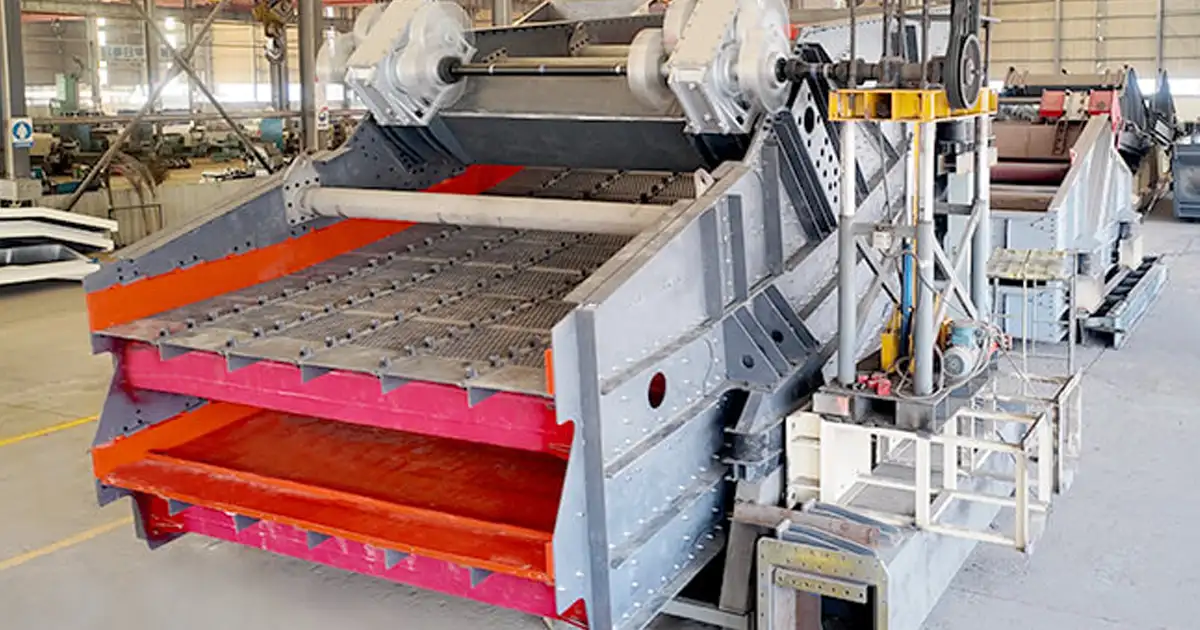
If you want to know how banana screens work, including the banana screen working principle, you are in the right place.
Key Takeaways
- Banana screens are strong machines used in mining and aggregate plants. They help sort materials quickly.
- Their special multi-slope design lets materials move faster. This design also helps separate materials by size better.
- Elliptical vibration makes materials move easily across the screen. This improves how fast and how well sorting happens.
- Banana screens can handle up to 30% more material than flat screens. This makes them great for jobs that need to sort a lot of material.
- Regular maintenance is important. You should check for wear and adjust vibration settings. This keeps banana screens working well.
- Pick the right screen media, like woven wire or polyurethane. The choice depends on the type of material. This helps the screen work its best.
- Control the feed rate and keep a thin layer of material on the screen. This makes sorting work better.
- Banana screens can be used in many industries. These include mining, recycling, and food processing.
What Is a Banana Screen?
Definition
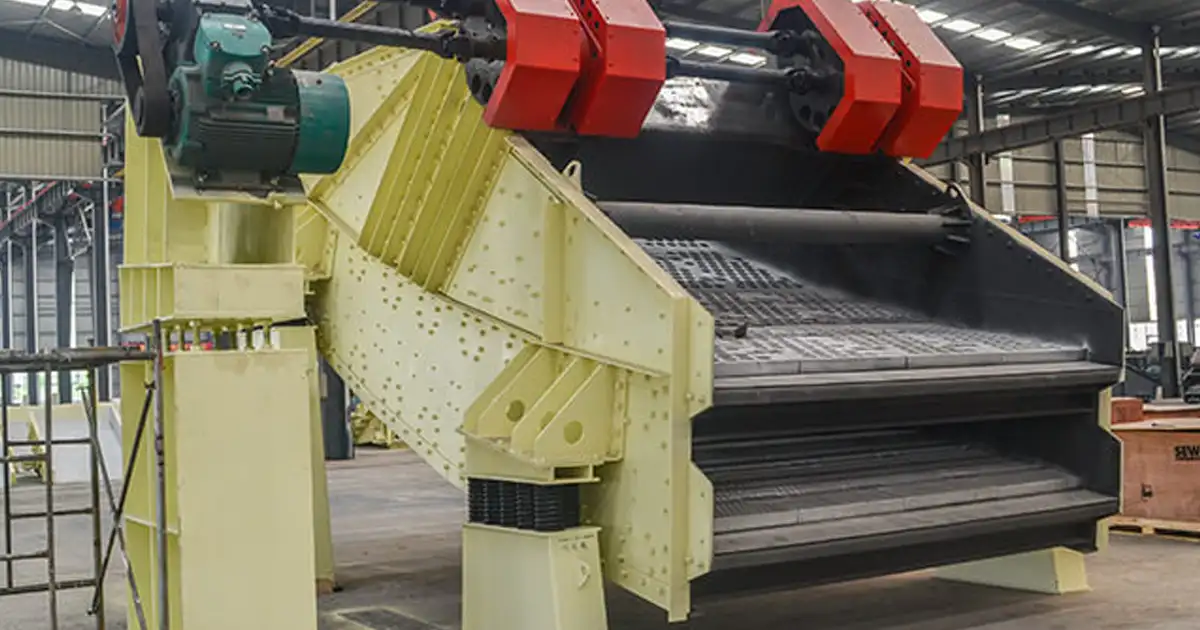
You may wonder how a banana screen is not like other vibrating screens. A banana screen is a special vibrating screen with several slopes. Its curved shape looks like a banana. This shape helps move materials fast and sorts them better. Banana screens are used in mining and aggregate plants. They handle a lot of material every day.
Here’s a simple look at how the banana screen works at each stage:
| Stage | Description |
|---|---|
| Feed End (High Inclination Section) | The steepest part moves materials forward very quickly. Fine particles fall through the screen right away. |
| Intermediate Transition Section | The slope gets less steep here. Medium-sized particles have more time to touch the screen, so sorting is more exact. |
| Discharge End (Small Inclination Section) | The flattest part lets the last small pieces go through. This stops big pieces from mixing with small ones and helps the machine last longer. |
Main Function
The main job of a banana screen is to sort materials by size using vibration. A thin layer of material moves across the screen. This makes sorting faster and more exact. The many slopes let you handle more material than flat screens. That is why banana screens are used where you need to sort a lot at once.
Let’s look at the main functions:
| Function | Description |
|---|---|
| Design | The banana screen has many slopes and strong shaking to make sorting better. |
| Applications | You can use it for many materials, especially when you need to process a lot at once. |
Tip: If you want your plant to sort faster and more exactly, a banana screen is a good choice.
Applications
Banana screens are used in many industries. They are best when you need to sort a lot of material quickly and exactly. Here are some common uses:
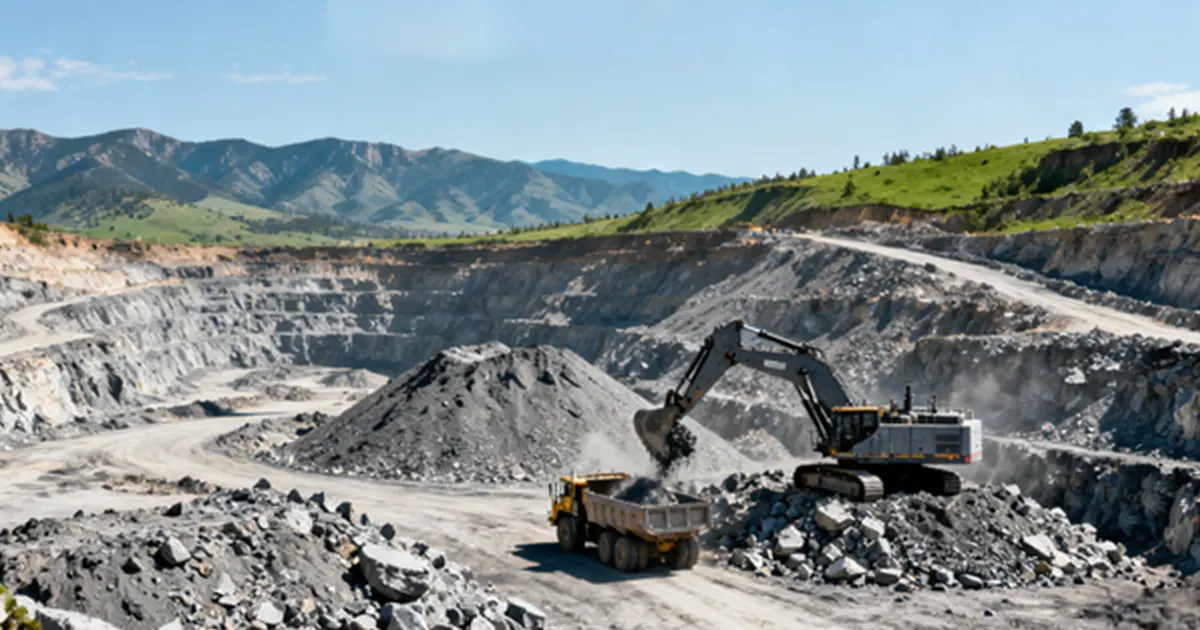
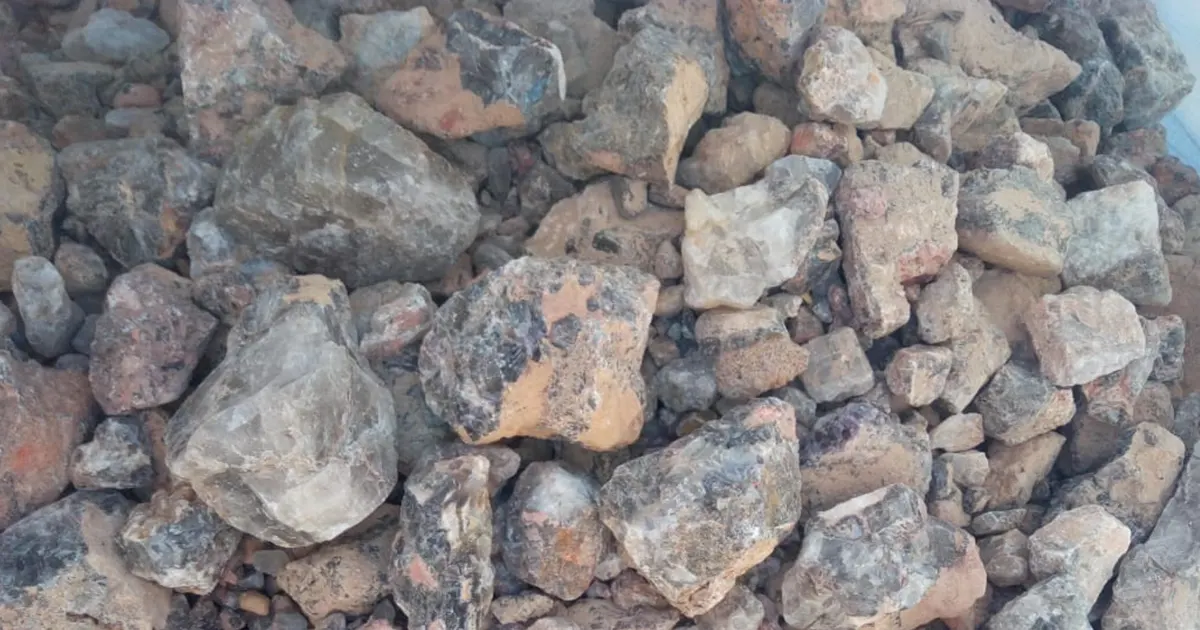
- Mining and quarrying: After rocks are crushed, you use a banana screen to sort iron ore, coal, or stones by size.
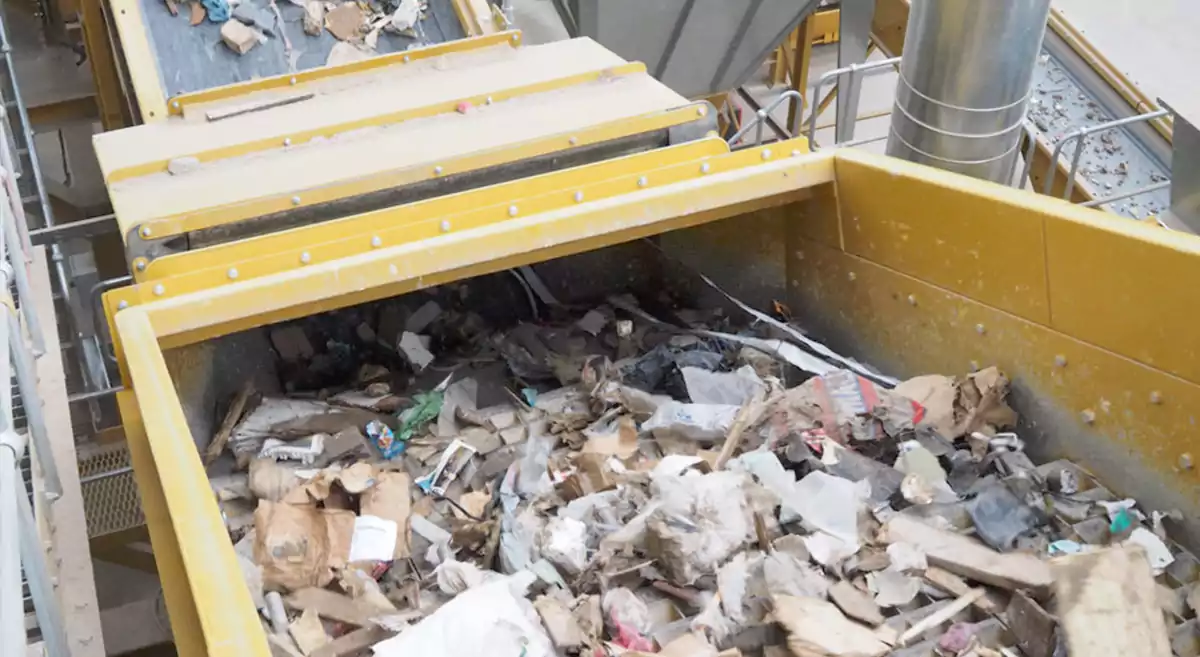
- Recycling and waste management: These screens help sort glass, plastic, and metal for recycling.
- Food and agro-processing: You can use them to sort grains, seeds, fruits, and vegetables without hurting them.
- Chemical and pharmaceutical: Banana screens help sort fine powders and tiny grains for making chemicals and medicines.
| Industry | Specific Processes |
|---|---|
| Mining and Quarrying | Sorting materials after crushing in iron ore, coal, and making aggregates. |
| Recycling and Waste Management | Sorting things to recycle in glass, plastic, and metal plants. |
| Food & Agro-Processing | Sorting farm products like grains, seeds, fruits, and vegetables without damage. |
| Chemical & Pharmaceutical | Sorting fine powders and grains for chemicals and medicines. |
You can see that banana screens are good for many jobs. Their design makes them a great choice when you need fast and reliable sorting.
Banana Screen Working Principle
When you know how the banana screen works, you can see why it is special. Let’s look at how it works and why it is so good at sorting materials.
Vibration and Motion
A banana screen does not just shake in one way. It uses elliptical vibration. This means the screen moves in more than one direction. Because of this, materials move across the screen more easily. The layers of material separate faster. This is why the banana screen is very good at sorting.
Here are the types of motion you will see in a banana screen:
| Type of Motion | Description |
|---|---|
| Linear Motion | The vibromotor makes the screen move in a straight line. Each part of the screen gets a different push because of the curved shape. |
| High Velocity | The steep beginning moves material fast. Fine pieces fall through right away. |
| Stratification | The steps help big pieces move quickly. Small pieces stay on the screen longer for better sorting. |
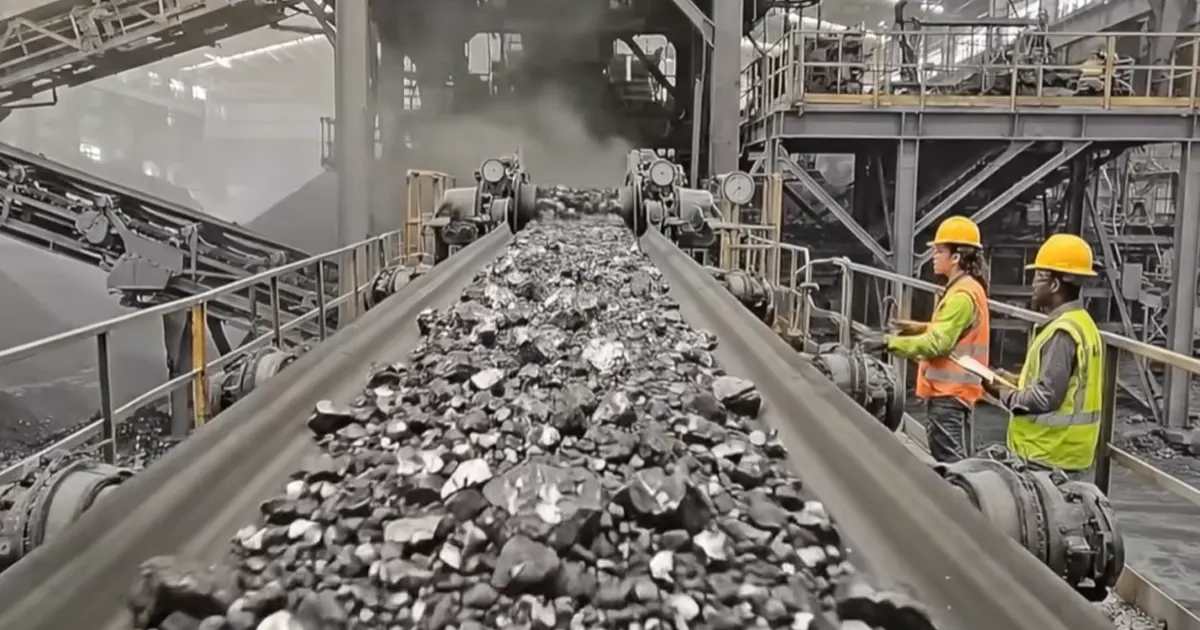
Banana screens are used in coal plants, ore plants, and for cleaning materials. They can handle a lot of material and work well. You can also change the panels easily when you need to fix them.
Tip: Elliptical vibration uses less energy than just moving in a straight line. It also makes the layer of material more open. This helps the pieces sort themselves out faster and with less work.
Multi-Slope Design
The banana screen works well because of its special multi-slope design. The screen is not flat. It has many parts, and each part has a different angle. This helps move material fast at first, then slow it down for better sorting.
Feed Section
At the start, the screen is very steep. When you put material here, it moves forward very fast. Fine pieces fall through almost right away. This keeps the layer thin, which is important for good sorting.
Transition Section
As the material moves down, the screen gets less steep. In the middle, medium pieces get more time on the screen. This helps you sort them better. This part is where the banana screen really shows how well it works. You get both speed and accuracy.
Discharge Section
At the end, the screen is almost flat. Here, the last small pieces can fall through. Big pieces move off the end. This keeps big and small pieces from mixing. It also helps the machine last longer because there is less damage.
Note: The multi-slope design gives you a big area to sort material. You can handle more material at once and still get good results.
Material Separation Logic
The banana screen uses smart design to sort materials quickly and well. Here is how it works:
- The multi-slope design gives you a large area to sort material. You can process a lot at once.
- The special shape works for both wet and dry materials. You get good sorting no matter what you use.
- The sloped decks help make thin layers. Fine pieces fall through early. Bigger pieces move along and get more chances to be sorted.
- The way material moves changes as it goes across the slopes. This helps you get better sorting and more material sorted.
Banana screens can sort about 30% more material than flat screens. That is a big increase. If you want high sorting and processing, the banana screen is a great choice.
- Materials sort themselves out fast.
- The layer stays thin, so more pieces touch the screen and fall through.
- You get good sorting, even with hard or sticky materials.
If you need a machine that can handle a lot and still give you clean, sorted material, the banana screen is a smart choice.
Key Design Features
Inclination Angles
The banana screen is easy to spot because of its special angles. The deck has many slopes, not just one. Each part starts steep and gets flatter near the end. This helps materials move fast at first. Small pieces drop through right away. When the slope gets less steep, things slow down. This gives the rest of the material more time to sort. Changing angles makes screening better. The multi-slope design works better than flat screens.
The different angles let you sort more material quickly. You can handle lots of material and still sort it well.
Screen Surface
The banana screen’s surface is important for sorting well. The deck uses many sections. This gives more places for materials to move and separate. The surface helps push material off the screen. There are fewer blockages in the holes, so the screen works smoothly. The multi-slope design helps material flow and layering. At the start, materials move fast and spread out. Small pieces pass through quickly. Near the end, the angle is flatter. This slows things down and gives small pieces another chance to drop through.
Here’s how the surface helps:
| Feature | Benefit |
|---|---|
| Multi-section deck | Better sorting |
| Reduced footprint | Saves space in your plant |
| Less hole blockage | Keeps sorting strong |
| Optimized material flow | Better separation |
The screen works well for wet and dry materials. The angle gets less steep slowly, so you can control how fast things move. This makes sorting better and keeps your material clean.
Vibration Mechanism
The vibration system makes the banana screen strong. It uses elliptical motion, not just straight shaking. The screen moves in more than one way. Materials spread out and separate faster. Vibration keeps the layer thin. When the layer is thin, more pieces touch the screen. This makes sorting better. You can change the vibration to fit your material. If you have sticky or heavy material, you can adjust speed and force. The banana screen lets you sort many types of material and works well.
If you want a machine that sorts fast and handles tough jobs, the banana screen’s vibration system is a great feature.
Feed and Layer Thickness
You might think the banana screen’s shape does all the work, but feed and layer thickness play a huge role in how well your screen sorts materials. If you want top performance, you need to pay attention to how much material you put on the screen and how thick the layer is.
Let’s break it down. When you feed material onto the banana screen, you control how fast and how much goes on. If you overload the screen, you’ll see problems right away. The material piles up, and the screen holes get blocked. This means less sorting and more waste. On the other hand, if you don’t feed enough, the screen sits idle. You lose efficiency, and your plant doesn’t reach its full potential.
Here’s what you need to know about feed rate and layer thickness:
- Controlled Feed Rate: You should match the feed rate to the screen’s capacity. Too much material causes clogging. Too little means you’re not using the screen’s full power.
- Thin Material Layer: A thin layer lets more particles touch the screen. This helps small pieces fall through quickly. You get better separation and cleaner results.
- Uniform Distribution: Spread the material evenly across the screen. If you dump everything in one spot, some areas work harder than others. You want every part of the screen to help with sorting.
- Material Flowability: Some materials move easily, while others stick together. Adjust your feed rate based on how the material flows. Sticky or dense materials need slower feed rates.
- Density Matters: Heavy materials need careful feeding. If you rush, the screen can’t keep up. Light materials can move faster, but you still need to watch the layer thickness.
Tip: Always check the layer thickness during operation. If you see a thick pile, slow down the feed. If the layer looks thin and even, you’re on the right track.
You can use a simple table to remember what happens when you change feed and layer thickness:
| Feed Rate | Layer Thickness | Screening Result |
|---|---|---|
| Too High | Thick | Clogging, poor sorting |
| Too Low | Thin | Underused, slow sorting |
| Just Right | Thin/Even | Efficient, clean sorting |
If you want your banana screen to work at its best, keep the feed rate steady and the layer thin. Watch the material as it moves. Make small changes if you see problems. You’ll get faster sorting, less waste, and more profit.
Applications and Limitations
High Throughput Uses
Banana screens are used where speed is important. They help move lots of material quickly. Mining companies use them to sort coal, iron ore, and stones. You also see them in recycling, food, and chemical plants. Banana screens work best when you need high efficiency and flexibility. You can finish more work in less time. The multi-slope design lets you handle big loads fast. If your plant needs quick sorting, this screen can help you produce more.
Tip: Banana screens can sort up to 30% more material than flat screens. This saves both time and energy.
Suitable Materials
You may wonder which materials fit banana screens best. It depends on how your material acts. Medium and fine-grained materials work well. These screens handle brittle materials easily. They do not stick together, so sorting is better. If your material flows well, you can use two layers. This uses the screen’s design fully. For sticky or thick materials, one layer works better. This stops blockages and keeps things running smoothly.
Here’s a simple list to help you choose:
- Medium and fine-grained materials with good flow fit double-layer screens.
- Sticky or thick materials work best with single-layer setups.
- Brittle materials do not stick, so sorting is more efficient.
- Sticky materials can block the screen and slow sorting.
If you want to sort grains, seeds, powders, or crushed rocks, banana screens give clean results. You can change the setup based on your material.
Unsuitable Conditions
Banana screens do not work well in every situation. You need to watch for some problems. If you set vibration wrong, sorting slows down. The screen needs the right movement and speed. If the screen is too small, it cannot handle all the material. Loose mesh causes bad sorting. Hot bearings can break the machine. Loud noises mean parts are worn or bolts are loose. Damage can happen if you run the machine too long or ignore metal fatigue.
Here’s a table showing what to avoid:
| Unsuitable Condition | Cause/Reason |
|---|---|
| Wrong Vibration Settings | Movement too small, wrong speed, or bad angle. |
| Too Small Screening Area | Screen is not big enough for the material. |
| Loose Mesh | Not tight enough or worn out. |
| Hot Bearings | Not enough, too much, or bad oil. |
| Noise Problems | Worn parts, loose screens, loose bolts, damaged springs, or broken frame. |
| Structural Damage | Running too long at bad speed, loose bolts, bent springs, uneven sides, heavy blocks, or metal fatigue. |
If you avoid these problems, your banana screen works well. You keep sorting smooth and your plant running strong.
Screen Media Impact
Picking the right screen media for your banana screen is important. You can choose woven wire mesh or polyurethane panels. Each type has its own good points. You should pick what fits your material and what you want to do.
Woven Wire vs. Polyurethane
Woven wire mesh has more open space. This lets more material go through the screen. It helps you sort faster and makes your plant work better. Polyurethane panels last longer and do not wear out fast. You will not need to fix or change them as often. This keeps your plant working with less stopping.
Here’s a simple table to compare:
| Screen Media Type | Key Characteristics | Impact on Performance |
|---|---|---|
| Woven Wire Mesh | Higher open area percentage for increased capacity | Optimizes throughput and efficiency |
| Polyurethane Panels | Superior wear resistance and service life | Reduces downtime and maintenance costs |
Open Area and Dry Material
If you sort dry materials and want to move a lot, use woven wire mesh. The open space lets small pieces fall through quickly. You get faster sorting and cleaner results. Polyurethane panels have less open space. This can slow down sorting dry materials. But they are very strong and last longer.
Wear and Wet Material
Polyurethane screens are tough and last a long time. They can work for 6 to 12 months before you need new ones. Polyurethane can last 8 to 10 times longer than metal screens. They also last 3 times longer than stainless steel. These panels are hard and do not wear out fast. If you sort wet, sticky, or rough materials, polyurethane is a good choice. It keeps your screen working and saves money.
- Polyurethane screens usually last 6 to 12 months.
- Polyurethane screens last 8 to 10 times longer than metal screens.
- Polyurethane panels are hard and resist wear.
- Polyurethane screens are strong and work well with rough materials.
Blinding and Pegging
Sometimes, screen holes get blocked. This is called blinding or pegging. Blinding happens when wet or sticky stuff clogs the holes. Pegging happens because of the shape or size of the holes. Both problems slow sorting and make your plant less efficient.
Here is what causes blinding and pegging:
- Wet feed and sticky stuff cause blinding.
- Clays and lumps block the holes.
- Pegging comes from the shape and size of the holes.
- Wet surfaces make sorting less efficient.
You can fix these problems with self-cleaning wire. You can also change the screen angle or add more vibration. Shaking or moving the screen helps clear the holes. Make sure you use the right vibration to keep your screen working well.
Tip: If you see blinding or pegging, try changing the angle or add more vibration. Small changes can help a lot.
Custom Selection
To get the best results, pick the right screen media for your job. Think about these things:
- Material Characteristics: Check the shape, weight, moisture, stickiness, roughness, and temperature of your material.
- Screening Application: Decide if you need to remove big pieces, sort by size, or do something else.
- Screen Type: Choose the screen that fits your job.
If you match your screen media to your material and process, you will sort better. You will have less downtime and make more money. Take your time to choose, and your banana screen will work its best.
Common Problems and Solutions
Clogging
Clogging happens when material blocks the holes in your banana screen mesh. This is common if you have long pieces or mixed sizes. When clogging happens, sorting slows down. Your screen does not work as well. You can fix clogging with a few easy steps.
- Change the screening angle or vibration settings. This helps materials move and clears the holes.
- Pick the right mesh size and material for your job. If the mesh is too small or weak, clogging gets worse.
- Control how much material you put on the screen. Too much material piles up and blocks the holes.
Note: Running the machine too fast can make it spin wrong. Check the eccentric block layout and change it if needed.
Check the lubrication system often to stop blockages in the sealing device. If you see broken sealing rings or worn bearings, replace them right away.
Here’s a quick list to help you remember:
- Change angles and vibration.
- Use the right mesh size.
- Watch the feed rate.
- Check oil and replace old parts.
Oversize Carryover
Oversize carryover means big pieces stay on the screen. They should fall through but do not. This makes sorting worse. You can fix this by making a few changes.
- Pick the right screening equipment. Banana screens give strong shaking and better sorting.
- Use the best screen media. Choose media that stops blocking and spreads material out.
- Change vibration and machine settings. Adjust stroke length and speed to help material move and stop carryover.
Tip: If you see too many big pieces left, try changing vibration settings or use a different screen media.
Wear Issues
Banana screens work hard every day. If you do not take care of them, they can wear out. You can keep your screen working longer with good maintenance.
| Maintenance Practice | Description |
|---|---|
| Surface Treatment | Shot blasting cleans off rust and old layers. |
| Polyurea Material Application | Spray polyurea on weak spots to protect against wear. |
| Adhesive Wear-Resistant Plates | Add rubber plates to important parts for extra protection. |
Note: Regular care keeps your banana screen working well. If you clean surfaces, use coatings, and add rubber plates, you can stop expensive repairs.
You can fix most problems with simple checks and changes. If you watch for clogging, carryover, and wear, your banana screen will sort faster and last longer.
Conclusion
You get big advantages when you choose a banana screen for your plant. It boosts throughput, saves costs, and lasts longer. Picking the right screen media makes your job easier and keeps maintenance low. Here’s what you should check:
- Measure the screen size.
- Look at your material’s shape and size.
- Pick the best mesh for your needs.
- Adjust the angle for better sorting.
Smart choices help you handle tough materials and keep your equipment running strong. As a screen media manufacturer, we supply woven wire screens and polyurethane panels that help banana screens run more consistently, reduce downtime, and maintain stable sizing.
FAQ
What makes a banana screen different from a regular vibrating screen?
You get a multi-slope deck with a banana screen. This design moves material faster at first, then slows it down for better sorting. You can process more material than with a flat screen.
How often should you check or maintain a banana screen?
Check your banana screen every week. Look for loose bolts, worn screen panels, and oil levels. Clean the screen surface often. Regular checks help you avoid big repairs.
Can you use a banana screen for wet materials?
Yes, you can. Banana screens work well with both wet and dry materials. If you handle sticky or wet feed, choose polyurethane panels for longer life and less clogging.
What is the best screen media for high wear applications?
Polyurethane panels work best for high wear. They last much longer than wire mesh. You spend less time on maintenance and get more uptime.
Why does my banana screen get clogged?
Clogging happens when you overload the screen or use the wrong mesh size. Wet or sticky materials can also block the holes. Try adjusting the feed rate or switching to self-cleaning screen panels.
How do you choose the right banana screen size?
First, check your material type and how much you need to process. Pick a screen with enough area for your feed rate. If you are unsure, ask your equipment supplier for help.
Can you adjust the vibration settings on a banana screen?
Yes! You can change the vibration speed and stroke. Adjust these settings to fit your material and improve sorting. If you see problems, try small changes first.
What should you do if you hear loud noises from your banana screen?
Stop the machine right away. Loud noises mean something is loose or worn out. Check for loose bolts, worn bearings, or broken parts. Fix these issues before restarting.